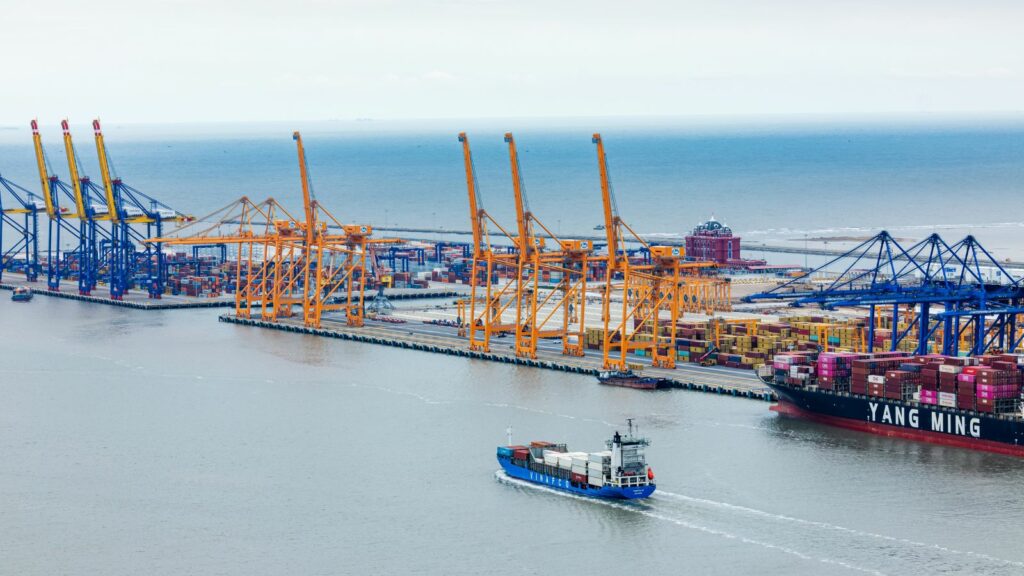
For decades, car buyers in North America were used to seeing dealership lots packed with vehicles. Rows of sedans, trucks, and SUVs gave customers the freedom to walk in and drive home the same day. In recent years that expectation has changed. Global shipping disruptions have reshaped how vehicles reach dealerships, and inventory levels across Canada and the United States are still feeling the effects.
The Auto Industry Depends on Global Shipping
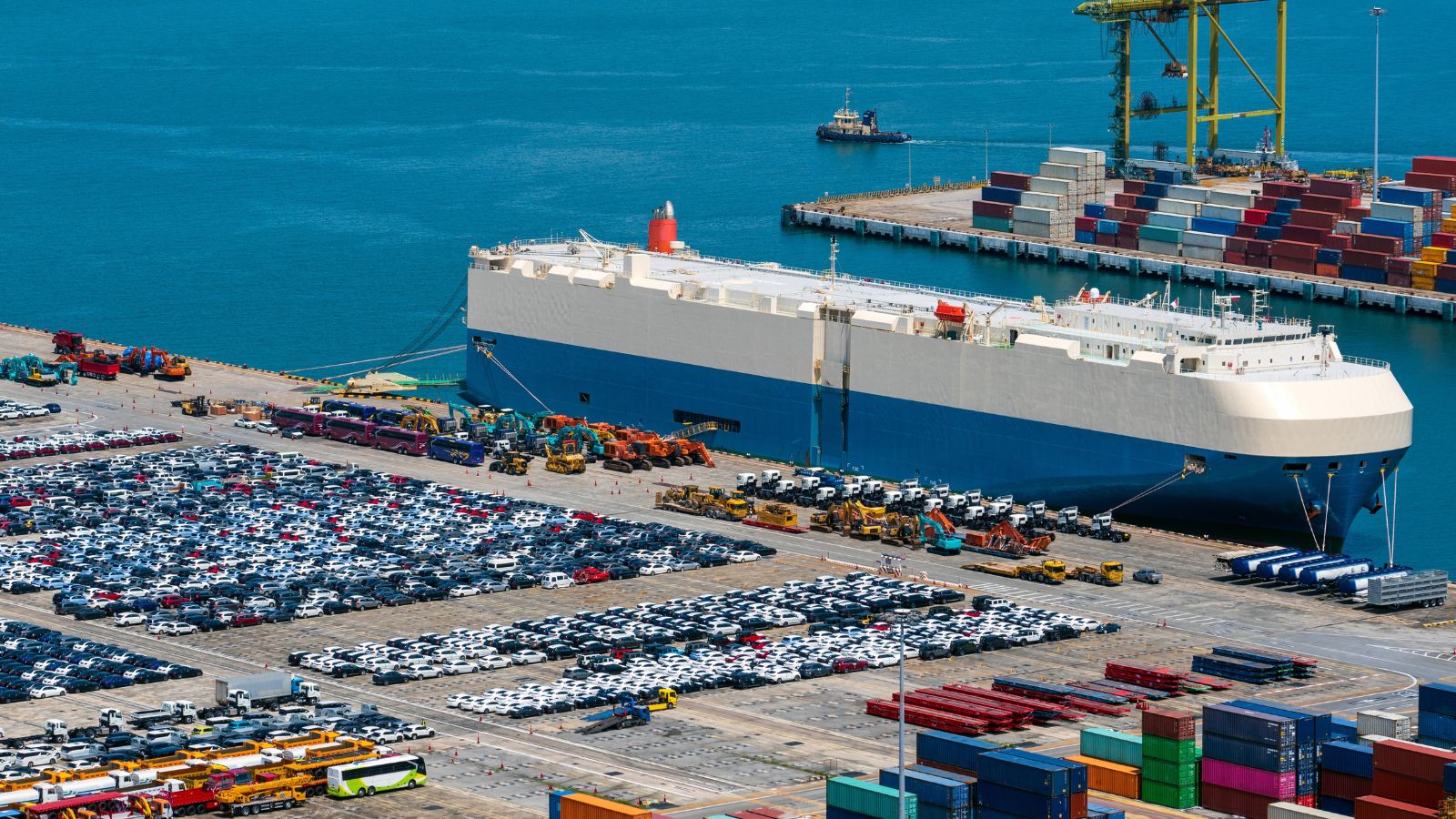
Modern vehicles are global products. A car assembled in Japan, Germany, or South Korea must travel thousands of kilometres before reaching Canadian showrooms. Even vehicles built in North America often rely on imported components that arrive by container ship.
When international shipping slows or becomes unpredictable, the flow of vehicles and parts into North America slows as well. That can leave dealership lots with fewer options for buyers.
Shipping Routes Are Facing New Risks

Major shipping lanes around the world have become more vulnerable to geopolitical tensions and regional conflicts. When risks increase in key waterways, shipping companies sometimes reroute vessels to avoid danger.
These detours can add weeks to delivery times. Vehicles that once took a predictable route across the ocean may now arrive much later than expected, creating gaps in dealership inventory.
Port Congestion Creates Bottlenecks
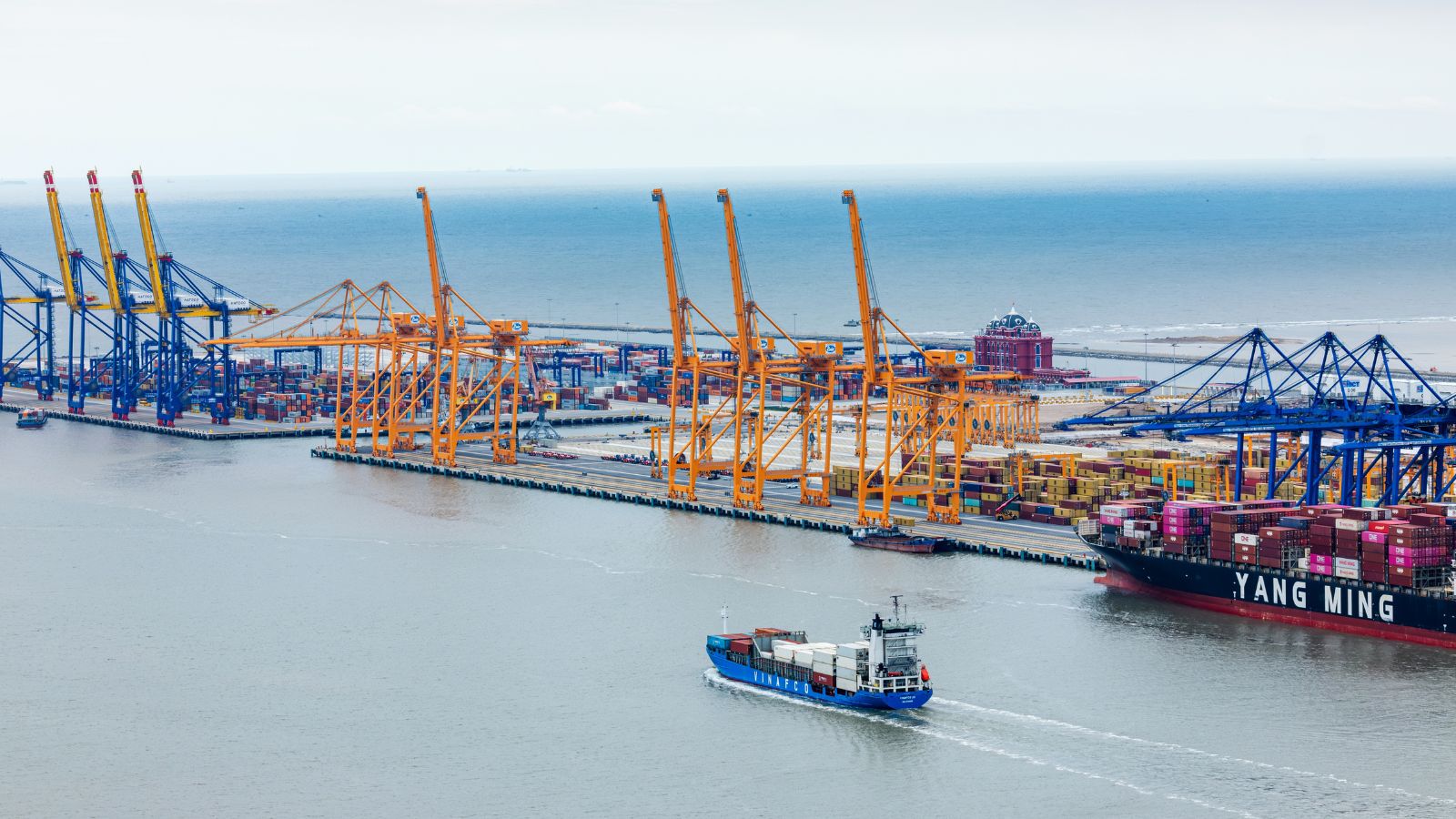
Even when ships arrive on schedule, ports can become overwhelmed. Large ports in North America sometimes experience congestion when cargo volumes surge or labor shortages occur.
When ships must wait offshore to unload, vehicles remain stuck in transit rather than reaching dealerships. Those delays ripple through the entire distribution network.
Fewer Ships Means Slower Deliveries

Global shipping capacity has also fluctuated in recent years. Some shipping companies reduced routes during economic slowdowns, while others redirected vessels to more profitable markets.
With fewer ships available on certain routes, automakers may struggle to move vehicles and components quickly enough to maintain normal inventory levels.
Parts Delays Can Halt Production
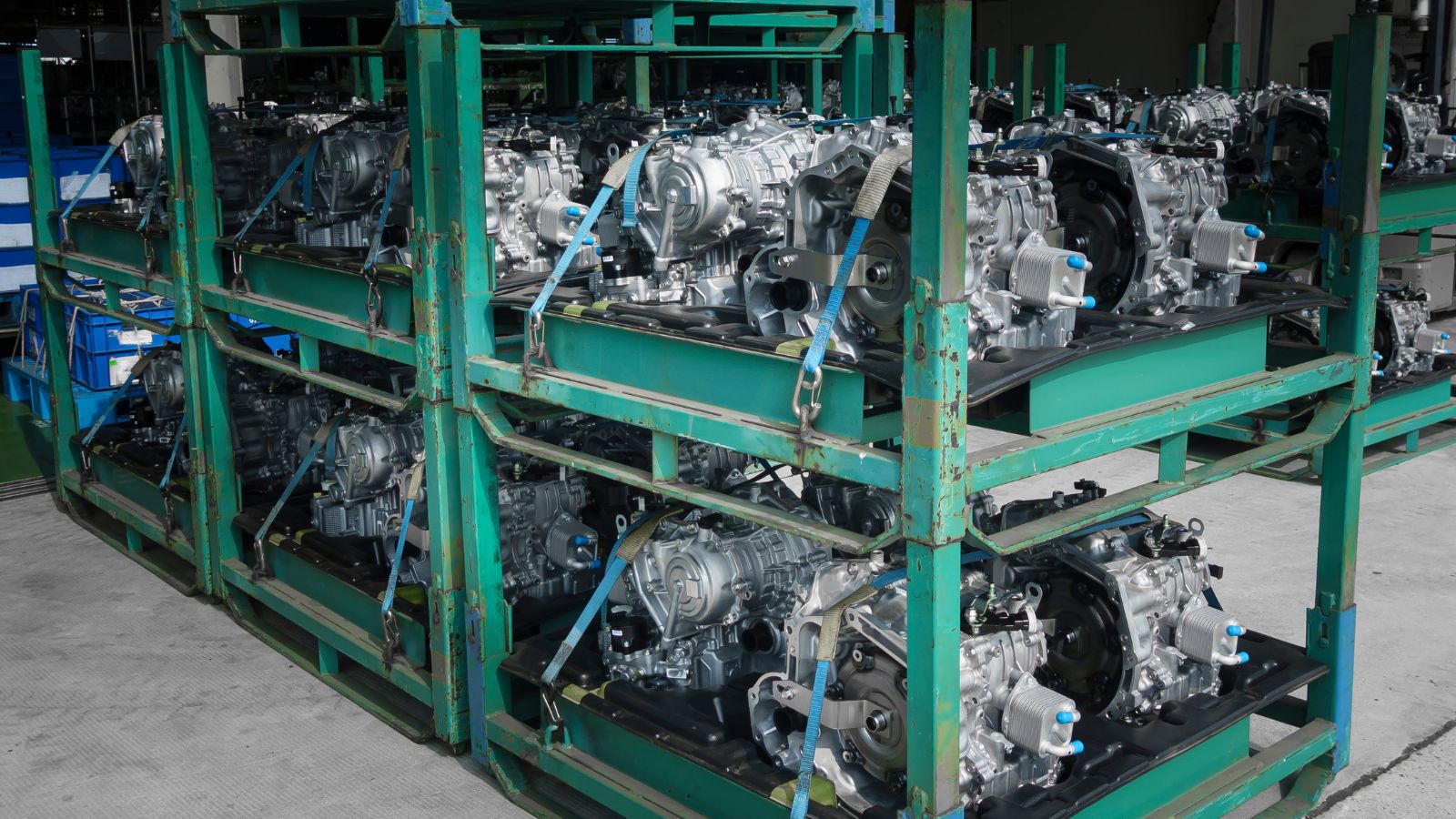
Shipping disruptions do not only affect finished vehicles. Many of the parts used to build cars travel across oceans before reaching assembly plants.
If even a small component is delayed, production lines may slow or temporarily stop. When factories reduce output, fewer vehicles are available to ship to dealerships.
Dealers Are Carrying Less Inventory
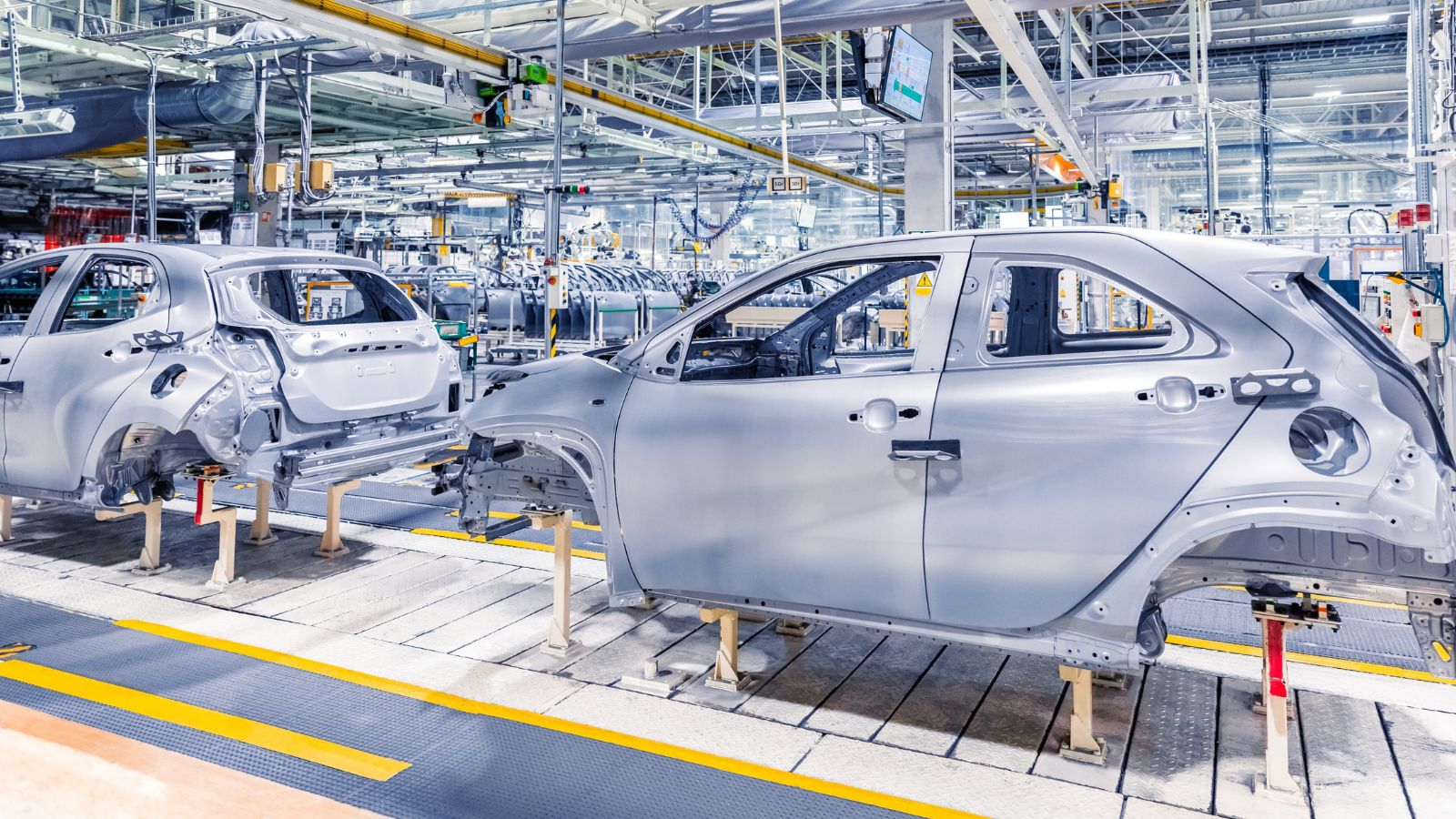
The traditional model of large dealership inventories has already shifted. Many manufacturers adopted leaner production strategies after the pandemic, preferring to build vehicles closer to actual demand.
When shipping disruptions occur in this environment, dealership inventories can shrink quickly because there is less buffer stock available.
Customers Are Ordering More Vehicles

With fewer cars sitting on lots, many buyers now place factory orders instead of choosing from existing inventory. This approach allows customers to select exact configurations but often requires waiting several weeks or months for delivery.
For drivers who need a vehicle immediately, that change can be frustrating.
Imported Vehicles Feel the Impact Most

Vehicles produced overseas are particularly sensitive to shipping disruptions. Luxury cars from Europe and many models from Japan and South Korea rely heavily on ocean transport.
If global shipping routes slow down, these vehicles may become harder to find at dealerships.
Used Car Demand Can Increase

When new vehicle inventory tightens, many buyers turn to the used market instead. Increased demand for used vehicles can drive prices upward and reduce availability in that segment as well.
This ripple effect shows how closely connected the entire automotive market has become.
A New Reality for Buyers

Global shipping disruptions have revealed how dependent the automotive industry is on international logistics. What once seemed like a stable supply system can be affected by geopolitical tensions, labor shortages, and shipping capacity changes.
For car buyers today, patience and flexibility are becoming part of the purchasing process. The days of endless dealership inventory may not fully return, especially as automakers continue adapting to a more unpredictable global supply chain.
25 Facts About Car Loans That Most Drivers Don’t Realize

Car loans are one of the most common ways people fund car purchases. Like any other kind of loan, car loans can have certain features that can be regarded as an advantage or a disadvantage to the borrower. Understanding all essential facts about car loans and how they work to ensure that you get the best deal for your financial situation is essential. Here are 25 shocking facts about car loans that most drivers don’t realize:
25 Facts About Car Loans That Most Drivers Don’t Realize
