
Ask ten drivers when they service their car and you will get ten different answers. Some follow the dashboard reminder, others wait until something feels wrong, and a few stick religiously to the owner’s manual. The truth sits somewhere in between. Modern cars are smarter than ever, but real world conditions still matter. Mechanics tend to agree on one thing. Regular, proactive servicing is what separates reliable cars from expensive problems.
The Myth of Long Service Intervals
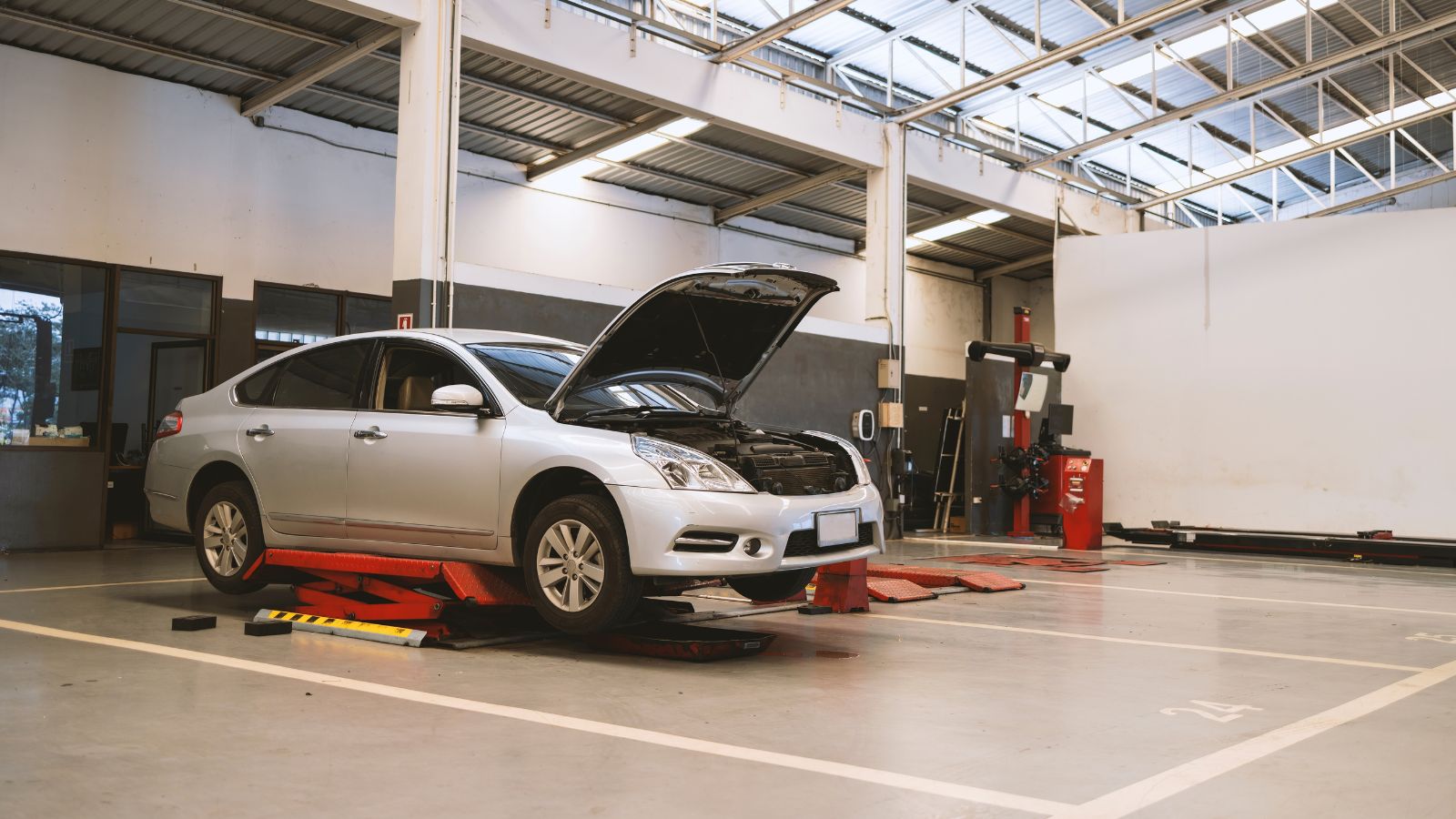
Modern manufacturers often advertise extended service intervals, sometimes stretching oil changes to 10,000 miles or more. On paper, that sounds convenient.
In reality, many mechanics consider those intervals optimistic. Real world driving, especially short trips, heat, or stop start traffic, puts more stress on the engine than ideal test conditions.
Oil Changes Are Still the Foundation
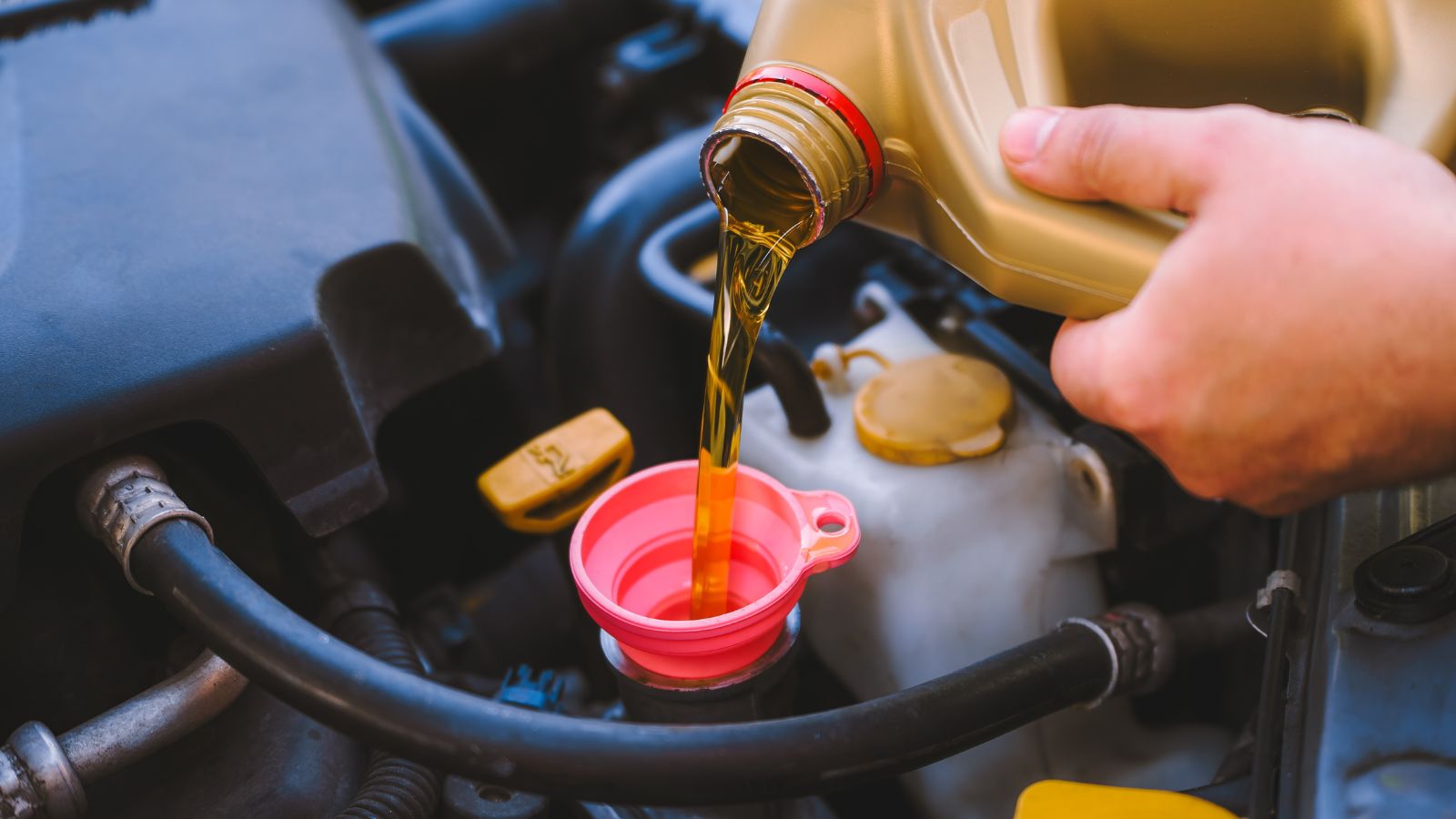
Oil is the lifeblood of your engine. Over time, it breaks down and loses its ability to protect moving parts.
Most mechanics recommend changing oil more frequently than the maximum interval, especially if you want the car to last well beyond the warranty period. A slightly shorter interval is cheap insurance.
Short Trips Are Harder Than Long Drives

A car that is driven short distances regularly can actually suffer more wear than one that sees longer highway runs.
The engine does not fully warm up, moisture builds up inside, and oil degradation accelerates. In these cases, more frequent servicing becomes even more important.
Transmission Service Is Often Ignored
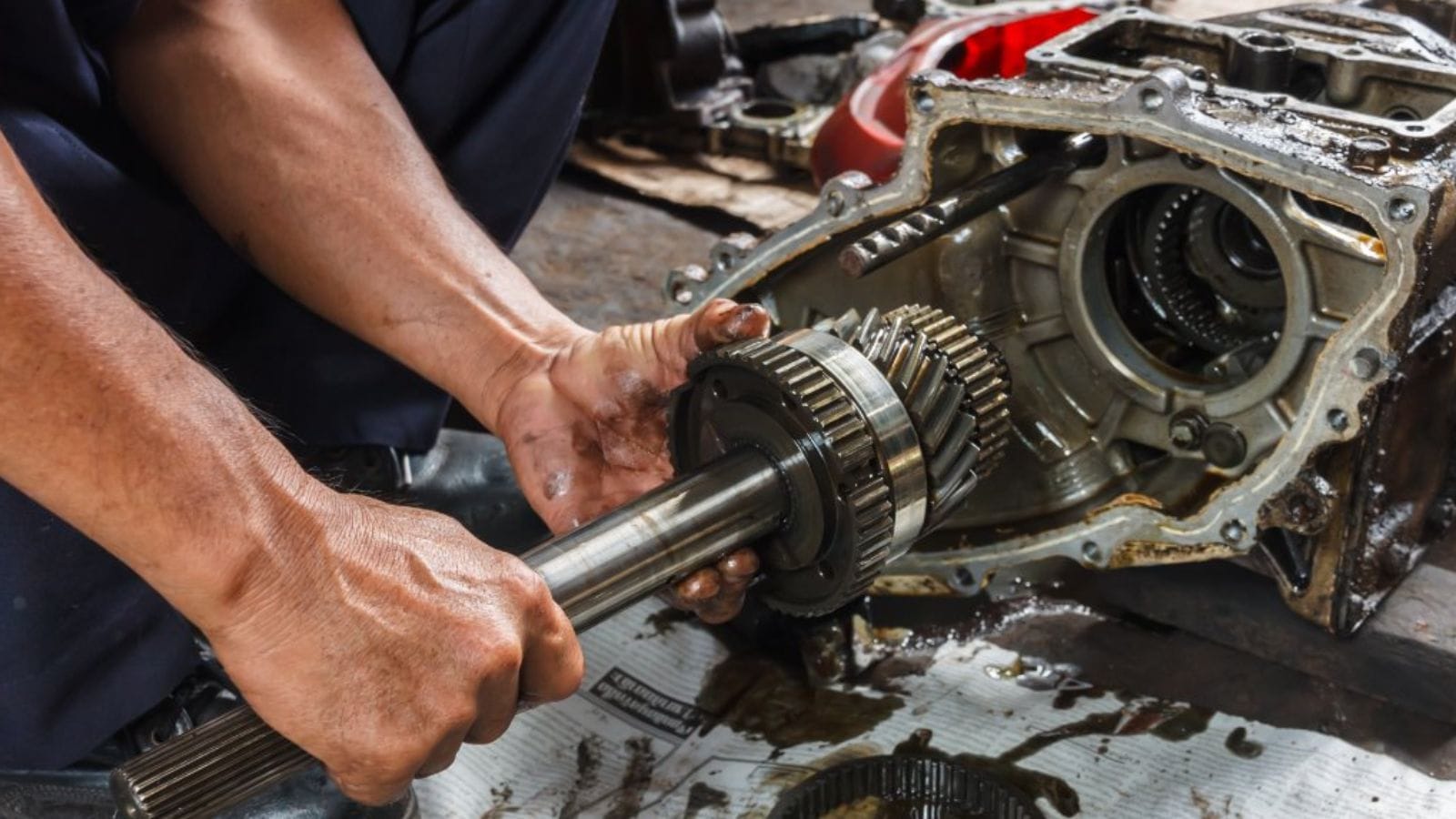
Many drivers never think about the transmission until something goes wrong. That is usually when it is too late.
Mechanics consistently recommend periodic fluid changes, even if the manufacturer calls it lifetime fluid. Keeping the transmission healthy can prevent very expensive repairs.
Brake and Suspension Checks Matter
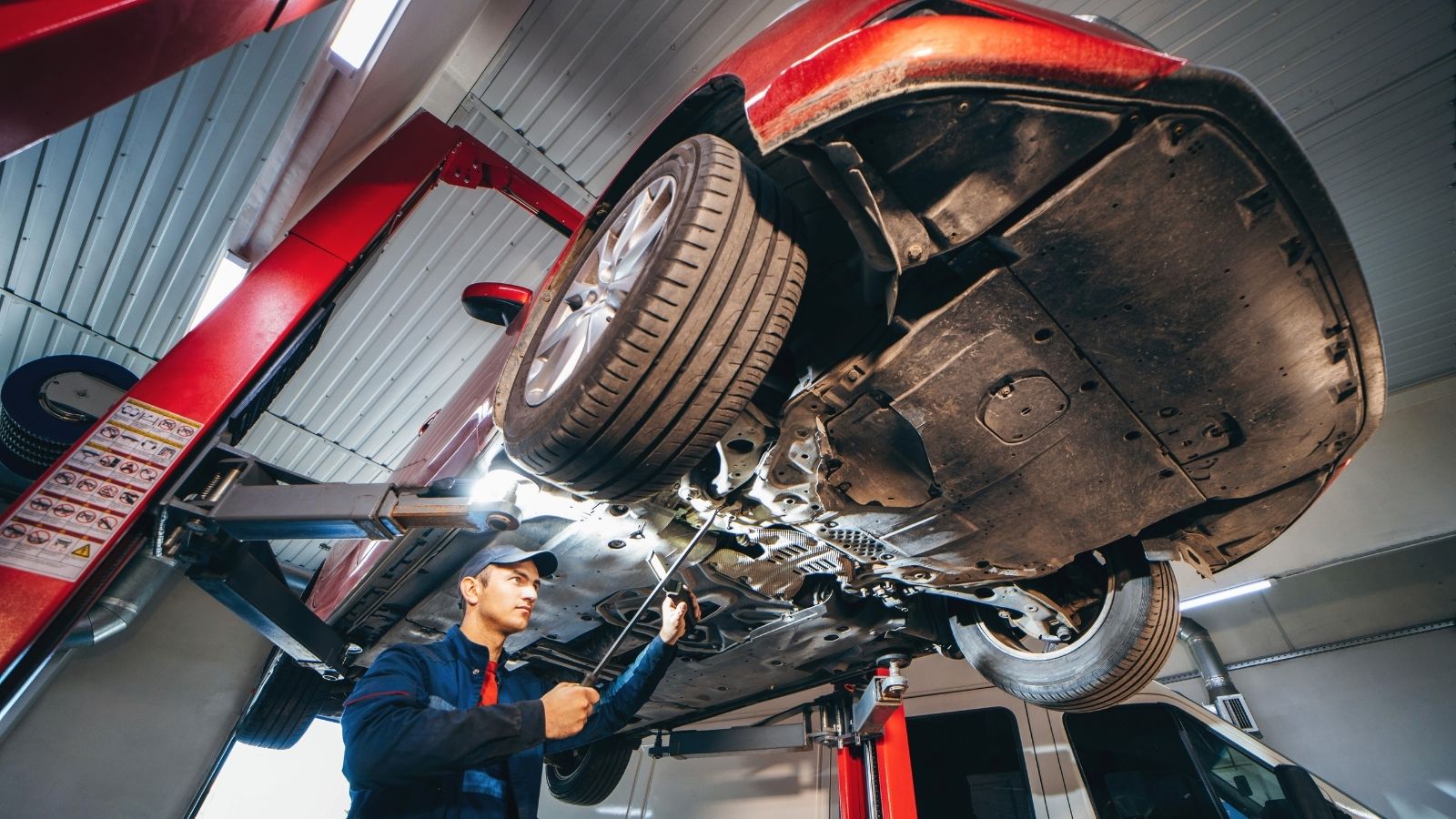
Servicing is not just about fluids. Components like brakes and suspension parts wear over time and affect both safety and comfort.
Regular inspections help catch issues early, before they turn into larger problems.
Filters Should Not Be Overlooked
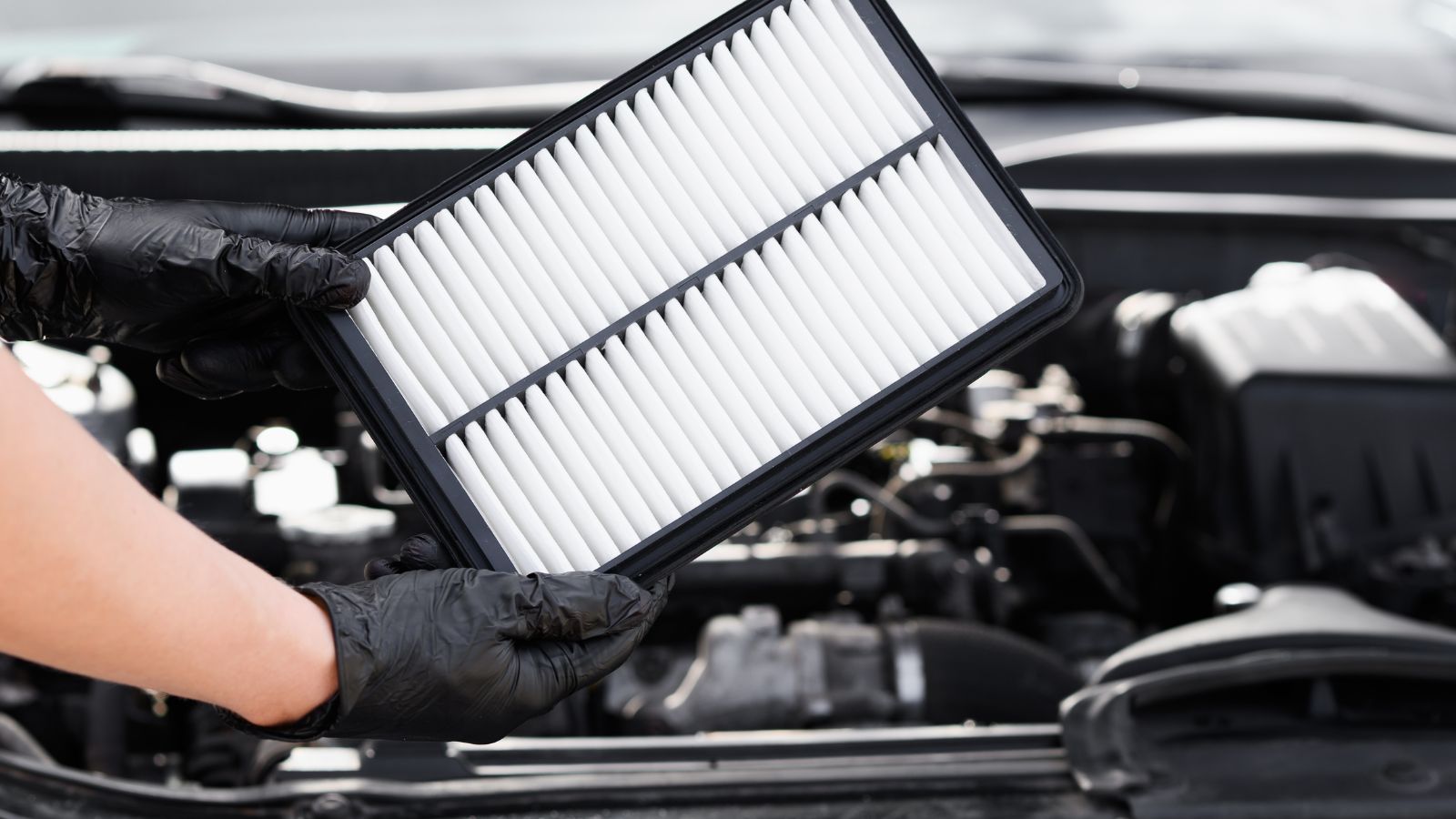
Air filters, cabin filters, and fuel filters all play important roles in how your car performs.
Clogged filters can reduce efficiency, affect engine performance, and even impact air quality inside the cabin.
Driving Style Changes Everything

Aggressive driving, heavy loads, and frequent towing all increase wear on your car. Under these conditions, servicing should be more frequent.
Gentle driving and consistent highway use can extend service intervals slightly, but only to a point.
Climate Plays a Big Role
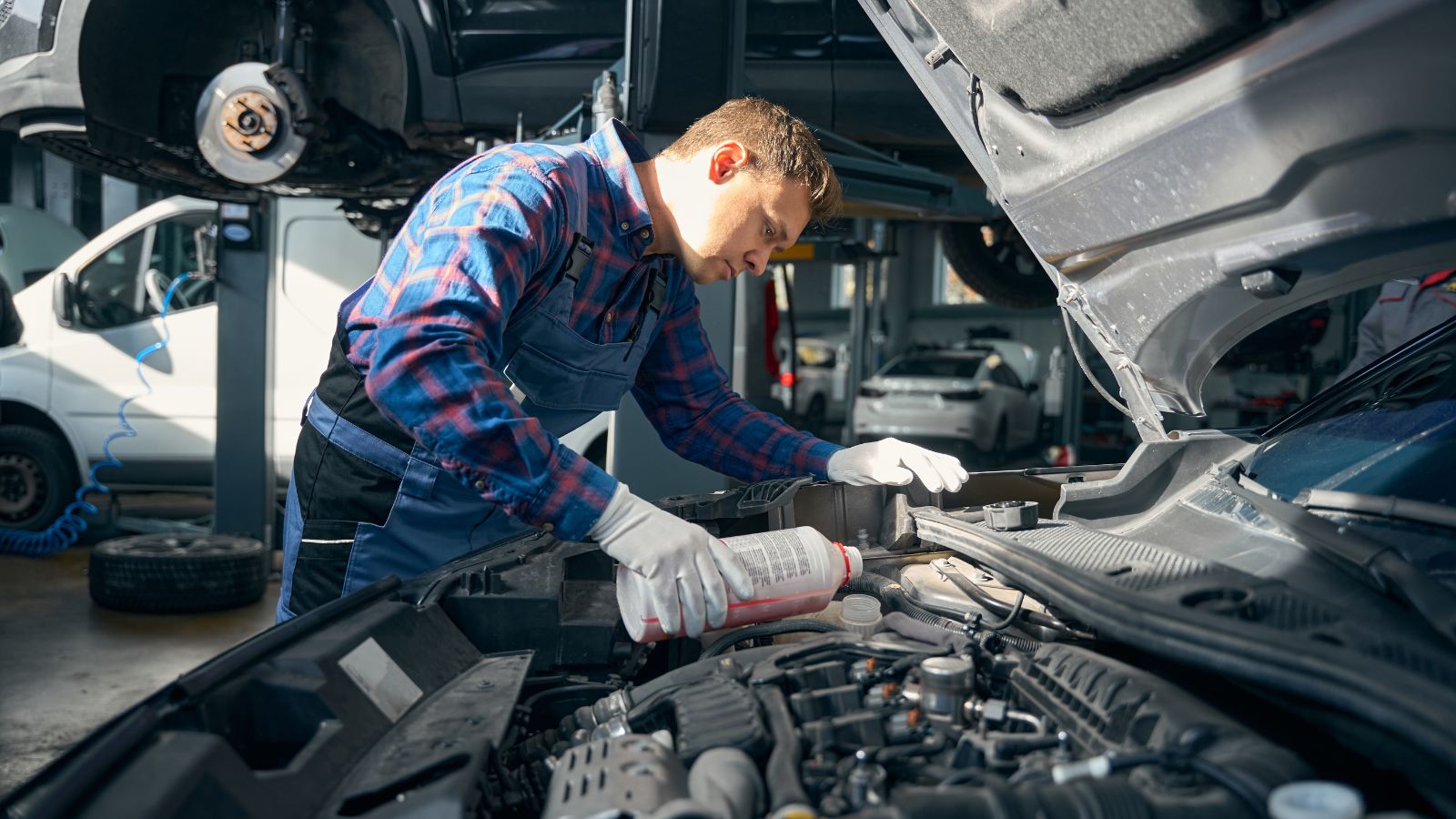
Extreme temperatures, whether hot or cold, place additional stress on your vehicle. Fluids break down faster in heat, while cold starts increase engine wear.
In places with harsh winters or very hot summers, mechanics often recommend adjusting service intervals accordingly.
Warning Signs Should Never Be Ignored
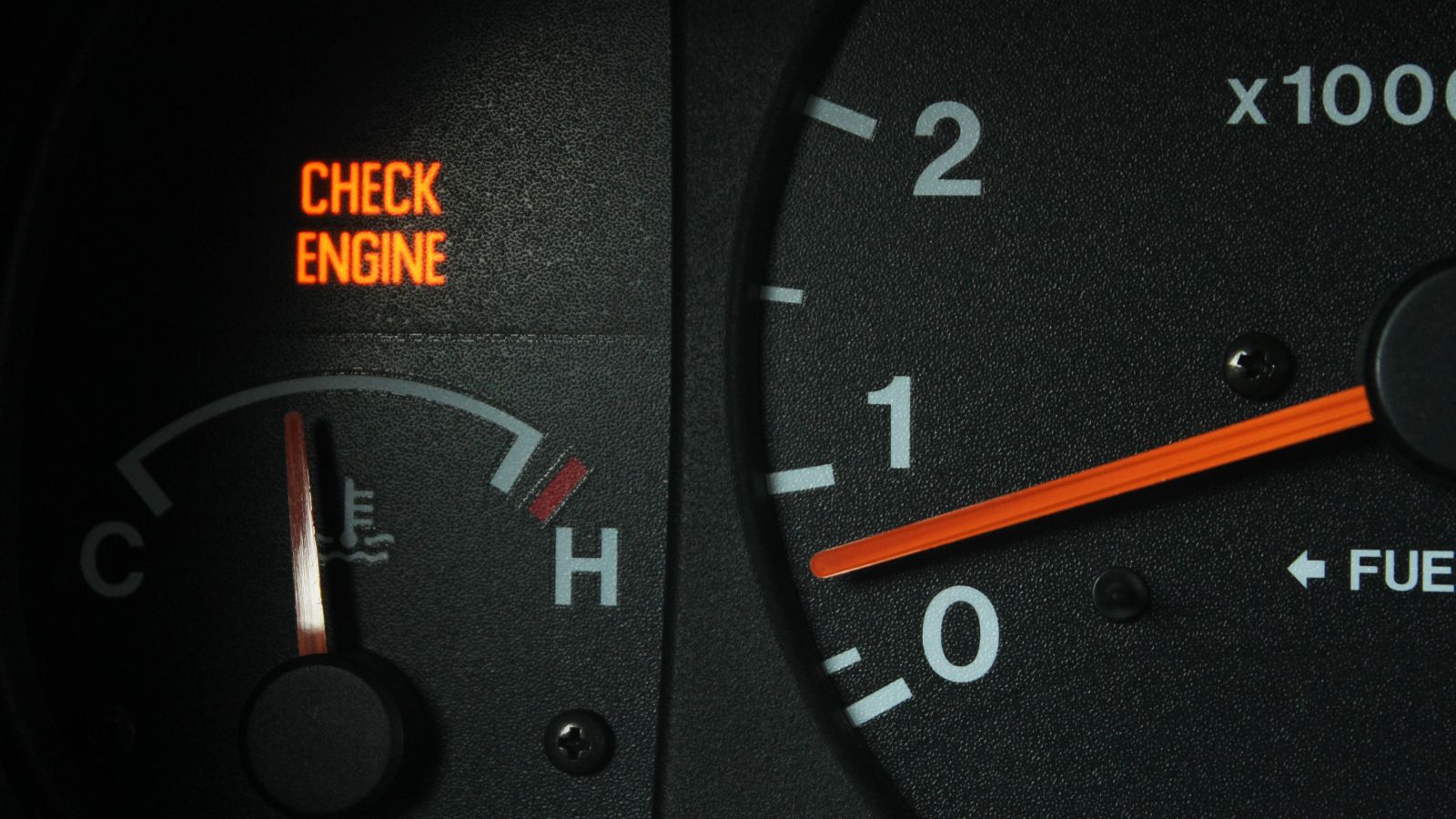
Unusual noises, warning lights, or changes in how the car drives are signals that something needs attention.
Waiting for the next scheduled service can turn a minor issue into a major repair.
The Real Recommendation

Most mechanics will tell you the same thing. Follow the manufacturer’s schedule as a baseline, but adjust it based on how you actually use your car.
Servicing slightly more often than required is far cheaper than dealing with major repairs later. Cars that last the longest are almost always the ones that have been maintained consistently rather than reactively.
25 Facts About Car Loans That Most Drivers Don’t Realize

Car loans are one of the most common ways people fund car purchases. Like any other kind of loan, car loans can have certain features that can be regarded as an advantage or a disadvantage to the borrower. Understanding all essential facts about car loans and how they work to ensure that you get the best deal for your financial situation is essential. Here are 25 shocking facts about car loans that most drivers don’t realize:
25 Facts About Car Loans That Most Drivers Don’t Realize
