
Canadian winters are unforgiving. Temperatures plunge well below freezing, wind chills bite through layers of clothing and roads alternate between ice sheets and snow drifts. Yet trucks remain the trusted workhorses that haul gear, start early, sit idling on job sites and battle through storms. Keeping yours alive through months of deep cold is not about luck. It is about preparation, smart habits and understanding how winter attacks your truck from every angle. Here are ten essential tips that give your truck a fighting chance in the harshest season of the year.
Use the Correct Winter Oil
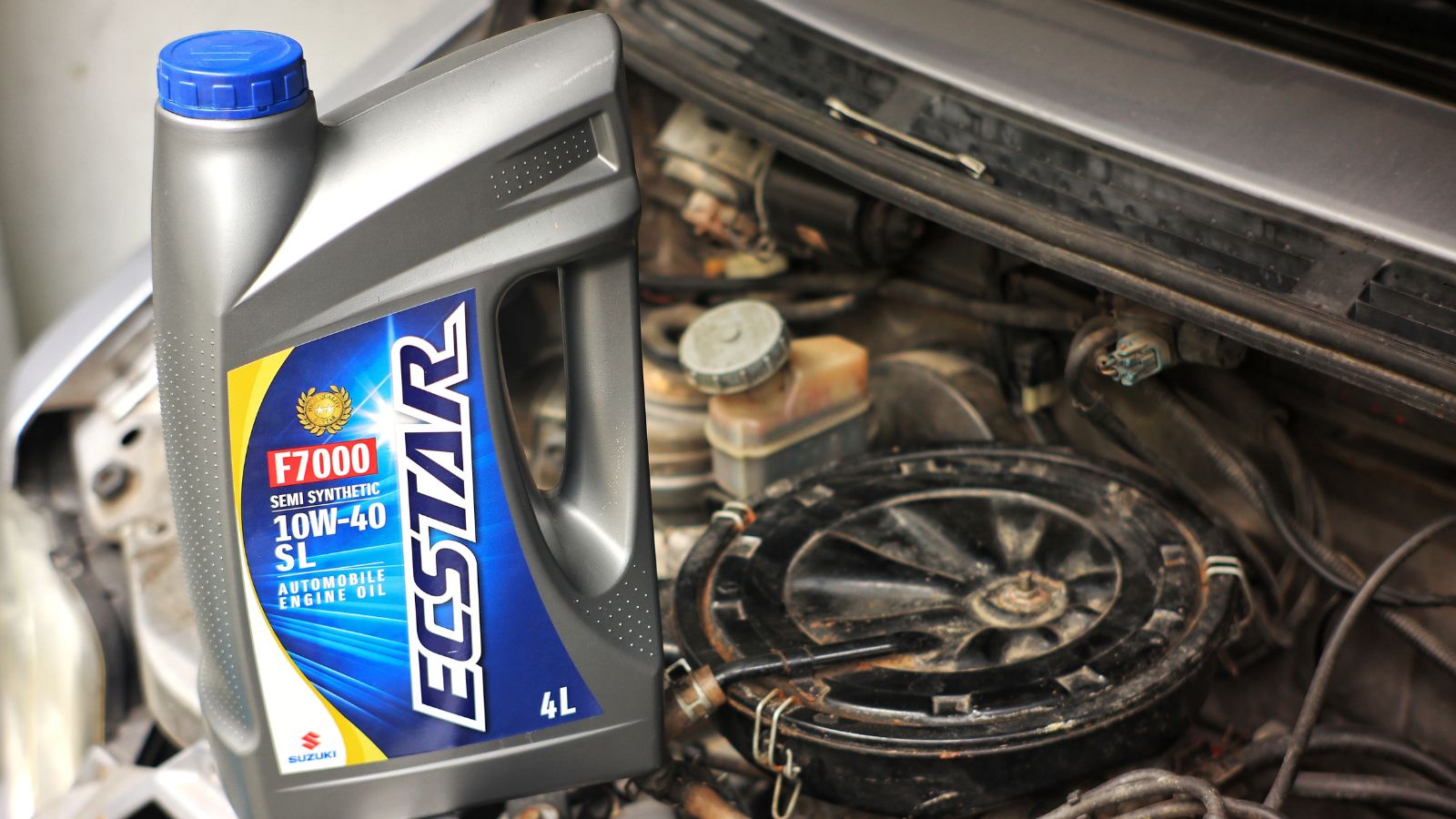
Cold temperatures thicken engine oil to the point where it struggles to move through your truck’s passages. Thick oil starves bearings, slows cranking and forces the starter motor to work harder. Switching to the proper winter weight oil means your engine receives lubrication instantly instead of grinding dry for the first few seconds. Those first seconds matter more than most drivers realize. Using the correct oil can reduce wear, improve cold starts and even save fuel over the long winter. When temperatures hit minus twenty or lower, the difference is night and day.
Protect Your Battery Before It Fails
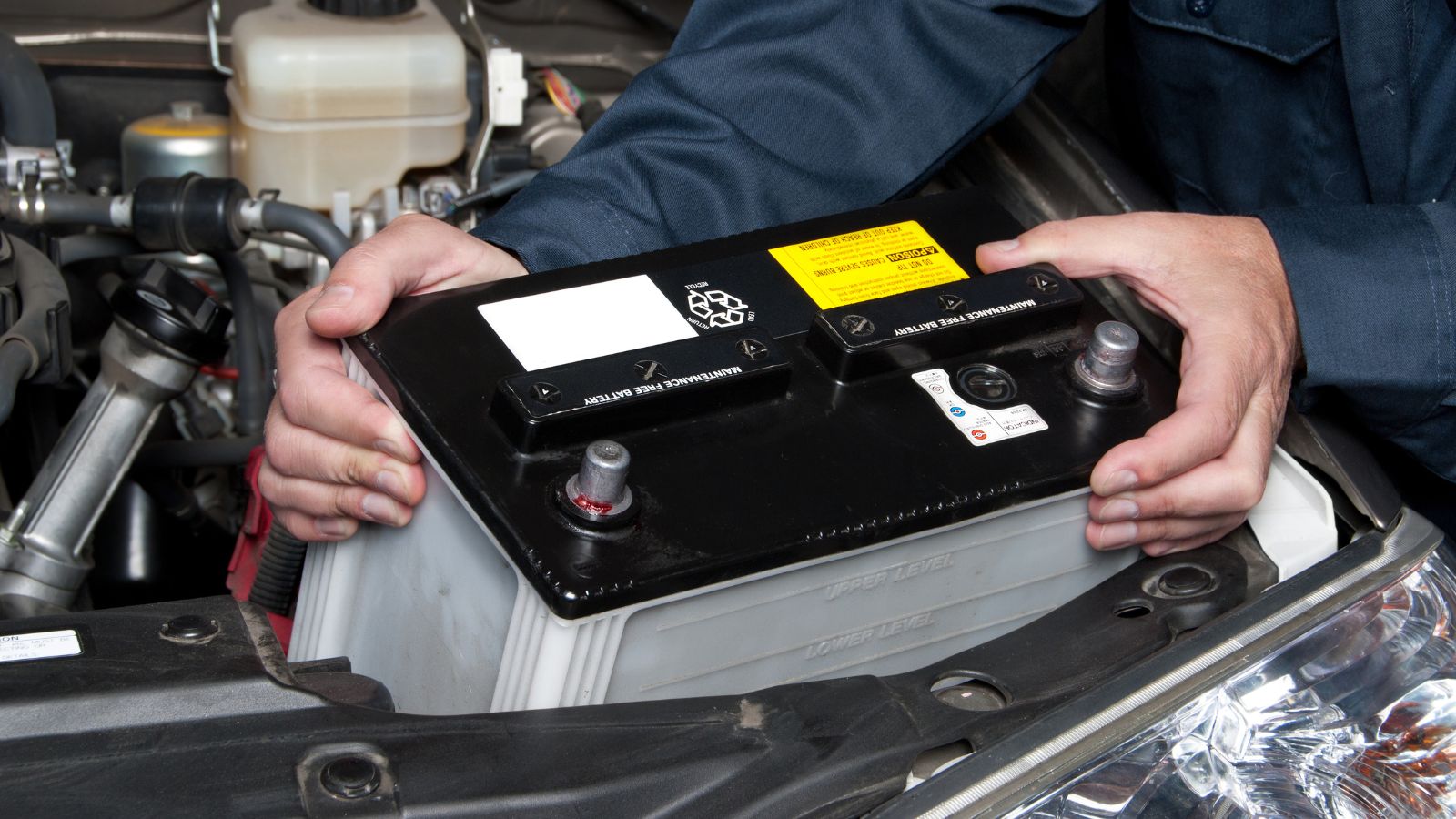
Batteries lose a significant amount of cranking power in extreme cold. A battery that seems perfectly healthy in fall can fail suddenly in January. Proactive testing every autumn gives you time to replace a weak battery before the first cold snap hits. Installing a battery blanket or using a block heater warms the battery enough to maintain voltage on tough mornings. Many Canadian drivers also clean battery terminals in winter to ensure a solid connection. A slow starter motor on a cold day is often the first warning sign, and ignoring it can mean getting stranded when you least expect it.
Use a Block Heater on the Coldest Nights
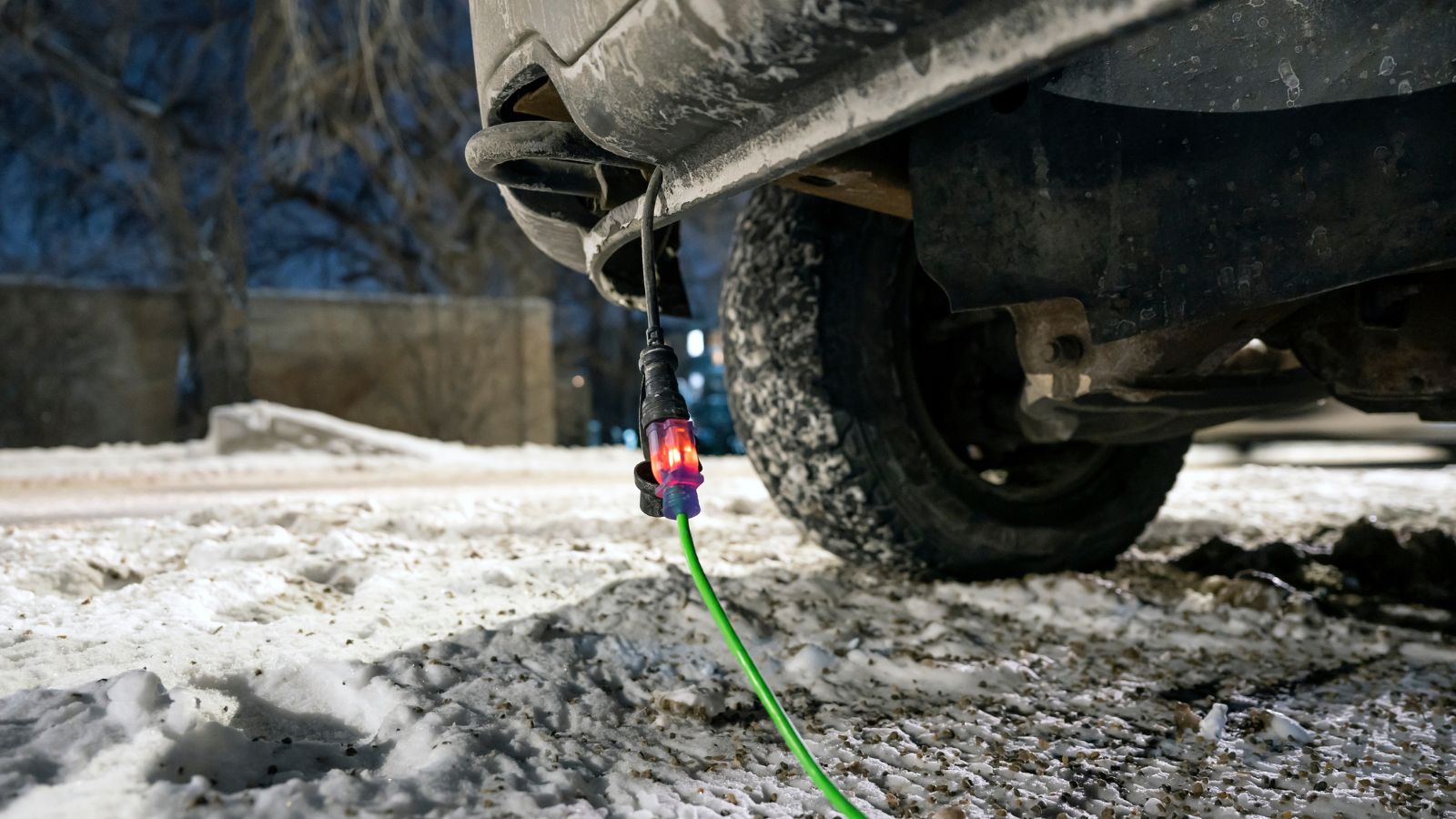
A block heater is not optional in many parts of Canada. Plugging in your truck keeps the engine warm enough to circulate oil instantly and reduces wear dramatically during cold starts. Warm engines start quicker, run smoother and produce heat faster, which matters when the temperature outside makes your breath freeze. Using a block heater regularly also helps reduce fuel consumption, since cold engines use more fuel to reach operating temperature. Some drivers even use timers so their block heater activates a few hours before their morning commute, ensuring their truck wakes up before they do.
Choose Proper Winter Tires

Winter tires are the single most important upgrade for snowy roads. While all season tires stiffen and lose grip in freezing temperatures, winter tires remain flexible and create friction on ice and packed snow. For trucks, which carry more weight and take longer to stop, the difference in braking distance can be enormous. Winter tires also help with traction when pulling loads or climbing snowy hills. Deep snow, slush, icy intersections and frost covered highways all become more manageable with proper winter rubber. Even four wheel drive trucks struggle without them.
Keep Your Fuel Above the Quarter Mark

Moisture buildup in a fuel tank becomes a real threat in winter. When temperatures drop, condensation freezes in the fuel lines and stops fuel from reaching the engine. Keeping your tank at least a quarter full reduces that moisture and provides more consistent performance. Diesel owners must be even more careful. Cold weather causes diesel fuel to gel, restricting flow and preventing the engine from running. Winterized diesel helps, but once the level gets too low, the fuel cools faster and thickens sooner. Many seasoned Canadian truck owners keep their tank half full all winter as a safety habit.
Stay Ahead of Rust and Corrosion

Salt, slush and road brine are winter’s silent killers. They cling to the underside of your truck and eat away at brake lines, suspension components and body panels. Once corrosion starts, it spreads with every wet drive. Routine undercarriage washes help remove the buildup before it causes lasting damage. Rust proofing in the fall adds another layer of defense that keeps moisture from penetrating metal surfaces. Even newer trucks with galvanized bodies benefit from regular rinsing, especially after driving through heavy salt treatment. Rust repair in Canada is never cheap, so prevention pays long term.
Replace Worn Wipers and Use Winter Washer Fluid
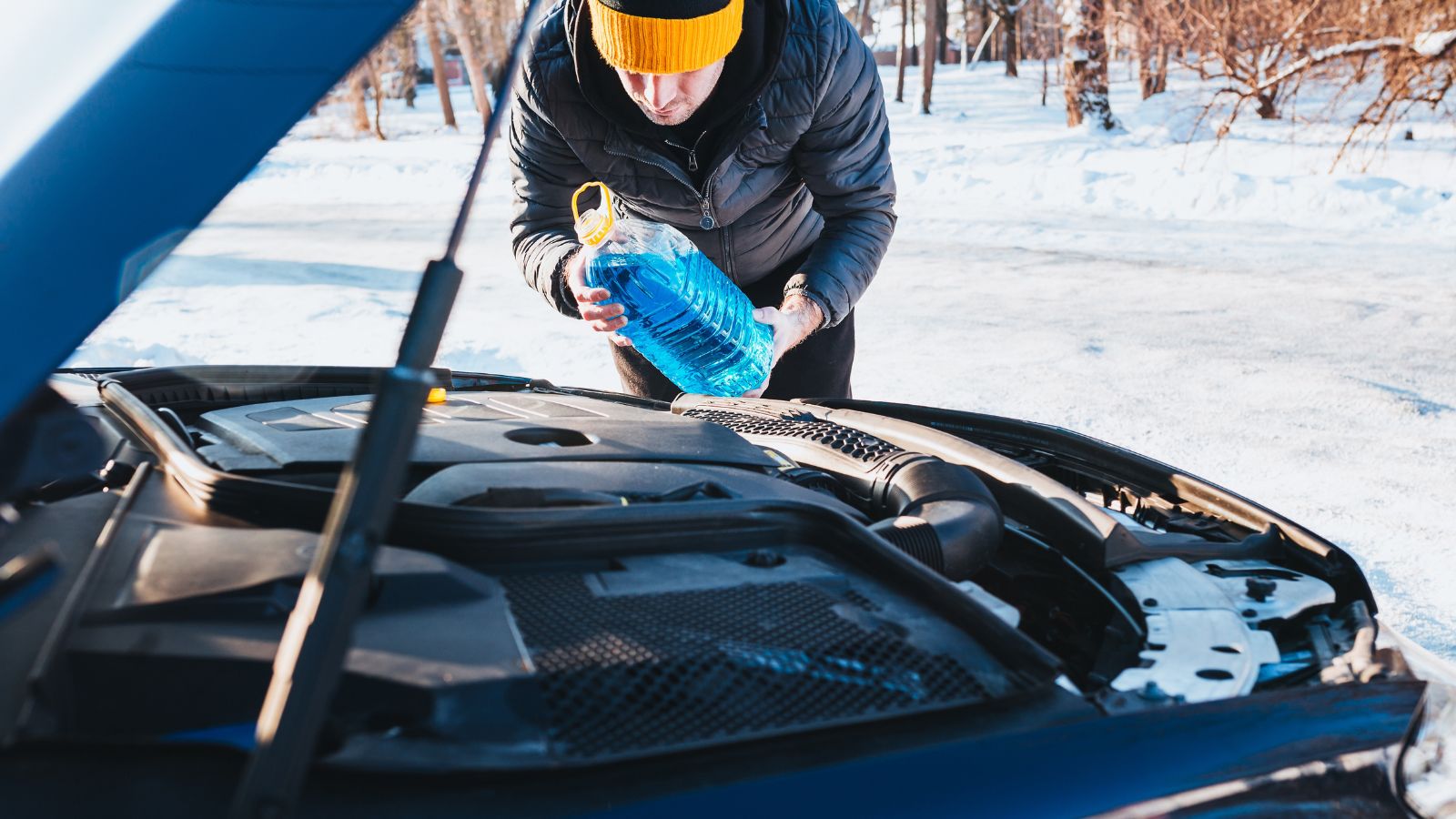
Winter visibility can disappear in seconds during storms or when passing trucks spray slush onto your windshield. Worn wipers smear more than they clear, especially when ice builds around the blade edges. Winter wipers are designed with stronger frames and rubber compounds that stay flexible in cold weather, giving you a clear view even in harsh conditions. Pair them with winter grade washer fluid that resists freezing, and you protect yourself from one of winter’s most dangerous driving problems, sudden blindness caused by dirty slush that the wipers cannot handle.
Warm Up Smartly, Not Excessively

Letting your truck idle endlessly seems like a winter tradition, but it is not necessary and can be harmful. Modern engines warm up faster when driven gently rather than left idling for ten or fifteen minutes. Excessive idling wastes fuel, invites carbon buildup and allows moisture to collect in the exhaust system. The ideal method is simple. Start the engine, let it stabilize, clear your windows and drive off slowly. Within a few minutes, your truck reaches operating temperature more efficiently and stays healthier throughout winter.
Keep an Emergency Winter Kit Inside

Even well maintained trucks can run into unexpected trouble. Snow drifts form quickly, storms worsen in minutes and rural roads can trap vehicles without warning. An emergency kit is not just for extreme wilderness travel. Many Canadians have used theirs within city limits. A proper kit includes a shovel, warm blanket, traction boards or sand, booster cables, a flashlight, gloves and a small power bank for your phone. These items can turn a crisis into a manageable situation and may save your life in severe weather.
Store Your Truck Wisely Whenever Possible
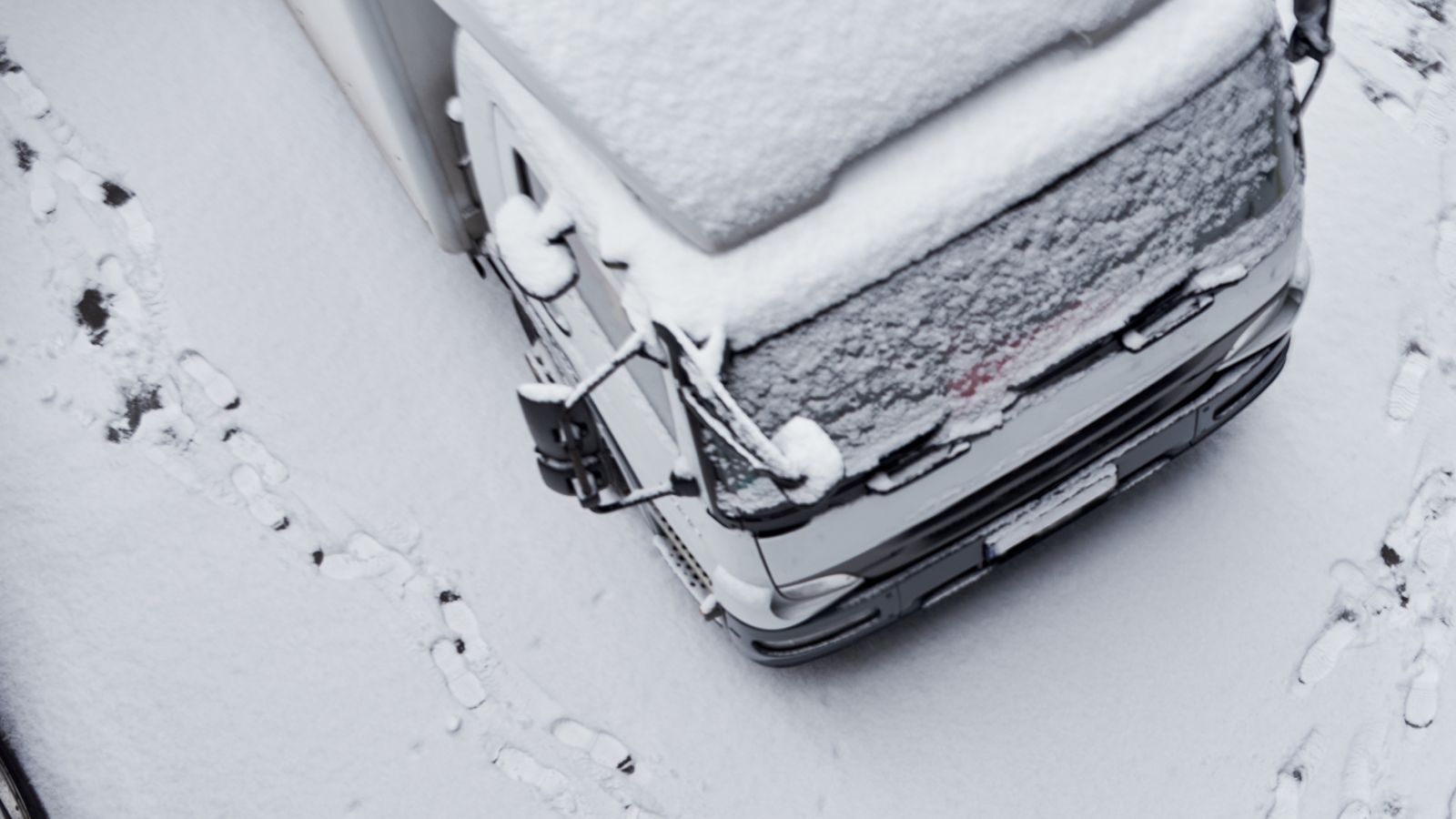
Parking in a garage or sheltered spot protects your truck from some of winter’s worst effects. It slows corrosion, keeps snow off the windshield and prevents the engine from reaching painful overnight temperatures. Even parking on the side of your house instead of an open driveway can provide a surprising amount of shelter. If outdoor parking is your only option, using a windshield cover keeps ice from bonding to the glass and reduces wear on the wipers. Protecting your truck at night means easier starts and fewer headaches in the morning.
Final Thoughts on Keeping Your Truck Winter Ready

Surviving a Canadian winter demands preparation, routine care and a little mechanical awareness. A truck that glides through winter is not lucky. It is maintained. Applying these tips keeps your truck dependable during months when failure is not an option and conditions change without warning. Winter will always be harsh, but your truck does not have to suffer for it.
25 Facts About Car Loans That Most Drivers Don’t Realize

Car loans are one of the most common ways people fund car purchases. Like any other kind of loan, car loans can have certain features that can be regarded as an advantage or a disadvantage to the borrower. Understanding all essential facts about car loans and how they work to ensure that you get the best deal for your financial situation is essential. Here are 25 shocking facts about car loans that most drivers don’t realize:
25 Facts About Car Loans That Most Drivers Don’t Realize
