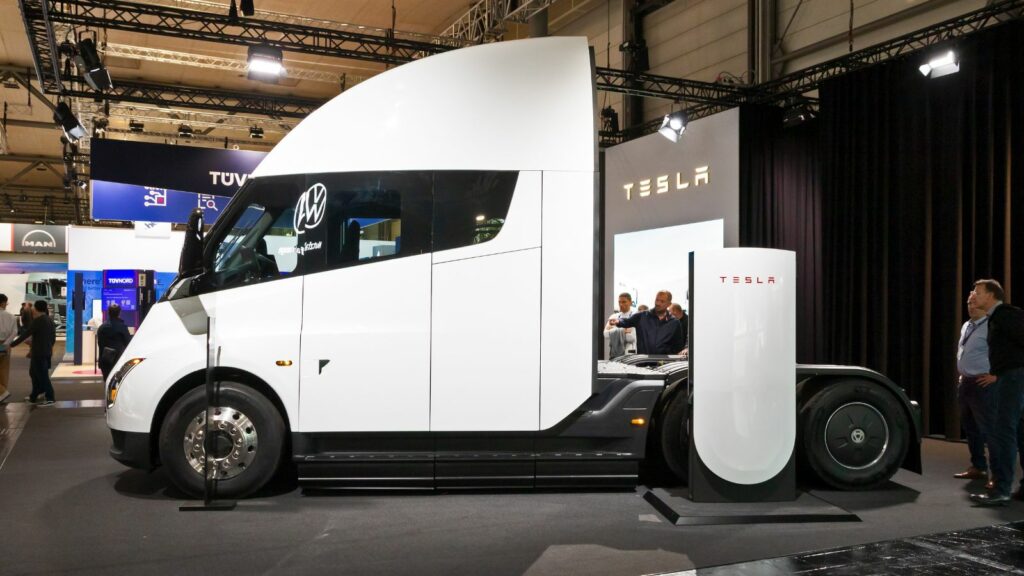
When the Tesla Semi was introduced, it promised to revolutionize freight hauling with silent torque, instant acceleration and up to 500 miles per charge. It sounded like a turning point for an industry built on diesel for nearly a century. But long haul truck drivers are raising a serious point. Five hundred miles might impress commuters and tech fans, but it is nowhere near enough for real freight work. The people who live on the road say that if electric trucking is going to replace diesel, the range must double and charging has to become as fast and predictable as filling a tank.
What Tesla Promised and Why It Looked Game Changing
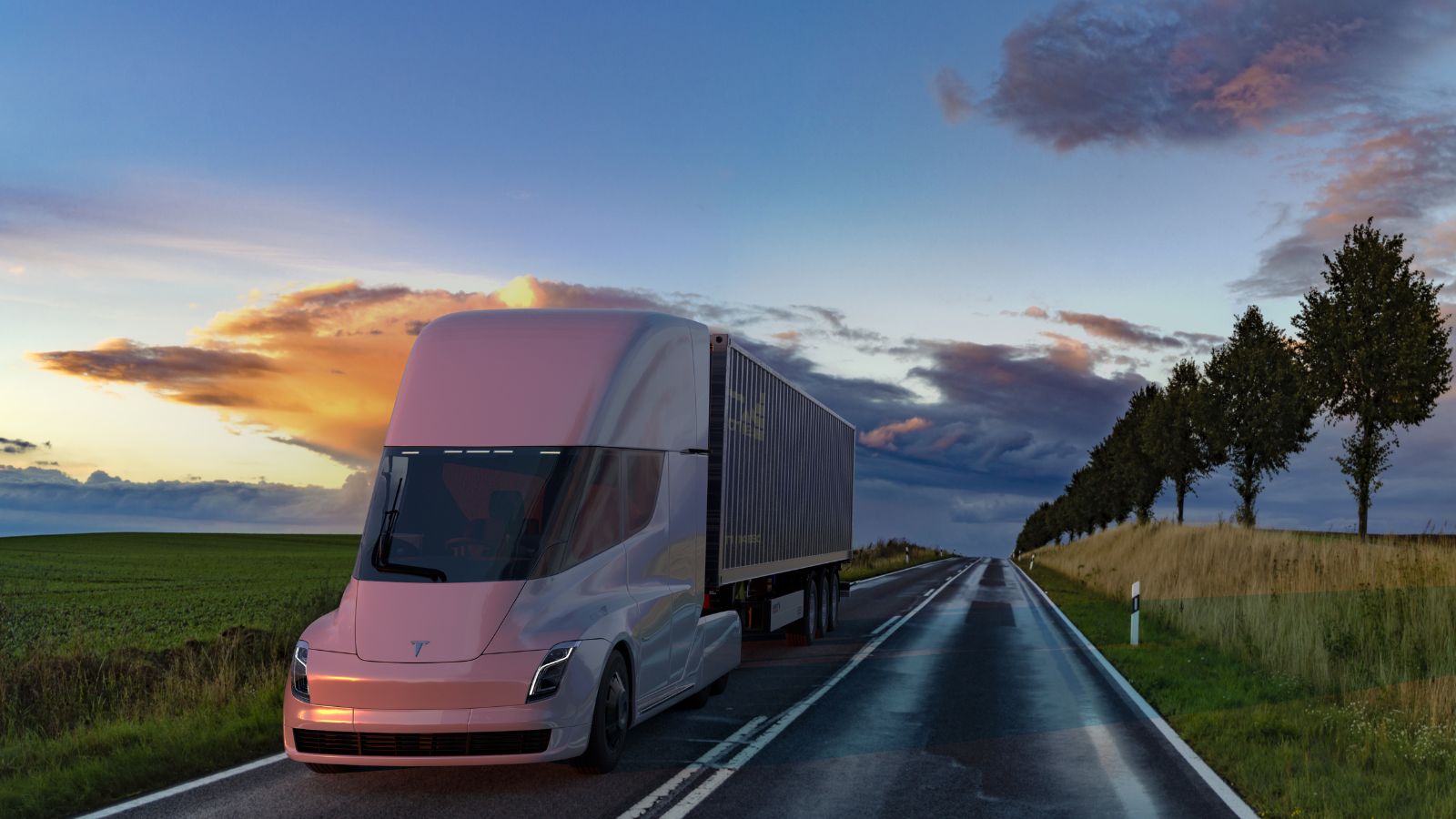
The original pitch for the Tesla Semi focused on three ideas. First, a massive battery that could deliver 500 miles of range while pulling a full load. Second, powerful motors that could handle steep grades and highway speeds without slowing down. Third, charging speeds fast enough to put most of that range back in half an hour. It created the image of a truck that could match diesel performance without the noise, vibration or emissions.
Fleet managers also saw quick wins on paper. Lower fuel costs, fewer moving parts and reduced maintenance overhead looked like a path to long term savings. Drivers who tested early prototypes praised the smooth driving experience and the instant power available without shifting. The Semi previewed a future where heavy transport could run cleaner without sacrificing capability. In theory, it looked like the start of a new era for trucking.
The 500 Mile Figure That Impressed the Public but Not the Transport Industry
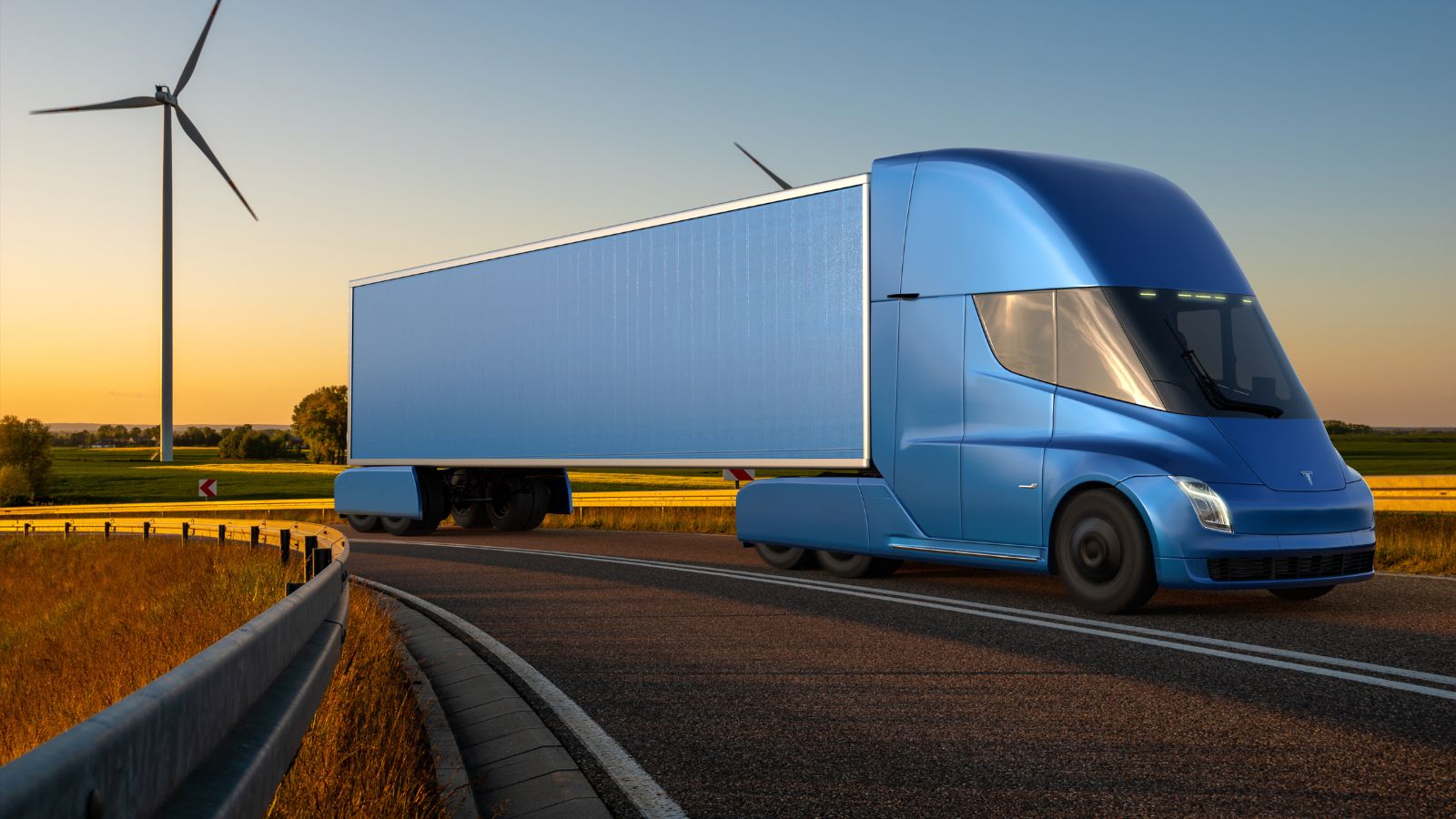
Five hundred miles might sound massive to a casual observer, but it does not translate to real long haul trucking needs. Truckers often run coast to coast or across multiple states and provinces with very limited downtime. It is common for drivers to log a thousand miles or more between major loading or drop off points, especially when hauling perishable goods or meeting tight schedules.
Even more importantly, range claims rarely match real road conditions. Freight routes include mountain climbs, crosswinds, cold weather and full cargo weight. These factors can reduce range dramatically. Many early electric truck operators have already reported that the range drops hundreds of miles when the trailer is fully loaded and the temperature is low. A truck that falls short of its range estimate does not just inconvenience a schedule. It jeopardises deadlines and revenue.
Why Most Truckers Say the Real Target Is 1000 Miles
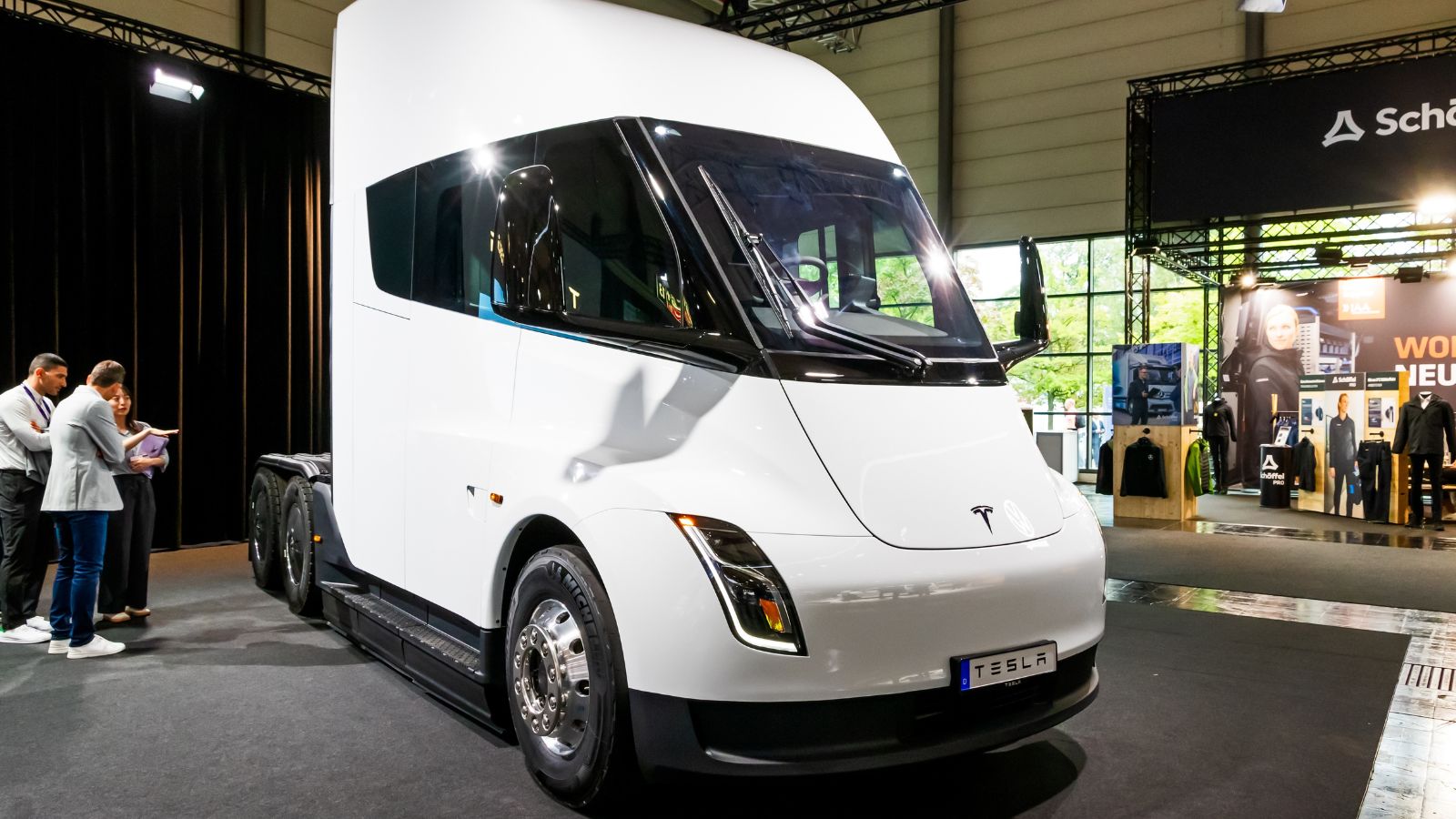
The feedback from experienced long haul drivers is very consistent. If electric trucks are going to replace diesel for true highway transport, they need about 1000 miles of usable range between charging stops. That figure is not arbitrary. It allows drivers to complete a full overnight haul or cross vast stretches of rural land without interruption. It also accounts for unpredictable weather, detours and traffic snarls that can add hours to a route.
Truck drivers rely on consistency. They do not have the luxury of choosing when and where to stop based on the availability of a charging port. Their timing revolves around cargo, deadlines and legal limits on driving hours. A truck that needs to stop in the middle of nowhere to recharge is not just an inconvenience. It becomes a liability that could cost a driver an entire contract. That is why 1000 miles has become the unofficial benchmark for electric trucking reality.
The Charging Problem Nobody in Tech Marketing Likes to Talk About
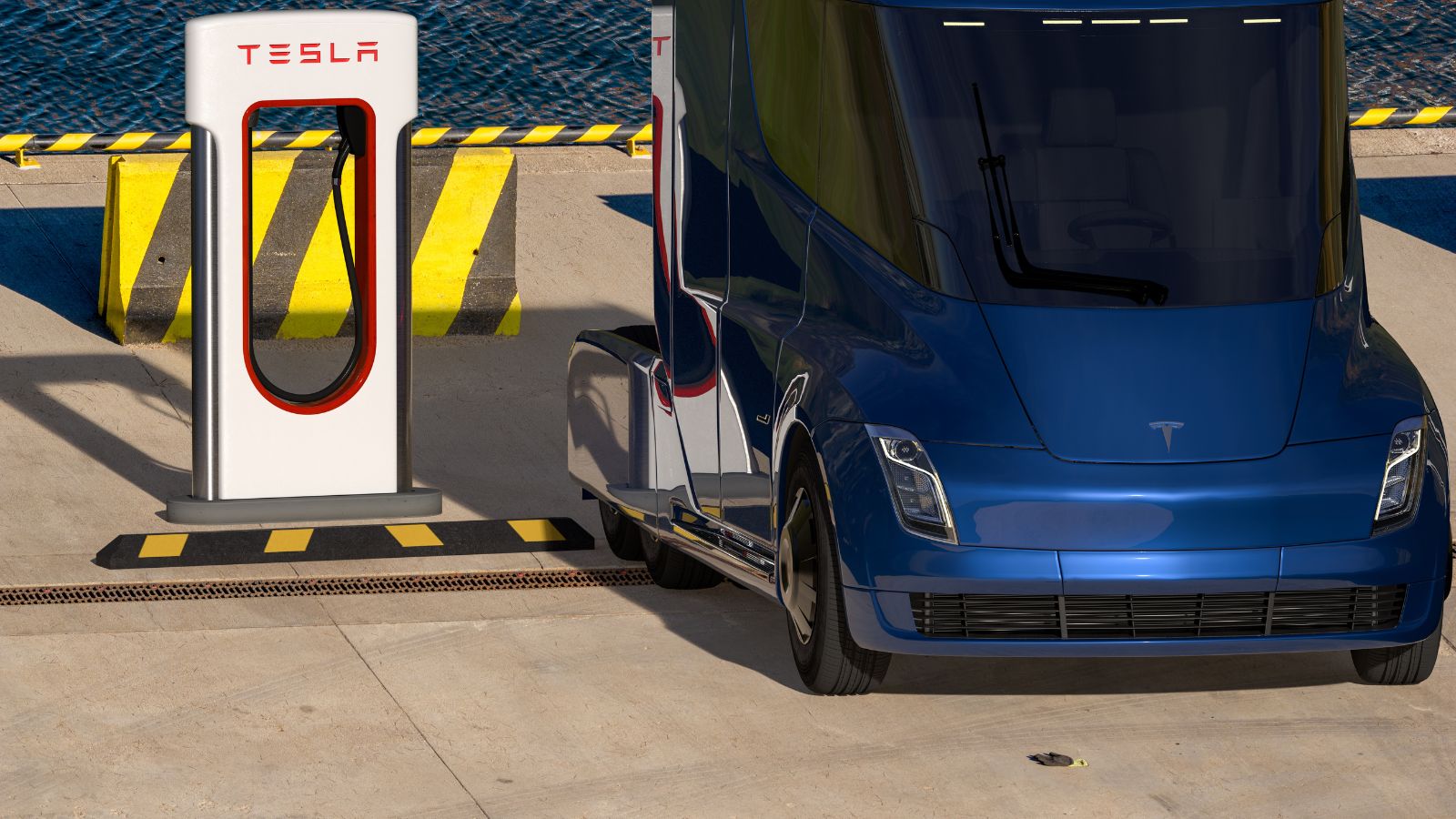
Range is only half of the story. Even if the Tesla Semi did reach 500 miles in the real world every time, that range would not matter without a charging network that can handle the needs of commercial freight. Big rigs cannot wait hours to recharge and they cannot detour far off route to find stations designed for cars.
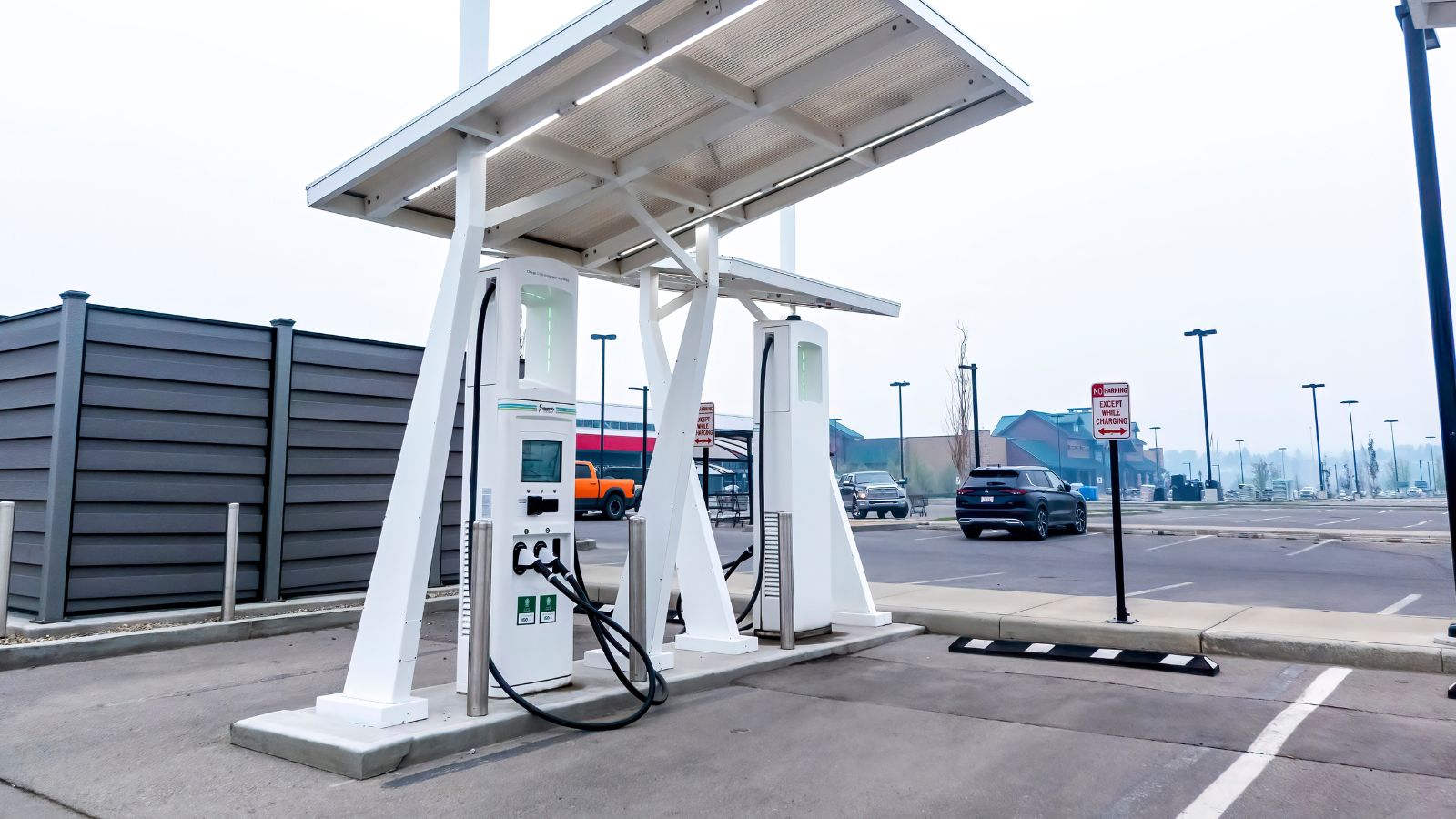
A diesel truck can fill its tank in minutes, anywhere in the country. Electric trucks need charging locations that provide massive amounts of power safely and quickly, with enough stalls to serve multiple heavy rigs instead of one vehicle at a time. Today, that network does not exist anywhere close to the scale required. Truck stops would need electrical supply upgrades that rival industrial power plants, and every major highway route would require rows of high capacity chargers to avoid long queues. Without this infrastructure, electric trucking simply cannot match the pace of diesel.
A Technology Ahead of Its Infrastructure

The Tesla Semi clearly demonstrates that electric trucking can work from a mechanical and performance standpoint. It accelerates hard, hauls confidently and reduces running noise. Fleet pilots show that it works very well for regional or back to base operations where trucks return to a home charger every day. The problem is scale. Long haul freight does not operate around a home base. It operates around the continent.
There is also the question of reliability in extreme weather. Canadian and northern U.S. freight routes operate in subzero temperatures for months, and batteries are naturally less efficient in the cold. Diesel trucks handle snow, ice and low temperatures without suffering a major range hit. Electric trucks still face that challenge.
The Big Picture for the Future of Electric Freight
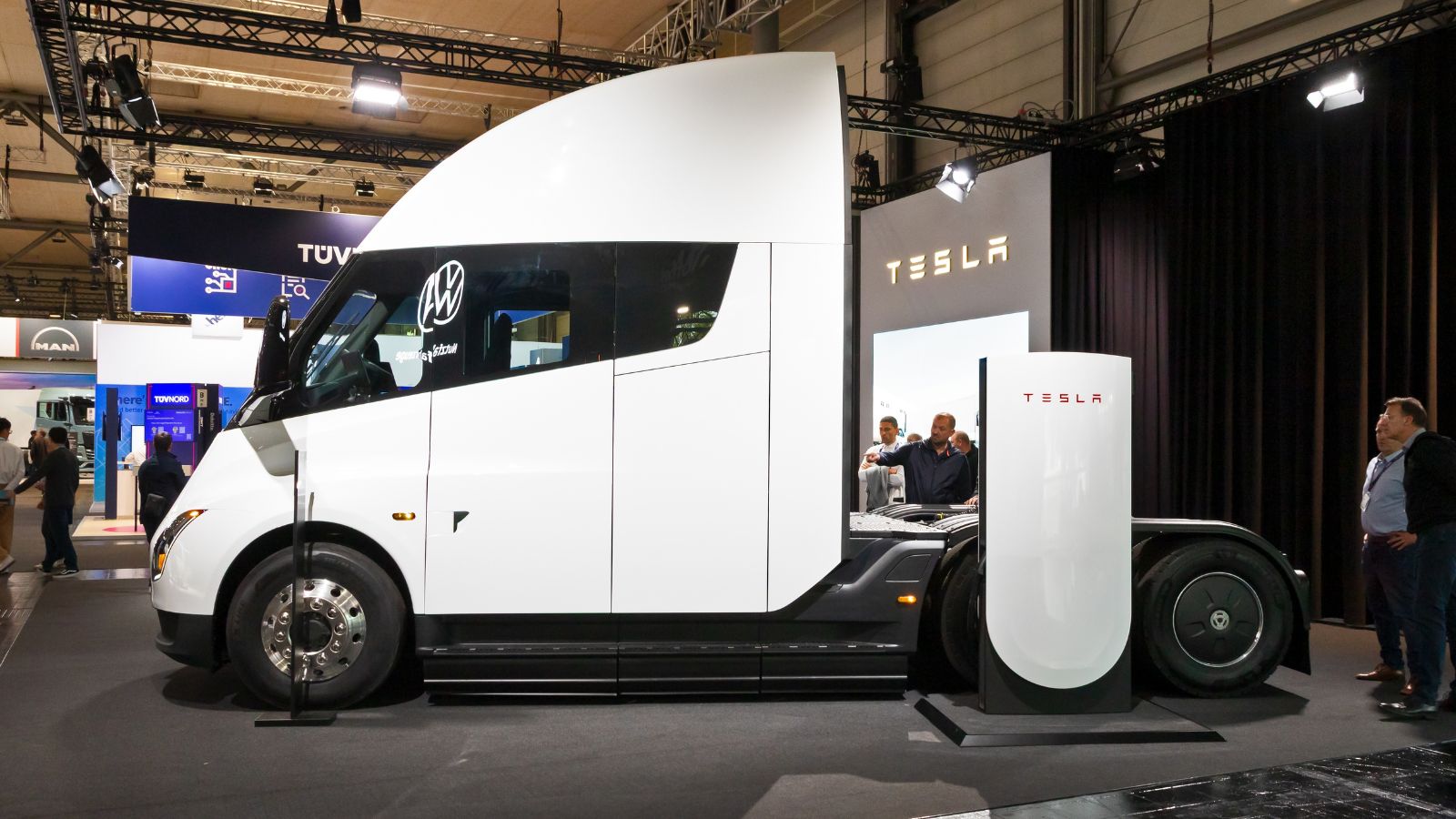
None of the criticism means electric trucking cannot succeed. It means electric trucking needs to evolve beyond the current generation. Battery density must improve, charging networks must grow dramatically and power delivery must become significantly faster. Many industry experts believe this will happen eventually as energy storage and distribution technology progresses. Others point to hybrid freight models or hydrogen powered commercial trucks as alternate paths that avoid the need for extremely large batteries.
For now, the Tesla Semi is a turning point but not a diesel replacement. It fits perfectly into regional distribution networks, parcel carriers and fleet routes where trucks return to the same depot nightly. But for cross country hauls, long range logistics and unforgiving freight schedules, the demands go beyond what 500 miles can realistically handle.
Charging Forward
The Tesla Semi is a bold and important step for the transport world and it highlights just how far electric mobility has come. But truckers are not wrong when they say the math does not yet work for serious long haul freight. Until range doubles and charging becomes as fast and as widely available as diesel refuelling, electric trucks remain a promising technology rather than a universal solution.
The future of freight might be electric one day, but for that shift to happen, the reality of trucking must dictate the technology, not the other way around.
25 Facts About Car Loans That Most Drivers Don’t Realize

Car loans are one of the most common ways people fund car purchases. Like any other kind of loan, car loans can have certain features that can be regarded as an advantage or a disadvantage to the borrower. Understanding all essential facts about car loans and how they work to ensure that you get the best deal for your financial situation is essential. Here are 25 shocking facts about car loans that most drivers don’t realize:
25 Facts About Car Loans That Most Drivers Don’t Realize
