
The American definition of muscle usually means V8 power and straight line dominance, but Japan quietly built its own muscle cars with a different attitude. Some had turbocharged sixes instead of eight cylinders, others hid serious power behind luxury styling, and some packed enough torque to move a mountain while still offering refinement inside. These machines did not always become poster icons and they rarely received global attention, yet they were built to hit hard and accelerate with the kind of force that belongs in the muscle car conversation. They proved that Japan could play the game of raw power on its own terms and do it with a style and engineering philosophy that nobody else could replicate.
Toyota Soarer GT V8
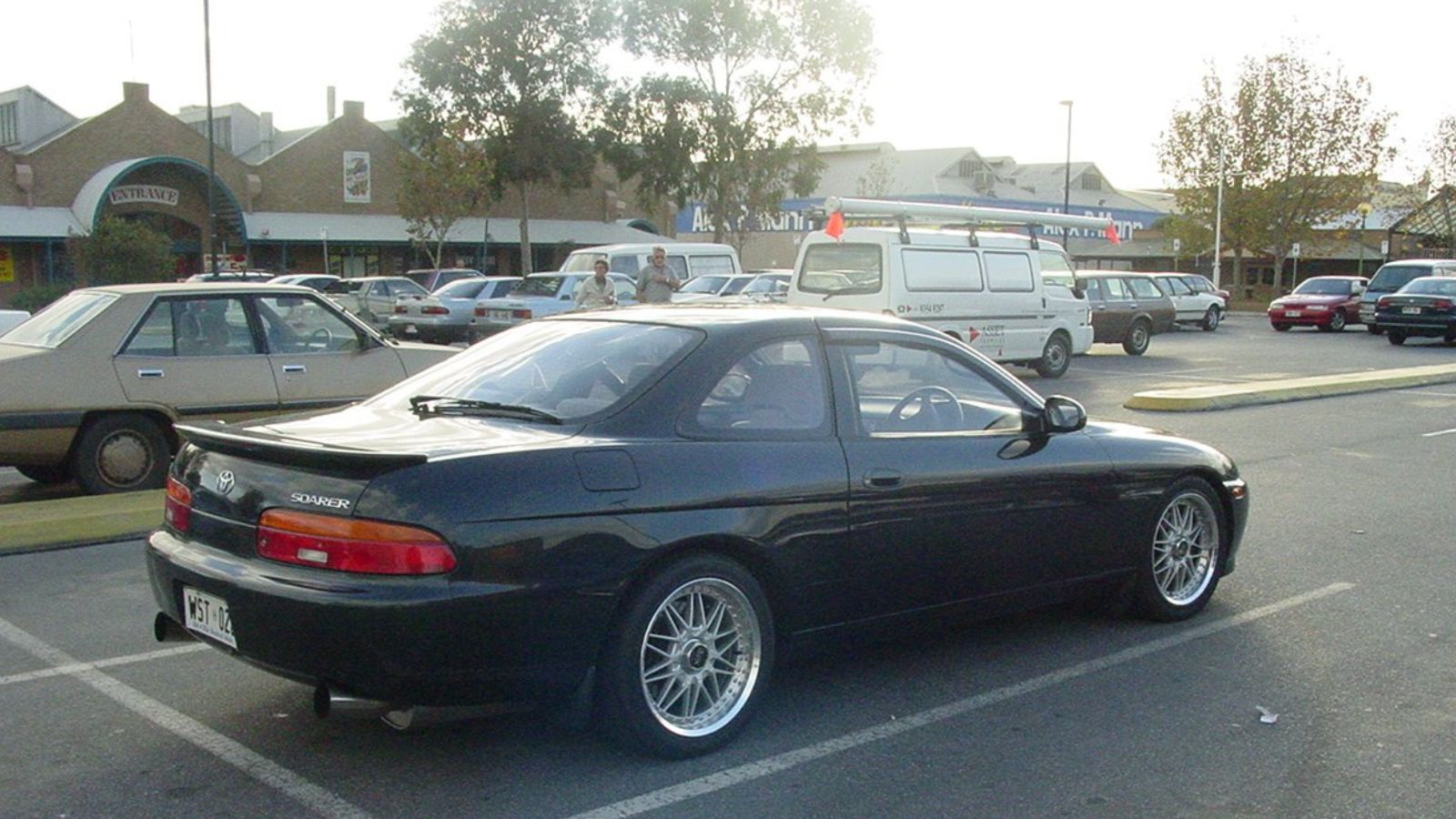
The Soarer GT blended luxury and muscle with a level of confidence that caught enthusiasts off guard. It looked graceful and understated but the V8 under the hood delivered a thick wave of torque that made passing effortless. Drivers who expected a soft grand tourer discovered that the Soarer could launch like a heavyweight bruiser and cruise like a limousine. The chassis was smooth at high speed and the interior was packed with technology years ahead of European rivals. Many street racers learned very quickly that this elegant coupe could fight much harder than its quiet styling suggested.
Nissan Gloria Gran Turismo Ultima

The Gloria Gran Turismo Ultima is one of the best examples of Japanese muscle hiding in plain sight. It carried itself like an executive car with clean lines and a mature attitude, yet the turbocharged straight six pulled with remarkable authority. The rear wheel drive platform made it surprisingly playful and when tuned it transformed into a true drag strip threat. Owners appreciated that it did not need loud styling to prove anything. It was a powerhouse in a business suit, and that combination made it unforgettable to those who experienced it firsthand.
Mitsubishi Debonair AMG

The Debonair AMG is the kind of car that enthusiasts discover by accident and then immediately wonder why it is not famous. Mitsubishi partnered with AMG long before the tuning giant became part of Mercedes and the result was a Japanese flagship with a European sense of intimidation. It had a square shouldered presence and a heavy dose of performance to back it up. While it never became mainstream, it developed a cult following among drivers who loved the idea of muscle blended with formality. It shows how creative Japanese manufacturers were during the performance arms race of the 80s and 90s.
Toyota Mark II Tourer V
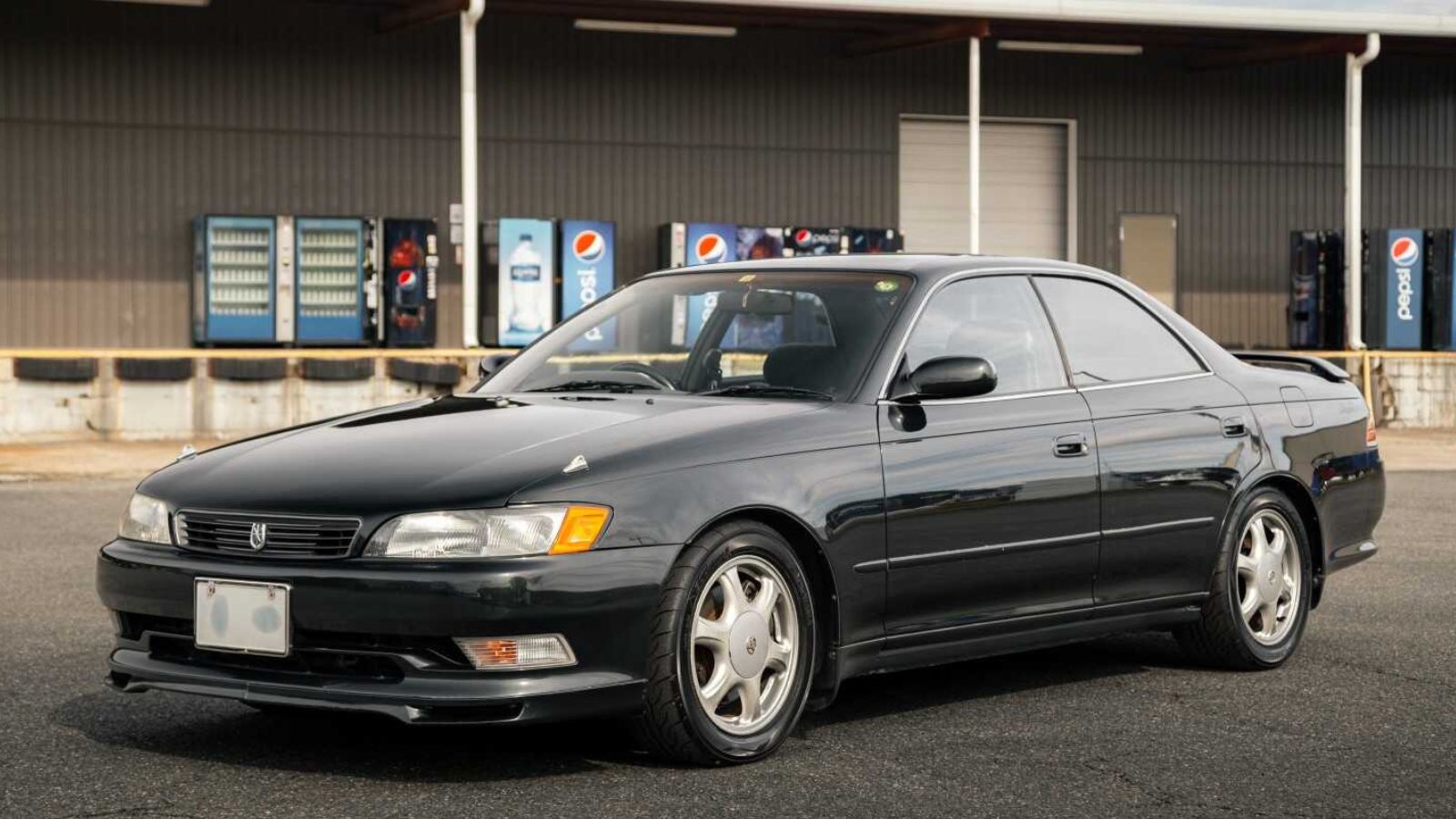
The Tourer V is one of the most beloved corner store legends in Japan. At idle it sounded modest but in boost it turned into a hooligan. The turbo straight six delivered power that climbed with every rpm and the rear wheel drive layout meant drivers could choose between finesse and mischief. Practicality helped make it dangerous in the best way. It had four doors, a comfortable ride, and a quiet appearance which meant no one suspected its performance potential. Tuners discovered that the engine could handle huge power increases which helped seal the Tourer V as a core member of the Japanese muscle underground.
Nissan Stagea 260RS
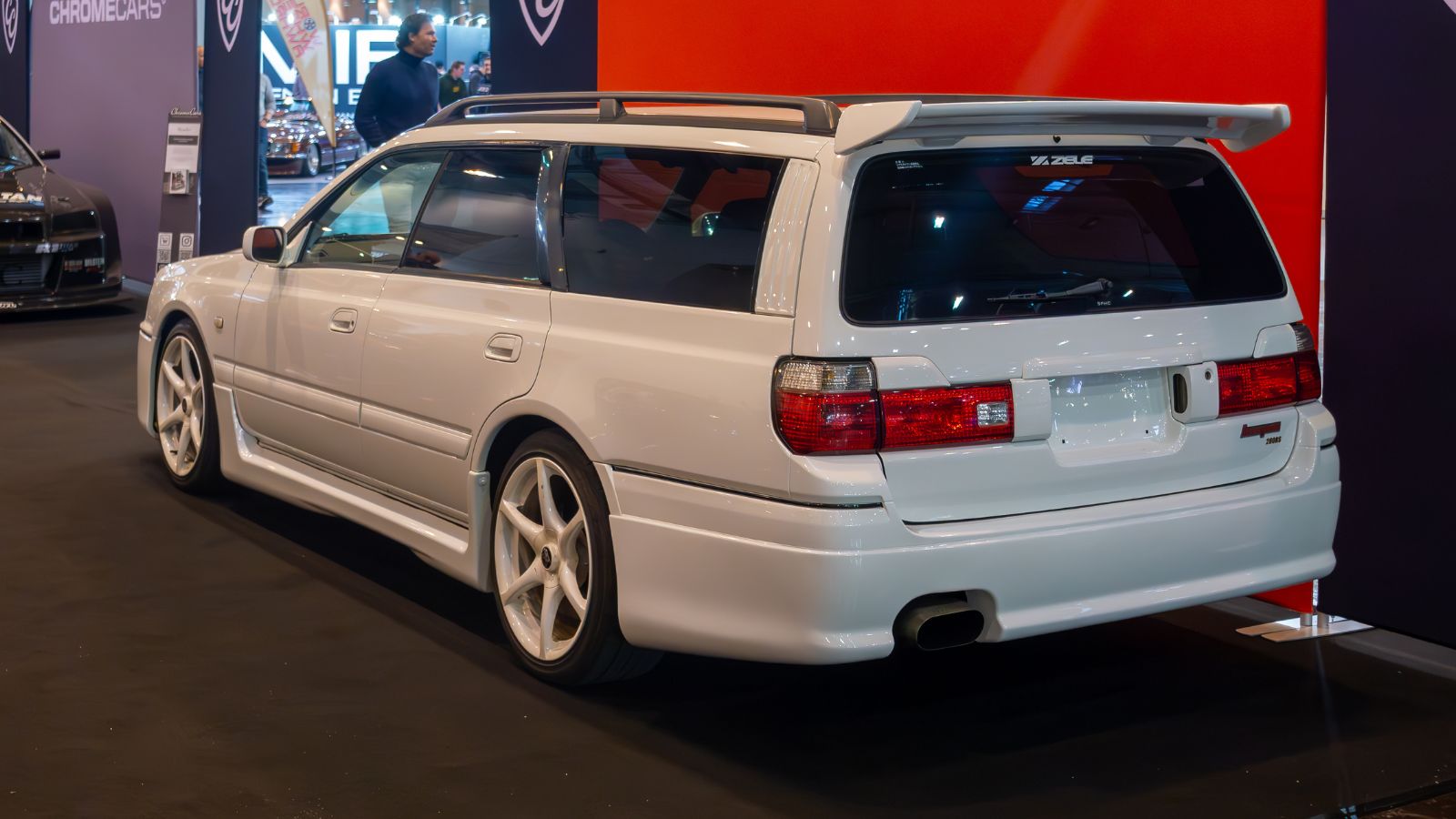
The Stagea 260RS might look like a family wagon but inside it carries the beating heart of a Skyline GT R. Autech took a practical family design and engineered it into something far more serious. Enormous turbo torque, all wheel drive grip, and a chassis capable of true performance handling gave it muscle car intensity wrapped in daily driver packaging. It could haul groceries in the morning and destroy supercars at night. Very few cars in the world have ever blended practicality and madness better than the 260RS.
Mazda Cosmo JC Eunos
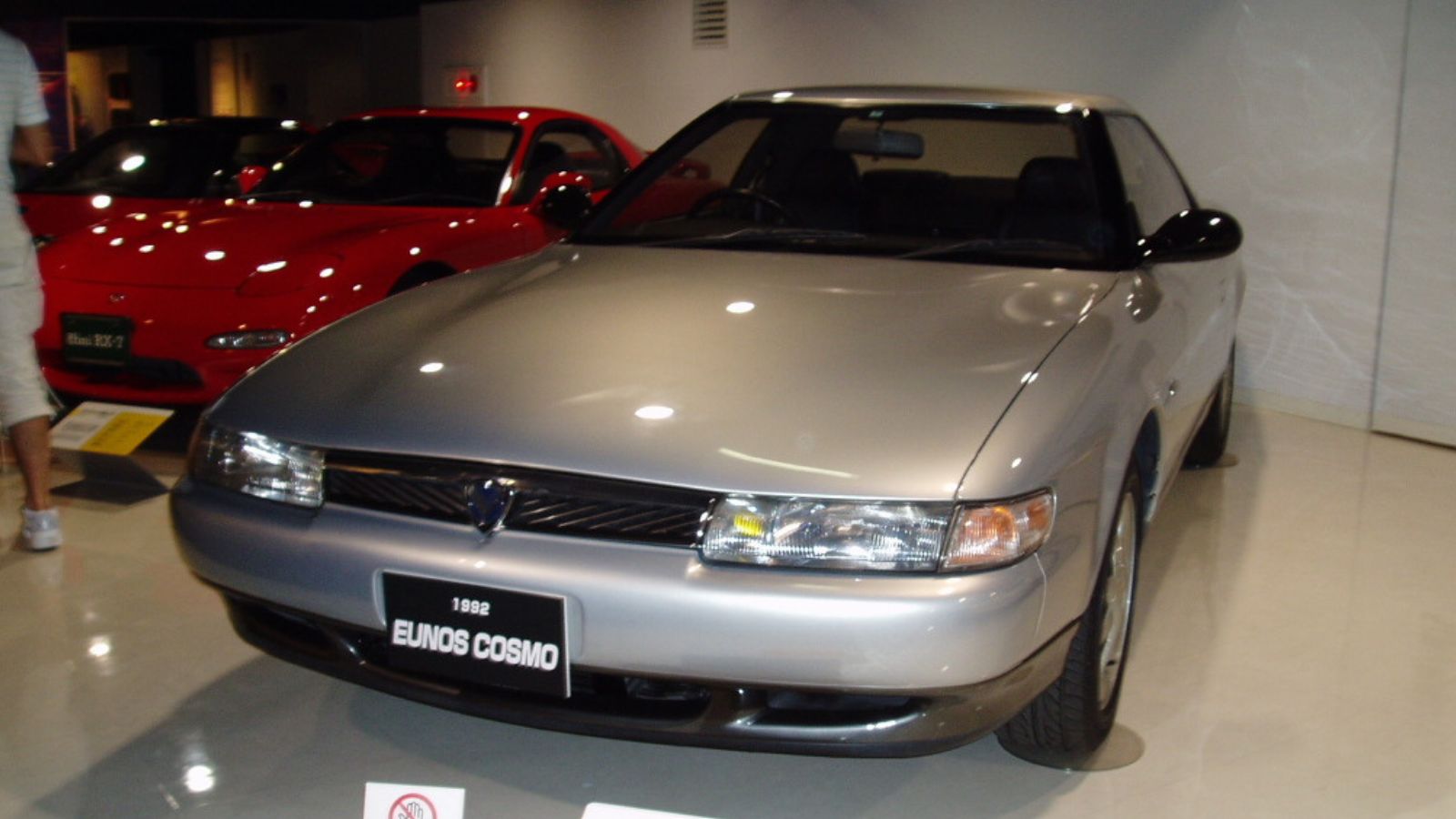
The Cosmo deserves more respect than it ever received. It was one of the most advanced cars of its time featuring a triple rotor engine that delivered instant torque and a smooth delivery of power unlike anything else on the road. Luxury inside and muscle outside created a unique personality. It was quick, refined, and futuristic, but its high price kept it rare. Today that rarity only adds to its mystique. The Cosmo showed that Japanese power did not always need to be loud or harsh. It could be smooth, modern, and devastatingly fast at the same time.
Toyota Chaser Tourer V
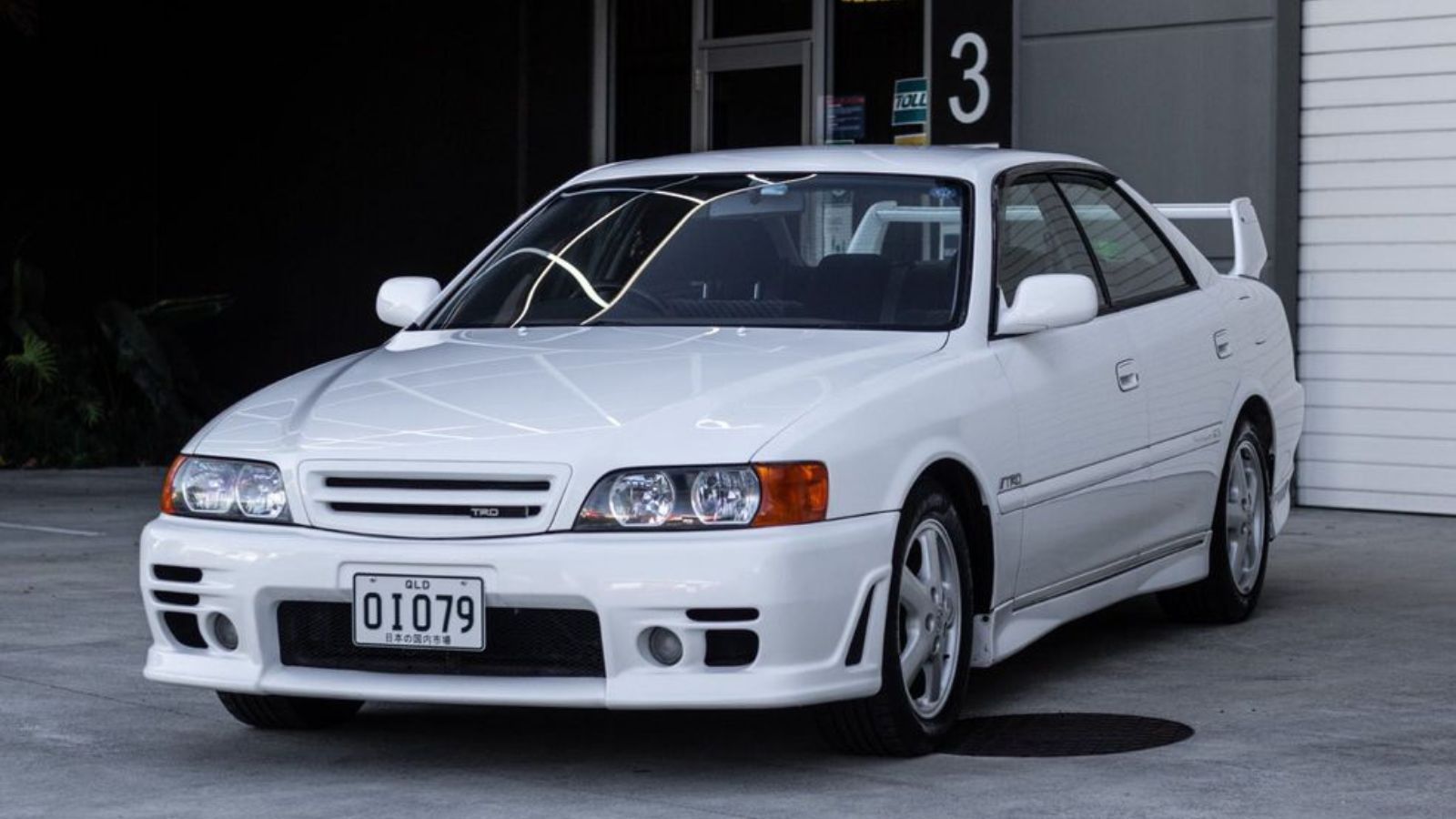
The Chaser has become a cult icon because it mixes power, practicality, and attitude so effortlessly. It has the square jawed stance of a serious sedan and power that rewards drivers who know how to handle a rear wheel drive platform. The turbo straight six makes it easy to break traction at will and even easier to accelerate with authority. It became a street racing favorite not because it was flashy but because it consistently delivered. Today it represents a perfect example of Japanese muscle wrapped in a body that looks like it should belong to a salaryman.
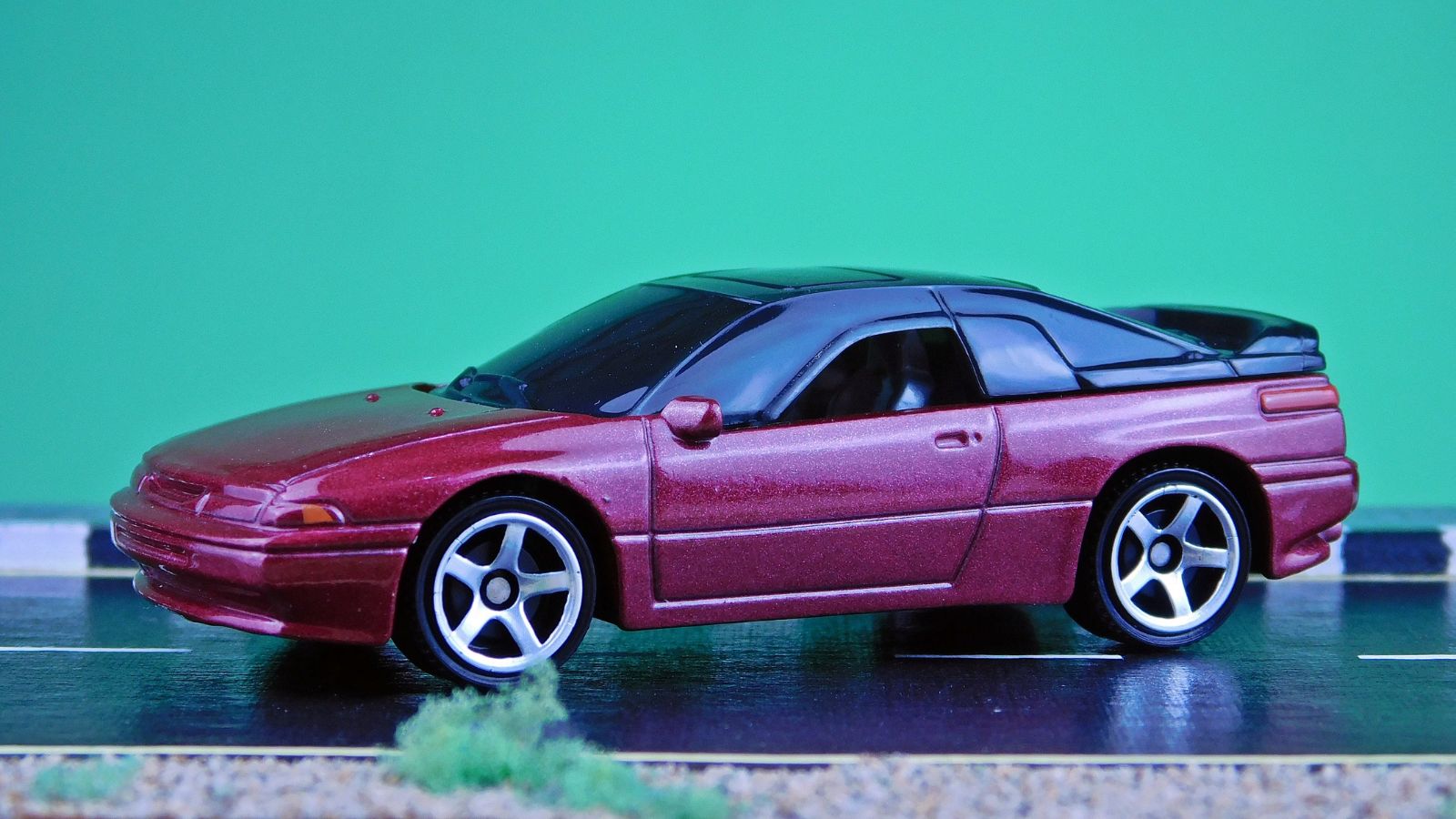
Subaru SVX
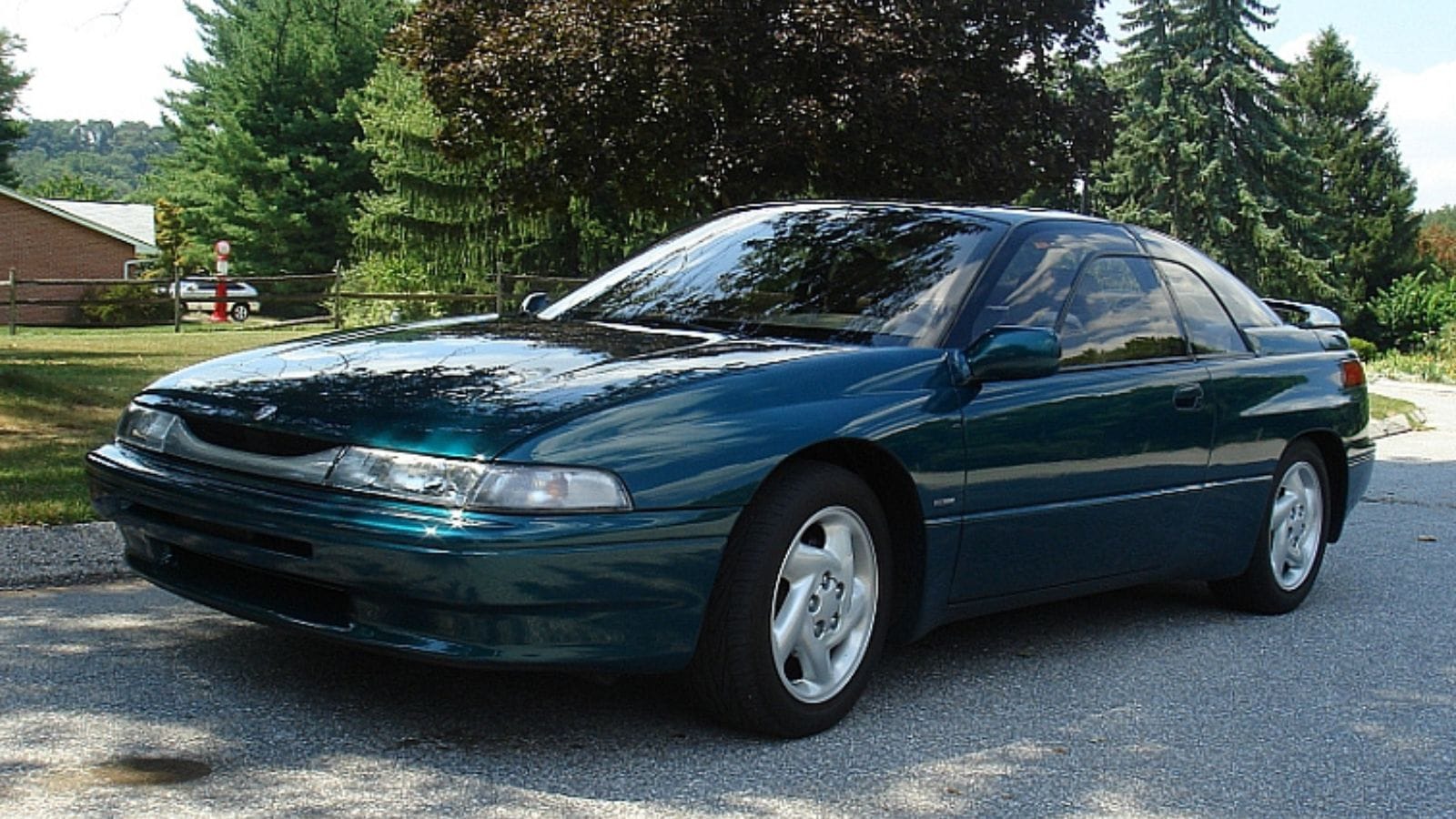
The Subaru SVX was ahead of its time with dramatic styling and a grand touring spirit that disguised its muscle personality. The flat six pushed the car with smooth surge rather than violent drama and the all wheel drive system kept it planted even in poor conditions. It drove like a luxury coupe until you put your foot down and discovered how much strength Subaru built into it. It remains one of the boldest risk taking production cars Subaru ever engineered and the performance is still surprisingly strong today.
Mitsubishi Galant VR4
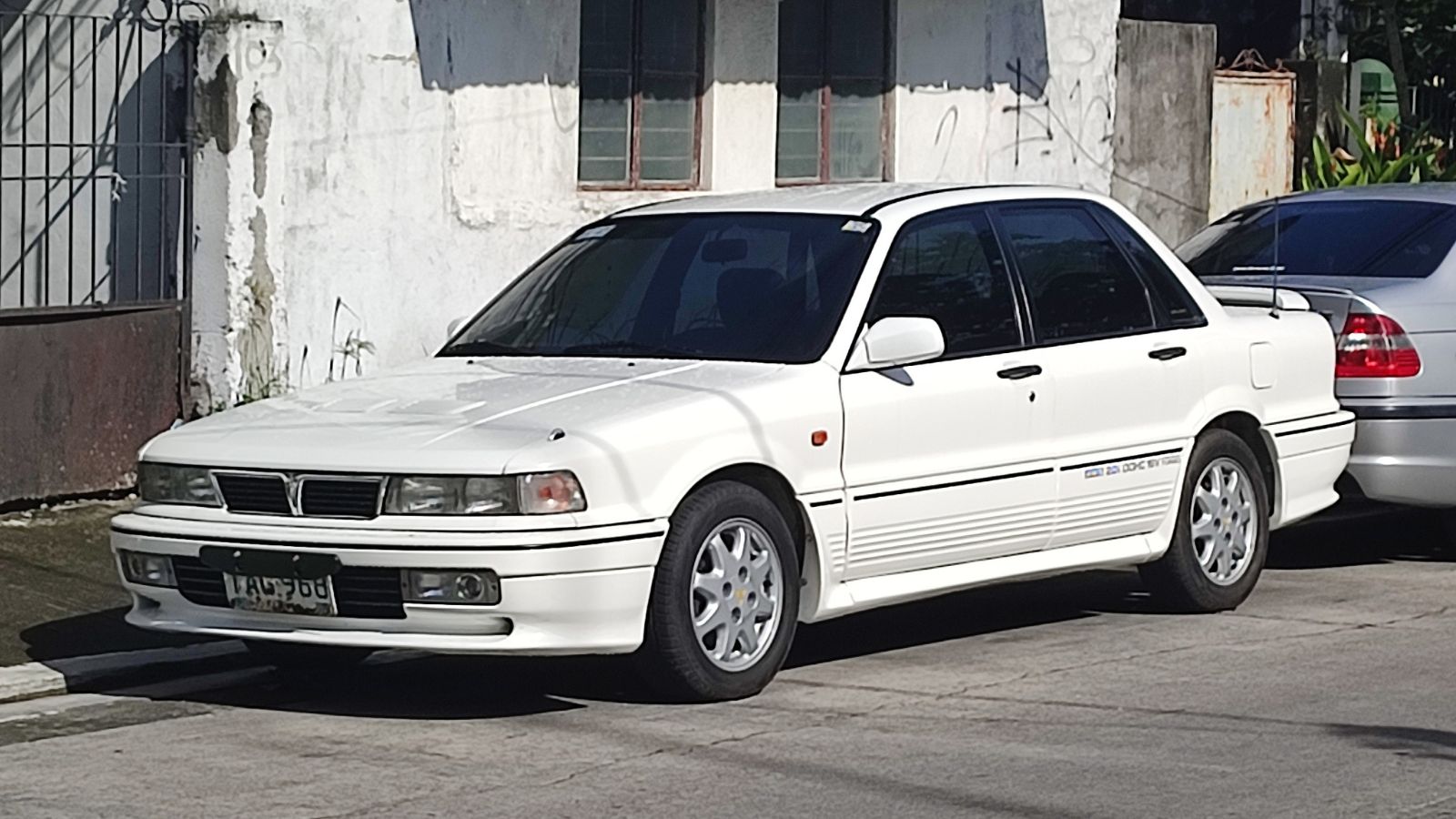
The Galant VR4 is a perfect illustration of Japanese muscle designed for the real world. The turbo power delivery punched hard, the all wheel drive system allowed it to throw down in any weather, and the car still offered a spacious cabin that worked for families. It proved that big power does not require a loud exterior or a single purpose platform. Before the Lancer Evolution stole the spotlight, the Galant VR4 was already showing that Mitsubishi understood how to mix rally engineering with everyday practicality.
Toyota Crown Athlete V
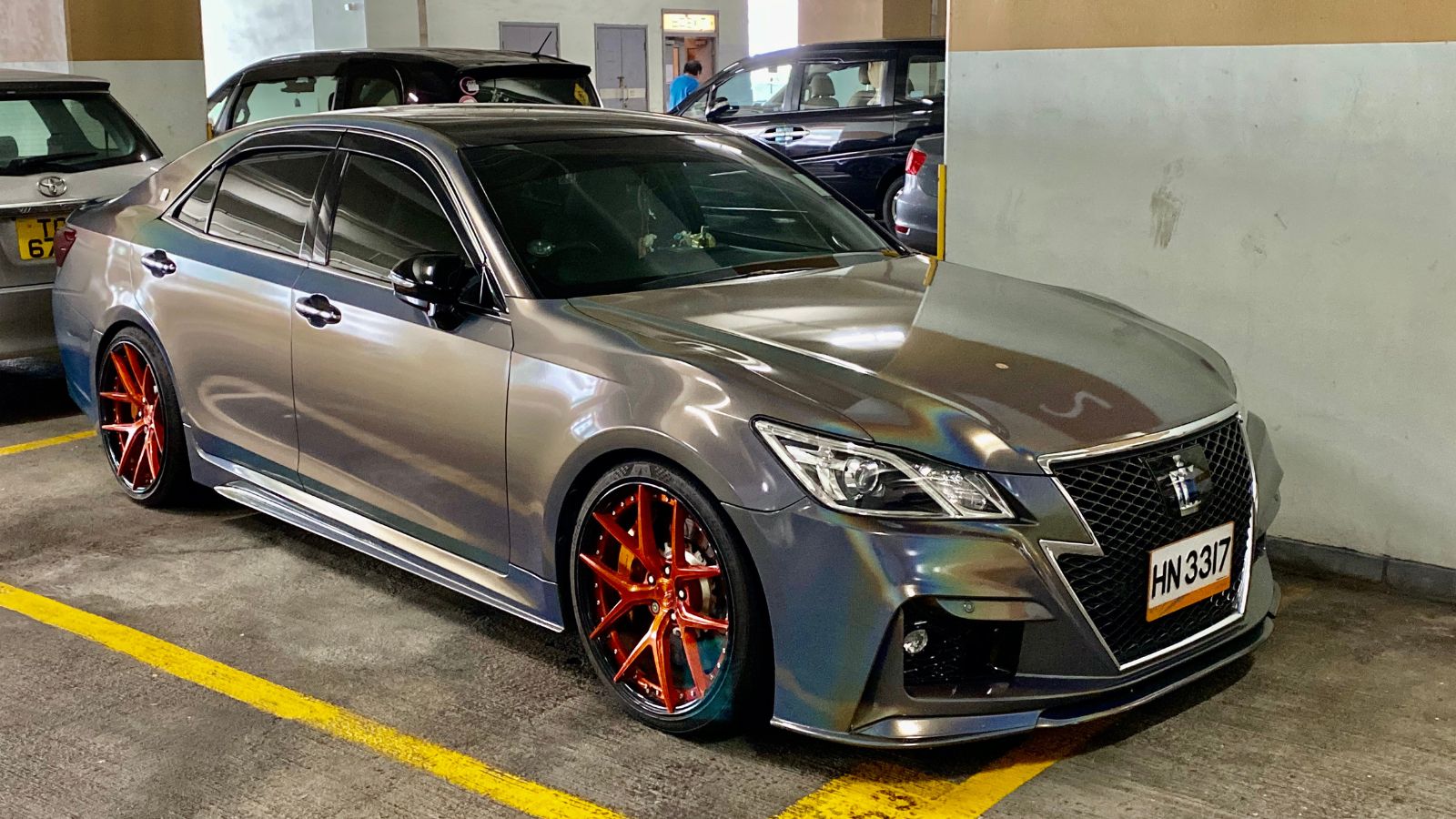
The Crown Athlete V looks mature and polite until the boost hits. The turbocharged six delivers the kind of acceleration that does not match its executive exterior and the rear wheel drive platform makes it a natural performer. Taxi fleets and chauffeurs may have defined the Crown in the public imagination, but the Athlete V showed that Toyota could build a luxury sedan that also behaved like a muscle car when pushed. It is calm at cruising speeds and ruthless when provoked which explains why enthusiasts are rapidly rediscovering it today.
Final Thoughts
Muscle is not defined by geography. It is defined by attitude and power that can be felt rather than explained. Japan built muscle cars that did not rely on intimidation or nostalgia. They relied on engineering, boost, torque, and the element of surprise. Some of these cars lived and died in the shadows while others quietly shaped entire scenes without getting the global attention they deserved.
The world remembers the Skyline, the Supra, and the RX 7. But if you really want to understand the full power of Japanese performance history, look beyond the posters and into the overlooked machines that carried muscle in a different language. They were quiet warriors, and now is the perfect time for them to be celebrated.
25 Facts About Car Loans That Most Drivers Don’t Realize

Car loans are one of the most common ways people fund car purchases. Like any other kind of loan, car loans can have certain features that can be regarded as an advantage or a disadvantage to the borrower. Understanding all essential facts about car loans and how they work to ensure that you get the best deal for your financial situation is essential. Here are 25 shocking facts about car loans that most drivers don’t realize:
25 Facts About Car Loans That Most Drivers Don’t Realize
