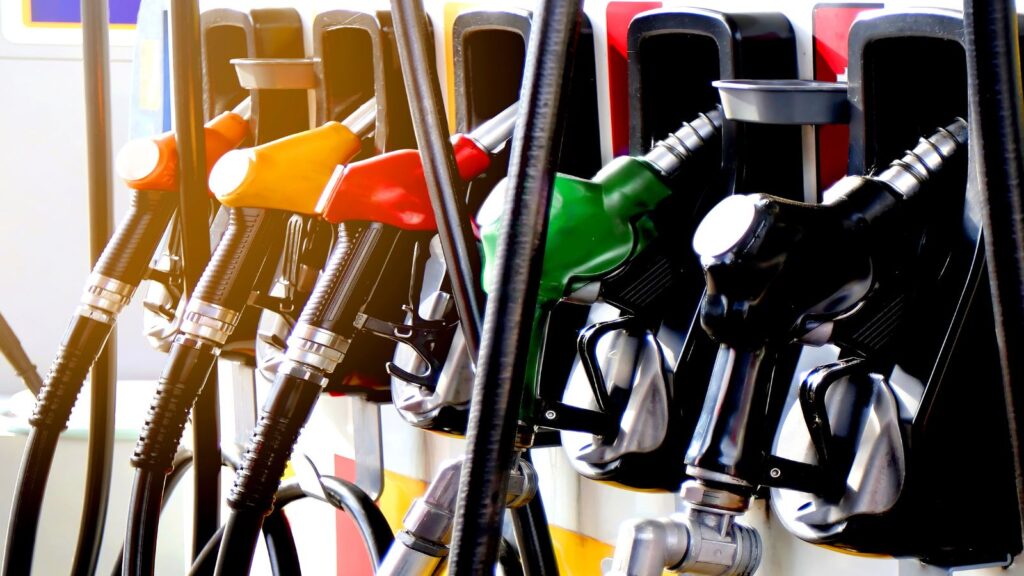
Montreal drivers are facing an increasingly unusual situation at the pumps, with diesel prices remaining close to $3 per litre while regular gasoline costs more than a dollar less.
According to the latest forecast from Canadians for Affordable Energy, diesel in Montreal is expected to average 299.9 cents per litre on October 20, 2026, compared with 195.9 cents for regular gasoline. That represents a difference of $1.04 per litre, placing considerable pressure on diesel vehicle owners and businesses that depend on the fuel.
The widening gap comes as global diesel shortages, refinery constraints, and international supply disruptions continue to affect Canadian energy markets. While gasoline prices have shown periods of stability, diesel remains particularly expensive, raising concerns about transportation costs, household budgets, and the longer-term impact on consumer prices.
Montreal’s Diesel Forecast Holds at 299.9 Cents per Litre
Diesel prices in Montreal are expected to remain unchanged at 299.9 cents per litre on Tuesday, October 20, according to fuel price projections published by Canadians for Affordable Energy. Regular gasoline is forecast at 195.9 cents per litre, while premium gasoline is expected to cost 228.9 cents. The figures show that diesel is not only substantially more expensive than regular gasoline but also more costly than premium fuel. For drivers accustomed to diesel being a practical option for long-distance travel or commercial transportation, the difference represents a significant operating expense.
The latest forecast follows several days of relatively small adjustments. Diesel reached 300.9 cents per litre on Sunday, October 18, before declining by one cent on Monday and holding steady Tuesday. Regular gasoline has remained at 195.9 cents since Sunday, when it increased by two cents. Although diesel has technically fallen below the $3 threshold, the one-cent reduction offers little meaningful relief. These figures represent regional price predictions rather than guaranteed prices at every service station, where actual amounts can vary depending on location, retailer, and inventory conditions.
The $1.04 Price Gap Adds Up Quickly for Drivers and Businesses
The difference between Montreal’s forecast diesel and gasoline prices becomes particularly noticeable when calculating the cost of refuelling. At 299.9 cents per litre, purchasing 60 litres of diesel would cost approximately $179.94. Buying the same volume of regular gasoline at 195.9 cents would cost $117.54, a difference of $62.40 for an identical quantity of fuel. The comparison illustrates the price disparity rather than the actual operating costs of different vehicles, since diesel and gasoline engines have different fuel consumption characteristics and cannot simply exchange fuels.
For commercial operators, the financial implications can be substantially larger. Purchasing 500 litres of diesel at Montreal’s forecast price would cost approximately $1,499.50. A further increase of just 10 cents per litre would add $50 to that purchase. Businesses operating several trucks, delivery vans, or pieces of diesel-powered equipment may purchase thousands of litres over relatively short periods. Although fleet operators can sometimes negotiate commercial fuel agreements, sustained price increases still affect operating budgets. Companies that cannot absorb the additional expenses may eventually adjust service prices, delivery charges, or other costs.
Actual Pump Prices Confirm a Major Diesel Premium
Montreal’s latest forecast is supported by recent station-reported pricing data, although the two measures should not be treated as identical. A compilation of Quebec energy regulator data published through Pèse sul gaz showed a median diesel price of approximately 289.9 cents per litre in Montreal on October 17. The median regular gasoline price was 186.9 cents, representing a difference of $1.03 per litre. The compilation covered 198 service stations, including 125 reporting diesel prices. Those figures illustrate that the substantial price gap is visible in actual retail listings, not only in forecasts.
Quebec has also introduced a more comprehensive method for consumers to check local fuel prices. Since April 1, 2026, service stations covered by the province’s reporting rules have been required to publish their gasoline and diesel prices through the Régie essence Québec platform. The system allows motorists to compare prices at individual retailers using official station-submitted information. That distinction is useful because an estimated Montreal-wide price does not mean every retailer charges the same amount. Stations may have different wholesale purchasing arrangements, operating costs, and competitive conditions, creating opportunities for drivers to find lower prices without travelling excessive distances.
Global Diesel Shortages Are Driving Prices Higher Than Gasoline
The unusually large difference between diesel and gasoline prices reflects a much broader international supply problem. In its October 2026 Oil Market Report, the International Energy Agency estimated that global diesel and gasoil availability declined by approximately 1.7 million barrels per day during the third quarter compared with the same period in 2025. Disruptions affecting Middle Eastern and Russian exports have reduced supplies, while shipping difficulties and refinery constraints have complicated efforts to restore normal market conditions. These problems have placed particular pressure on diesel rather than affecting every petroleum product equally.
Diesel also serves a different set of customers from regular gasoline. While gasoline is heavily associated with passenger vehicles, diesel is essential for freight transportation, agricultural machinery, construction equipment, and numerous industrial operations. Much of this demand is difficult to reduce quickly because businesses cannot immediately replace their equipment or eliminate necessary deliveries. The International Energy Agency reported that wholesale diesel benchmarks reached extraordinary levels during September, in some markets exceeding US$200 per barrel. Even though prices have retreated from those peaks, the global shortage helps explain why Montreal diesel remains exceptionally expensive despite comparatively smaller movements in gasoline prices.
Quebec’s Fuel Taxes Are Not the Main Explanation for the Gap
Fuel taxes contribute to the price motorists pay in Montreal, but they do not explain the entire difference between regular gasoline and diesel. Revenu Québec lists a standard provincial fuel tax of 19.2 cents per litre for gasoline and 20.2 cents for diesel, although regional adjustments apply. Certain metropolitan areas also have additional gasoline levies supporting public transportation. These charges, along with applicable sales taxes and other regulatory costs, form part of retail fuel pricing. However, the basic provincial fuel-tax difference is just one cent per litre, far smaller than the current $1.04 forecast gap.
Federal policy provides additional context. Ottawa suspended the federal fuel excise tax in April 2026, originally providing relief of 10 cents per litre on gasoline and four cents on diesel. The government subsequently extended the suspension through January 31, 2027. Quebec also maintains a cap-and-trade system covering regulated fuel distributors, creating additional compliance considerations within the provincial energy market. Nevertheless, the unusually large diesel premium is better explained by the combination of international supply shortages, refinery economics, and regional wholesale conditions than by a single tax. Understanding those different components is important when considering which policy changes could meaningfully reduce prices.
Quebec City Faces Similar Prices, While Ontario Diesel Costs Less
Montreal is not the only Quebec market experiencing diesel prices near $3 per litre. The October 20 forecast places diesel in Quebec City at 299.9 cents per litre, matching Montreal’s projected price. Regular gasoline in Quebec City is expected to average 191.9 cents, producing an even larger diesel premium of $1.08 per litre. This suggests that the current problem is not confined to a small number of Montreal retailers. Other Quebec markets are experiencing similar price pressures, although individual stations may post different amounts.
The comparison becomes more striking across provincial boundaries. Ottawa’s forecast diesel price is 261.9 cents per litre, with regular gasoline at 178.9 cents. Toronto’s expected diesel price is 260.9 cents, compared with 177.9 cents for regular gasoline. Both Ontario cities therefore show a diesel premium of approximately 83 cents per litre, which is substantial but smaller than Montreal’s. Montreal’s forecast diesel price is 38 cents higher than Ottawa’s and 39 cents higher than Toronto’s. Regional fuel supply arrangements, wholesale pricing, transportation costs, and taxation can all influence these differences. They do not, however, mean that travelling to another city is necessarily economical for an individual driver.
Trucking Companies Face Growing Pressure to Pass Along Fuel Costs
Diesel is particularly important to Canada’s freight transportation industry because heavy-duty trucks remain central to delivering products between warehouses, manufacturers, retailers, and distribution centres. When diesel prices increase sharply, transportation companies face higher operating expenses even if the volume of goods they carry remains unchanged. Businesses may respond by negotiating new freight rates, introducing fuel surcharges, or adjusting routes to reduce unnecessary travel. These measures can protect profit margins, but they also create uncertainty for customers relying on predictable transportation costs.
The wider transportation industry already uses mechanisms designed to account for volatile fuel prices. Canadian National Railway, for example, publishes fuel surcharges that vary according to diesel price benchmarks. Under one of its domestic intermodal freight schedules, the surcharge increased from 30.29% in September 2026 to 34.20% in October. This is a particular railway tariff rather than a universal trucking charge, but it demonstrates how higher energy costs can appear separately on freight invoices. For businesses shipping products into Montreal or distributing goods throughout Quebec, transportation expenses become another factor when setting prices. Smaller companies with limited negotiating power may find these increases especially difficult to manage.
Farmers, Construction Firms, and Local Services Feel the Effects
The financial consequences of expensive diesel extend to businesses that rarely appear in discussions about gasoline prices. Agricultural producers depend on diesel-powered equipment for essential work, while construction contractors use it in excavators, loaders, generators, and other machinery. Municipal services, commercial maintenance companies, and delivery operators also have equipment that cannot easily be replaced with gasoline or electric alternatives. Higher fuel prices can therefore affect businesses that may not operate large highway truck fleets but still consume considerable amounts of diesel throughout their working day.
Seasonal conditions add another complication. Diesel, heating oil, and other middle-distillate fuels are connected through refinery production and international trading markets. As colder weather approaches, demand for heating-related products can increase pressure on supplies already depleted by months of disruption. The International Energy Agency warned that diesel inventories were falling during a period when they would normally be rebuilding ahead of winter. For Quebec businesses planning snow-removal operations, industrial heating requirements, or winter construction projects, uncertain fuel prices create challenges when preparing estimates and negotiating contracts. Companies may need to include additional allowances for energy costs rather than assume the current price will quickly return to earlier levels.
Higher Diesel Costs Could Feed Into Canadian Inflation for Months
The latest Statistics Canada inflation report shows how energy prices are already affecting the broader economy. Canada’s Consumer Price Index rose 3.1% year over year in September 2026, up from 3.0% in August. Gasoline prices increased 27.8% from a year earlier, while overall energy prices rose 19.0%. Prices for fuel oil and other fuels climbed 57.8%. These figures demonstrate that energy expenses remain an important source of inflationary pressure even as other categories show more moderate increases. Grocery prices, for example, rose 1.7% annually in September, considerably less than the headline inflation rate.
However, economists warn that expensive diesel can influence consumer prices long after the initial fuel increase. Research published by Scotiabank in October found that diesel price shocks can spread through transportation, manufacturing, construction, and food distribution over time. Its analysis suggests that the effects on some consumer prices may develop over 12 to 18 months. In its October 13 forecast, Scotiabank estimated that the recent diesel price increase could add approximately 0.2 percentage points to core inflation in Canada and the United States. This remains an economic projection rather than a measured outcome, but it illustrates why persistent diesel prices near $3 per litre matter beyond immediate refuelling bills.
Diesel Prices May Remain Elevated Into 2027
Relief from high diesel prices may not arrive as quickly as motorists and businesses hope. The International Energy Agency warned that global gasoil markets could remain tight well into 2027 because refinery production and international exports are recovering more slowly than necessary to rebuild depleted inventories. Although higher refinery output is expected to improve the supply balance, the agency anticipates that replenishing stocks accumulated during the shortage will take additional time. It also points to continuing uncertainty surrounding Middle Eastern energy infrastructure, Russian refinery operations, and international shipping routes.
For Montreal consumers, the immediate outlook remains uncertain rather than uniformly negative. Diesel’s forecast decline from 300.9 cents on October 18 to 299.9 cents on October 20 shows that prices can ease even when global conditions remain difficult. Further reductions will depend on wholesale market developments, regional supply conditions, and the strength of demand. The provincial Régie essence Québec platform provides a way for motorists to compare actual prices, while daily forecasts can help track the broader direction. Until international supplies recover more fully, however, the unusually large gap between diesel and regular gasoline is likely to remain an important financial concern for Quebec businesses and drivers.
