Owning a classic car in Canada is a joy, but it can also feel like navigating a maze of rules written by people who never smelled carb cleaner or adjusted timing by hand. Every province has its own quirks, and many of the laws were written long before collectors became such a passionate community. Some of these regulations make sense, others feel like they came from another planet, but all of them can catch classic owners off guard. Knowing these odd rules ahead of time helps keep your vintage pride and joy on the road where it belongs.
Some Provinces Require Daytime Running Lights on Older Classics

Daytime running lights became mandatory on Canadian vehicles in the nineties, long after many beloved classics rolled off production lines. Yet some provinces expect all road legal vehicles to have them, regardless of age. That means your sixties cruiser or seventies muscle car may need a lighting workaround to avoid tickets. Owners often wire the parking lights to come on automatically or add a small discreet LED tucked behind the grille to satisfy the rule without spoiling originality. It feels strange to modernize a vintage design, but compliance makes life easier during roadside checks.
Quebec Can Demand a Mechanical Inspection for Older Vehicles

Quebec has a reputation for strict vehicle oversight, and older cars sit right in the spotlight. If a police officer suspects your classic is unsafe or too heavily modified, they can order a full mechanical inspection. Even a car with genuine patina can trigger scrutiny. Owners sometimes find themselves explaining why a factory equipped carburetor or drum brake setup is not a defect but a period correct design. For restored classics this process is easy. For unrestored survivors it can feel like a pop quiz with a tow truck waiting for the wrong answer.
You Cannot Drive a Classic Without Proper Mud Flaps in Some Provinces
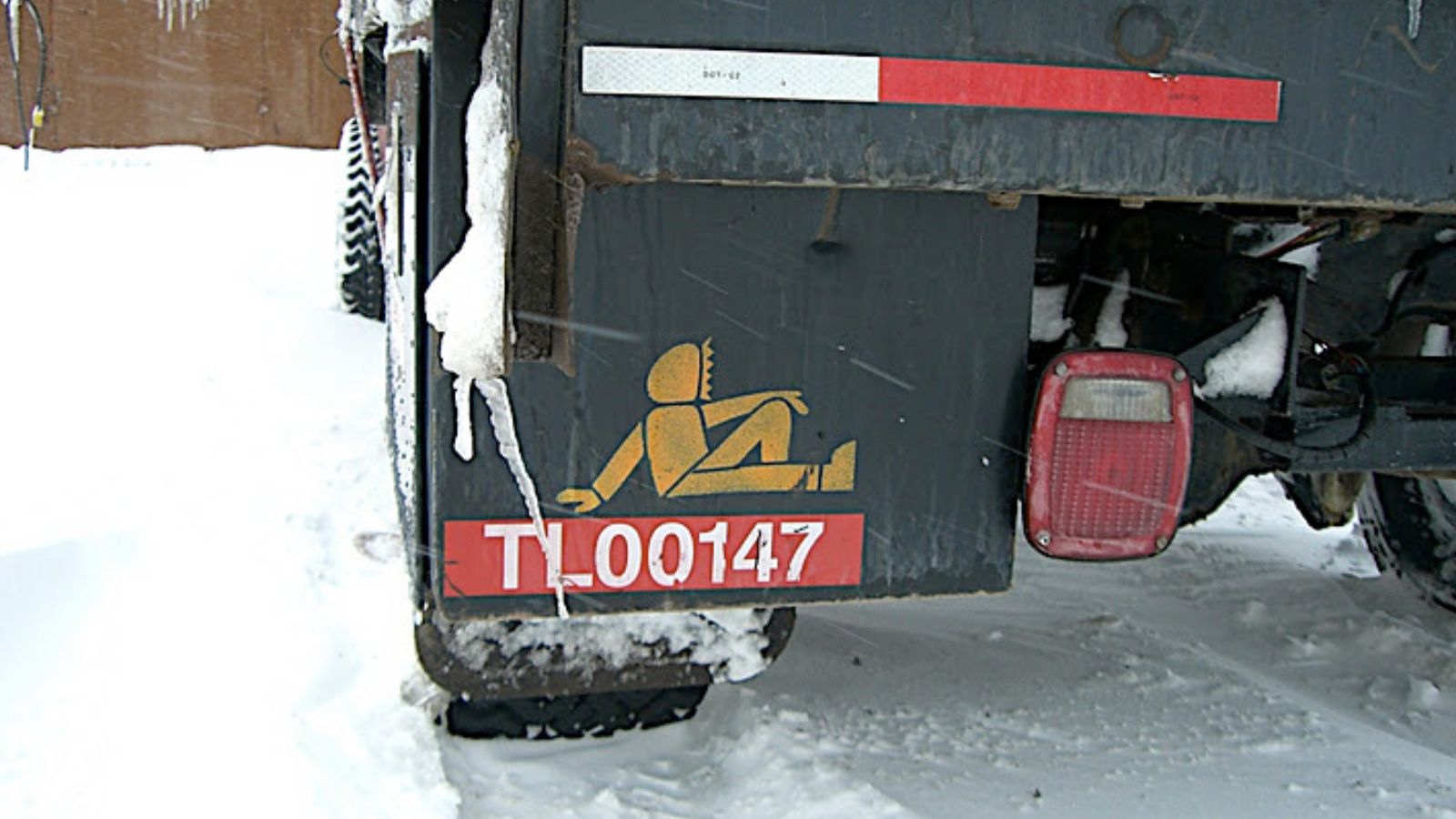
Mud flap laws apply broadly, and classics are often unintentionally swept into the mix. Any car with wider than stock tires can be flagged for kicking up stones or snow. A sixties Camaro with large rear tires or a seventies pickup with wide winter rubber can fall under this rule. Drivers often add small removable mud guards to stay compliant on gravel roads. It may not be stylistically perfect, but it can prevent fines and keep your rare paint job from turning into a sandblasted mess.
Loud Exhaust Laws Vary Wildly and Can Surprise You
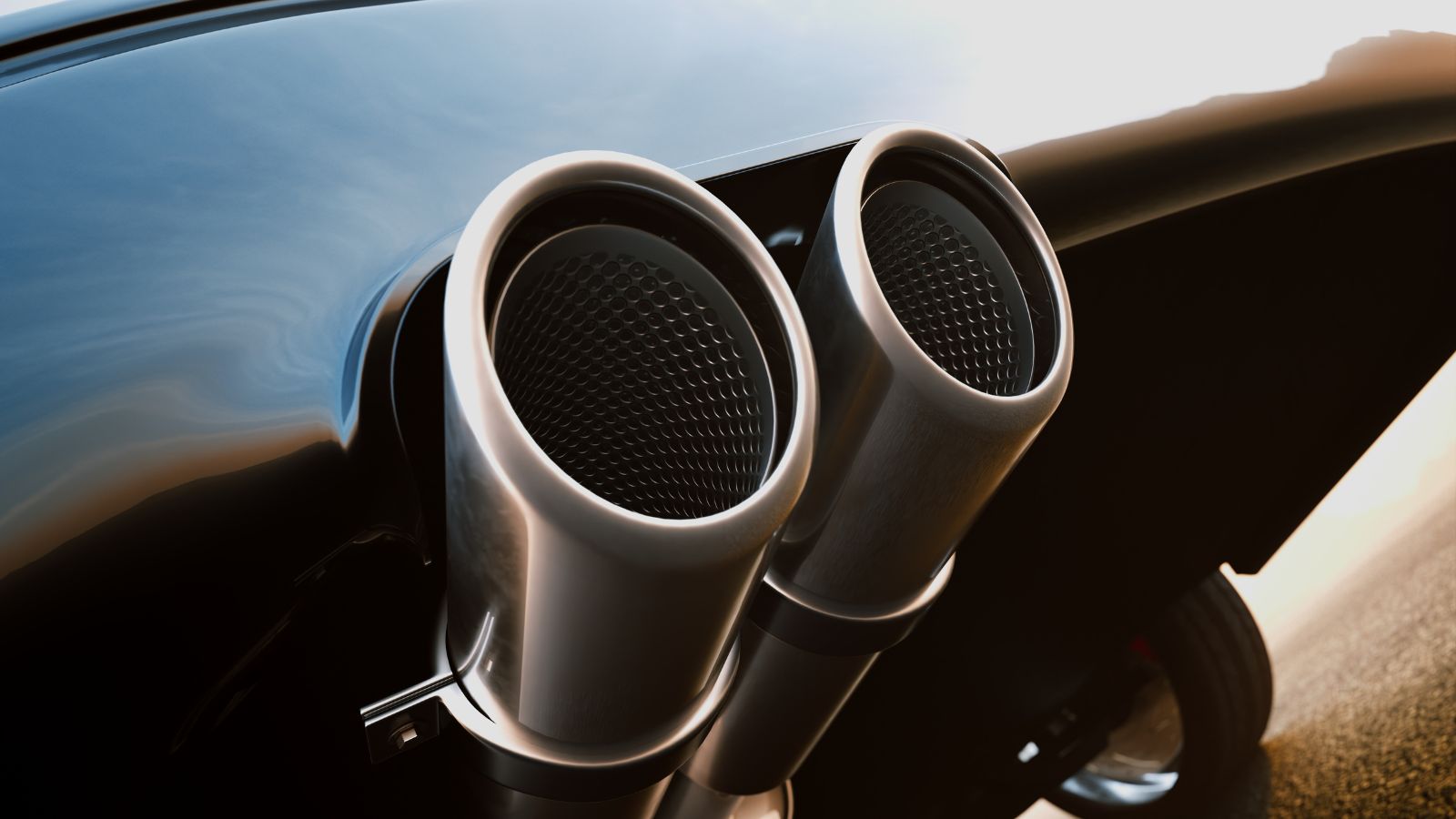
Classic cars with big engines have a sound that enthusiasts love but some provinces find questionable. Regulations differ drastically across Canada. A healthy V8 rumble may pass without issue in rural Alberta but earn a ticket instantly in urban Ontario. Officer discretion also plays a role, which means two identical cars can be judged very differently. Canadian classic owners sometimes carry documentation showing their exhaust is factory spec, but that does not always stop an officer who thinks your vintage ride sounds a bit too enthusiastic at idle.
You Can Be Fined for Blocking Too Much of the Road While Working on Your Car
Working on classic cars is part of the lifestyle, but many cities treat roadside repairs as public obstruction. If your classic breaks down and you pop the hood in a live traffic lane, fines can follow quickly. Even minor work like adjusting a carburetor or replacing a belt could attract the attention of bylaw officers. Owners learn to keep a tow membership active or carry enough tools to move the car out of traffic quickly. Canadian cities love cars, but they love controlled roadways even more.
In Some Provinces You Must Prove Your Classic Never Had Certain Safety Items
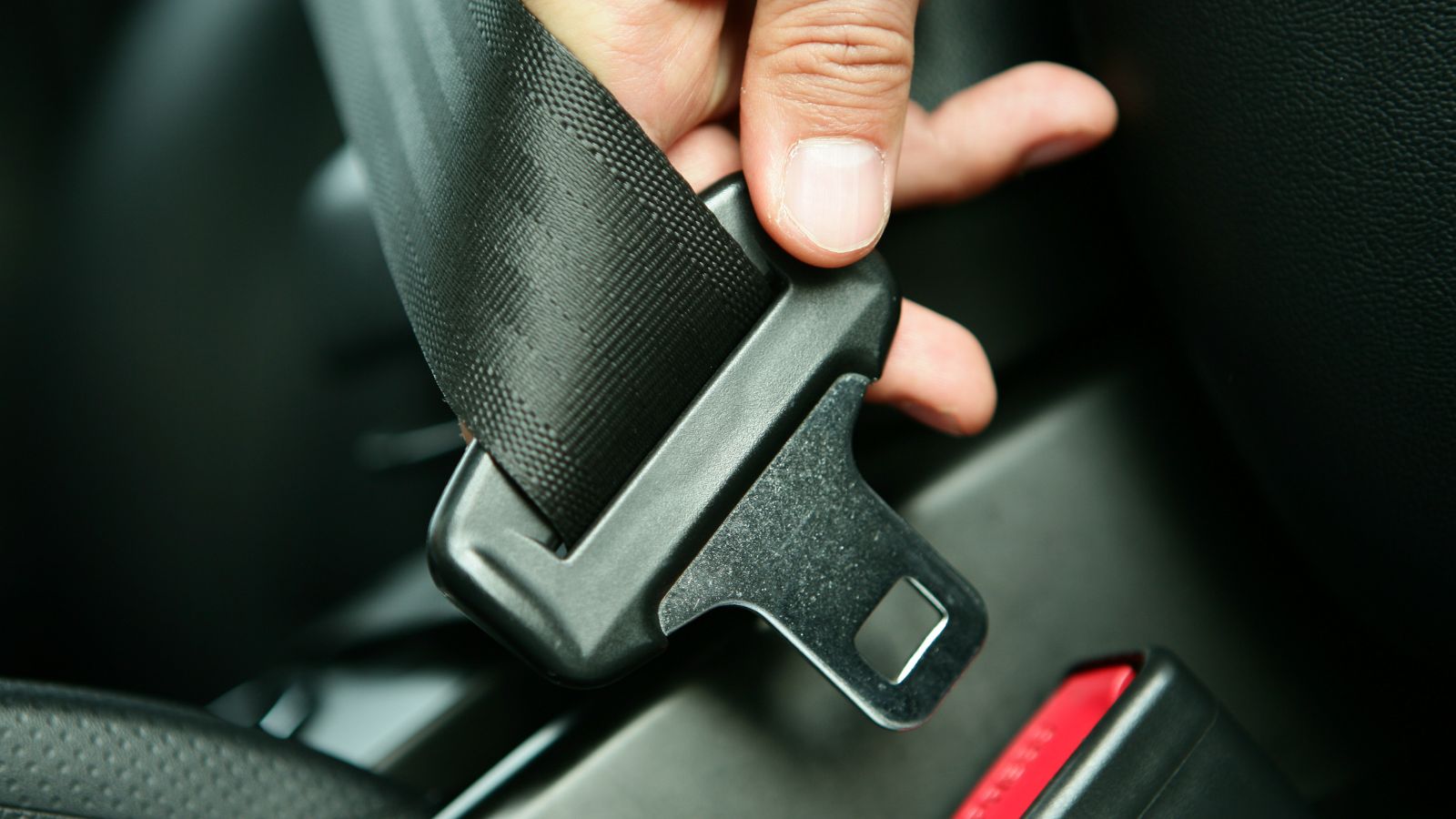
When registering a vintage car, officials sometimes require proof that the vehicle was never built with specific safety equipment. If your fifties sedan did not originally come with seat belts or backup lights, you may need to show a manual, brochure or manufacturer reference. Inspectors want to prevent owners from removing equipment that was originally installed. It creates odd moments where drivers scramble through old catalog scans just to convince a modern government office that the car rolled off the line exactly as it sits today.
Certain Classics Cannot Tow Without Modern Trailer Wiring
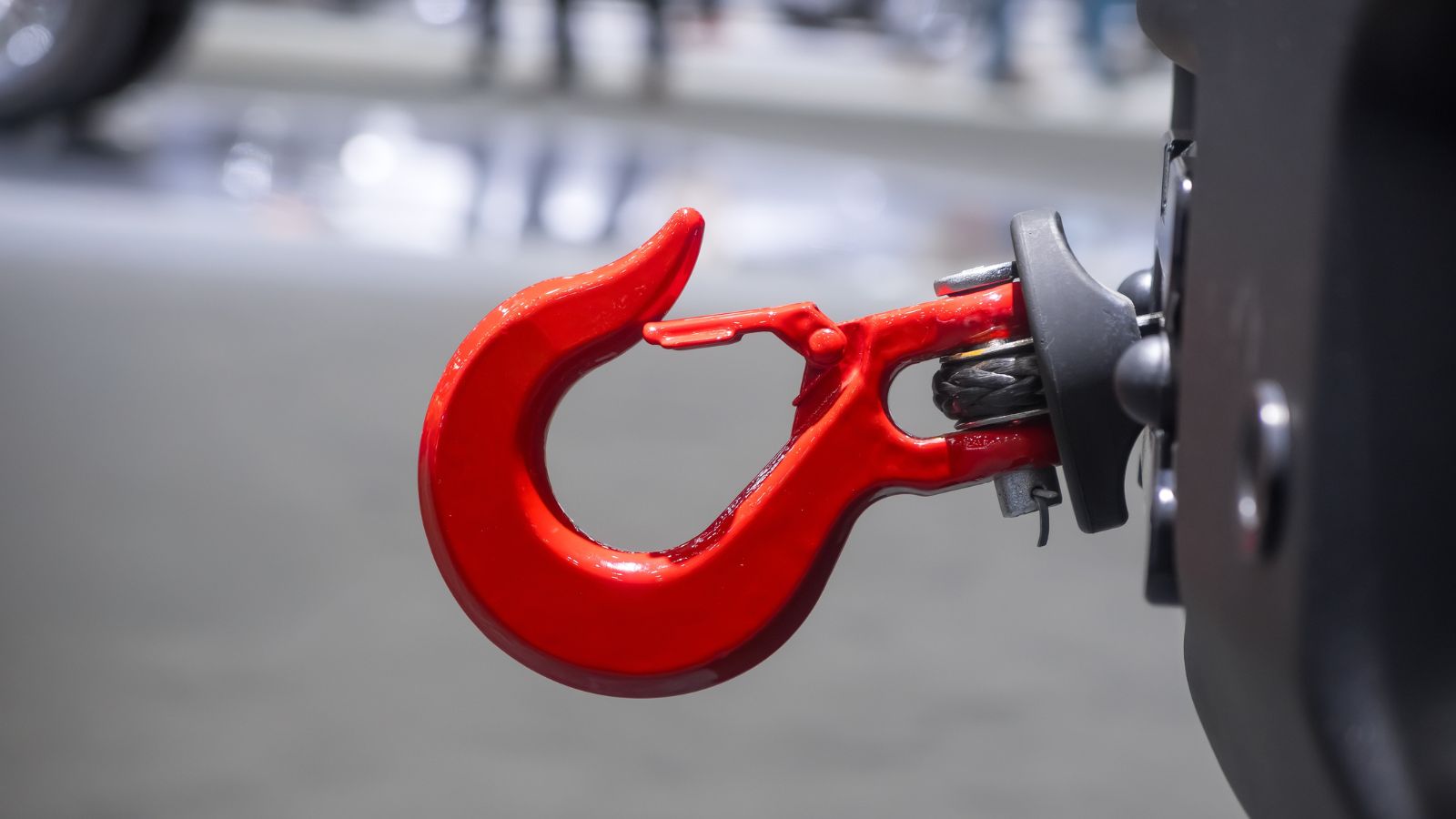
You might own a sixties pickup with a factory hitch, but that does not mean you can legally tow a trailer with it today. Modern towing rules demand proper lighting circuits, emergency brake systems and in some cases sway control. Vintage wiring often cannot support these requirements without significant upgrades. Many classic owners discover this only when they are already hitched up and ready for a weekend getaway. The fix is usually simple, but the law does not bend for nostalgia.
Some Provinces Restrict Engine Swaps More Than You Think
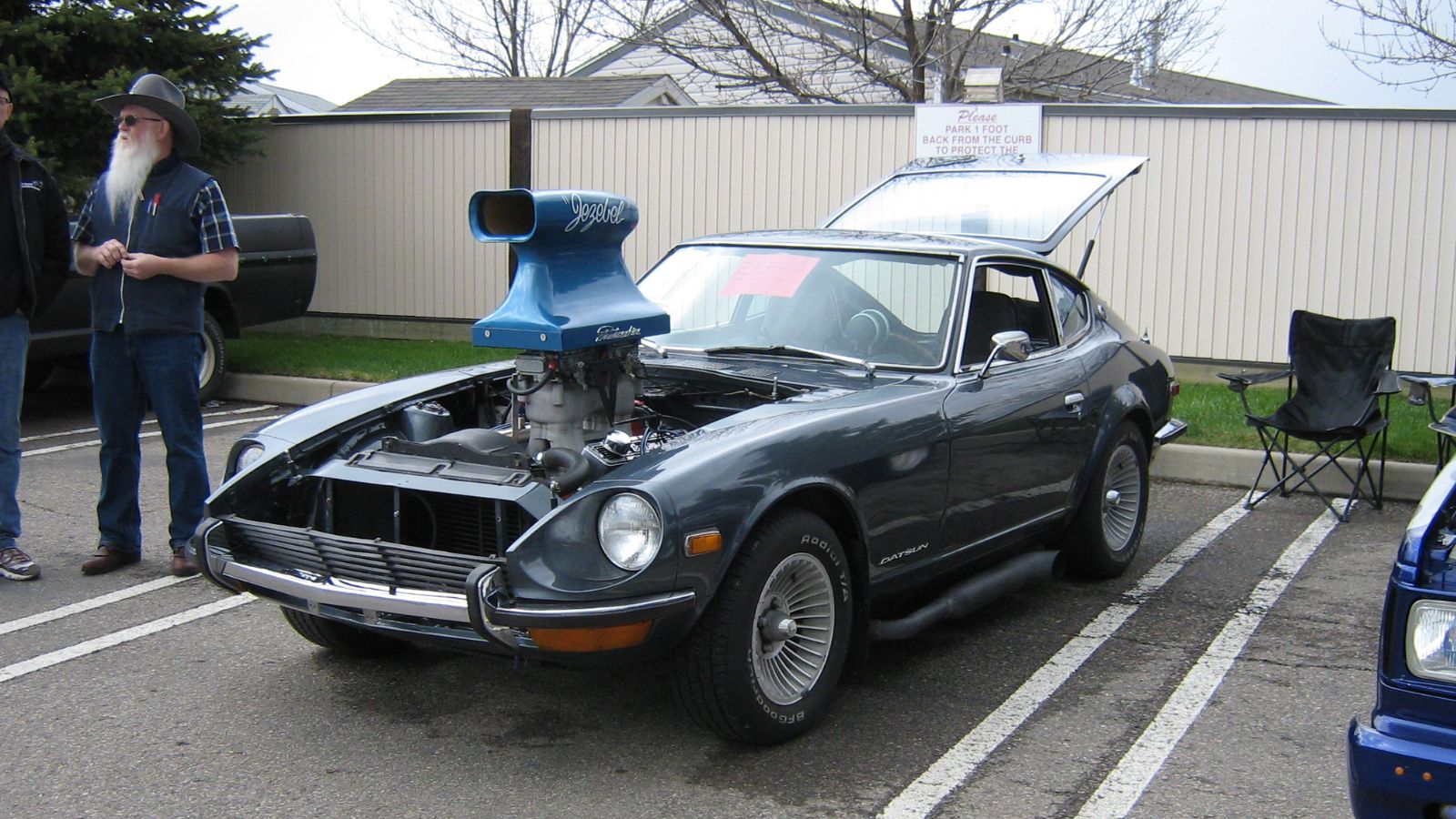
Engine swaps are a cornerstone of classic culture, but Canada regulates them differently depending on where you live. If you swap an engine into an older car, you must often meet emissions standards for the newer engine. That means catalytic converters, charcoal canisters and all the hardware that came with that engine must remain in place. Inspectors love this rule because it keeps pollution down. Enthusiasts dislike it because it can turn a dream swap into an unexpected project full of extra components and receipts.
British Columbia Requires Collector Cars to Avoid Daily Commuting

Collector plates in British Columbia offer huge savings, but the rules are strict. You cannot use the car for commuting, school runs or everyday errands. It is meant for leisure only. If you get caught using a classic for your morning drive to the office, your collector status can disappear instantly. Owners often keep a mundane winter car or commuter sedan purely to protect the privilege of cheap insurance on the classic.
Some Provinces Limit How Much Rust Is Allowed

Rust is part of Canadian life, but provincial inspectors have limits on how much corrosion they will accept. Structural rust around suspension mounting points, floor rails or rocker panels can instantly sideline a classic that still drives perfectly well. Inspectors do not care if the car is a cherished survivor with original paint. If they see rust that threatens structural integrity, the vehicle must be repaired or removed from the road. For owners who enjoy patina, this rule occasionally feels like a battle between charm and compliance.
Laws Matter
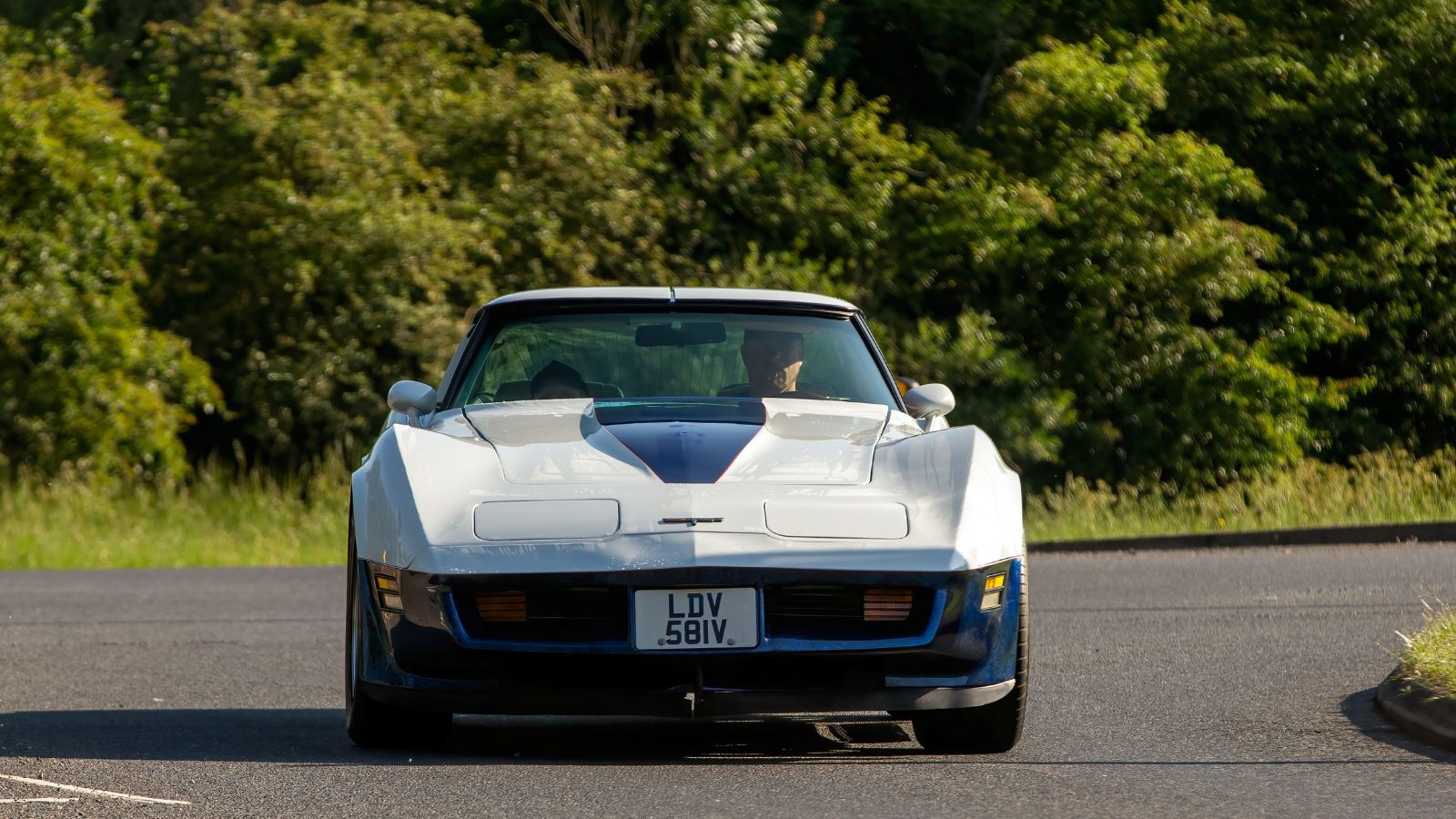
These unusual laws do not exist to frustrate enthusiasts, even though they often do. They are meant to keep the roads safe and ensure older vehicles remain fit for public use. Still, they remind classic owners that driving a vintage machine in Canada requires more than passion. It demands knowledge. Understanding these rules helps keep your pride and joy legal, safe and on the open road, where classic cars create the memories they were built for.
