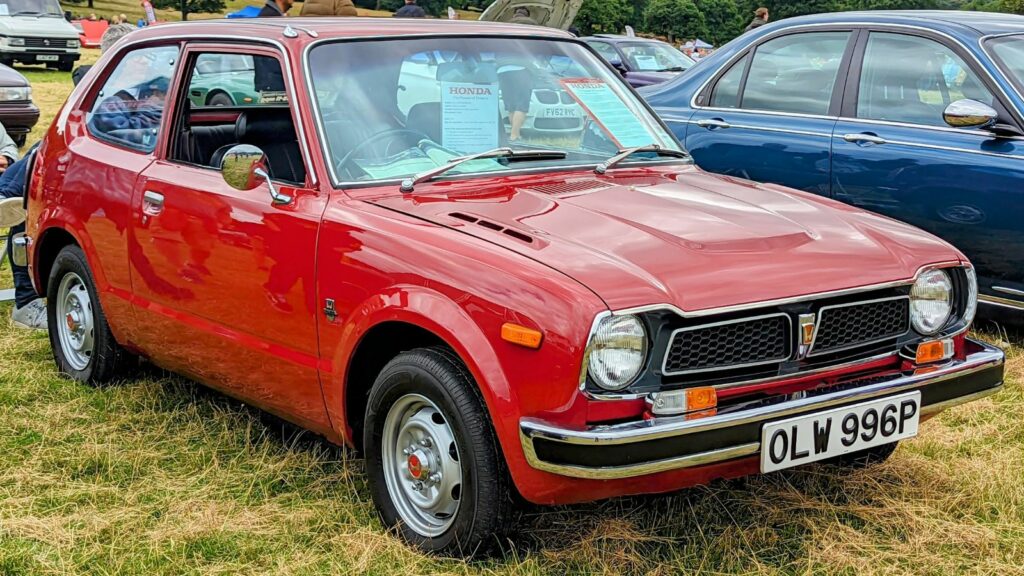
History has a funny habit of repeating itself on four wheels. In the 1970s Japanese cars arrived in North America and were treated like cheap throwaway machines that would never survive the climate, never convince loyal buyers, and never challenge the Big Three. Within a decade Honda, Toyota, and Nissan became household names and reshaped the entire car market. Right now Chinese automakers are walking down the exact same road and the similarities are impossible to ignore.
Everyone Mocked Them First
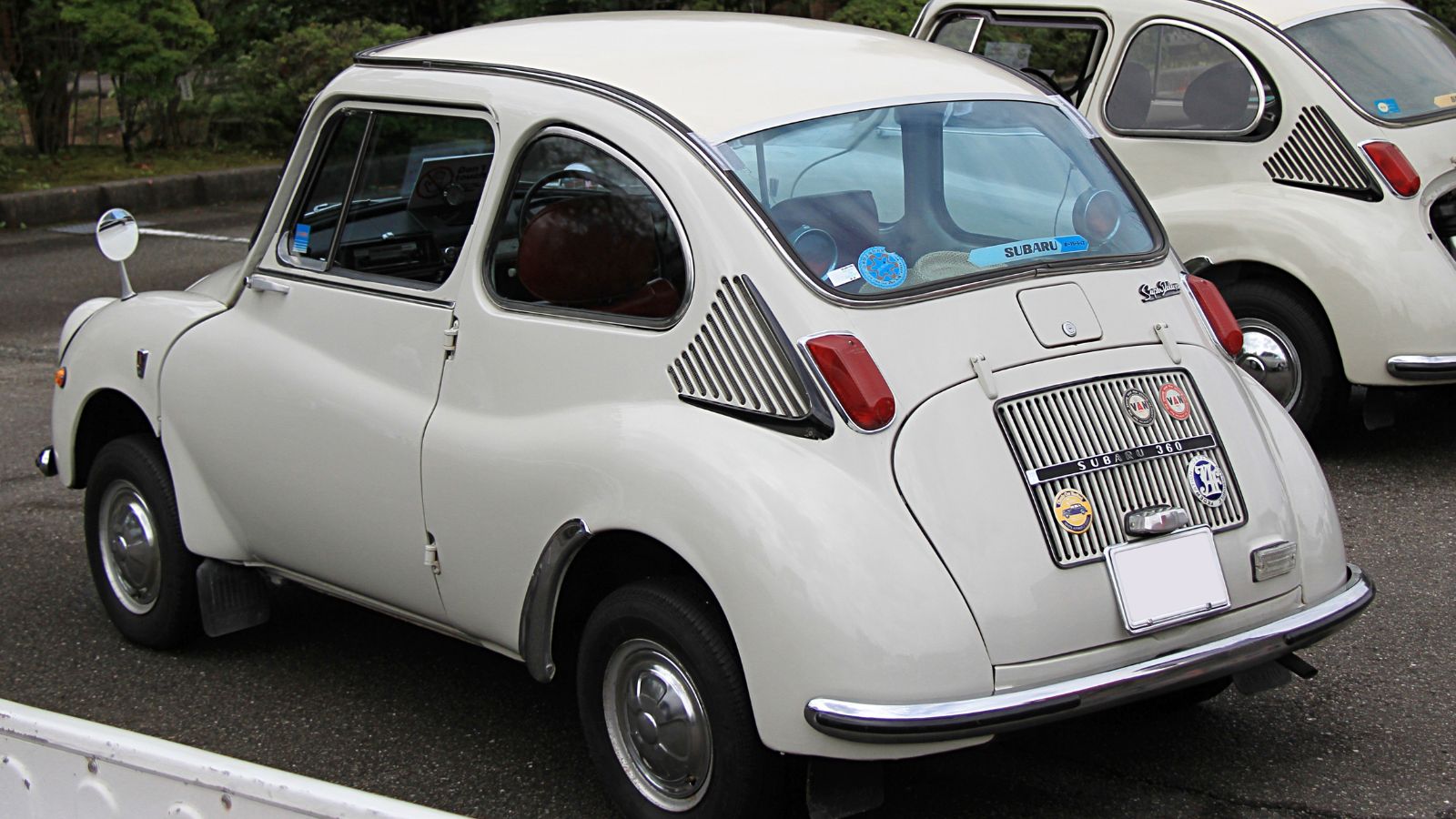
When Japanese cars first arrived, the jokes wrote themselves. Too small, too light, too underpowered, too weird. Then gas prices exploded, reliability became king and Japanese cars went from punchline to smart choice almost overnight. Chinese cars today face the same smirks about build quality and styling. But when families see that they can get an electric SUV with premium features for less than a stripped out crossover from a legacy brand, laughter turns into curiosity fast.
They Are Obsessed With Value and Efficiency
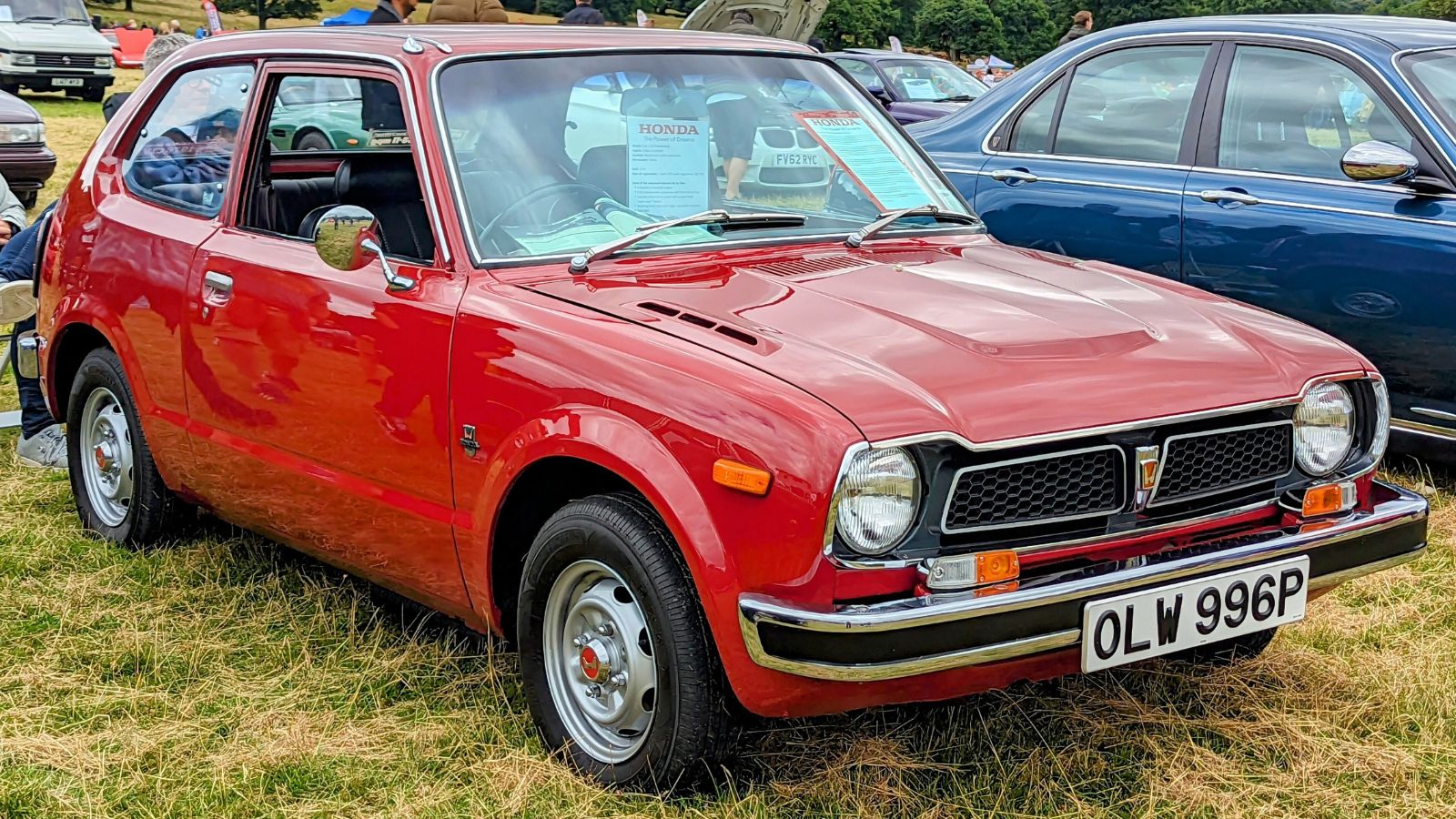
Japanese manufacturers in the 70s won the market by offering more features for less money while Detroit still treated air conditioning as a luxury. Chinese automakers are following that exact playbook. Big touchscreens, panoramic roofs, heated everything, advanced safety tech and long EV range all come baked into the price. They are not trying to win the badge war. They are trying to win the value battle and that is how consumer revolutions start.
They Are Learning From Mistakes at Turbo Speed
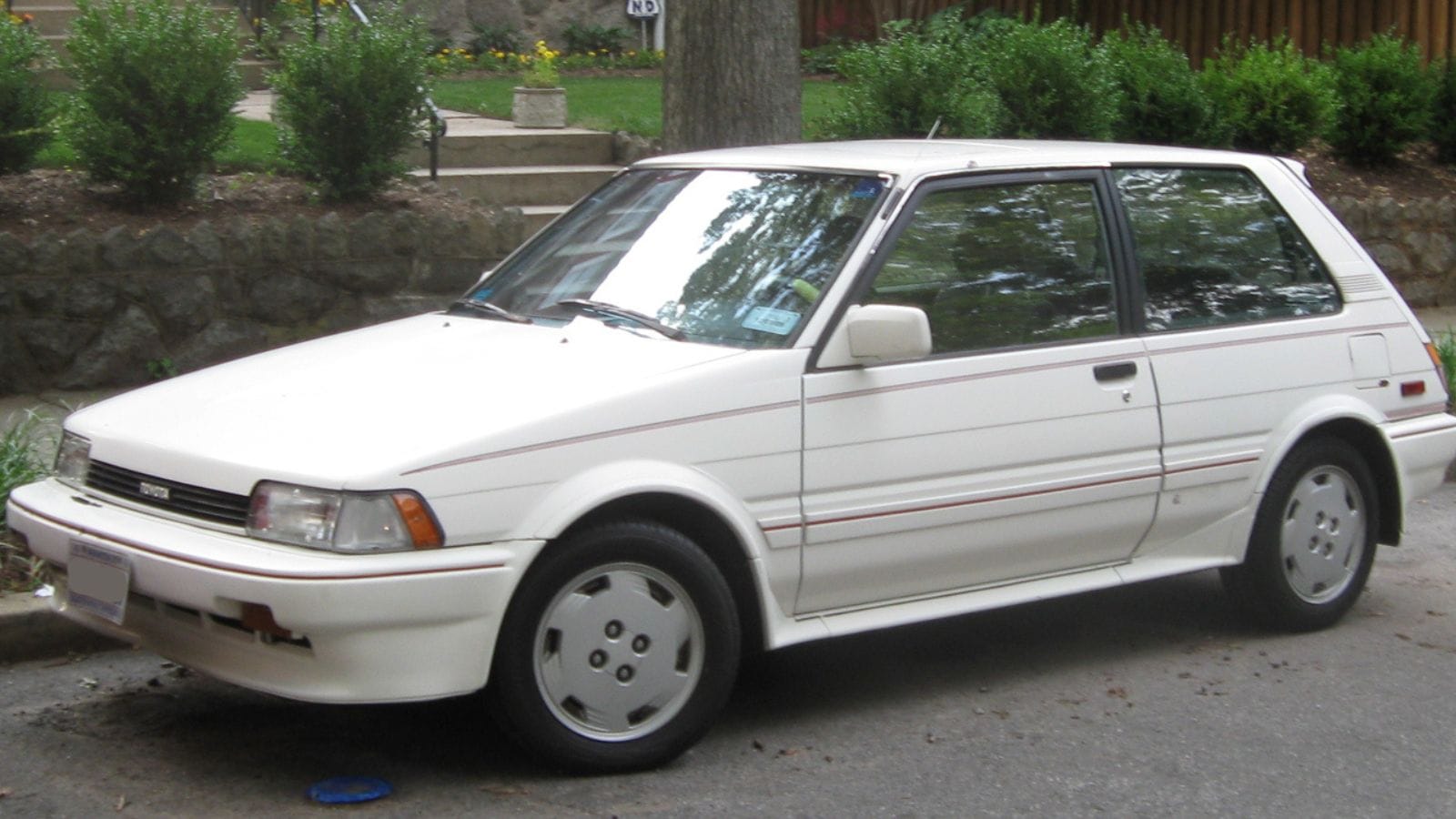
Japanese brands gained ground because they listened, improved, and redesigned faster than their competitors. Chinese automakers move even quicker. When styling gets criticized, they fix it the next year. When seats feel cheap, they upgrade the materials immediately. The constant iteration means early models that feel rough are rapidly replaced by much more refined versions. That improvement curve is steep, aggressive, and familiar to anyone who watched Toyota evolve in the 70s and 80s.
Once They Prove Reliability, the Floodgates Open

It took a few years for Japanese vehicles to build a reputation for reliability, then word spread through neighbors and friends faster than advertising ever could. Chinese brands know this and are investing heavily in battery durability, powertrain testing, and long warranty confidence plays. The first mass proof of reliability will trigger a market shift, because once the used car market trusts a brand, everything changes. That turning point is coming, just like it did fifty years ago.
They Are Targeting the Segments That Actually Matter
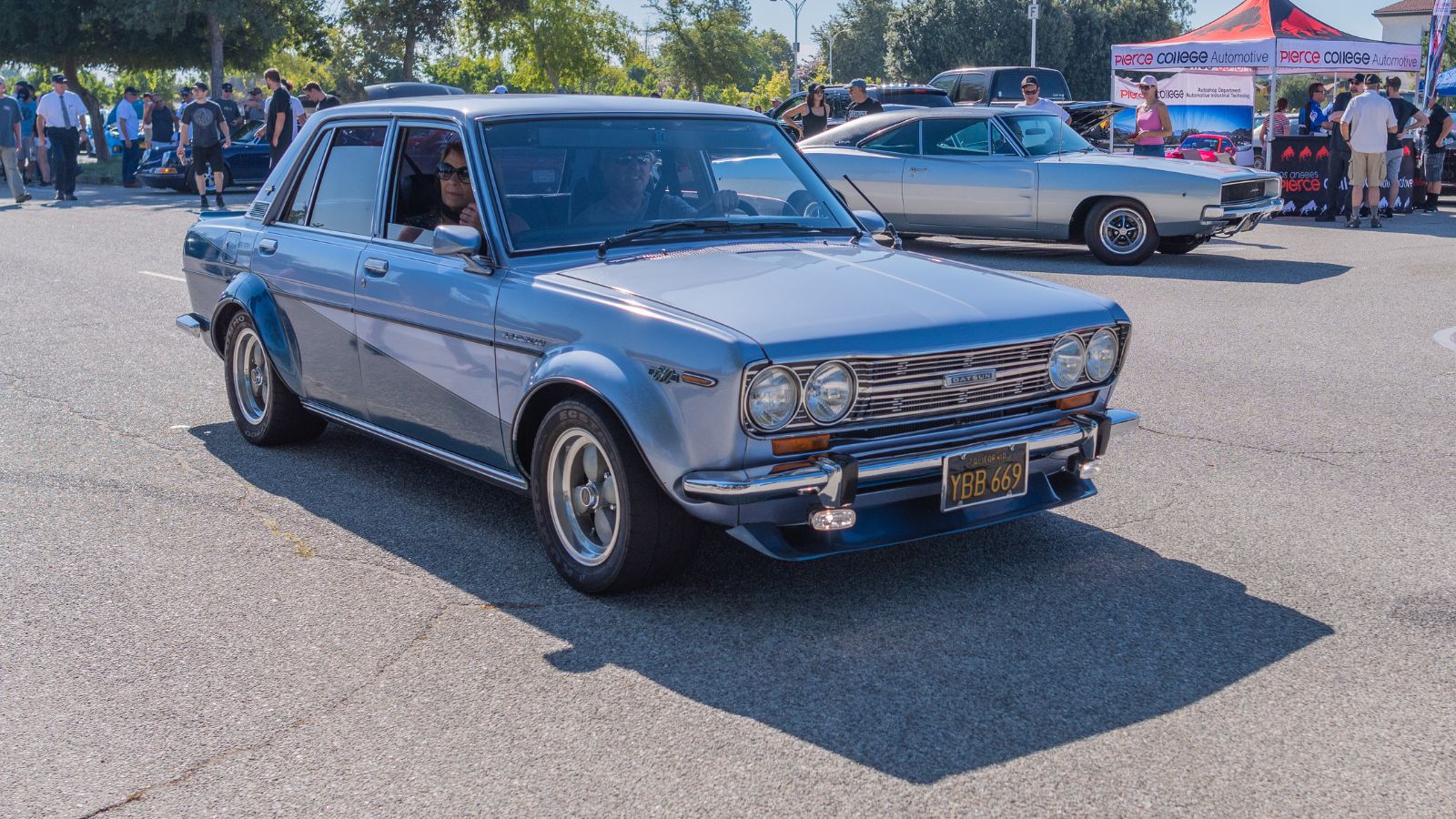
The Japanese takeover worked because they focused on cars real people needed rather than cars enthusiasts bragged about. Affordable sedans, wagons, and compacts built their empire. Chinese brands are lining up SUVs, crossovers, and entry level pickups because that is exactly what the modern North American market buys. They are striking where demand is hottest, not where tradition says they should compete.
Dealers Want Them Because They Sell Themselves

In the 70s dealerships discovered Japanese cars moved quickly and made customers feel smart for choosing them. Chinese cars offer the same advantage. More features for less means faster signatures on paperwork and fewer test drive debates. Dealerships desperate for volume and margins will push the vehicles that close the fastest. Once that momentum builds, it is almost impossible to stop.
Younger Buyers Don’t Worship Badges Anymore
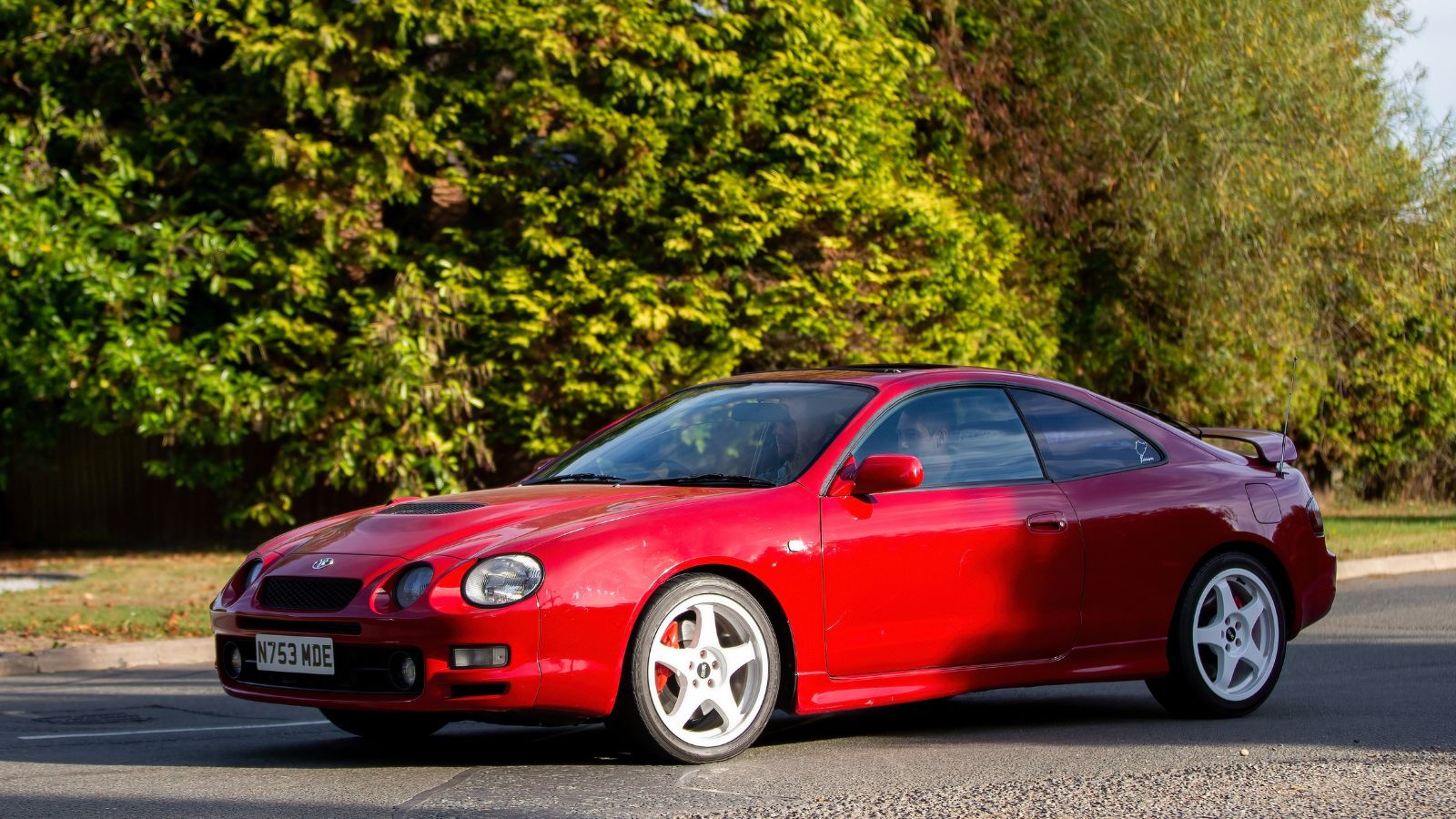
Baby boomers built their identity around car brands. Younger drivers do not. They care about price, tech, design, and payment. They grew up with Samsung beating Apple one year and vice versa the next. They are not tied to heritage and they do not feel guilty abandoning long time brands that no longer deliver value. Japanese cars conquered a generation of frugal buyers. Chinese cars are about to do the same.
Even the Critics Eventually Switch Sides
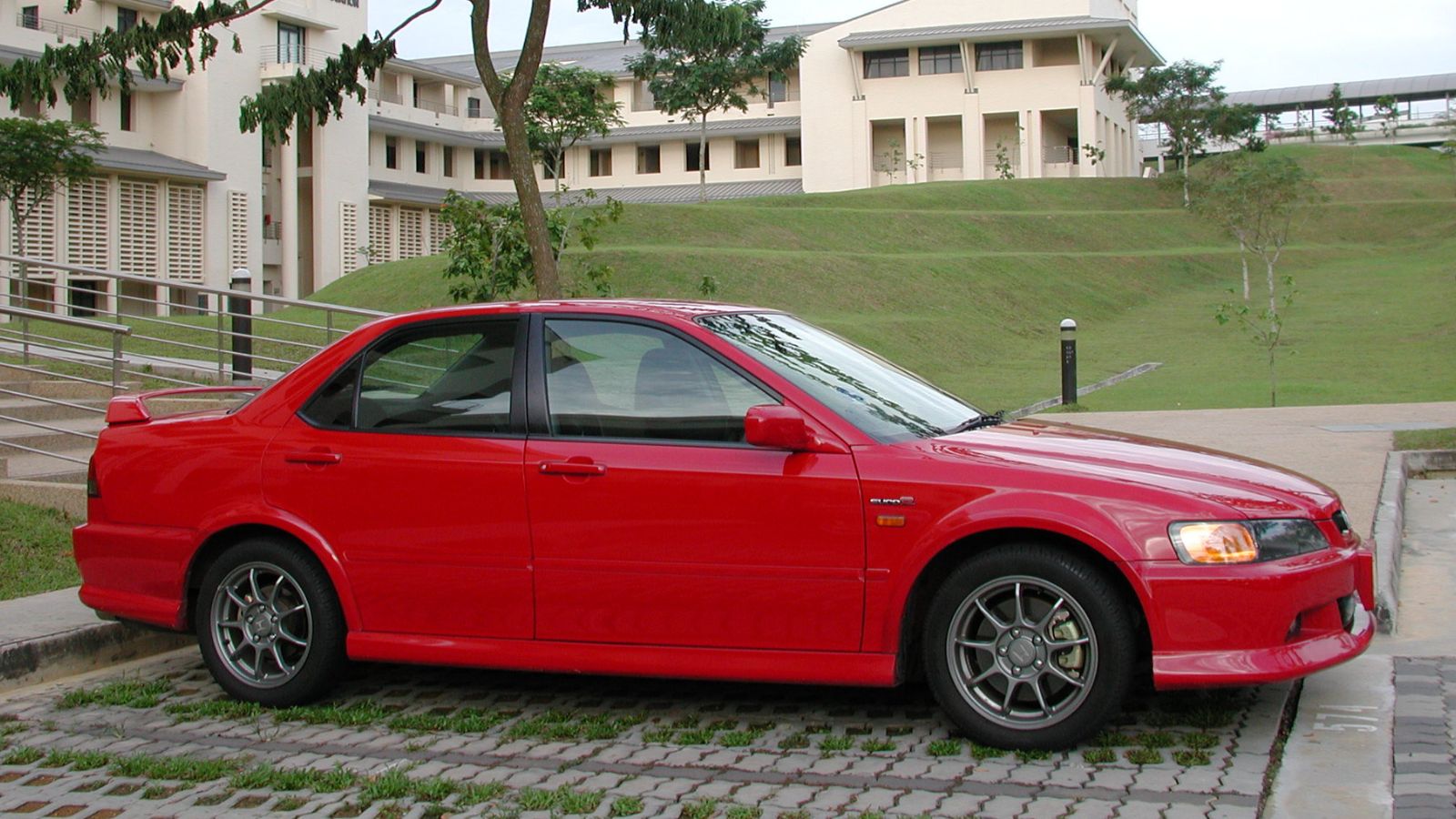
In the early days of Japanese imports, automotive magazines swore they would never match American craftsmanship. By the late 80s those same publications were awarding Car of the Year trophies to Japan repeatedly. Today many critics pretend Chinese cars will never compete. Wait until they get behind the wheel of a long range EV with ventilated seats, great tech, and a price that makes their daily driver feel outdated. Opinion changes the moment value becomes undeniable.
25 Facts About Car Loans That Most Drivers Don’t Realize

Car loans are one of the most common ways people fund car purchases. Like any other kind of loan, car loans can have certain features that can be regarded as an advantage or a disadvantage to the borrower. Understanding all essential facts about car loans and how they work to ensure that you get the best deal for your financial situation is essential. Here are 25 shocking facts about car loans that most drivers don’t realize:
25 Facts About Car Loans That Most Drivers Don’t Realize
