
Governments are constantly hunting for new revenue streams, and one proposal gaining traction overseas is distance based road pricing. Instead of paying fuel taxes only when you fill up, drivers would be charged for every kilometer they travel. The United Kingdom has already begun debating it publicly, and once an idea catches on in one major economy it often spreads. If Canadian policymakers ever decide to follow that route, the impact on daily life, personal finances, and public trust would be enormous. On paper it sounds modern and fair. In reality it risks becoming one of the most unpopular transportation policies in Canadian history.
The Government Case for Charging by Distance
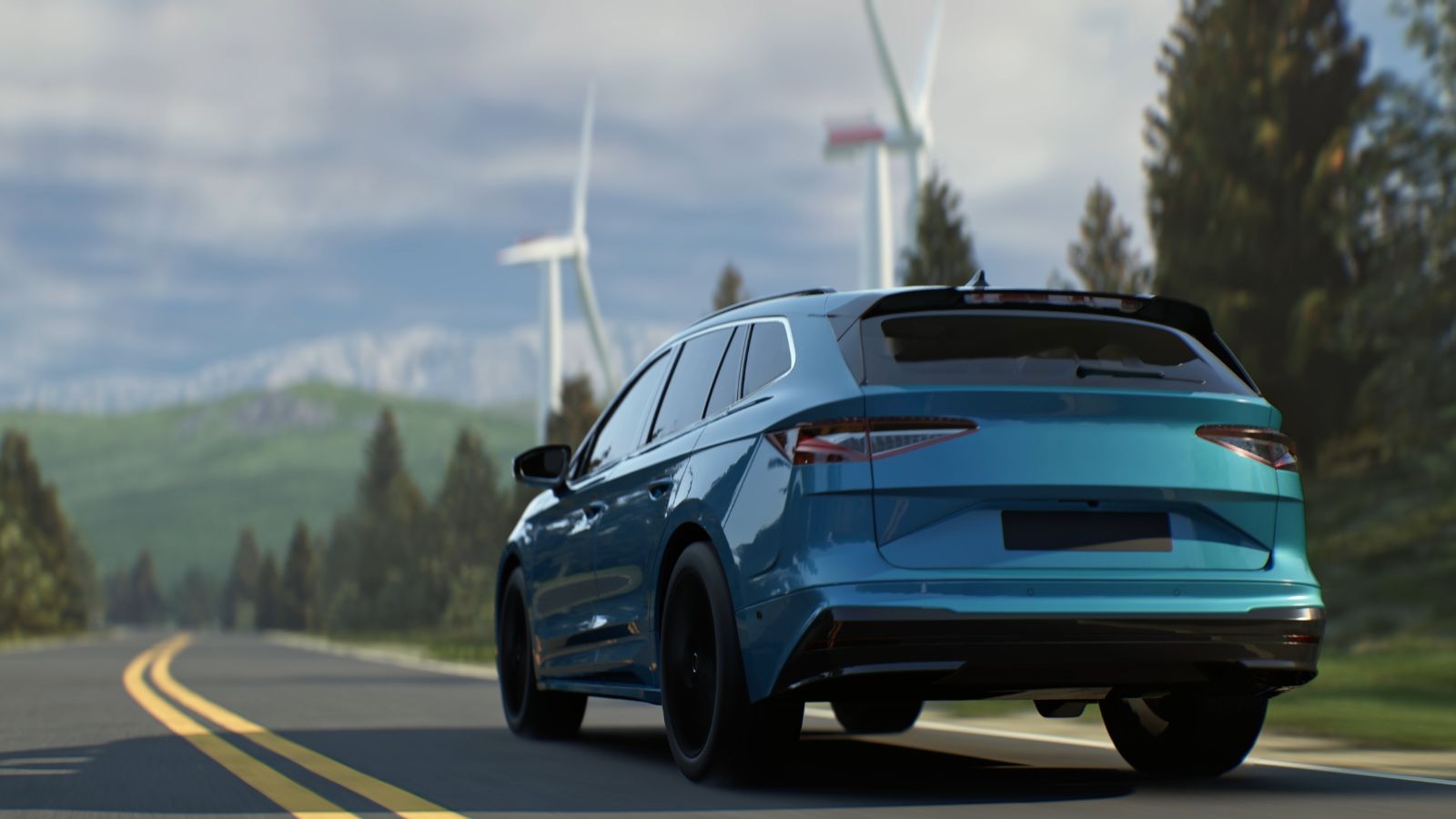
If Canada adopts the concept, it will come wrapped in language about fairness and infrastructure funding. As more drivers switch to electric vehicles and fuel usage drops, revenue from gasoline taxes shrinks. That money currently funds road repairs, plowing, bridge maintenance, transit projects, and highway expansion. Government officials would argue that everyone benefits from roads, so everyone should contribute. Their logic is simple, instead of paying fuel tax only when you fill up, you pay based on how much you use the road network. It sounds tidy when written in a policy document. The trouble is that life does not work as neatly as spreadsheets.
Canada Is Built on Driving, Not Dense Transit

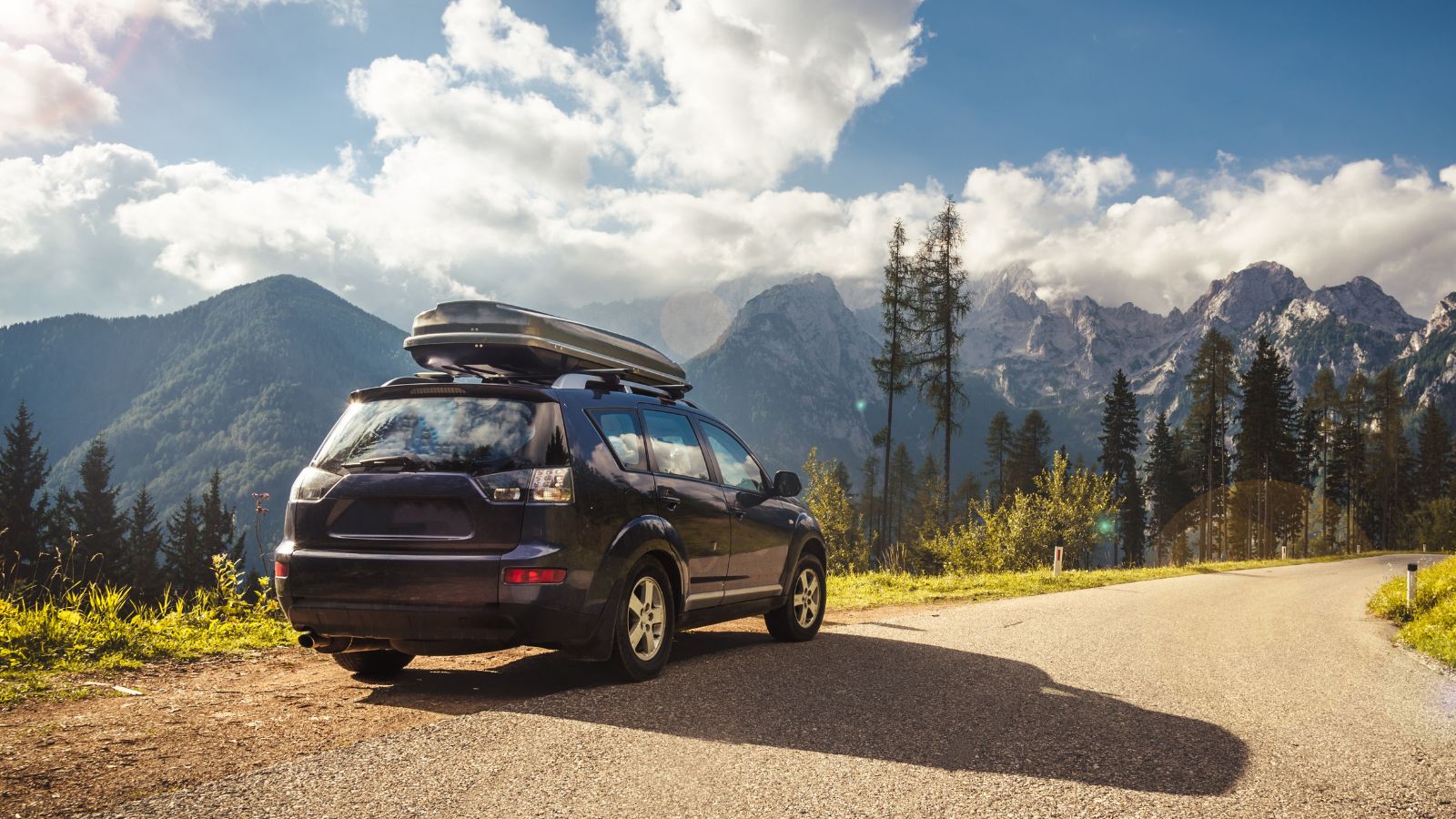
Distance fees function best in compact countries with excellent public transportation. Canada is the opposite. Cities sprawl outward instead of upward, towns are far apart, rail is limited, and transit options outside urban cores are thin. For millions of Canadians driving is not a choice or a hobby, it is the only practical way to live. A fee on every kilometer becomes a penalty on geography. It punishes people for living where jobs exist, where housing is affordable, or where family ties keep them. The more rural the location, the more punishing the system becomes. That imbalance would be impossible to defend politically.
It Would Hit Working Canadians the Hardest
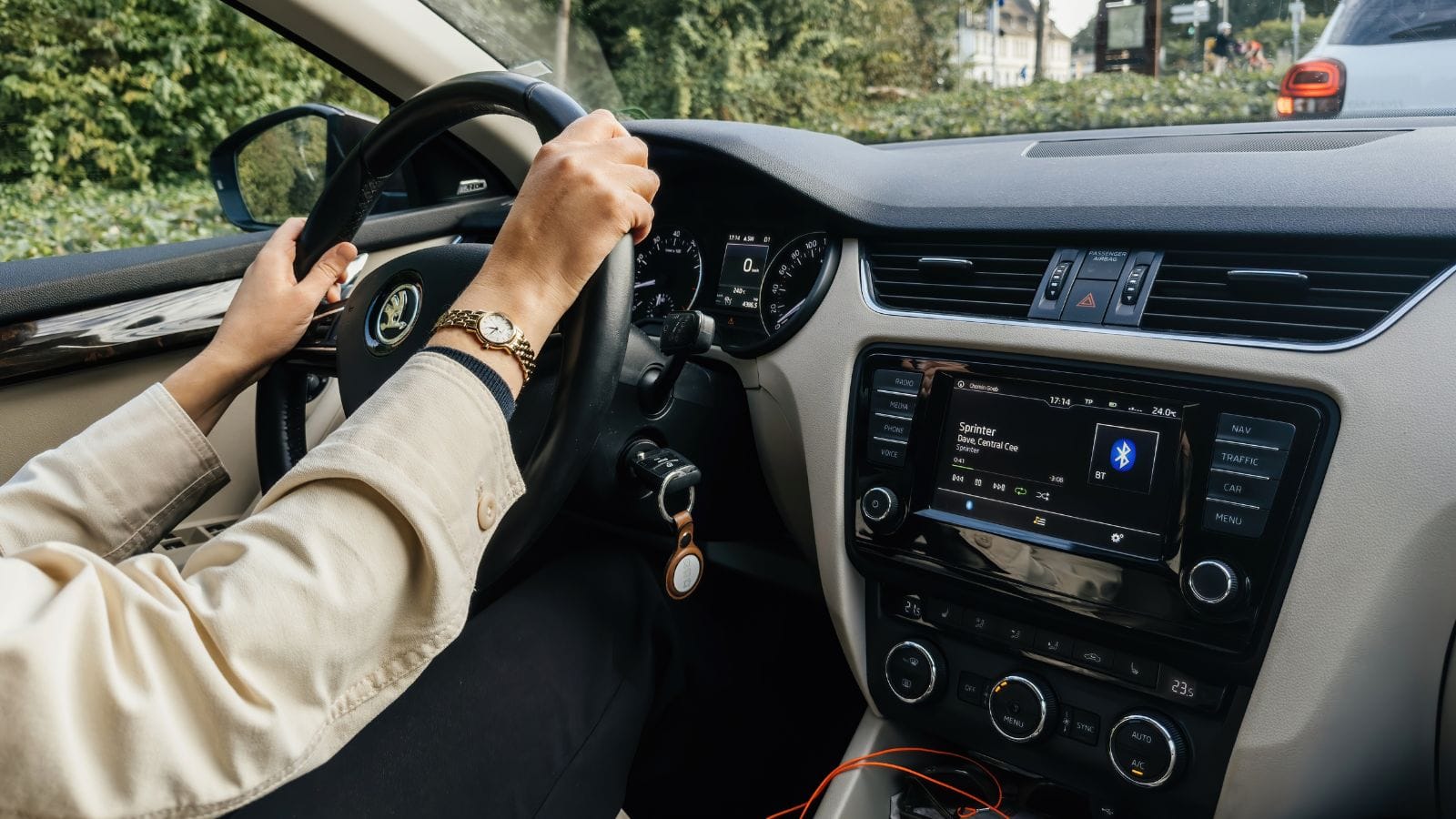
The map of who drives the most lines up perfectly with who can least afford extra fees. Tradespeople commuting to job sites, health workers making house calls, parents doing daily school runs, shift workers traveling during off peak hours when transit is limited, delivery drivers keeping businesses alive, farmers transporting goods to town. These are not people who can choose virtual work or switch to transit to cut mileage. They drive because their lives depend on it. A kilometer charge would land on the backs of the Canadians who keep the economy functioning, not the ones who can work from a condo near a subway.
Privacy Concerns Would Turn Into a Firestorm
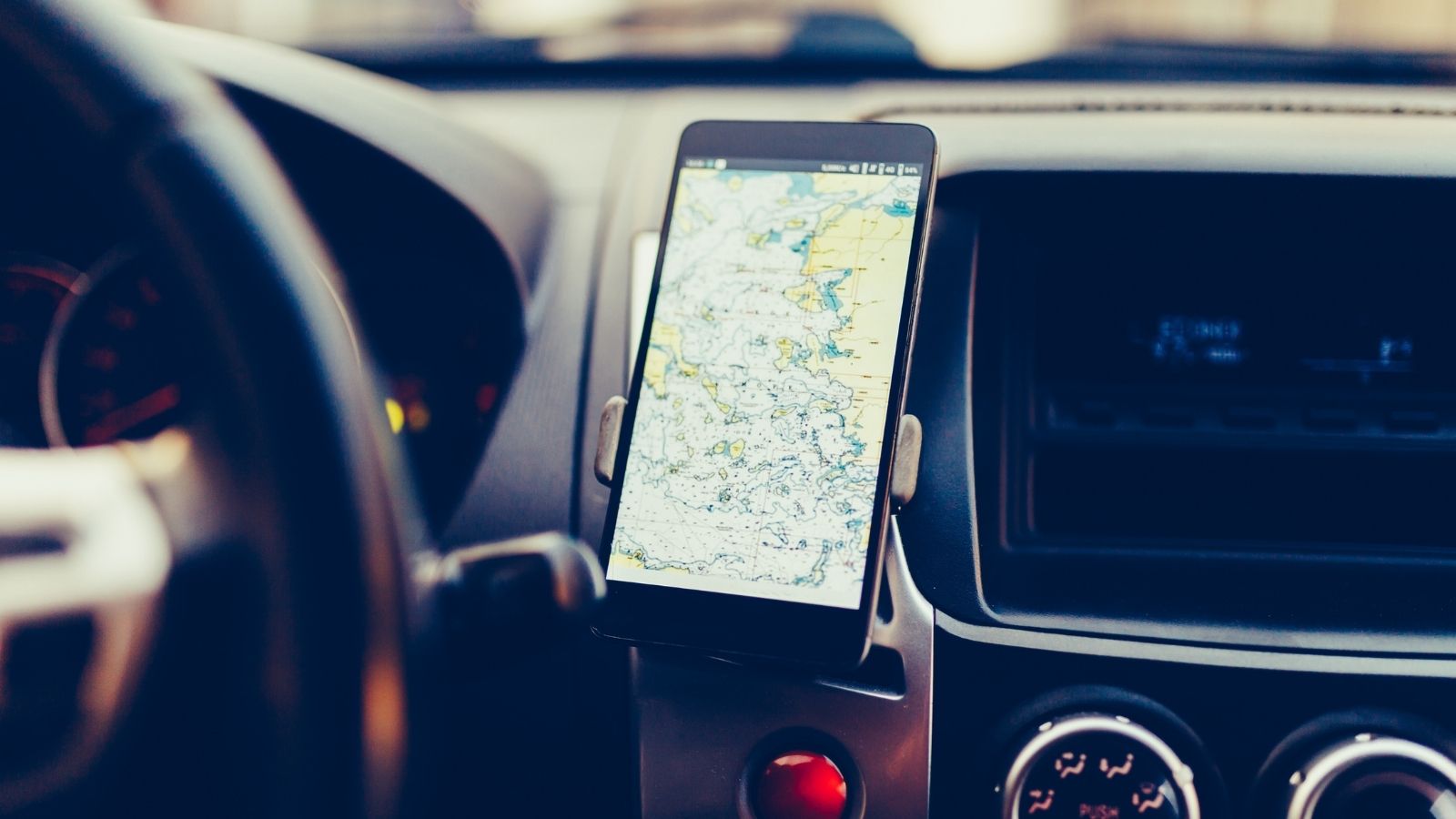
To bill drivers by distance, the government would need to track mileage. There are only three realistic methods, onboard telematics, cell based GPS, or physical odometer verification. All three raise major concerns. If cars send driving data to the government, people will worry about surveillance. If apps collect trip information, hackers and unauthorized access become a risk. If odometers must be scanned regularly, the system becomes slow and expensive to run. Any form of tracking feels invasive because it is. Canadians are already uneasy about digital monitoring. Turning every drive into logged data connected to billing statements would be a massive trust breaker.
It Could Raise Prices Across the Entire Economy
Cars are only part of the picture. Every product in Canada travels by road. If trucking companies, couriers, and service vehicles pay a kilometer fee, it becomes a new cost of doing business. It will be added to freight rates, then to wholesale prices, then to retail prices. The grocery bill goes up. The cost of clothing and electronics goes up. Construction materials go up. Even restaurants and takeout would feel the pressure because transportation sits in every supply chain. It would not take long before Canadians realized they are paying the distance fee even when they are not driving.
Enforcement Would Become a Bureaucratic Mess

Once kilometers become taxable, every irregular situation becomes a headache. Vacation travel across the border. Students switching provinces. Families who share multiple cars. Seasonal vehicles driven only in summer. Classic cars that barely leave the driveway. Drivers would challenge their mileage totals and insist the math is wrong. Fraud and tampering would be inevitable. The bureaucracy needed to track disputes, inspections, exemptions, and appeals could easily cost more than the money collected. Canadians would resent paying a transportation tax that mostly funds the administrative machinery needed to run it.
It Would Damage the Canadian Driving Culture

Driving has always been part of Canadian life. It represents freedom, independence, family road trips, weekend escapes, and the ability to live where you choose instead of where transit dictates. A pay per kilometer system turns every school drop off or grocery run into a transaction. Instead of road trips being spontaneous, they become a math problem. The emotional blow is just as serious as the financial one. When something as simple as driving feels like a bill ticking upward with every kilometer, people do not feel governed, they feel controlled.
Public Outrage Would Be Immediate and Widespread
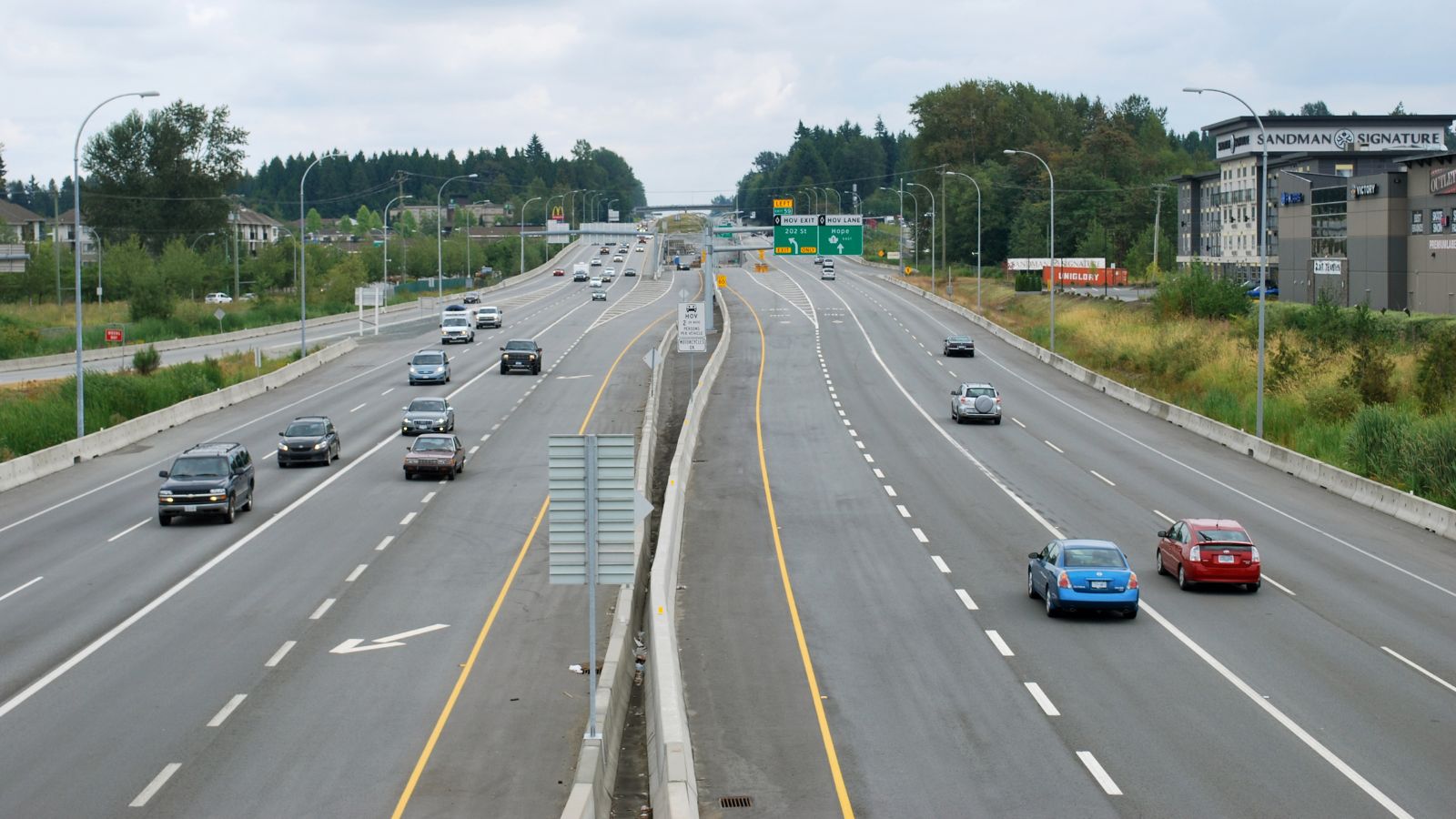
Even if the proposal arrived softened with rebates or discounts, Canadians would still see it for what it is, a new tax layered on top of existing car expenses. Gas prices are high. Insurance is high. New and used vehicles are expensive. Maintenance costs have jumped in recent years. The last thing drivers want is a fee for the privilege of using the road they already paid for many times over. The public backlash would be enormous. It would dominate news headlines, political campaigns, and protests from coast to coast. It would unite suburban commuters, rural families, and commercial drivers in frustration.
A per kilometer charge may look rational to economists, but it ignores the lived reality of Canadians who rely on their vehicles every single day. Innovation should make life easier, not make necessities more expensive. If the idea ever comes to Canada, expect a fight that crosses every demographic line, because driving is not a luxury here. It is survival.
25 Facts About Car Loans That Most Drivers Don’t Realize

Car loans are one of the most common ways people fund car purchases. Like any other kind of loan, car loans can have certain features that can be regarded as an advantage or a disadvantage to the borrower. Understanding all essential facts about car loans and how they work to ensure that you get the best deal for your financial situation is essential. Here are 25 shocking facts about car loans that most drivers don’t realize:
25 Facts About Car Loans That Most Drivers Don’t Realize
