Some cars look fast standing still. Low noses, smooth curves, tapered tails, everything about them suggests they will slice cleanly through the air. Then you look at the numbers and reality hits. High drag coefficients, lift where you do not want it, and shapes that deceive more than they deliver. These are the cars that promised aerodynamic brilliance but never quite backed it up.
Jaguar E Type
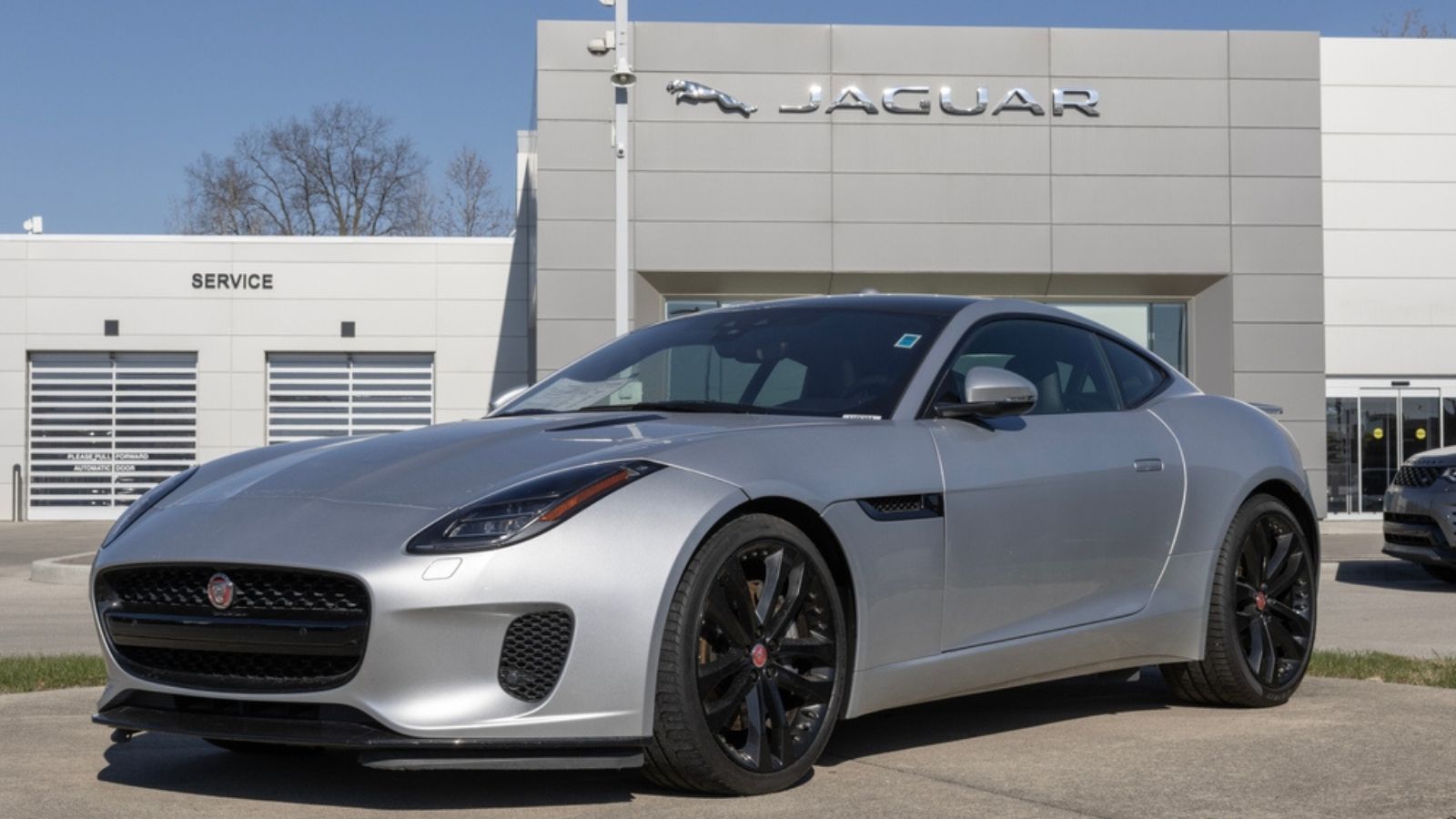
Few cars look as effortlessly sleek as the E Type. Introduced in 1961, it has a long nose, tight cabin, and a shape that feels almost aircraft inspired. You would expect serious aerodynamic efficiency, yet by modern standards its drag is surprisingly high. The open grille, exposed headlights on early cars, and lack of underbody management all work against it. It is beautiful, but beauty alone does not guarantee clean airflow.
Lamborghini Countach
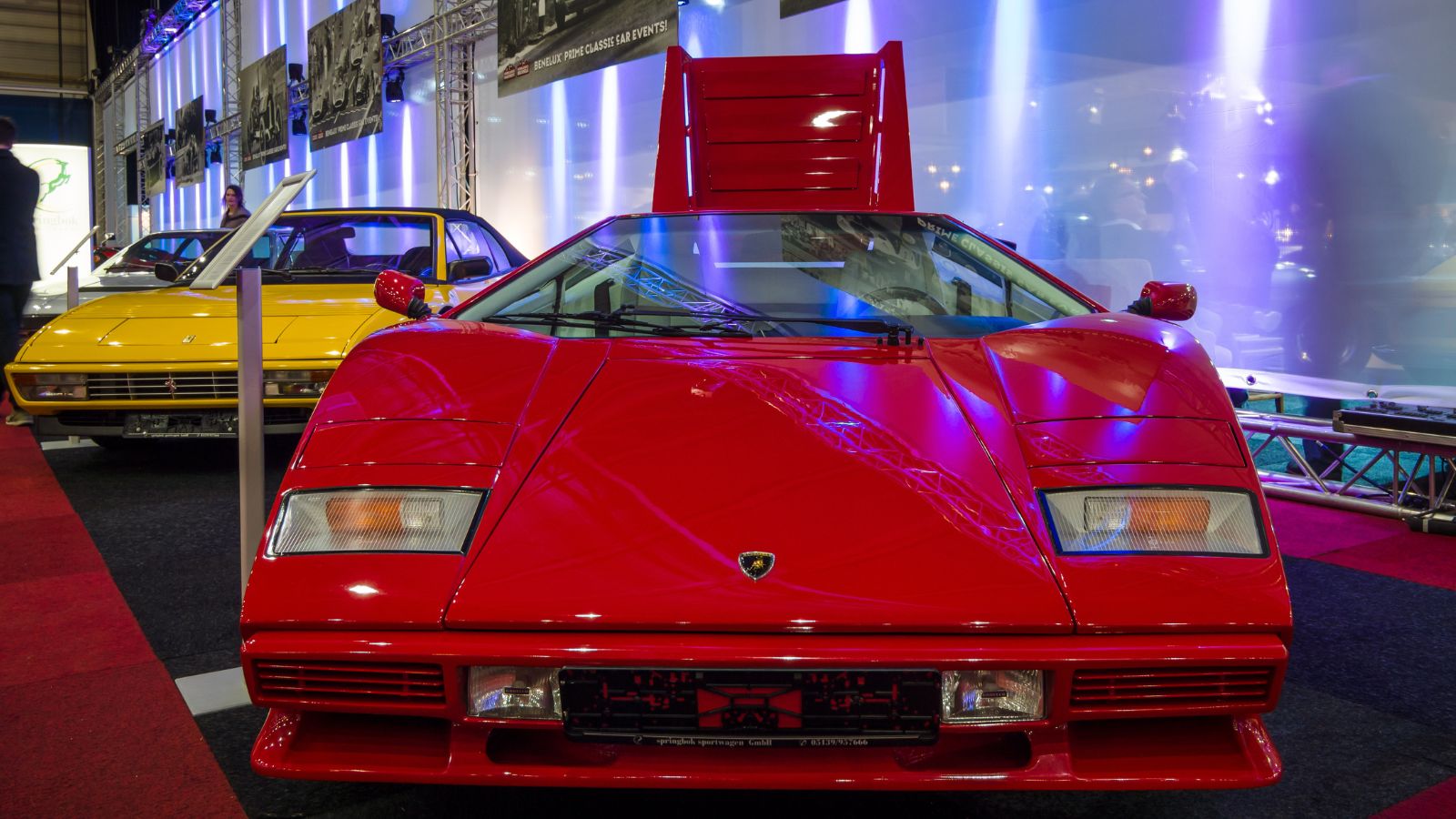
The Countach looks like it was carved by the wind itself. Sharp angles, low profile, and that iconic wedge shape scream speed. But in reality, it is far from slippery. Early versions were particularly unstable at high speeds, which led to the addition of large wings and scoops that only increased drag. It looks like a high speed missile, yet its aerodynamic efficiency is not nearly as impressive as the styling suggests.
Ferrari Testarossa
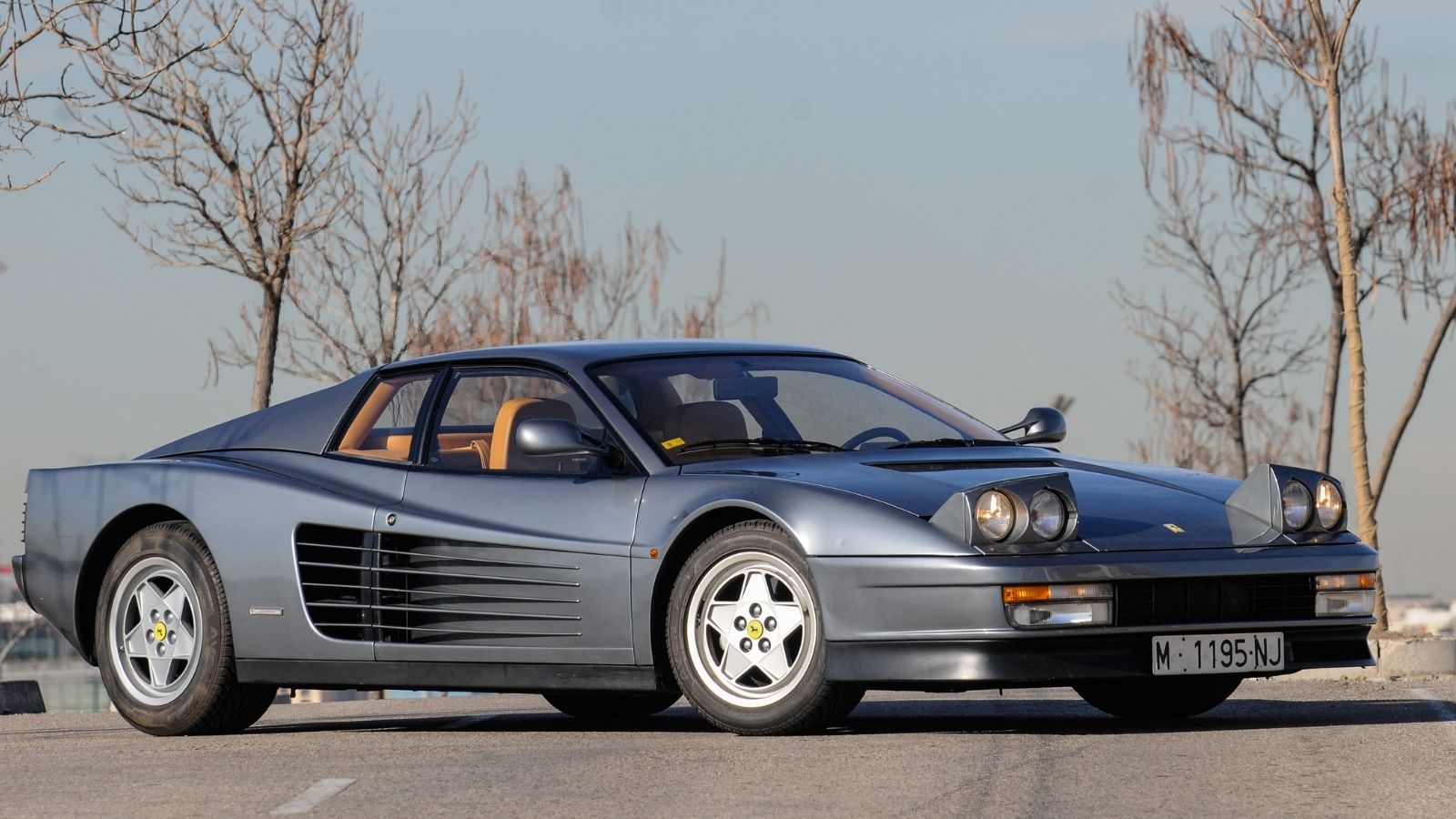
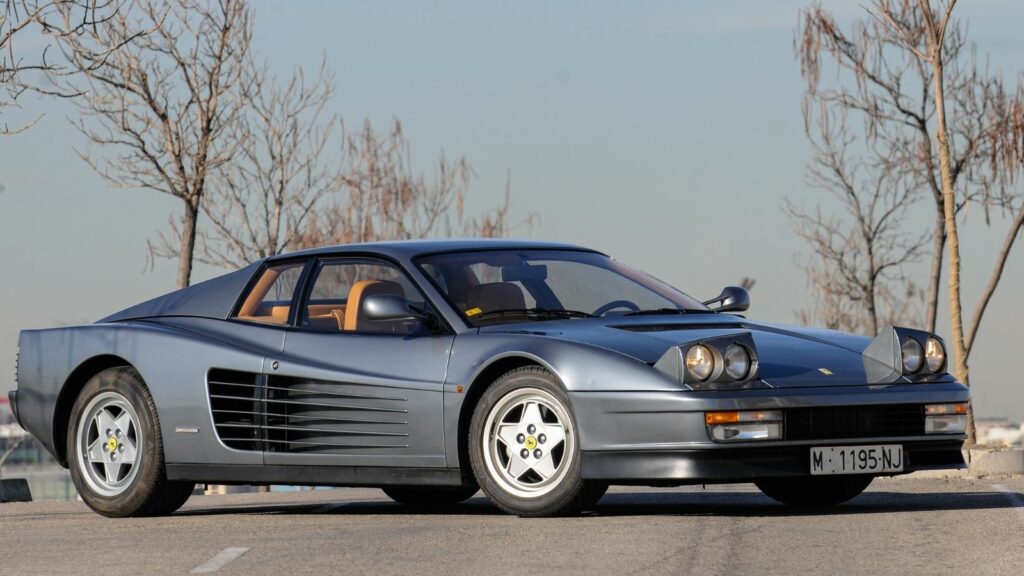
With its wide stance and dramatic side strakes, the Testarossa gives off a serious performance vibe. The low nose and flat profile hint at strong aerodynamic thinking. In reality, it carries more drag than expected for a car of its era. Those iconic side strakes were more about cooling than airflow efficiency, and the overall shape creates more resistance than its sleek appearance would have you believe.
DeLorean DMC 12
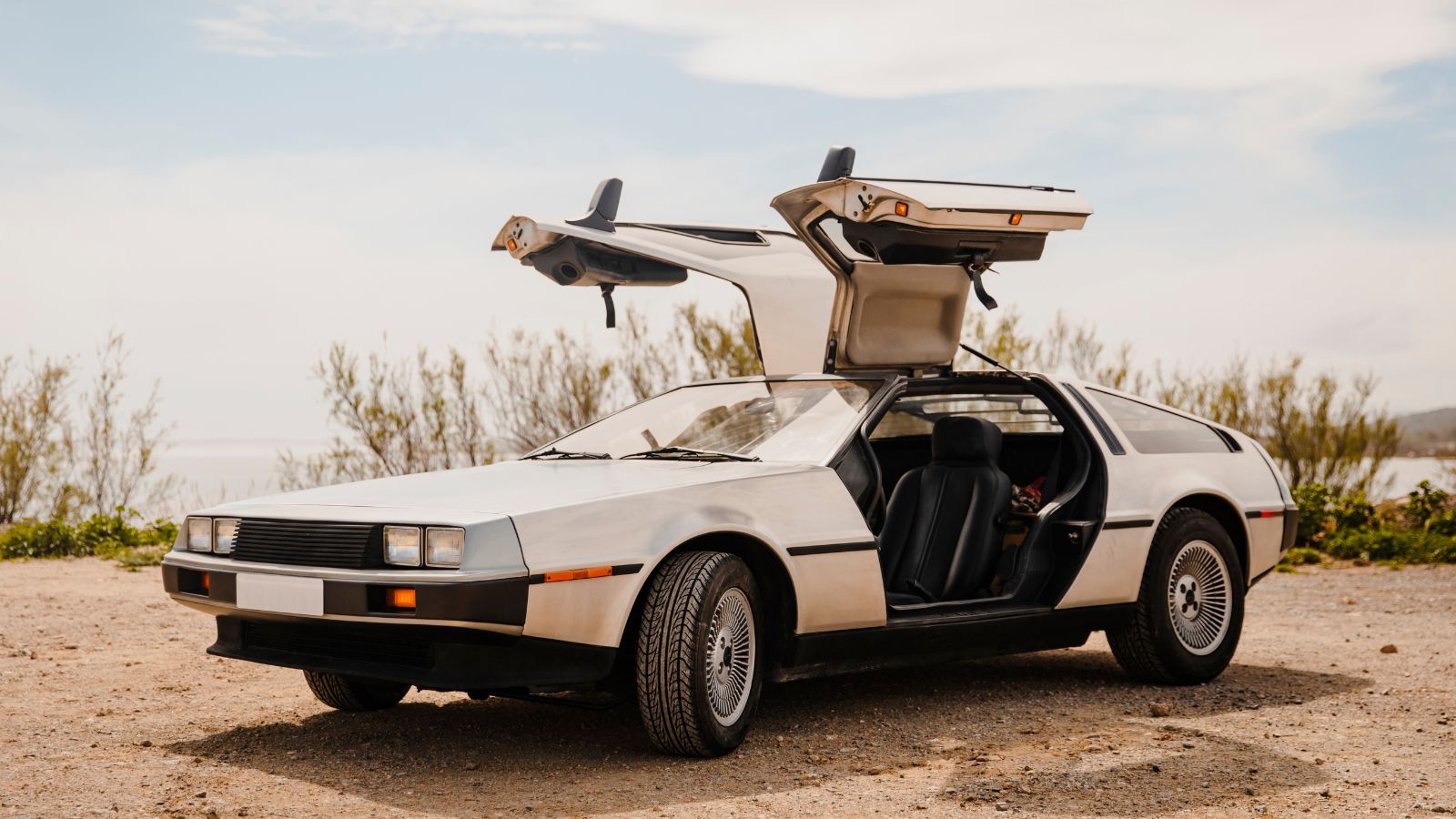
The DeLorean looks futuristic even today. Its sharp lines and stainless steel panels give the impression of a car designed in a wind tunnel. But the reality is different. The boxy proportions and abrupt edges disrupt airflow, leading to a higher drag coefficient than expected. It may look like something from the future, but its aerodynamics are rooted firmly in compromise.
Porsche 911 Classic
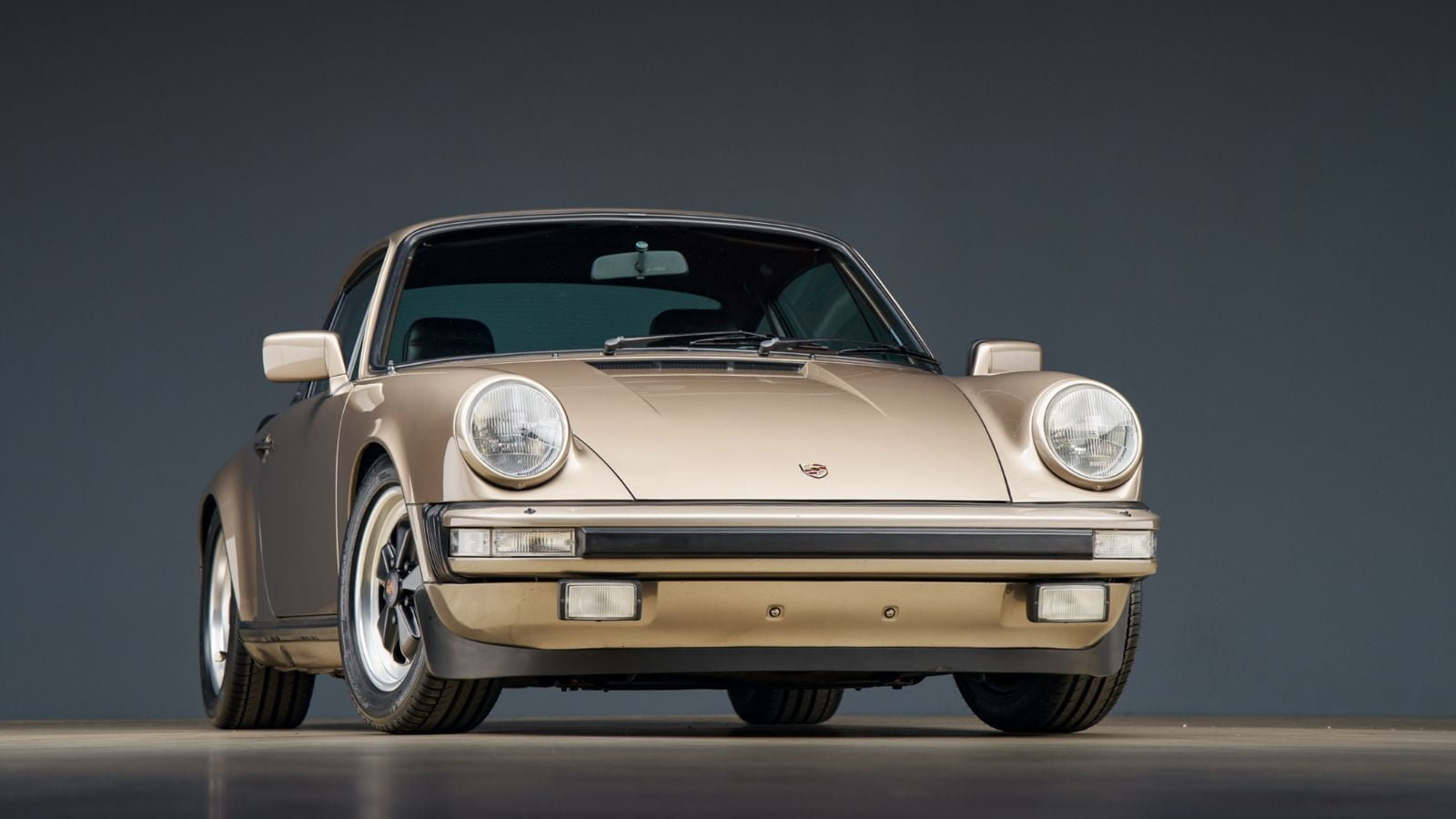
The early 911 has one of the most recognizable silhouettes in automotive history. That sloping roofline and compact shape suggest a clean, efficient design. However, the rear engine layout and overall form create lift at speed, particularly at the front end. Porsche spent years refining the aerodynamics with spoilers and wings to counteract this. The shape is iconic, but not naturally aerodynamic.
Alfa Romeo Spider Duetto
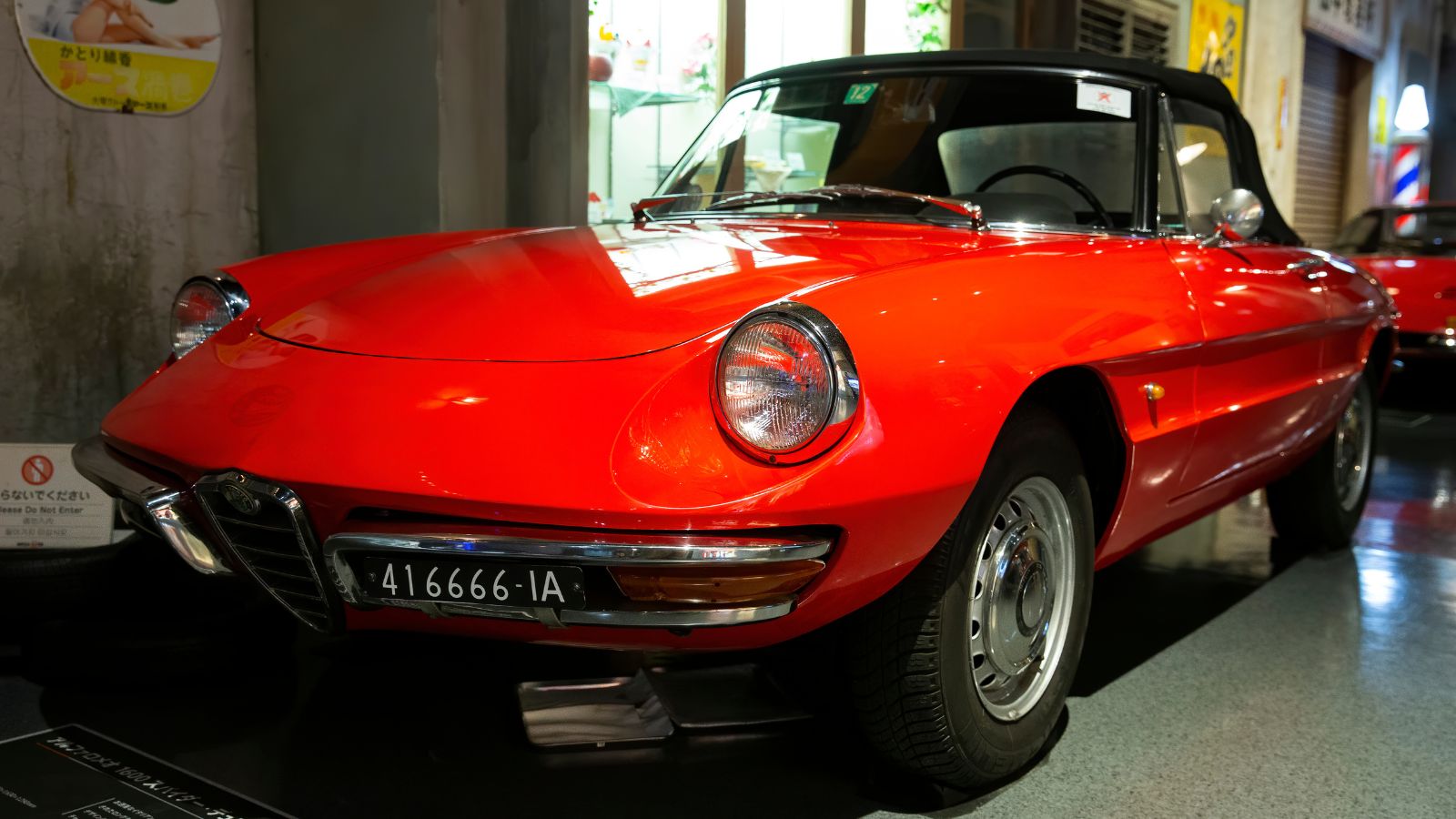
The Duetto is a masterclass in simple, elegant design. Its rounded tail and smooth curves make it look like it should glide through the air. In reality, the short rear end and lack of aerodynamic aids create turbulence. It is not especially efficient at higher speeds, despite appearances. It captures the romance of motoring, but not the science of airflow.
Aston Martin DB7
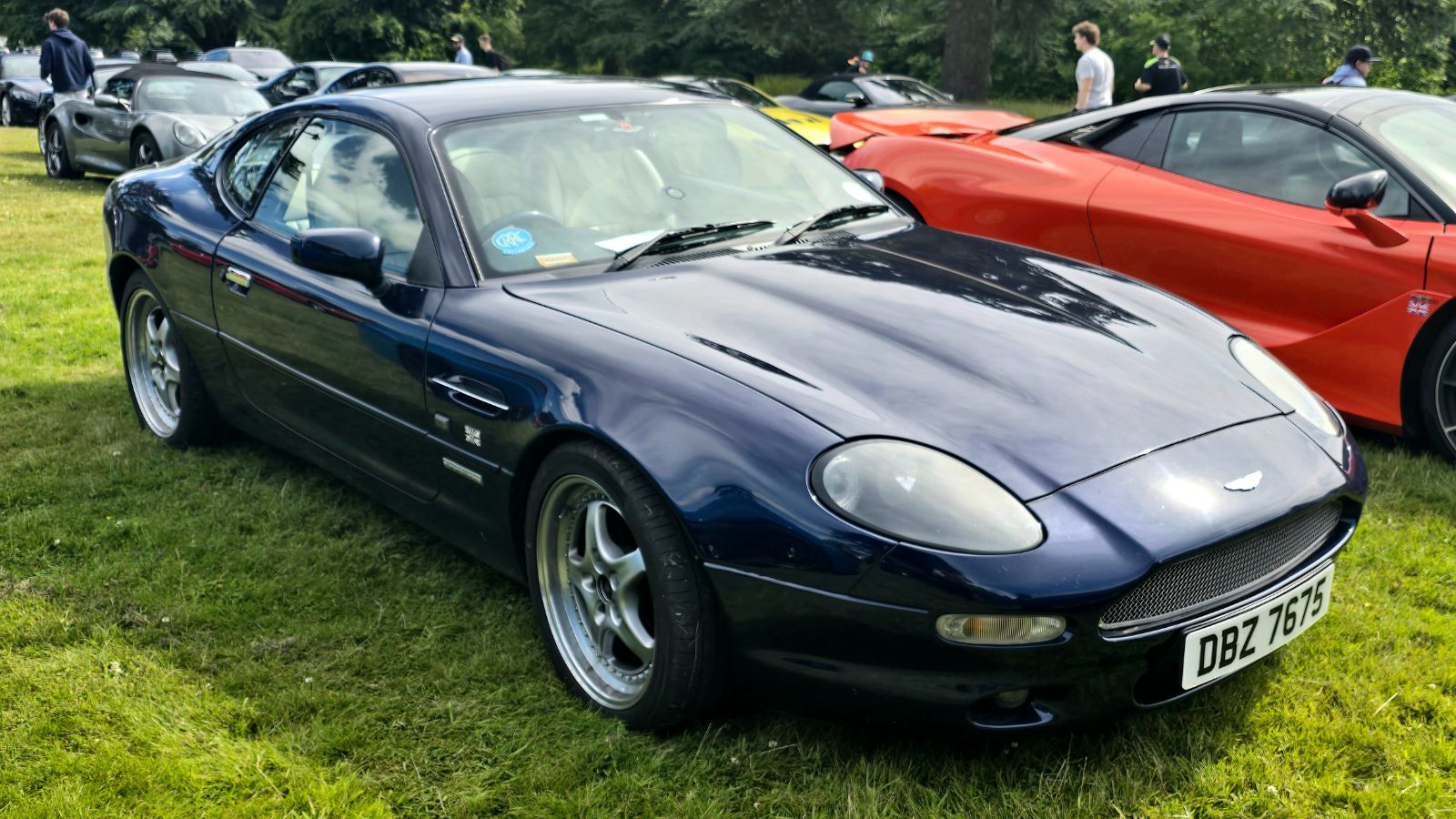
The DB7 carries classic grand touring proportions with a smooth, flowing body. It looks refined and aerodynamic, the kind of car built for effortless high speed cruising. Yet its drag coefficient is higher than you might expect. Details like the front fascia and underbody design were not optimized to modern standards, which affects overall efficiency. It proves that elegant design does not always equal aerodynamic excellence.
Chevrolet Corvette C3

The C3 Corvette has curves in all the right places. Long hood, sculpted fenders, and a low stance make it look fast even when parked. You would assume it cuts through the air cleanly, but the reality is more complicated. The shape creates lift and drag that limit high speed stability. Later versions added spoilers and other tweaks, but the original design was more about visual drama than aerodynamic precision.
25 Facts About Car Loans That Most Drivers Don’t Realize

Car loans are one of the most common ways people fund car purchases. Like any other kind of loan, car loans can have certain features that can be regarded as an advantage or a disadvantage to the borrower. Understanding all essential facts about car loans and how they work to ensure that you get the best deal for your financial situation is essential. Here are 25 shocking facts about car loans that most drivers don’t realize:
25 Facts About Car Loans That Most Drivers Don’t Realize
