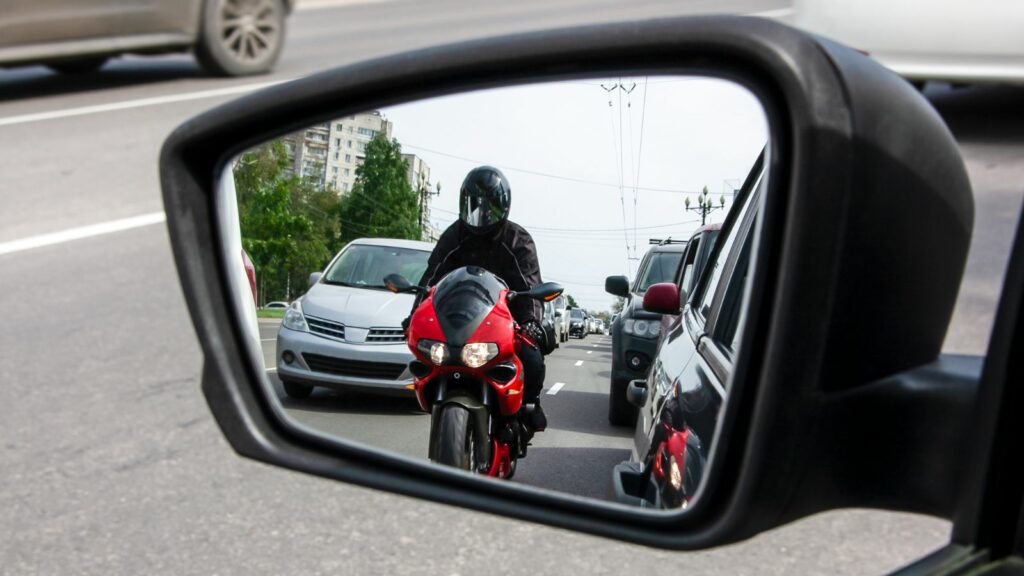
City driving feels fast, busy and unpredictable. Traffic lights, tight lanes, sudden stops and distracted drivers can turn a short commute into a stressful workout. Staying safe in the big smoke means blending awareness with calm discipline while using smart habits that reduce risk and improve reaction time. These ten expanded tips help you navigate crowded streets with more confidence and far fewer surprises.
Keep Your Eyes Far Ahead Not Just on the Bumper in Front
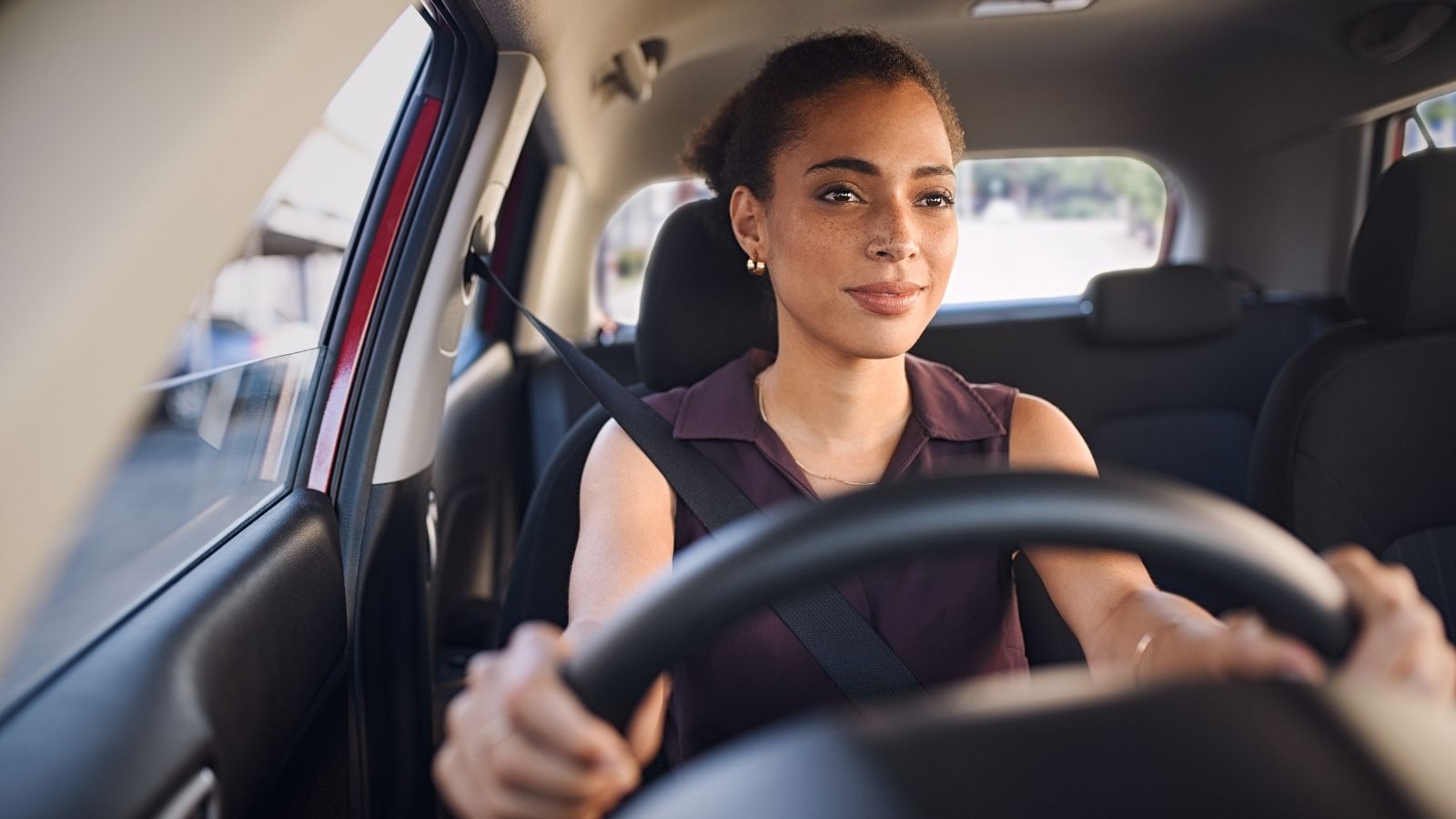
Urban traffic changes instantly. A bus can pull out, a delivery van can stop in your lane or a pedestrian can step between parked cars. Looking far ahead gives you crucial seconds to react. Scan intersections early, read brake lights several vehicles up the line and watch for subtle movements that suggest trouble. The more distance your eyes cover, the smoother and safer your drive becomes.
Expect Pedestrians Everywhere Even Where They Should Not Be

MFajarH/Shutterstock.
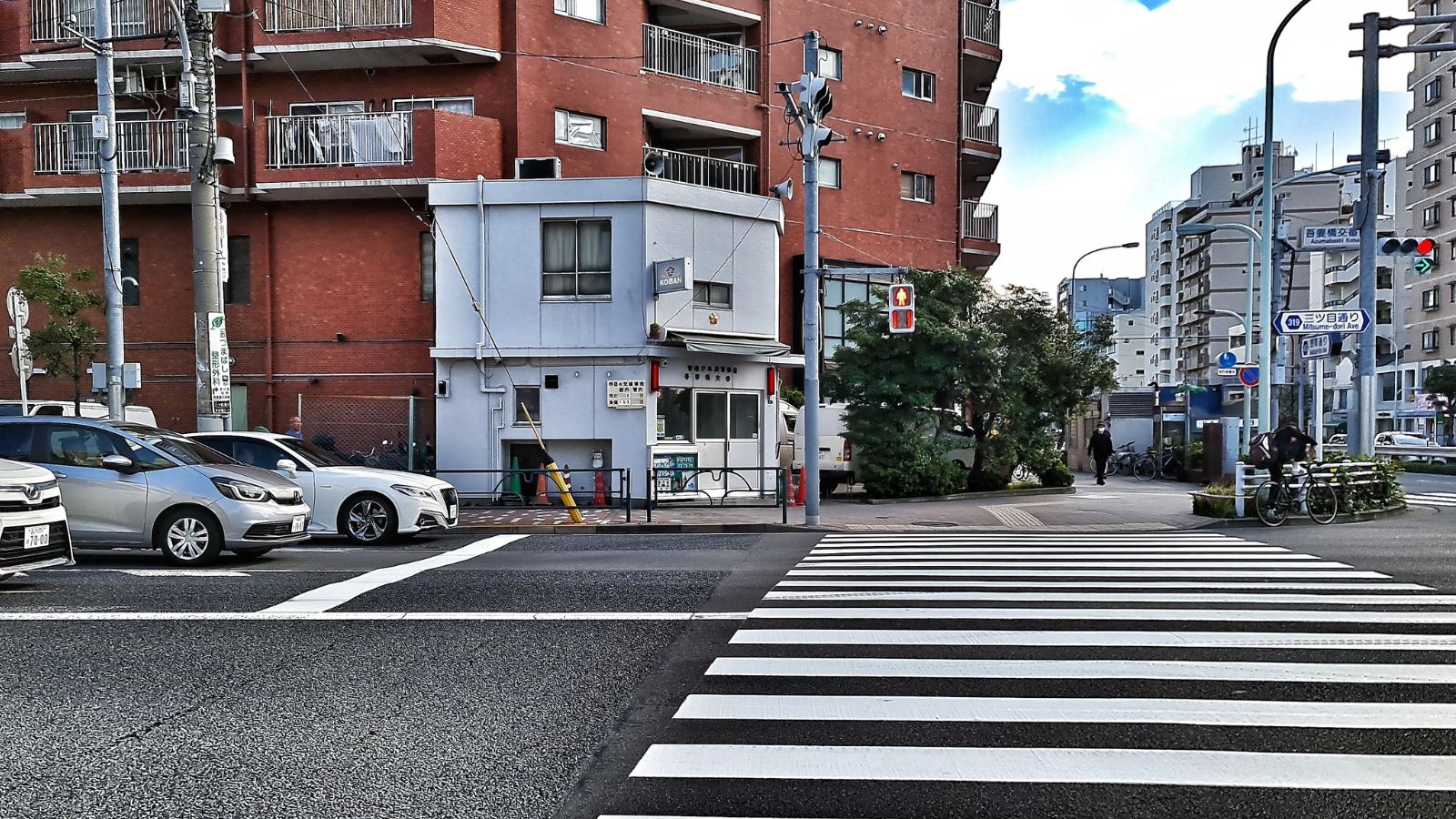
City walkers treat roads as shared territory and you must assume they appear anywhere at any moment. People cross between parked cars, run across late signals and stare at their phones while stepping into traffic. Slow slightly as you pass crowded sidewalks and anticipate sudden movement. When turning, pause a moment longer than you think is necessary. A small adjustment avoids a major disaster.
Use Your Mirrors Constantly and Keep Your Blind Spots Honest
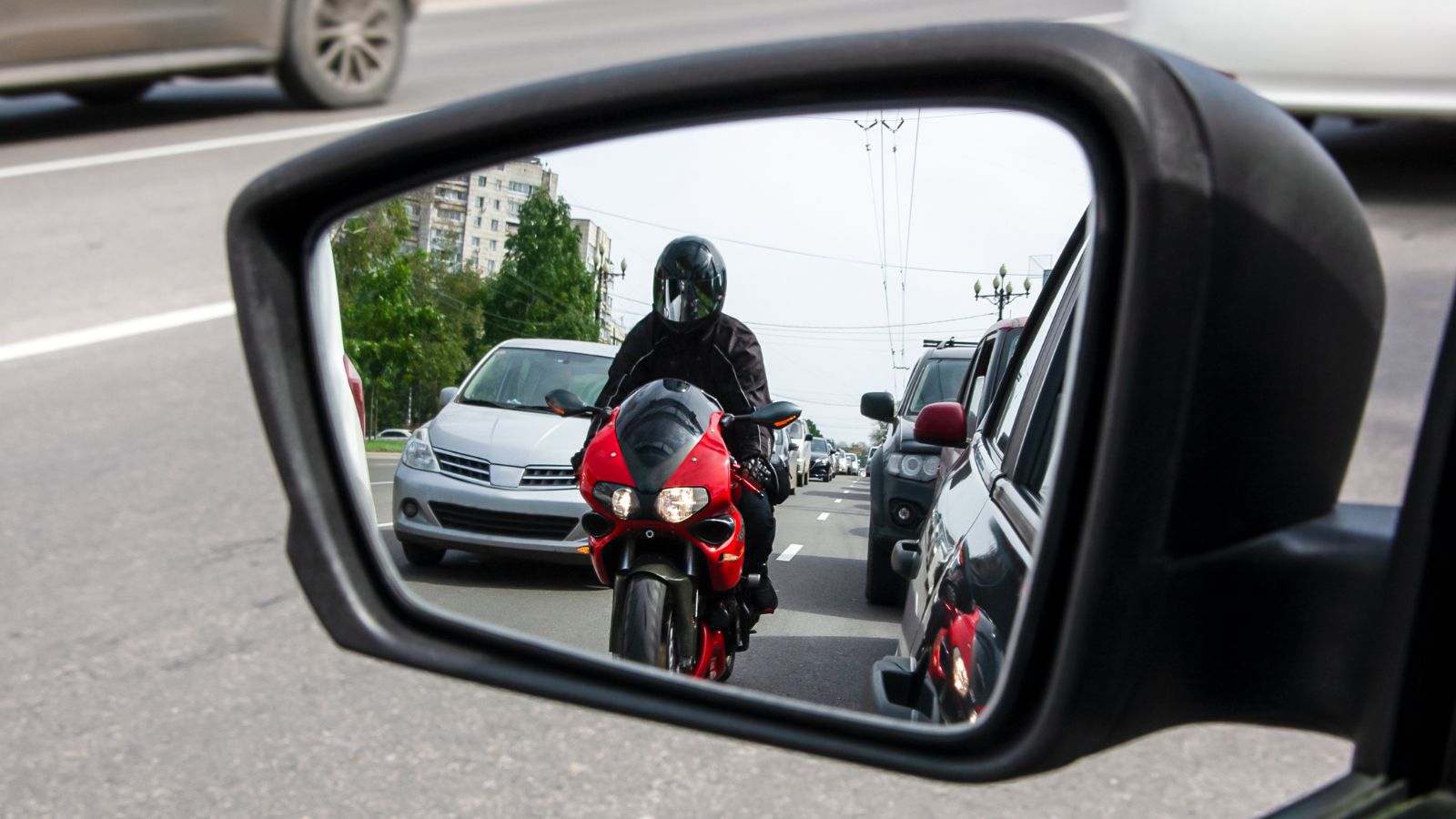
Cars weave through lanes quickly in busy cities. Cycling traffic adds another layer. Use your mirrors often and tilt them to widen your field of view. A quick shoulder check before every lane change makes an enormous difference. Even skilled drivers get caught when they assume a lane is clear because they glanced only once. City driving rewards consistent checking rather than quick guesses.
Keep a Bigger Gap Than Urban Drivers Usually Allow
Tight traffic makes people bunch up, but following too closely removes your only safety margin. Leave more space than the car ahead seems to allow. This cushion gives you time to brake when someone stops for a delivery truck or slows for a sudden turn. A relaxed gap also helps absorb the jerky rhythm of city congestion which reduces both stress and risk.
Stay Out of the Blind Spots of Large Vehicles
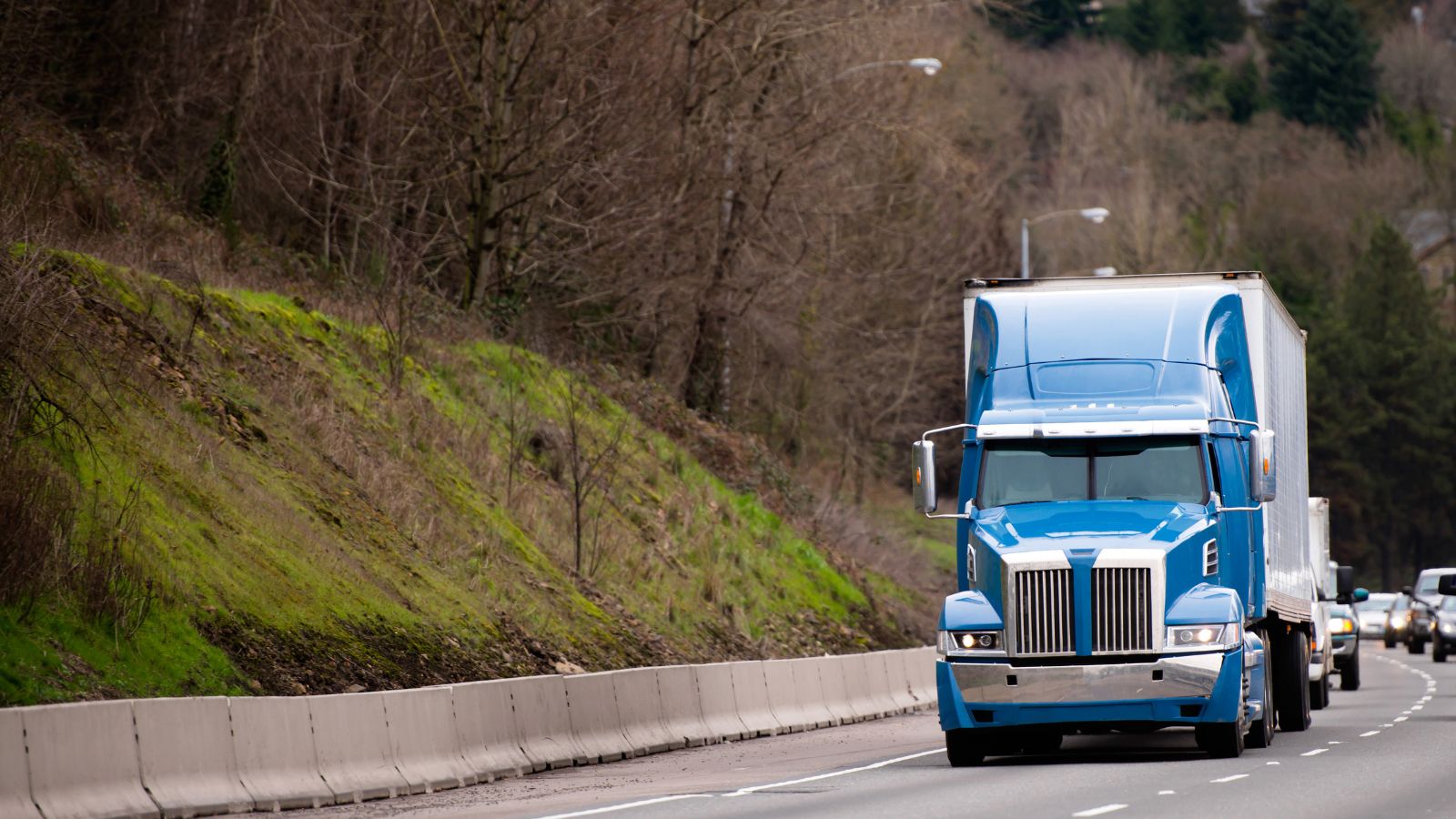
Buses, cube vans and transport trucks dominate busy streets and all have enormous blind zones. If you cannot see the driver’s face in the mirror, they cannot see you. Pass large vehicles decisively but safely and never linger beside them at intersections. These heavy machines swing wide during turns and sometimes drift between lanes. Keeping your distance protects you from their unpredictable movements.
Anticipate Red Lights and Coast Rather Than Rush

City lights run in patterns. Once you learn the rhythm, you can adjust your speed and avoid unnecessary stops. Coasting toward a red light instead of racing and braking saves fuel, smooths the ride and reduces wear on your brakes. More importantly, it gives people behind you more time to react. This small habit improves safety and makes your drive feel calmer.
Avoid Sudden Lane Changes That Confuse Other Drivers
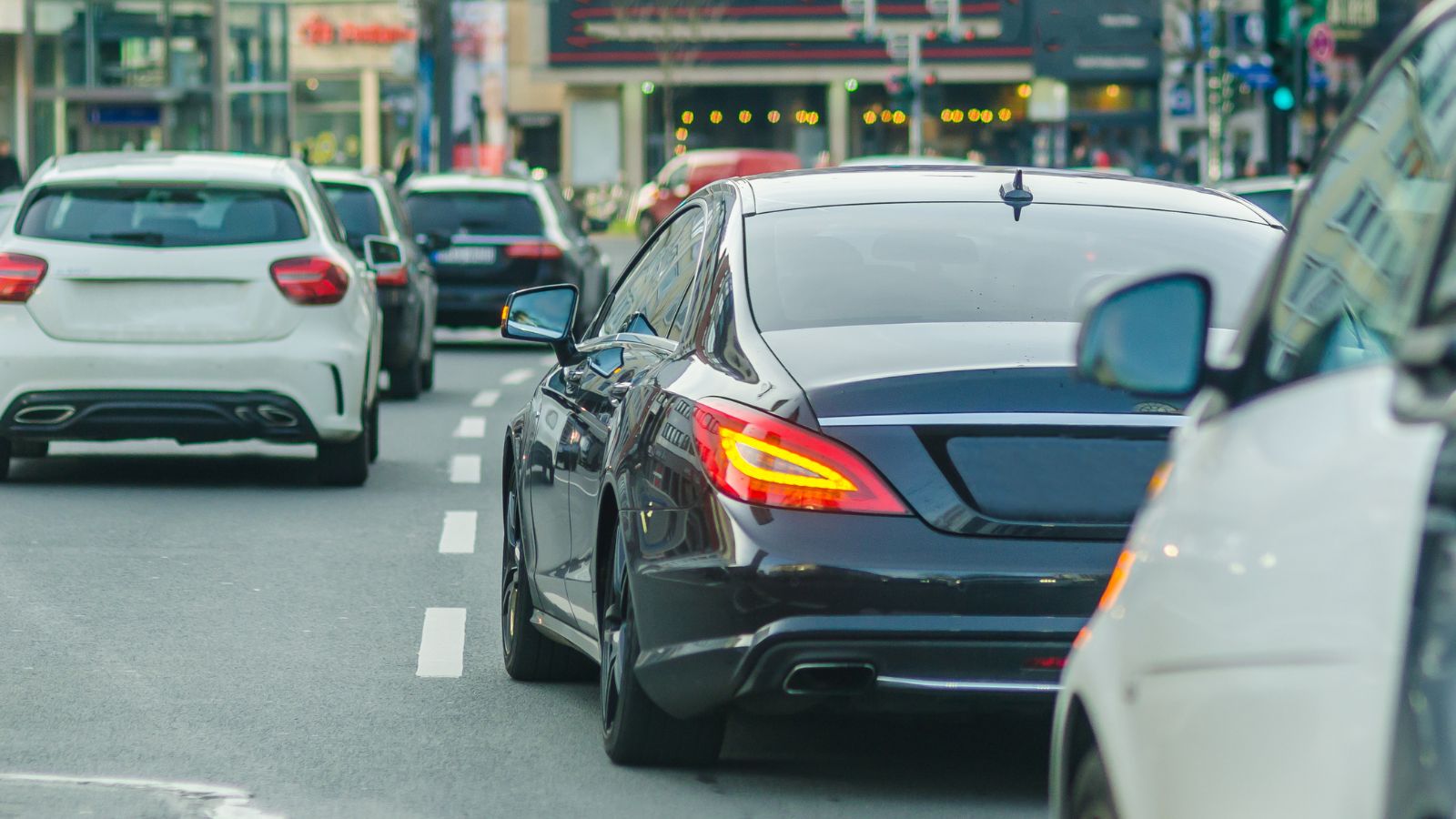
Quick lane hopping rarely saves time in a busy city. Instead, it increases the chance of cutting off another driver who may not expect your move. Choose your lane early, commit to it for a reasonable stretch and make predictable movements. Signal clearly and signal early. City drivers appreciate clarity because confusion is one of the biggest causes of collisions.
Use Your Horn Sparingly but With Purpose

The horn is a communication tool not an emotional outlet. A short gentle tap warns a distracted driver drifting into your lane or alerts a pedestrian fixated on their phone. Long blasts escalate tension and invite conflict. Smart horn use keeps others aware without creating the hostility that often leads to more dangerous behaviour.
Watch for Door Openings Along Parked Car Lines
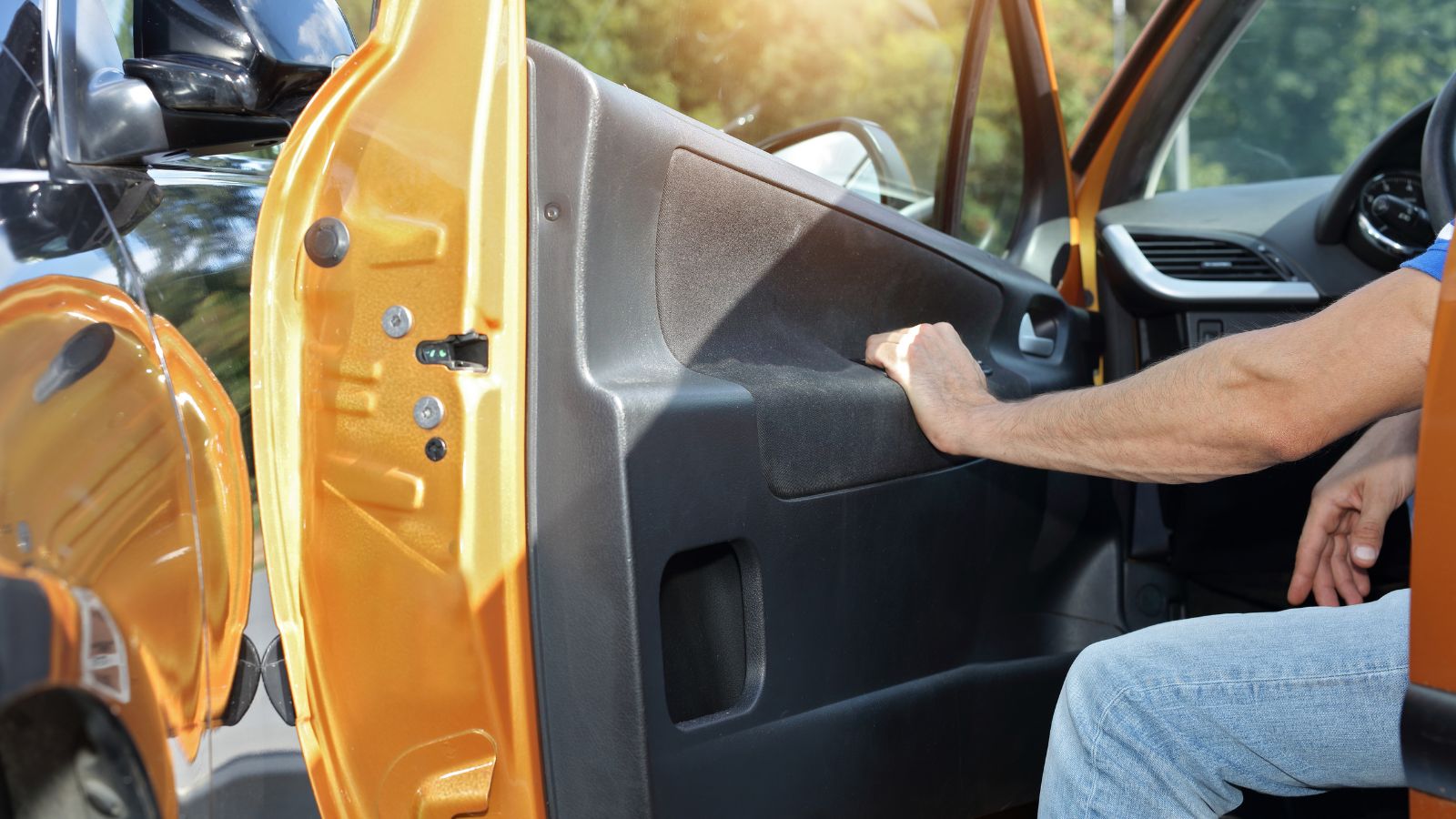
The risk of car doors swinging open into traffic is constant in cities. People exit vehicles without checking mirrors and cyclists often pay the highest price. Give parked car rows a little more space and reduce your speed slightly. Study body movement inside parked vehicles. A shifting silhouette or brake light glow often predicts a door opening before it actually happens.
Use Calm as a Driving Skill Not a Personality Trait
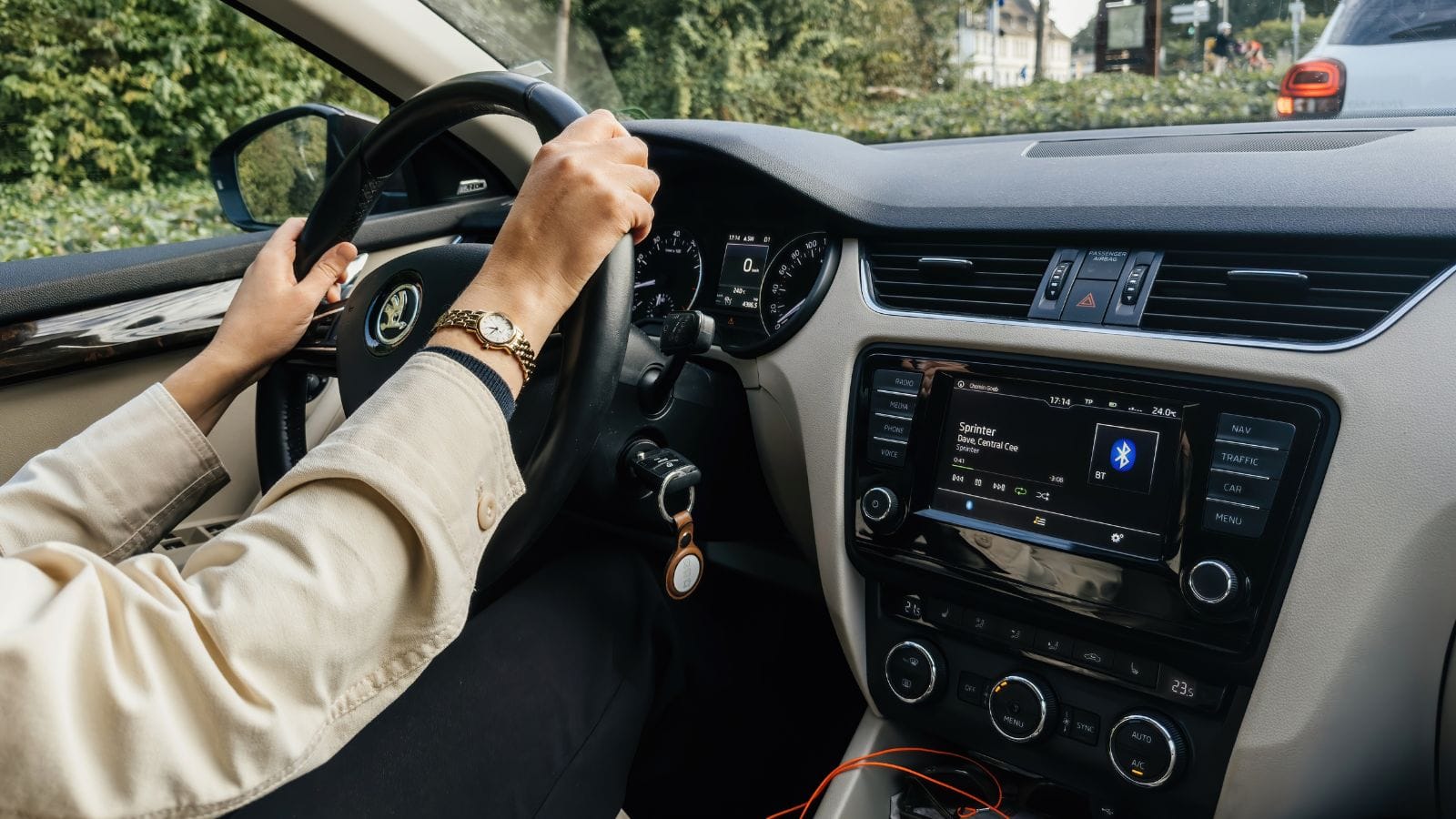
City driving rewards patience. When someone blocks your lane, when a ride share vehicle stops abruptly or when a light turns red the moment you reach it, frustration makes your driving worse. Calm drivers make better decisions and spot hazards earlier. Treat every slowdown as a momentary pause rather than a personal insult. This mindset keeps you safer than any feature in your car.
25 Facts About Car Loans That Most Drivers Don’t Realize

Car loans are one of the most common ways people fund car purchases. Like any other kind of loan, car loans can have certain features that can be regarded as an advantage or a disadvantage to the borrower. Understanding all essential facts about car loans and how they work to ensure that you get the best deal for your financial situation is essential. Here are 25 shocking facts about car loans that most drivers don’t realize:
25 Facts About Car Loans That Most Drivers Don’t Realize
