Some cars arrive in Canada with big expectations, only to discover buyers want nothing to do with them. Whether the issue is price, styling, performance, or simple bad timing, these models struggled to win Canadian hearts. They are not necessarily terrible cars, but they failed to connect with a market that values practicality, dependability and winter readiness.
Chevrolet Spark
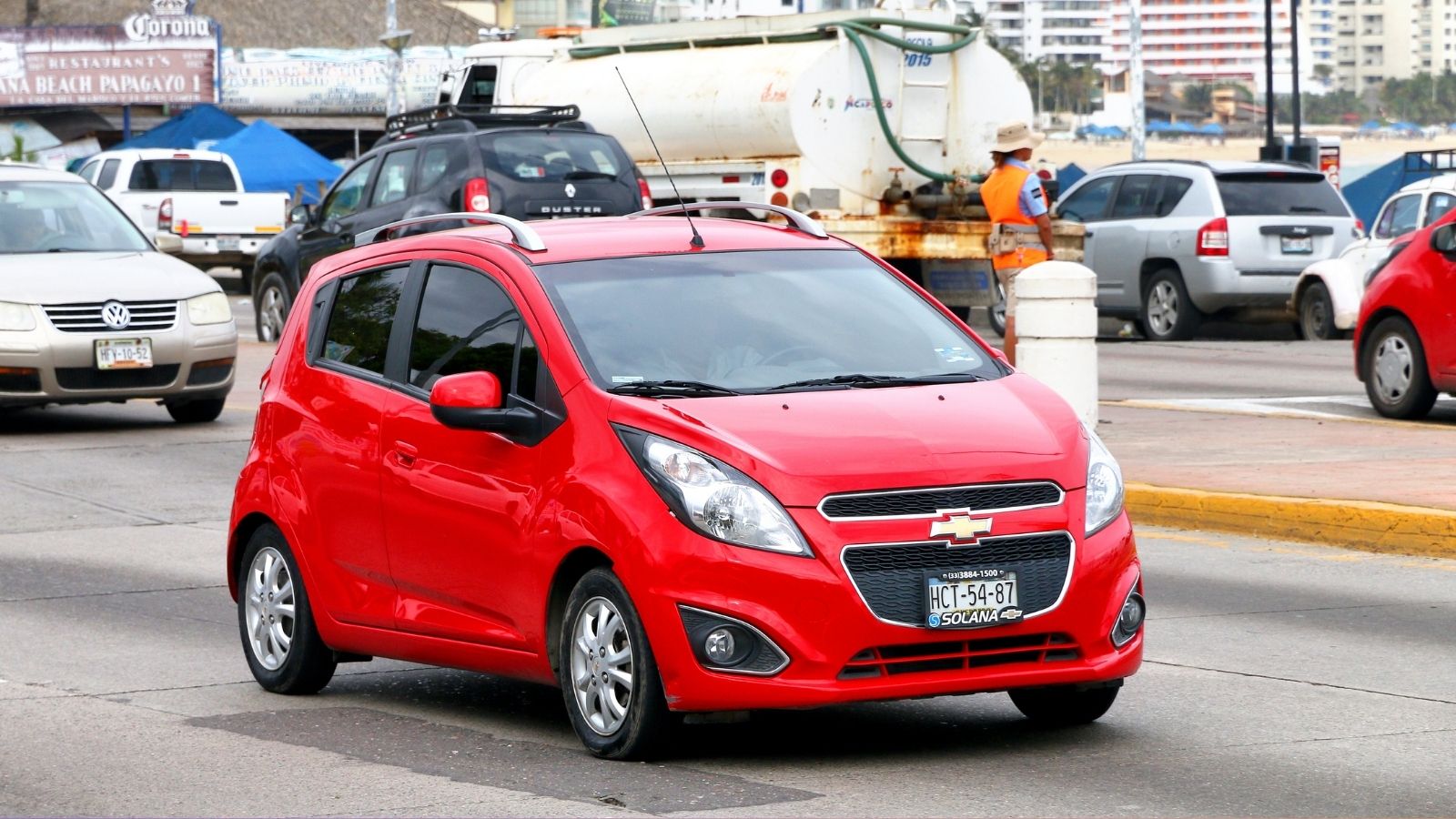
The Spark’s tiny footprint worked in dense cities, yet most Canadians wanted something larger for winter driving and highway travel. The car’s low power and basic interior did not help its image, and rising crossover sales pushed it further into obscurity. As buyers shifted toward small SUVs, the Spark became a victim of changing taste rather than genuine flaws.
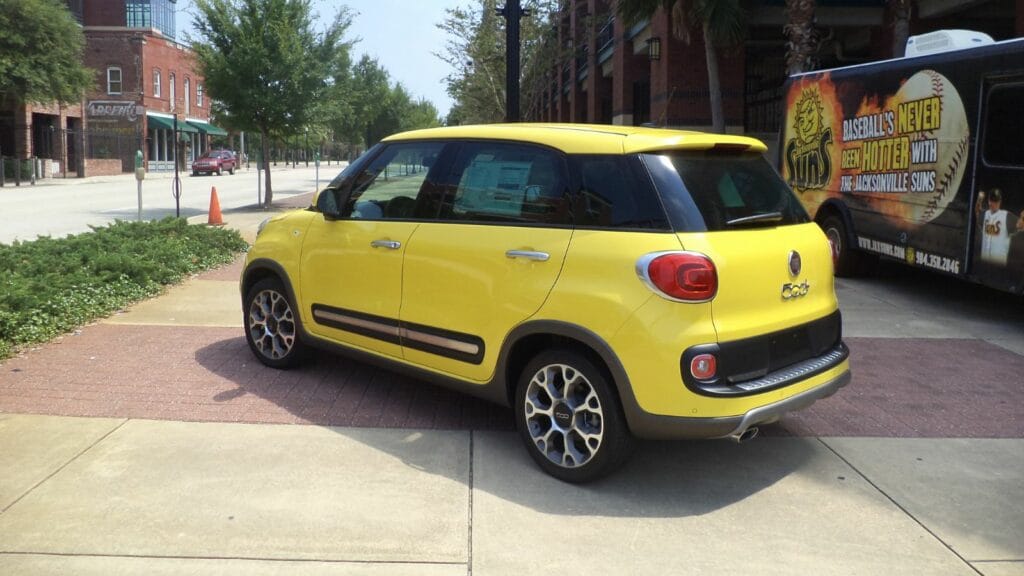
Fiat 500L
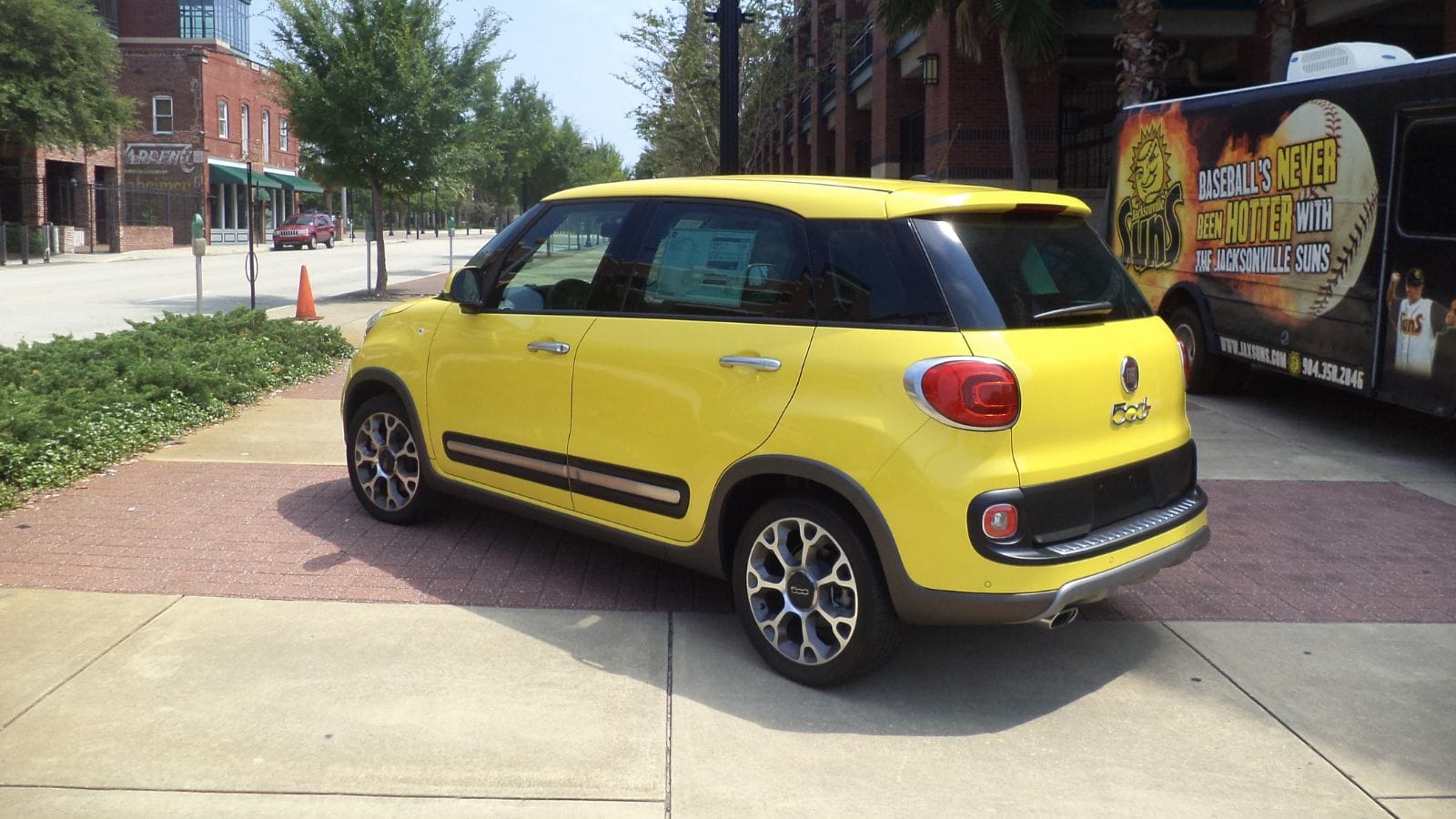
Fiat hoped to expand its quirky 500 lineup with the 500L, but the tall shape and awkward proportions confused shoppers. Reliability concerns, limited dealer support and high pricing compared to mainstream competitors kept buyers away. Canadians liked the regular 500 for its charm, but the 500L felt like a stretched idea that never clicked.
Nissan Micra (Late Years)
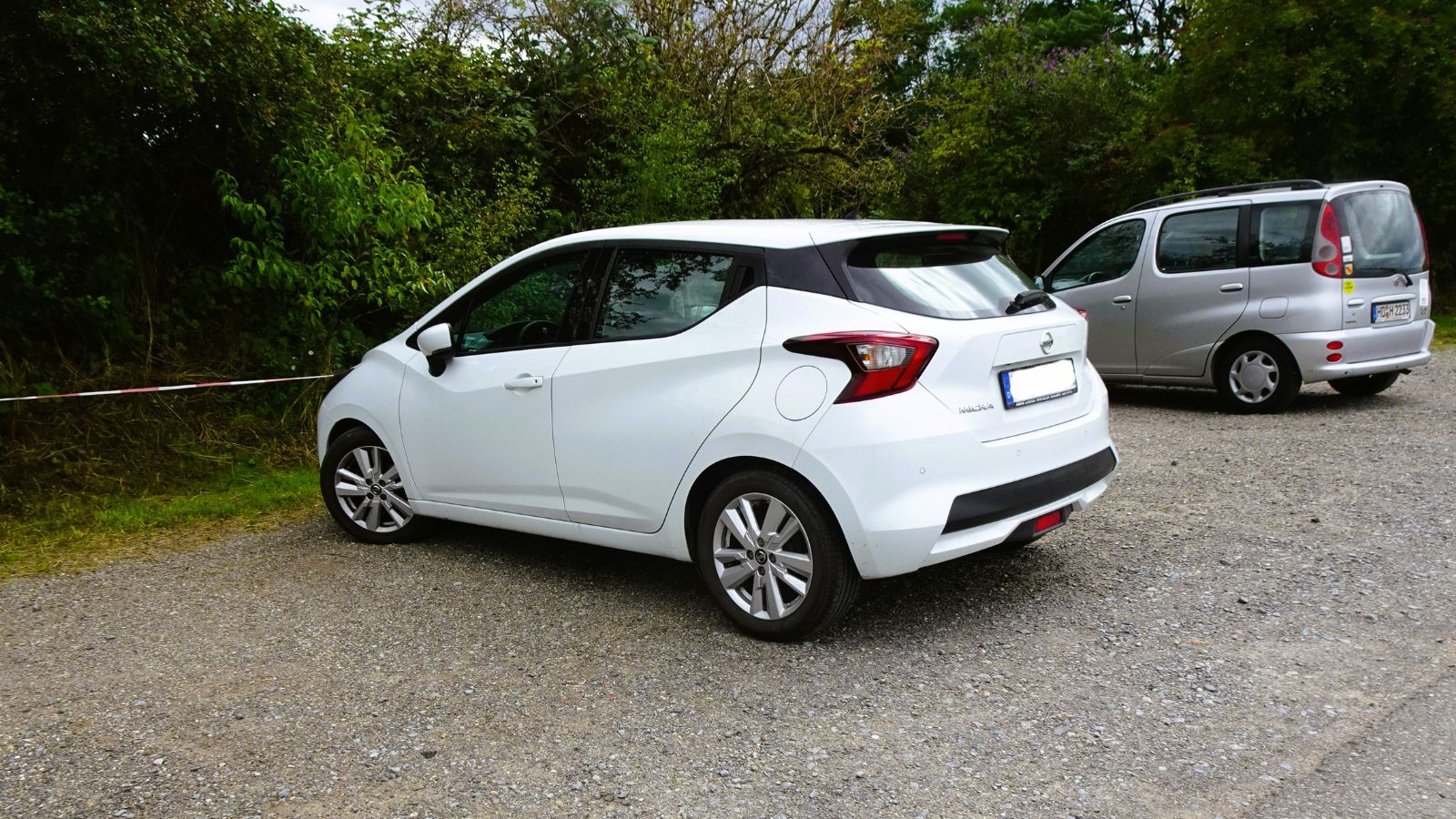
The Micra launched with strong momentum thanks to its low price, but enthusiasm faded as buyers moved to more refined small cars. The basic cabin, modest performance and lack of modern features made it feel dated quickly. Once initial novelty passed, most shoppers chose more advanced compact hatchbacks instead.
Ford EcoSport
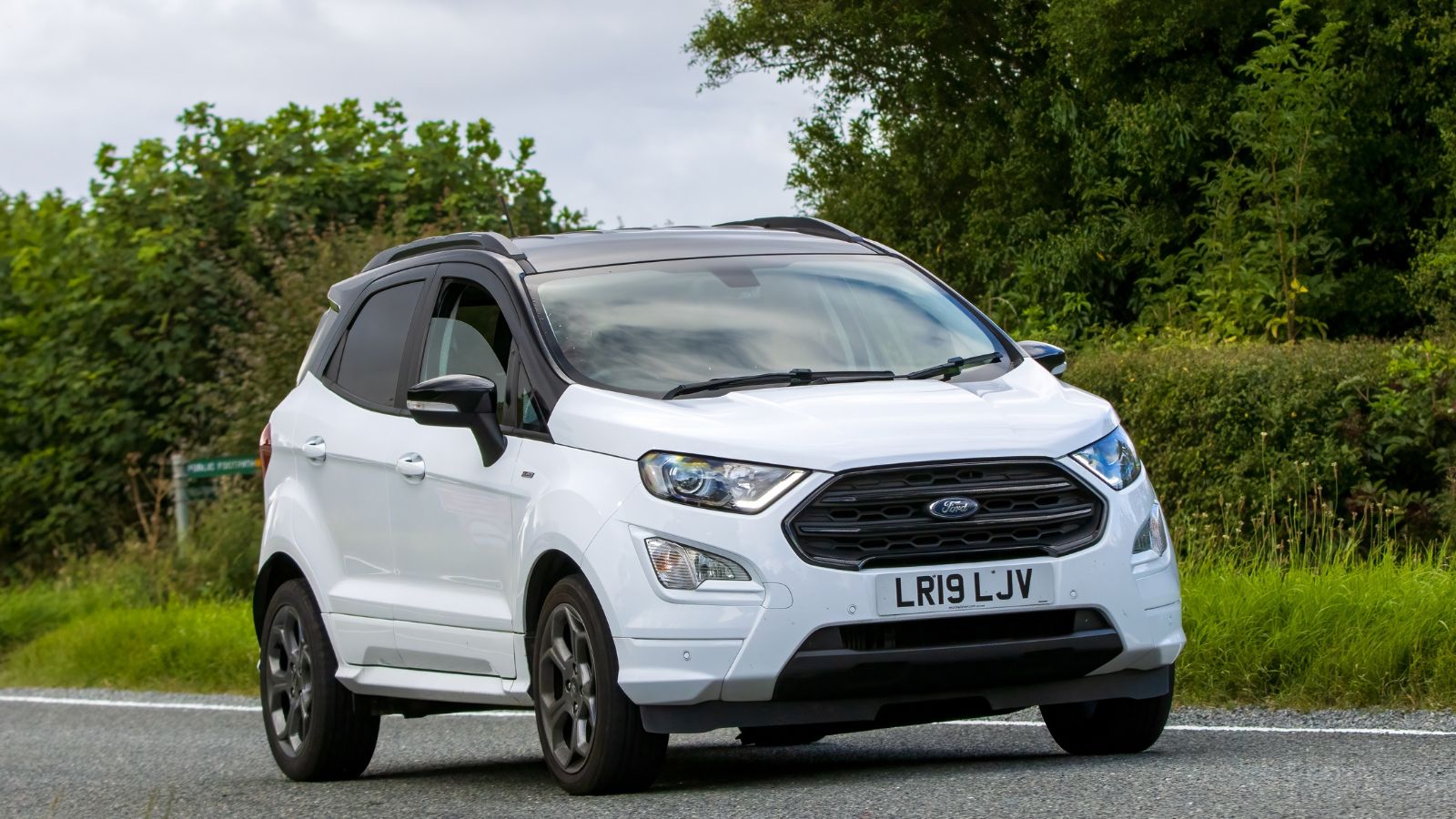
Imported to fill a gap in Ford’s lineup, the EcoSport struggled from day one. Its narrow stance, choppy ride and strange rear swinging door earned criticism. Canadian drivers found it too small for family duty and not rugged enough for winter commuting. It arrived late to a segment already full of better choices.
Mitsubishi Mirage
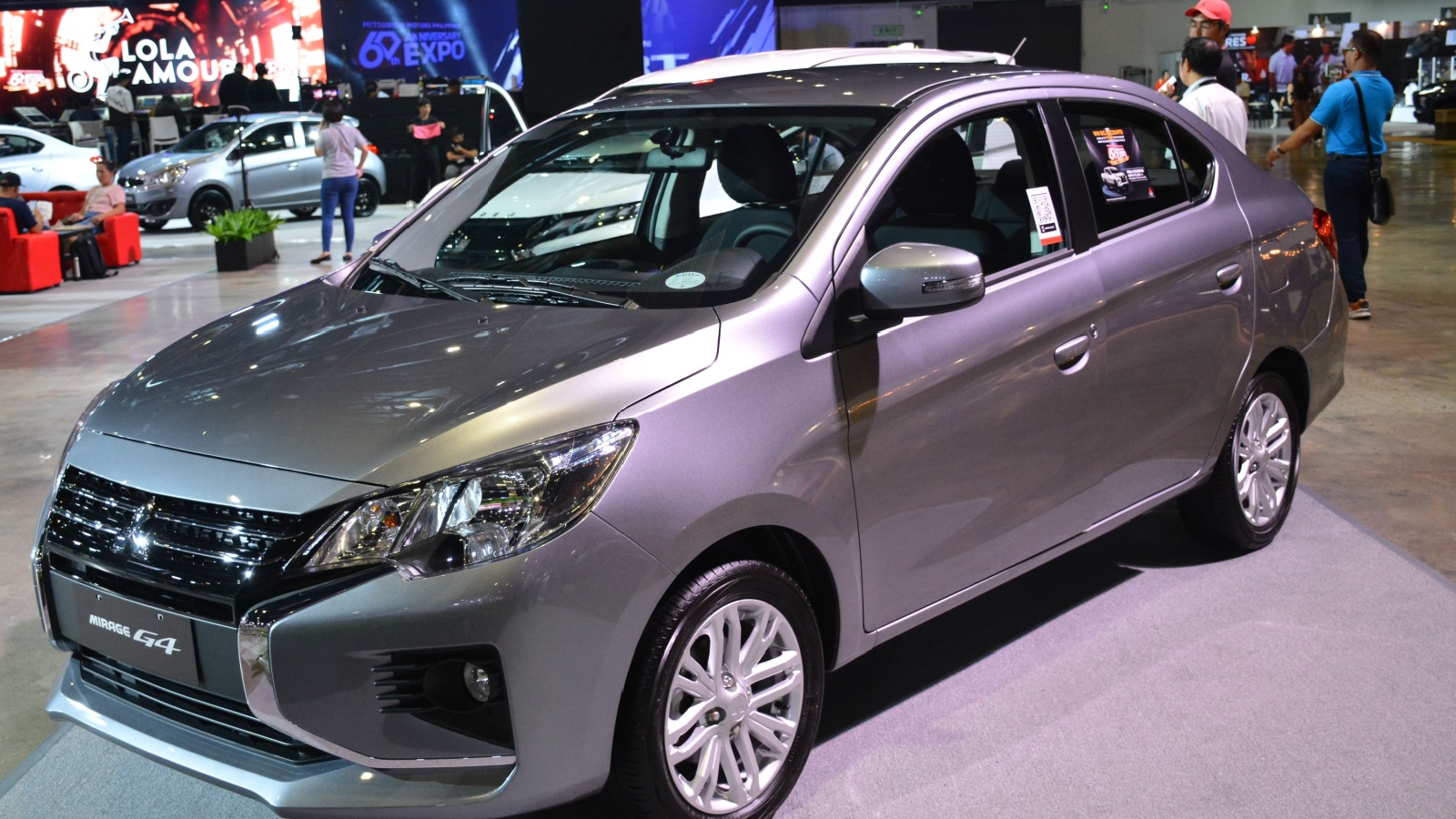
The Mirage sold on price alone, but buyers quickly noticed the trade offs. Its three cylinder engine felt strained on highways and the interior quality lagged behind rivals. While fuel efficient, it simply lacked the driving confidence and comfort Canadians expect, especially in long winter conditions. Low cost could not overcome low appeal.
Smart Fortwo
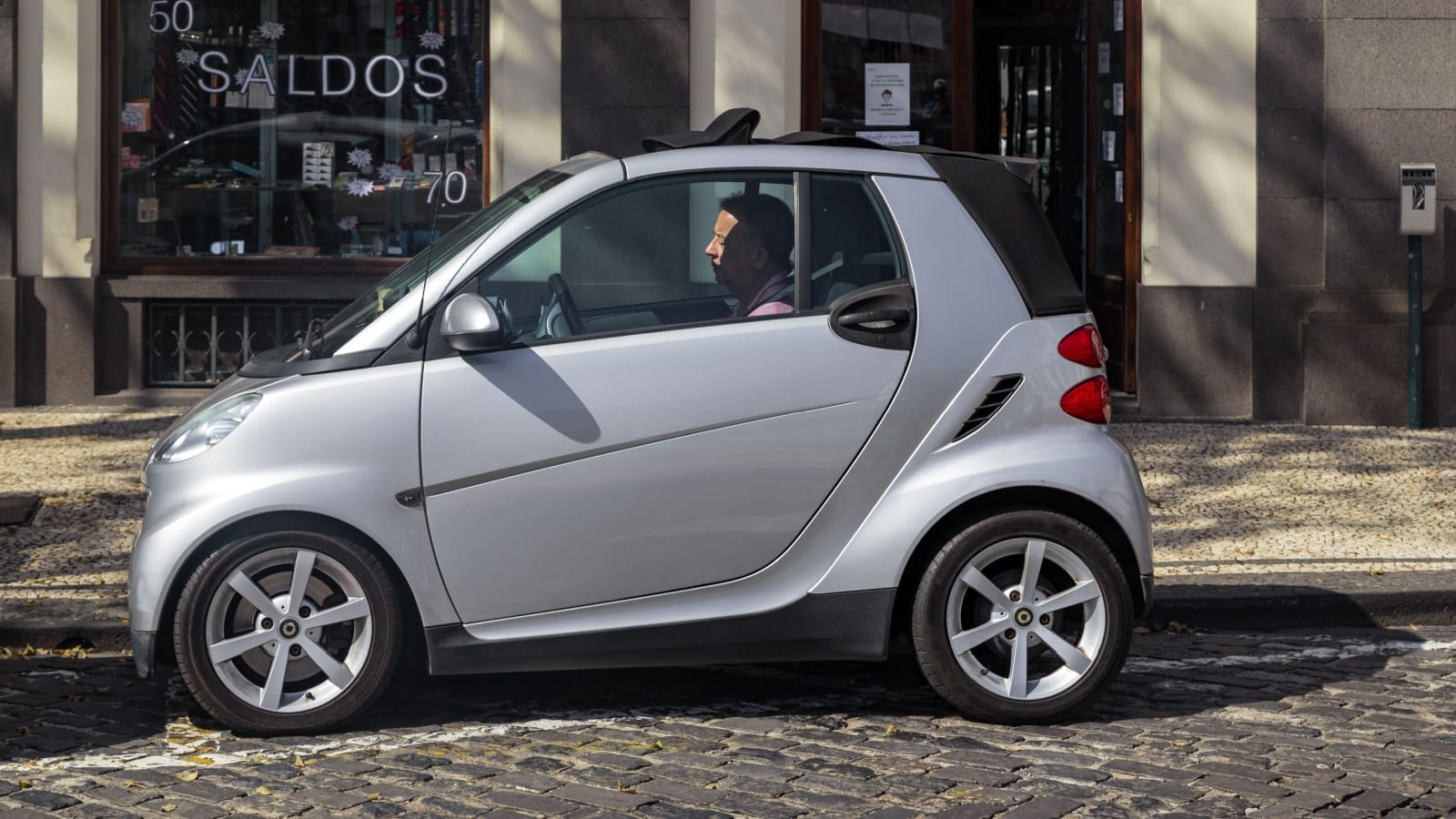
The Smart Fortwo made sense in downtown Vancouver or Toronto, but the rest of Canada found it impractical. Its tiny size limited winter stability and the transmission became infamous for jerky shifts. While fun in urban settings, it never fit the lifestyle of a country built around long distances and harsh weather.
Chrysler 200
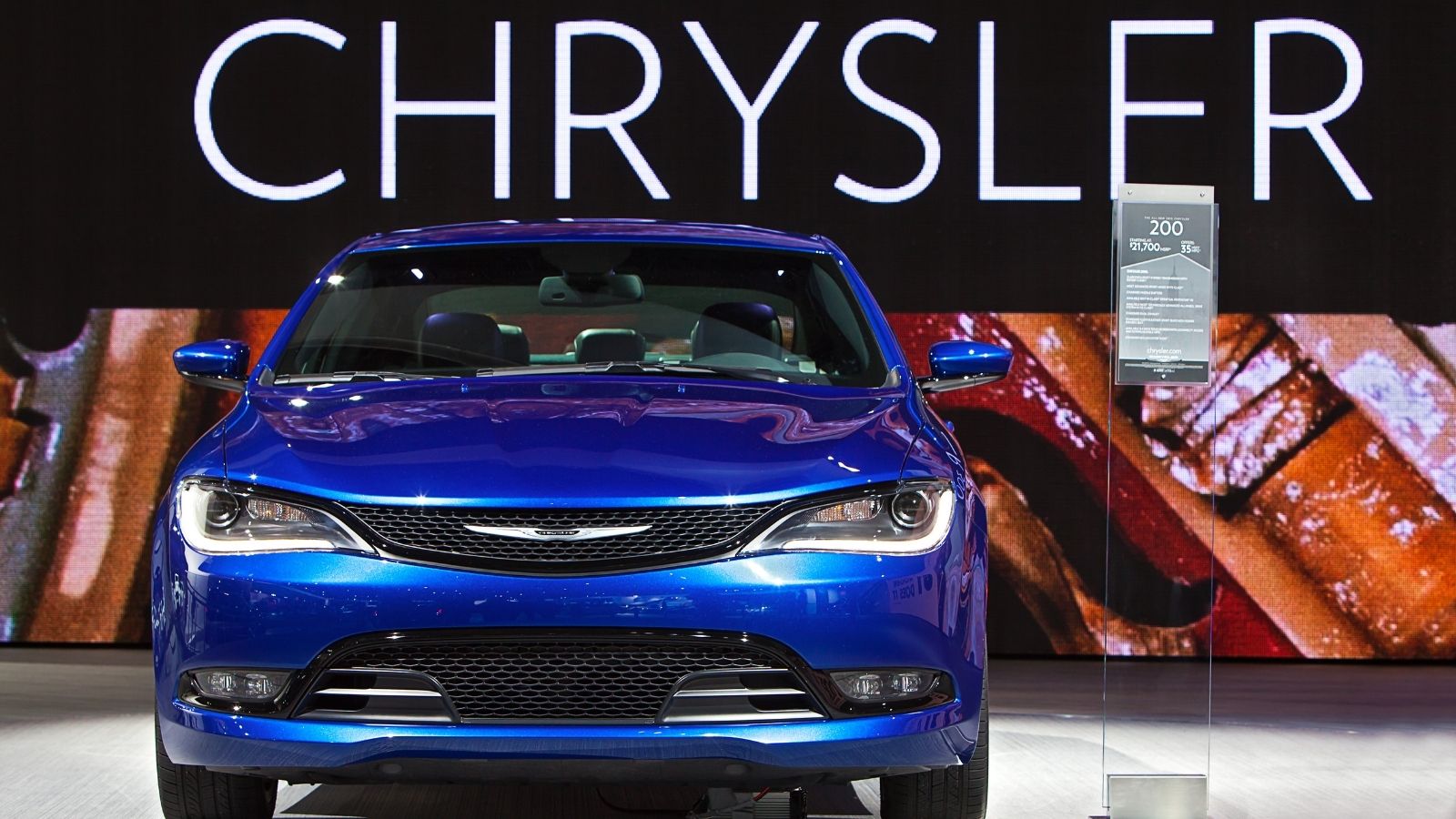
Chrysler tried to reinvent the midsize segment with the 200, but poor transmissions, cramped rear seating and uninspiring performance led to weak sales. The car looked good but drove without the confidence buyers expected. Fleet sales kept it visible, yet retail customers quickly turned their backs on it.
Buick Verano
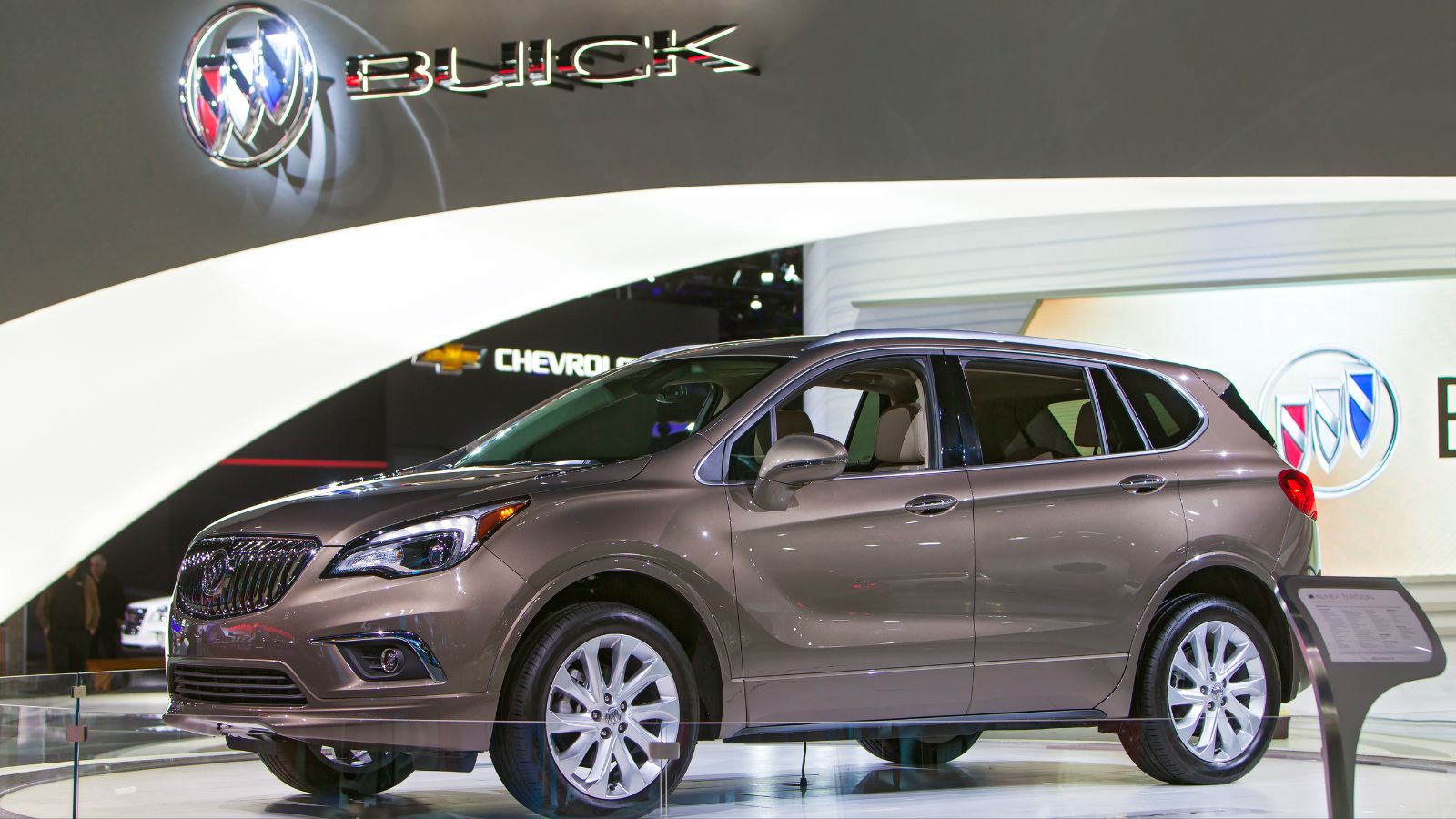
The Verano aimed to deliver quiet comfort in a compact package, but Canadians saw it as an odd in between product that lacked identity. It was priced above mainstream sedans yet not distinct enough to compete with true luxury brands. Without a clear purpose, the Verano faded from the market quietly.
Toyota Prius
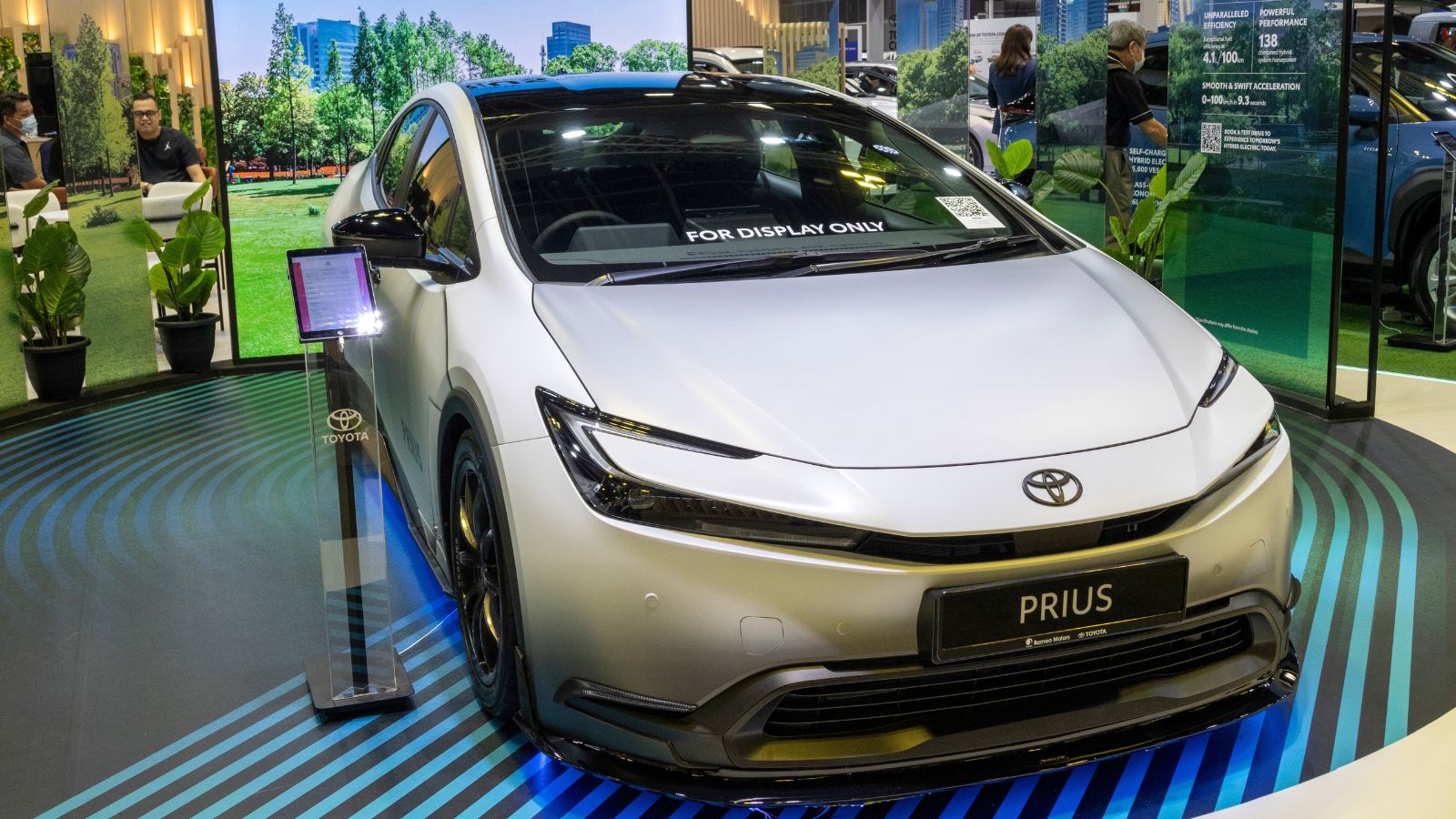
Toyota’s smallest hybrid looked efficient on paper, but the light power and tight cabin made it feel compromised. Canadian buyers leaned toward larger hybrid options that offered more comfort and winter stability. The Prius c worked well as a city runaround, but the broader market wanted something more versatile.
Cadillac ELR
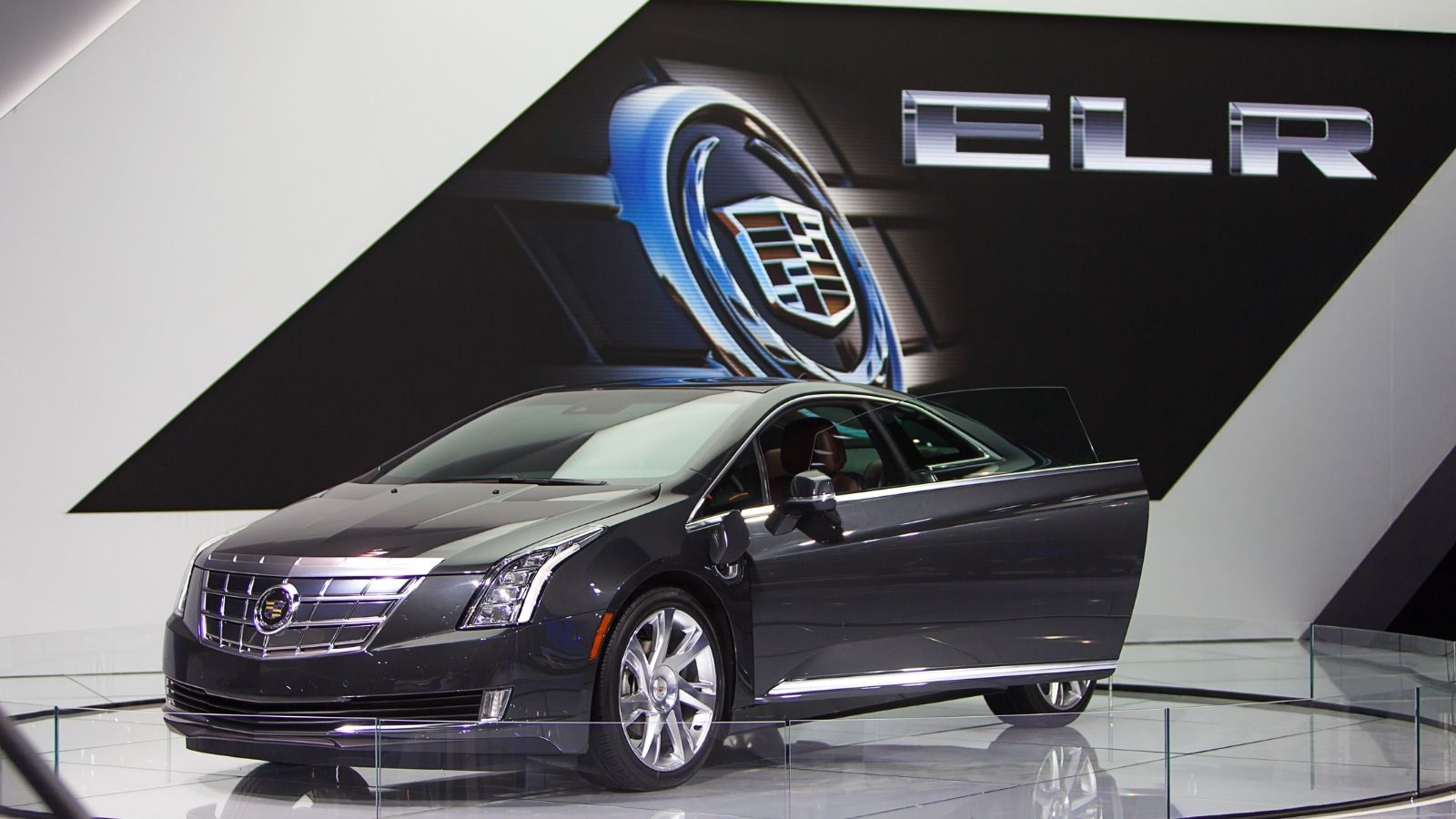
The ELR might be the rarest flop on this list. Its sleek coupe styling attracted attention, but the high price and limited electric range turned buyers away. The car cost more than a Tesla while offering far less capability. It became a symbol of ambitious pricing with no real audience, especially in Canada where EV incentives were uneven.
25 Facts About Car Loans That Most Drivers Don’t Realize

Car loans are one of the most common ways people fund car purchases. Like any other kind of loan, car loans can have certain features that can be regarded as an advantage or a disadvantage to the borrower. Understanding all essential facts about car loans and how they work to ensure that you get the best deal for your financial situation is essential. Here are 25 shocking facts about car loans that most drivers don’t realize:
25 Facts About Car Loans That Most Drivers Don’t Realize
