
Electric vehicles promised a simpler, cleaner future. For some Canadians, that promise has not survived real world ownership. Harsh winters, long distances and high upfront costs expose weaknesses that do not show up in mild climates or marketing brochures. These ten issues explain why a growing number of drivers are quietly returning to gasoline power.
Winter Range Loss Is Not a Small Problem
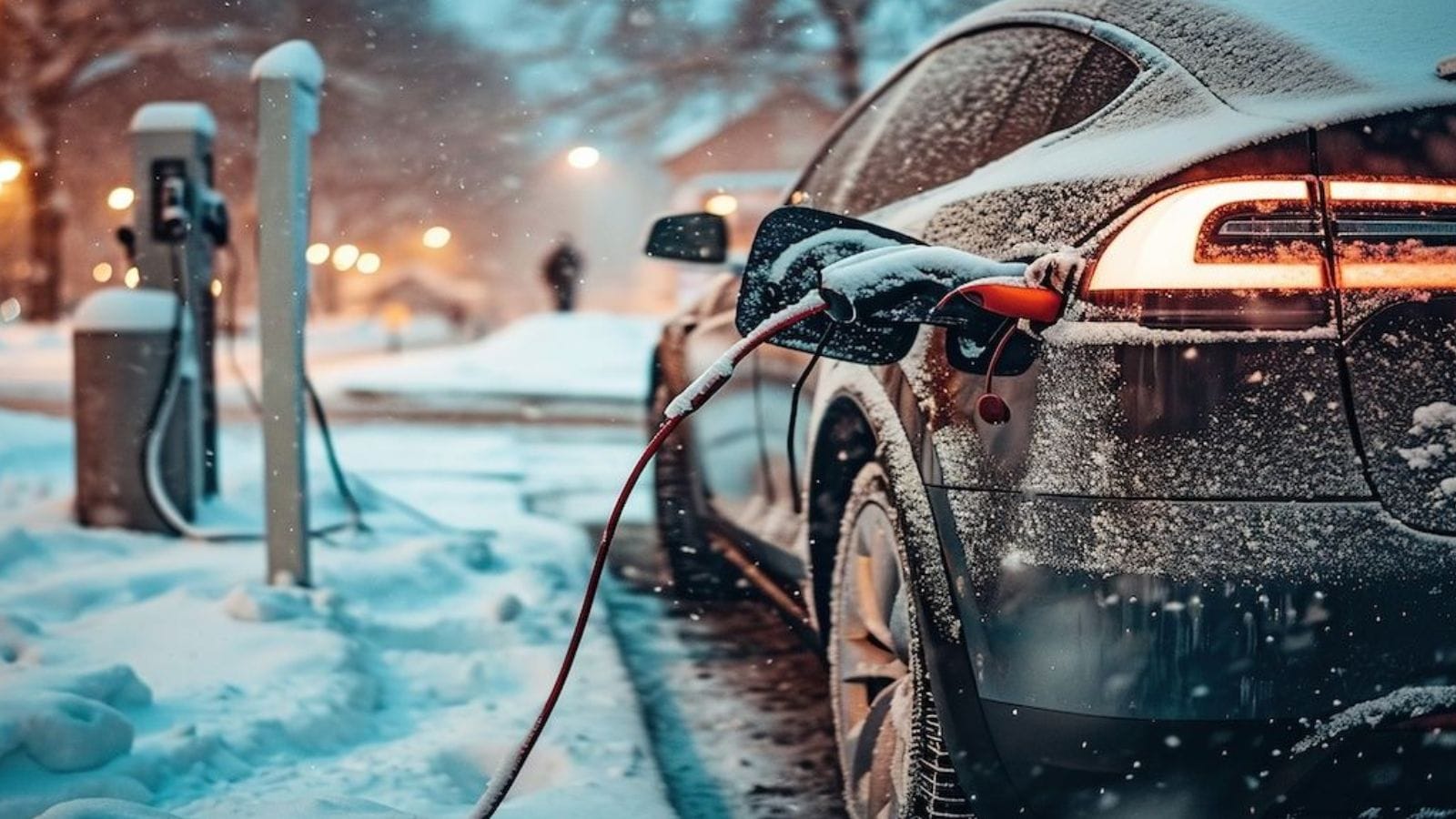
Cold weather hits EV range hard, and Canada has plenty of it. Battery chemistry slows down, cabin heating draws significant power and short winter trips prevent optimal efficiency. What looks like a comfortable 400 kilometre range in summer can shrink dramatically in January. For drivers who already plan fuel stops carefully, that unpredictability becomes exhausting.
Charging Infrastructure Still Feels Fragile
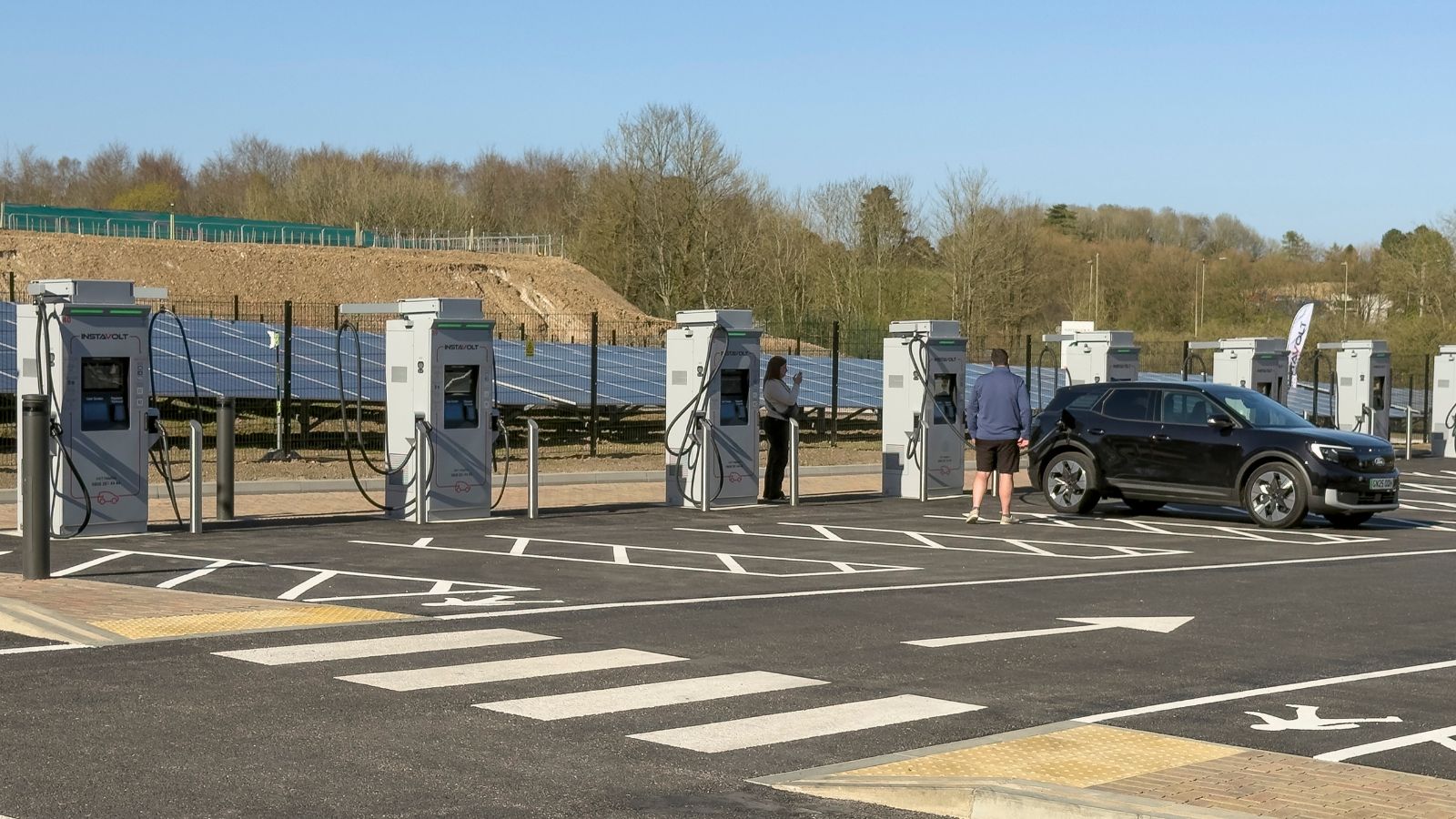
Public charging availability varies wildly by region. Outside major cities, chargers can be scarce, broken or occupied. A single malfunctioning station can derail an entire trip. Gas stations are boring but reliable. That reliability matters more than novelty when temperatures drop and daylight disappears early.
Home Charging Is Not Always an Option

Many Canadians live in condos, apartments or older homes where installing a Level 2 charger is difficult or impossible. Relying entirely on public charging adds time, stress and planning that gas car owners never think about. For renters especially, EV ownership often feels like a temporary workaround rather than a long term solution.
Purchase Prices Are Still a Shock

Even with incentives, EVs often cost significantly more than comparable gas vehicles. That premium is hard to justify when interest rates are high and household budgets are stretched. Canadians looking at monthly payments often realize a well equipped gas car simply makes more financial sense.
Cold Weather Charging Takes Too Long

Charging speeds drop in cold conditions unless the battery is properly preconditioned. That means longer stops at exactly the time drivers want to get back on the road quickly. Gas cars refuel in minutes regardless of temperature. Convenience still matters, especially on long winter drives.
Towing and Load Use Are Severely Limited
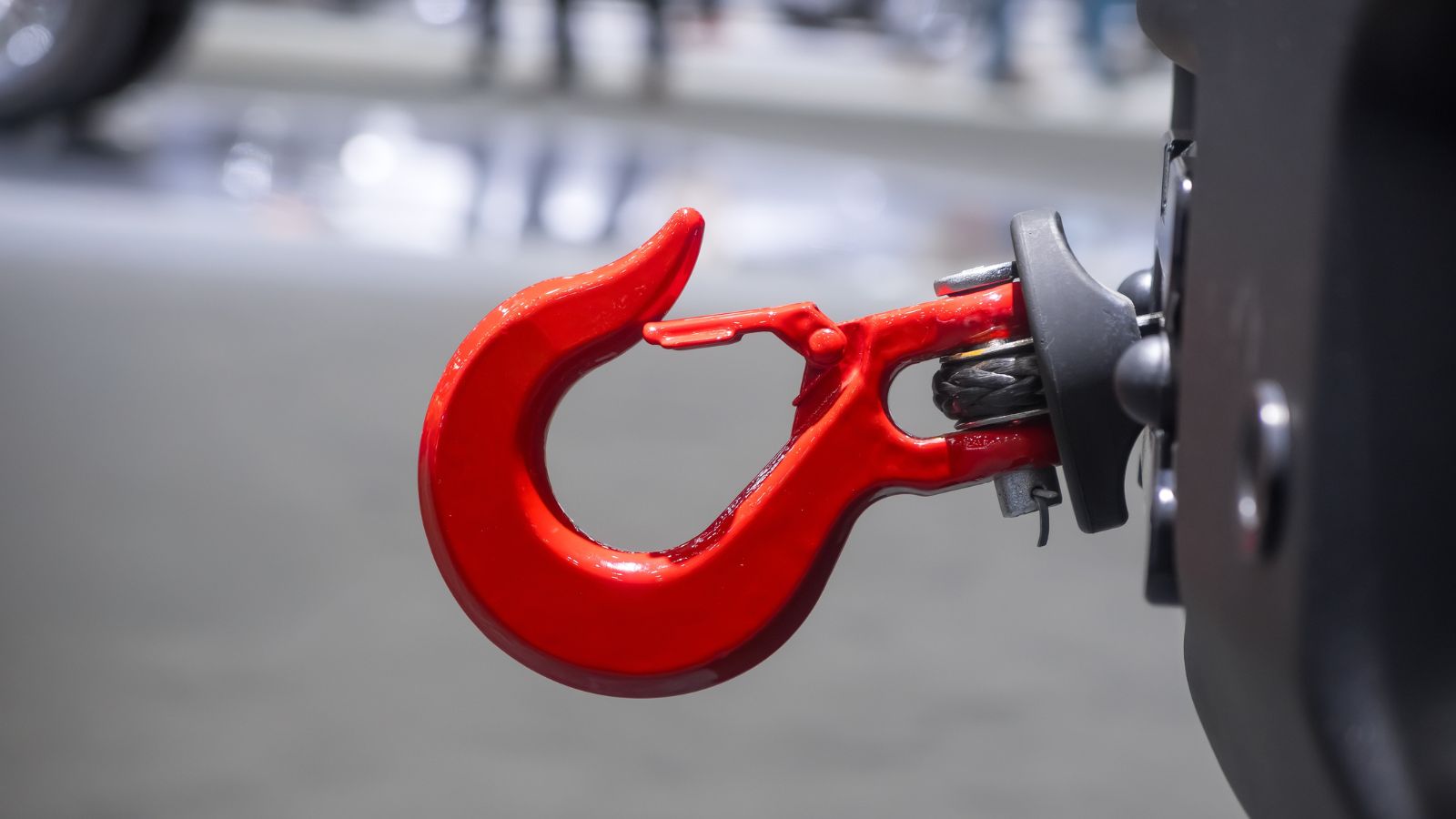
Canadians tow trailers, haul gear and load vehicles heavily. EV range drops sharply when towing or carrying weight. For people who rely on their vehicle for work, recreation or cottage life, that limitation alone can be a deal breaker. Gas engines handle variable loads far more predictably.
Repair Costs and Insurance Are Higher Than Expected
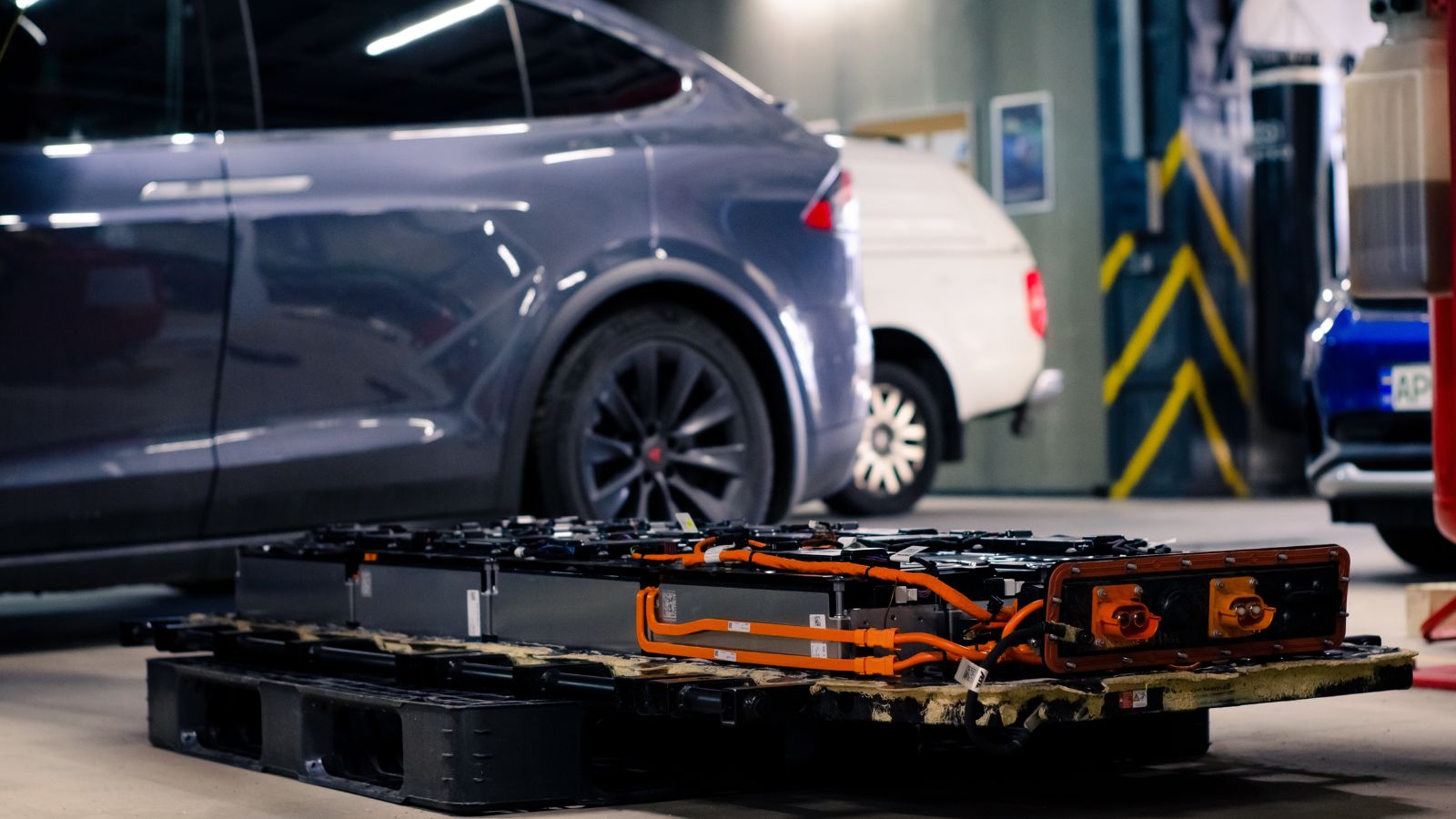
While EVs have fewer moving parts, repairs can be expensive. Battery related damage, specialized labor and limited parts availability push insurance premiums up. A minor accident can result in a write off. That risk makes ownership feel less secure than advertised.
Rapid Depreciation Creates Anxiety
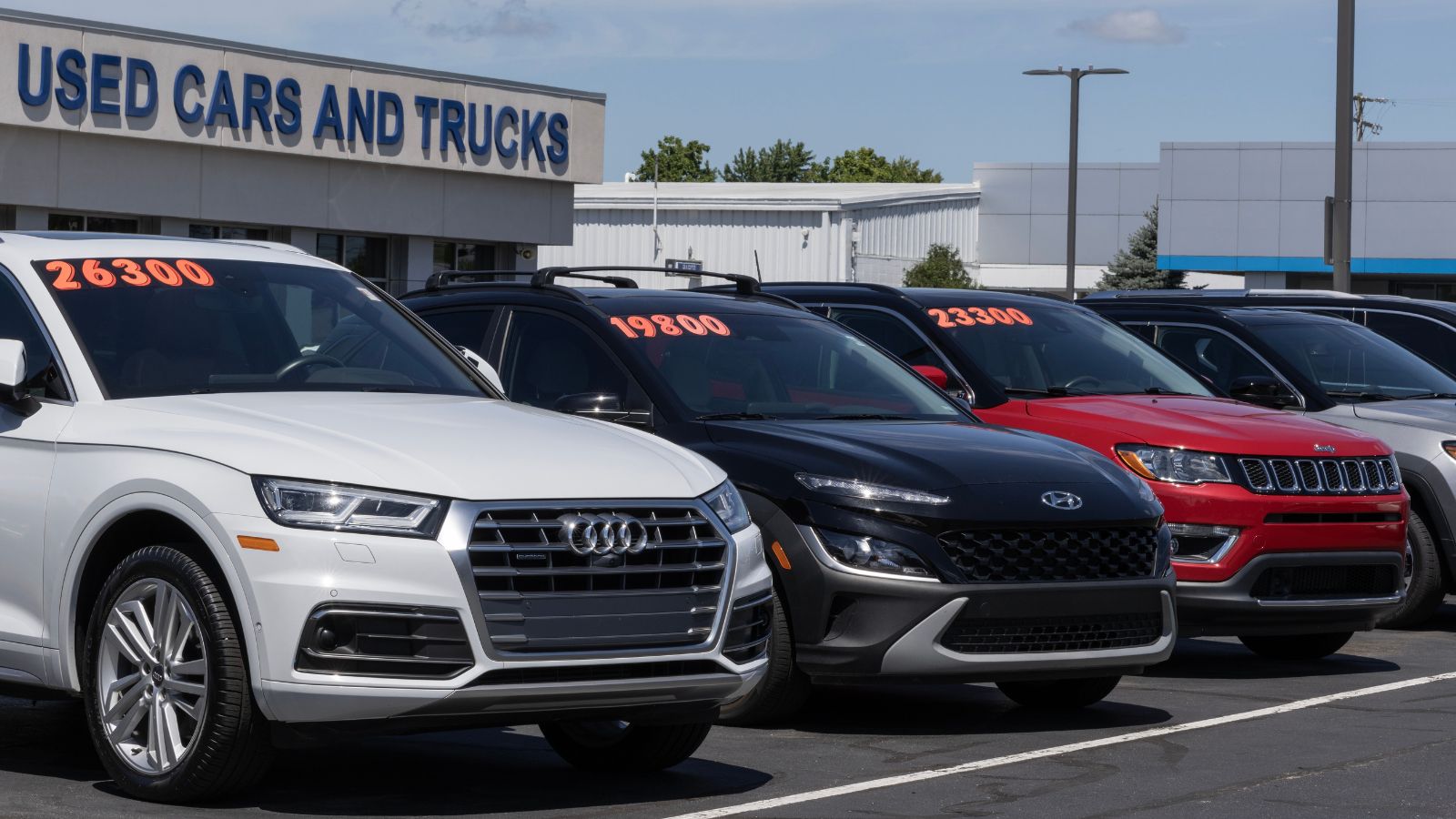
Used EV values have proven volatile. Rapid technology updates and changing incentives make older models feel outdated quickly. Canadians who keep cars long term worry about resale value and long term support. Gas vehicles may be boring, but their depreciation is easier to predict.
Software Issues Feel Out of Place in Cars
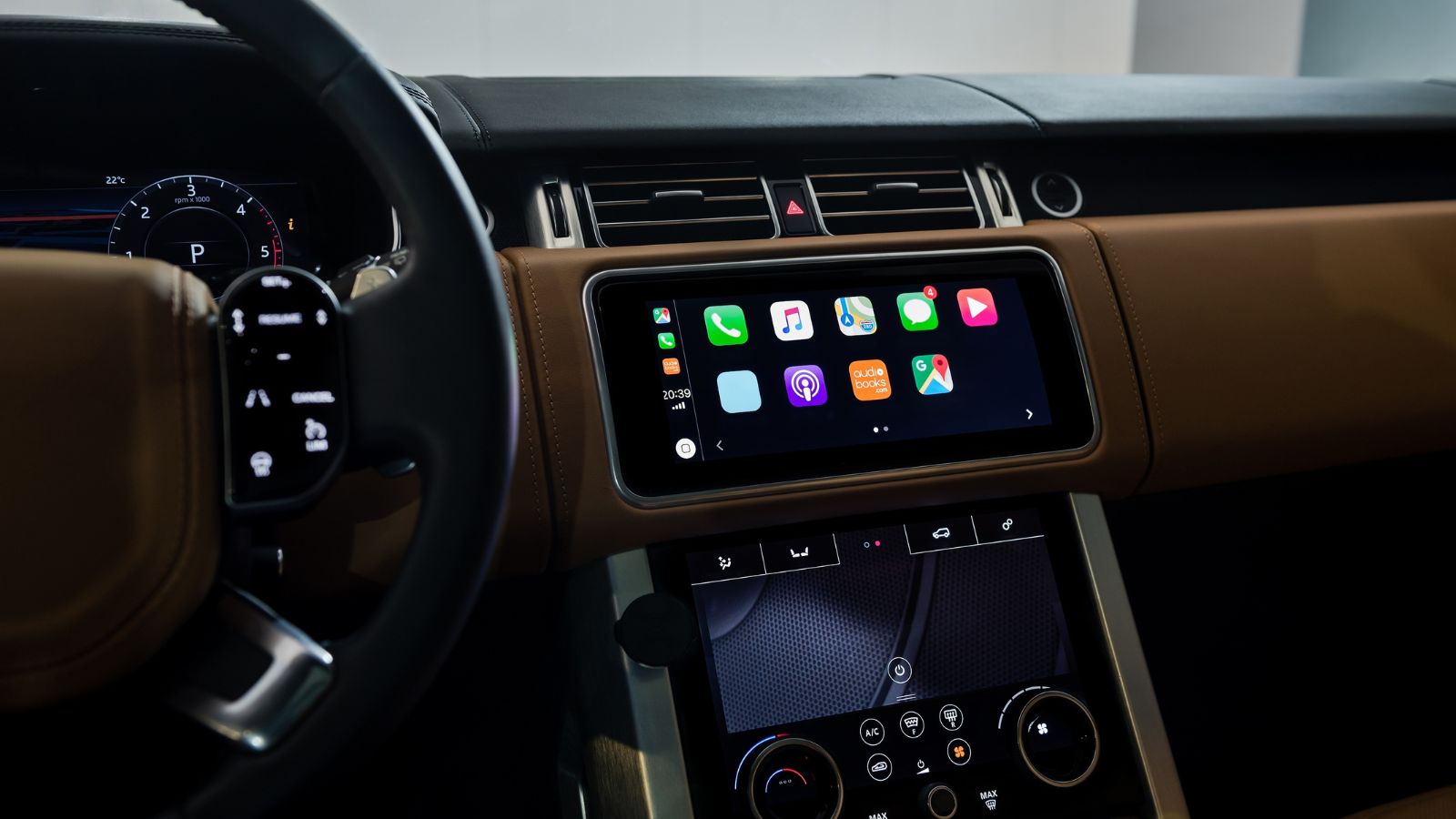
Over the air updates sound great until something breaks. Glitches, frozen screens and feature changes frustrate drivers who just want their car to work every morning. Gas cars still rely on physical controls and proven systems that do not change overnight.
Gas Cars Still Fit Canada Better
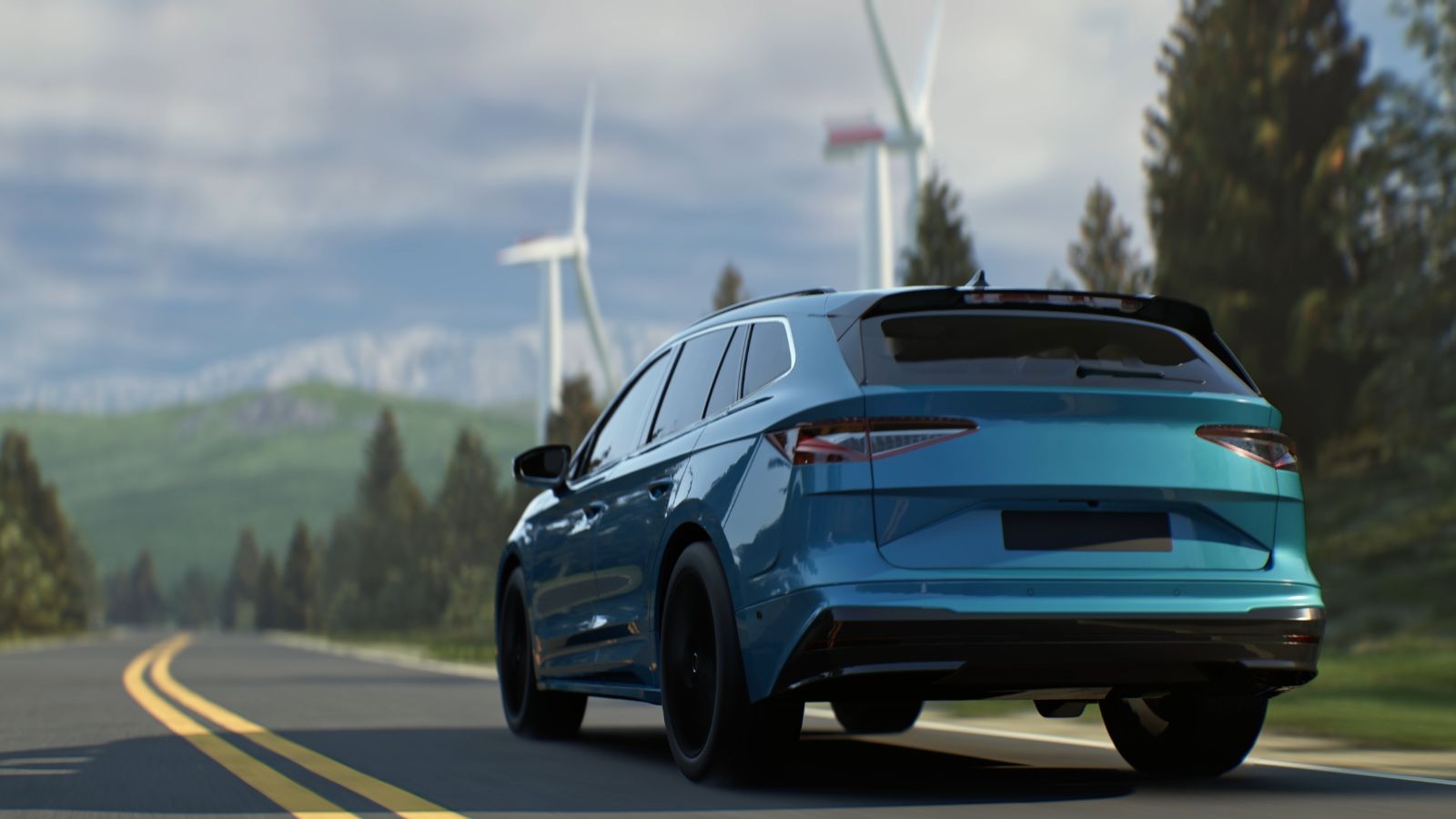
For many Canadians, gasoline vehicles simply align better with geography and lifestyle. Long distances, extreme weather and limited infrastructure reward simplicity. Hybrid options offer a compromise, but full EV ownership often feels like forcing the future before the country is fully ready.
25 Facts About Car Loans That Most Drivers Don’t Realize

Car loans are one of the most common ways people fund car purchases. Like any other kind of loan, car loans can have certain features that can be regarded as an advantage or a disadvantage to the borrower. Understanding all essential facts about car loans and how they work to ensure that you get the best deal for your financial situation is essential. Here are 25 shocking facts about car loans that most drivers don’t realize:
25 Facts About Car Loans That Most Drivers Don’t Realize
