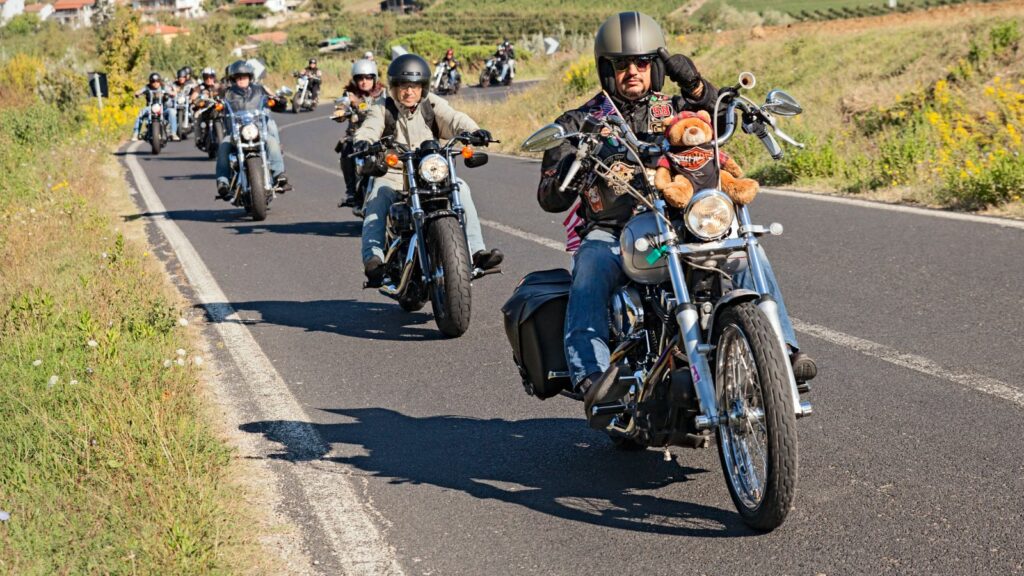
Motorcyclists have built an entire language made from simple gestures, subtle motions and quiet traditions. These signals allow riders to communicate intentions, warn about danger and acknowledge each other without ever speaking. For new riders, learning this silent vocabulary creates confidence and builds instant connection within the community. On group rides, these gestures keep everyone coordinated and safe. Out on the open road, they serve as reminders that riding is more than transportation. It is a culture with its own rhythm and respect. These expanded explanations highlight the ten most important gestures and why they matter.
The Low Wave The Universal Rider Greeting
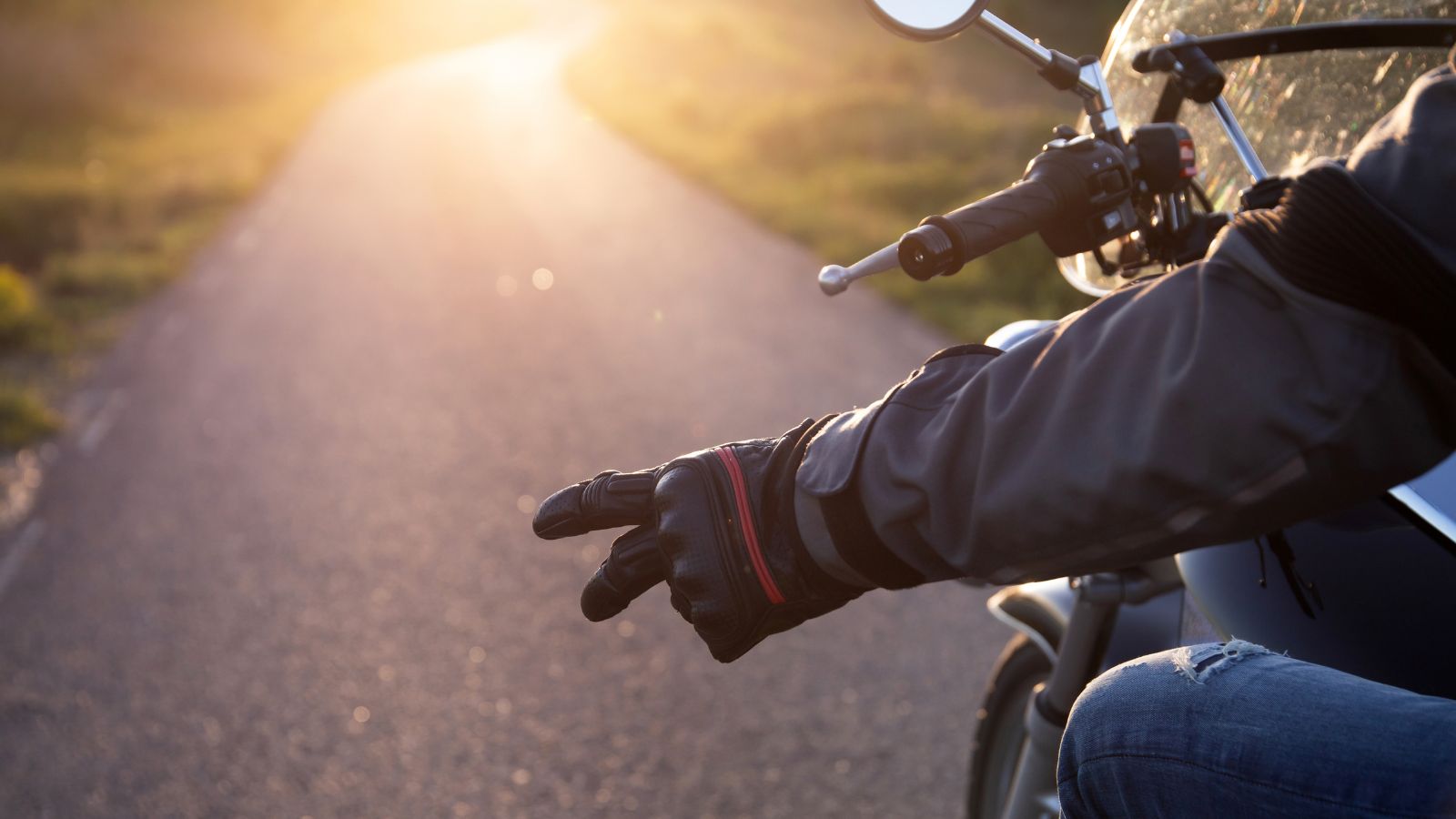
The low wave is the most recognizable symbol of motorcycle camaraderie. By extending two fingers toward the pavement, riders acknowledge each other while keeping their hand close to the controls. It is relaxed, safe and effortless. The gesture dates back decades and crosses brand loyalty, skill level and motorcycle type. Sport riders, cruisers, touring machines everyone uses it. Returning the wave is more than politeness. It tells the other rider that despite different bikes or backgrounds, you share the same love of the road.
Point to the Ground Hazard on the Road
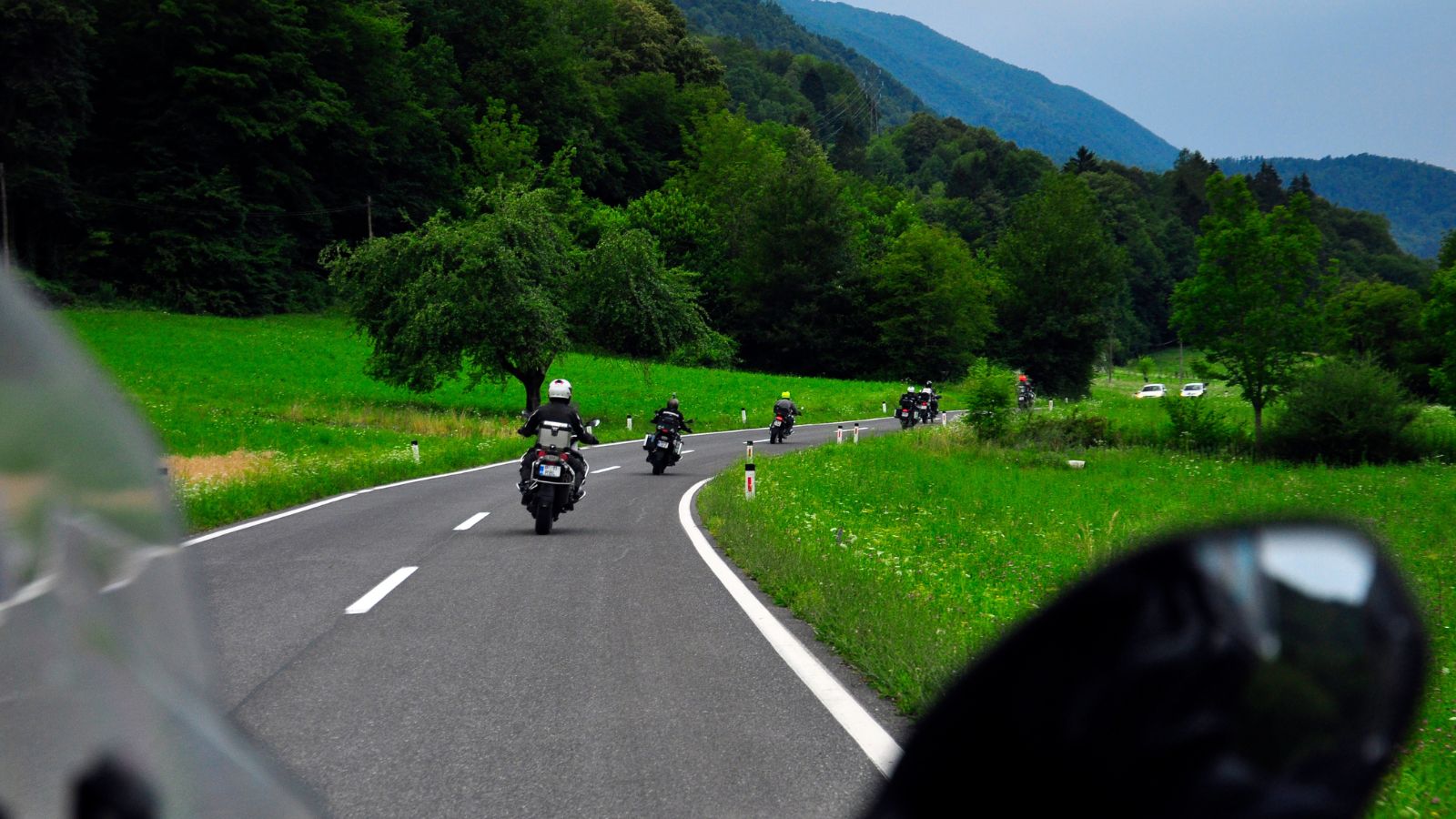
Pointing to the pavement is a vital warning signal. Road debris poses serious danger to motorcycles, and a simple hand or leg gesture can prevent an accident. Riders point out gravel, nails, metal shards, potholes or oil slicks that could disrupt traction. The signal is clear and often accompanied by slowing slightly to let everyone react. This gesture is a quiet reminder that motorcyclists look out for one another in ways most car drivers never consider.
Circular Motion or Tapping Toward The Headlight Check Your Lights
A small circular finger motion or tapping toward the headlight alerts another rider that their headlights, taillights or indicators are not functioning. Sometimes a bulb is out, sometimes the rider simply forgot to switch lights on after a fuel stop. Visibility is everything on a bike, especially during dawn, dusk or poor weather. This gesture might seem minor, but it prevents countless close calls by ensuring every rider is seen by surrounding traffic.
Hand Pushing Forward Motion Speed Up
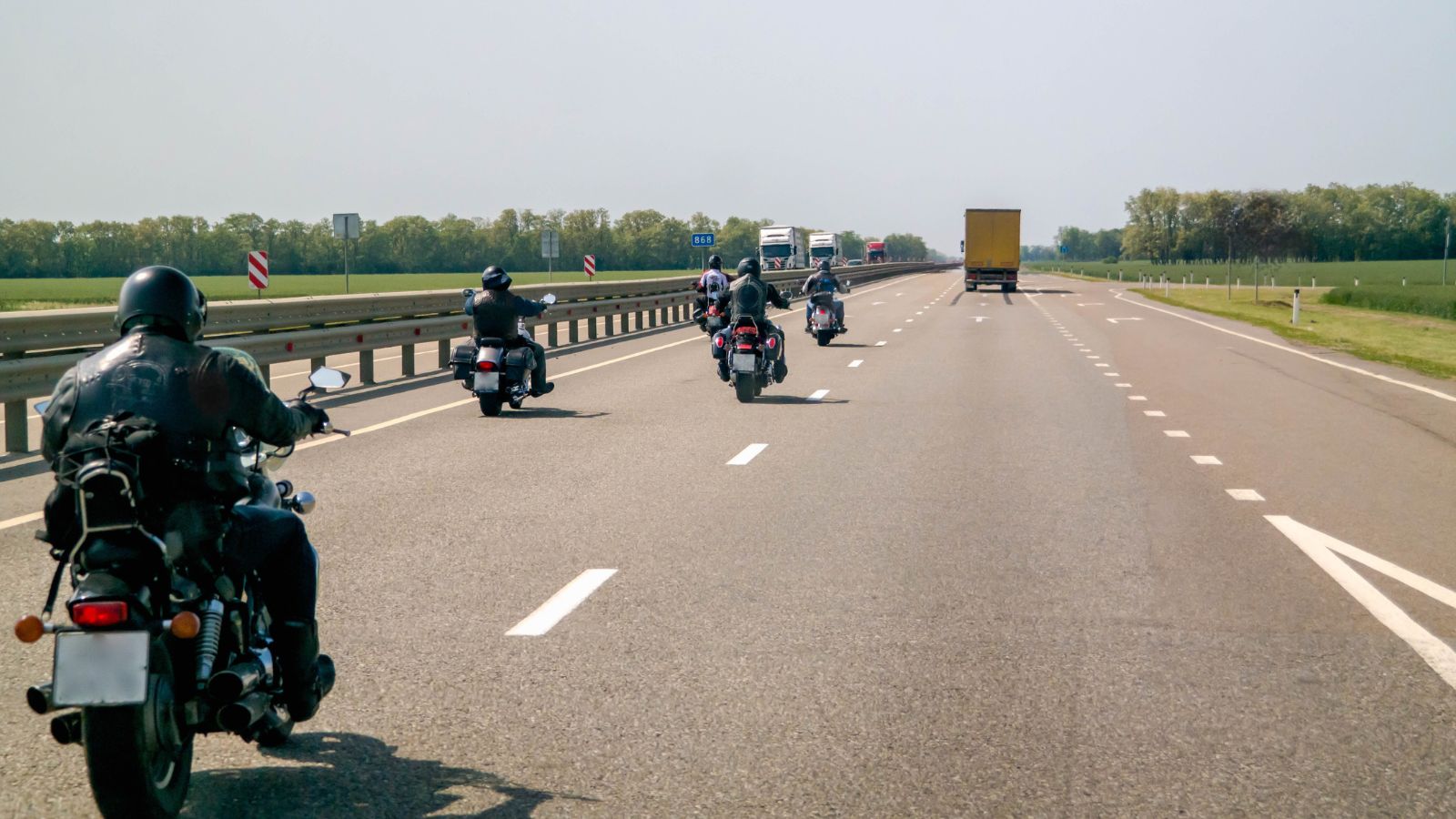
The forward sweeping hand motion helps a group maintain flow and spacing. When the lead rider senses traffic clearing or sees an opportunity to return to cruising speed, they encourage those behind to gently accelerate. This is not a demand for aggressive riding. It is a smooth adjustment that keeps the formation tight and predictable. Riders learn to react calmly and steadily, creating a safer overall group dynamic.
Palm Down Slow Down
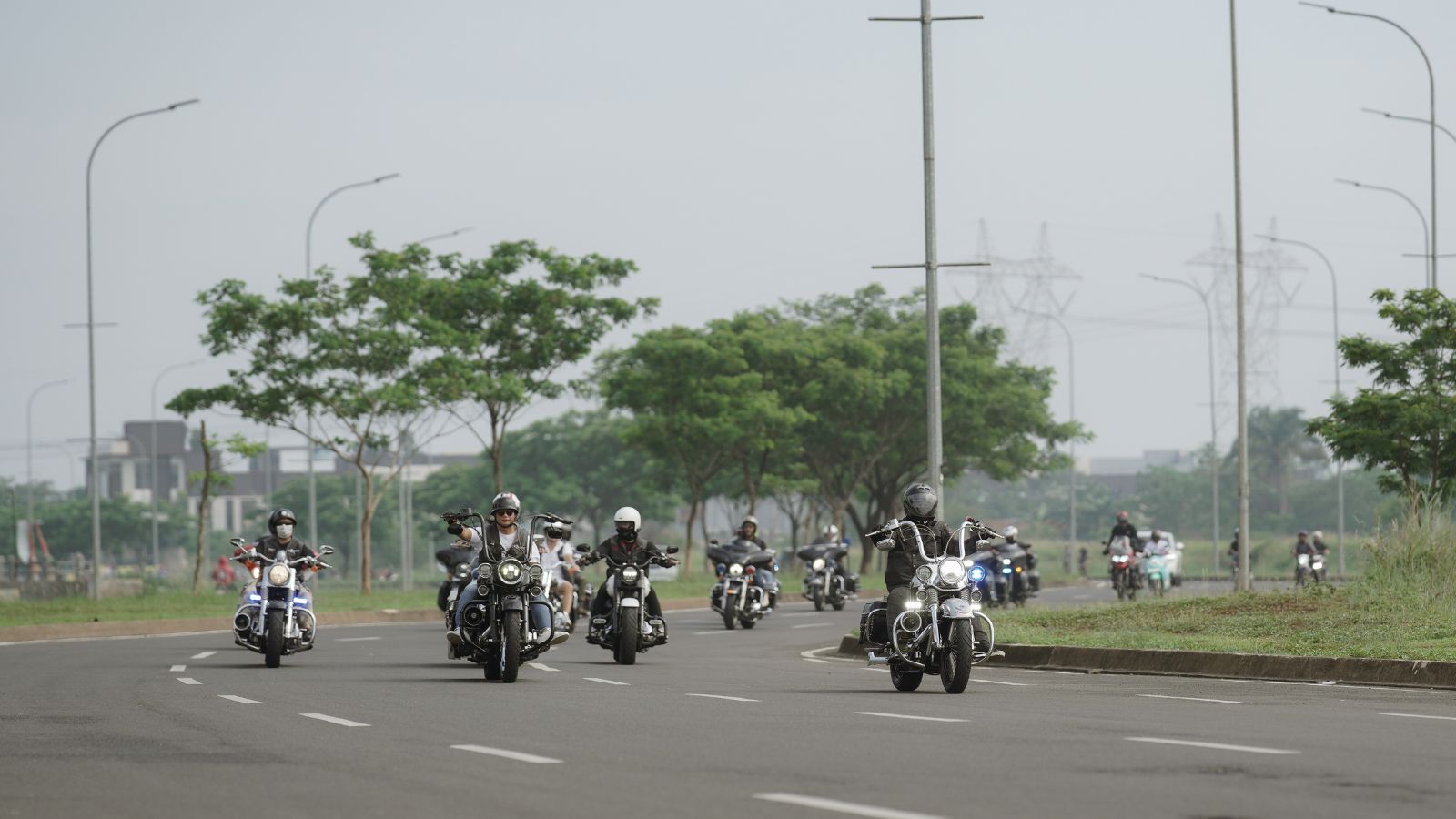
oktamushendro/Shutterstock.
The palm down gesture remains one of the most important group riding signals. Instead of shouting through helmets or radios, the lead rider simply lowers their hand and presses it downward a few times. It tells everyone that a sharp bend, slower traffic, animals or unexpected road changes lie ahead. It prevents panic braking and helps riders settle into a safer speed before danger arrives.
Tap on the Helmet Police Ahead
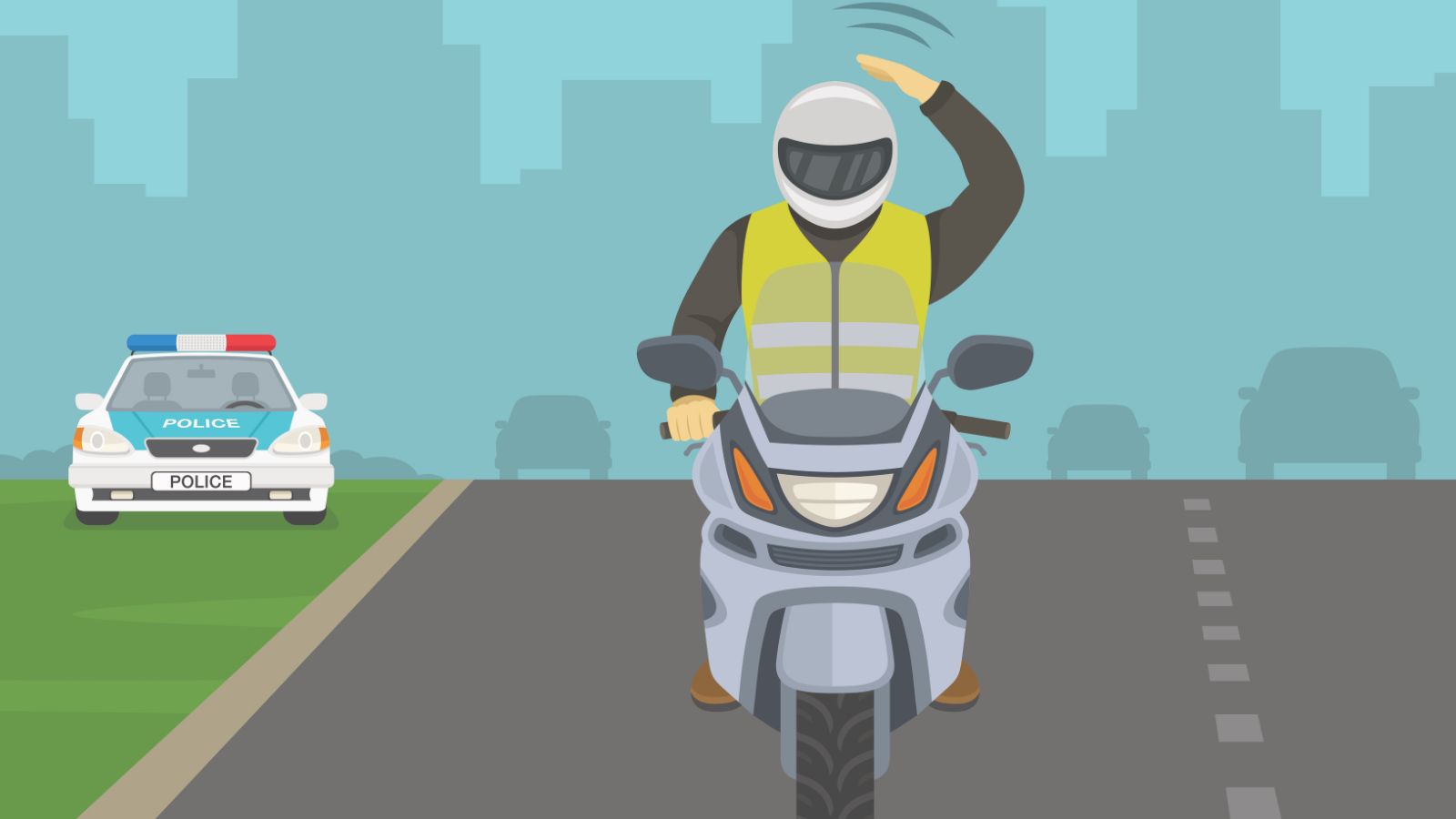
A quick tap on the helmet is the long standing nod to law enforcement presence. Riders have used it for generations as a courtesy to warn others about radar traps or patrol vehicles. The gesture is not about encouraging reckless behaviour. It is about awareness and shared responsibility. Even riders who do not know each other instantly recognize and respect the signal, reinforcing the sense of community.
Point to the Tank Fuel Stop Needed
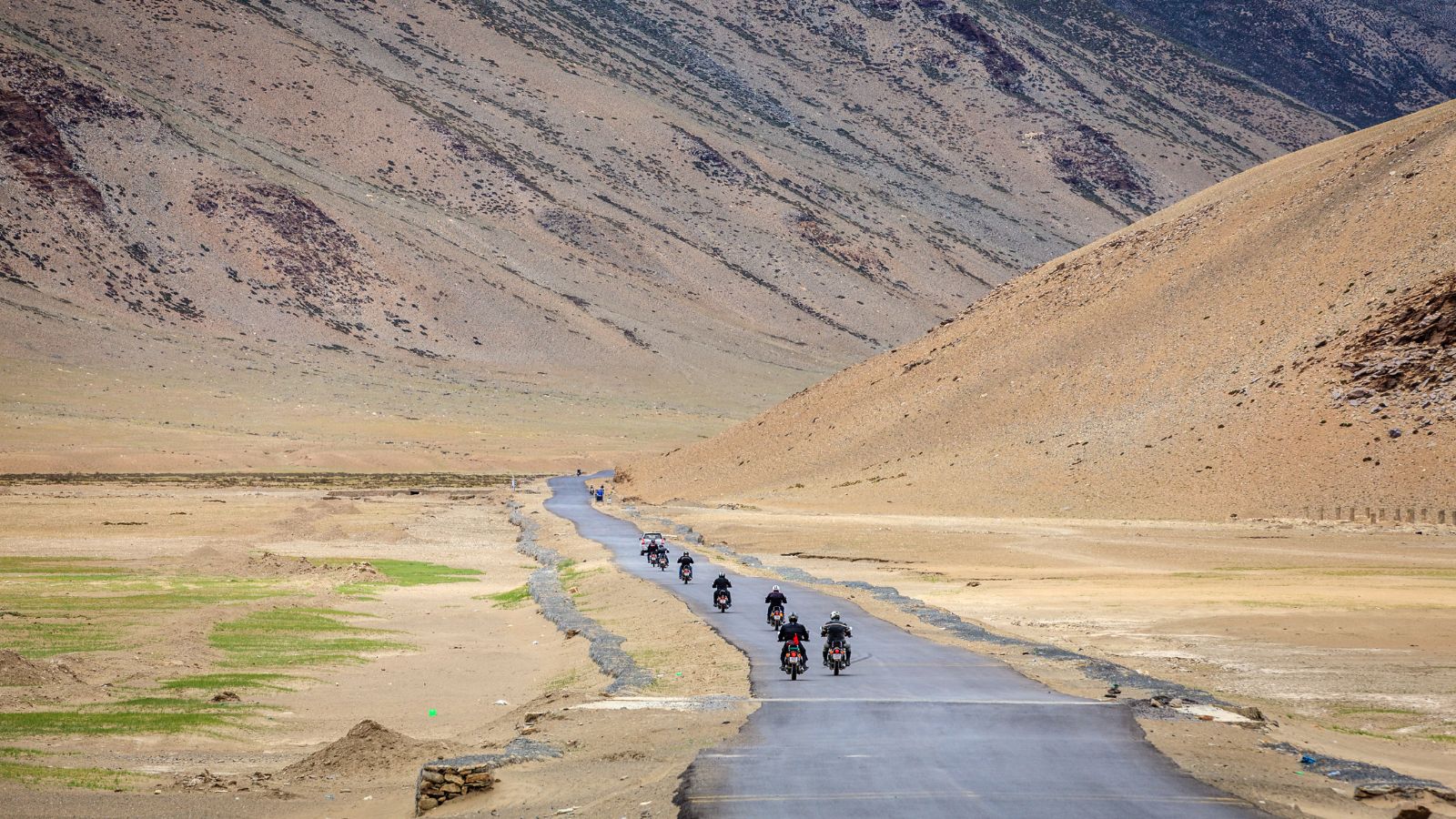
Riders communicate fuel status early because running out of gas on a motorcycle is far more disruptive than in a car. When someone points to their tank, it means range is dropping and a stop is needed soon. In mixed groups where bikes vary from small sports machines to long range tourers, fuel signals prevent unnecessary stress. Leaders can adjust routes or decide on the next rest point with clarity.
Leg Out to the Side Debris, Roadkill or Hazard
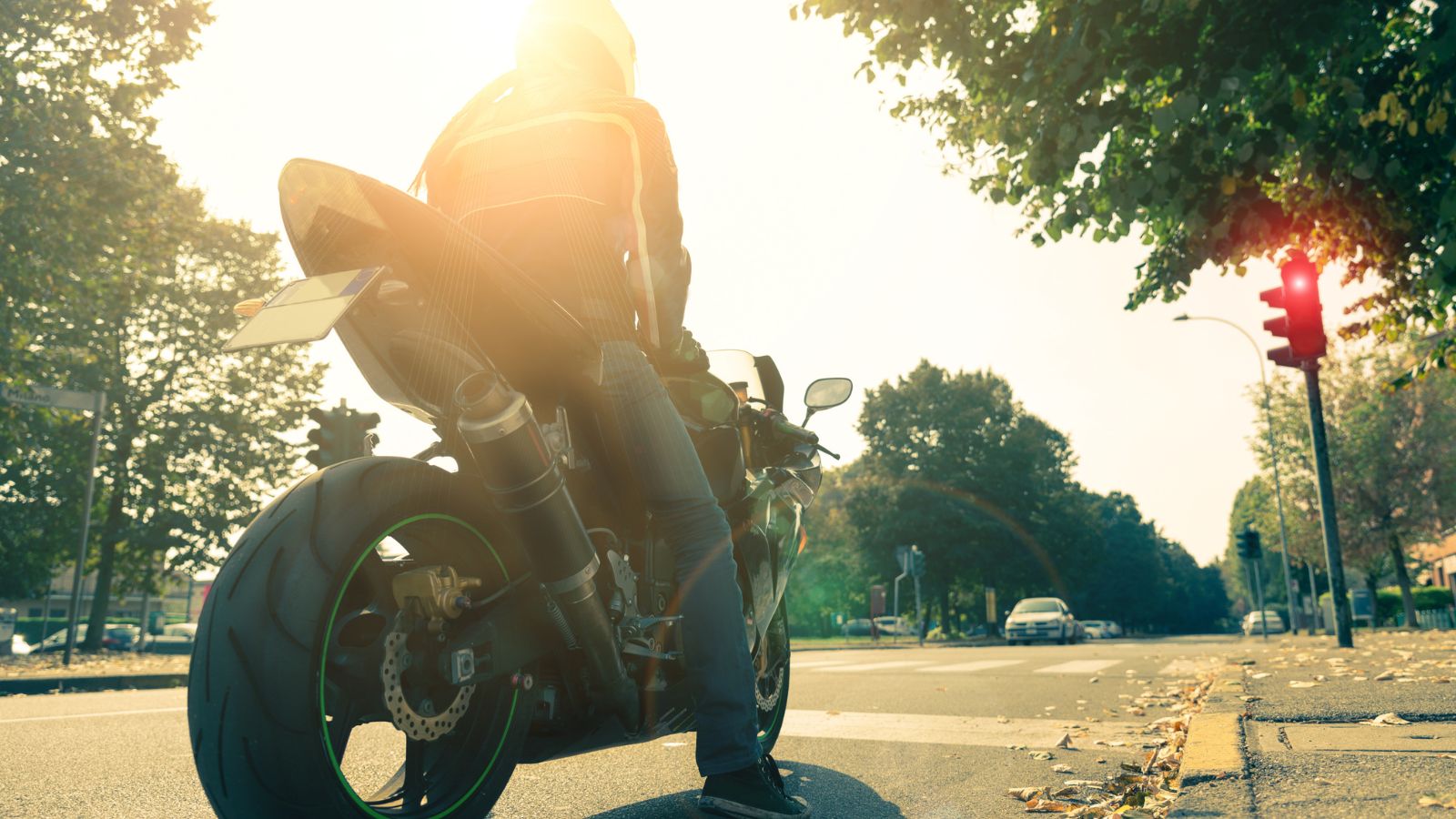
The leg signal is extremely useful when the hazard sits too close to the bike for a hand gesture or appears suddenly. Riders extend a leg on the side of the obstacle, directing those behind to move away. It works well in tight bends, narrow lanes or moments when both hands must remain on the bars. From fallen branches to fresh roadkill, this gesture keeps the group alert without compromising control.
Patting the Seat Move In or Close the Gap or Follow
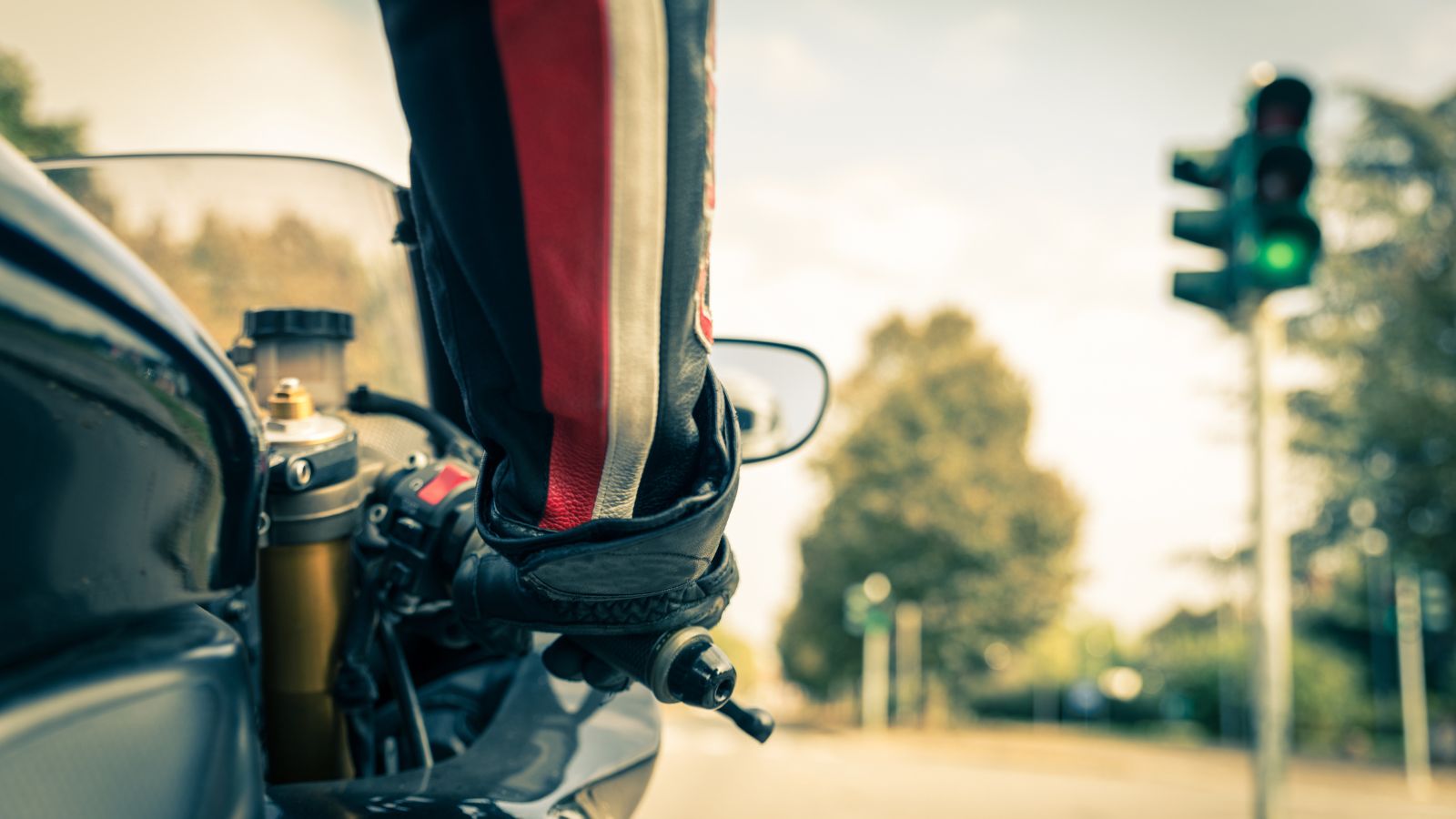
A rider patting their seat or tapping their saddle signals others to adjust their position. This might mean closing the distance slightly to maintain formation or shifting lanes to ride staggered. In some cases, an experienced rider may use it to say; follow me, to guide a newer rider toward a safer part of the formation where wind, traffic or visibility conditions are better. It is a subtle but effective form of leadership on the road.
Fist Raised Stop Immediately
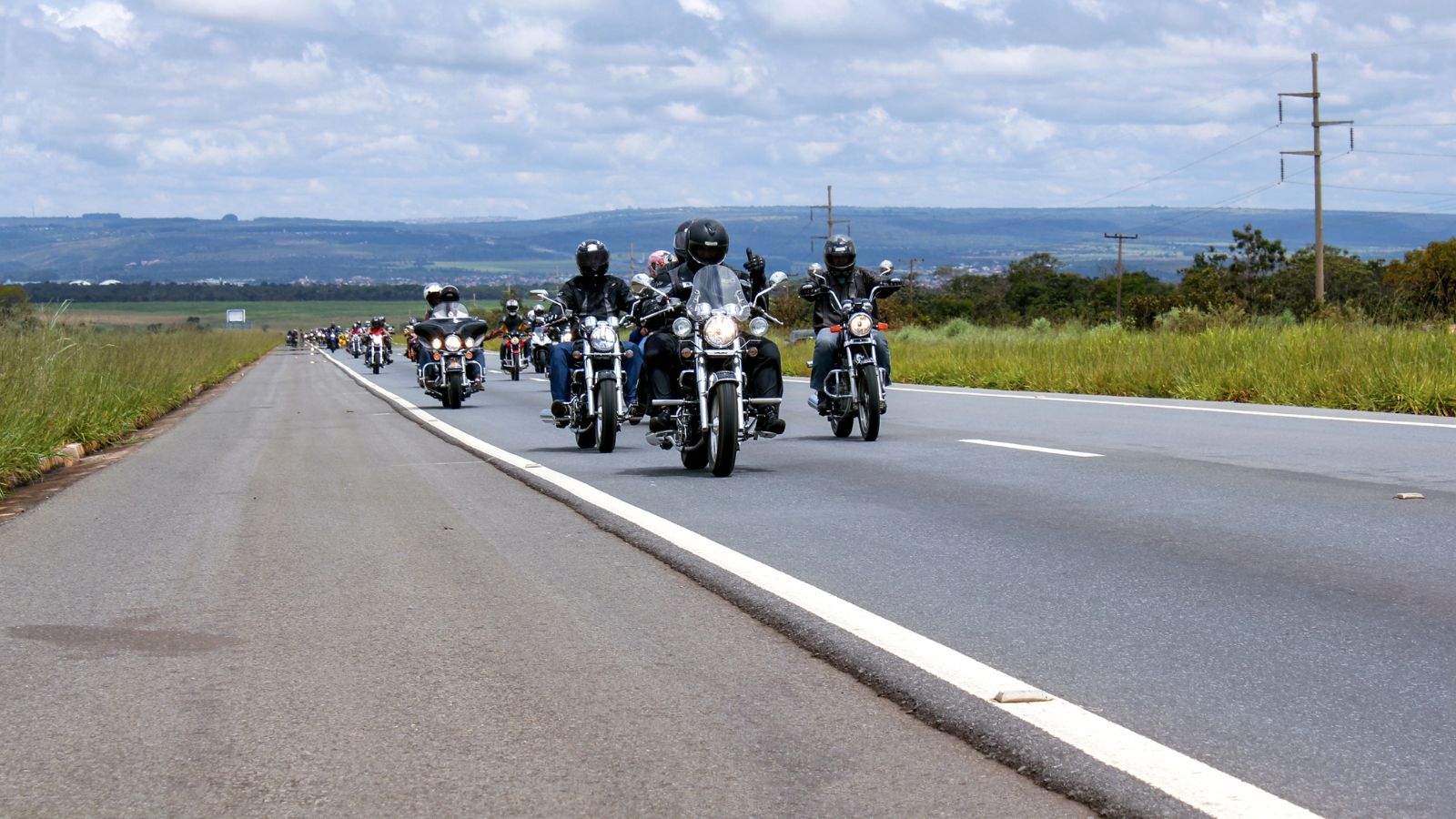
The raised fist is the emergency command signal. It is unmistakable and requires immediate action. Whether there is a mechanical issue, accident, animal in the road or a need to regroup urgently, this gesture tells every rider to pull over safely as soon as possible. Group leaders rely on it because it carries a seriousness that all riders instantly respect. It is the equivalent of slamming the brakes on communication.
25 Facts About Car Loans That Most Drivers Don’t Realize

Car loans are one of the most common ways people fund car purchases. Like any other kind of loan, car loans can have certain features that can be regarded as an advantage or a disadvantage to the borrower. Understanding all essential facts about car loans and how they work to ensure that you get the best deal for your financial situation is essential. Here are 25 shocking facts about car loans that most drivers don’t realize:
25 Facts About Car Loans That Most Drivers Don’t Realize
