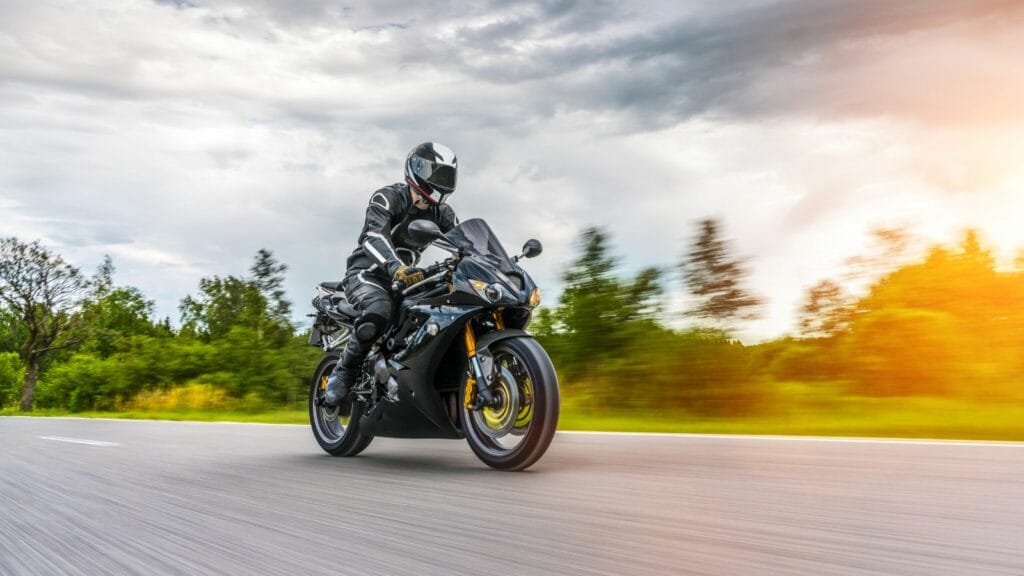
Long before Bluetooth headsets and dashboard screens, riders communicated the old-fashioned way. With their hands. Motorcycle hand signals are part safety tool, part tradition, and part unspoken bond between riders. Even today, when technology fails, signals still work. They cut through wind noise, dead batteries, and mixed riding groups where not everyone runs the same gear.
For new riders they’re practical. For experienced riders they’re second nature. Together, they form a quiet language that only makes sense on two wheels.
Why Hand Signals Still Matter
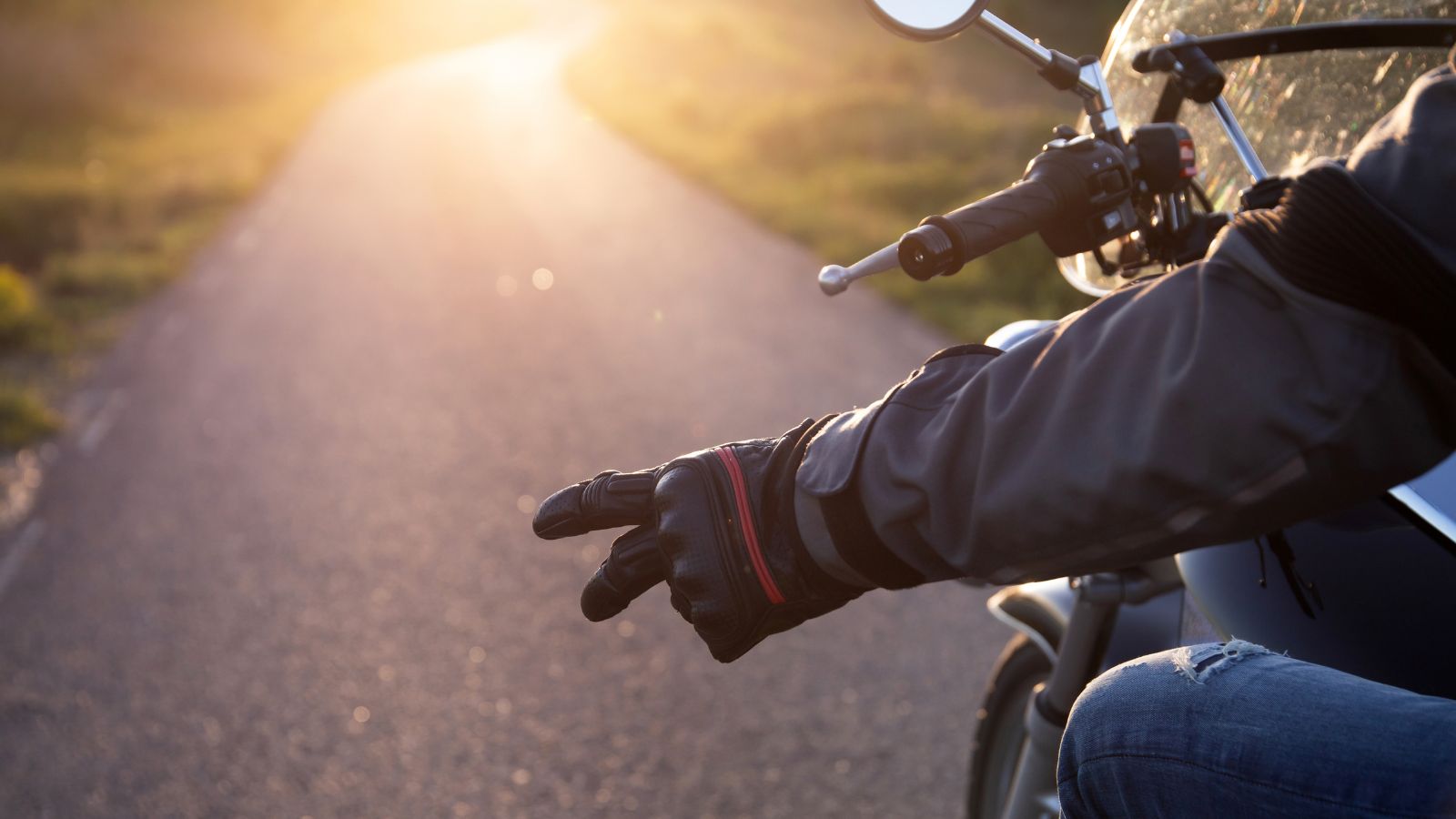
Motorcycles are exposed machines. Wind, traffic, helmets, and distance make verbal communication useless. Hand signals give riders a clear, universal way to communicate intentions and hazards. In group riding especially, they prevent sudden braking, confusion, and dangerous surprises.
They’re also legally recognized in many regions. If a turn signal fails, hand signals are still considered valid communication.
Left Turn
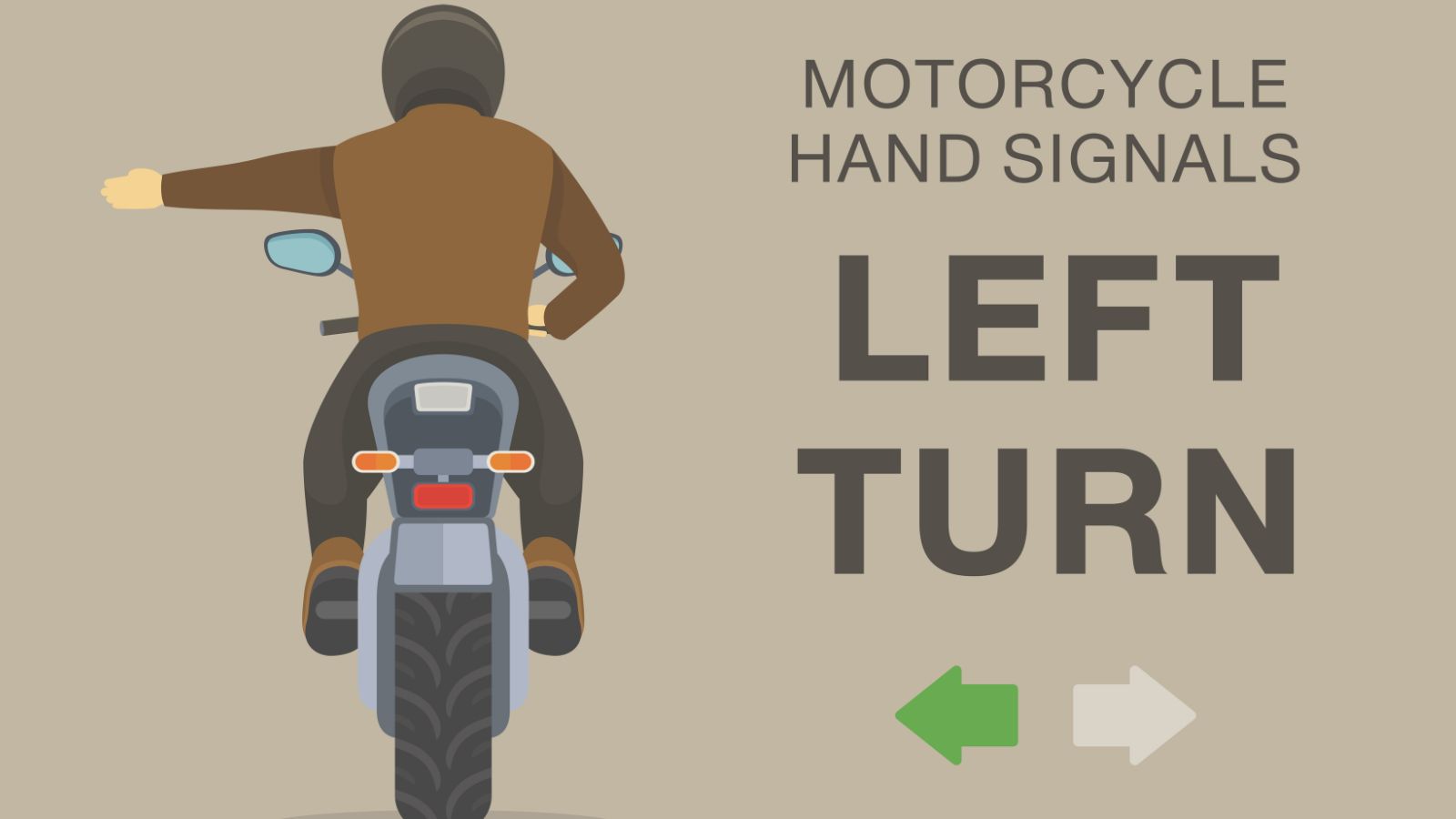
Left arm straight out, palm facing forward. Simple and unmistakable. It tells following riders and drivers exactly what’s coming next.
Right Turn
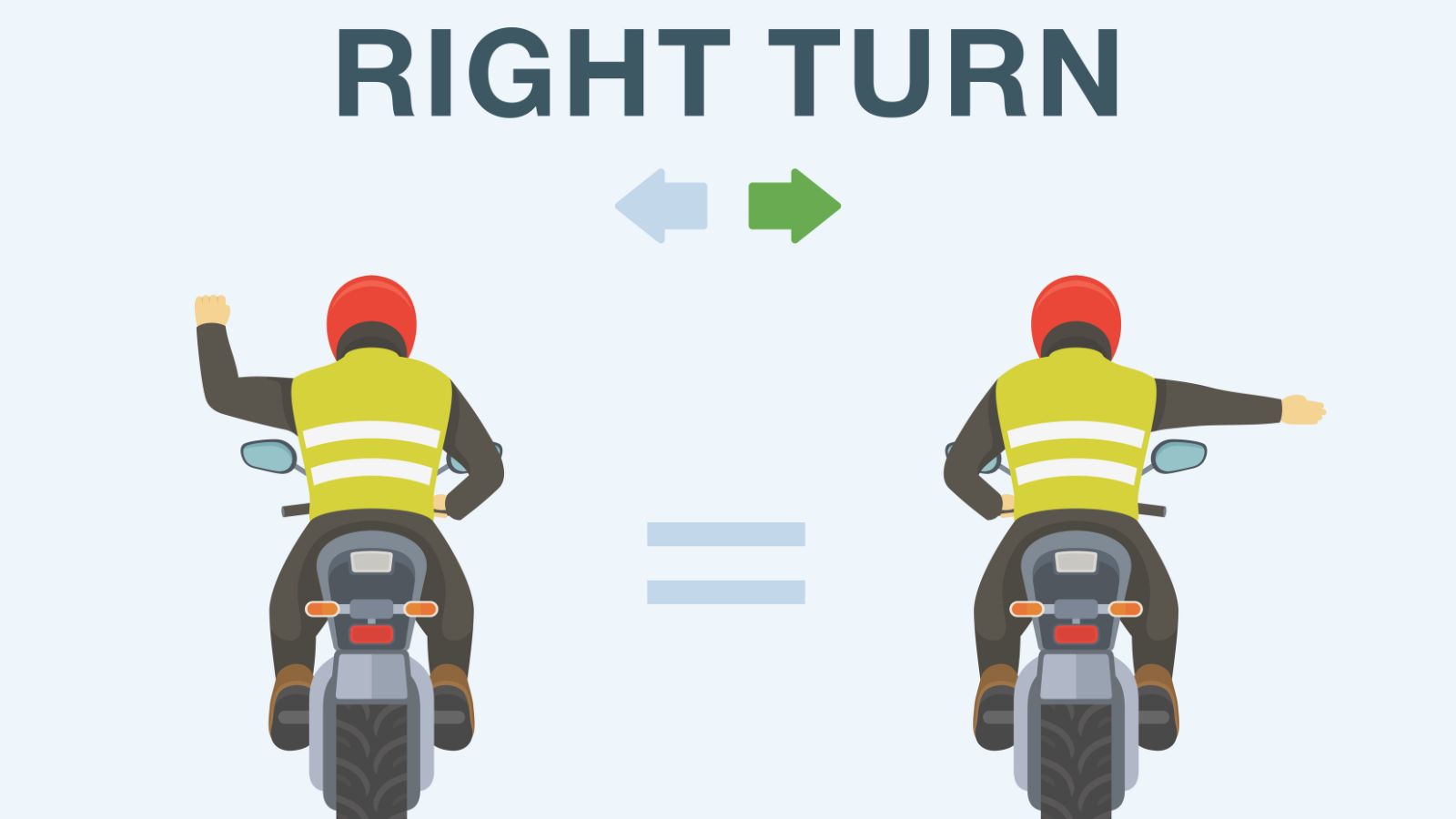
Left arm bent upward at the elbow, forearm pointing up. This one comes from old driving codes and looks odd at first, but it’s widely understood.
Slowing Down
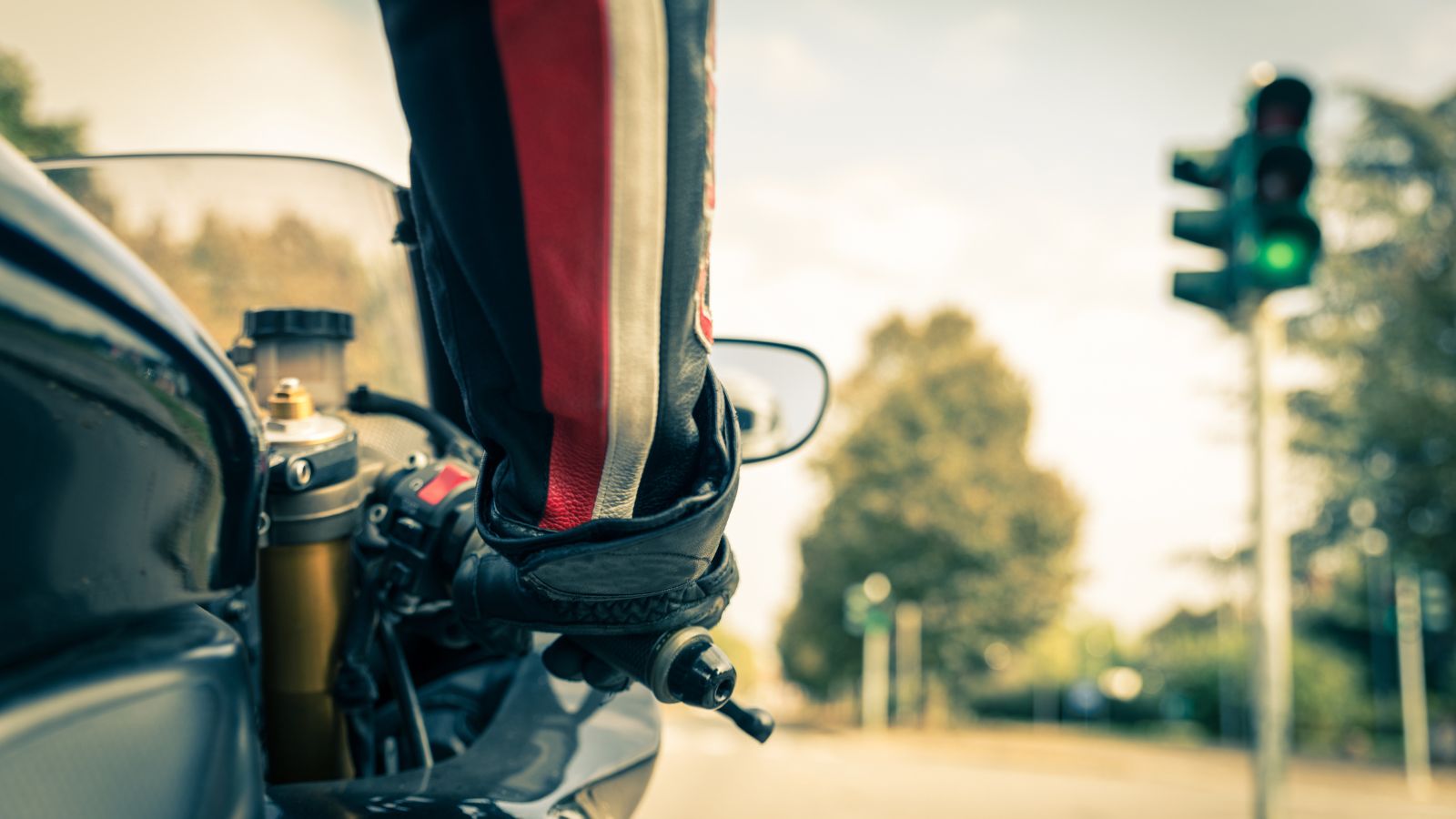
Left arm extended downward with palm facing back. Often used before braking, especially in group rides. It gives riders behind you time to react smoothly rather than panic brake.
Stopping
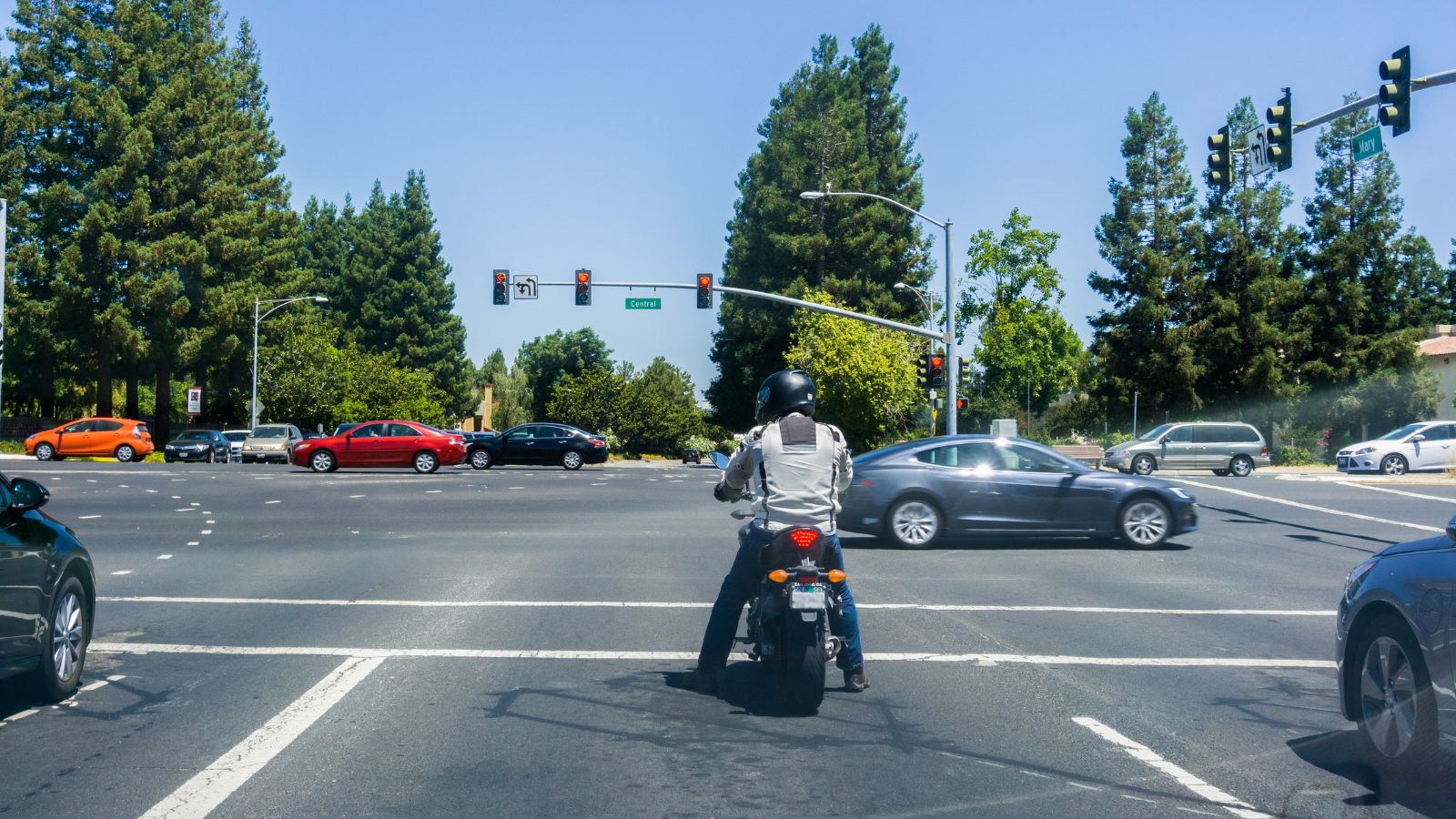
Left arm extended downward with palm facing back, held firmly and longer than a slowdown signal. In group riding, this is often exaggerated to make sure it travels back through the pack.
Hazard in the Road
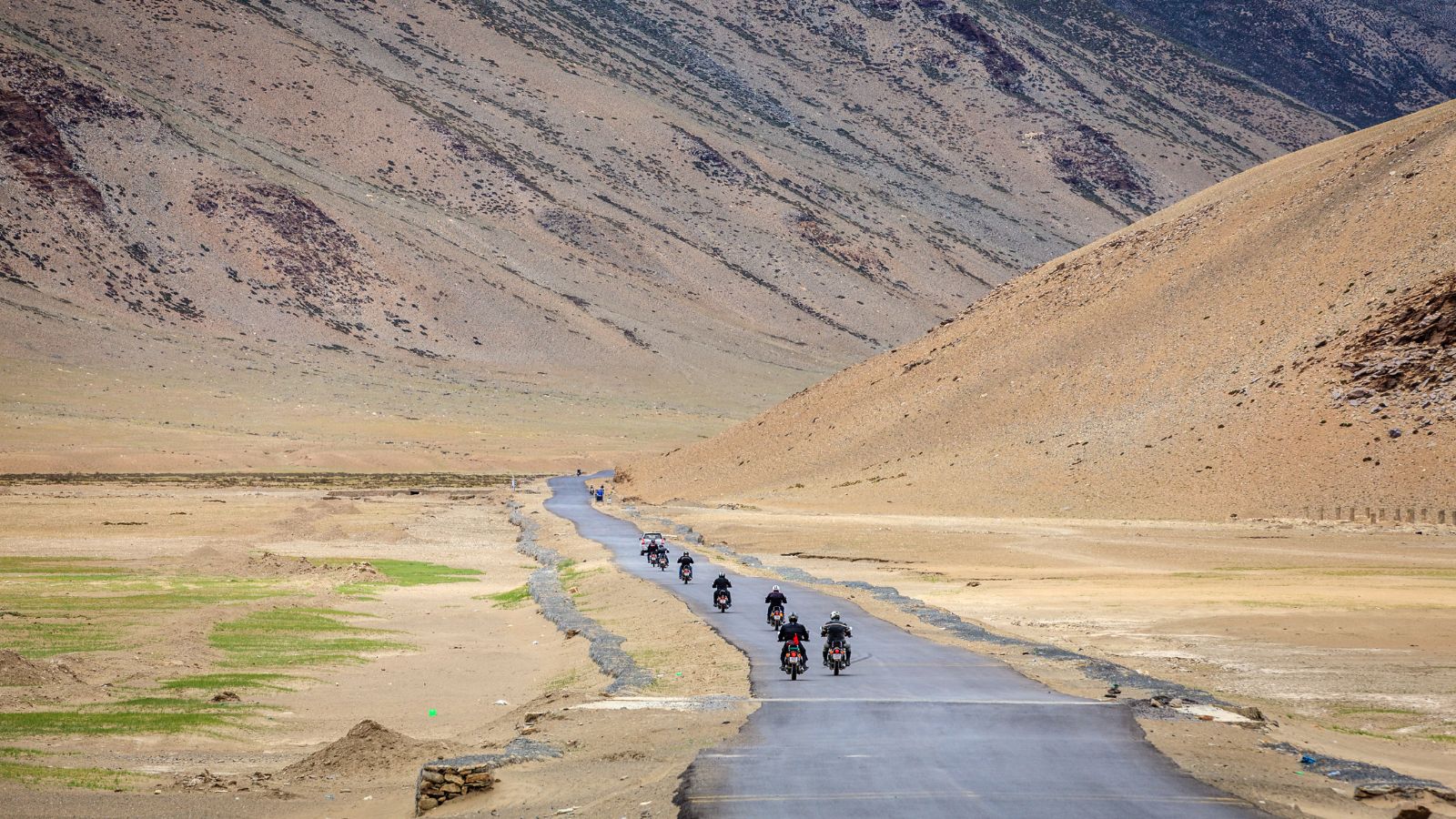
Pointing down at the road with either hand or foot, depending on which side the hazard is on. Gravel, potholes, debris, dead animals, oil, or anything that could upset a bike. This signal is usually repeated by every rider behind until it reaches the back of the group.
Single File
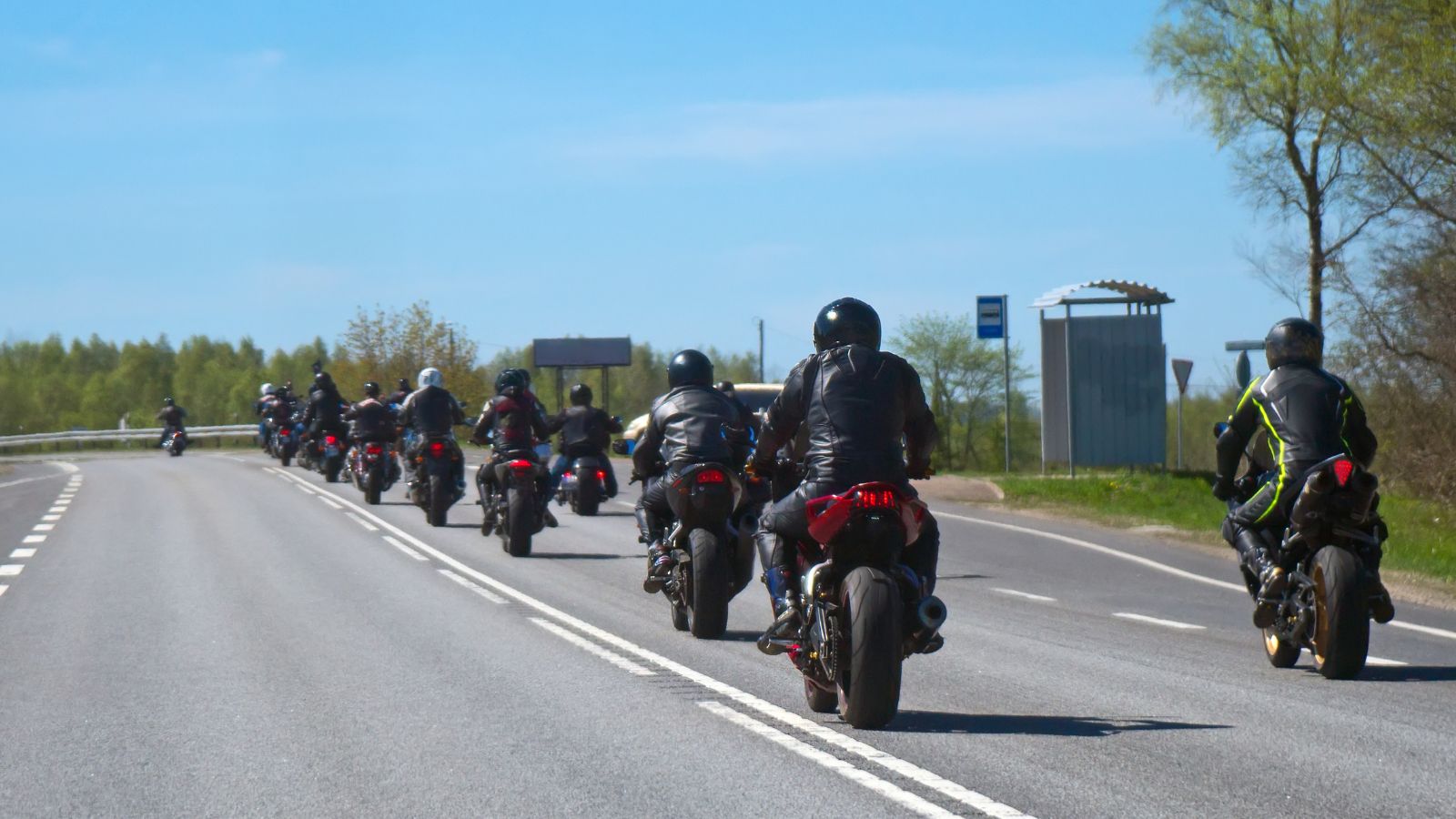
One finger pointed straight up. Used when roads narrow or traffic increases. It tells the group to tighten formation and reduce road space.
Staggered Formation
oktamushendro/Shutterstock.
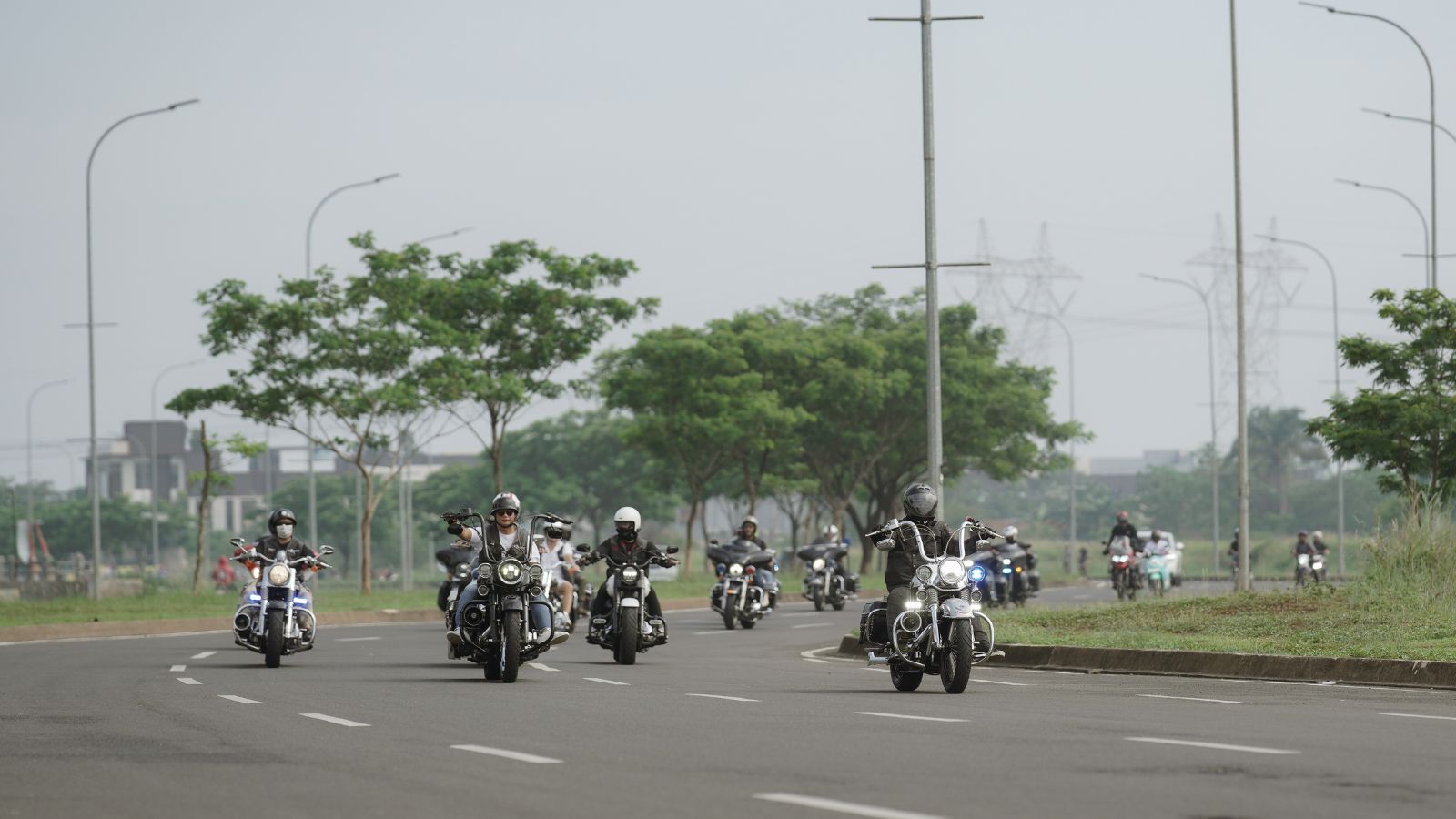
Two fingers raised in a V shape. Signals riders to spread out into a staggered formation for better visibility and spacing.
Pull Over
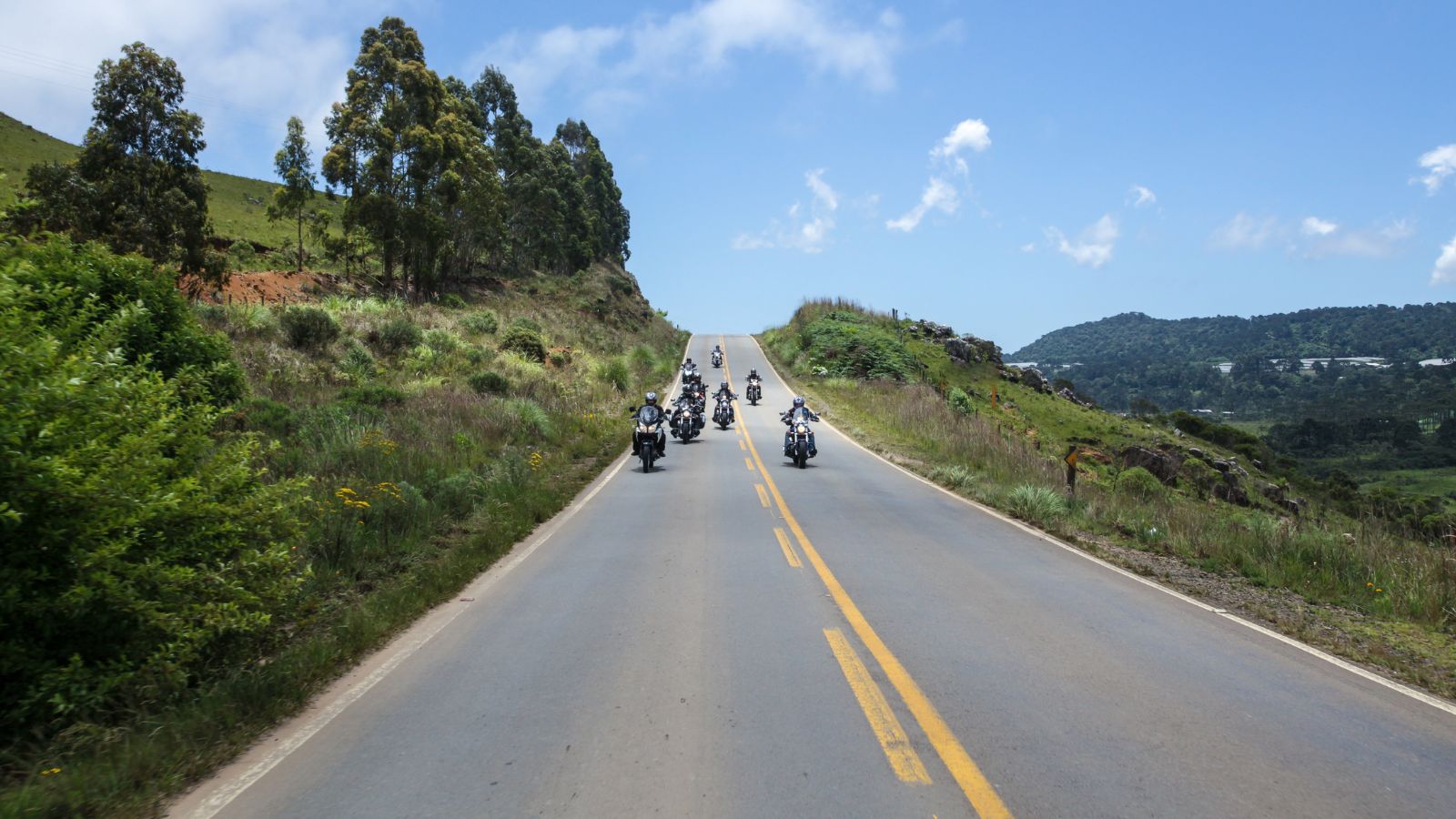
Left arm extended and waved toward the shoulder. Often used by lead riders when the group needs to stop, regroup, or let traffic pass.
Fuel Stop
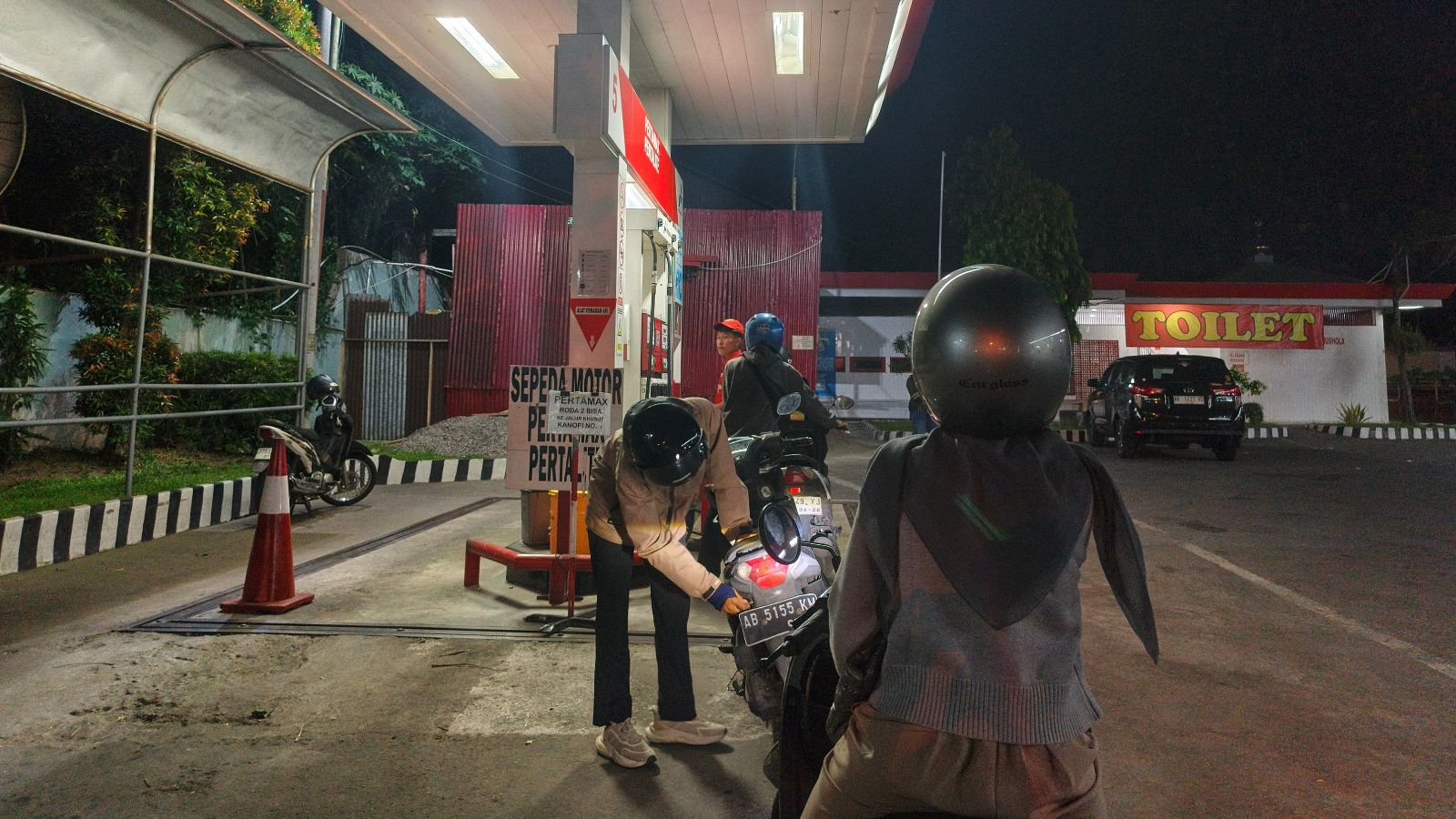
A closed fist tapped against the helmet or tank. Universally understood as “I need fuel soon.” In practice, it often means someone misjudged their range.
Police Ahead
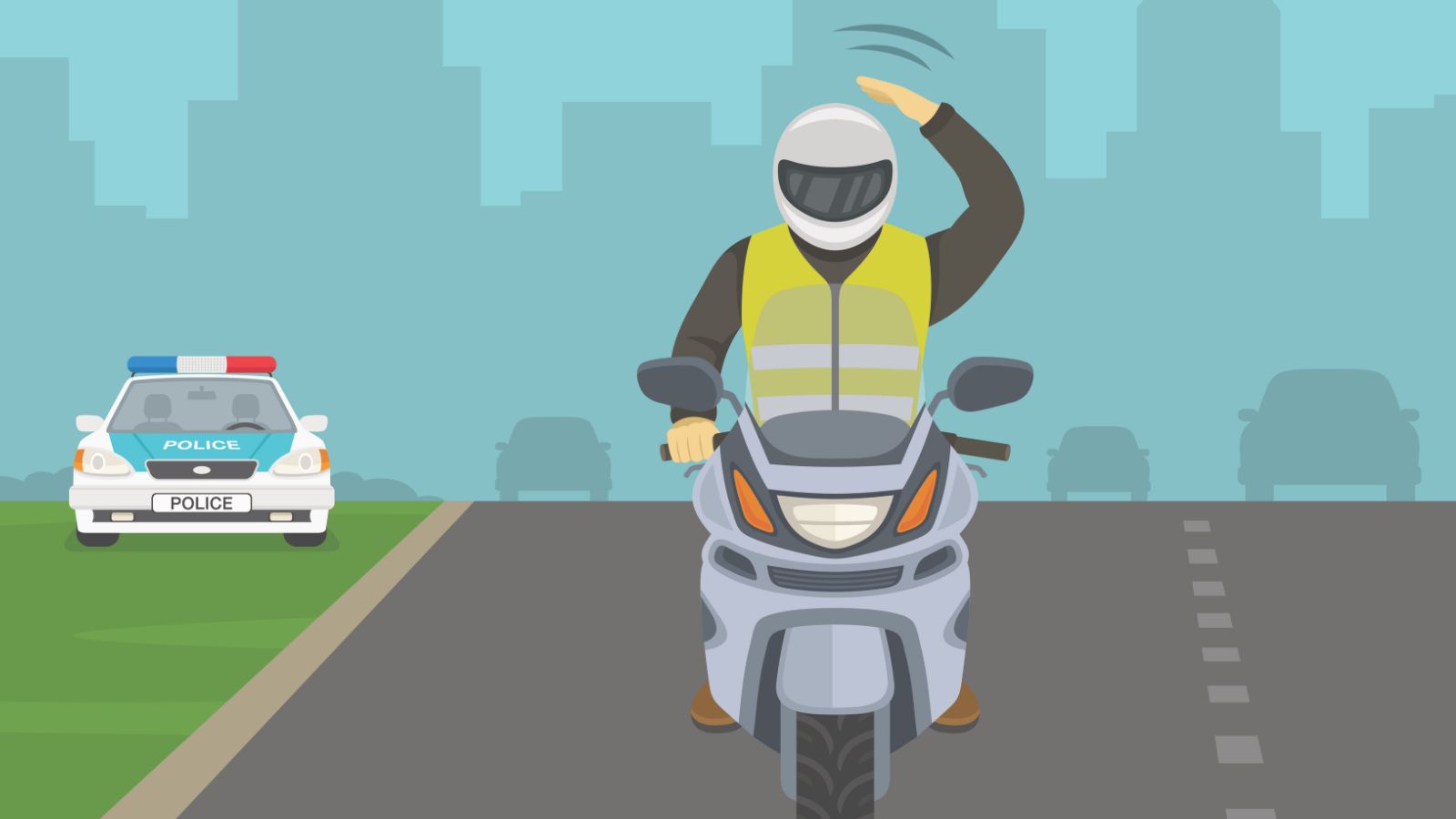
Patting the top of the helmet. This one crosses cultures and borders. It’s part courtesy, part tradition, and very rarely ignored.
The Head Nod and the Biker Wave
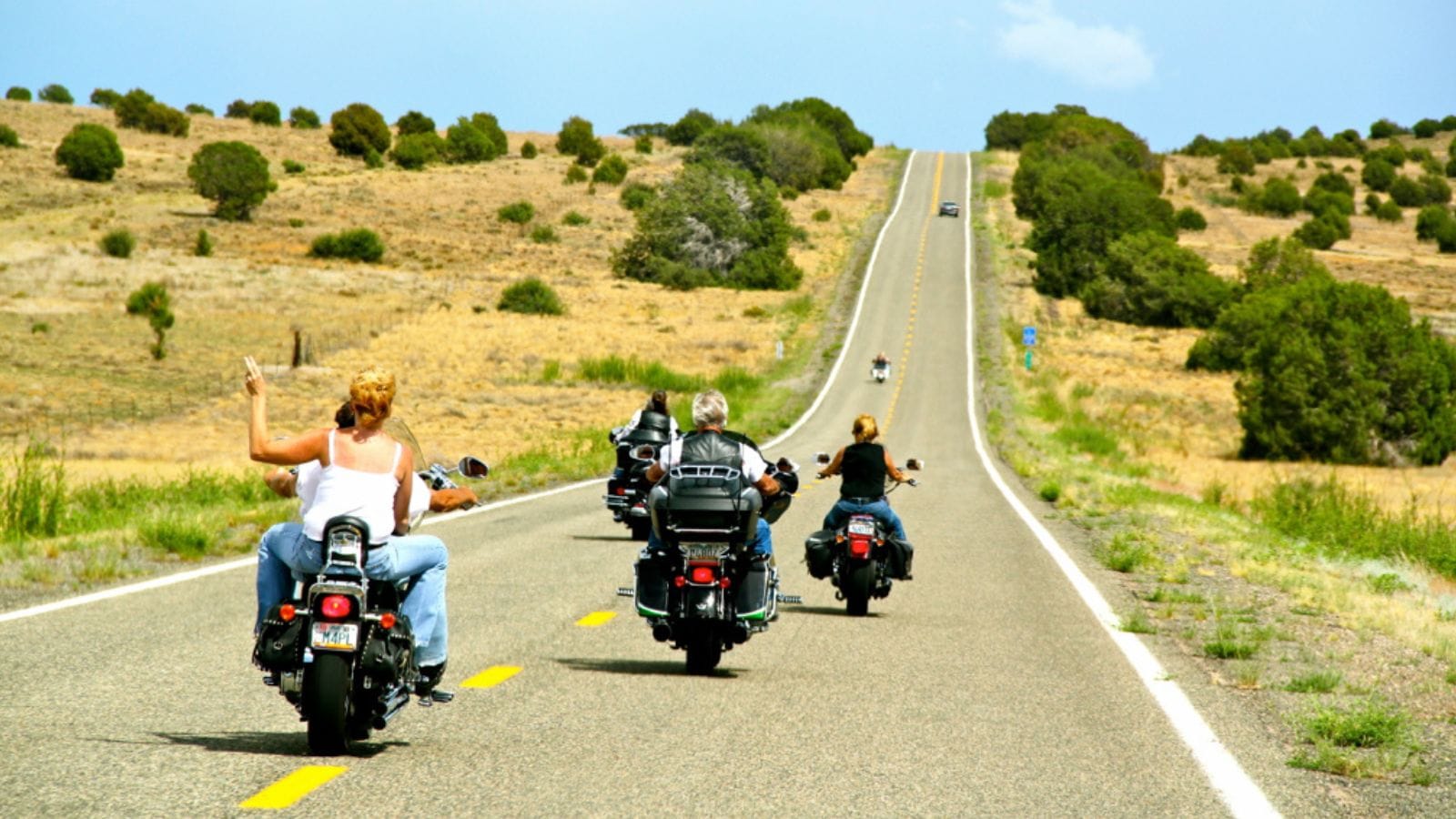
Not all communication is functional. Some of it is cultural. The low hand wave or head nod exchanged between riders passing each other isn’t just politeness. It’s acknowledgement. A silent “I see you” between people who understand the risks and rewards of riding.
In some regions it’s a full wave. In others, a subtle nod. Either way, it’s one of the few remaining road gestures that isn’t sarcastic or angry.
When Signals Break Down
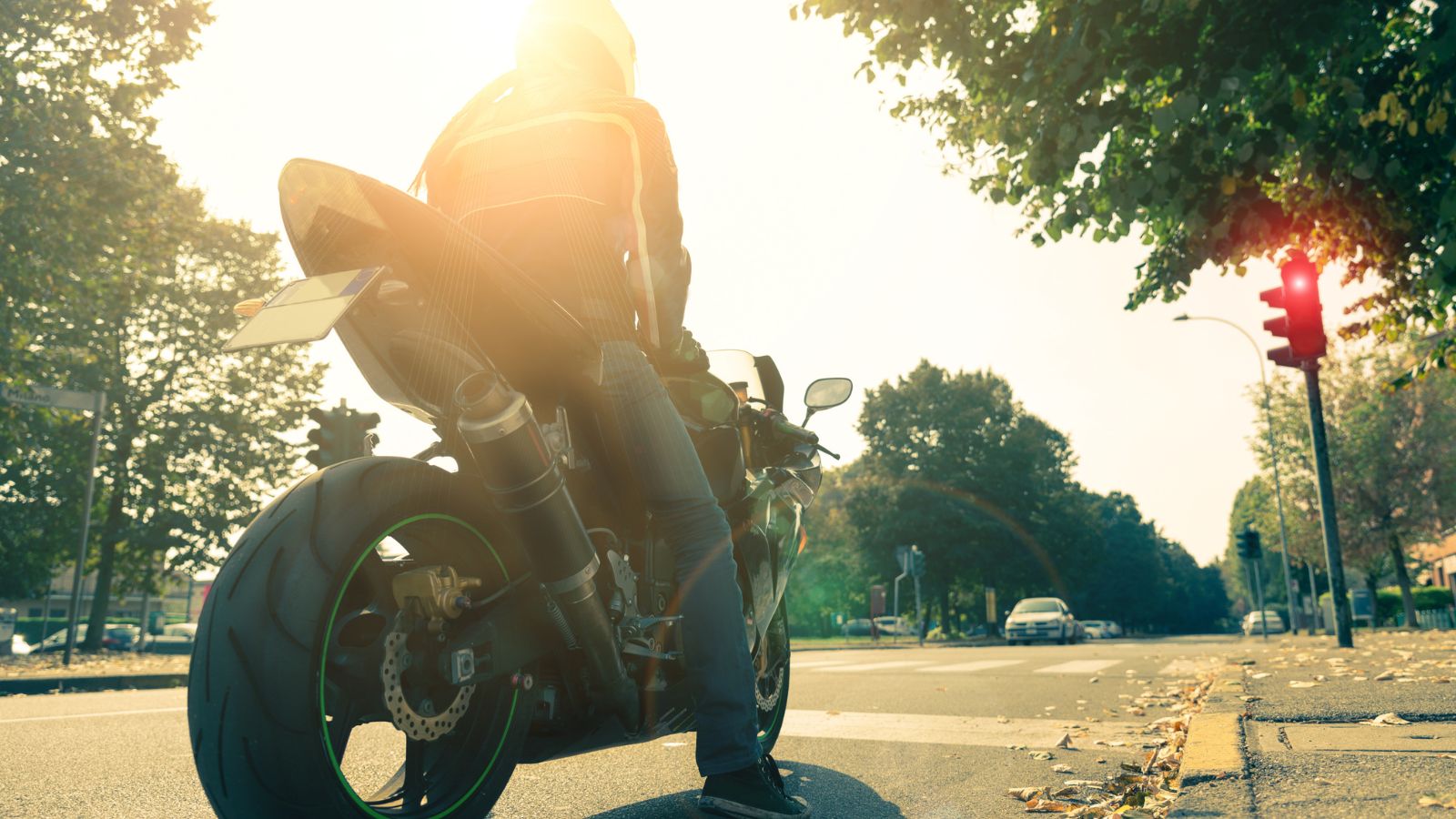
Hand signals rely on visibility and attention. Heavy traffic, night riding, rain, or aggressive riding can make them harder to see. That’s why experienced riders exaggerate movements and repeat signals longer than they think necessary.
In group rides, signals should always be passed back. If the lead rider signals and the second rider doesn’t repeat it, the message dies instantly.
Old School Skills Still Matter
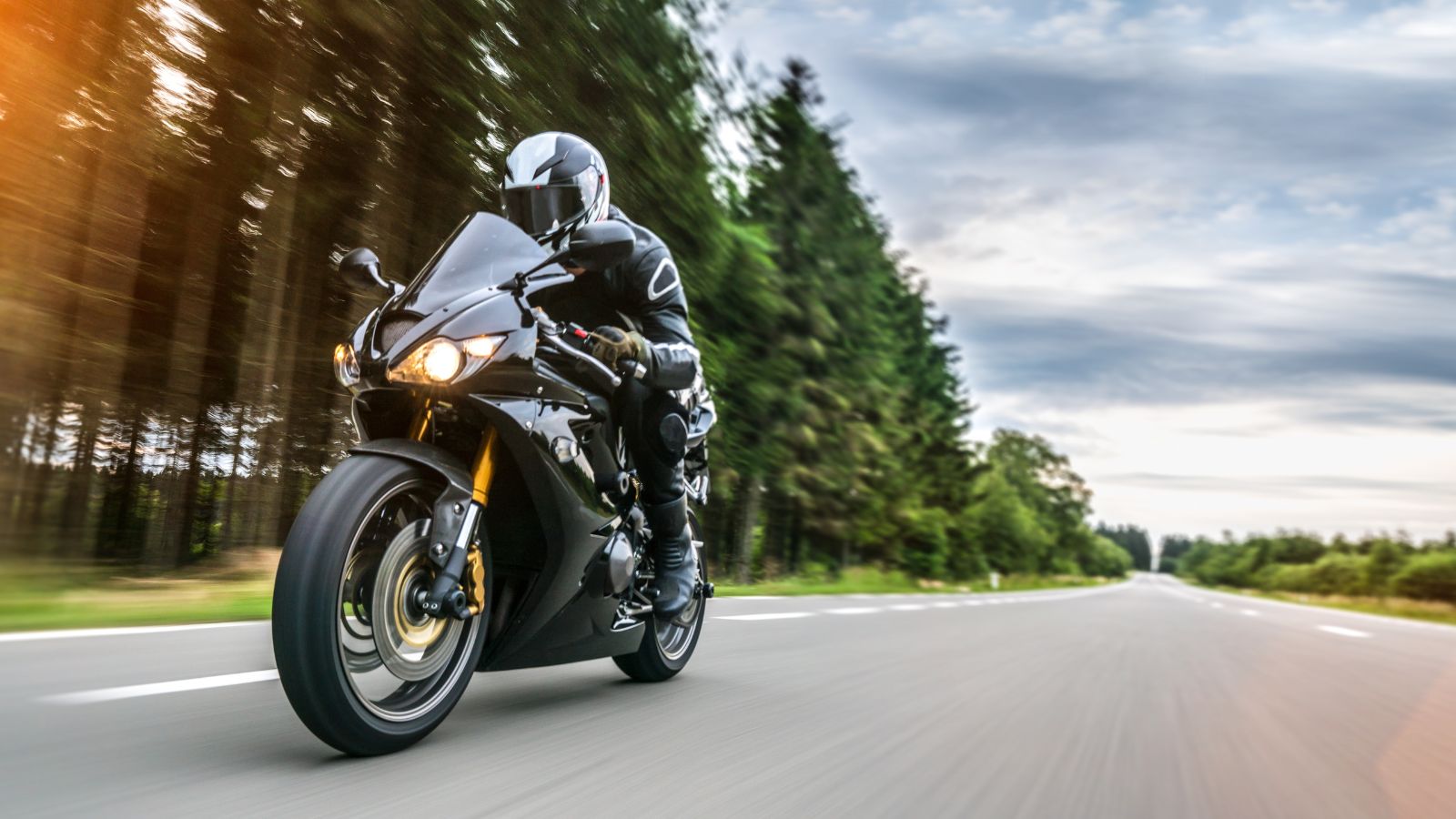
Modern bikes are packed with technology, but hand signals remain one of the most reliable communication tools a rider has. They work on every bike, in every country, with every rider. No pairing required. No updates needed.
They also reinforce awareness. Riders who use hand signals tend to ride more deliberately, anticipate changes earlier, and communicate more clearly with others on the road.
The secret language of two wheels isn’t really secret. It’s just forgotten by some. Learn it, use it, and pass it on. Because when everything else fails, a raised hand and a clear signal can still keep a ride smooth, safe, and connected.
25 Facts About Car Loans That Most Drivers Don’t Realize

Car loans are one of the most common ways people fund car purchases. Like any other kind of loan, car loans can have certain features that can be regarded as an advantage or a disadvantage to the borrower. Understanding all essential facts about car loans and how they work to ensure that you get the best deal for your financial situation is essential. Here are 25 shocking facts about car loans that most drivers don’t realize:
25 Facts About Car Loans That Most Drivers Don’t Realize
