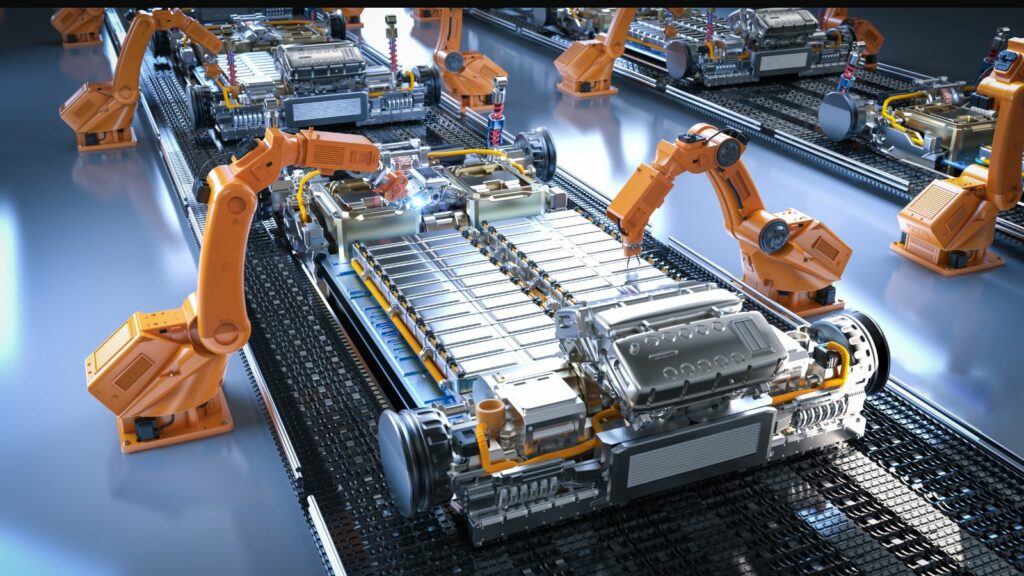
Electric vehicles are often promoted as the future of transportation, promising lower emissions and reduced reliance on oil. But behind every EV battery lies a complex supply chain built on critical minerals such as lithium, nickel, cobalt, and graphite. These materials are essential for modern battery technology. As global demand for electric vehicles accelerates, concerns are growing that shortages of these minerals could push EV prices higher in the coming years.
Batteries Depend on Rare Materials
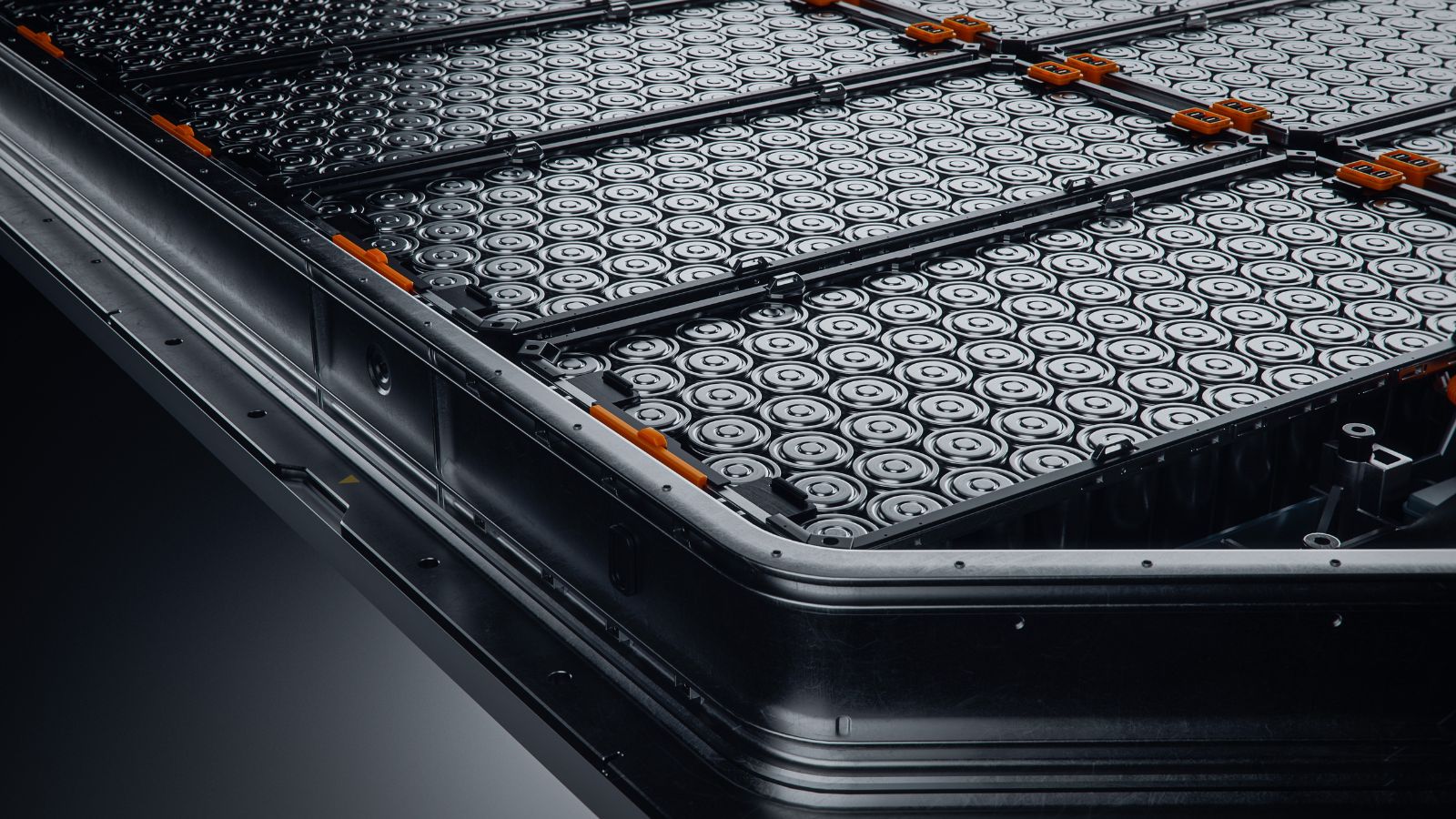
The heart of any electric vehicle is its battery pack. Lithium ion batteries rely heavily on a combination of lithium, nickel, cobalt, manganese, and graphite to store and deliver energy. These minerals are not evenly distributed around the world.
A handful of countries dominate production. Lithium production is heavily concentrated in Australia, Chile, and Argentina, while cobalt mining is largely centered in the Democratic Republic of Congo. Nickel and graphite production also depend on specific regions. This geographic concentration creates vulnerability in the global supply chain.
Demand Is Growing Faster Than Supply
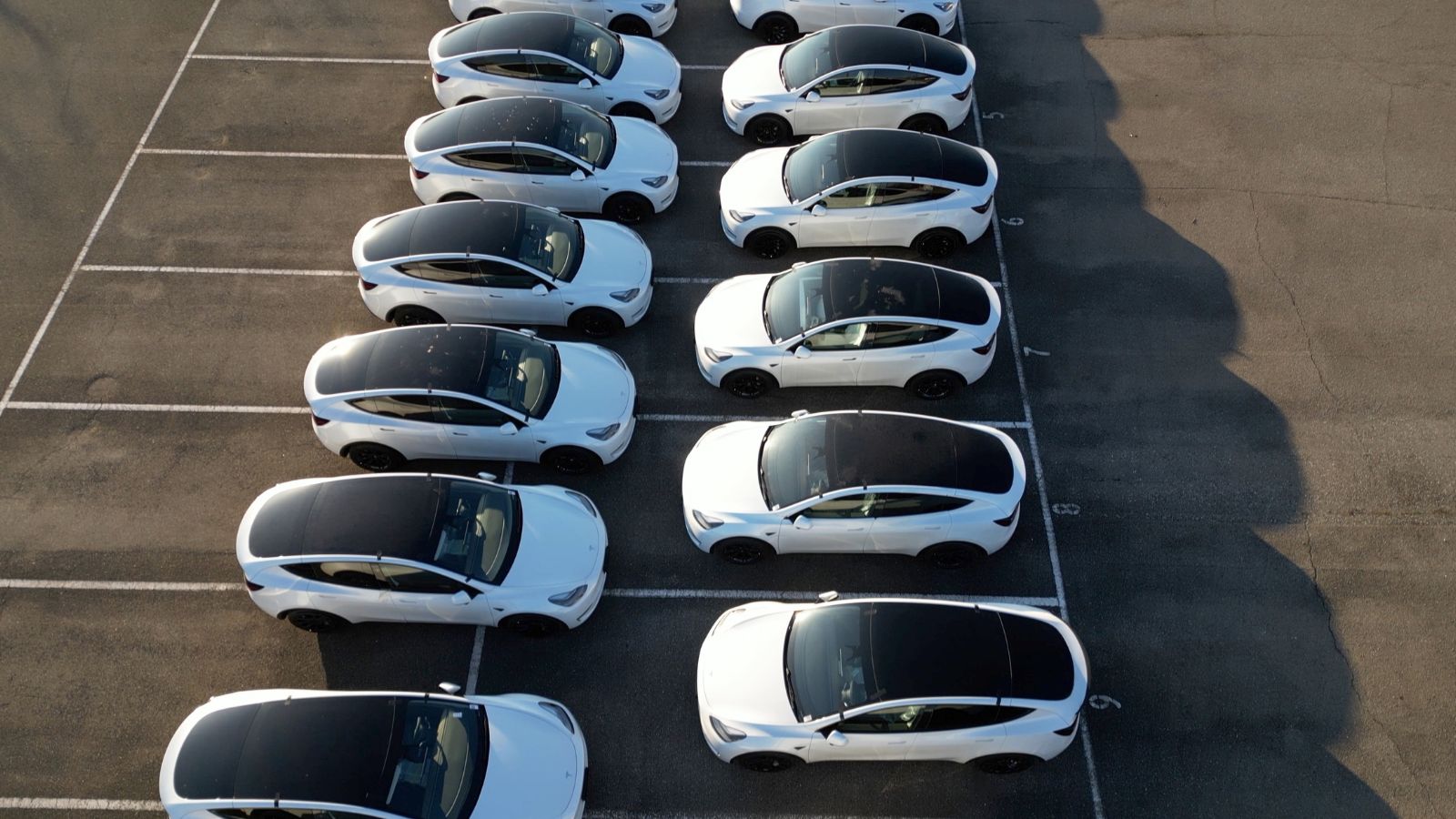
Global EV sales have grown rapidly over the past decade. Automakers across North America, Europe, and Asia are expanding electric vehicle lineups to meet emissions regulations and consumer demand.
However, building new mines and refining facilities takes years. As more automakers shift toward electric vehicles, demand for battery minerals may outpace the pace at which new supply can be developed. When supply struggles to keep up with demand, prices for those materials often rise.
Mining Expansion Takes Time
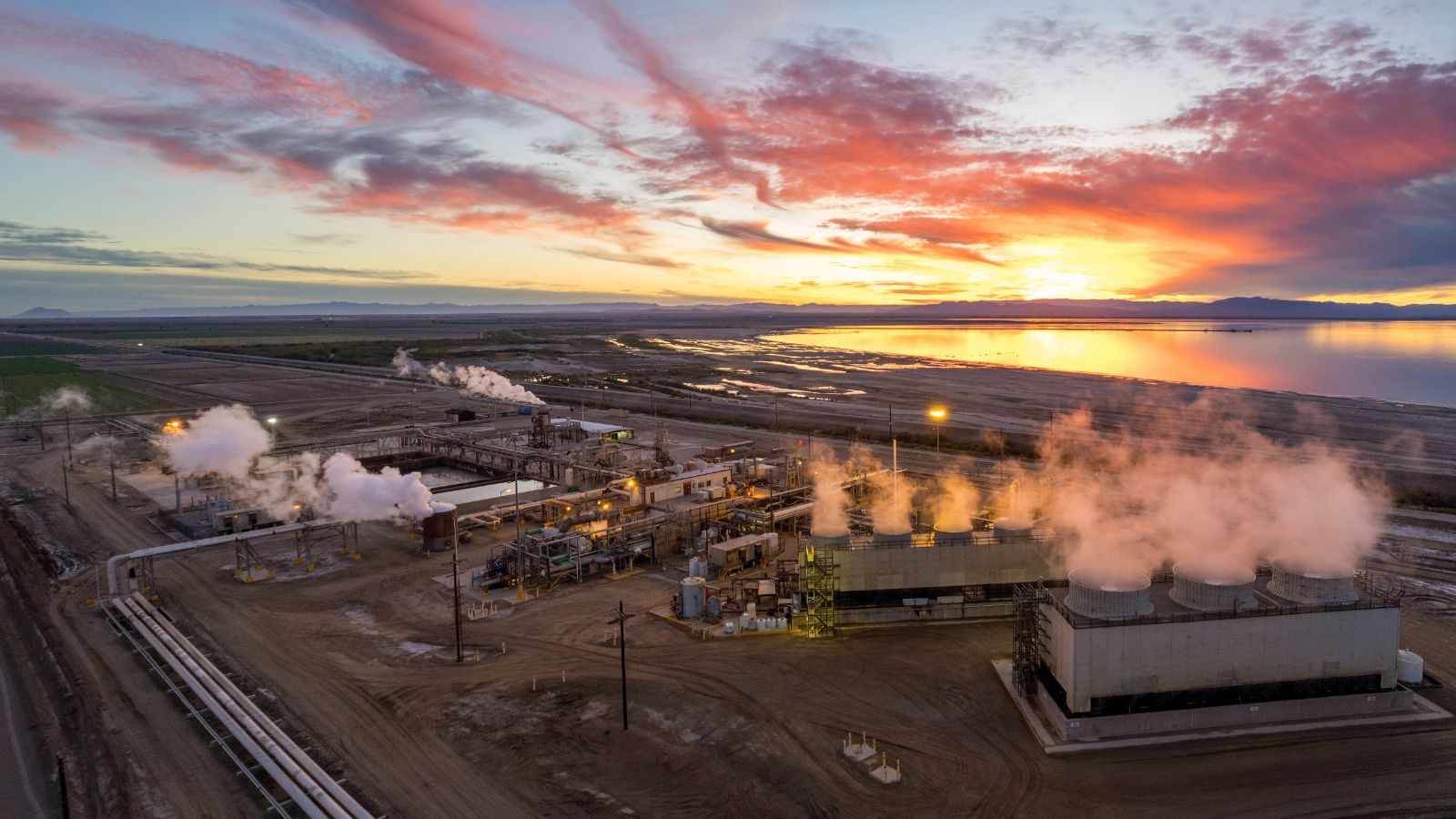
Developing a new mining operation is a long process. Environmental approvals, infrastructure construction, and processing facilities all require substantial investment and time. In many cases it can take a decade or more for a new mine to move from discovery to full production.
This slow expansion makes it difficult for the industry to respond quickly to sudden increases in mineral demand.
Geopolitical Risks Add Pressure

Critical minerals are often mined or processed in regions affected by political instability or trade tensions. Export restrictions, sanctions, or government policy changes can interrupt supply unexpectedly.
For example, certain countries dominate the refining and processing of battery materials. If geopolitical tensions affect these supply chains, automakers could face higher costs or production delays.
Battery Costs Influence Vehicle Prices
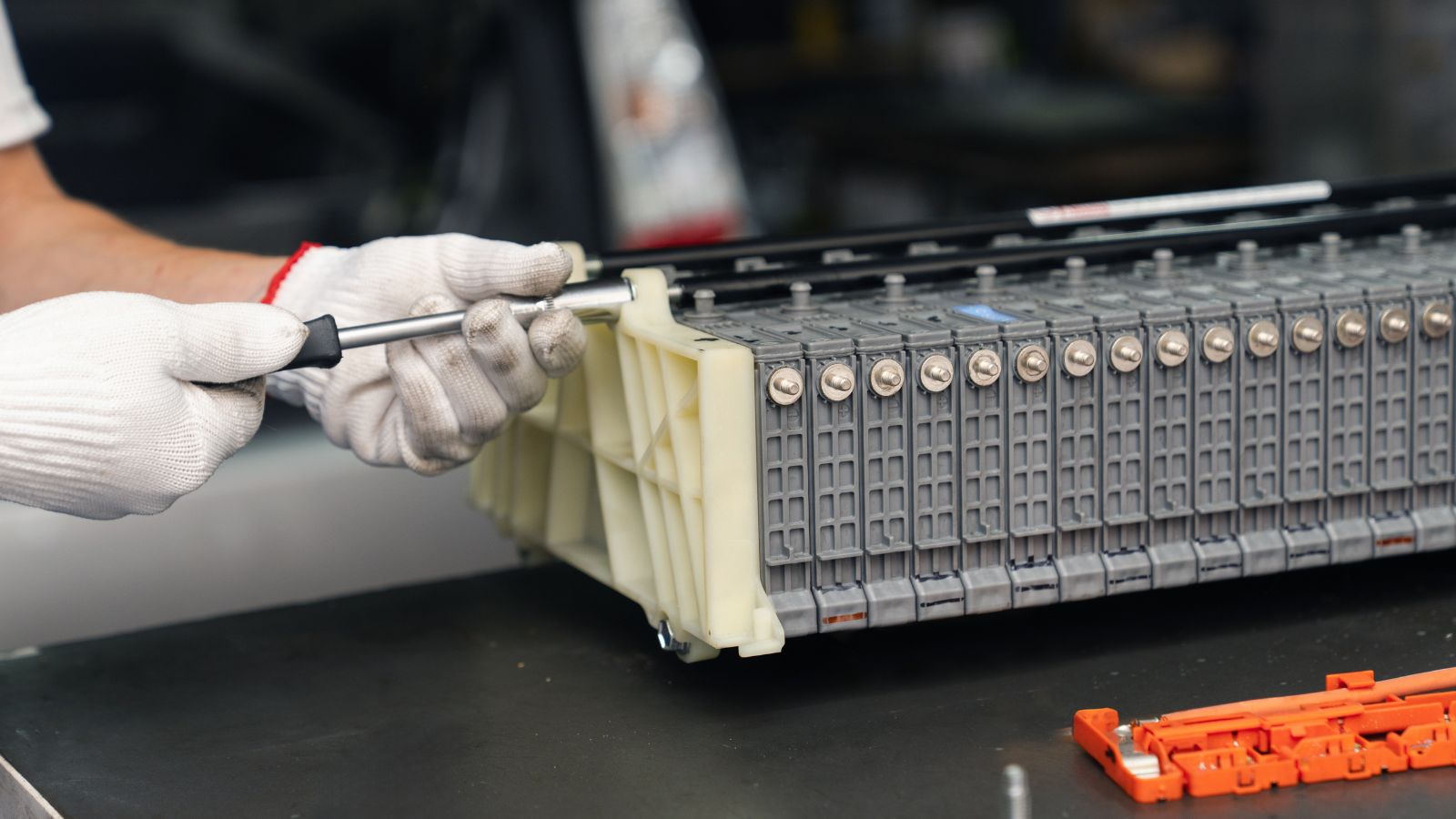
Battery packs represent one of the most expensive components in an electric vehicle. Although battery prices have fallen significantly over the past decade, rising mineral costs could slow that downward trend.
If lithium, nickel, or cobalt prices increase significantly, manufacturers may have no choice but to pass some of those costs on to consumers through higher vehicle prices.
Automakers Are Searching for Alternatives
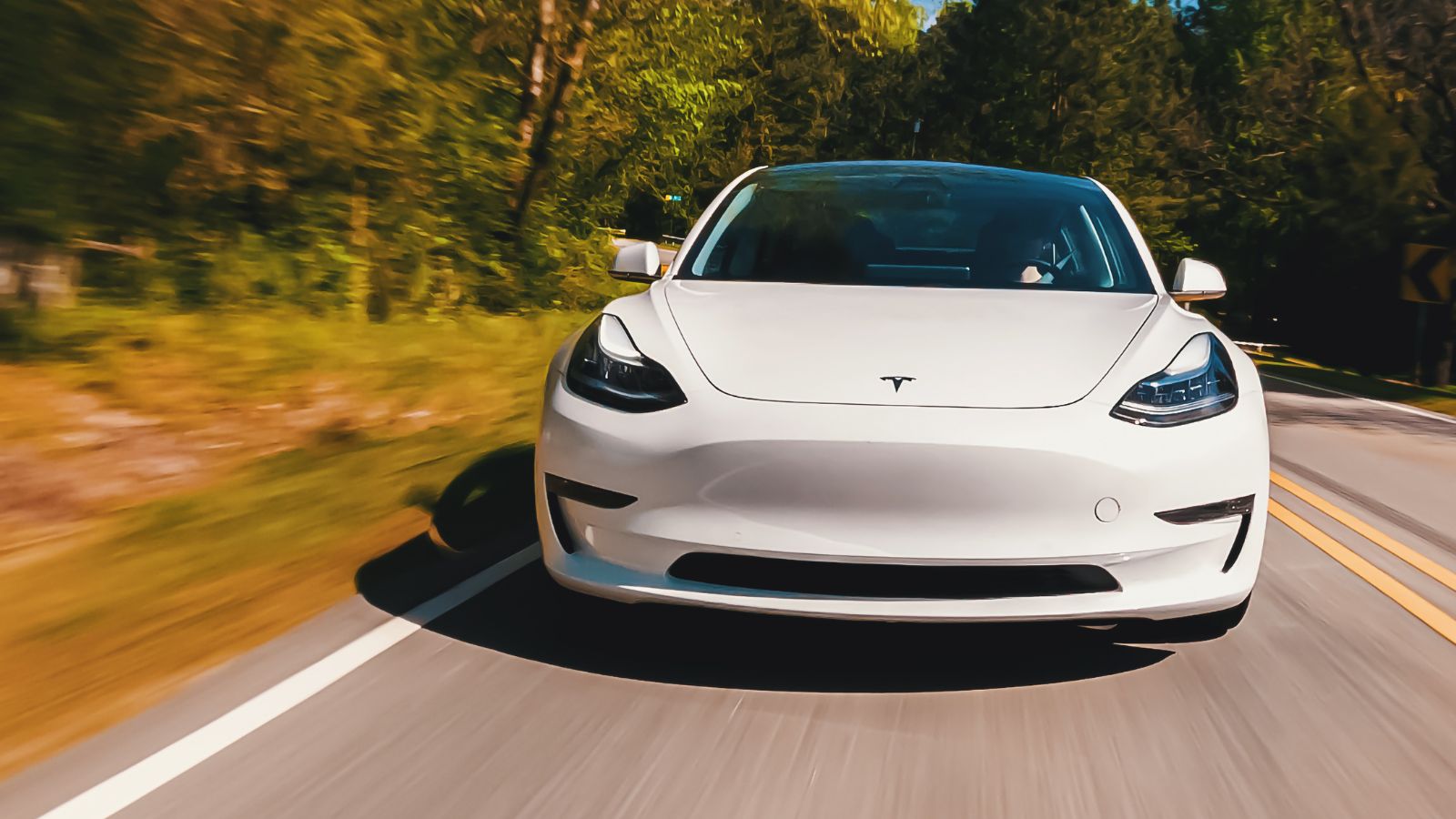
The industry is actively trying to reduce reliance on scarce minerals. Some manufacturers are developing battery chemistries that use less cobalt or nickel. Lithium iron phosphate batteries, for example, eliminate cobalt entirely and have become increasingly popular in certain EV models.
While these technologies help reduce dependence on specific minerals, they still require large quantities of lithium and other materials.
Recycling May Become More Important
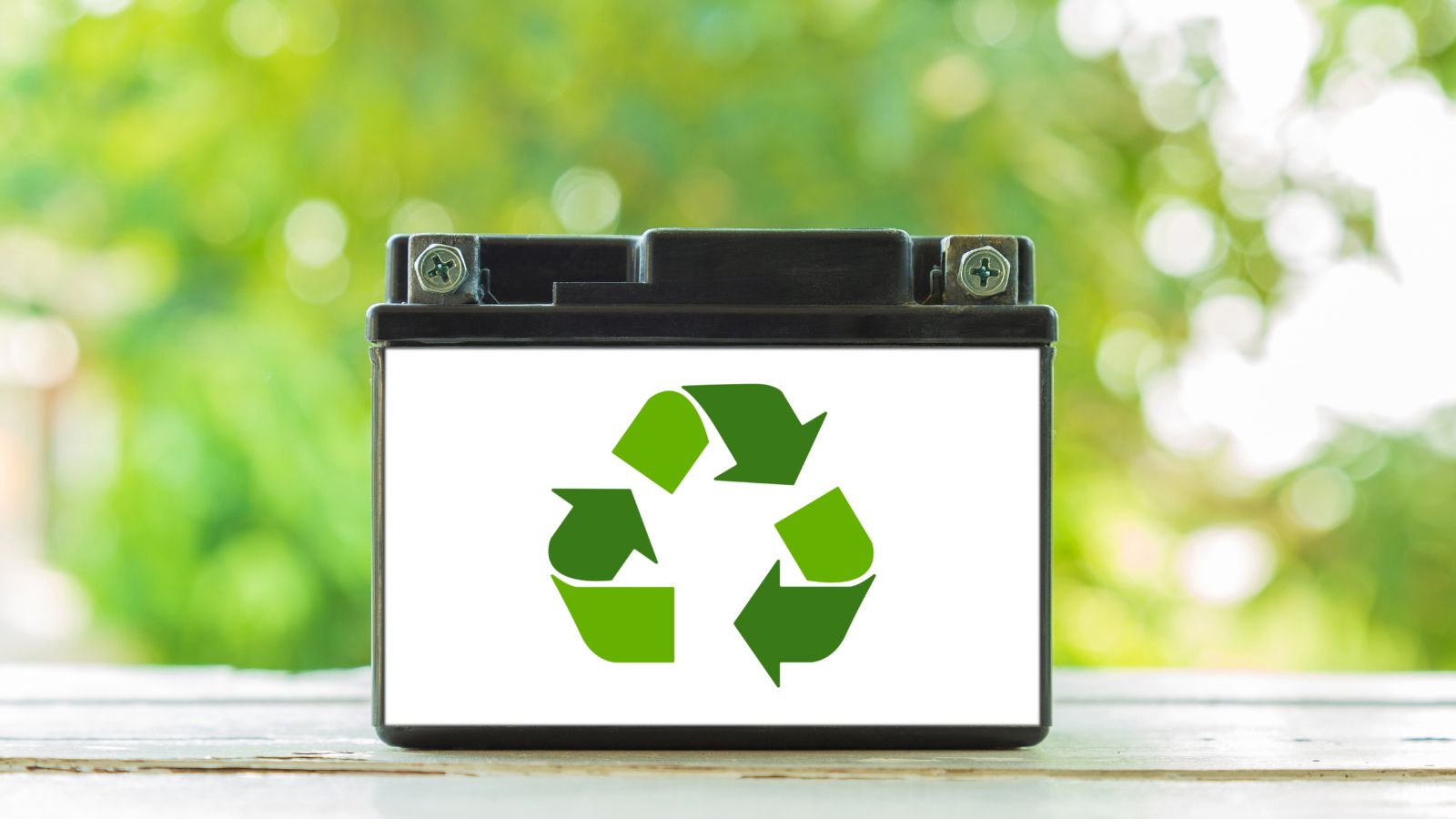
Battery recycling is emerging as a potential long term solution. Recovering lithium, nickel, and other materials from used batteries could help reduce the need for new mining.
However, large scale recycling infrastructure is still developing, and it may take years before recycled materials significantly offset demand for newly mined minerals.
Governments Are Investing in Supply

Many governments are investing heavily in domestic mineral production and processing. Canada, the United States, and European countries are all exploring ways to secure critical mineral supplies.
These initiatives aim to reduce dependence on foreign sources and stabilize supply chains, but building new mines and processing plants still requires significant time and capital.
EV Adoption Could Still Continue
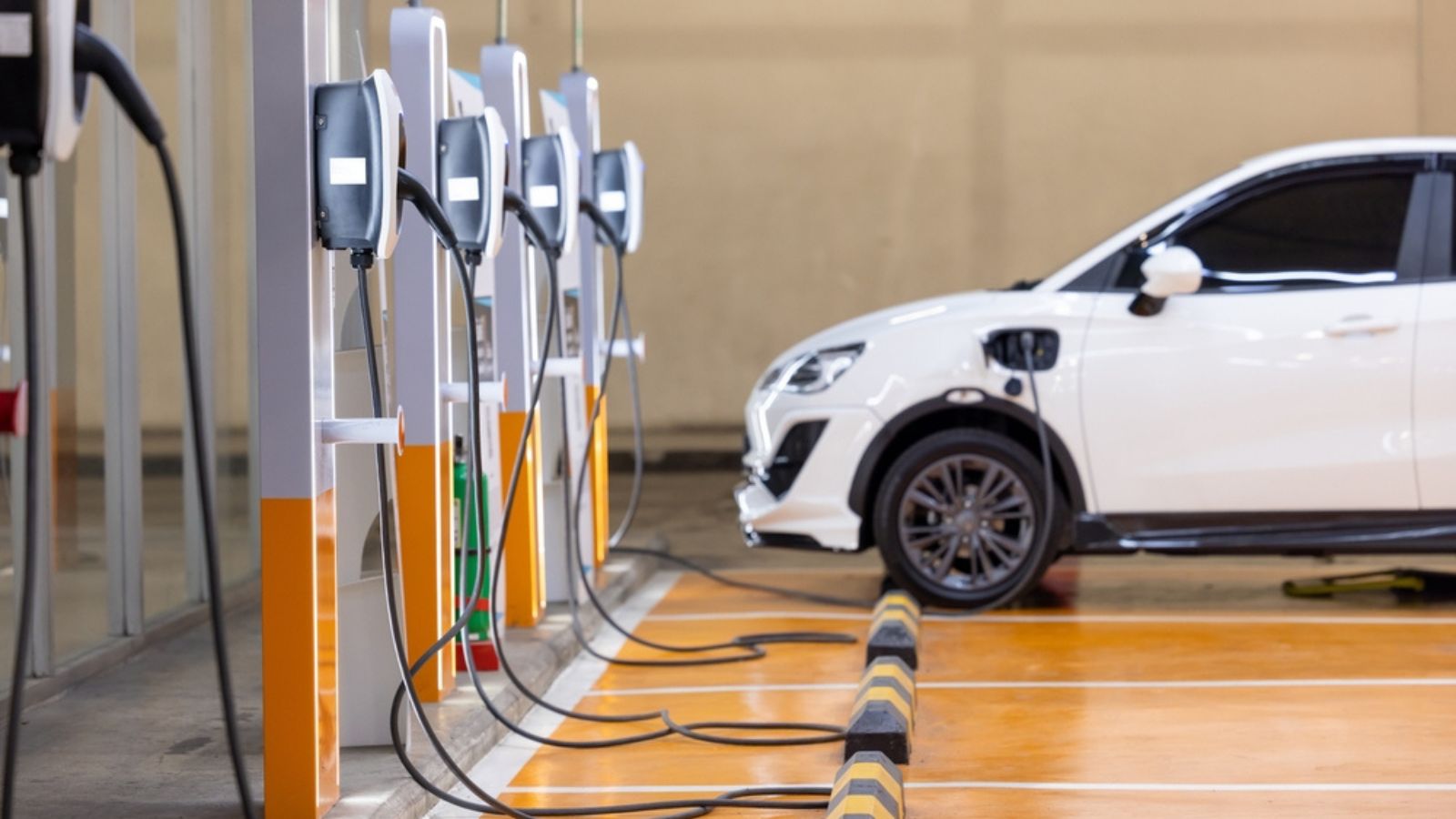
Even with mineral shortages, electric vehicle adoption is unlikely to stop. Governments and automakers remain committed to electrification strategies as part of broader climate goals.
However, rising mineral costs could slow the pace at which EV prices fall, potentially delaying the point at which electric vehicles reach full price parity with gasoline powered cars.
The Supply Chain Challenge Ahead
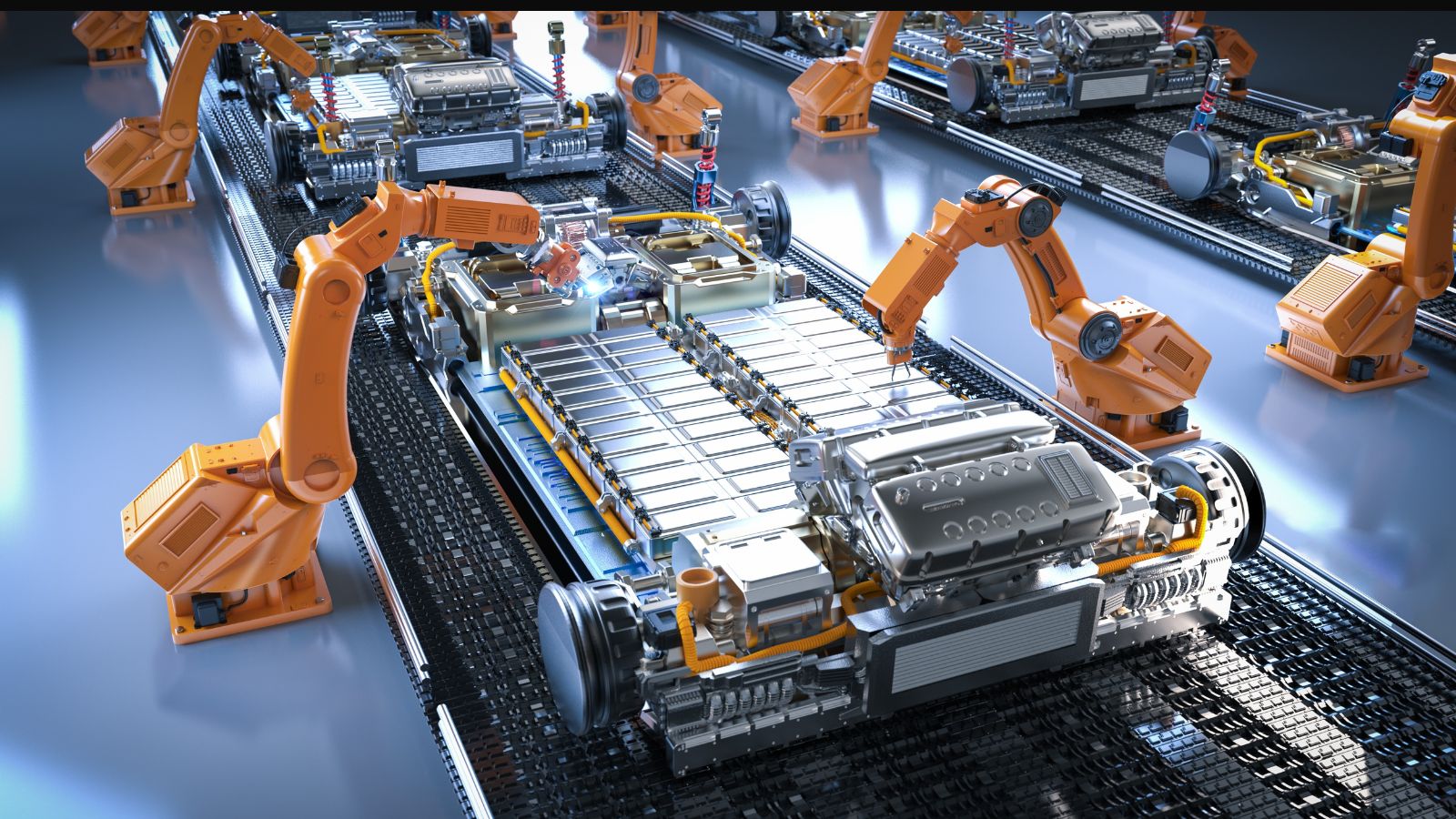
The transition to electric vehicles is not just about building new cars. It requires a massive expansion of mining, refining, and recycling infrastructure around the world. Critical mineral shortages represent one of the biggest challenges facing the EV industry today.
For consumers, the impact may appear in the form of slower price reductions or temporary price increases for electric vehicles. As the industry works to secure reliable mineral supplies, the cost of these materials will remain one of the most important factors shaping the future price of EVs.
25 Facts About Car Loans That Most Drivers Don’t Realize

Car loans are one of the most common ways people fund car purchases. Like any other kind of loan, car loans can have certain features that can be regarded as an advantage or a disadvantage to the borrower. Understanding all essential facts about car loans and how they work to ensure that you get the best deal for your financial situation is essential. Here are 25 shocking facts about car loans that most drivers don’t realize:
25 Facts About Car Loans That Most Drivers Don’t Realize
