
An insurance claim can make a damaged vehicle look whole again without necessarily making its finances whole. After collision repairs, the same car may command less at trade-in or resale because an accident is now part of its history—a loss commonly described as diminished value or accelerated depreciation. Standard physical-damage settlements generally focus on repairing covered damage or paying the vehicle’s insured value, rather than guaranteeing the same future resale appeal it had before the crash.
Provincial insurance systems, deductibles, fault rules and optional endorsements can all change the outcome. These 12 important details explain why the financial effects of a claim can continue after the bodywork is finished, and what owners should understand about valuation, vehicle-history records and settlement terms.
The Surprise Is Diminished Value
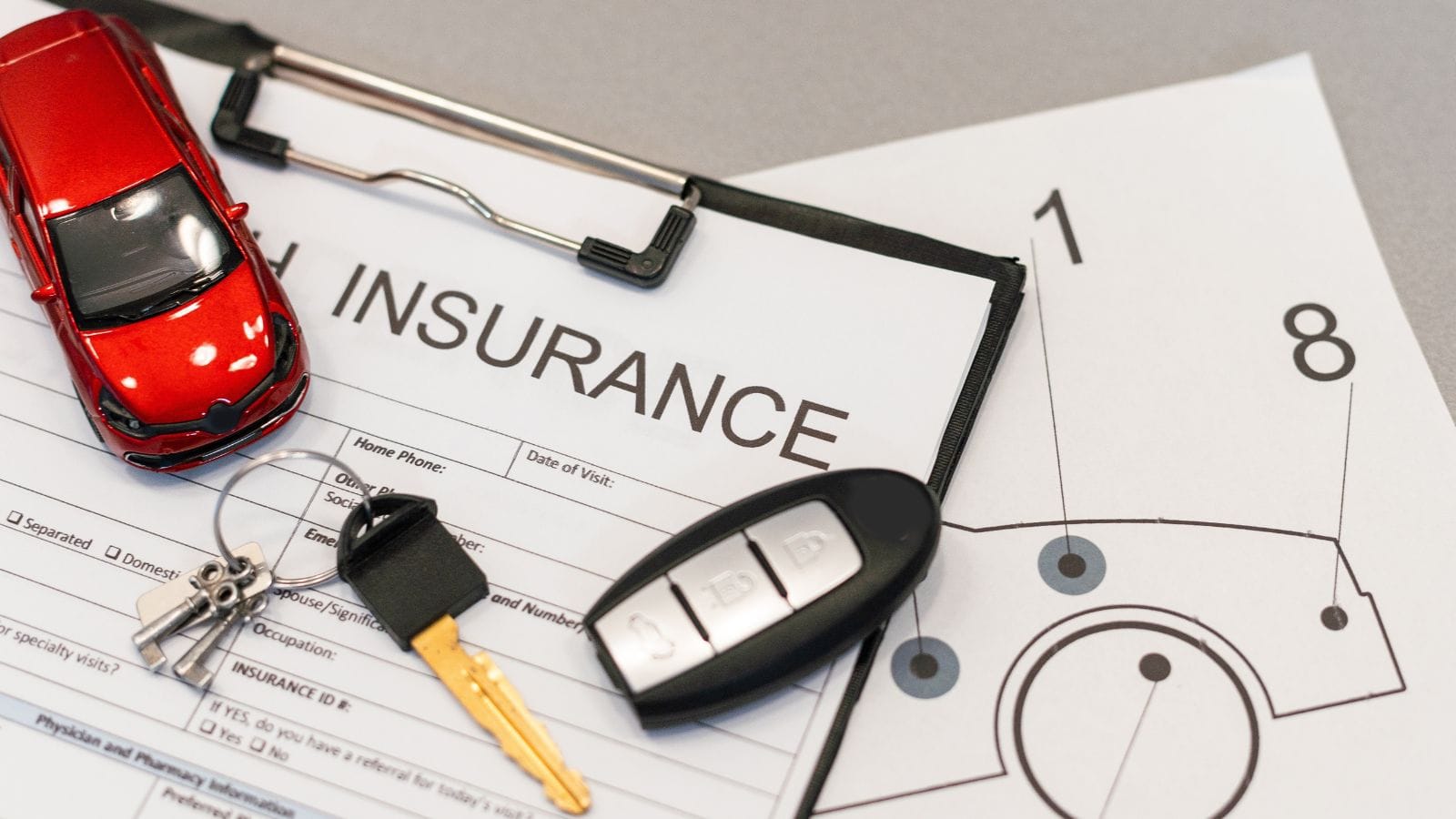
One of the least obvious consequences of an accident is that a vehicle can be professionally repaired and still be worth less in the used market. In insurance and automotive terminology, that loss is often called diminished value or accelerated depreciation. ICBC, for example, defines accelerated depreciation as a decrease in a vehicle’s value because it has been in an accident even though the vehicle has been fully repaired. CARFAX Canada similarly notes that accident and damage history directly affects used-vehicle market value.
That distinction can surprise an owner who sees a repair facility return a car with straight body panels, matching paint and no obvious mechanical problem. From an insurance perspective, the covered physical damage may have been repaired satisfactorily. A future buyer or dealer, however, can still evaluate that same vehicle differently once the collision appears in its history. The important lesson is that successful repairs and complete restoration of resale value are not necessarily the same financial outcome.
Repair Cost and Market Value Are Two Different Calculations

Insurance policies generally settle vehicle damage according to specific contractual formulas rather than asking what the vehicle might sell for years after the repair. Ontario’s current standard automobile policy, for example, says the insurer will generally pay the lower of the cost of repairing covered damage or the vehicle’s actual cash value at the time of the loss, with applicable deductibles taken into account. Actual cash value itself reflects depreciation.
The policy even illustrates how sharply original price and insured value can diverge: one example describes a three-year-old automobile that originally cost $16,000 but has an actual cash value of $10,000. That difference is ordinary depreciation, but it demonstrates why an owner’s expectations can differ from an insurer’s calculation. If thousands of dollars are spent repairing a collision-damaged vehicle, that payment represents the cost of covered restoration. It does not, by itself, establish that a dealer or private buyer will later value the repaired vehicle exactly like an accident-free equivalent.
The Accident History Can Follow the Vehicle

Modern used-car shopping has made accident history much harder to ignore. CARFAX Canada vehicle-history reports can contain accident and damage incidents, registration information, branding, service records and other data supplied by participating sources. ICBC also offers vehicle claims-history information in British Columbia, including claimed vehicle damage and, when available, the date, dollar value and primary area of damage. As a result, evidence of a significant collision may remain relevant long after the repair invoice has been paid.
There is an important qualification: a commercial vehicle-history report is not guaranteed to contain every event that has ever happened to a car. CARFAX Canada explicitly says its reports depend on information provided by participating data sources and that additional unreported information may exist. Still, once a reported accident enters the history available to buyers, it can become part of future pricing conversations. The record is associated with the vehicle rather than disappearing simply because ownership changes or the repair looks flawless.
Excellent Repairs May Not Erase Buyer Concerns
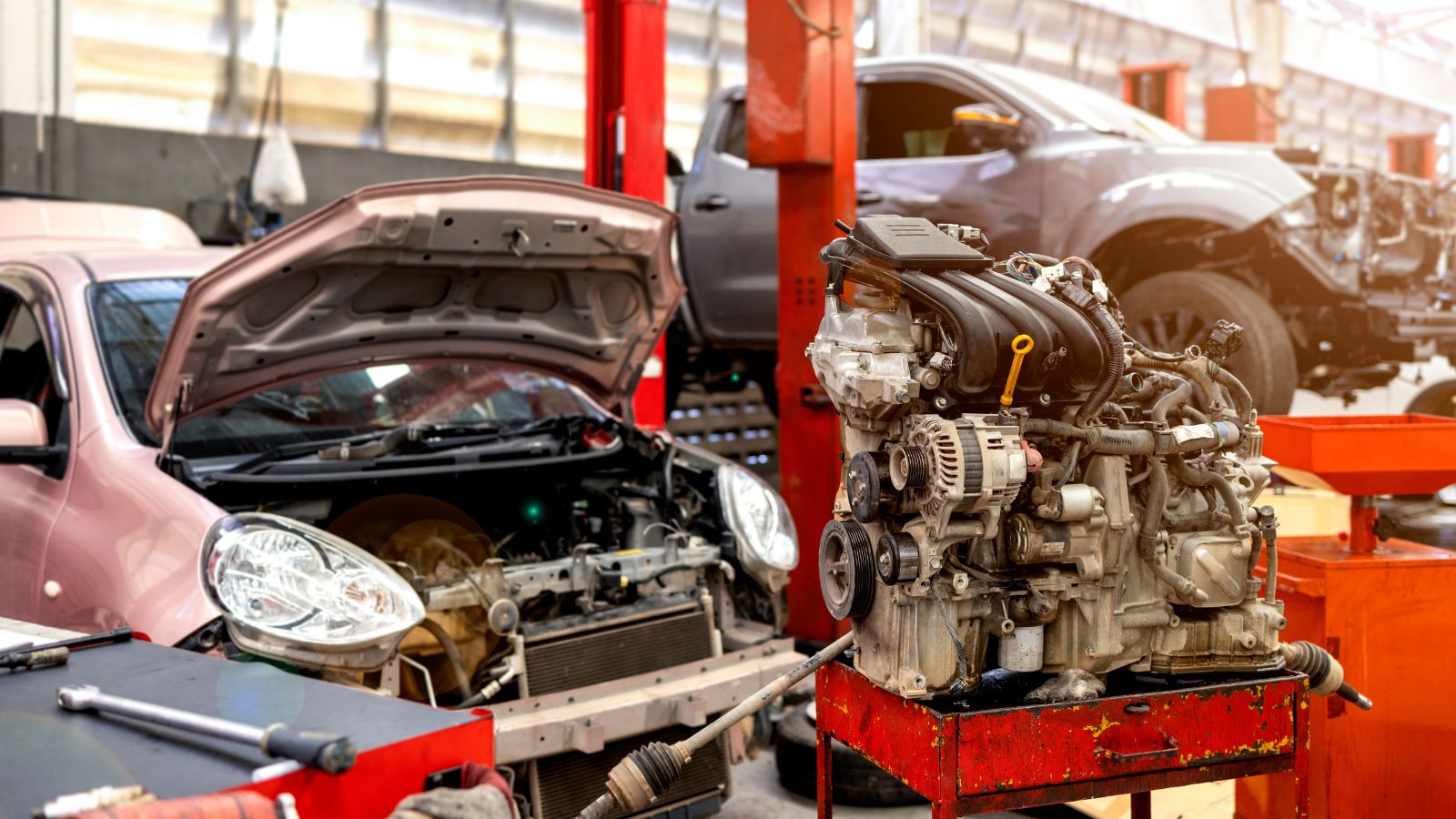
A high-quality collision repair can restore safety, appearance and functionality, but buyers often evaluate more than what is visible during a test drive. CARFAX Canada says accident and damage history has a direct impact on used-vehicle market value and notes that quality repairs accompanied by documentation can help owners demonstrate how the damage was corrected. That documentation becomes especially useful when a prospective buyer encounters an accident entry and wants to understand what actually happened.
Academic research also illustrates how influential vehicle-history information can become in the used-car market. Research presented by Guofang Huang and colleagues found that when dealers made vehicle-history reports freely available, cars sold an average of 5.5 days faster, while pricing became more closely connected with the information contained in those reports. The research was not a Canadian diminished-value study, but it demonstrates a broader point: buyers use credible history information when making decisions. A repaired bumper and a previously damaged structural area may therefore produce very different reactions, even when both vehicles currently drive well.
The Province Can Change the Answer

There is no single diminished-value rule that applies identically to every Canadian vehicle claim. Auto insurance is regulated provincially, and compensation depends on the applicable insurance system, policy wording, accident circumstances and available legal remedies. British Columbia provides a particularly clear example. ICBC describes accelerated depreciation as the value lost because of an accident even after complete repairs, but states that its own vehicle-damage coverage does not pay accelerated depreciation for crashes occurring within B.C. under the province’s current system.
Ontario’s standard automobile policy approaches covered vehicle damage through provisions dealing with repair, replacement, actual cash value and depreciation rather than promising a separate payment for future resale stigma. Other provinces have their own legislation and insurance structures. Consequently, a friend’s claim experience in Vancouver, Edmonton or Toronto cannot safely be treated as a national rule. Before assuming diminished value is either payable or impossible to recover, the relevant provincial framework and the actual policy wording have to be considered.
Fault and Resale Value Are Separate Questions

Owners sometimes assume that being completely innocent in a collision means every financial consequence will disappear. Fault can certainly matter to insurance pricing, but it is a different issue from what happens to the damaged vehicle’s resale history. Alberta’s Automobile Insurance Rate Board says a driver who is 100% not at fault and uses Direct Compensation for Property Damage coverage should not have that claim adversely affect claims history or increase premiums. It also says at-fault accidents are likely to increase basic premiums and may increase optional coverage costs.
British Columbia provides another example of the distinction. ICBC states that a claim for a crash in which the insured driver was not responsible will not affect that driver’s premiums. Yet a vehicle can still have a documented damage event available through vehicle-history sources. In practical terms, an owner may escape a premium penalty and still encounter a lower trade-in discussion later. Insurance rating follows rules about the driver and claim; resale negotiations involve the condition and history of the automobile itself.
The Deductible Can Create an Immediate Gap

Diminished value is not the only amount that can leave an owner financially short after a claim. A deductible is the portion of a covered vehicle loss that the policyholder may have to absorb, depending on the coverage and circumstances. Ontario’s current automobile policy provides a clear illustration: in one example, a car with an actual cash value of $12,000 is a total loss in an accident for which another driver is entirely responsible. With a $500 Direct Compensation–Property Damage deductible, the settlement shown is $11,500.
Deductibles vary by policy and coverage, so that example should not be treated as a universal Canadian amount. British Columbia’s ICBC also explains that a customer may have to pay a deductible to the repair facility after covered repairs. In certain claims, ICBC says depreciation may additionally be charged on some parts or labour subject to wear and tear. These amounts are separate from any possible future resale-value reduction, meaning the financial effects of one accident can arise at several different stages.
A Write-Off Is About Current Value, Not the Original Price

When damage becomes severe enough, the argument changes from how the vehicle should be repaired to how much it was worth immediately before the loss. Alberta’s Automobile Insurance Rate Board defines actual cash value using considerations such as pre-accident condition, kilometres driven, features and previous damage. It explains that a total loss commonly occurs when repairs exceed actual cash value, although safety, repair quality and overall value can also influence the insurer’s decision.
Ontario’s standard policy follows the same broad valuation principle: the insurer does not pay more for a vehicle than its actual cash value at the time it was damaged or stolen, subject to the applicable policy terms and deductible. ICBC likewise describes a non-repairable vehicle settlement as being based on the vehicle’s value at the time of the incident. For someone who remembers the much larger figure on the original purchase agreement, that can be jarring. Insurance is generally valuing the pre-loss used vehicle, not refunding its historical purchase price.
New-Vehicle Protection Can Change the Settlement

Optional depreciation protection can dramatically change some claim outcomes, particularly during the first few years of ownership. Ontario offers an endorsement known as OPCF 43, Removing Depreciation Deduction. The provincial regulator explains that this coverage can remove the insurer’s right to deduct depreciation from the vehicle’s value when settling an insured loss. It should not, however, automatically be confused with coverage for post-repair diminished market value; the endorsement changes how depreciation is handled in the insured settlement.
British Columbia offers another illustration through ICBC’s New Vehicle Replacement Plus coverage. ICBC says NVR+ can factor the cost of the newest available model into a replacement payout and, when the original model is no longer available, can add a 2.5% inflation factor per model year. NVR+ also reimburses the deductible and uses a lower repair-versus-replacement threshold than ordinary coverage. These protections have eligibility requirements and additional cost, but they show why two owners with similar damaged new vehicles can receive significantly different claim outcomes.
Parts and Depreciation Can Produce Another Surprise

Owners may also be surprised to discover that an insurer does not always have to replace every damaged component with a brand-new factory-original part. Ontario’s statutory auto-insurance conditions permit repairs using new original-equipment-manufacturer parts or non-original and rebuilt parts of like kind and quality. The standard Ontario policy similarly says an insurer exercising its right to repair will complete the work using parts of similar kind and quality. An expectation of OEM-only components therefore should not be assumed from standard wording alone.
Depreciation can also appear within an otherwise approved repair. ICBC tells customers that they may have to pay depreciation on certain parts or labour that are subject to wear and tear. The underlying idea is that a claim should not necessarily turn an already worn component into a completely new one at the insurer’s expense without an adjustment. Exact practices vary with the insurer, policy and damaged component, making the repair estimate worth reading rather than treating the final deductible as the only possible out-of-pocket amount.
Documentation Matters When the Valuation Looks Wrong

A valuation is not necessarily beyond review merely because an insurer has produced a number. ICBC instructs owners who disagree with a total-loss valuation to begin with the claims representative, with escalation to supervisory review and ultimately vehicle-damage arbitration in unresolved cases. Importantly, ICBC says an owner disputing the determined value and payment offer needs reliable evidence. That makes documentation more than administrative clutter when a vehicle’s condition or equipment could affect its worth.
Ontario’s current automobile policy also contains an appraisal mechanism for certain disagreements concerning vehicle value, repairs or the amount of loss. Useful records can include the original vehicle specifications, recent photographs, repair estimates and invoices, records of significant equipment, and evidence showing the pre-loss condition. FSRA likewise advises consumers to preserve correspondence, estimates, invoices and other documentation when claim evidence becomes important. A well-maintained file does not guarantee a higher settlement, but it gives an owner something concrete with which to challenge an inaccurate assumption rather than relying only on memory.
The Claim Can Matter Again When the Car Is Sold

The financial significance of a collision may reappear years after the insurer and repair shop consider the file finished. CARFAX Canada explicitly says accident and damage history directly affects a used vehicle’s market value. Ontario’s regulated retail market provides a practical example of why history matters: OMVIC requires registered dealers to disclose specified previous damage information, including an incident with repair costs exceeding $3,000 when that information is known. Dealers taking a trade-in are also required to obtain information from the owner about aspects of its previous history and condition, including prior accidents.
For that reason, treating the repair pickup date as the end of every financial consideration can be a mistake. Owners can retain the final estimate, itemized repair invoice, photographs and repair warranty so the work can be explained accurately later. They can also review the policy settlement while the details are still fresh and raise valuation questions promptly. A collision may last only seconds, but its documented history can remain part of the vehicle’s story through the next trade-in or sale.
19 Used Cars Canadians Should Avoid in 2026 (Based on Owner Complaints)

Buying a used car in Canada can feel safe until repair bills start stacking up. Owner complaints tell a different story than glossy listings. Transmission failures, electrical problems, and weak winter reliability show up again and again in consumer reports. Many of these issues appear after warranties expire, when owners least expect them. Some vehicles look affordable upfront, but become expensive to keep on the road. Others struggle in cold weather, urban driving, or long highway commutes. Here are 19 used cars Canadians should avoid in 2026 (based on owner complaints).
19 Used Cars Canadians Should Avoid in 2026 (Based on Owner Complaints)

Alanna Rosen is an experienced content writer that focuses on many EV and educational content. Her articles are regularly published on Get CyberTrucked and syndicated on large publications.