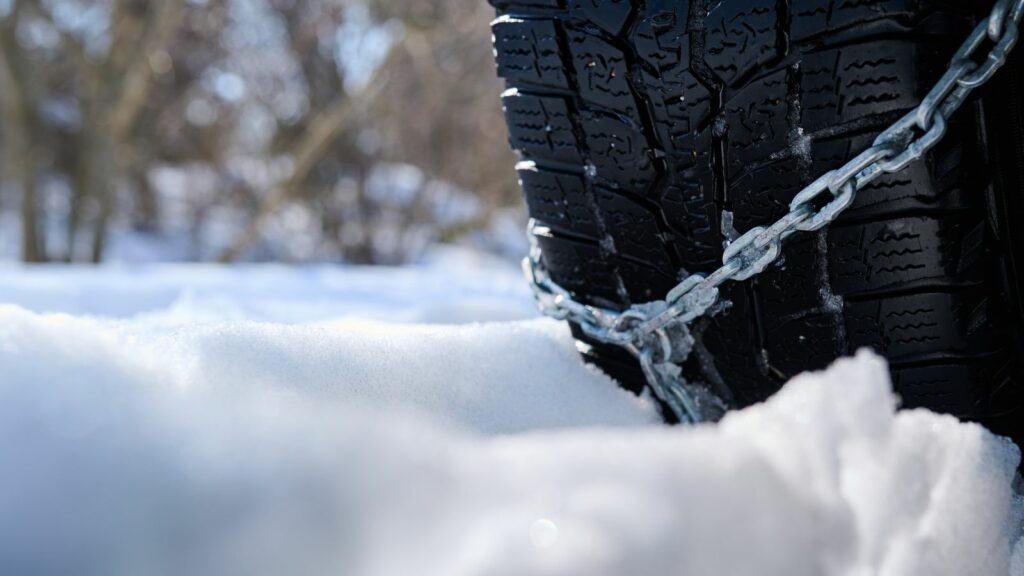
Snow tires can survive several cold seasons when they are used as intended, yet one ordinary habit can shorten that life surprisingly fast: leaving them on after winter has ended. Dedicated winter tires use flexible compounds and heavily siped tread to stay effective in cold conditions. On sustained warm pavement, those same qualities can accelerate wear, soften handling, and consume tread that will be needed when snow returns.
The problem is easy to miss because the tires may still look normal and the vehicle may feel drivable. These 12 points explain why late removal is so costly, how temperature and maintenance affect the damage, and what preserves a winter set for another season.
Leaving Them On Past the Cold Season
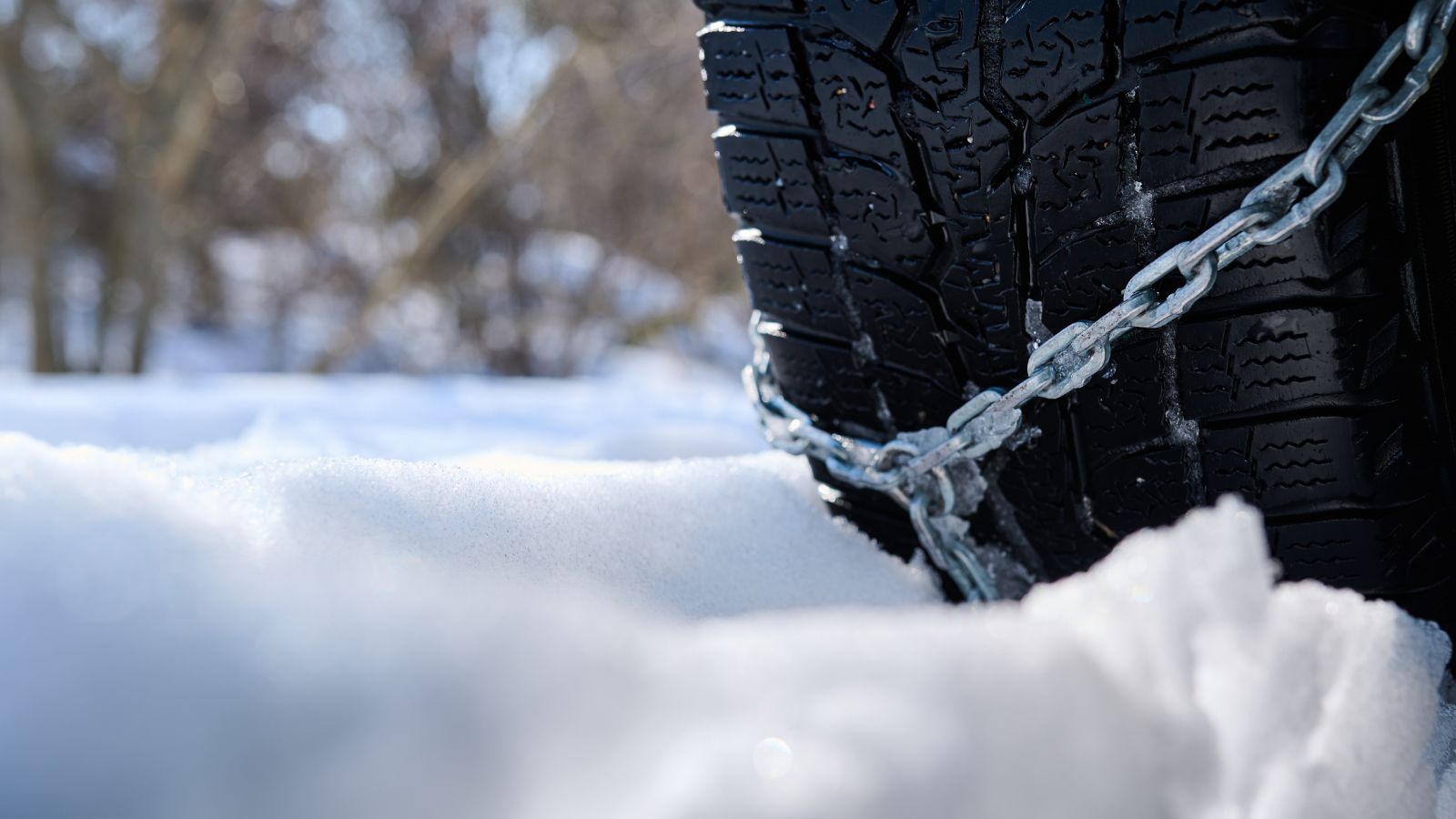
The costly mistake is not installing winter tires too early; it is failing to remove them after cold weather has ended. Transport Canada uses 7°C as a practical crossover point because all-season and summer compounds begin losing elasticity below that temperature, while winter tires remain flexible. Once average daily temperatures stay above roughly 7°C, that same flexibility becomes a disadvantage. The tread moves more, heats more easily, and wears faster on dry pavement.
A commuter who postpones the seasonal change from April until June may not notice an immediate problem. The car still starts, stops, and turns. Yet every warm highway trip is using specialized cold-weather tread during conditions it was never optimized to handle. Michelin and Bridgestone both warn that winter tires wear faster on warm, dry roads. The simplest protection is timing: remove them when sustained temperatures, local road conditions, and legal requirements indicate winter service is finished.
Cold-Weather Rubber Has a Different Job
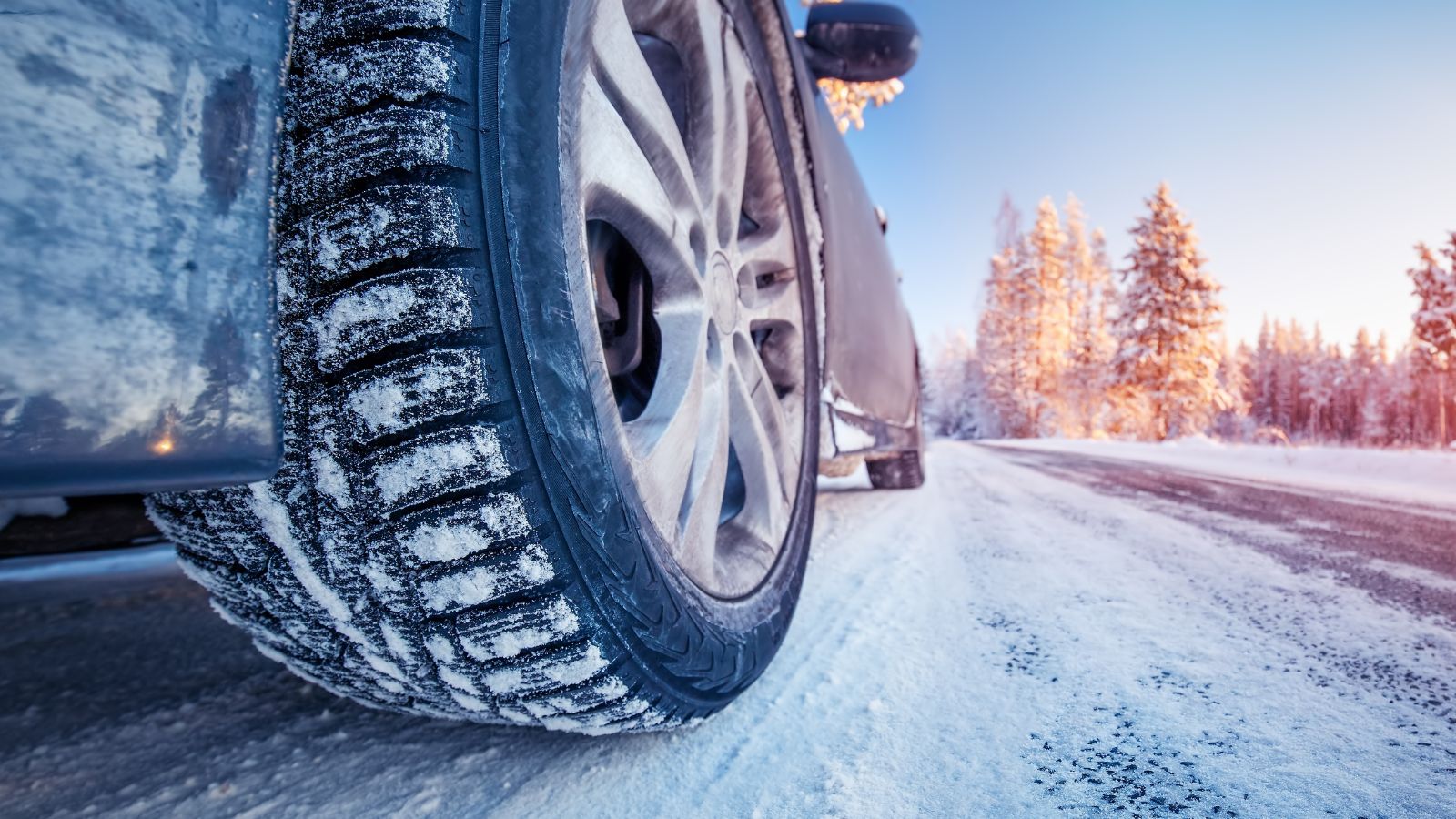
Winter tires are engineered around a trade-off. Their compounds remain pliable when ordinary rubber becomes stiff, and their tread contains grooves and sipes that create biting edges on snow, slush, and ice. Tires carrying the three-peak mountain snowflake symbol must meet a prescribed snow-traction standard. Those features are valuable in January, but they are not free. Flexible tread blocks can squirm and scrub when the pavement is warm and dry.
That difference explains why a winter tire can feel slightly softer or less precise during an unexpectedly hot spring afternoon. It is not necessarily defective; it is operating outside the environment that shaped its design. Picture a soft winter boot worn through a hot parking lot every day. It still functions, but the material flexes and abrades more than a warm-weather shoe would. Seasonal tires last best when each set is used for the job it was designed to perform.
Warm Pavement Builds Wear Quickly
Air temperature is only part of the problem. Sunlit asphalt can become much hotter than the surrounding air, especially during long highway drives or slow urban traffic. Michelin warns that the flexibility and malleability of winter tires deteriorate faster in high temperatures and on hot asphalt. Bridgestone similarly notes that winter tires wear more quickly on warm, dry pavement. Heat, friction, vehicle weight, and repeated flexing all work together at the contact patch.
The damage is usually gradual rather than dramatic. A driver may finish a May road trip without seeing chunks of rubber or receiving a dashboard warning. The loss usually appears much later as shallower tread, rounded block edges, or uneven wear across the set. Because winter traction depends heavily on tread depth and sharp biting edges, spring mileage can quietly consume performance needed months later. Removing the tires promptly prevents summer roads from spending a winter-only resource.
Warm-Weather Control Can Feel Less Precise
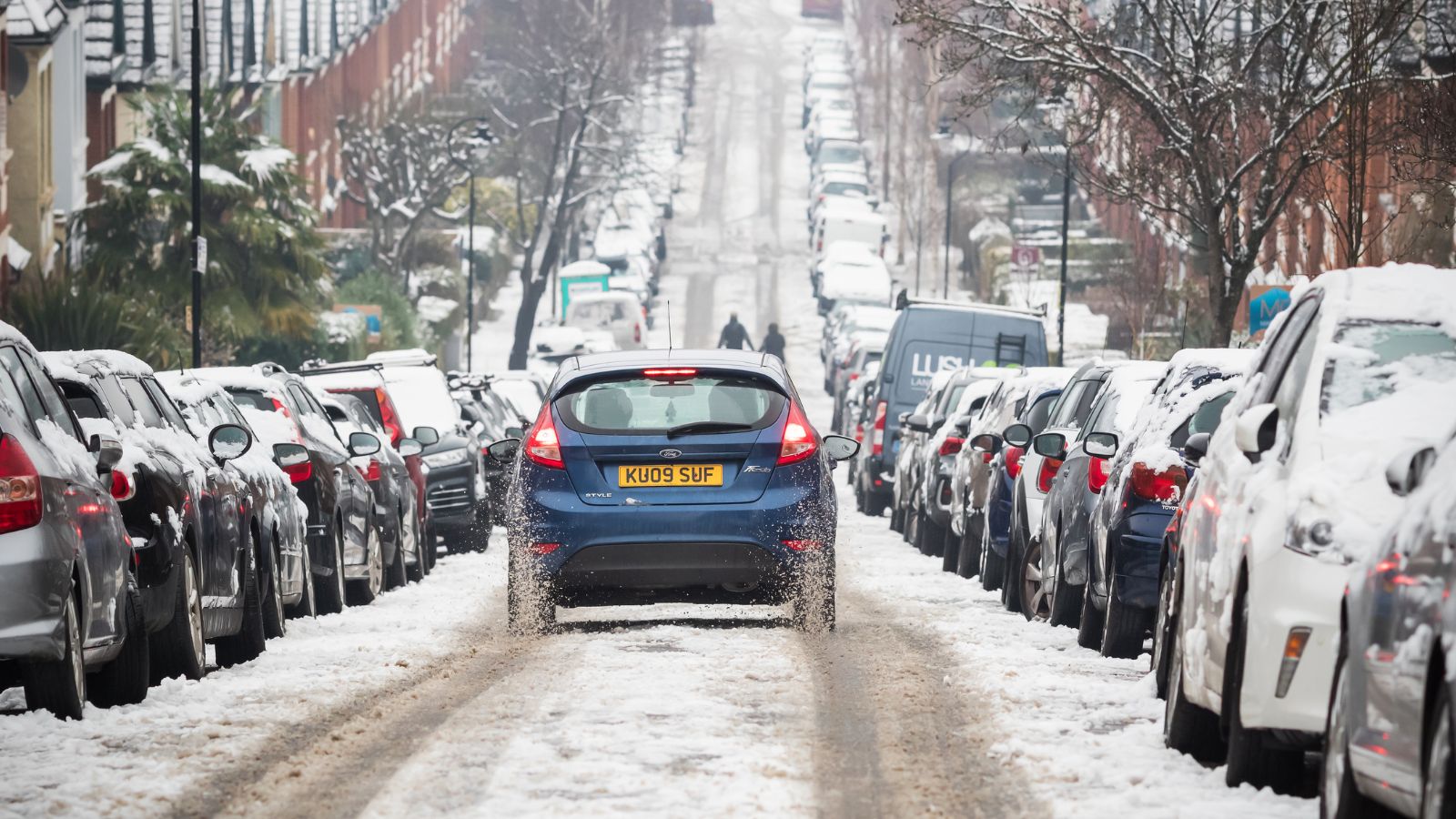
Premature wear is the headline problem, but warm-weather performance also matters. Winter tires use softer compounds and siped tread patterns than warm-season tires. In higher temperatures, those tread blocks can deform more under steering, braking, and cornering loads. The result may be slower steering response, a softer feel in quick lane changes, and less confidence under braking on dry or wet pavement, depending on the tire and conditions.
This does not mean every spring drive becomes dangerous. It means the tire is no longer the best match for the road. Tire Rack describes dedicated winter tires as compromised in summer, while Michelin positions summer tires as providing strong cornering and braking above 7°C. A family vehicle loaded for a warm-weather trip illustrates the issue: more passengers, luggage, speed, and heat ask the winter compound to manage forces outside its intended season. Correct seasonal fit improves both durability and predictable handling.
The Calendar Alone Can Mislead

A fixed date is convenient, but weather, elevation, and law matter more than the calendar. Quebec requires winter tires on registered vehicles from December 1 through March 15, yet the province advises waiting beyond the legal end date when spring conditions remain unstable. British Columbia requires winter tires or chains on designated routes from October 1 through April 30, with some lower-risk routes ending March 31. Regulations can therefore extend past a warm spell.
The practical decision is to combine legal dates with sustained temperatures and travel plans. A commuter may reasonably change earlier than a driver who crosses a mountain pass. Likewise, one sunny weekend should not trigger a rushed swap if overnight frost and snow remain likely. The mistake is not choosing an imperfect day; it is ignoring weeks of consistently warm conditions because the tires still look usable. Weather patterns, not seasonal optimism, should guide the change.
Waiting for Visible Damage Is Too Late

Drivers expect premature wear to announce itself with obvious cracks, vibration, or exposed cords. Winter tires usually do not fail that way because they stayed on too long. Instead, usable tread disappears incrementally. The vehicle feels normal, so the change is postponed again. By the time the tires are removed, the owner may have sacrificed a meaningful share of the depth needed for snow evacuation and ice grip during the next cold season.
A tread-depth gauge makes the hidden cost easier to see. Transport Canada advises monthly wear checks and warns that winter performance is compromised below 4 millimetres in rain or snow. A set that began spring with modest remaining depth can cross that threshold before autumn if used heavily in warm weather. The lesson is practical: visible disaster is not the standard. Seasonal tires should be changed before unnecessary mileage converts safe winter tread into summer rubber dust.
Incorrect Pressure Adds Heat and Scrubbing
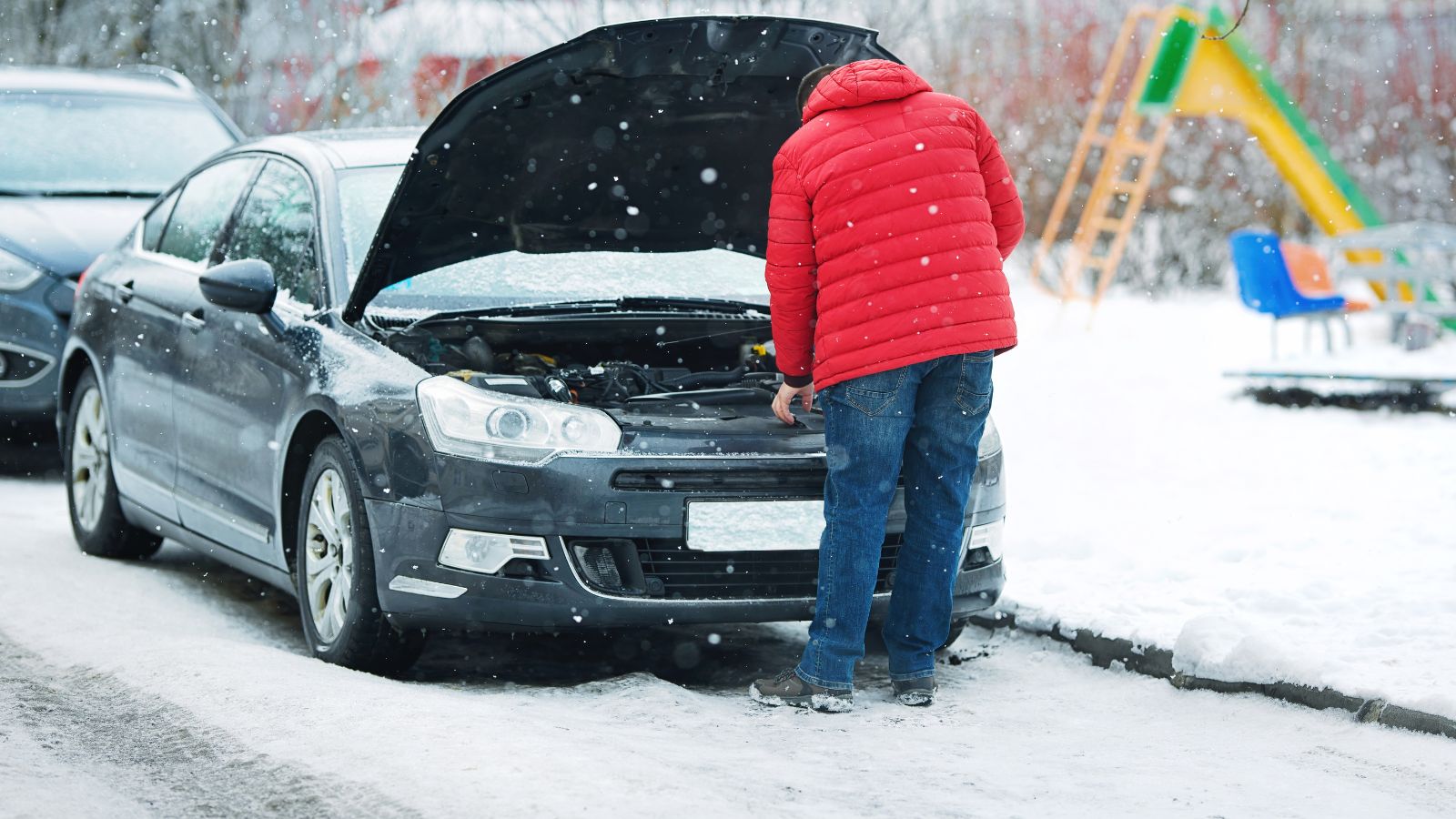
Leaving winter tires on in warm weather becomes even more expensive when pressure is neglected. Transport Canada notes that tire pressure changes by about 1 psi for every 5°C change in temperature and that tires can naturally lose 2 psi per month through permeability. A tire adjusted during a cold snap may therefore need attention as temperatures rise, but the correct target remains the vehicle manufacturer’s cold-pressure specification, not the maximum number molded on the sidewall.
Underinflation increases flexing and heat buildup, while overinflation can create abnormal wear and reduce traction. Bridgestone warns that underinflation can cause undue wear, while overinflation can cause premature wear and reduced traction. Consider a driver who changes nothing after winter, then adds several warm highway trips. Soft compound, rising temperatures, and low pressure can easily combine to punish the shoulders of the tire. Monthly cold-pressure checks remove one entirely preventable source of accelerated wear.
Skipped Rotation Punishes the Busiest Axle
Winter tires do not wear evenly simply because all four were installed together. Front tires on a front-wheel-drive vehicle handle steering, much of the braking, and the engine’s driving torque. Those overlapping duties can consume tread faster than the rear axle. Michelin explains that rotation promotes even wear and longer life, while Bridgestone notes that fresh, deep tread is especially susceptible to uneven wear and recommends an early rotation near 5,000 miles.
Seasonal changeovers create a natural opportunity to track position. Marking each removed wheel—left front, right front, left rear, right rear—helps a technician use the correct rotation pattern during the next season. Directional tires, staggered wheel sizes, and certain asymmetrical designs may limit where each tire can move, so the vehicle owner’s manual matters. Ignoring rotation can leave two tires nearly winter-ready while the other pair reaches replacement depth, forcing an earlier purchase of the full set.
Alignment Problems Can Destroy a Set

A seasonal tire change cannot compensate for poor wheel alignment. Bridgestone explains that incorrect alignment can produce uneven, premature wear and identifies feathering, one-sided shoulder wear, and cupping as patterns that can point to alignment, balance, suspension, or shock-absorber problems. Winter tires may reveal these issues quickly because their deep, flexible tread blocks can develop visible irregular patterns before a driver expects serious damage. Alignment errors become expensive across an entire season.
The human clue is often subtle. A vehicle may drift on a level road, the steering wheel may sit off-centre, or one front tire may feel sharp in one direction and smooth in the other when a hand passes across the tread. Hitting a pothole near the end of winter can also disturb alignment just before warm-weather mileage begins. Correcting the mechanical cause before mounting the next set protects both winter and all-season tires from being scrubbed away.
Aggressive Spring Driving Speeds the Loss
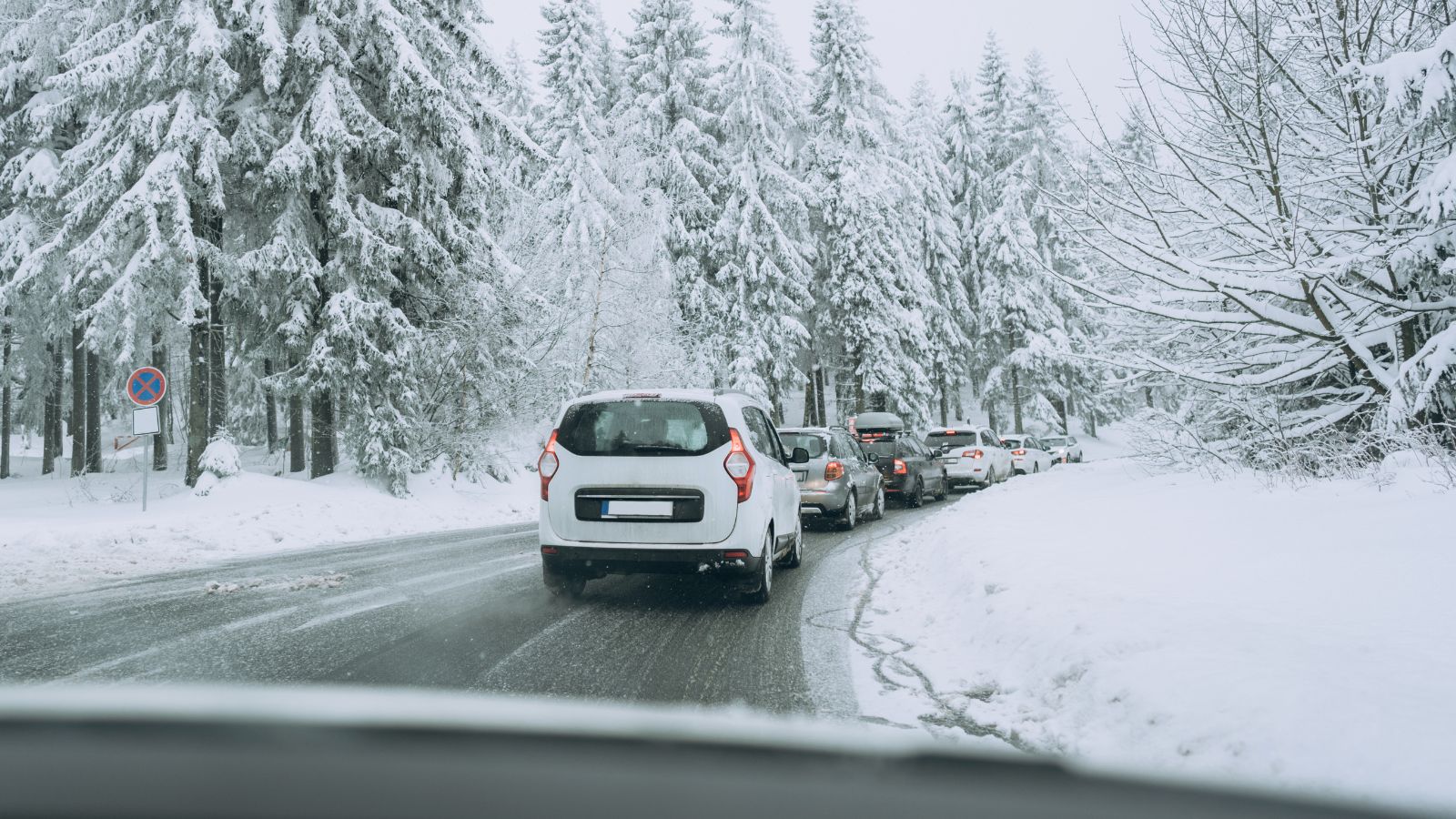
Warmer roads often bring faster speeds, longer trips, and more assertive driving. Those habits are hard on winter compounds left in service. Michelin and Continental report that hard acceleration, heavy braking, and aggressive cornering accelerate tire wear. Continental also notes that rough roads, winding routes, and stop-and-go traffic quickly increase abrasion over many kilometres. A tire already softened by warm conditions pays a larger price for every abrupt input.
An illustrative case is the first dry weekend after months of snow. A driver accelerates harder, takes highway ramps more quickly, and brakes later because the road feels clean. Nothing about the behaviour seems extreme, yet the winter tread is being worked far more aggressively than during cautious January commuting. Smooth steering, gradual acceleration, and earlier braking reduce wear, but they do not make year-round winter-tire use sensible. Driving style can limit damage; only a timely changeover removes the underlying mismatch.
Poor Storage Can Waste the Savings
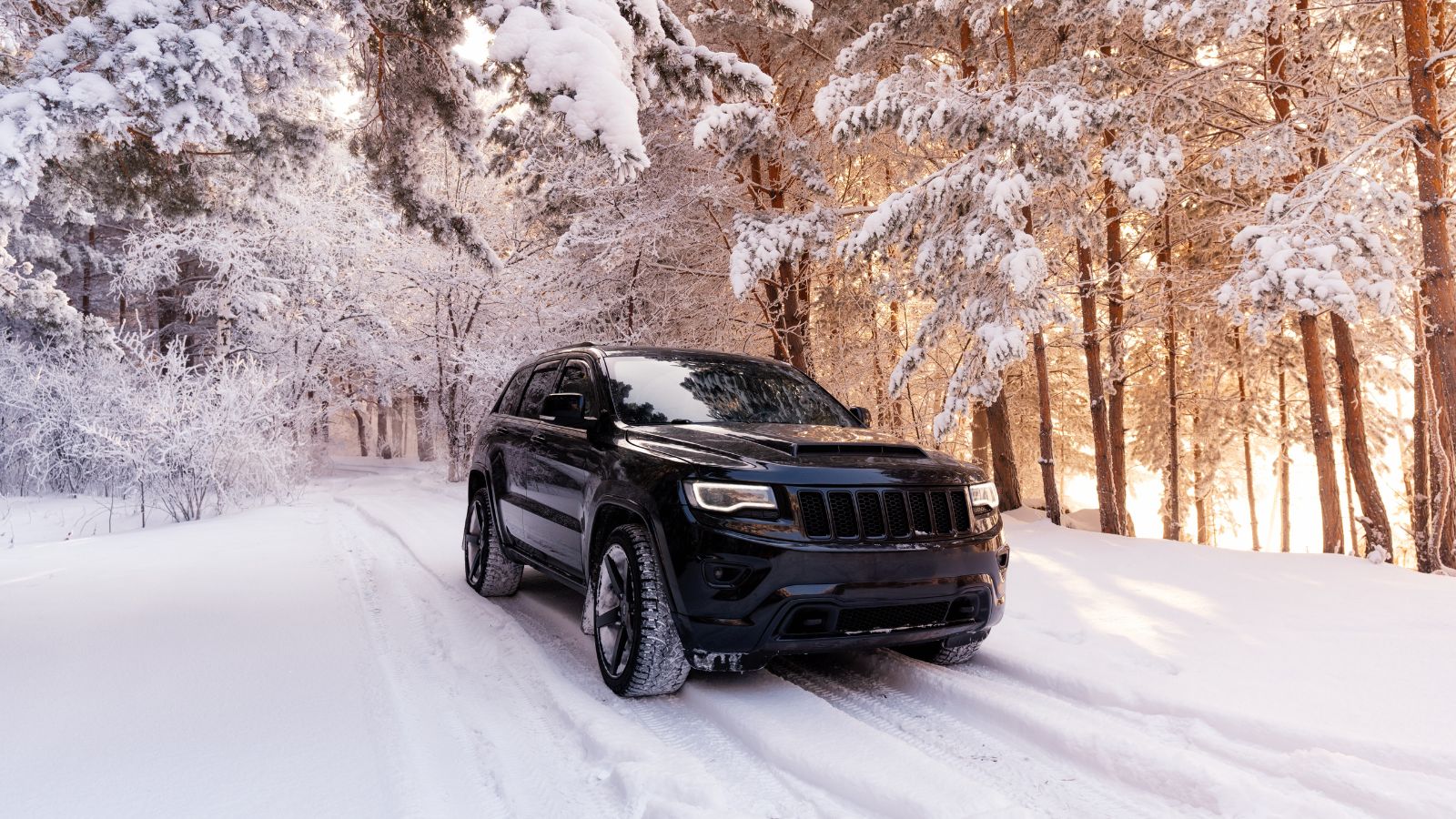
Removing winter tires on time protects them only if storage is handled correctly. Michelin recommends a clean, cool, dry, dark indoor location away from direct sunlight, heat, ozone-producing equipment, fuels, oils, and solvents. It advises cleaning and drying the tires, removing trapped debris, and noting their positions before storage. Tires mounted on rims may be stacked or hung, while unmounted tires should be stored upright rather than suspended or piled.
A hot shed beside a generator is therefore a poor substitute for a storage area. Rubber can deteriorate even when the vehicle is not moving, and outdoor exposure can produce surface drying and cracking. A basement corner, climate-controlled garage, or professional tire-storage service is kinder to the compound. The goal is not elaborate preservation; it is avoiding heat, sunlight, contamination, moisture, and distortion. Good storage ensures the tread saved by an early spring changeover is still useful when winter returns.
Tread Depth and Age Decide the Next Season
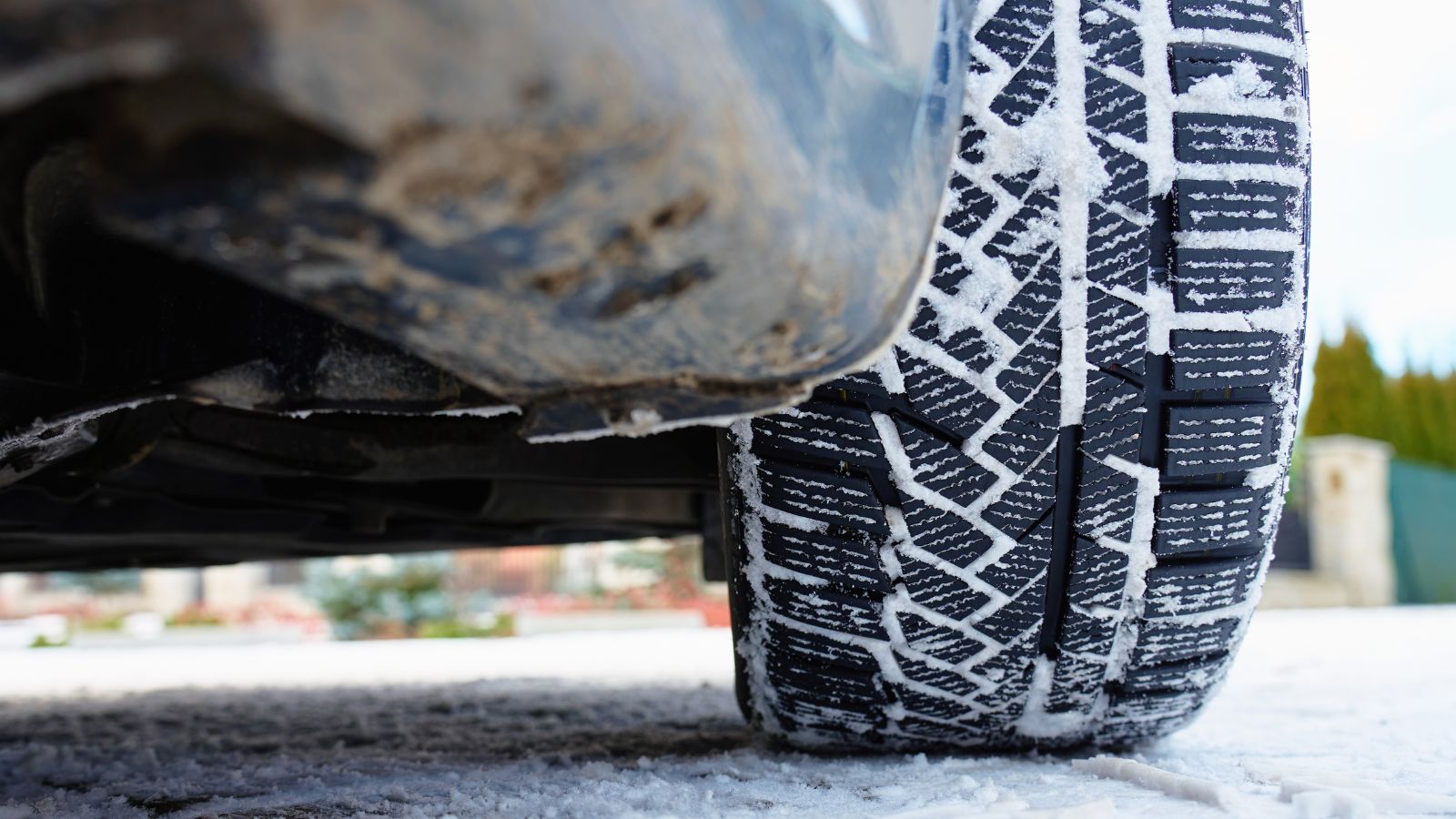
A tire can be removed at the right time and still be unfit for another winter. Transport Canada advises checking winter-tire wear monthly and warns that performance in rain or snow is compromised below 4 millimetres. U.S. guidance uses 2/32 inch as the minimum replacement point, but a winter tire may lose much of its cold-weather usefulness before reaching that legal floor. Snow needs groove volume, and ice grip depends on effective tread edges.
Age matters as well. NHTSA notes that some vehicle and tire manufacturers recommend replacing tires at six to ten years regardless of tread. The last four digits of the Tire Identification Number show the week and year of manufacture. A driver preparing for November should inspect depth, cracks, bulges, irregular wear, and the date code—not simply reinstall whatever was stored. Seasonal discipline preserves tires, but measurement determines whether they are capable of doing winter work.
22 Things Canadians Do to Their Cars in Spring That Mechanics Hate

Spring brings relief to many Canadian drivers after months of snow, freezing temperatures, and icy roads that put serious strain on vehicles. As temperatures rise across the country, drivers begin washing cars, switching tires, and preparing vehicles for warmer weather and upcoming road trips. However, mechanics across Canada notice the same mistakes every spring when drivers attempt to recover from winter damage. Road salt, potholes, and harsh winter driving conditions often leave vehicles with hidden problems that drivers ignore. Some spring habits even create new mechanical issues that could have been avoided with proper maintenance. Here are 22 things Canadians do to their cars in spring that mechanics hate.

Alanna Rosen is an experienced content writer that focuses on many EV and educational content. Her articles are regularly published on Get CyberTrucked and syndicated on large publications.