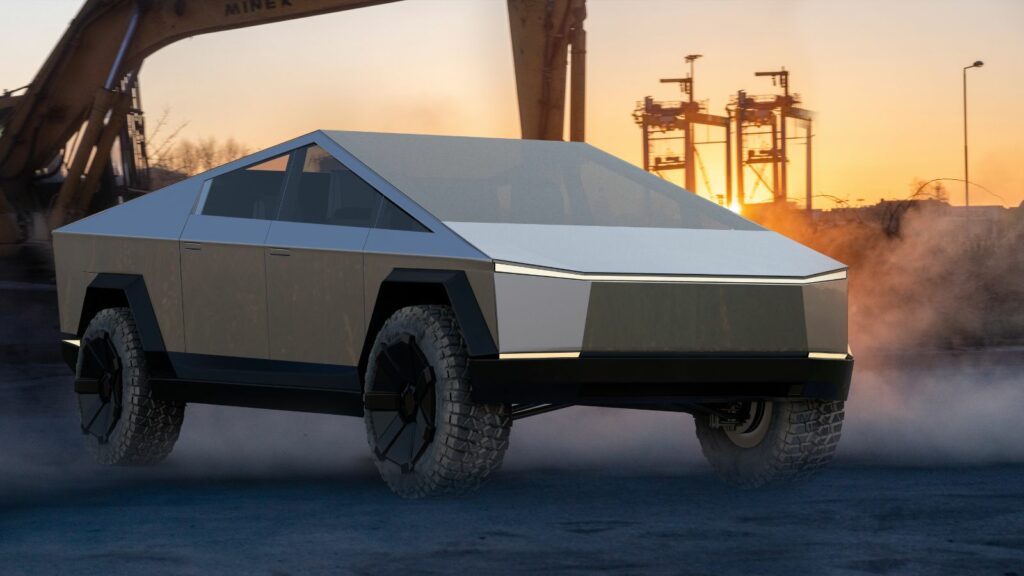
Since its first futuristic reveal, the Tesla Cybertruck has been impossible to ignore, polarizing, attention-grabbing, and unlike anything else on the road. But as production scales up and reservation holders slow their enthusiasm, one question keeps popping up: What happens to all the unsold Cybertrucks no one wants? Behind the hype and backlog lies a story about market misalignment, logistics, and what automakers typically do when inventory doesn’t move.
Here’s a clear picture of what’s actually going on with unsold Cybertrucks.
Inventory Is Building Because Demand Has Shifted

Tesla initially sold Cybertruck reservations in huge numbers based on novelty and futuristic design. But when deliveries finally began, many buyers paused, citing price increases, delivery delays, and a design that doesn’t fit most buyers’ needs. As a result, Tesla has more built units going into inventory than originally anticipated, especially in certain regions.
Many Are Sitting at Distribution Centers

Unsold Cybertrucks are often parked at Tesla distribution centers and storage lots near manufacturing facilities. These are secure lots where vehicles await pending delivery orders, transport scheduling, or shipping assignments. They aren’t considered “unsellable,” just waiting for the right buyer or logistics move.
Some Are Being Used as Demo or Service Vehicle Inventory
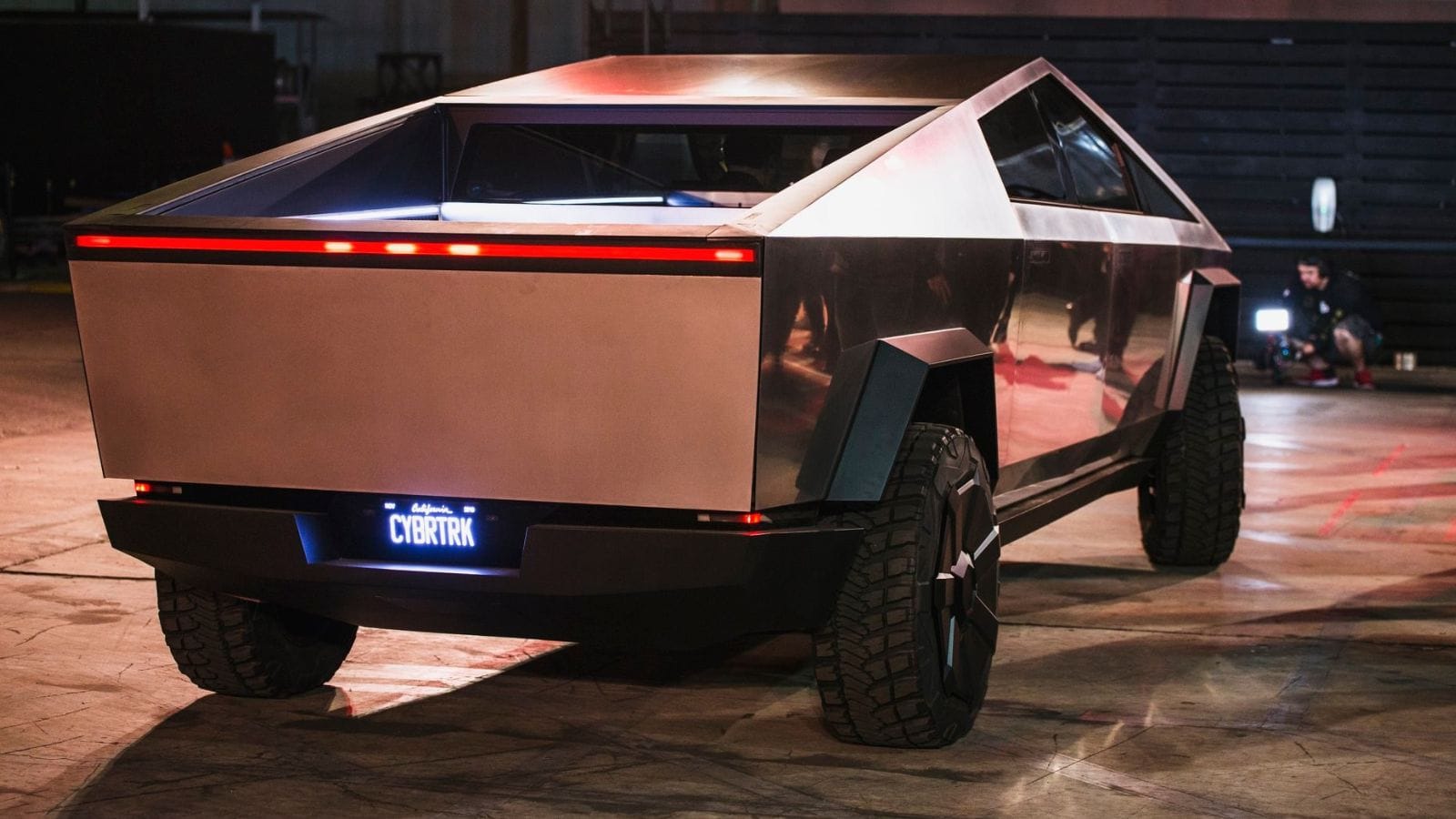
Rather than let every unsold unit simply sit, Tesla sometimes converts them into demonstration vehicles or service fleet units. These trucks are used for test drives, showroom display, software tuning, and engineer testing. It’s a way to keep inventory moving while supporting sales and service operations.
Tesla May Delay New Deliveries to Manage Supply

Instead of flooding the market and depressing prices, Tesla often restricts deliveries to regions with the strongest demand. That creates the impression of scarcity even when inventory exists, which helps protect used values. In effect, Tesla is pacing distribution rather than dumping unsold vehicles onto lots nationwide.
Some Will Be Incentivized to Move
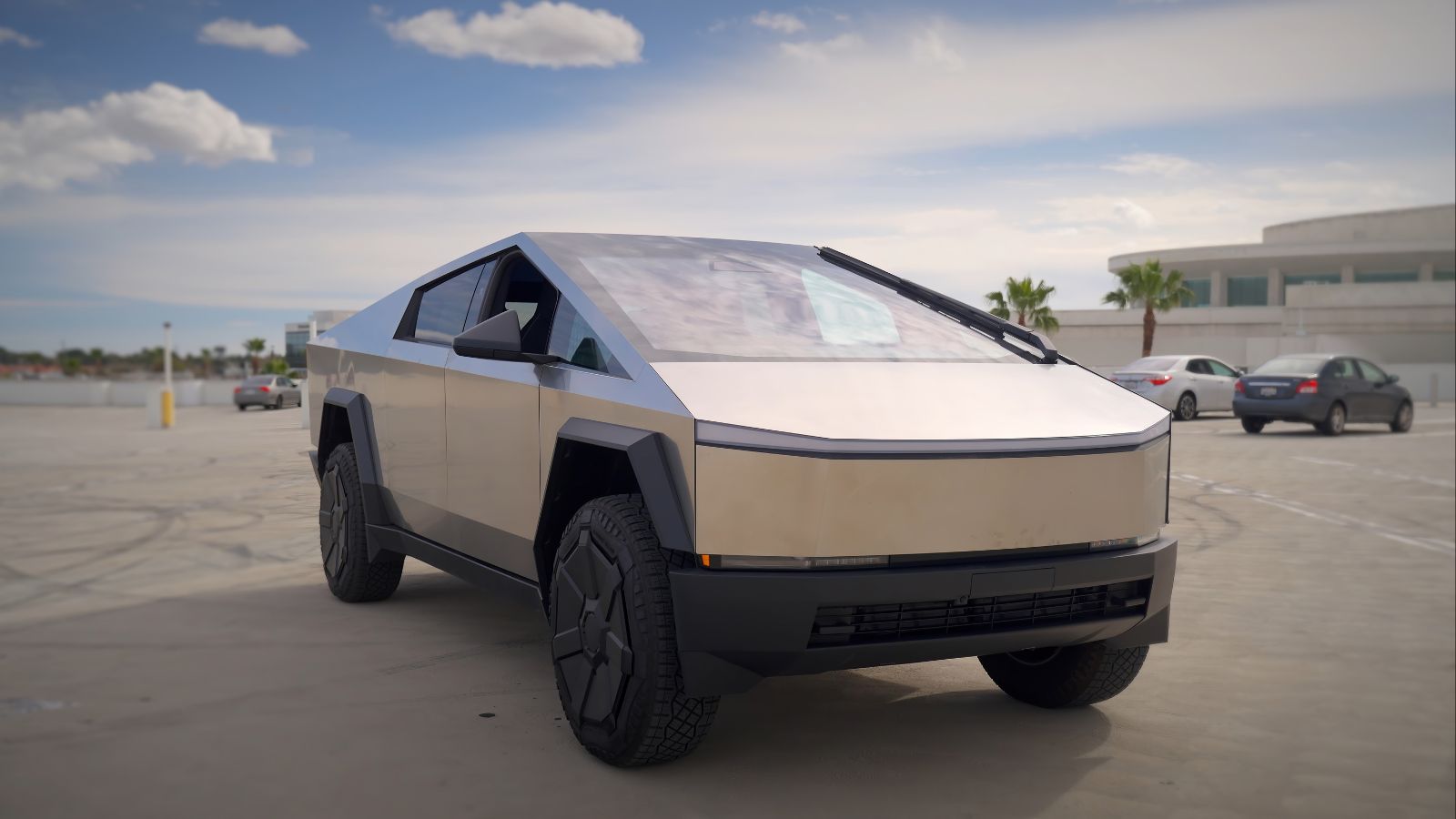
When inventory backs up, automakers traditionally lean on incentives, discounts, favorable financing, trade-in deals to clear stock. Tesla has historically avoided traditional incentives, but limited pricing adjustments, leasing deals, or regional promotions are not off the table as inventory grows and competition increases.
Exporting to Other Markets Is a Possibility

If domestic demand softens, unsold vehicles can be shipped overseas to markets with stronger appetite for EV pickups. Logistics firms can handle cross-border and overseas transport, and Tesla already has delivery channels in Europe and the Middle East. An influx of Cybertrucks abroad could make sense where EV incentives are stronger.
Some Become Used Inventory Faster Than Expected
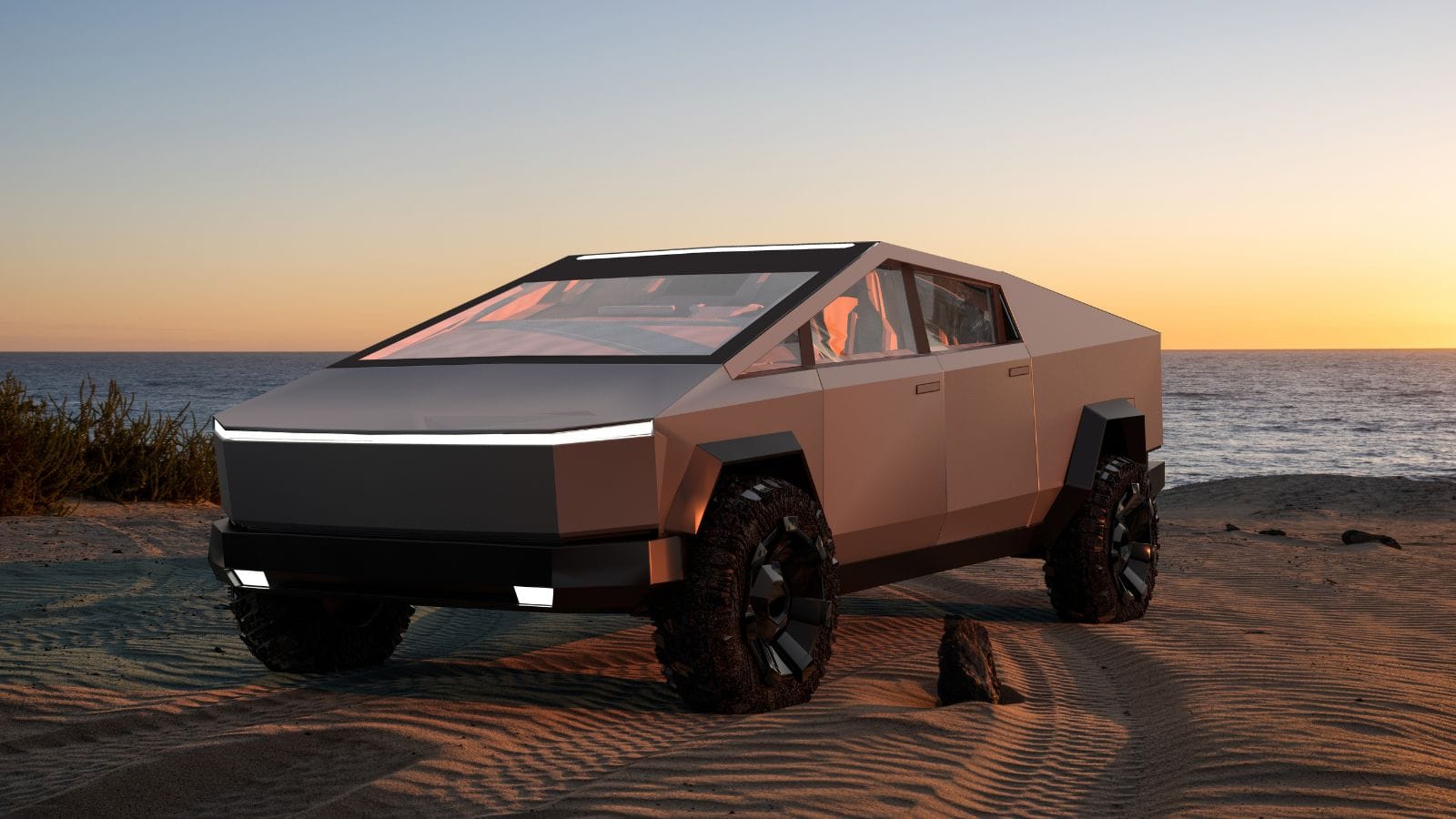
As the first waves of Cybertruck deliveries hit driveways, some buyers may decide to flip their vehicle earlier than planned, especially if they financed at older pricing or want a different EV. That accelerates used inventory flow and gives dealers or private sellers more stock to price competitively, influencing how current unsold units are positioned.
Tesla Could Adjust Production to Match Sales

Tesla has shown willingness to tweak production targets in response to demand reality. If unsold Cybertrucks continue to accumulate, the company may slow build rates, reallocate resources to more in-demand models (e.g., Model 3/Y), or transition upcoming variants accordingly.
Some Might Be Held for Future Upgrades
Because EV software evolves rapidly, Tesla sometimes holds inventory vehicles back long enough to receive over-the-air updates, hardware roll-ins, or quality corrections before delivery. This keeps vehicles fresh but can make it seem like there’s a backlog even when demand exists.
The Bigger Picture: Trucks Are Harder to Sell Than Hype

Why are unsold Cybertrucks stacking up? Steel pickup truck buyers, especially in cold climates like Canada and Northern U.S. care about towing faith, ease of service, repair costs, resale value, and payload perception. Radical designs can attract enthusiasts, but many buyers ultimately choose vehicles that just work in daily and seasonal conditions.
The Cybertruck saga isn’t unique. Automakers have historically faced similar demand mismatches with bold new designs. What’s different this time is Tesla’s transparency, and the intense spotlight the company draws.
Waiting Game
So while lots of Cybertrucks may be sitting unsold right now, they’re not forgotten. They’re part of a broader inventory and logistics strategy that balances production, delivery pacing, market demand, and buyer behavior. Whether buyers eventually embrace them or Tesla pivots to incentives and global distribution remains to be seen, but for now, the trucks are waiting for their turn on the road.
25 Facts About Car Loans That Most Drivers Don’t Realize

Car loans are one of the most common ways people fund car purchases. Like any other kind of loan, car loans can have certain features that can be regarded as an advantage or a disadvantage to the borrower. Understanding all essential facts about car loans and how they work to ensure that you get the best deal for your financial situation is essential. Here are 25 shocking facts about car loans that most drivers don’t realize:
25 Facts About Car Loans That Most Drivers Don’t Realize
