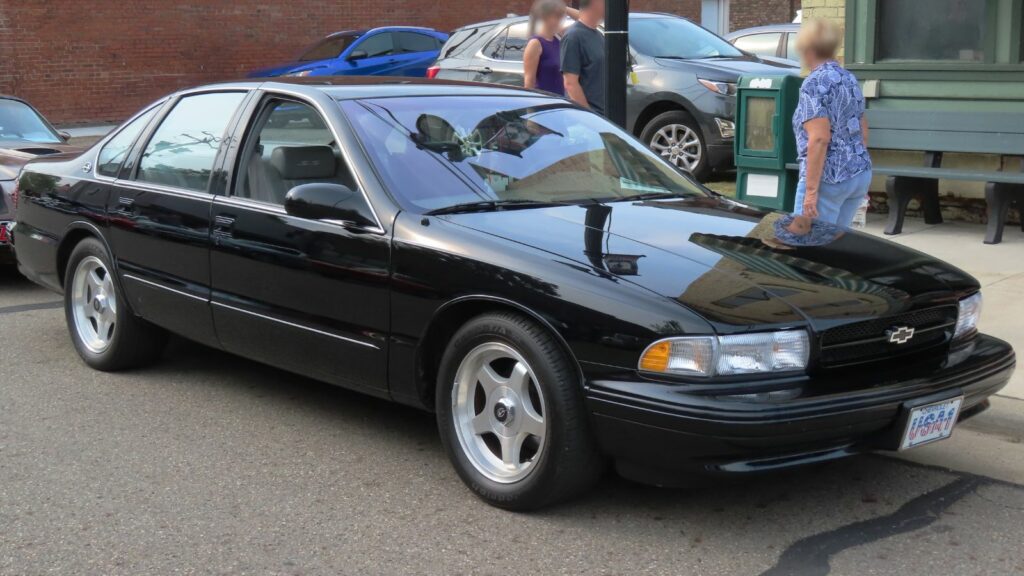
Not every disliked car is a bad car. Some vehicles earn eye rolls from owners because they are dull, unfashionable, or carry the wrong badge. In the workshop, however, many of those same cars are quietly respected. Mechanics value access, simplicity, durable engines, and predictable failures. Flashy tech and clever packaging mean nothing if a job takes twice as long or parts fail early. These ten cars are often mocked or ignored by buyers, yet the people who fix cars for a living tend to appreciate them.
Toyota Corolla
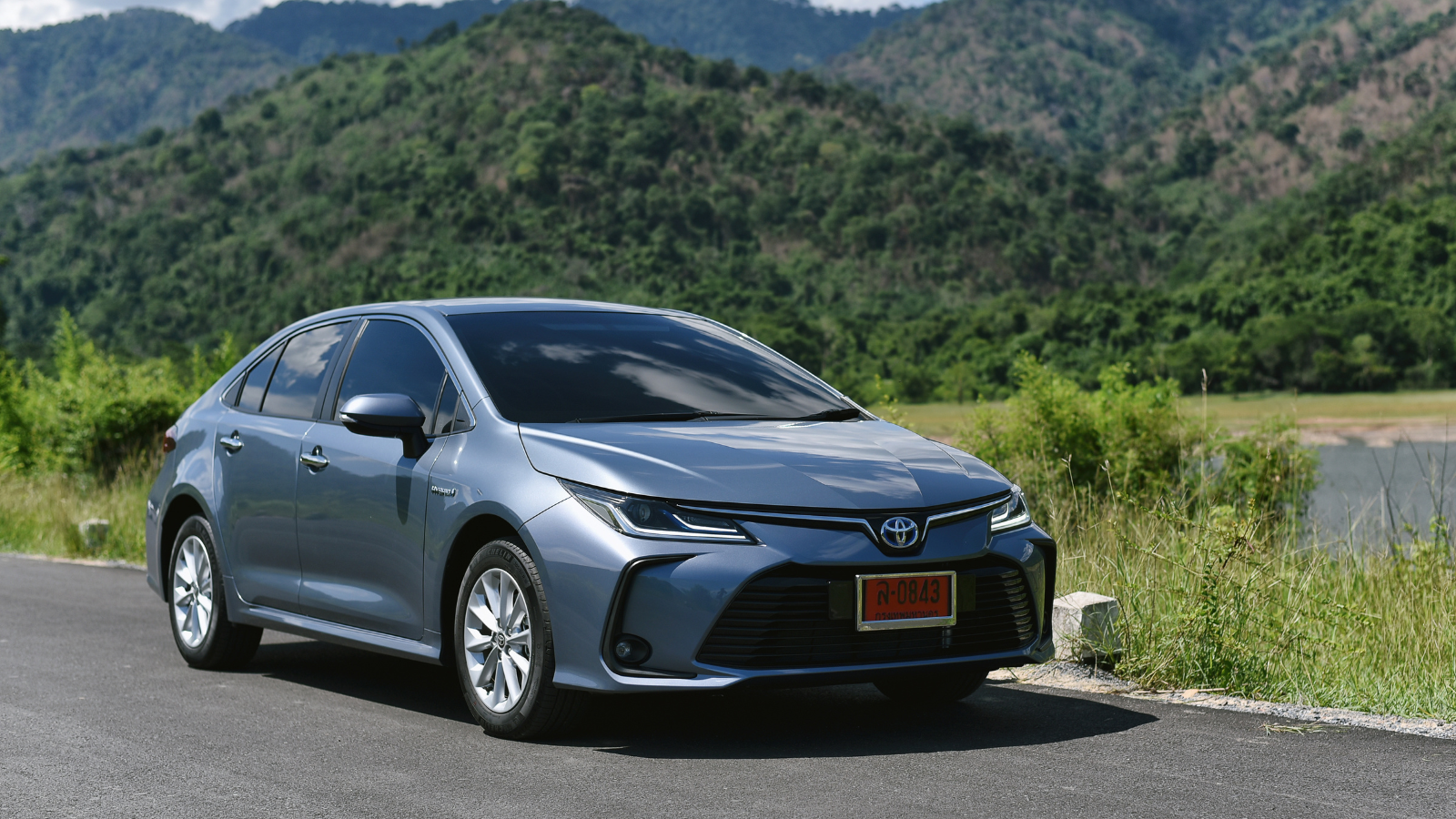
The Corolla is regularly dismissed as boring transportation, but mechanics love its honesty. Engines are understressed, components are easy to access, and failures follow familiar patterns. When something does go wrong, it is usually inexpensive and straightforward to repair.
Honda Accord
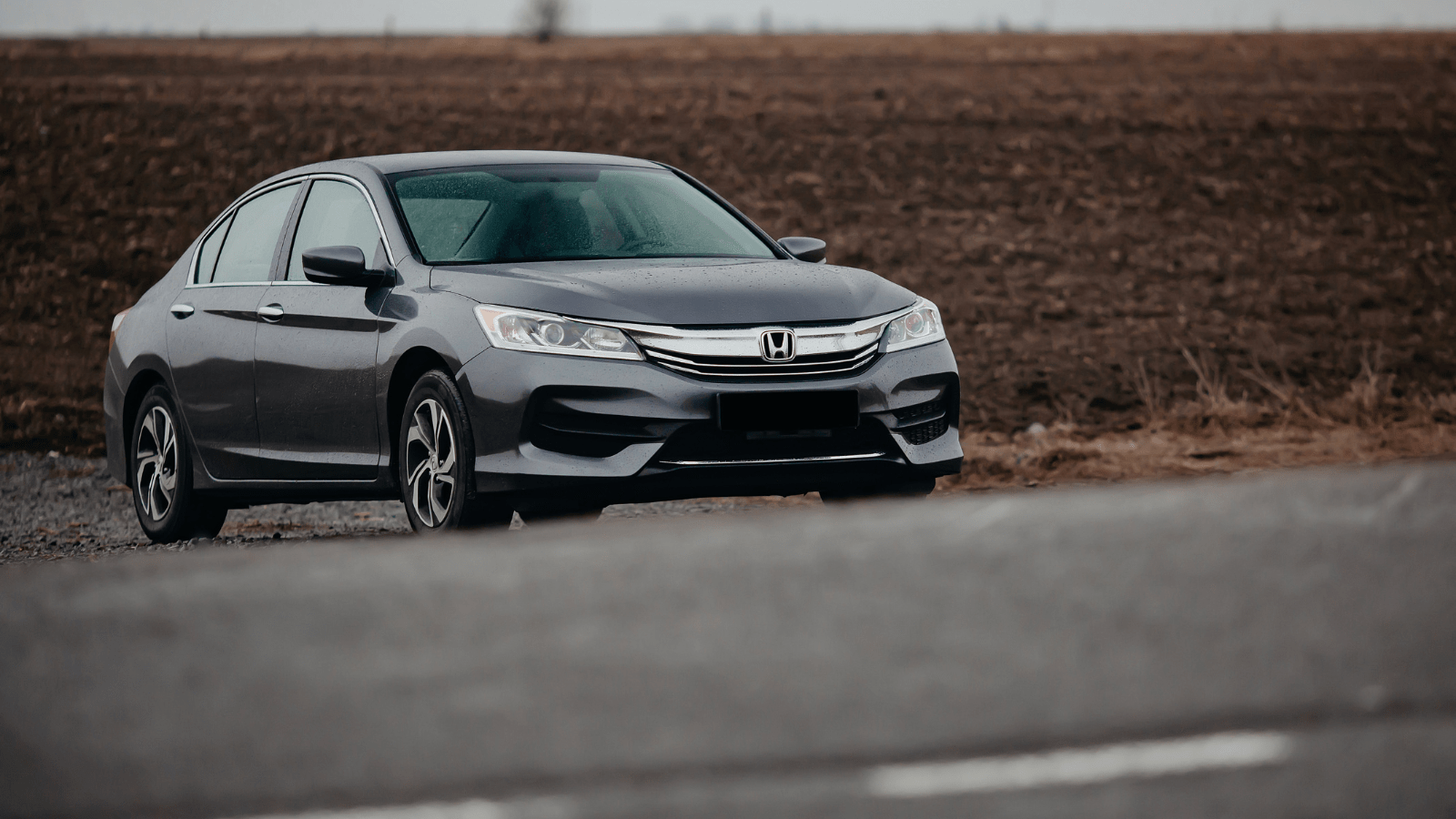
The Accord rarely excites casual buyers anymore, especially as SUVs dominate showrooms. In the shop, it earns respect for solid engineering and predictable wear. Suspension parts, brakes, and drivetrains tend to age gracefully when maintenance is kept up.
Ford Crown Victoria
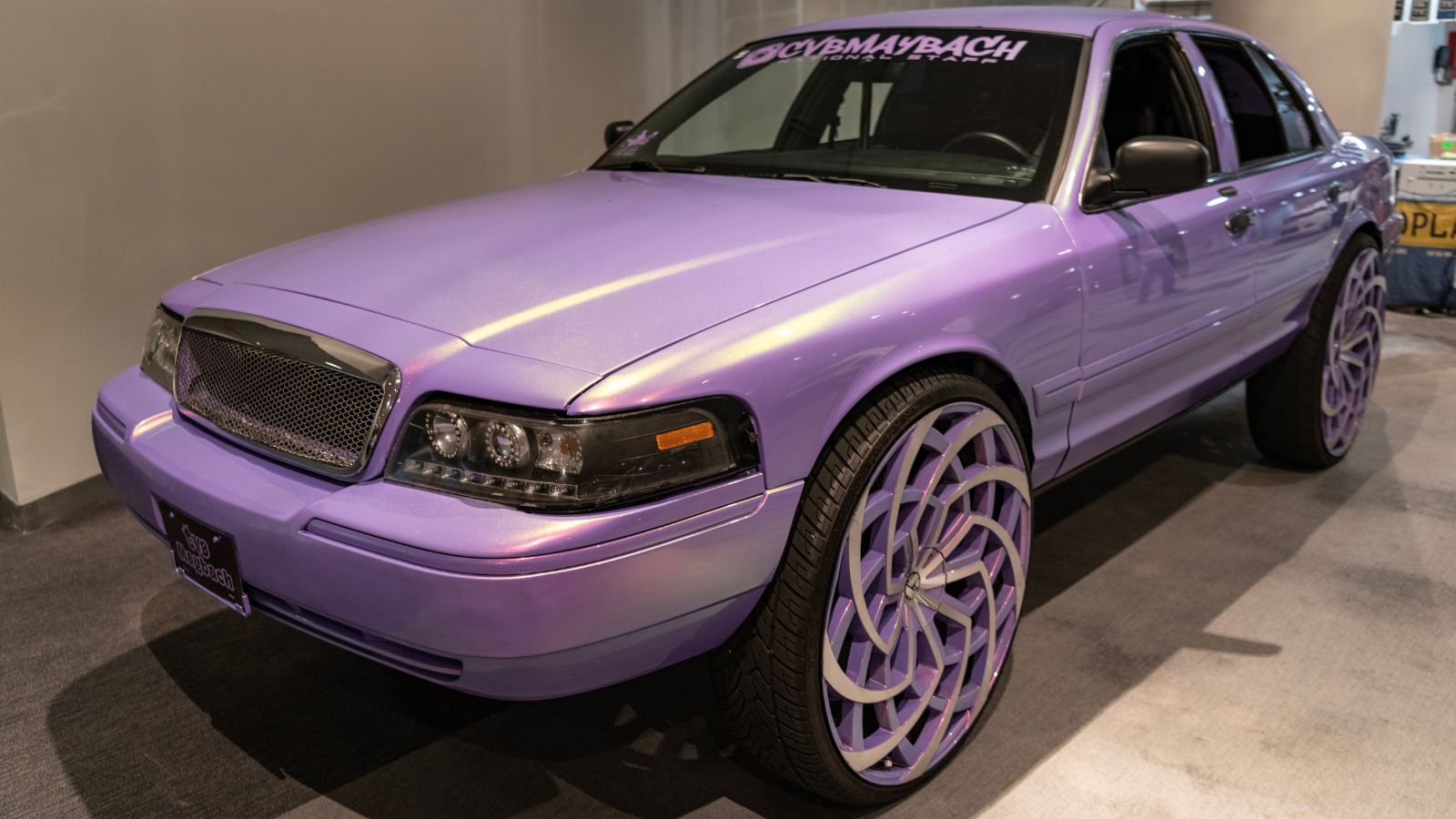
Public perception ties the Crown Vic to taxis and police fleets, which made it uncool for years. Mechanics see a body on frame layout, a simple V8, and endless parts availability. It is tough, forgiving, and easy to work on, which explains why fleets kept them so long.
Buick LeSabre
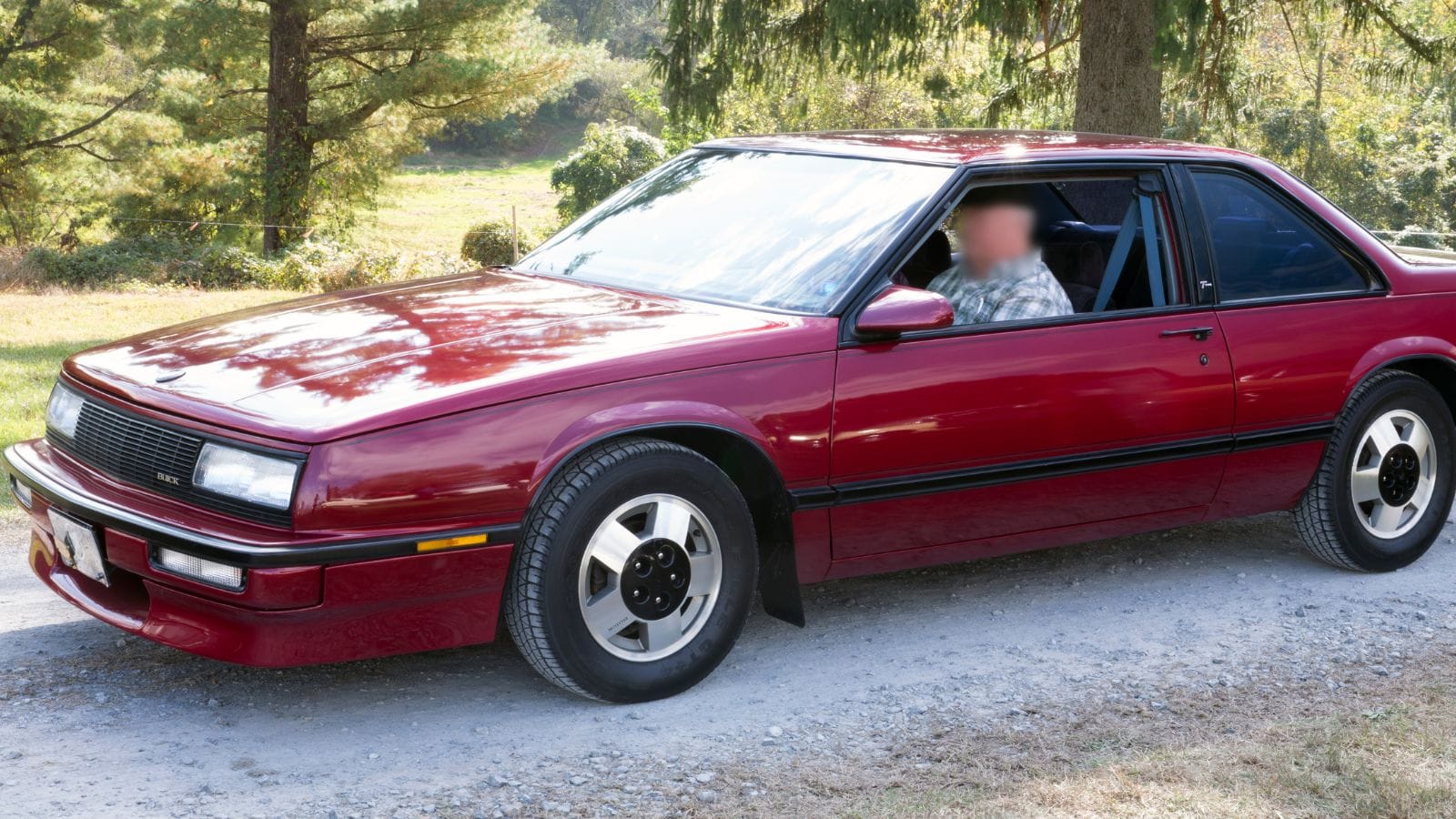
Often dismissed as an old person’s car, the LeSabre hides one of General Motors’ most durable drivetrains. The 3800 V6 is widely respected in repair shops for longevity and simplicity. When repairs are needed, they are rarely complicated or costly.
Toyota Yaris
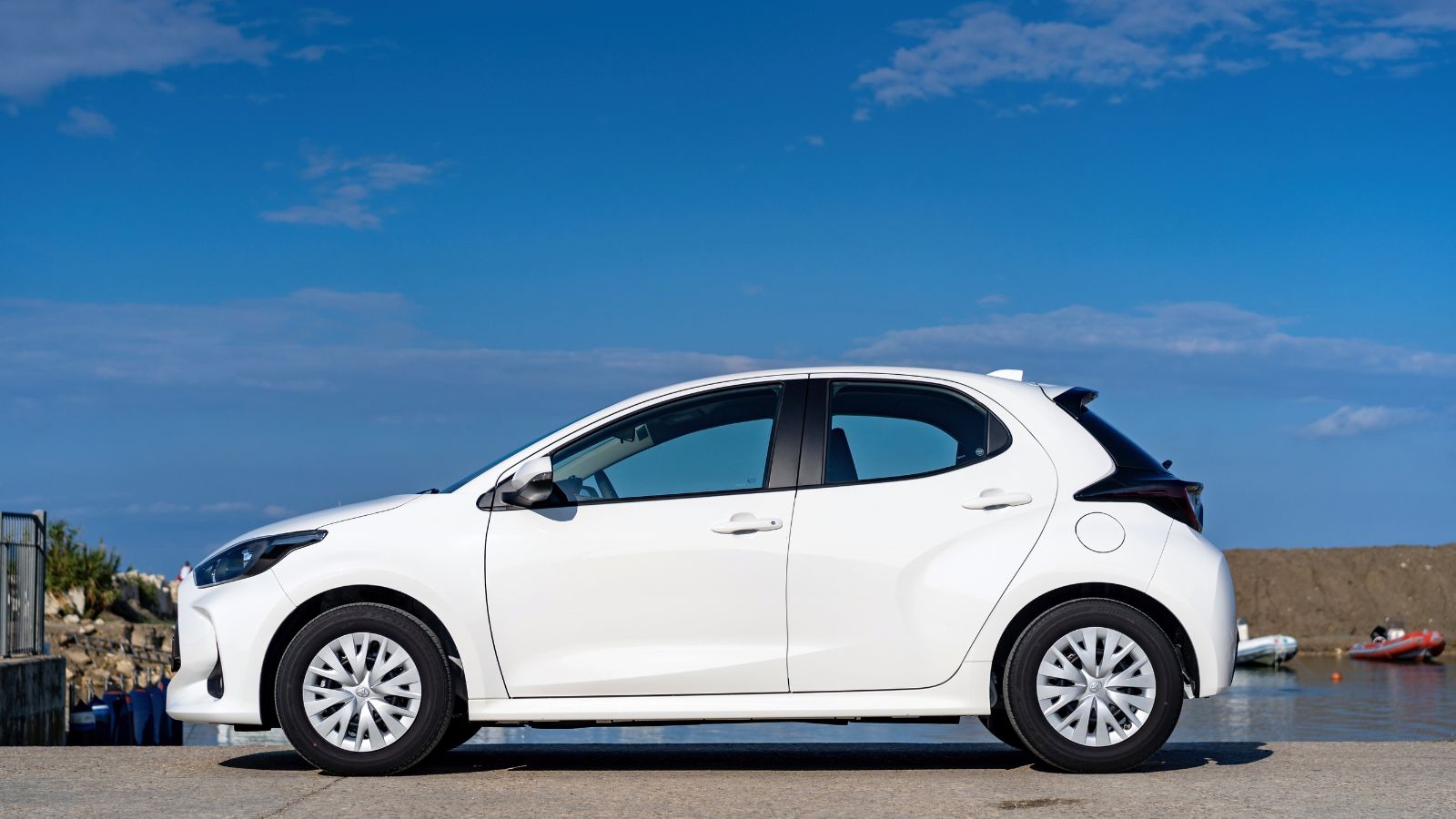
The Yaris attracts criticism for its size and lack of power, but mechanics appreciate its minimalism. Fewer systems mean fewer failures. Access is easy, parts are cheap, and routine service is fast, which makes it one of the least stressful cars to maintain.
Mazda3
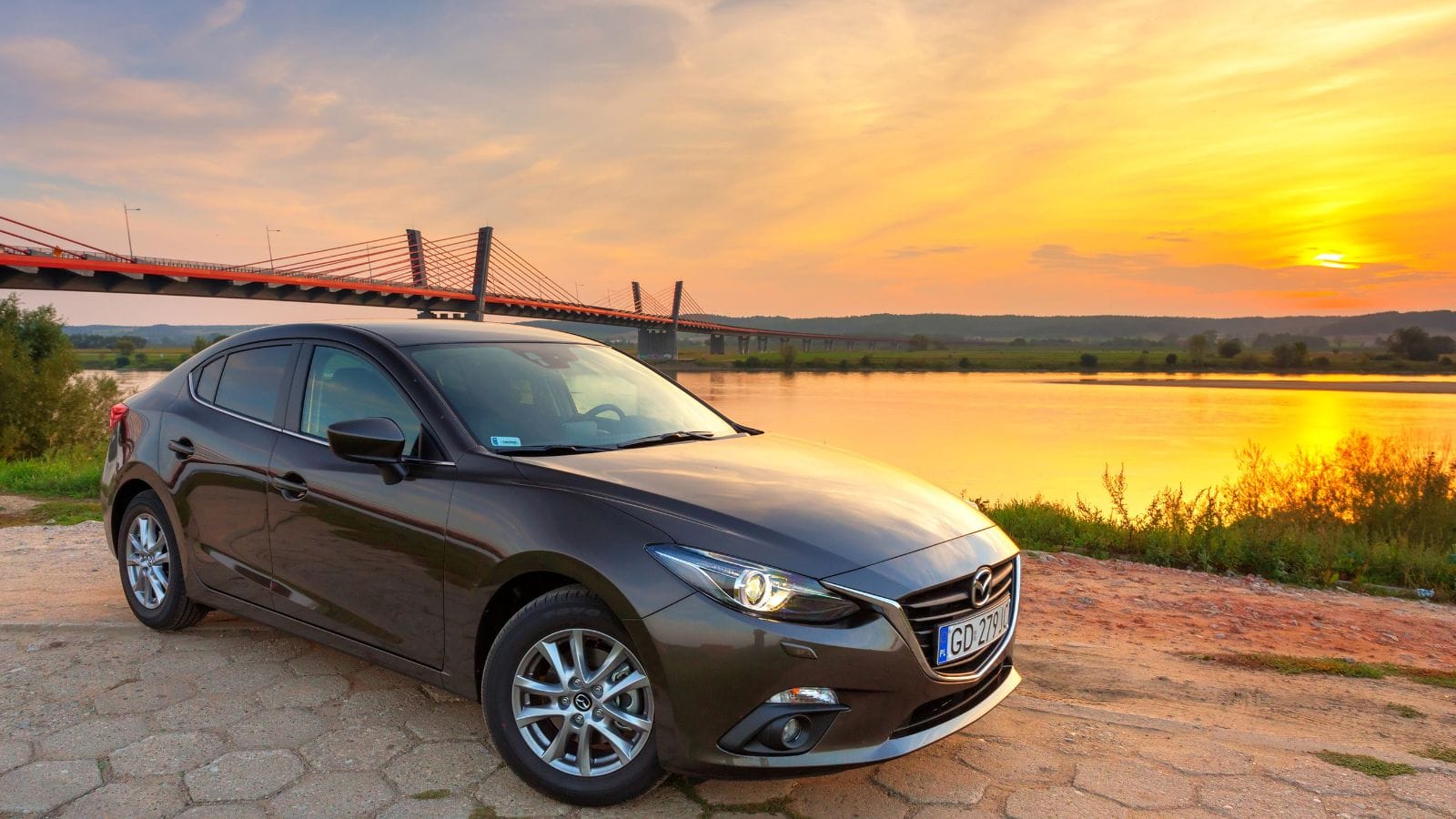
Public opinion often overlooks the Mazda3 in favor of trendier options. In the workshop, it stands out for naturally aspirated engines that avoid complex turbo issues. Its balance of modern design and mechanical simplicity makes it pleasant to service.
Chevrolet Impala
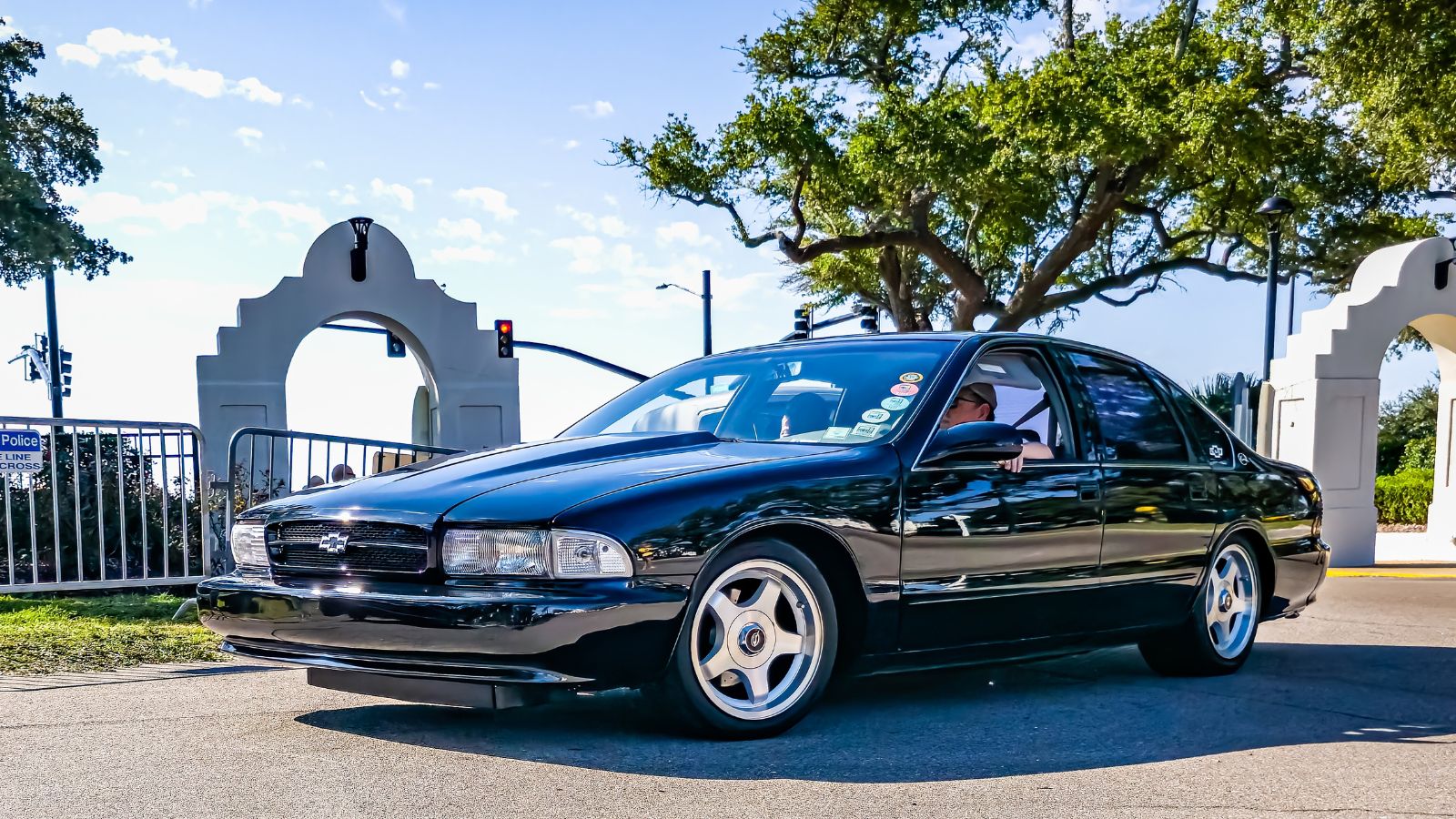
Later Impalas never gained much love from buyers, especially as sedans fell out of favor. Mechanics see proven V6 engines, conventional transmissions, and roomy engine bays. It is a car that does not fight back during repairs.
Honda Fit
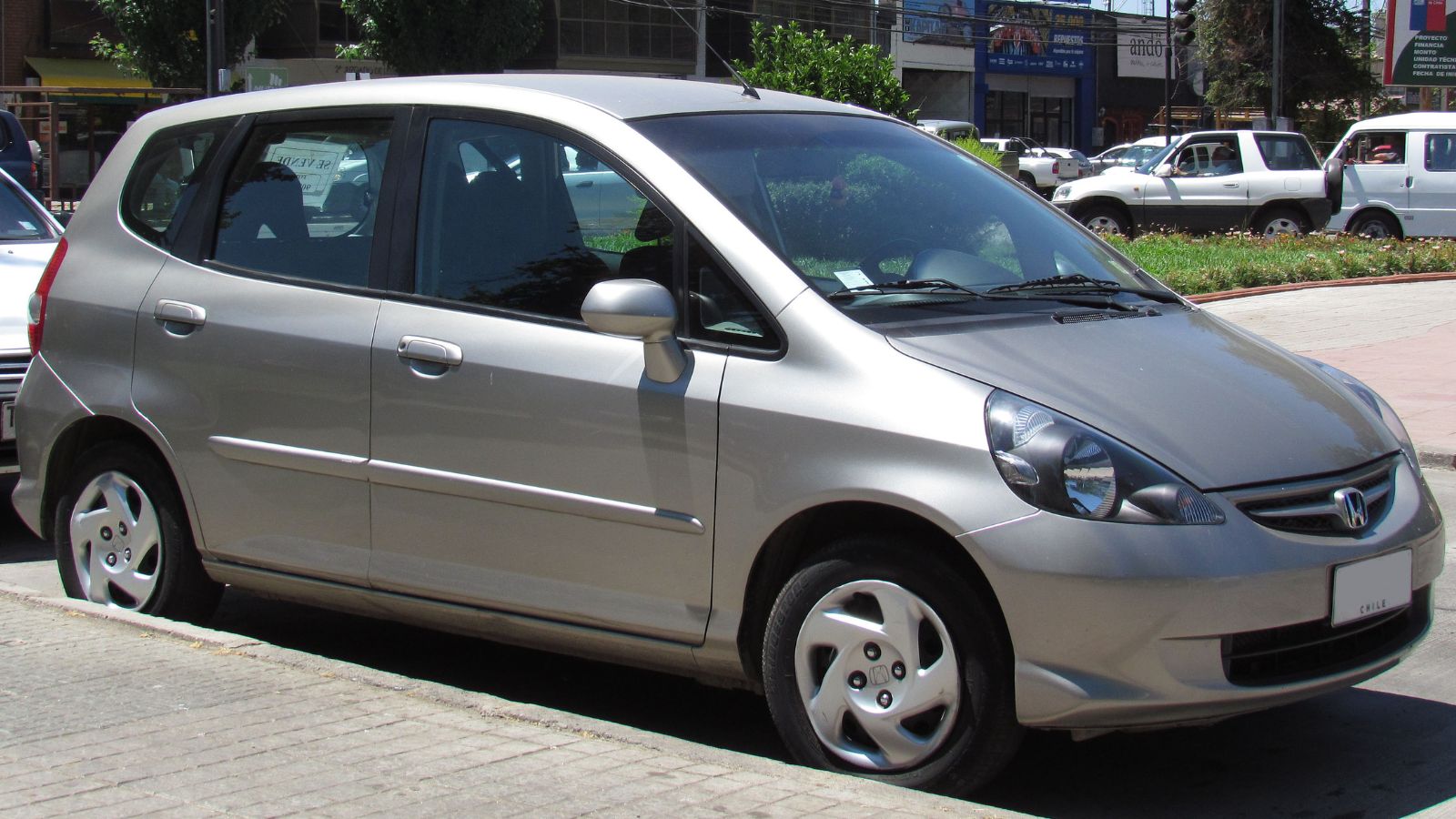
The Fit is sometimes ridiculed for its appearance and small size. Mechanics admire its packaging efficiency and reliability. Despite its footprint, it is easy to service and surprisingly durable, even under hard urban use.
Nissan Frontier
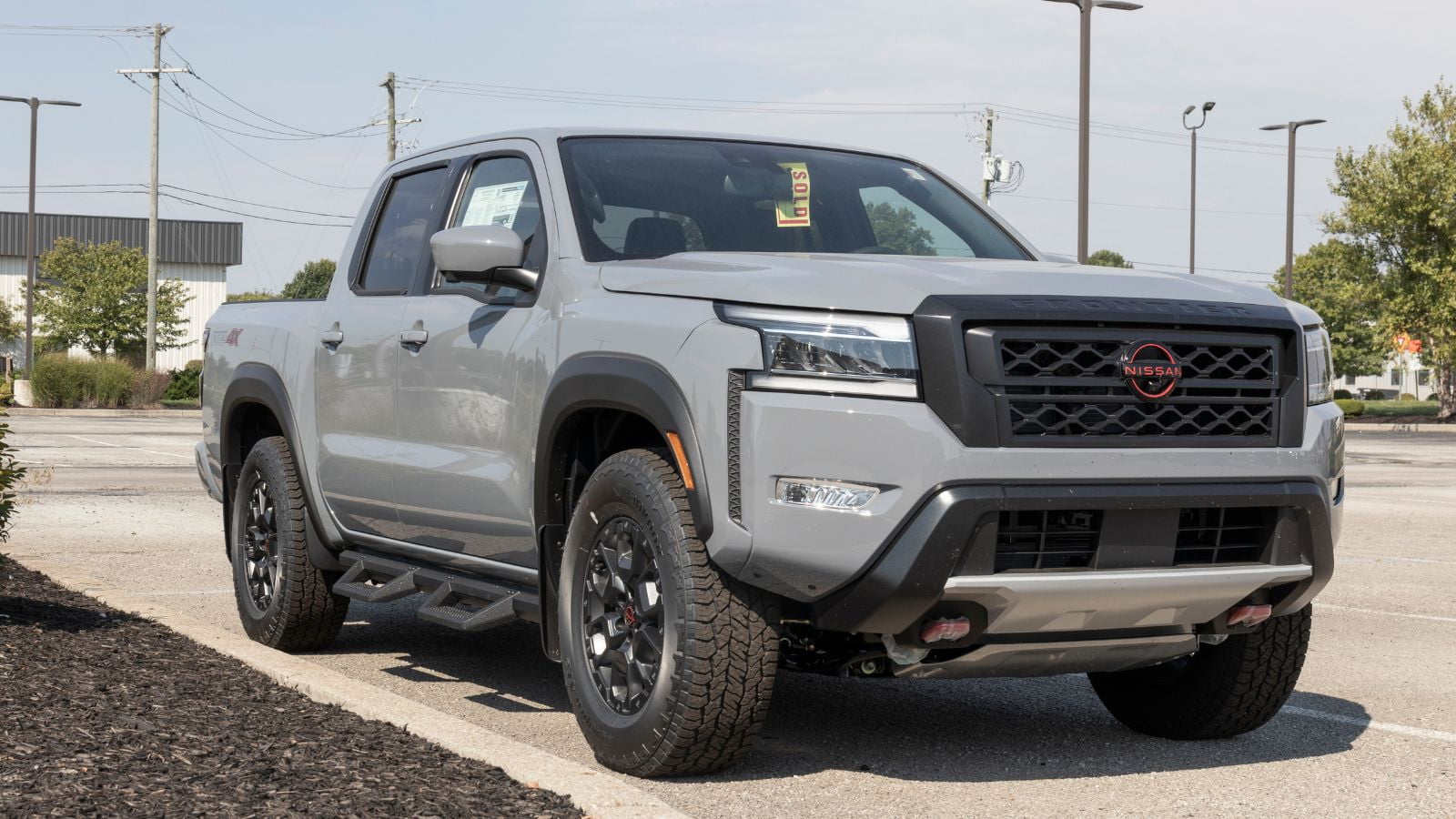
The Frontier is often criticized for feeling outdated, but that is part of its appeal in a repair shop. Proven engines, simple electronics, and a lack of overcomplicated systems make it predictable and durable. Less innovation often means fewer headaches.
Volkswagen Golf
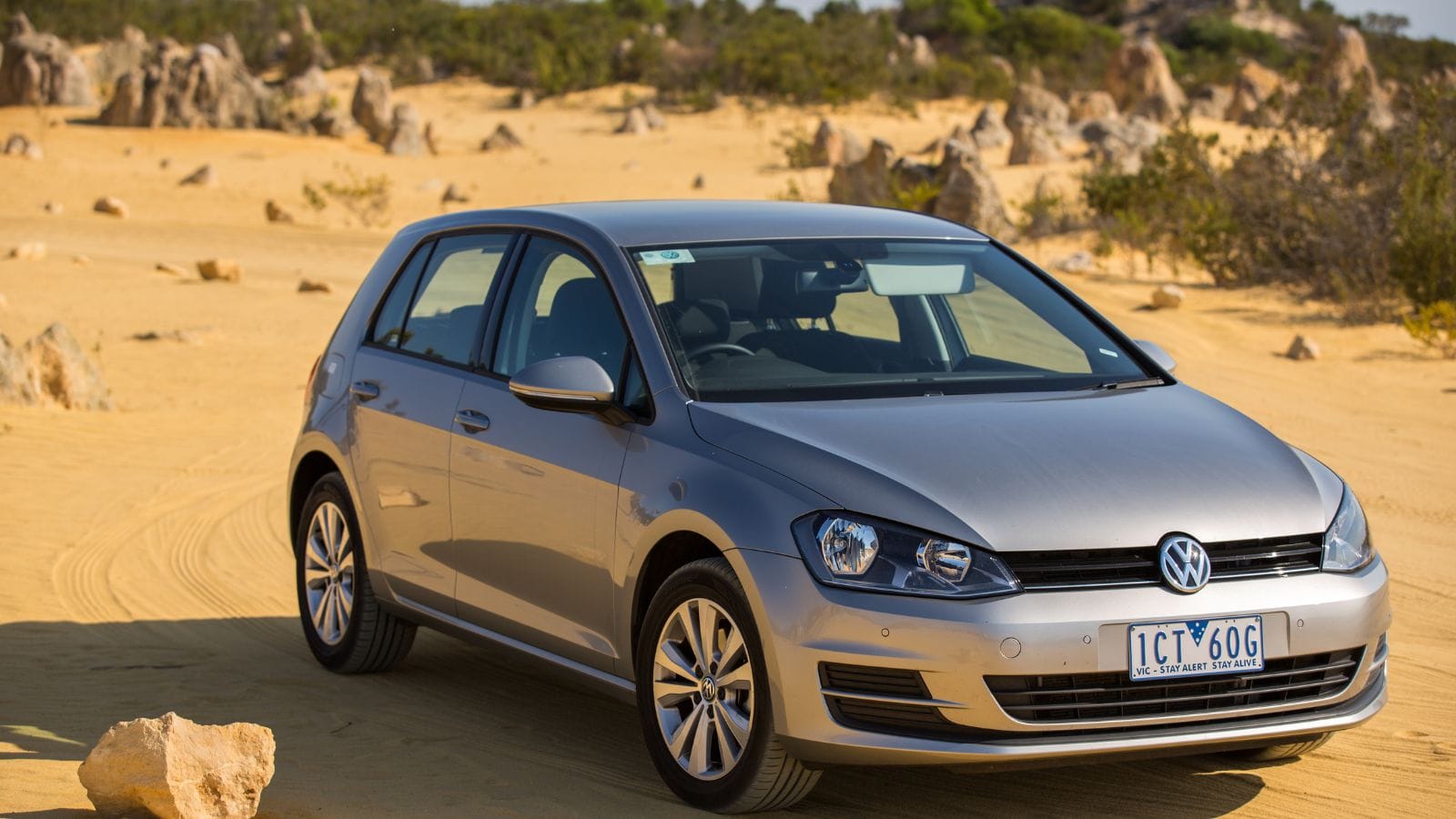
While some owners complain about maintenance costs, mechanics often appreciate the Golf’s logical layout and solid engineering. Compared to more complex modern vehicles, many generations of Golf strike a balance between sophistication and serviceability.
Mechanics tend to love cars that respect time, tools, and physics. The public often chases features, styling, and brand image instead. That gap explains why some of the most dependable, repair friendly vehicles are also the least loved by buyers. In the long run, boring often means well thought out, and well thought out usually means fewer visits to the shop.
25 Facts About Car Loans That Most Drivers Don’t Realize

Car loans are one of the most common ways people fund car purchases. Like any other kind of loan, car loans can have certain features that can be regarded as an advantage or a disadvantage to the borrower. Understanding all essential facts about car loans and how they work to ensure that you get the best deal for your financial situation is essential. Here are 25 shocking facts about car loans that most drivers don’t realize:
25 Facts About Car Loans That Most Drivers Don’t Realize
