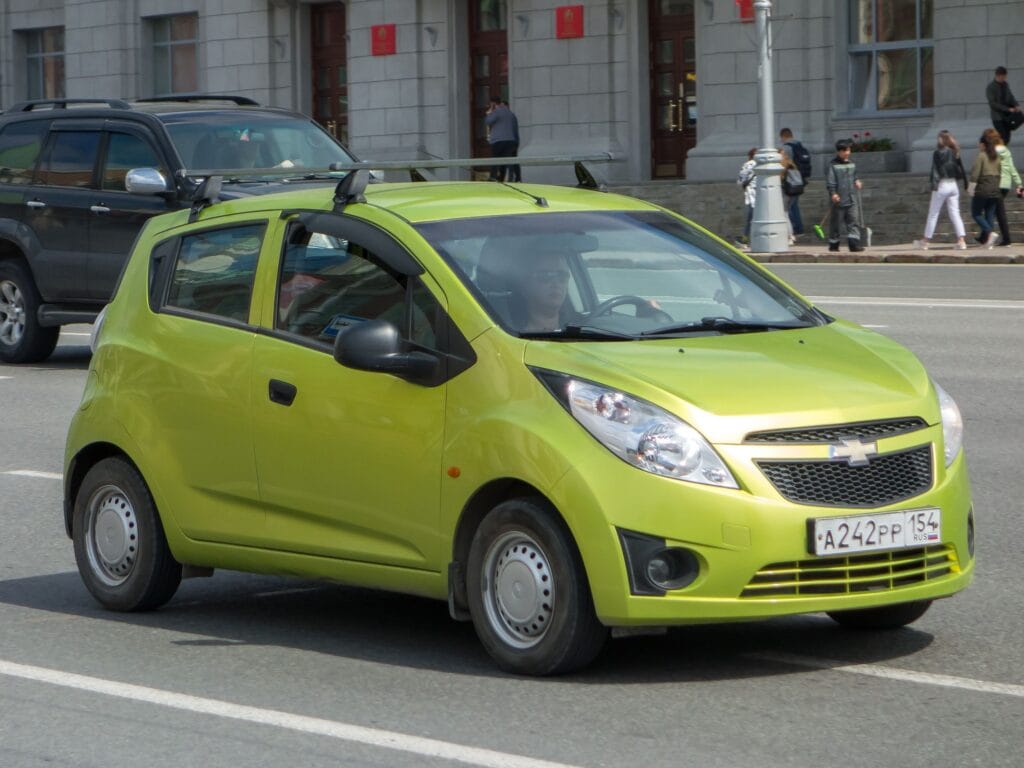
Safety ratings are meant to cut through marketing and show how a car performs when things go wrong. In Canada, NCAP-style testing has exposed some uncomfortable truths over the years. A handful of cars reached showrooms with designs that lagged modern crash standards, weak structural protection, or outdated safety tech. These ten vehicles were sold in Canada despite earning notably poor safety scores for their time, and many still circulate on the used market today.
Mitsubishi Mirage

Light weight and low cost defined the Mirage, but those same traits worked against it in crash testing. Thin structure, limited crash energy management, and minimal standard safety equipment resulted in weak occupant protection compared with rivals. It met regulations, but barely, and safety was clearly not its selling point.
Chevrolet Spark
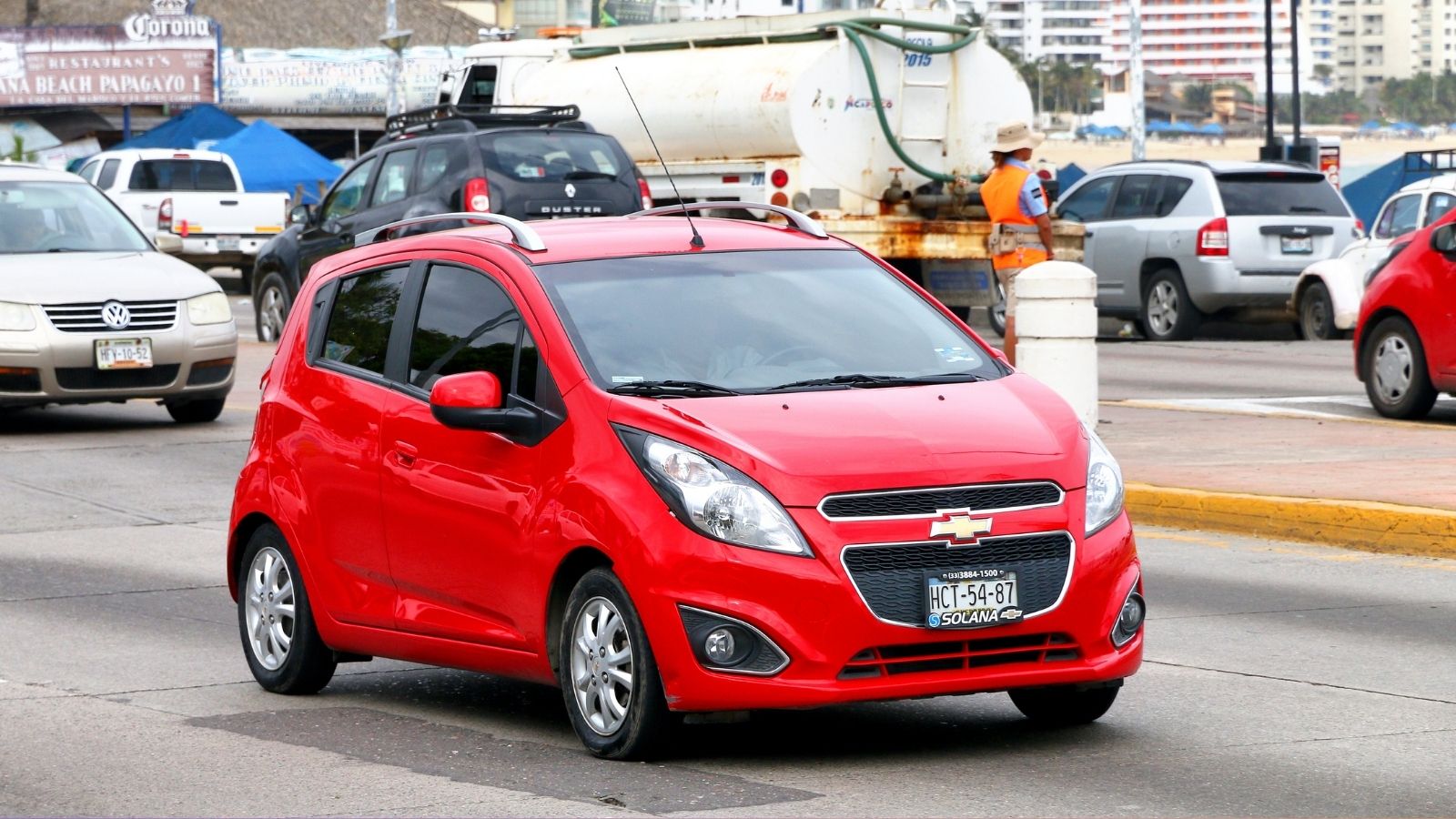
The Spark prioritized affordability and urban maneuverability. In crash tests, its tiny footprint and short crumple zones limited protection in higher-speed impacts. While newer versions added driver aids, early Canadian models reflected how size and cost-cutting can hurt real-world safety outcomes.
Nissan Micra
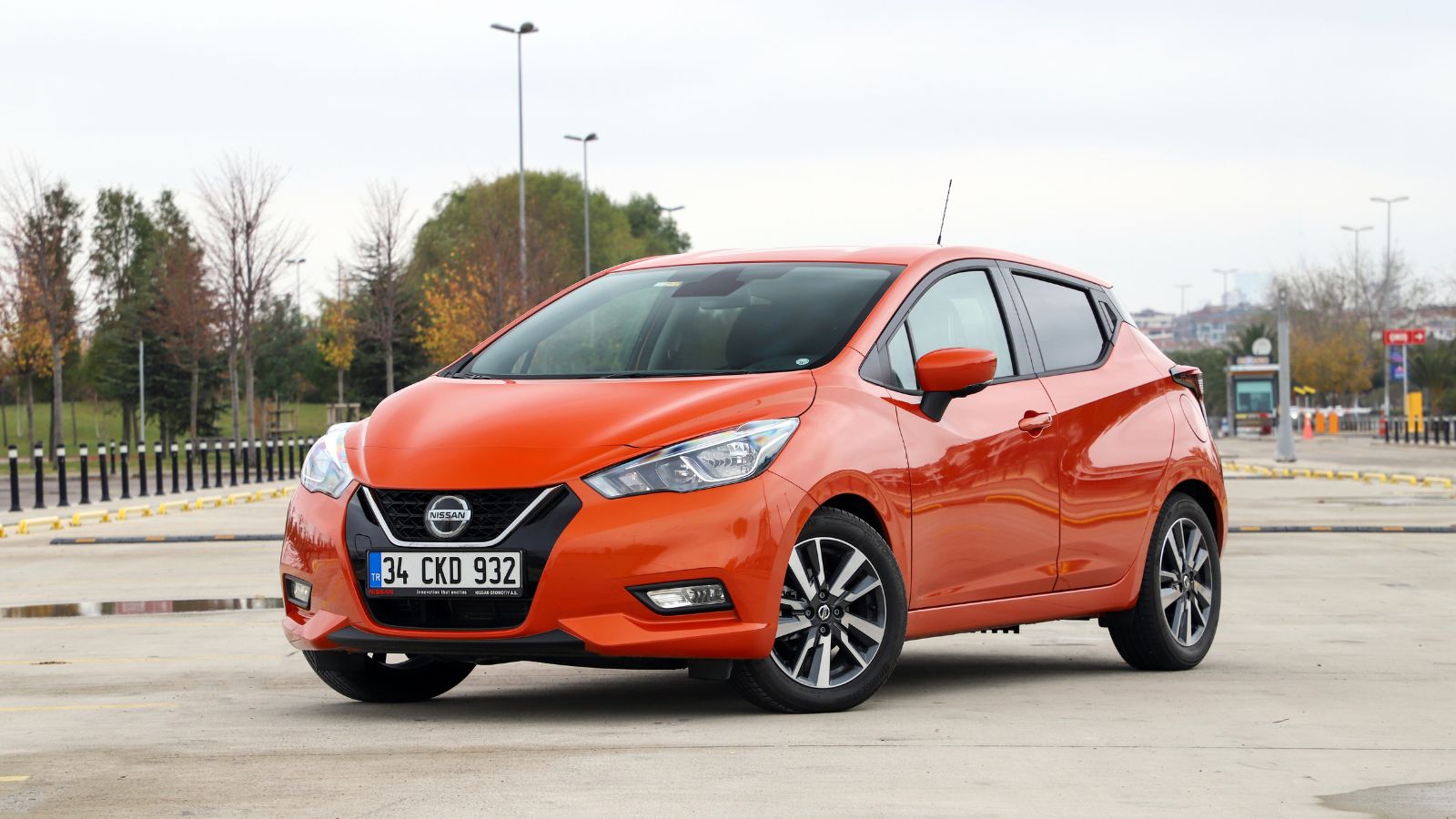
The Micra was marketed as cheerful, simple transportation, but safety took a back seat. Early models sold in Canada lacked advanced airbags and structural reinforcement found in competitors. Crash test results highlighted poor side-impact protection and limited occupant survival space.
Fiat 500
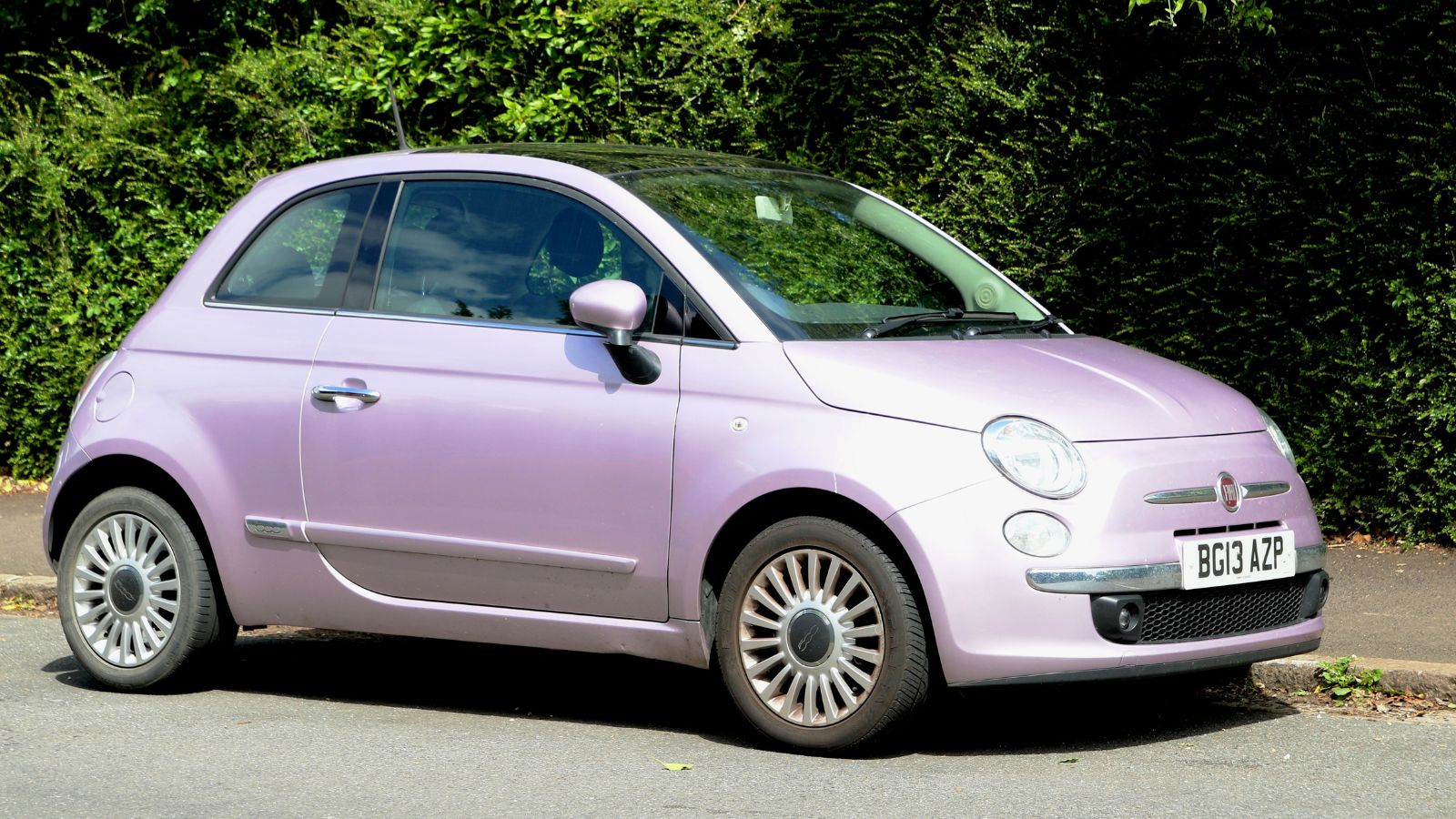
Charming styling could not hide the Fiat 500’s shortcomings in safety testing. Limited crash protection, weak rear-seat safety, and inconsistent airbag performance hurt its ratings. It looked solid for its size, but crash data told a less comforting story.
Suzuki SX4
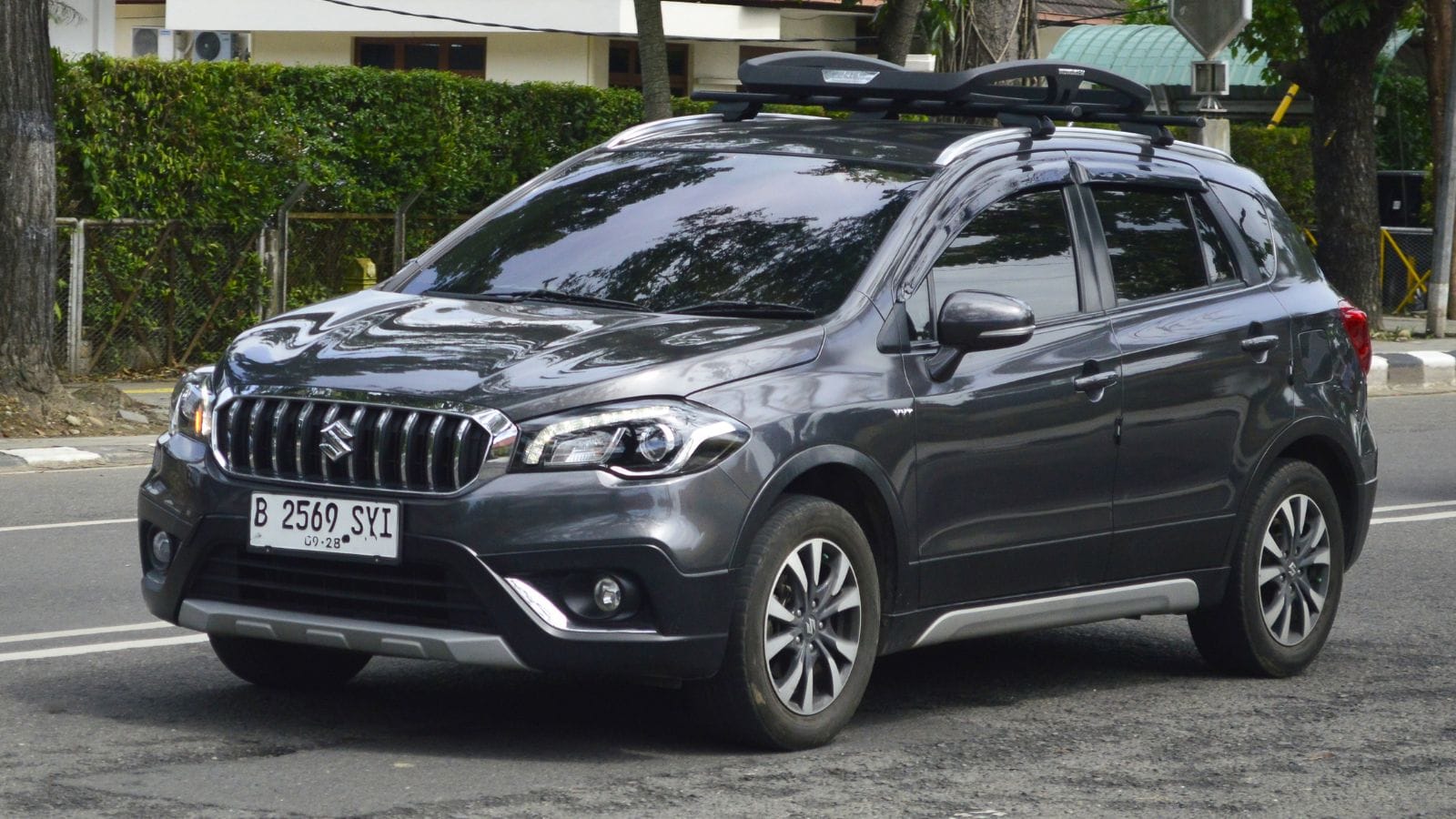
The SX4 promised all-weather confidence, but safety results were mixed at best. Older designs, limited electronic stability systems, and modest structural performance meant it lagged behind newer competitors. Canadian buyers often assumed AWD meant safer, which was not always the case.
Dodge Journey
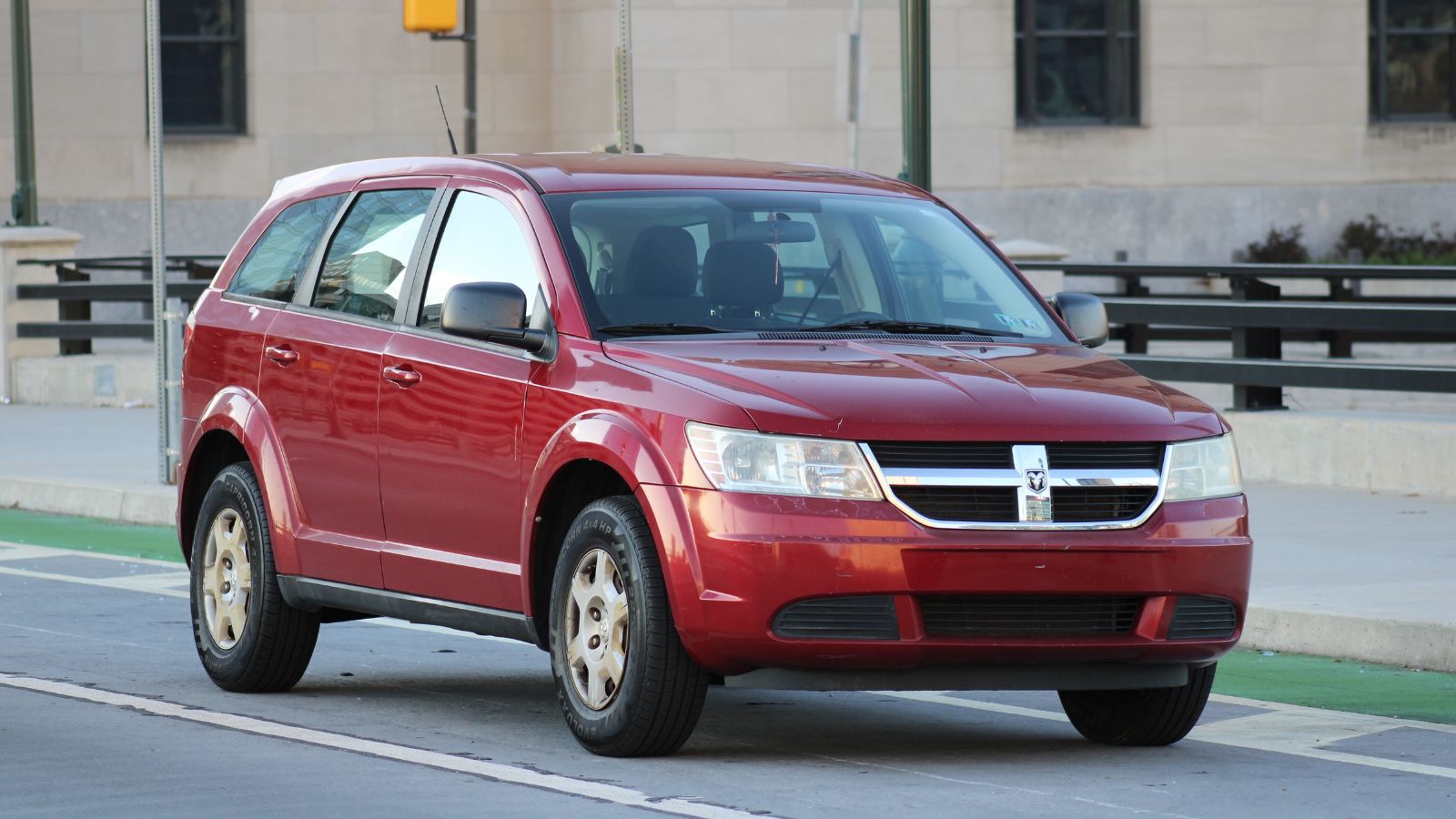
The Journey sold well on price and space, but safety performance was outdated almost from launch. Crash test results showed weak small-overlap protection and limited crash mitigation technology. As standards evolved, the Journey failed to keep up.
Jeep Wrangler

The Wrangler’s boxy shape and removable doors define its appeal, but they also compromise crash performance. Poor rollover ratings and weak side-impact protection hurt its safety scores. Buyers accepted these trade-offs for off-road capability, but crash results remained concerning.
Toyota Yaris Sedan
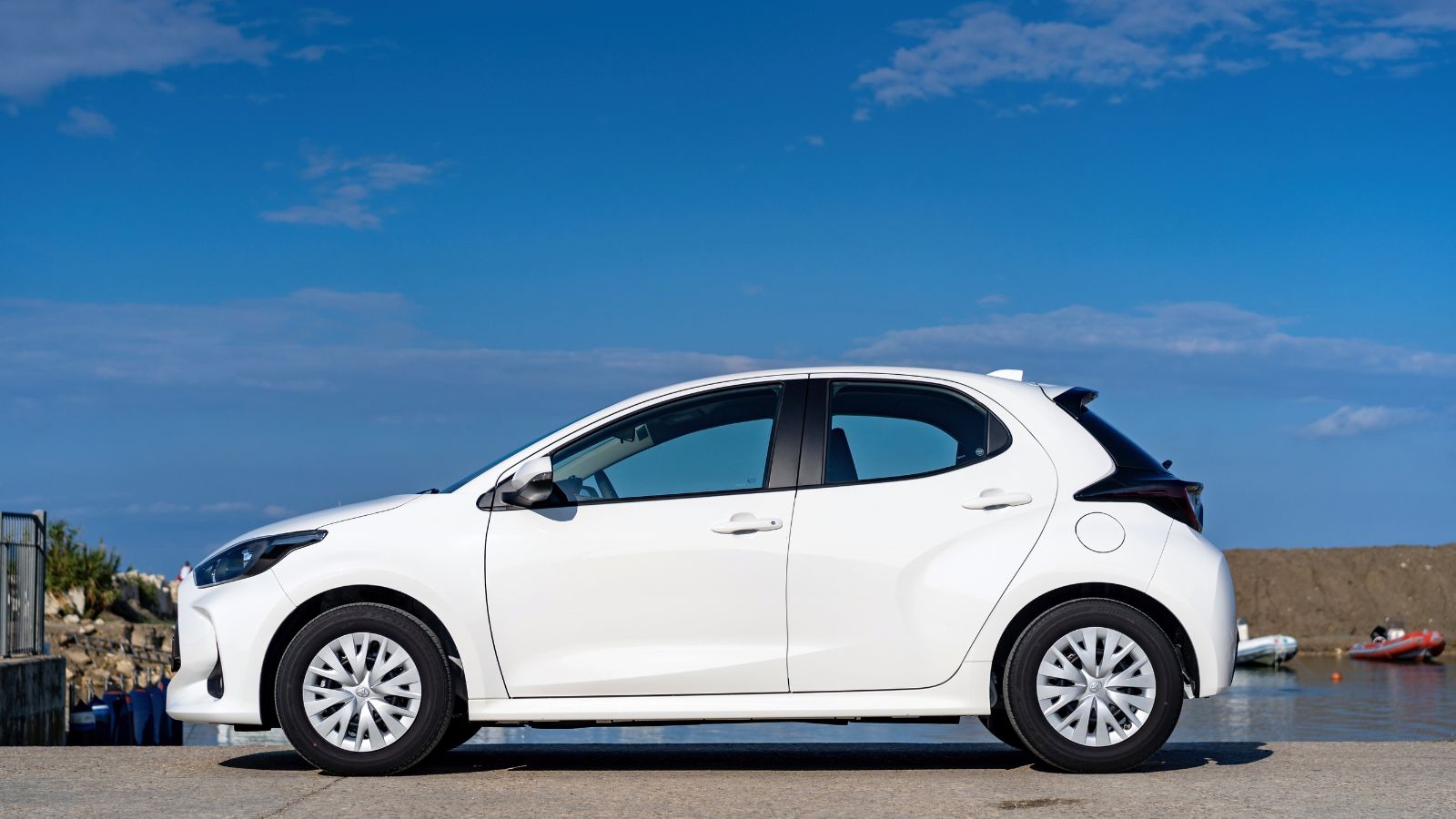
Earlier Yaris sedan models struggled in crash testing compared with newer small cars. Minimal structure, limited side protection, and few standard driver aids resulted in lower scores. Later generations improved significantly, but older Canadian models remain among the weakest performers.
Hyundai Accent
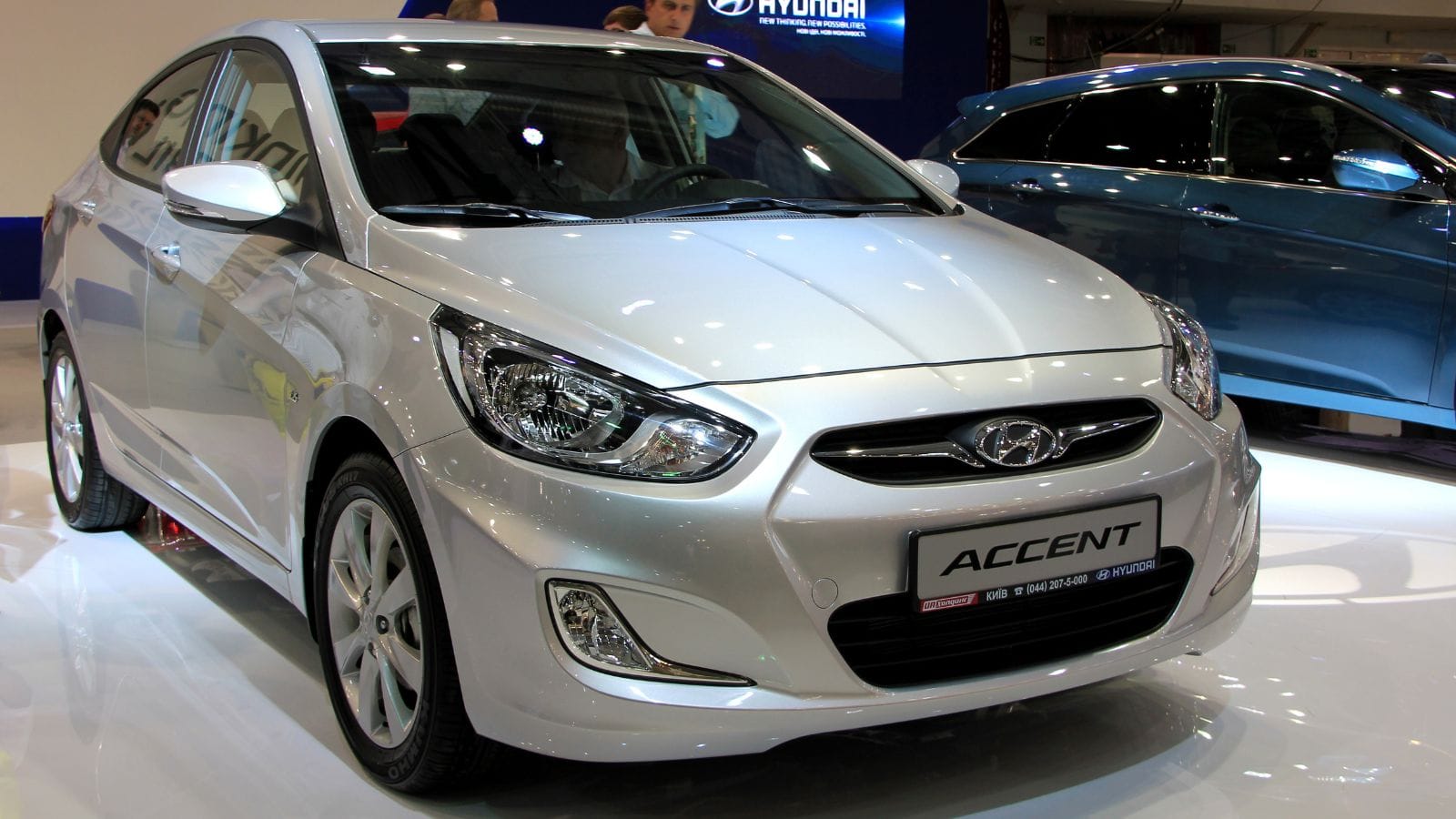
Older Accent generations prioritized affordability over safety engineering. Crash tests revealed limited impact absorption and poor rear-seat protection. Hyundai improved dramatically in later years, but early Canadian Accents reflected the brand’s budget-first phase.
Kia Rio
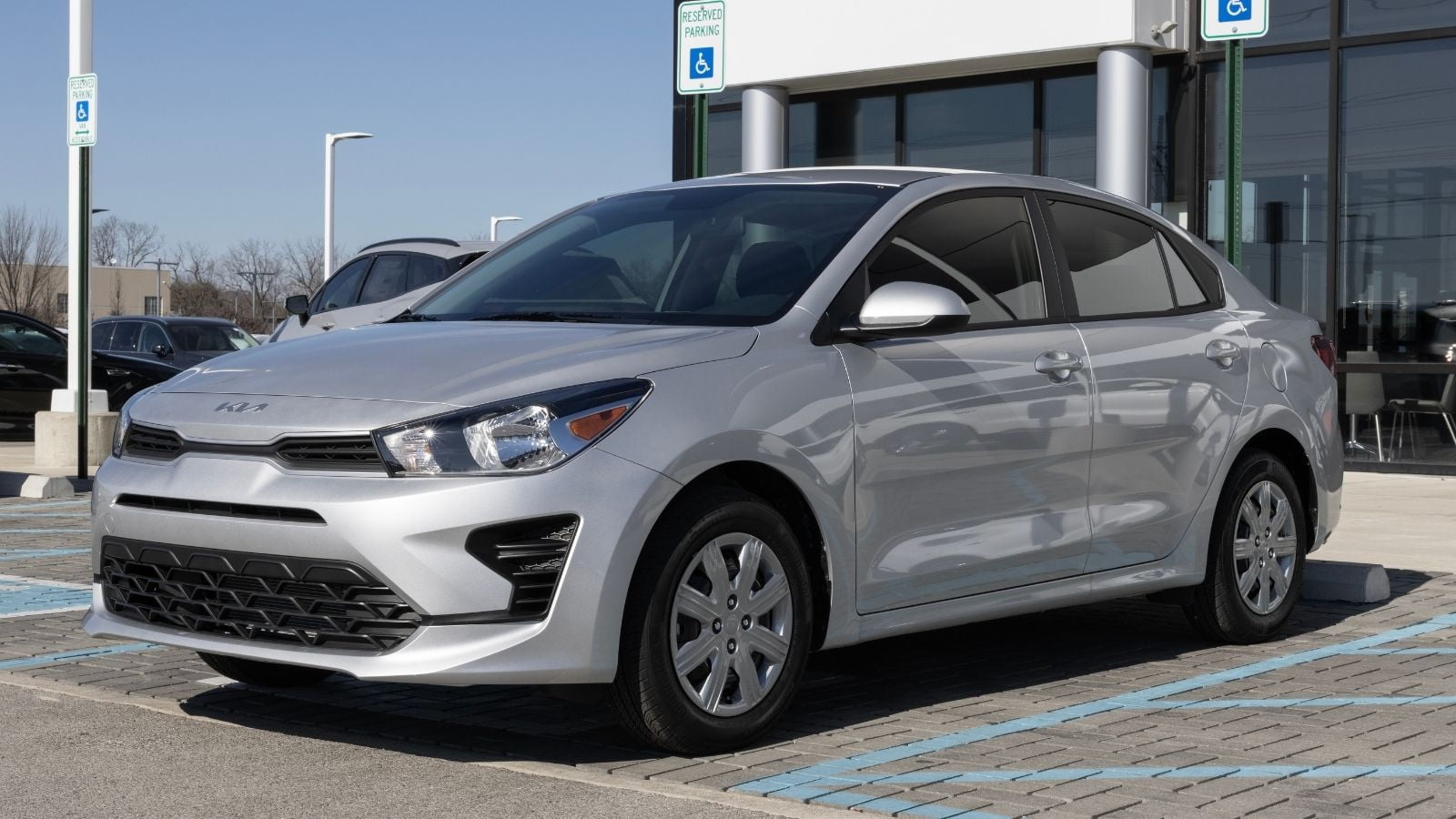
Like the Accent, early Rio models lagged in structural integrity and safety equipment. NCAP-style testing highlighted weak frontal impact protection and limited crash mitigation. Improvements came later, but early Rios earned their reputation the hard way.
These cars weren’t illegal or unsafe by regulation standards at the time, but they sat at the bottom of the safety curve when tested against peers. For Canadian buyers shopping the used market, understanding how safety standards have evolved is critical. What passed years ago may fall well short of what drivers expect today, especially in a country where winter roads and high-speed highways leave little margin for error.
25 Facts About Car Loans That Most Drivers Don’t Realize

Car loans are one of the most common ways people fund car purchases. Like any other kind of loan, car loans can have certain features that can be regarded as an advantage or a disadvantage to the borrower. Understanding all essential facts about car loans and how they work to ensure that you get the best deal for your financial situation is essential. Here are 25 shocking facts about car loans that most drivers don’t realize:
25 Facts About Car Loans That Most Drivers Don’t Realize
