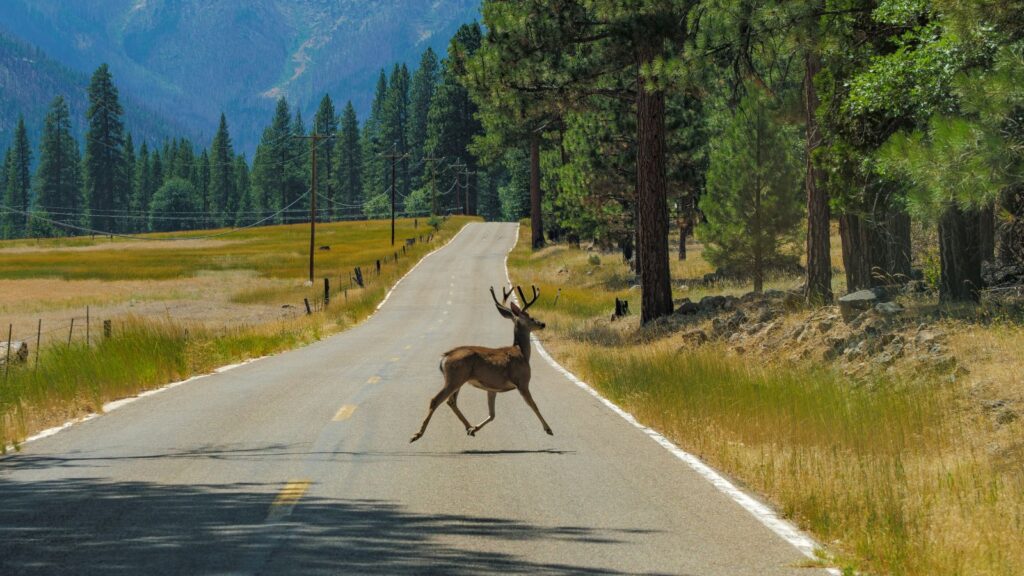
October often looks harmless from behind the wheel: dry pavement, mild afternoons, and no snowbanks in sight. Yet autumn is a high-risk period for deer encounters, especially as shorter daylight overlaps with increased animal movement. The reflex that road-safety guidance repeatedly warns about is also one of the hardest to resist — swerving suddenly when a deer appears.
The danger is that an attempted escape can turn a wildlife encounter into a head-on crash, rollover, or collision with another vehicle. The safer response usually begins with firm braking, a stable lane position, and enough awareness to anticipate that another deer may be close behind. These 12 points explain why October changes the risk, where drivers are most likely to be surprised, and what controlled driving looks like before, during, and after a deer encounter.
Swerving Can Turn One Hazard Into Several
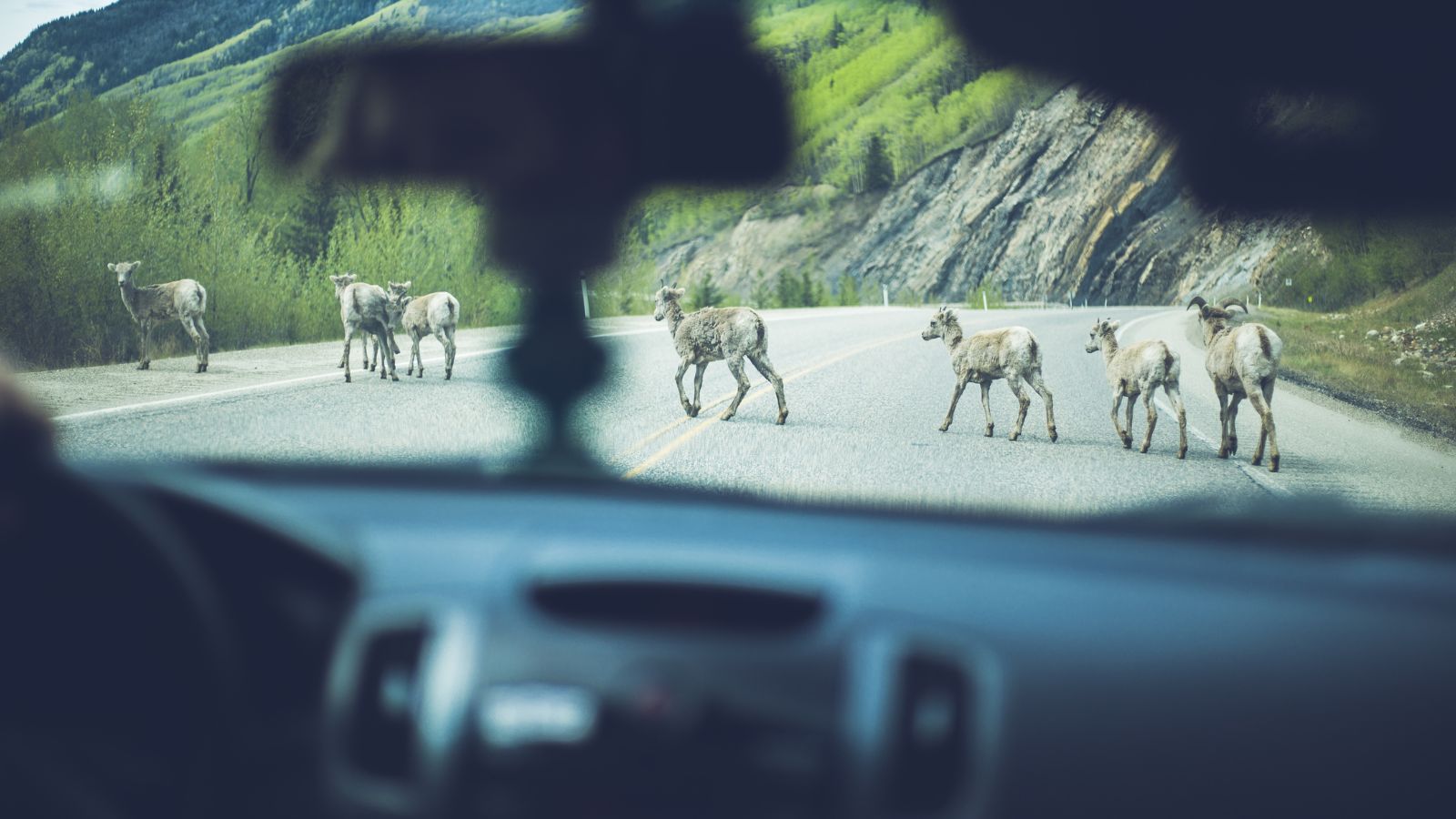
A deer appearing at the edge of the headlights creates an almost automatic urge to yank the steering wheel. That reaction is exactly what Canadian safety guidance warns against. Manitoba’s driver handbook tells motorists to brake firmly and avoid swerving because an evasive move can produce a worse collision. A sudden lane change can put a vehicle into oncoming traffic, a ditch, a guardrail, a tree, or another car the driver never had time to check for.
The safer goal is control, not a heroic last-second escape. If a deer enters the lane, the driver should reduce speed as aggressively as conditions allow while keeping the vehicle stable and predictable. Modern anti-lock brakes help preserve steering control during hard braking, but they cannot make an abrupt high-speed swerve safe. October’s biggest danger is often not simply the animal itself; it is the chain reaction created when panic replaces controlled braking.
October Changes Deer Behaviour Before Drivers Change Theirs
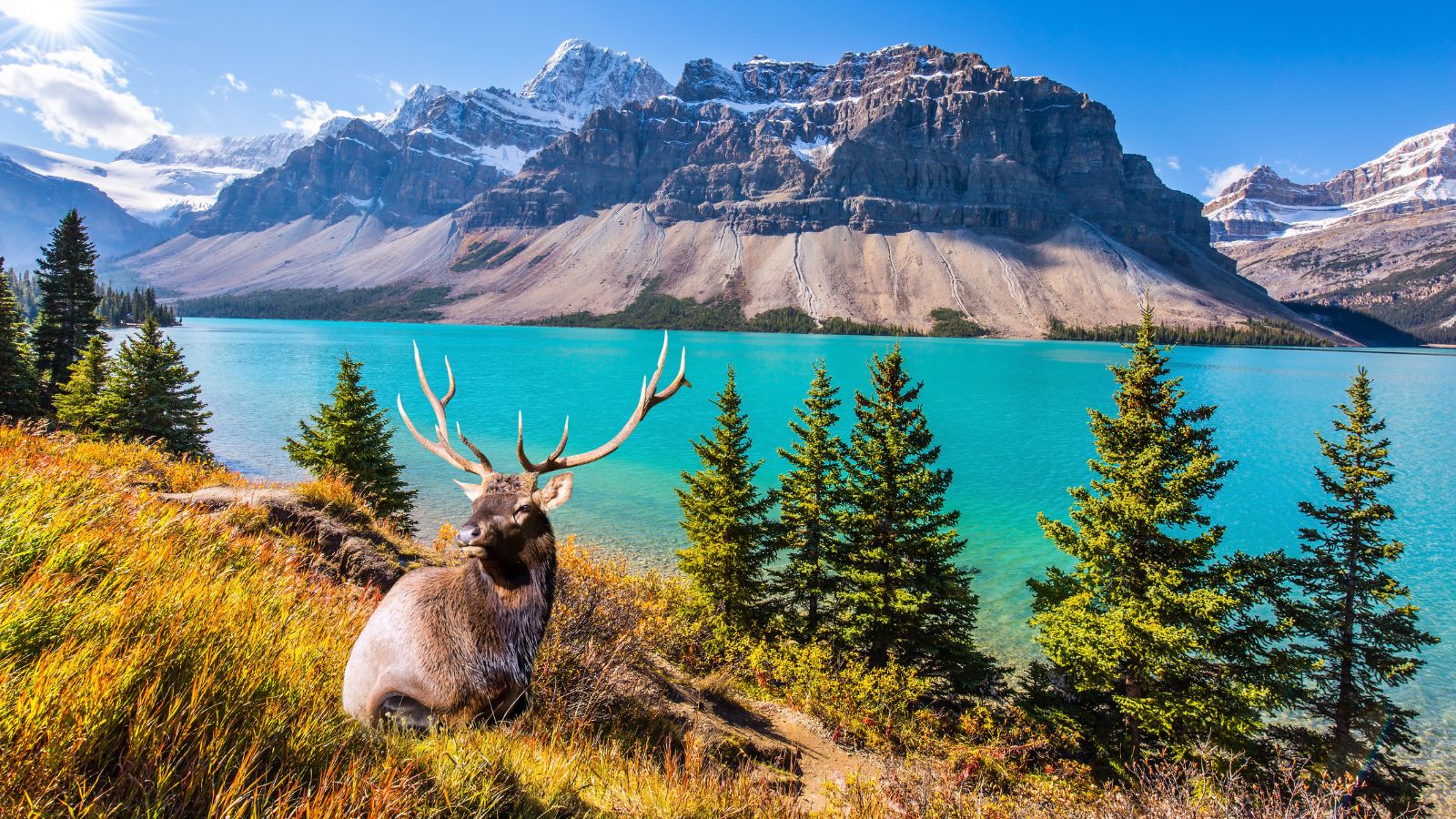
October can feel like ordinary fall driving, yet deer behaviour is already shifting. Manitoba’s driver handbook notes that deer are particularly active in autumn, while research on white-tailed deer collisions shows a pronounced fall peak connected to the breeding season. In a large New York analysis, the highest collision period arrived in the last week of October and the first weeks of November, when deer movement and road exposure increased sharply.
That timing matters in Canada because many drivers are still using the same routines and speeds they used in September. The roads may be dry, temperatures may be mild, and winter tires may not even be installed, so the season does not always feel hazardous. Deer do not respond to the calendar in the same way. Shorter daylight and breeding activity can put more animals in motion near roads, turning a familiar evening commute into a less predictable drive.
Dusk and Dawn Put Two Risks on the Road at Once
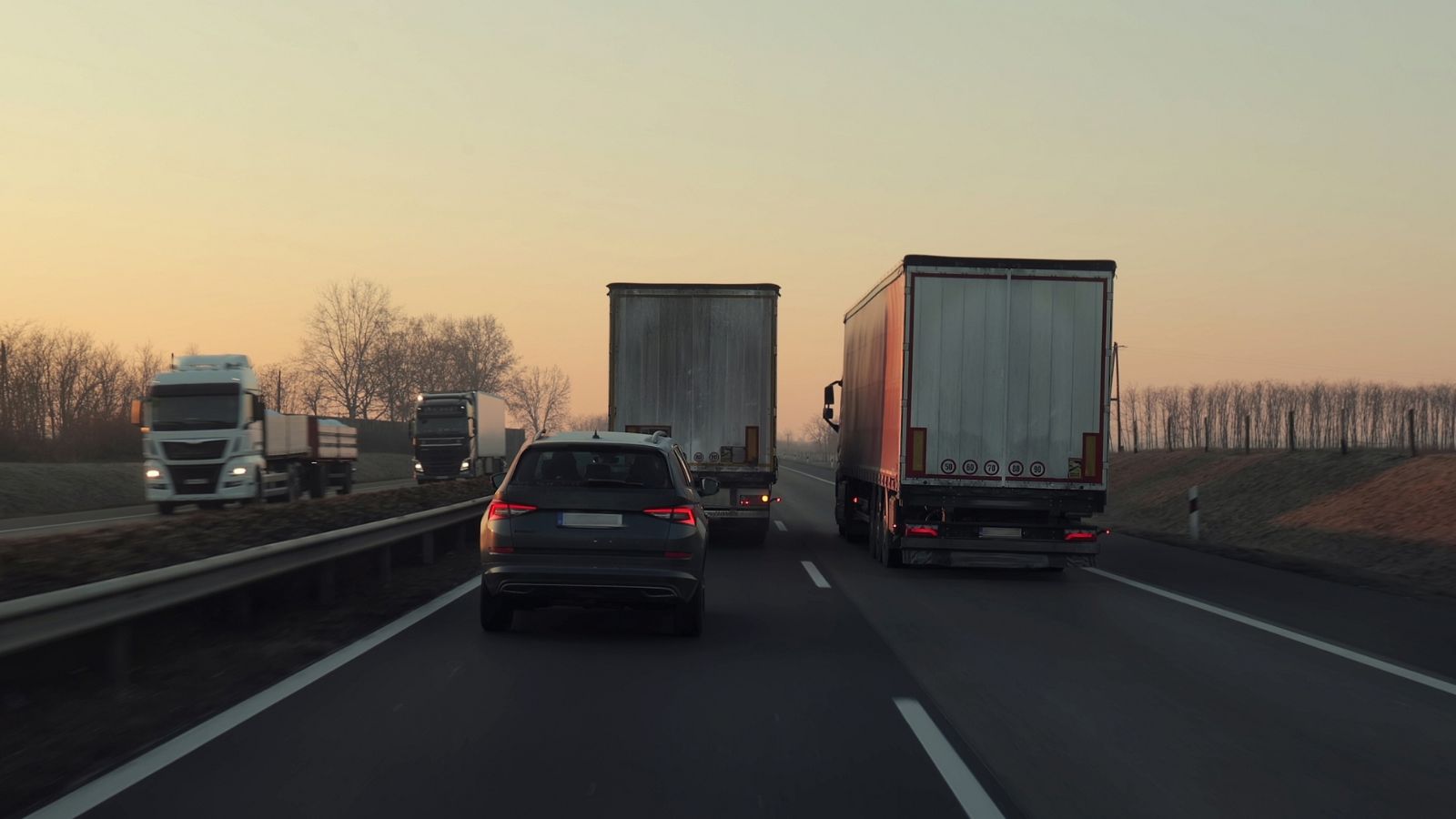
Low light and deer activity overlap at exactly the wrong times. Manitoba identifies the period from sunset to midnight and the hours just after sunrise as peak danger times for deer. Research using tens of thousands of reported deer-vehicle collisions has found strong dawn-and-dusk patterns. One New York study reported that only about one-fifth of collisions occurred in full daylight and that the hourly collision rate at dusk was far higher than during daytime.
Drivers are busiest around those hours. Morning commutes can begin before full daylight in October, while evening trips stretch toward sunset. A deer near the shoulder may blend into brush until its eyes, legs, or body suddenly enter the headlight beam. The mistake is treating reduced visibility as merely an annoyance. In October, darkness and wildlife movement are related hazards, so a lower speed and wider visual scan can matter before any deer is actually seen.
One Deer Clearing the Lane Does Not Mean the Road Is Clear
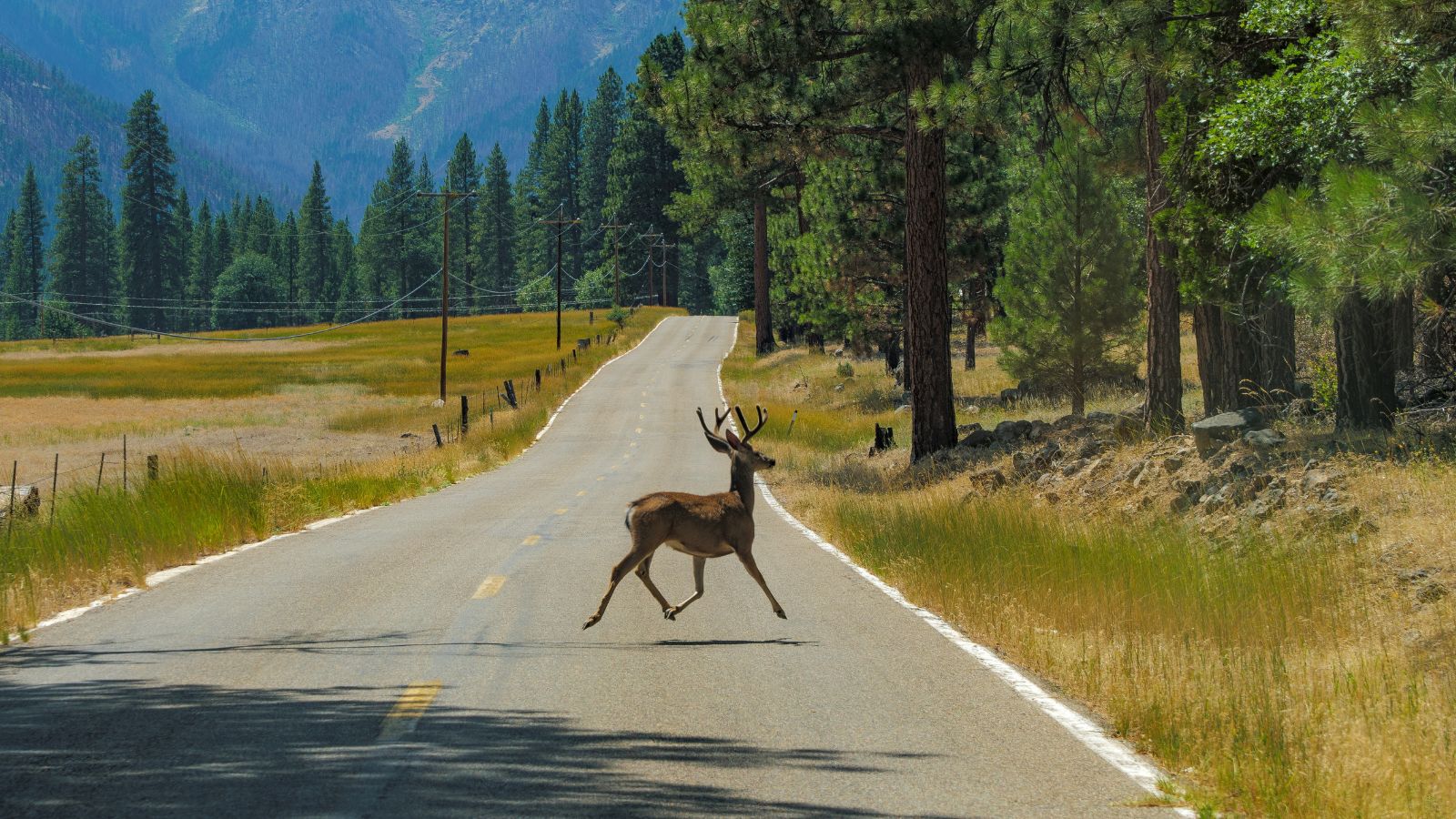
The first deer often gets a driver’s attention, but it may not be the only animal nearby. Manitoba’s driver handbook reminds motorists that deer travel in groups and advises drivers who see one to expect others. That makes the moment after a deer crosses especially important. Accelerating as soon as the first animal reaches the shoulder can leave little time to react if a second deer follows.
A calmer response is to keep slowing, scan both sides of the road, and give the scene a few extra seconds to develop. This is useful on two-lane roads bordered by brush, farmland, ravines, or wooded lots where animals may be hidden. Deer do not cross roads in orderly single file, and another animal can enter from a different angle. The safest assumption is that one visible deer may be part of a movement pattern, not an isolated obstacle that has already passed.
Speed Steals the Time Needed for a Calm Decision
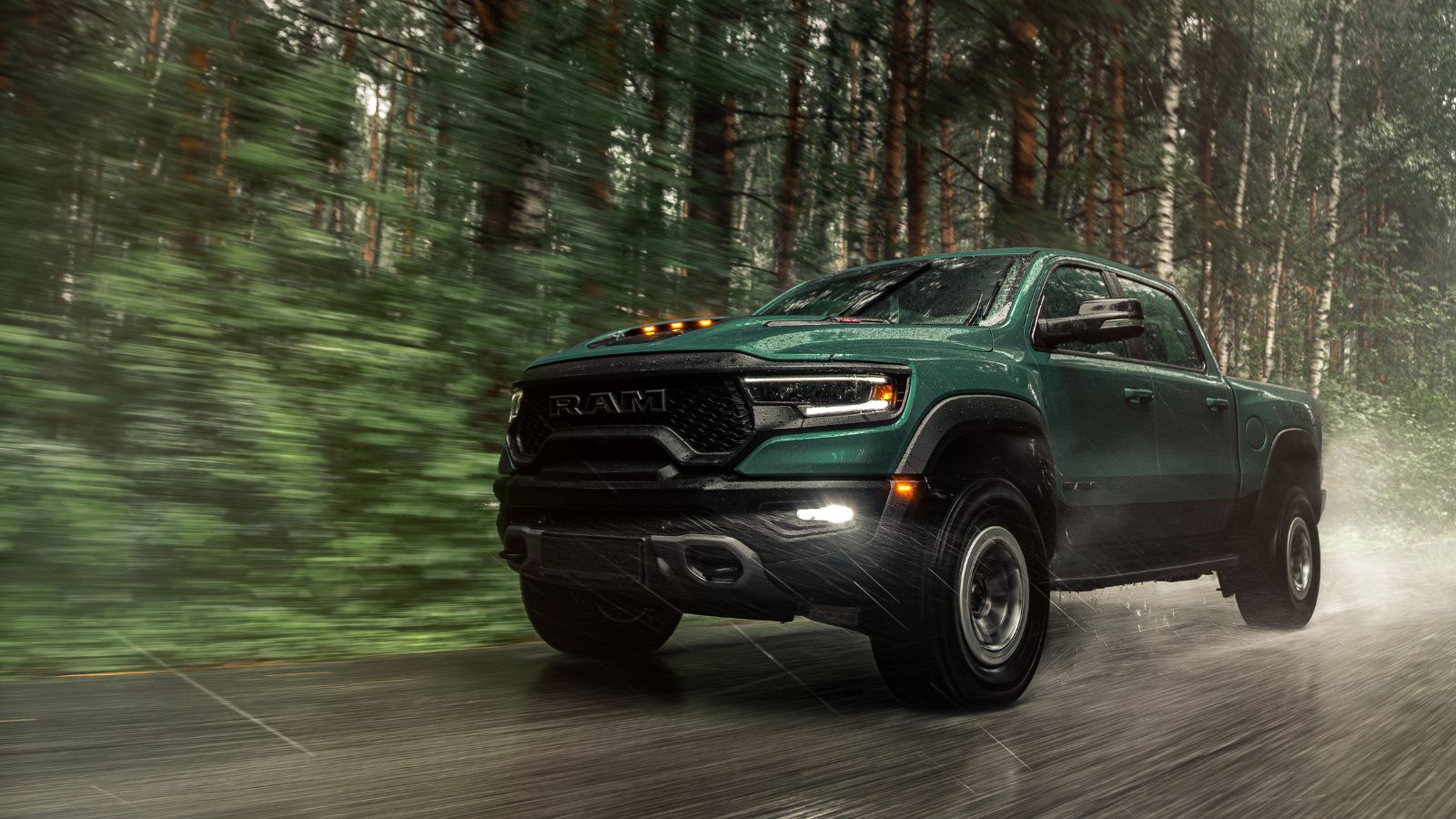
Speed does more than increase impact force; it also reduces the time available to identify what is happening and choose a controlled response. Manitoba advises drivers to slow during peak wildlife hours because lower speed provides more time and distance to react or stop. Research from Edmonton reached a similar conclusion from another angle: deer-vehicle collision locations were associated with higher posted speeds, around the suburban fringe where habitat and roads overlap.
That does not mean every high-speed road is equally dangerous, or that speed alone causes deer collisions. It means speed becomes more consequential when visibility, roadside cover, and wildlife movement are already working against the driver. A reduction before a wooded curve or signed crossing zone can create the extra second needed to recognize a deer, brake firmly, and remain in the lane. By contrast, entering the same situation at the limit leaves far less room for error.
Wildlife Warning Signs Deserve More Than a Glance
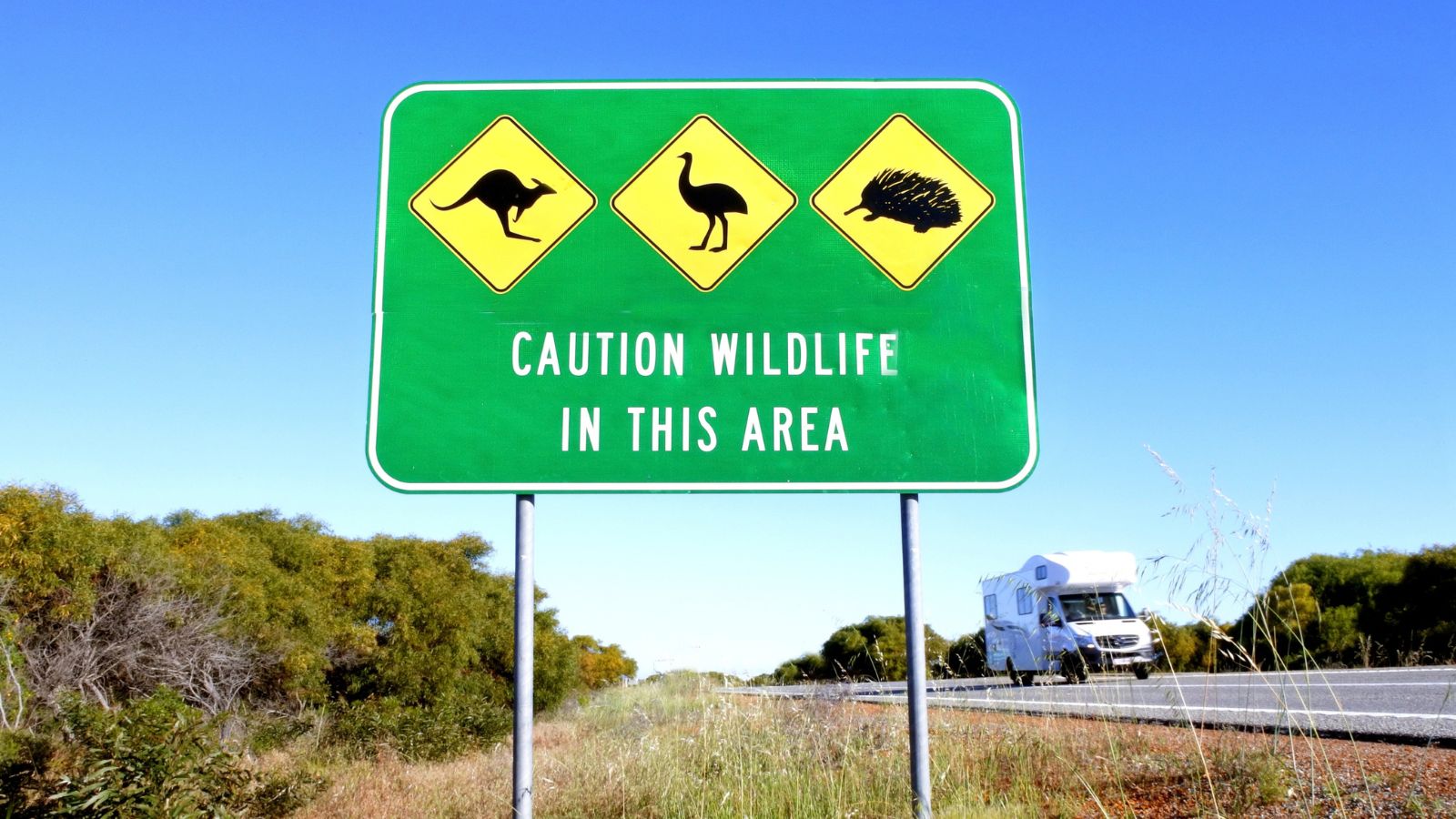
Deer-crossing signs are easy to tune out, especially for drivers who pass the sign every day without seeing an animal. Research from Edmonton suggests that can be a costly habit. Researchers installed warning signs at locations identified from deer-collision history and found a reduction in collisions at the signed hotspots during the first year after installation. The researchers cautioned that longer-term effectiveness still needed to be studied.
The useful lesson is not that every deer sign guarantees an animal ahead. It is that warning signs can mark places where road design, habitat, or collision history has given transportation officials a reason to flag the risk. Ontario transportation material describes wildlife-sign warrants based on collision history. In October, a deer sign should trigger a change in driving: ease off the accelerator, widen the visual scan, increase following distance, and expect movement from either shoulder instead of treating the sign as decoration.
Roadside Vegetation Can Hide the Hazard Until the Last Seconds

A road can look empty while a deer stands a few metres beyond the pavement. Research in Edmonton found deer-vehicle collisions were frequent where roadside vegetation was denser and more diverse and where the groomed roadside right-of-way was narrower. The study linked collision patterns with mixed landscapes containing forest, open vegetation, farmland, and suburban development. Those edges are deer habitat but difficult places for drivers to read at speed.
This is why a clear centre lane can create false confidence. The hazard zone often begins beyond the painted edge line, where shrubs, grass, ditches, and tree lines can conceal an animal until it moves. October adds fallen leaves, changing light, and longer shadows that can break up an animal’s outline. On roads with roadside cover, the defensive move is to look farther outward and reduce speed before the shoulder becomes visually complicated, not after a deer steps onto the asphalt.
Scanning Only the Pavement Misses the First Warning
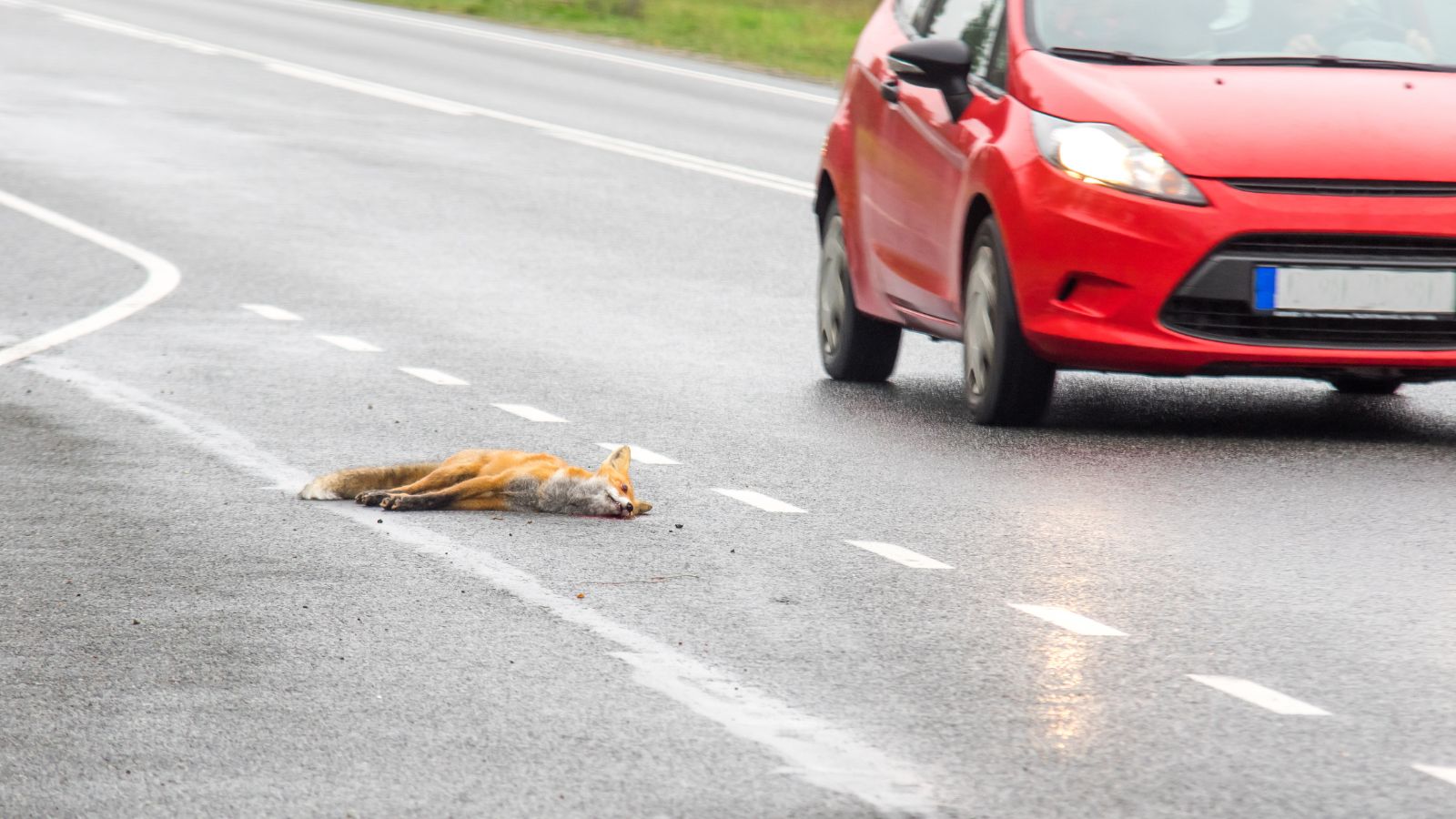
Many drivers focus entirely on the lane ahead, yet the earliest sign of a deer may appear beside the road. Manitoba’s driver handbook advises scanning from side to side, watching for shining eyes, and using high beams when possible. Those habits matter because detecting an animal earlier can change the situation from an emergency stop into a controlled slowdown. The road surface is only part of the view that matters.
At night, high beams can extend the visible area when traffic and local rules allow safe use, but the driver still has to search actively. Eyeshine, movement between tree trunks, or a shape near a ditch may be easier to notice than a deer body. The key is not to stare at one spot. A scan between the lane, shoulders, and roadside creates more chances to detect movement before it reaches the travel lane, particularly on rural and suburban roads.
Headlights and Horn Should Be Used Deliberately

Once a deer is in or beside the lane, panicked inputs can make the situation harder to control. Manitoba’s driver handbook recommends firm braking, avoiding a swerve, dimming the lights so the animal does not freeze in the glare, and using one long blast of the horn to try to move it off the road. The guidance is simple: the driver’s first job is to keep the vehicle stable while reducing speed.
The mistake is stacking reactions: flashing lights, jerking the wheel, sounding the horn, and accelerating before the animal’s path is clear. A deer may stop, reverse direction, or continue across, so its move cannot be assumed. A simple, deliberate sequence gives the driver more control: brake, stay in the lane, reduce glare if appropriate, use the horn, and be prepared to stop. The purpose is not to perfectly predict the deer; it is to keep the car predictable.
Following Distance Matters Even When the Deer Is in Another Lane

A driver does not need to see a deer for wildlife to create an emergency. The vehicle ahead may spot one first and brake suddenly, leaving a close follower with no margin. Research on deer collisions has noted that multi-vehicle incidents can occur when one motorist reacts to wildlife and another vehicle is involved. Manitoba’s driver handbook recommends a four-second following distance in ideal conditions and more time when conditions are adverse.
October can justify that space even on dry pavement. Earlier darkness and fall conditions can reduce margins, while wildlife can trigger abrupt braking without warning. A gap gives the following driver time to recognize brake lights, slow progressively, and avoid turning a deer encounter into a rear-end crash. It also reduces pressure on the lead driver, who may need to brake hard while remaining in the lane. Wildlife risk is a traffic-spacing problem, not only an animal-detection problem.
Urban and Suburban Roads Are Not Deer-Free

Deer collisions are often imagined as a remote-highway problem, but Canadian research shows that urban edges deserve attention too. A University of Alberta study mapped deer-vehicle collisions within Edmonton and found that many high-frequency locations were associated with the suburban fringe, where higher-speed roads intersected with forest, meadows, and varied land cover. Manitoba’s driver handbook likewise warns that animal collisions can happen in urban as well as rural areas.
That matters in October because suburban drivers may lower their guard once streetlights, homes, and commercial development appear. Yet ravines, river valleys, golf courses, parks, hydro corridors, undeveloped lots, and wooded subdivisions can all create routes between patches of habitat. A road can shift from fully built-up to deer-friendly in a few hundred metres. The practical response is to treat green-space edges and semi-rural arterial roads with the same caution as country highways, especially after dark and around dawn each day.
After a Collision, Staying Safe Still Comes First
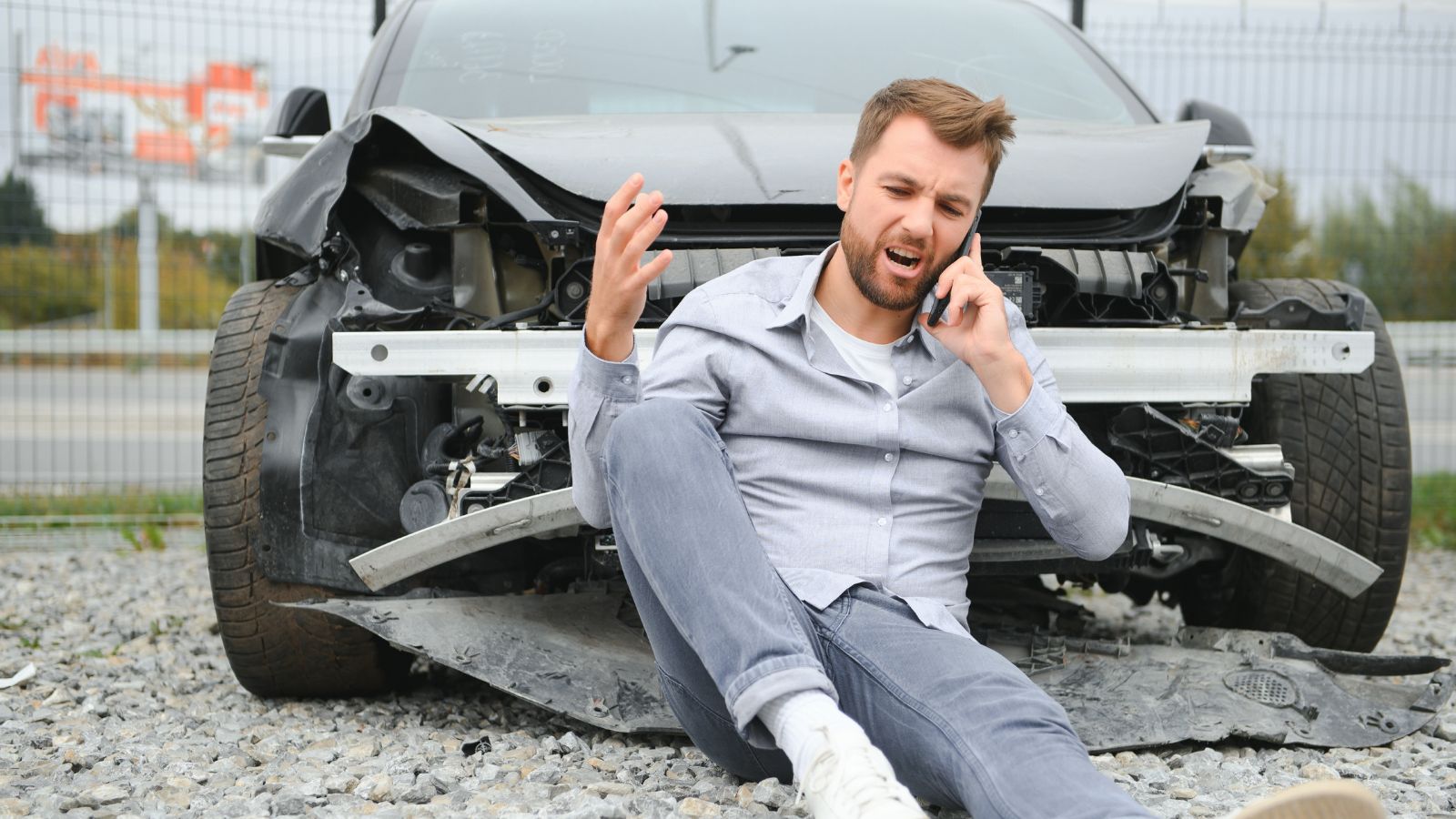
Hitting a deer can leave a driver shaken, but the next decisions matter. Manitoba’s driver handbook says that after striking an animal, the vehicle should be moved safely off the road. It also advises calling the local road authority and not approaching the animal, because an injured animal may try to escape and cause harm. On a dark road, getting out of the traffic stream helps prevent a second emergency.
Once parked, occupants should be checked for injuries and emergency help called when necessary. Drivers should follow the collision-reporting and insurance requirements that apply in their province, since procedures differ across Canada. A damaged vehicle should not be driven away if its condition is uncertain. The deer strike is only the first problem to manage. Protecting people from traffic, keeping a safe distance from the animal, and deciding whether the vehicle can continue safely should come before finishing the trip.
19 Used Cars Canadians Should Avoid in 2026 (Based on Owner Complaints)
Buying a used car in Canada can feel safe until repair bills start stacking up. Owner complaints tell a different story than glossy listings. Transmission failures, electrical problems, and weak winter reliability show up again and again in consumer reports. Many of these issues appear after warranties expire, when owners least expect them. Some vehicles look affordable upfront, but become expensive to keep on the road. Others struggle in cold weather, urban driving, or long highway commutes. Here are 19 used cars Canadians should avoid in 2026 (based on owner complaints).
19 Used Cars Canadians Should Avoid in 2026 (Based on Owner Complaints)

Alanna Rosen is an experienced content writer that focuses on many EV and educational content. Her articles are regularly published on Get CyberTrucked and syndicated on large publications.