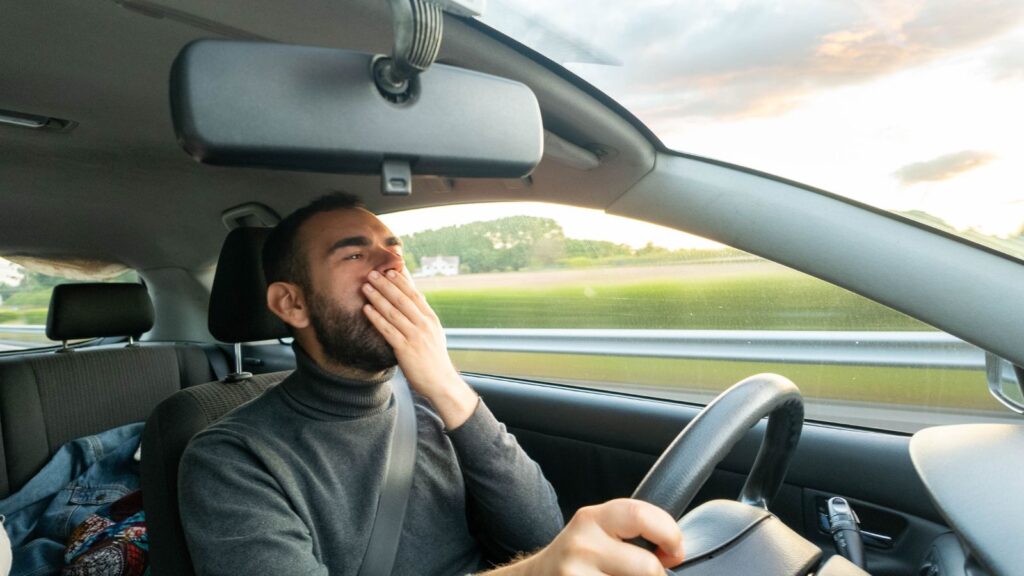
A familiar early-morning commute can feel almost automatic, but fall quietly changes the conditions around it. The risky habit is not a dramatic mistake; it is driving the same route at the same pace, with the same timing and expectations that worked in summer. Shorter daylight, colder pavement, overnight moisture, low-angle sun and increased wildlife activity can all appear on a road that looked completely ordinary a few weeks earlier.
These 12 fall-morning risks show why routine can become a liability when the season changes, and why small adjustments before and during the drive can make a familiar commute far less predictable.
The Habit Is Treating the Morning Commute Like Summer

The problem often starts with familiarity. A driver leaves at the usual time, follows the same streets and expects roughly the same visibility and road feel as in August. Yet the autumn equinox marks the season when daylight is steadily shrinking across the Northern Hemisphere, and sunrise moves later as fall progresses. That means a commute that began in full daylight during summer can gradually move into twilight or darkness without the departure time changing at all.
Familiar roads can make that transition easy to underestimate. The corner, crosswalk or rural bend has not moved, but the amount of light available to see it has changed. Ontario driving guidance also stresses that night and poor-weather conditions reduce how far ahead a driver can see. The safer fall mindset is to treat a routine route as a changing environment rather than assuming that yesterday’s timing, speed and spacing still fit today’s conditions.
Darkness Arrives Before the Routine Changes
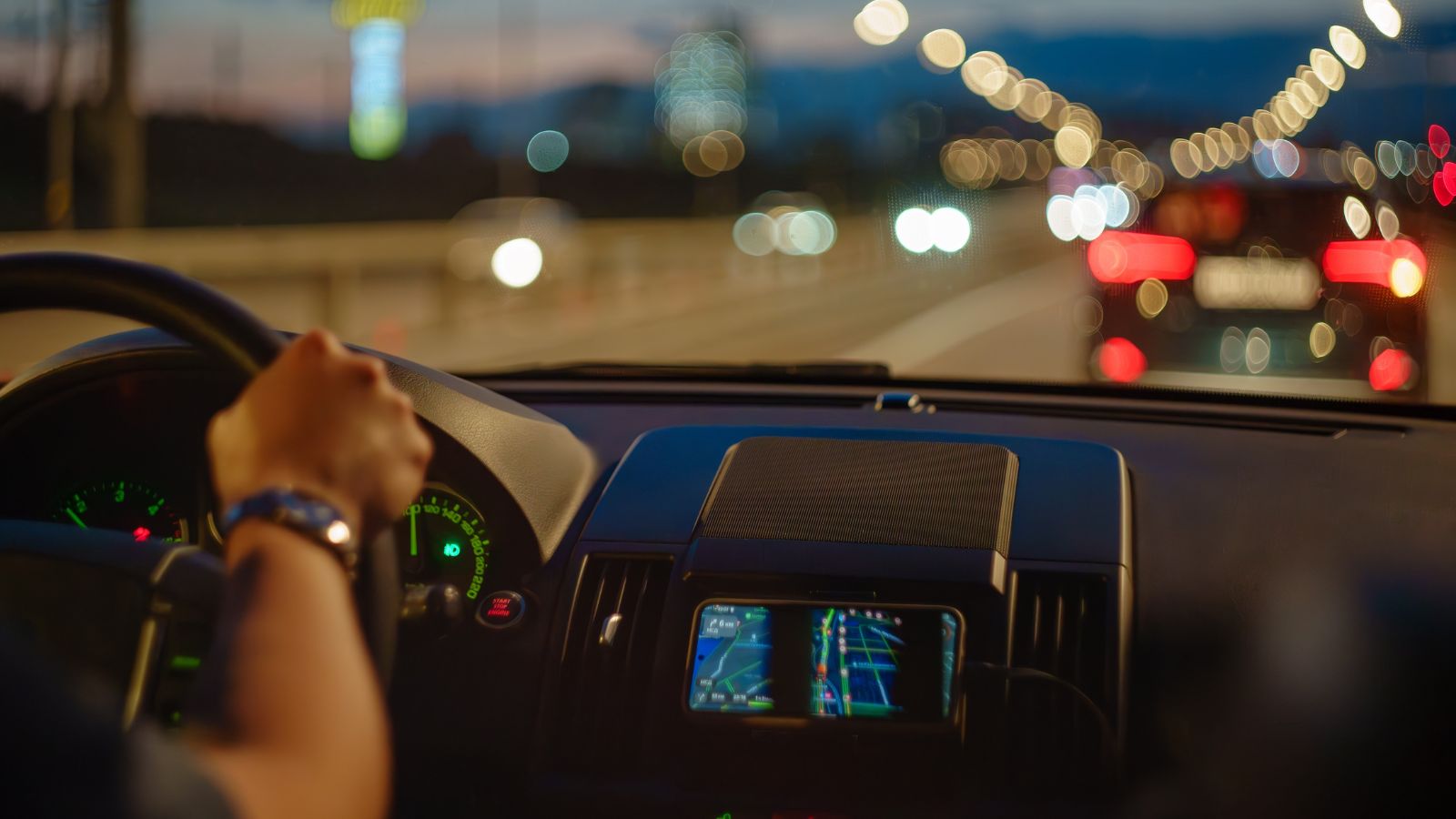
Autumn does not flip from bright mornings to dark ones overnight. The shift happens a few minutes at a time, which is exactly why it can sneak into a commute. Canada’s National Research Council provides sunrise and sunset calculations because daylight and twilight vary throughout the year, and its guidance notes that those times matter for safe driving practices such as headlight use. By mid-to-late fall, many early departures occur before sunrise or during civil twilight.
The difference matters because darkness compresses the distance at which hazards become obvious. A cyclist without reflective gear, a pedestrian stepping from between parked cars or debris at the edge of the lane may appear later than expected. Ontario’s driver handbook warns against “overdriving” headlights—travelling so fast that stopping distance is longer than the visible illuminated road ahead. A fall commute can therefore require a lower speed even when the road is dry and the posted limit has not changed.
Sleepiness Is Strongest at the Wrong Time
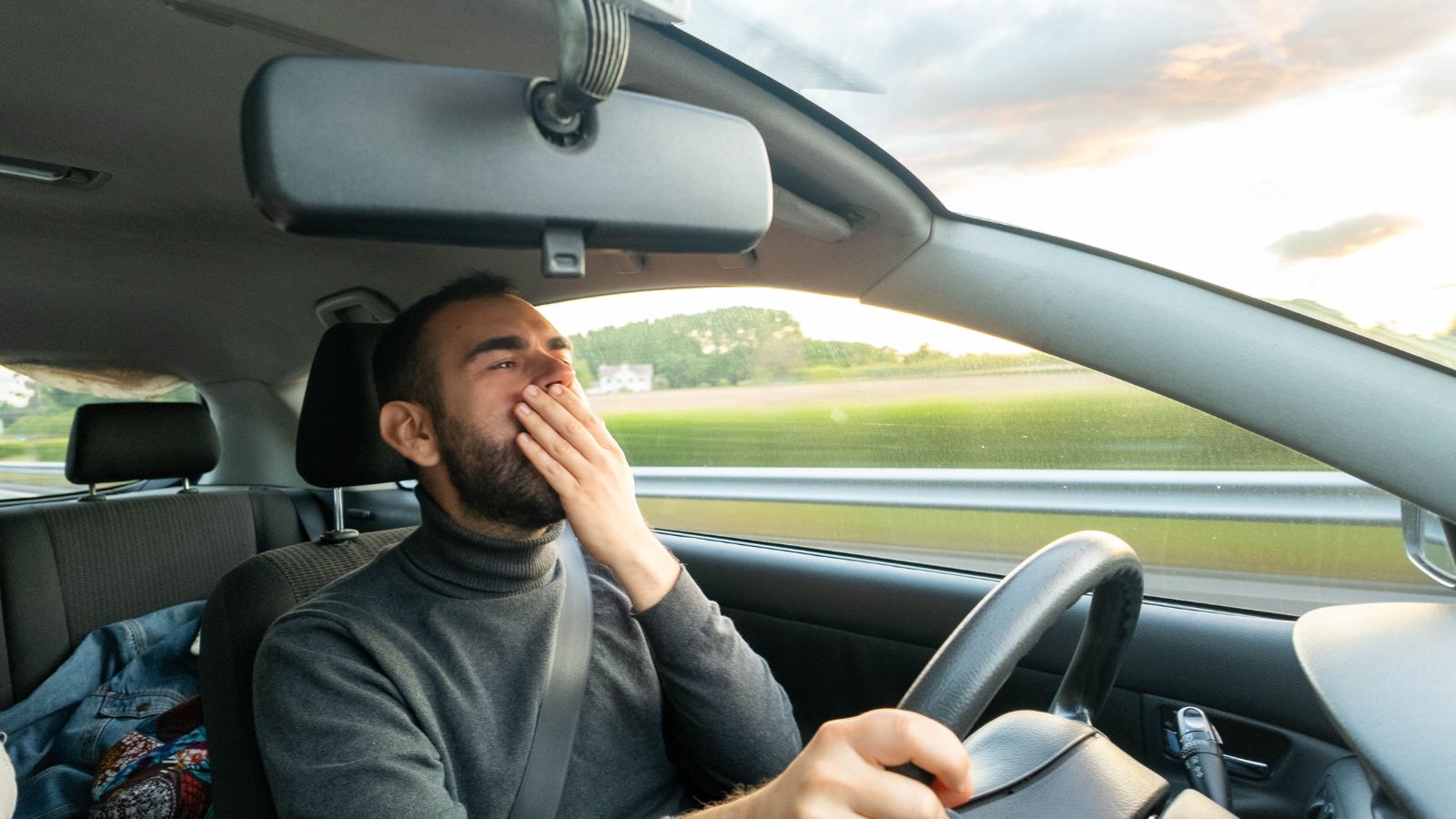
An early departure can overlap with one of the body’s natural low points for alertness. The U.S. National Highway Traffic Safety Administration says drowsy-driving crashes occur most frequently between midnight and 6 a.m. or in the late afternoon, when circadian rhythms promote sleepiness. A 2024 AAA Foundation analysis of fatal crashes found that the share of drivers estimated to be drowsy was highest among crashes occurring from 3 a.m. to 6:59 a.m.
Fall can make that risk feel less obvious because the commute itself has not changed. A darker cabin, a colder morning and a familiar route can all make a tired driver feel as though the day has not fully started. Coffee may help temporarily, but NHTSA warns that caffeine alone is not a substitute for adequate sleep. The practical lesson is simple: the more an autumn commute moves into pre-dawn hours, the less wise it is to rely on habit to carry the driver through it.
Low-Angle Sunrise Can Turn Into Glare
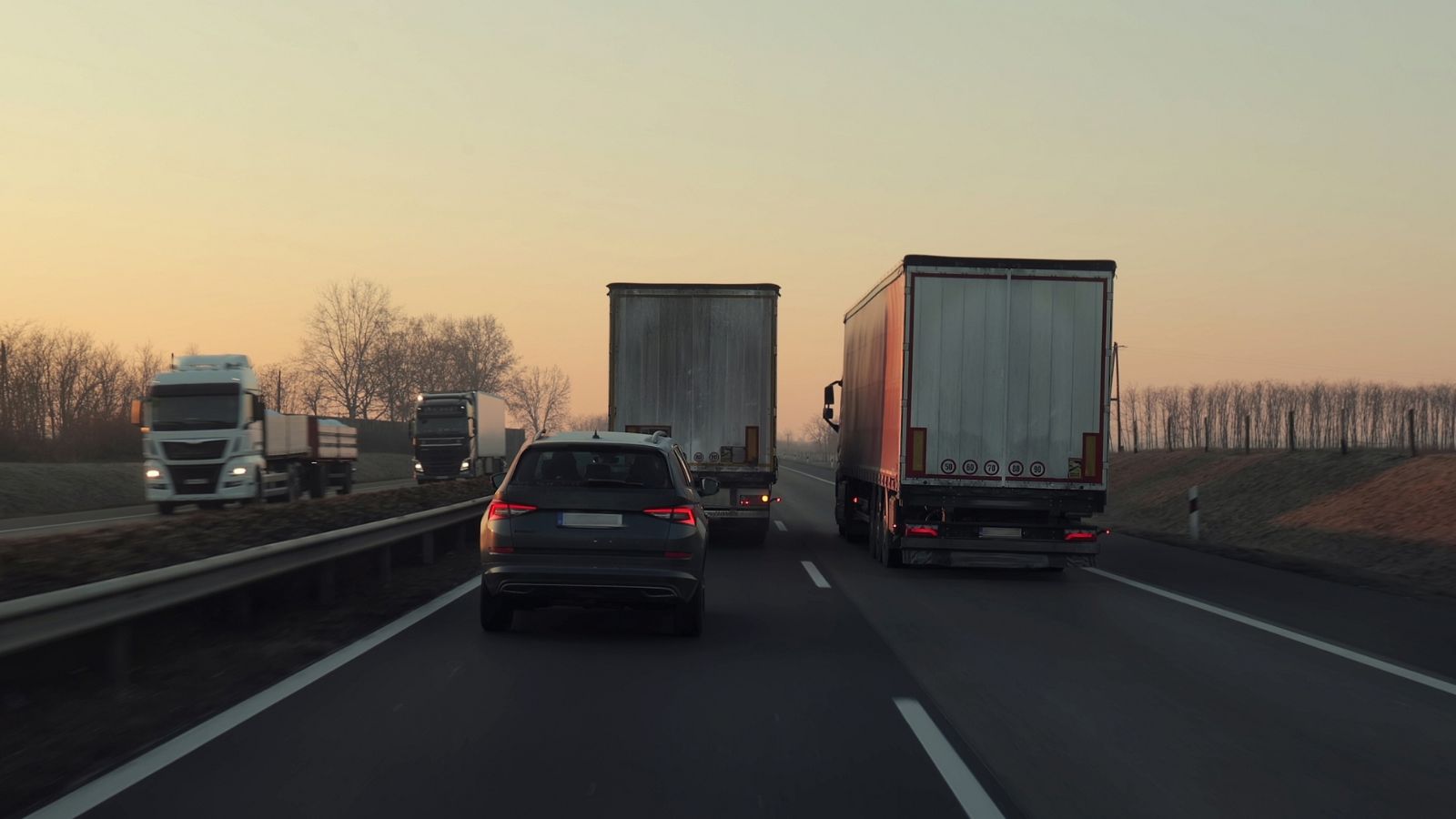
Darkness is not the only visibility problem. Just after sunrise, the sun can sit low enough on the horizon to shine directly into a driver’s eyes, especially on eastbound roads. Transportation Research Board work examining sun-glare crashes found evidence that glare can influence crash occurrence and that its effects can be especially pronounced in early spring and early fall. Research from Edmonton has also linked sun glare with particular collision patterns at intersections and mid-block locations.
That creates an awkward fall transition: a driver may leave home in dim light and then encounter intense glare minutes later. Dirty glass, interior windshield haze and moisture can scatter sunlight and make the problem worse. The safest response is not to drive through the glare at the same speed. More space, a clean windshield, sunglasses when appropriate and a speed that allows a stop within the visible distance can turn a blinding few seconds into a manageable part of the commute.
Overnight Fog Can Hide Familiar Roads
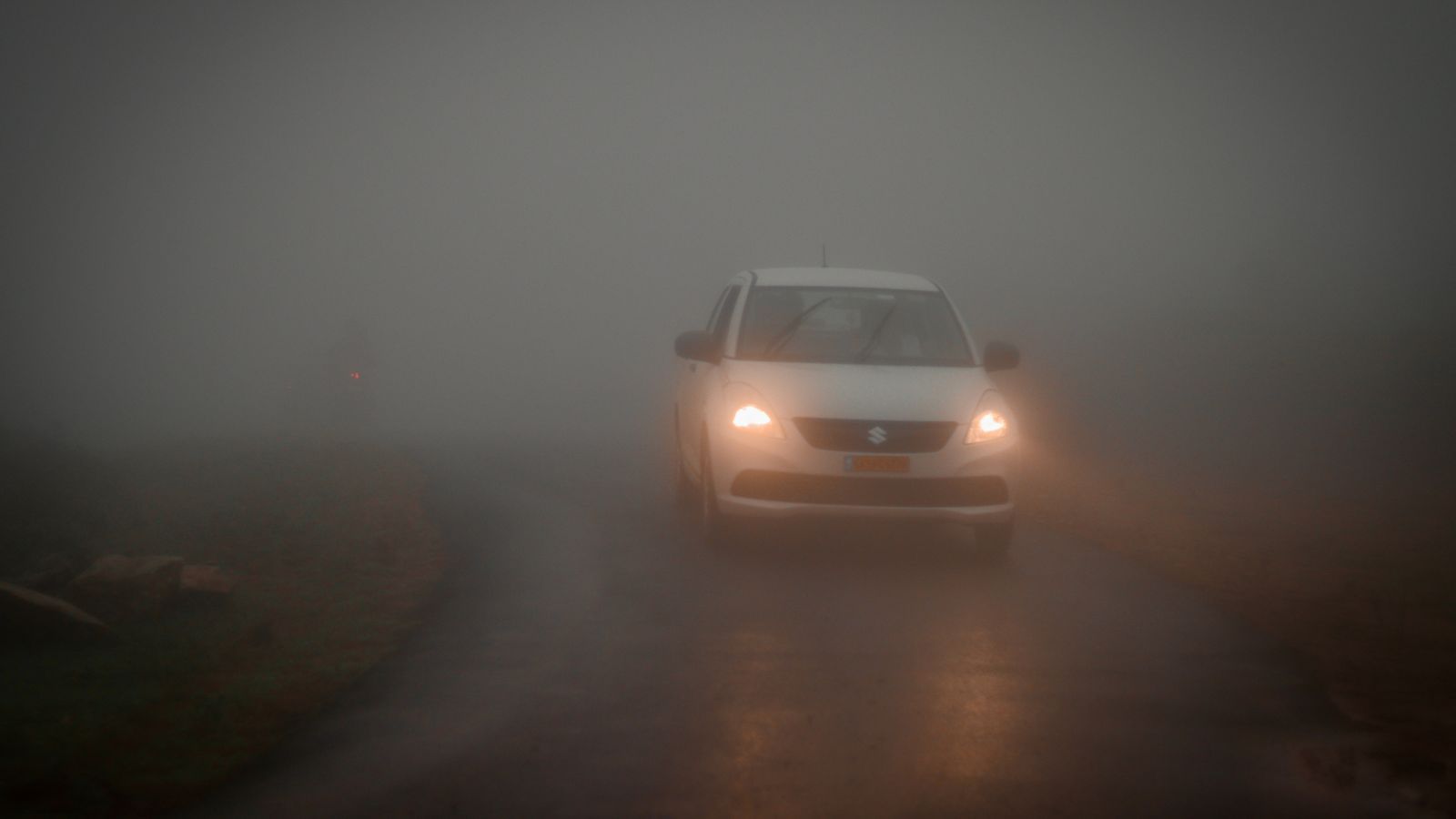
Cool, calm autumn nights are well suited to radiation fog, which forms when air near the ground cools enough to reach saturation. The U.S. National Weather Service says this type of fog is especially prevalent in fall and winter, often forming overnight and becoming thicker toward morning. It can be patchy, meaning a driver may travel through clear air and then suddenly enter a pocket where visibility drops sharply near a valley, field or body of water.
That unpredictability makes the usual “I know this road” confidence less useful. The National Weather Service recommends low-beam headlights, slower speeds and more distance from the vehicle ahead in fog. High beams can reflect off suspended droplets and worsen glare. Ontario guidance similarly advises drivers to use defrosters and wipers to keep glass clear and to leave the roadway safely if visibility becomes too poor. On a fall morning, a few clear kilometres do not guarantee the next one will look the same.
Wet Leaves Change the Grip at Corners and Stops
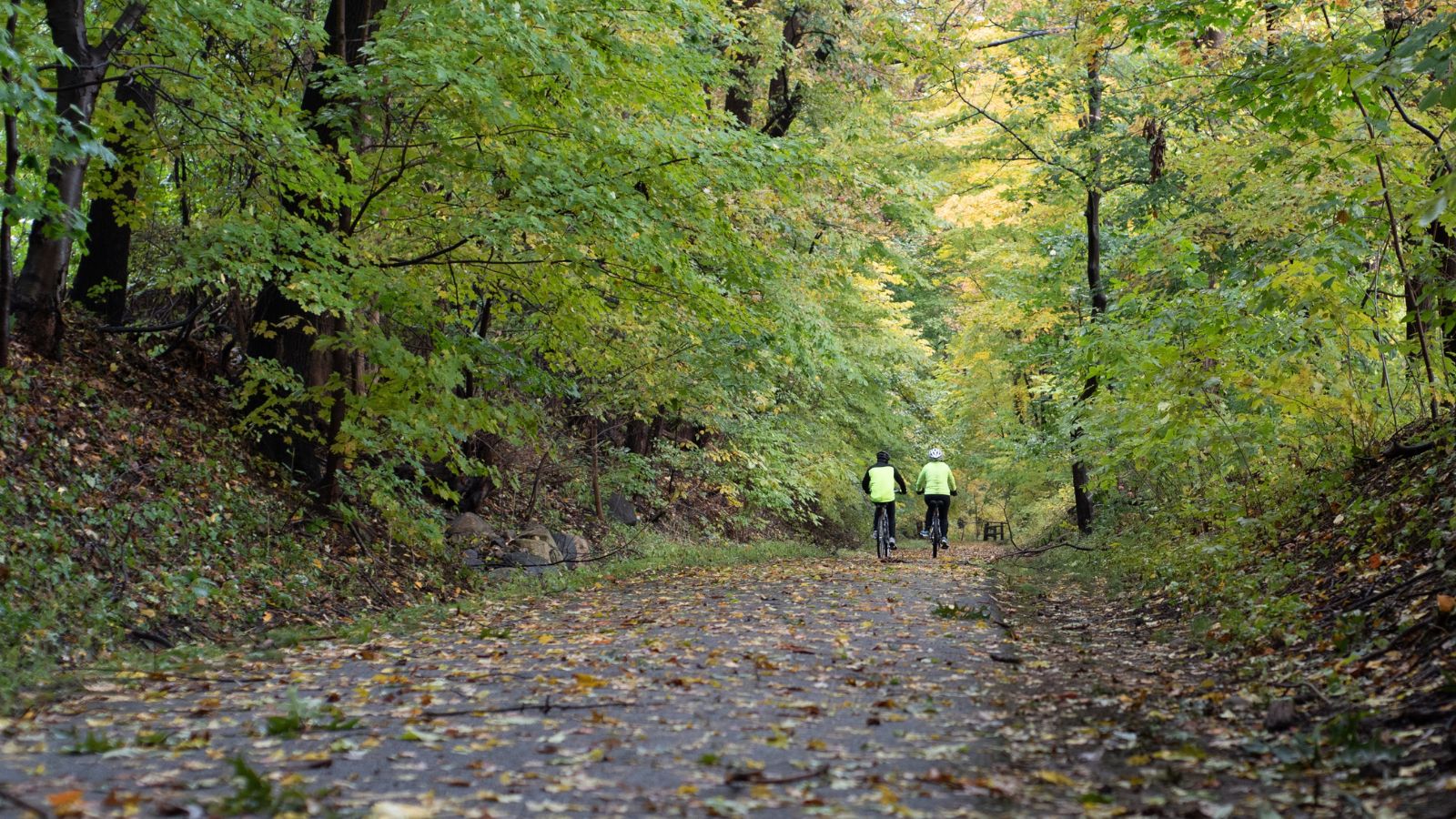
Leaves become more than a visual nuisance once they are wet. Overnight dew, drizzle or rain can turn a layer of fallen leaves into a low-friction surface, particularly where they collect at curbs, intersections, shaded corners and residential streets. AAA fall-driving guidance warns that wet leaves can be extremely slick and can also cover potholes, lane markings and other road features that would normally be easy to see.
The risk is greatest when a driver asks the tires to do several things at once—brake hard while turning, accelerate sharply out of a corner or make a sudden steering correction. Smooth inputs matter more when grip is uncertain. A road that looks merely messy can therefore deserve the same caution as any other wet surface: slower approach speeds, earlier braking and extra following distance. The autumn habit to drop is assuming that because no rain is currently falling, the pavement will behave like a dry summer road.
First Frost Can Create Invisible Ice
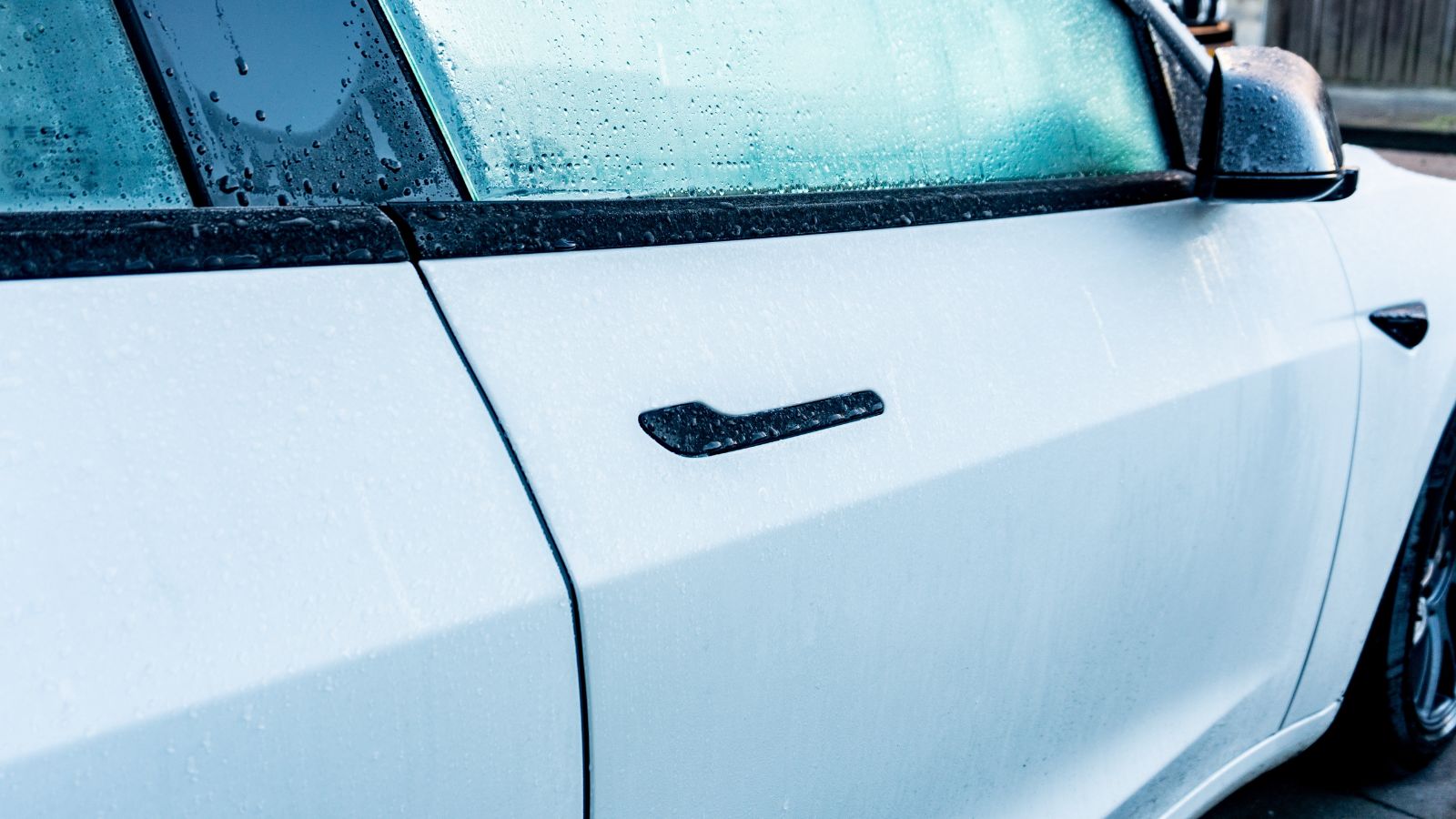
The first truly cold mornings can arrive well before drivers mentally switch into “winter mode.” Ontario’s Ministry of Transportation warns that when temperatures fall below freezing, wet pavement can ice over and that shaded areas, bridges and overpasses tend to freeze first. A thin layer of black ice can be difficult to distinguish from ordinary asphalt, especially in low light before sunrise.
That makes early fall frost dangerous precisely because it can be isolated. Most of a route may be dry, encouraging a normal pace, while a bridge deck or shaded bend behaves very differently. The safest approach is to watch the temperature, road sheen and local conditions rather than waiting for visible snow. Hard braking, abrupt steering and aggressive acceleration all become riskier when traction changes without warning. A driver who leaves home on a clear October morning may still need to treat certain stretches of pavement as winter roads for a few seconds.
Wildlife Activity Overlaps With Dawn Traffic
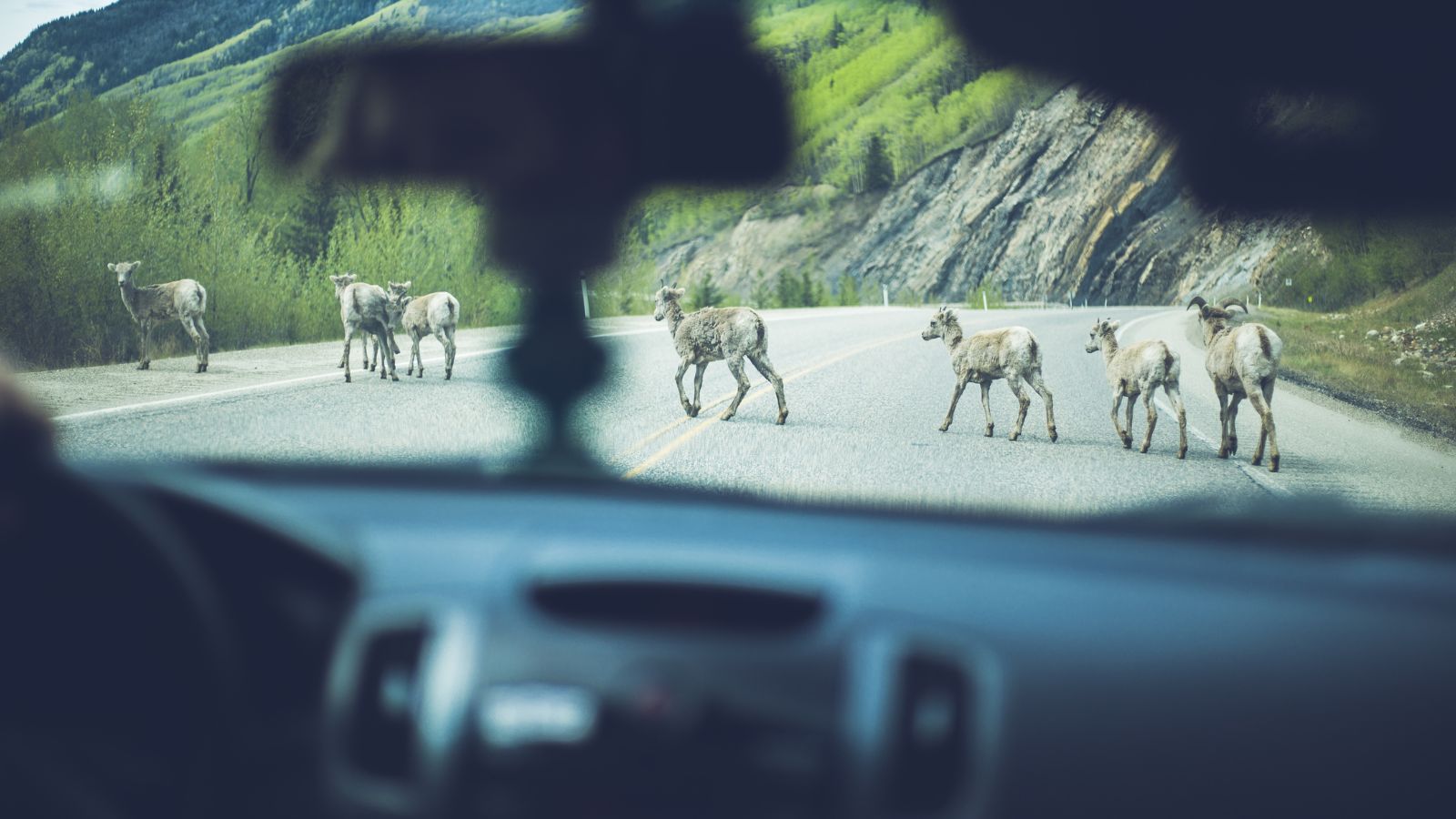
Fall brings a seasonal overlap between commuter traffic and wildlife movement. Alberta advises that deer-vehicle collision risk increases from October to November and recommends extra caution at dawn, dusk and night. British Columbia also warns that deer, elk and moose become more active during the fall rut, while ICBC tells drivers to be especially alert around dawn and dusk and notes that spring and fall are common times to encounter animals on the road.
The danger is not limited to remote highways. Tree lines, ravines, golf courses, parks and water sources can all place wildlife close to suburban roads. A driver who sees one deer should also expect the possibility of another nearby because many animals move in groups. The useful adjustment is to scan beyond the lane itself, reduce speed where sightlines are limited and avoid a sudden swerve that could create a more severe crash. Dawn is a time to widen attention, not narrow it.
Pedestrians Become Harder to Pick Out

MFajarH/Shutterstock.
Fall mornings can put pedestrians, cyclists and school-bound children into the same low-light conditions as commuters. Transport Canada notes that darkness makes people and animals harder to detect and that night-vision systems, where fitted, are only aids rather than replacements for driver attention. U.S. transportation research on pedestrian lighting has likewise focused on school-age children because they may travel during dawn or dusk and can be especially difficult to detect in limited light.
The practical problem is contrast. Dark clothing, wet pavement, headlight reflections and background lighting can make a person blend into the scene until the vehicle is much closer. Intersections, bus stops and residential driveways therefore deserve more scanning than they did on bright summer mornings. A driver should also be prepared for another vehicle to stop unexpectedly for a pedestrian. The familiar commute may still take the same streets, but the people sharing those streets can be visible for a much shorter part of the approach.
Cold Air Quietly Lowers Tire Pressure
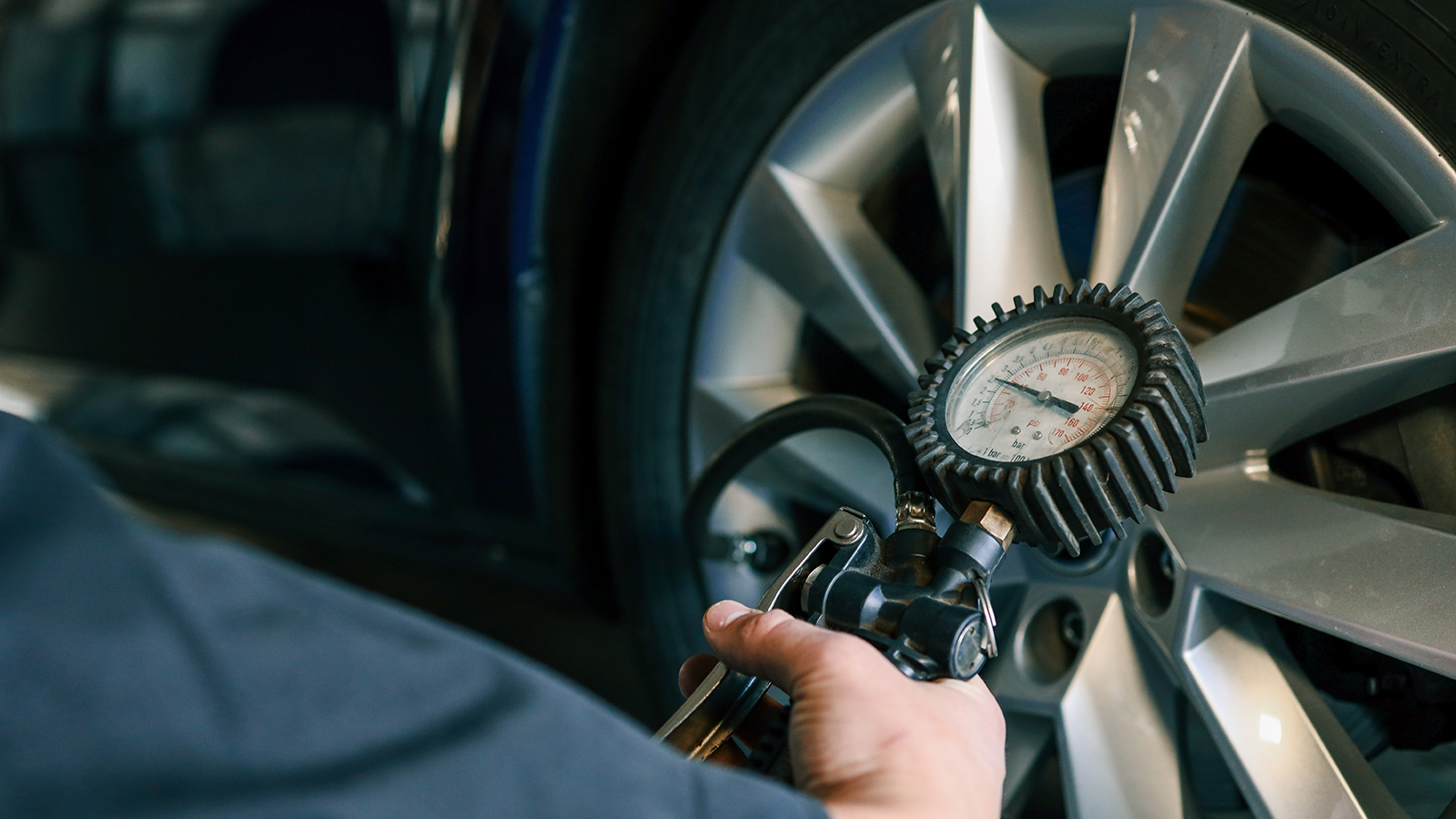
A chilly fall morning can change the car before it even moves. Tire pressure falls as temperature drops; NHTSA material notes a rule of thumb of about 1 psi for every 10°F decrease in temperature. AAA provides similar guidance and recommends checking pressures when the tires are cold. That means a vehicle that was correctly inflated during a warm September afternoon can wake up noticeably lower after a sharp overnight temperature drop.
Underinflation is not just a dashboard-light annoyance. It can affect handling, braking feel, tire wear and fuel economy, especially when the road is already wet or slippery. The recommended pressure is the vehicle manufacturer’s cold-tire specification, normally found on the driver’s door-jamb label, not the maximum pressure printed on the tire sidewall. Fall is therefore a good time to stop assuming that last month’s tire check still applies. Seasonal temperature swings can make a once-a-month glance at pressure more important than many drivers realize.
Daytime Running Lights Can Create False Confidence
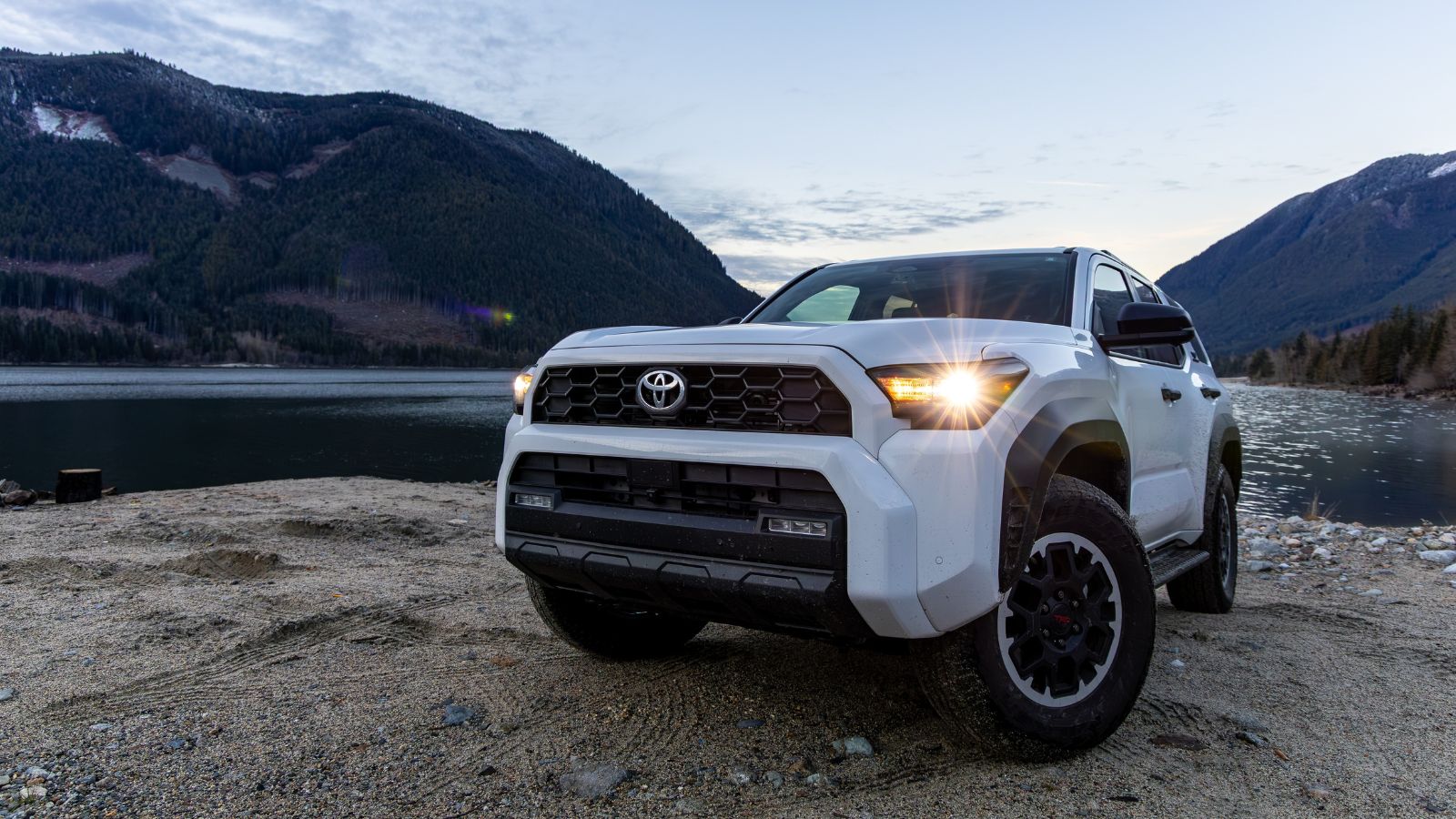
Modern dashboards can make a vehicle look fully awake even when its complete lighting system is not on. Transport Canada warns about “phantom vehicles,” where drivers may see illuminated instruments and assume their lights are operating properly. Daytime running lights are designed to improve daytime visibility, but they do not necessarily provide enough forward light for darkness and may not illuminate the tail lamps on older vehicles.
Canada changed new-vehicle lighting requirements in September 2021 to reduce this problem, but millions of older vehicles remain on the road. Autumn mornings are exactly when the distinction matters because a trip may begin in darkness, pass through fog and finish after sunrise. Drivers should know how their own light switch works rather than assuming the automatic setting has handled every condition. Clean lenses matter too. Seeing the road is only half the job; the car also needs to be visible from behind and from the side in poor light.
The Safer Fall Routine Starts Before the Car Moves
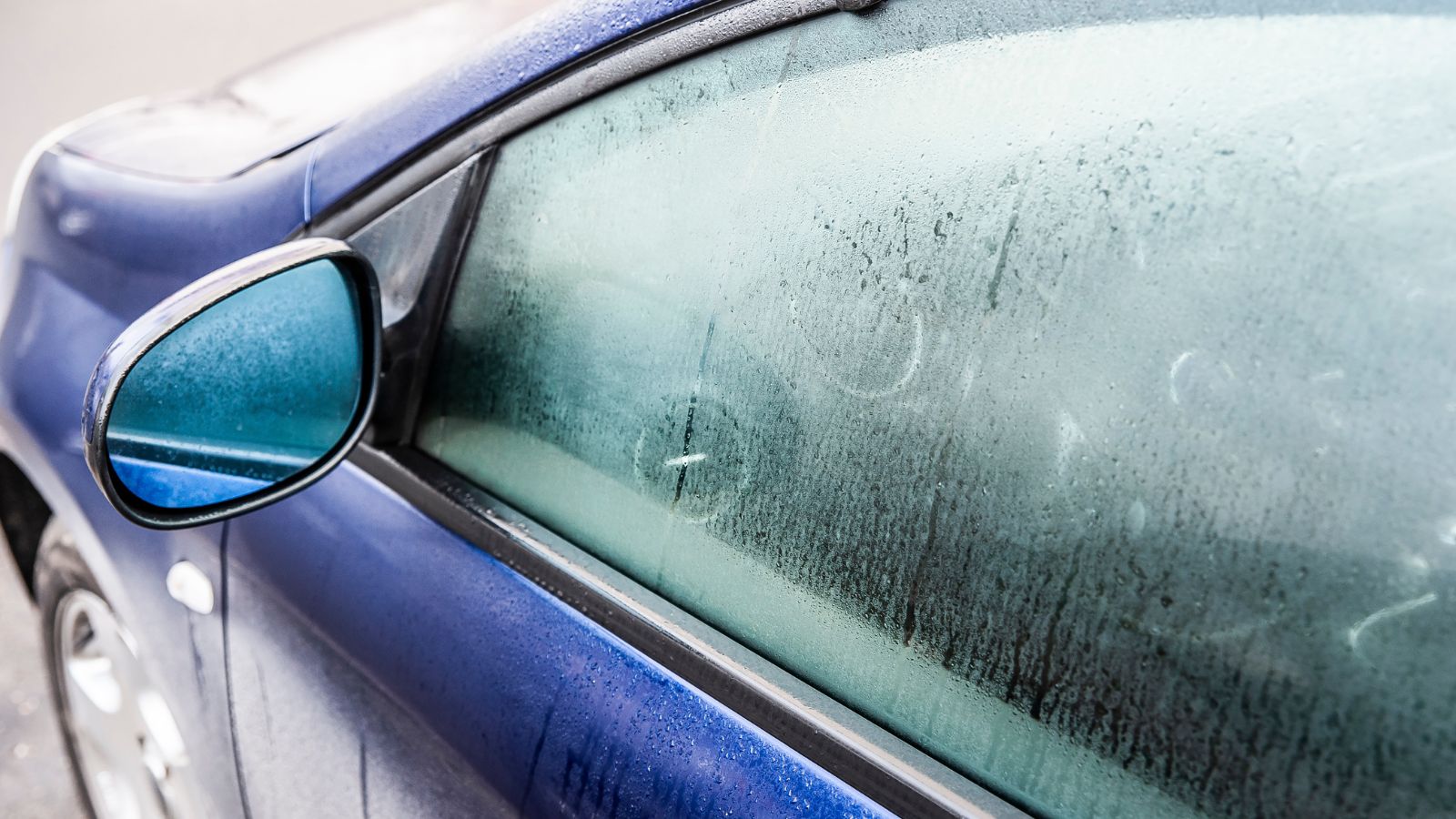
The easiest way to break the risky habit is to add a small decision-making buffer before the wheels start turning. Transport Canada recommends checking weather and road conditions before difficult-weather trips and allowing extra travel time when conditions are poor. That extra margin can be used to clear fogged glass, confirm the lights are on, check for frost, glance at tire warnings and choose a route that avoids a known fog or construction problem.
Once moving, spacing and speed should change with the conditions. Ontario’s driver handbook describes two seconds as a minimum following distance in ideal conditions and says drivers need more space in bad weather. That principle ties the entire fall-morning problem together: familiar roads do not guarantee familiar stopping distances, visibility or traction. The safer habit is not to fear autumn driving. It is to stop treating the commute as automatic and to give the season enough time, light and space to reveal what has changed.
19 Used Cars Canadians Should Avoid in 2026 (Based on Owner Complaints)

Buying a used car in Canada can feel safe until repair bills start stacking up. Owner complaints tell a different story than glossy listings. Transmission failures, electrical problems, and weak winter reliability show up again and again in consumer reports. Many of these issues appear after warranties expire, when owners least expect them. Some vehicles look affordable upfront, but become expensive to keep on the road. Others struggle in cold weather, urban driving, or long highway commutes. Here are 19 used cars Canadians should avoid in 2026 (based on owner complaints).
19 Used Cars Canadians Should Avoid in 2026 (Based on Owner Complaints)

Alanna Rosen is an experienced content writer that focuses on many EV and educational content. Her articles are regularly published on Get CyberTrucked and syndicated on large publications.