
Most drivers know oil changes matter. Fewer understand why some engines rack up 300,000 kilometres while others feel tired before 150,000. It isn’t brand loyalty, miracle additives, or secret maintenance schedules. It comes down to one simple habit that separates long-lasting engines from disposable ones.
Change your oil earlier than the dashboard tells you to, and do it consistently.
That’s it. And here’s why it works.
Oil Life Monitors Are Optimistic by Design
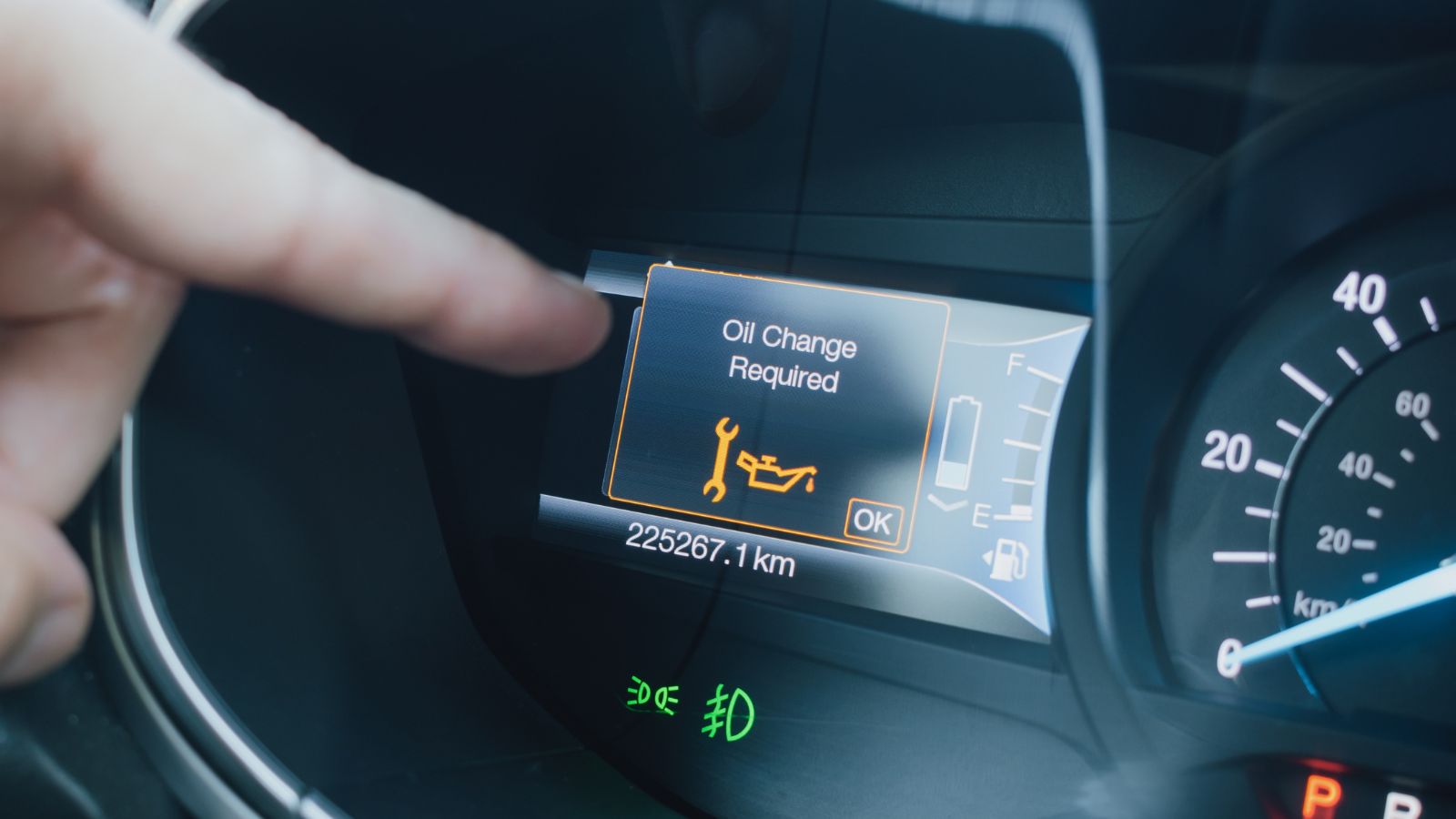
Modern cars rely on oil life monitoring systems to tell drivers when it’s time for service. These systems don’t actually test the oil. They estimate degradation based on driving patterns, temperatures, and engine load. Manufacturers tune them to reduce ownership costs on paper and look competitive in marketing.
They assume ideal conditions. Real driving is rarely ideal.
Short trips, cold starts, idling, stop-and-go traffic, towing, winter driving, dusty roads, and high heat all contaminate oil faster than the system accounts for. By the time the reminder appears, the oil has often been past its best for thousands of kilometres.
Dirty Oil Wears Engines Quietly

Oil doesn’t just lubricate. It suspends contaminants. Fuel dilution, moisture, carbon, and microscopic metal particles build up with every drive. As oil ages, its ability to hold and neutralize those contaminants drops.
Wear doesn’t announce itself. It happens silently at cold start, under load, and at idle. Bearings, timing components, cam lobes, and piston rings slowly lose material. You won’t feel it. You’ll only see it years later as oil consumption, noise, or loss of compression.
Shorter Intervals Protect the Most Vulnerable Moments
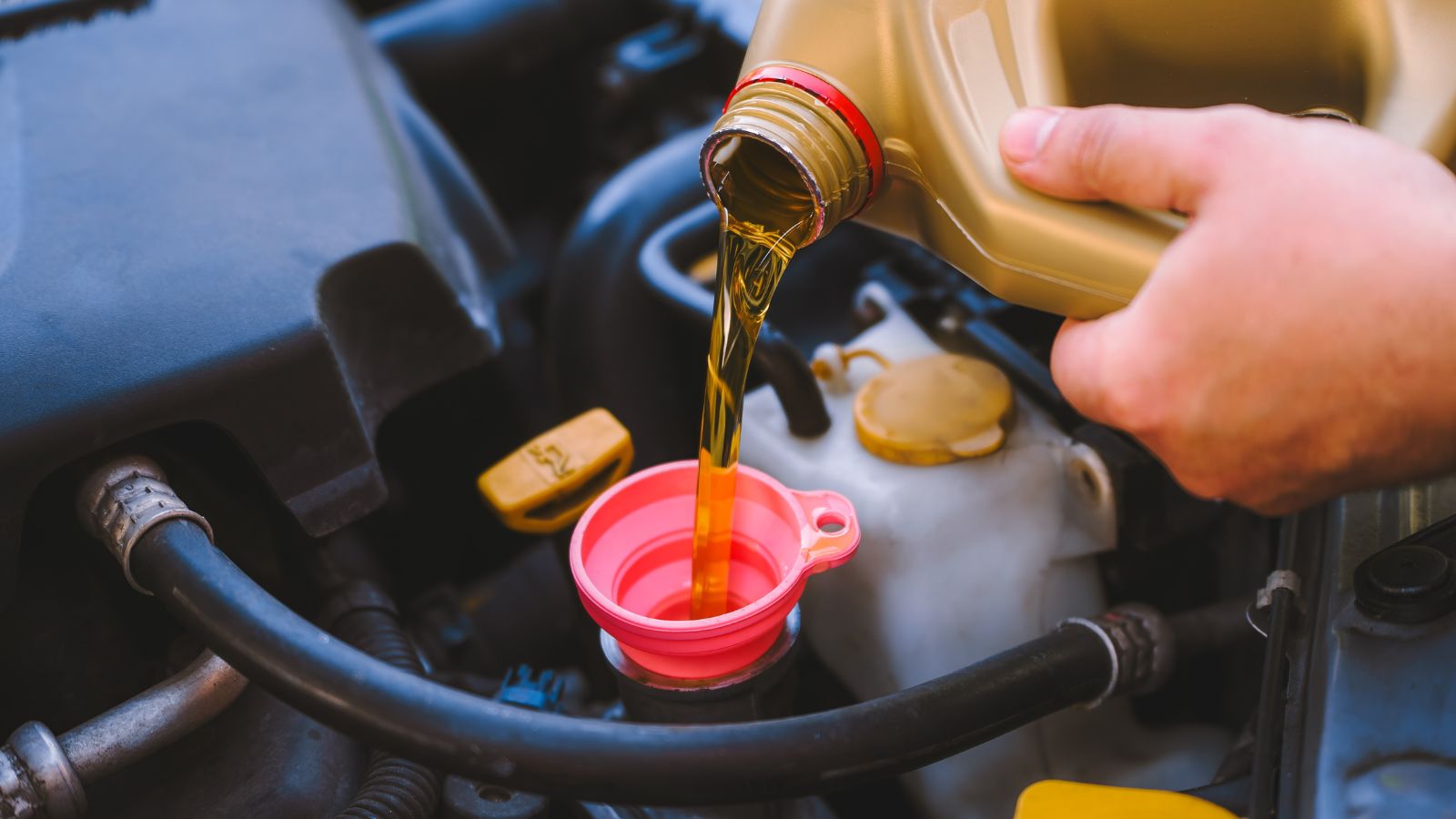
Engines experience their highest wear during cold starts. Fresh oil flows faster, clings better, and reaches critical components sooner. Older oil thickens, drains off surfaces more easily, and leaves metal exposed for longer.
By changing oil earlier, you reduce the number of cold starts the engine experiences on degraded lubricant. That alone has a measurable impact on long-term wear.
Turbocharged Engines Benefit Even More
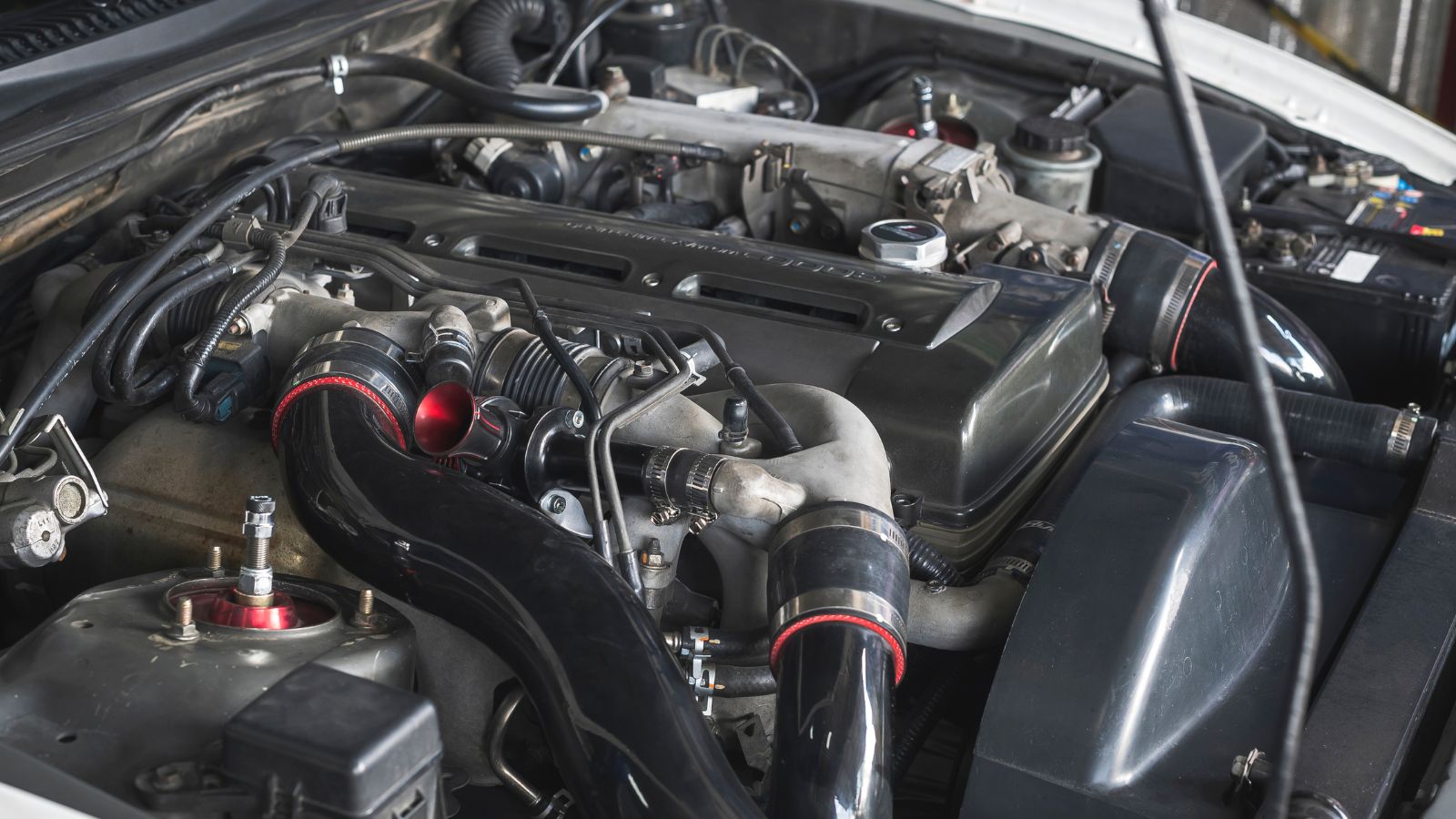
Turbochargers run extremely hot and rely on clean oil for cooling and lubrication. Extended oil intervals are one of the biggest reasons modern turbos fail prematurely.
Fresh oil resists coking, protects turbo bearings, and keeps oil passages clean. Waiting too long accelerates varnish buildup and heat damage that no software update can undo.
The Trick Is Consistency, Not Obsession
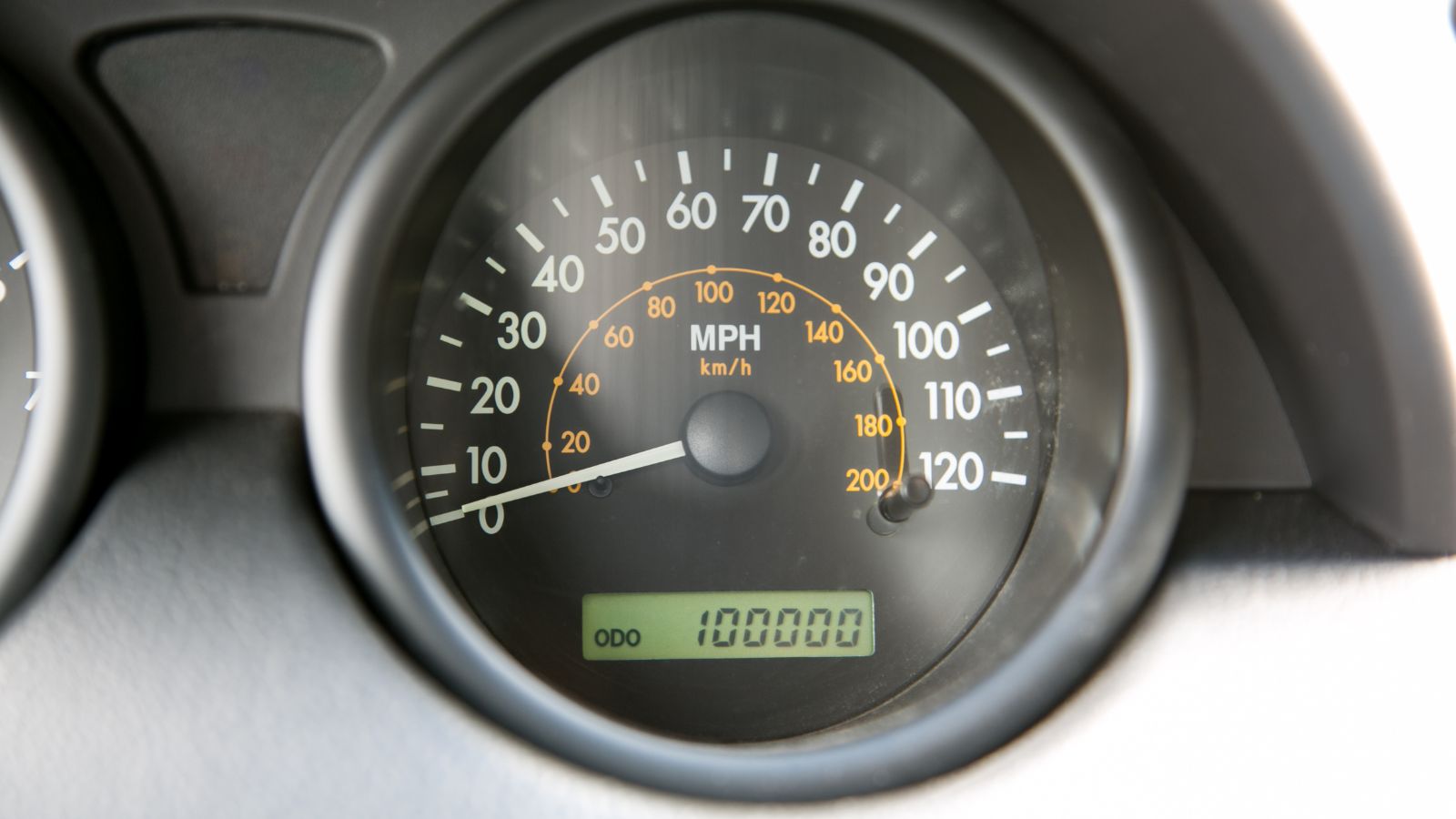
This isn’t about changing oil every month. It’s about setting a conservative interval and sticking to it.
If the manufacturer recommends 12,000 to 15,000 kilometres, changing at 7,000 to 8,000 kilometres dramatically reduces wear. For severe use, even 6,000 kilometres can make sense. The key is repeating the interval reliably over the life of the engine.
Engines thrive on predictability.
Why This Works Better Than Additives

Oil additives promise miracles but can’t reverse contamination or metal wear already happening. Clean oil does something additives never can. It removes debris from the system entirely.
Fresh oil is preventative. Additives are reactive.
The Long-Term Payoff
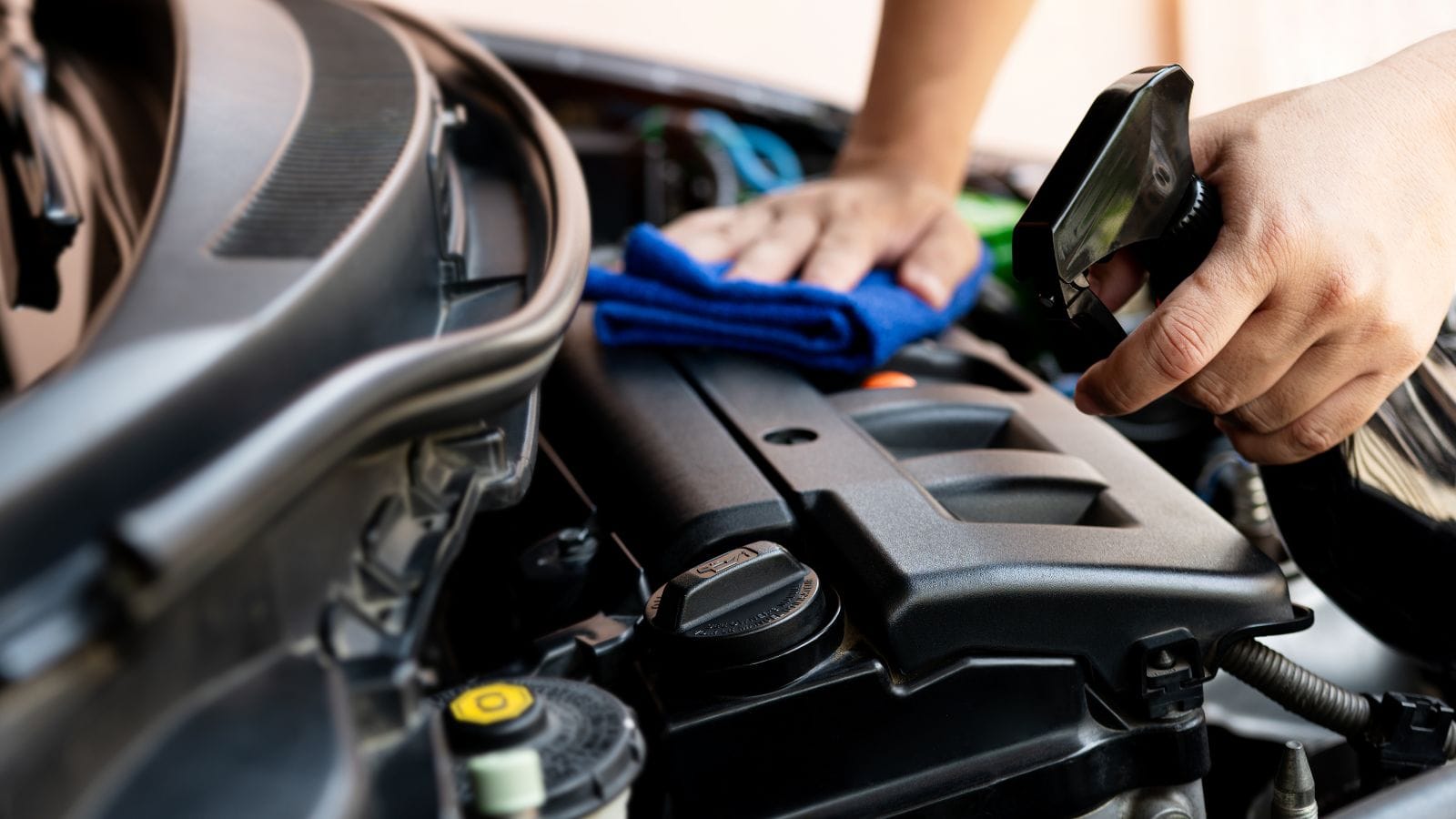
Engines maintained with conservative oil intervals show less sludge, cleaner internals, quieter operation, better compression, and lower oil consumption as they age. Timing chains last longer. Variable valve timing systems stay responsive. Turbo seals survive.
These engines don’t just last longer. They age better.
The Habit That Matters Most

You can skip premium fuel. You can ignore gimmicks. You can even miss a few services without disaster. But repeatedly stretching oil changes is one shortcut engines never forgive.
The one oil change trick that keeps engines running longer isn’t secret or expensive. It’s simply refusing to treat oil as something that lasts forever just because a screen says so.
Change it earlier. Do it every time. And the engine will quietly repay you for years.
25 Facts About Car Loans That Most Drivers Don’t Realize

Car loans are one of the most common ways people fund car purchases. Like any other kind of loan, car loans can have certain features that can be regarded as an advantage or a disadvantage to the borrower. Understanding all essential facts about car loans and how they work to ensure that you get the best deal for your financial situation is essential. Here are 25 shocking facts about car loans that most drivers don’t realize:
25 Facts About Car Loans That Most Drivers Don’t Realize
