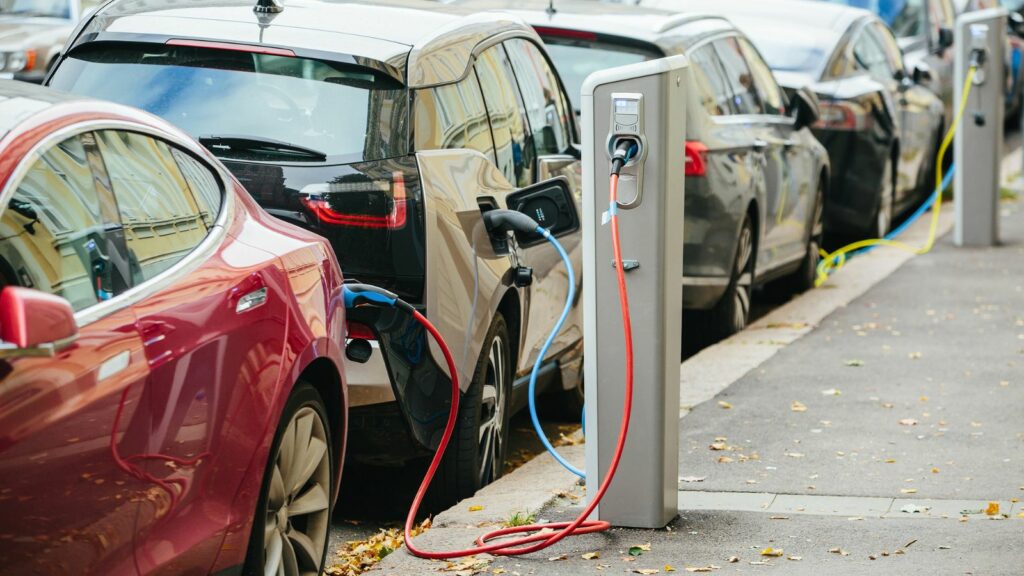
Tesla created a revolution that made electric cars feel exciting and futuristic. Early adopters lined up to be part of the change. Now a surprising shift is happening. Roughly a third of former Tesla owners are returning to gasoline vehicles. The reasons are not dramatic or political, they are practical. Daily life has exposed weaknesses in electric ownership that many drivers no longer want to work around.
Charging Inconveniences
Charging should be simple, yet many Tesla owners find it anything but. Drivers who live in condos or rental properties often cannot install home chargers which forces them into public stations that vary in reliability. Winter slows charging speeds and cuts range which makes trips even longer. Owners who travel for work or drive long distances feel the strain most. The constant thought of when and where to charge becomes exhausting compared with the effortlessness of a gasoline fill up.
Service Delays
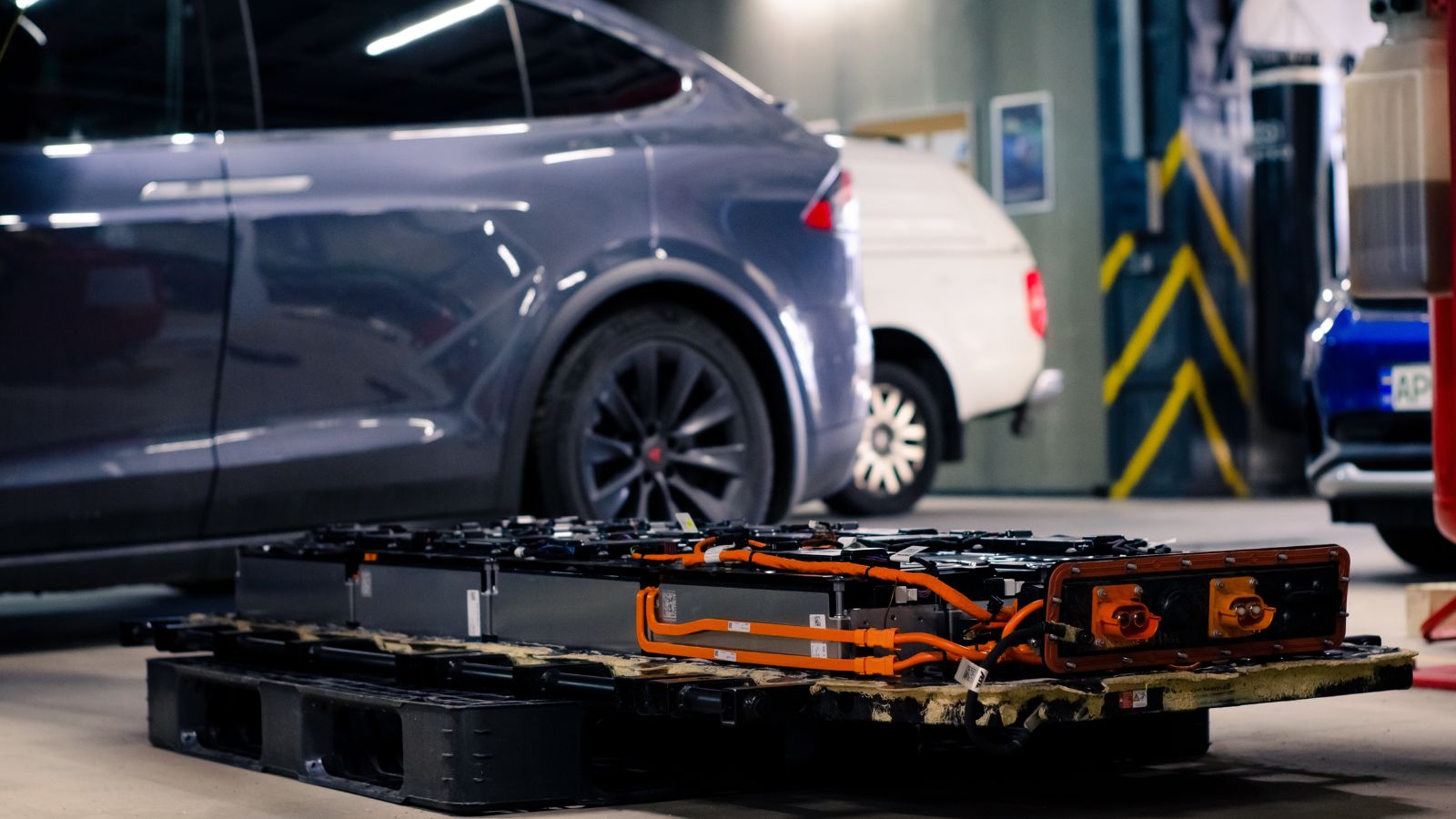
Tesla sells vehicles faster than its service network can support them. Appointment wait times stretch weeks in busy cities. Parts that should arrive in days sometimes take much longer. Some owners complain that communication during repairs feels inconsistent. Traditional dealerships may not be perfect but they offer same day service in many cases, loaner cars and predictable scheduling. When a Tesla breaks, the downtime feels longer and more disruptive which drives some owners back to brands with larger support systems.
Cold Weather Performance
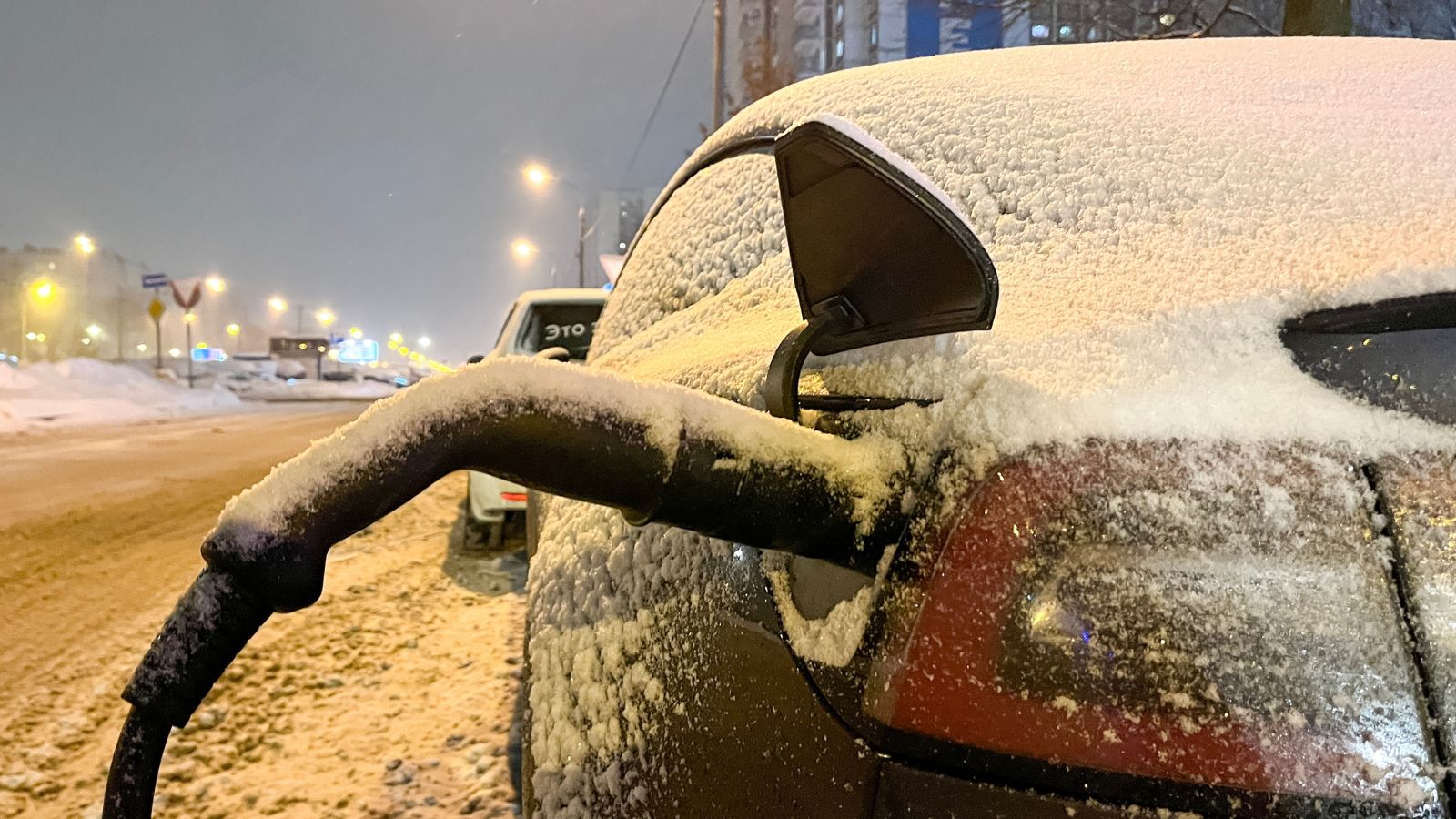
Canada exposes every weakness an EV might have. Batteries lose efficiency in low temperatures which shrinks range noticeably. Owners rely heavily on cabin heat which drains energy even faster. A two hundred kilometre trip can suddenly require a charging stop. While Teslas still perform well compared with many competitors, the winter tax on range grows old after a few seasons. Drivers who need dependable long distance winter travel often return to gasoline simply for peace of mind.
Rising Repair Costs
Electric cars reduce maintenance but increase repair bills. When something major fails, the price shocks many owners. High voltage components are expensive and specialized labour adds to the cost. Even minor fender benders can trigger large repair estimates because sensors and electronics line every panel. Insurance companies have responded with higher premiums which only adds to financial pressure. Gasoline cars may need more routine service but they are cheaper to fix after common accidents, a detail many owners only discover too late.
Charging Etiquette Issues
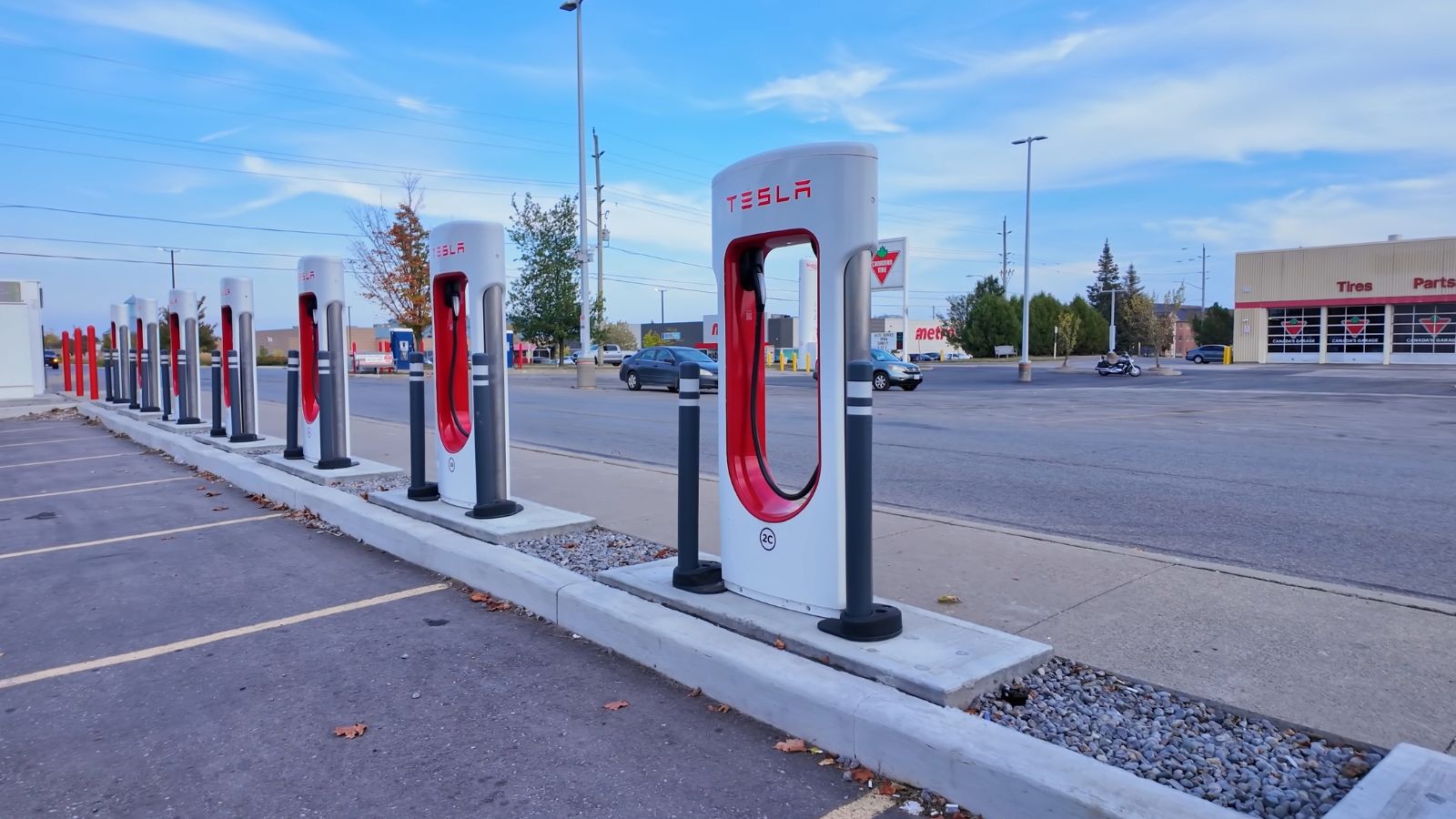
Public charging brings out tension among drivers. Stations fill quickly and some EV owners block chargers long after their session ends. Arguments and passive aggressive notes are becoming common in busy areas. The experience feels nothing like a fuel stop where drivers spend five minutes and leave. Tesla owners who rely heavily on shared charging grow tired of waiting lines and inconsiderate behaviour. These daily irritations turn EV ownership into a chore.
Range Anxiety Returns
Tesla once solved range anxiety by leading the field in battery capacity. Real world conditions still bring it back. Strong headwinds, steep climbs, cold days and fast highway speeds drop range faster than many expect. Long trips require planning and the Supercharger map becomes a constant companion. Drivers who grew up with the freedom of gasoline refuelling sometimes feel boxed in. Over time the mental load of babysitting range outweighs the thrill of silent acceleration.
Depreciation Concerns
Rapid technology changes affect electric vehicles more than gasoline models. New battery designs, new motors and new features arrive quickly which pushes down values of older cars. Tesla also adjusts pricing often which frustrates owners who see their car instantly worth less. For buyers who trade in frequently, this financial swing is too unpredictable. Some return to gasoline simply because depreciation feels more stable.
Interior Quality Complaints
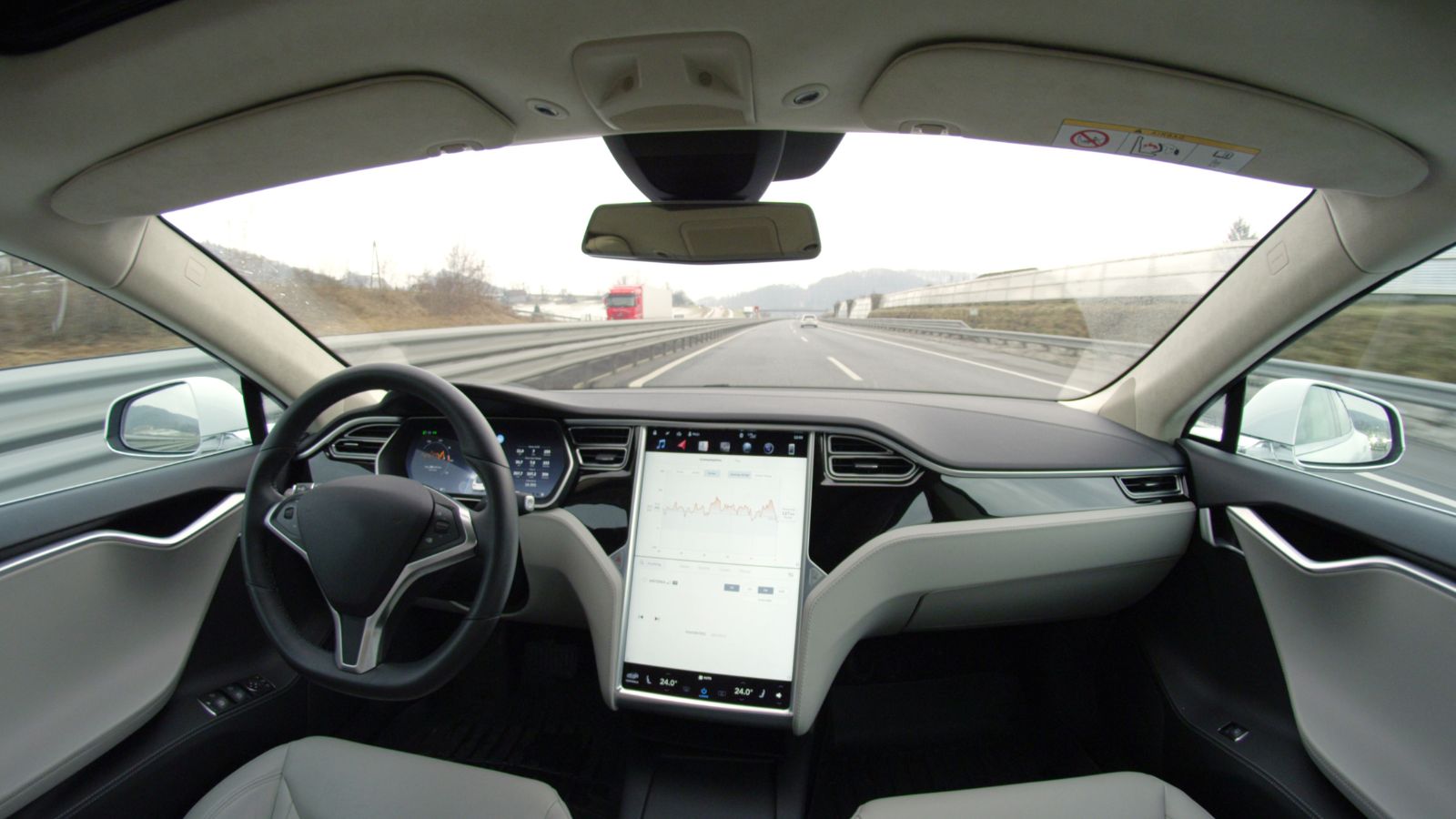
Tesla cabins look futuristic but live with them long enough and the flaws appear. Some owners report squeaks, rattles and trim pieces that feel flimsy. The minimalist design appeals to many yet leaves others wanting a richer experience. Touchscreen controls can also become frustrating for drivers who prefer physical buttons. When drivers compare the interior of a Tesla to that of established luxury brands, some find they miss the comfort and craftsmanship they once took for granted.
Lack of Driving Emotion
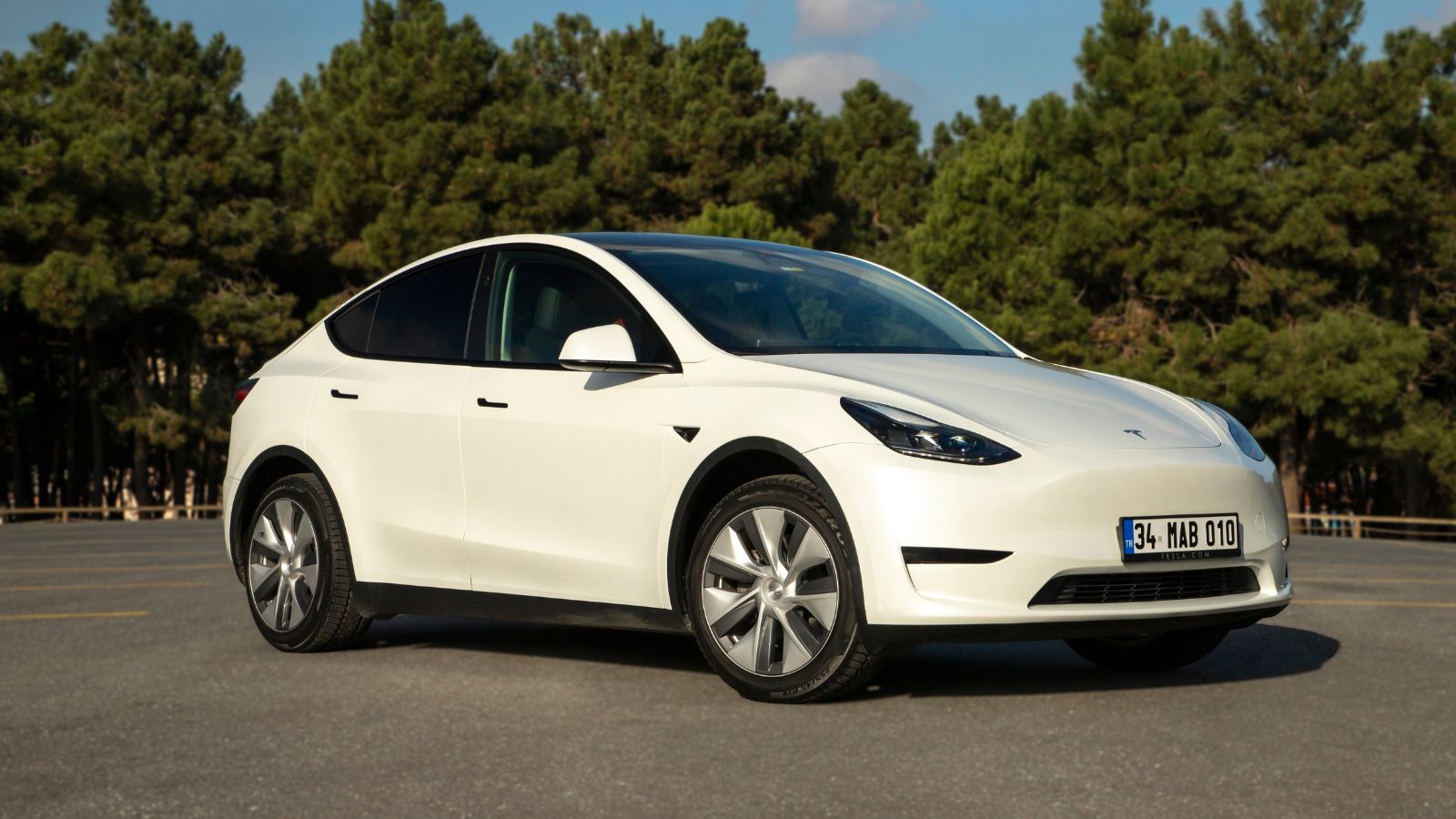
Electric torque is addicting but the emotional connection to a gasoline engine still matters to many enthusiasts. Tesla models deliver speed but little sensation. There is no build up, no soundtrack and no mechanical personality. After the novelty fades some drivers feel disconnected from the act of driving. A portion of former owners return to performance sedans, coupes or convertibles because they want something that feels alive.
Charging Costs Are Climbing
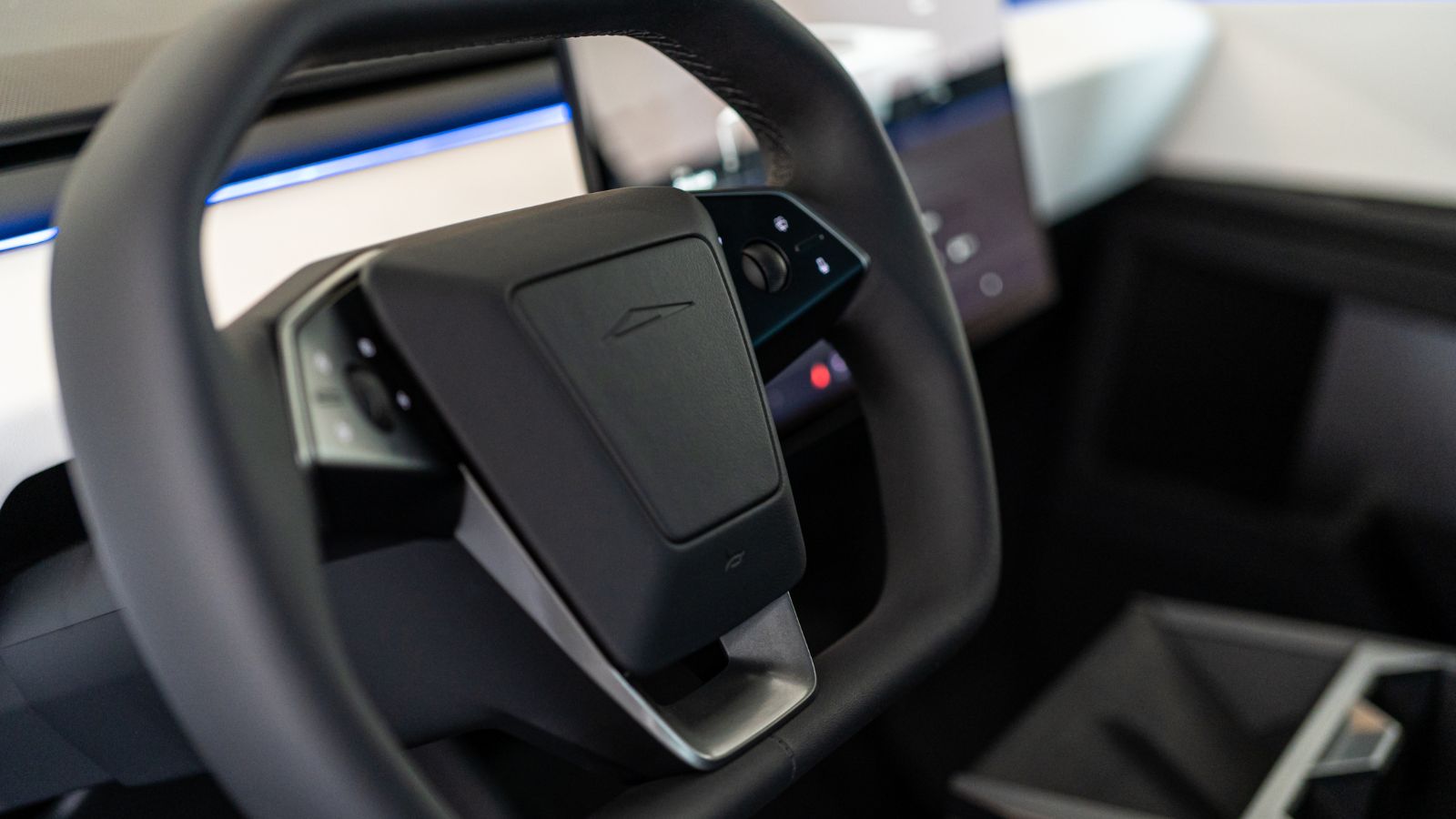
Electricity is still cheaper than gasoline for those with home chargers, but public charging costs have risen steadily. Fast chargers command premium rates and winter inefficiency makes each kilometre more expensive. Drivers who rely on apartment or condo parking pay the most and often lose the cost advantage that originally justified buying an EV. As that gap narrows, some owners conclude that electric driving no longer delivers the savings they expected.
25 Facts About Car Loans That Most Drivers Don’t Realize

Car loans are one of the most common ways people fund car purchases. Like any other kind of loan, car loans can have certain features that can be regarded as an advantage or a disadvantage to the borrower. Understanding all essential facts about car loans and how they work to ensure that you get the best deal for your financial situation is essential. Here are 25 shocking facts about car loans that most drivers don’t realize:
25 Facts About Car Loans That Most Drivers Don’t Realize
