A car can feel affordable on delivery day and financially suffocating a few years later. The problem is often not the vehicle itself but the way the deal was financed: a low monthly payment created by stretching debt across a long term while the car loses value faster than the loan balance falls. That gap is negative equity, commonly described as being “upside down.”
The danger grows when old loan balances, minimal down payments, high rates, or optional extras are added to the financing. These 12 financing traps explain how buyers can become stuck owing more than their vehicle is worth, why the imbalance can persist for years, and which decisions make it easier to preserve financial flexibility from the start.
Monthly-Payment Tunnel Vision
The financing mistake often begins with a harmless question: “What can the payment be?” A dealer can lower a monthly figure by stretching the term, increasing the down payment, or changing other pieces of the deal without making the vehicle cheaper. Canada’s Financial Consumer Agency warns buyers to compare total cost, not just the payment or advertised rate. Its research has also shown how extended terms can make a much more expensive vehicle appear nearly as affordable each month as a cheaper one financed for fewer years.
That matters because the payment is only one slice of the obligation. The amount financed, interest rate, fees, add-ons, taxes, and loan length determine what the buyer pays. A payment that looks manageable on a showroom worksheet can therefore mask a large balance that declines slowly. The result is a car losing value faster than the debt disappears—a recipe for being upside down.
Stretching the Loan Too Far

Long loan terms can turn an affordable-looking deal into years of negative equity. FCAC classifies terms of 72 months or more as long-term car loans and warns that they lower regular payments while increasing total interest and the time needed to build equity. In one government example, financing $25,000 at 5 percent for 36 months produces $1,974 in interest, while an 84-month term produces $4,681—more than twice as much interest for the same amount borrowed.
The real danger is the mismatch between a shrinking loan balance and a depreciating vehicle. An eight-year loan can still have a substantial balance when the owner is ready to sell, trade, or replace the car. FCAC’s earlier market analysis illustrated that a 96-month borrower could remain underwater until near the end of the seventh year. Lower payments may feel easier today, but the financial exit can remain blocked for years. That is the trap.
Starting With Too Little Equity

A small down payment can leave a buyer underwater almost immediately because the loan may begin close to, or even above, the vehicle’s market value. The Consumer Financial Protection Bureau defines loan-to-value as the loan amount divided by the vehicle’s actual cash value. A larger down payment lowers that ratio, reduces the amount borrowed, and can reduce total financing costs. If taxes, fees, and extras are financed too, the opening balance can exceed what the vehicle itself is worth.
Consider the mechanics rather than a rule of thumb. A $20,000 vehicle financed with $20,000 starts at a 100 percent loan-to-value ratio before depreciation. With $5,000 down, the same vehicle requires a $15,000 loan, or 75 percent LTV. That cushion does not guarantee positive equity, but it gives depreciation less debt to outrun. With little or no cushion, the buyer can enter negative equity very early in ownership after taking delivery.
Rolling Old Debt Into the Next Car
The most damaging version of the problem occurs when negative equity from one vehicle is carried into the next loan. If a trade-in is worth $15,000 but the borrower still owes $18,000, the $3,000 difference does not disappear. The Federal Trade Commission warns that dealers may roll that shortfall into the new financing, meaning the buyer pays for the new vehicle and continues repaying debt from the old one, often with additional interest.
U.S. Consumer Financial Protection Bureau data show how serious that pattern can become. In a 2024 report using loans originated from 2018 through 2022, 11.6 percent of loans in its dataset included financed negative equity. The mean amount rolled in was $5,073 for new-vehicle transactions and $3,284 for used vehicles. Those borrowers also had larger loans, longer terms, and higher loan-to-value ratios. One trade can turn yesterday’s depreciation into tomorrow’s principal balance and prolong the debt cycle.
Underestimating How Fast Cars Depreciate

Negative equity is not created by financing alone; depreciation supplies the other half of the equation. FCAC notes that a new vehicle may be worth about 25 percent less after its first year, then typically lose another 15 to 25 percent of value in each of the next four years. Actual resale values vary by model, mileage, condition, market conditions, and demand, but decline can be much faster than many loan balances fall.
FCAC illustrates the mismatch with a hypothetical new vehicle worth $31,300, financed with a $35,000 loan at 4 percent over eight years. After one year, its example places the vehicle at $23,475 while the loan balance remains about $31,200, producing $7,725 in negative equity. After two years, the gap is illustrated at $8,520. The lesson is not that every car follows that curve; it is that long financing can collide badly with ordinary vehicle depreciation over time.
Letting Interest Slow the Principal Paydown
Interest makes the equity problem worse because early payments do not reduce principal as quickly as borrowers assume. The CFPB explains that in an amortizing auto loan, part of each payment goes to interest and part to principal. Early in the term, a greater share generally goes toward interest; later, more of the payment reaches principal. That means the loan balance often falls slowly during the same period when the vehicle is depreciating rapidly.
The effect grows with a higher rate or longer term. Two buyers can purchase identical cars at the same price yet build equity at different speeds because their financing costs differ. A borrower who accepts a costly rate may watch hundreds of dollars leave the bank each month while the outstanding balance remains stubbornly high. Paying down principal faster, when the contract allows it without penalty, can reduce future interest and shorten the underwater period materially.
Financing Every Add-On
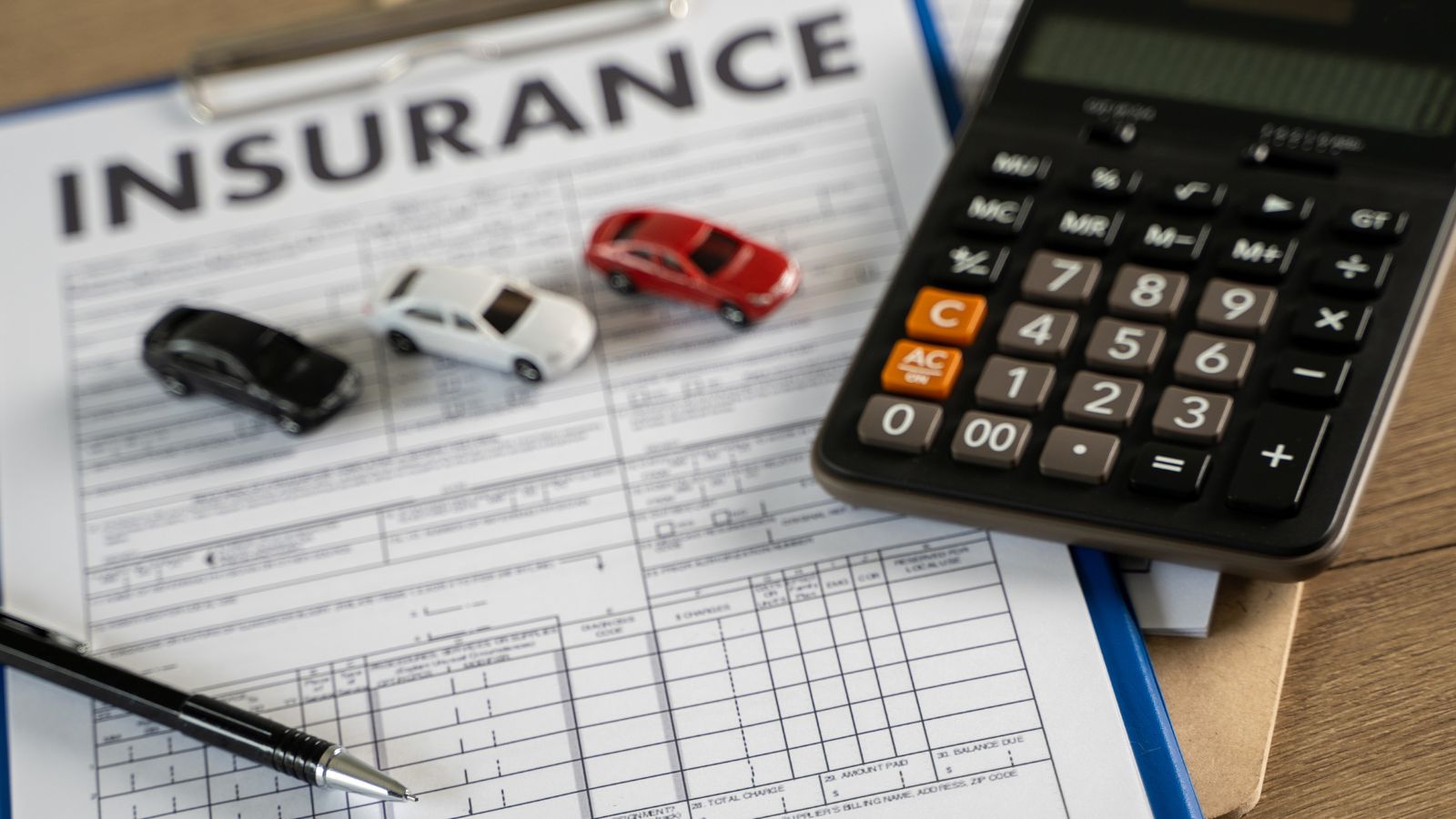
Optional products can increase the amount financed before the car has travelled a kilometre. The CFPB lists products such as warranties, service contracts, GAP coverage, credit insurance, tire or wheel protection, alarms, and other dealer-installed items among add-ons. When those products are rolled into the auto loan, the borrower is not only paying their purchase price but may also pay interest on them for years.
A few hundred dollars here and a couple of thousand there can change the starting balance. That matters because many add-ons do not increase the vehicle’s resale value dollar for dollar. The car may therefore depreciate from its market price while the loan includes costs that a future buyer or dealer will not fully recognize in a trade-in offer. Optional does not mean worthless—some products can be useful—but each one should be evaluated on price, coverage, and whether financing it makes the equity position worse.
Trading Before the Loan Reaches Break-Even

A long loan becomes risky when ownership habits are shorter than the financing term. FCAC’s auto-finance research found that many Canadian consumers were changing vehicles after four years even as long loans became common. The agency warned that borrowers could break those loans before reaching positive equity, then carry the unpaid shortfall into another vehicle. A seven- or eight-year contract can be a poor match for someone who expects to replace the car sooner.
Before trading, the key numbers are the payoff amount and the vehicle’s trade-in value. The CFPB notes that the payoff can differ from the balance shown on a statement because of interest, fees, or other charges. If the payoff is higher than the trade value, the difference must be covered somehow. Waiting, making principal-only payments where permitted, or selling privately may improve the math. Trading early because a newer model looks attractive can reset the problem.
Buying More Car Because the Payment Fits

Extended financing can expand a buyer’s apparent budget without increasing actual affordability. FCAC has warned that stretching payments over more years may tempt consumers to purchase a more expensive vehicle, because the monthly difference between models can look small. That can turn a trim upgrade, larger SUV, or premium brand into a commitment that depends on keeping the loan for far longer than originally imagined.
Affordability extends beyond the finance contract. The CFPB recommends considering insurance, fuel, maintenance, taxes, fees, and other ownership expenses alongside the loan payment. A vehicle that consumes the maximum available monthly household budget leaves little room for repairs, higher insurance premiums, or changes in household income. If financial pressure later forces an early sale, the borrower may discover that the loan balance is still higher than the car’s value. The “affordable” payment can therefore become the very mechanism that traps the owner in that vehicle.
Accepting the First Financing Offer

Failing to shop for financing can make negative equity last longer than necessary. Canada’s Financial Consumer Agency advises getting quotes from dealers and lenders and notes that a dealer does not have to present the lowest interest rate. The CFPB makes a similar point in the United States: dealer-arranged financing can include a contract rate above the lender’s “buy rate,” and the rate offered to the customer may be negotiable.
A rate difference matters when tens of thousands of dollars are financed for six or seven years. A higher rate raises borrowing costs and slows the pace at which payments reduce principal, especially early in the loan. Preapproval from a bank, credit union, or other lender gives a buyer a benchmark before entering the finance office. The goal is not automatically to reject dealer financing; manufacturer promotions can be competitive. The mistake is signing blindly without comparing the full offers.
Ignoring the Total-Loss Gap

Being upside down matters most when the owner needs to exit the loan. A collision or theft can expose that risk immediately. FCAC warns that if a vehicle is declared a total loss, the insurance payment may not cover the remaining loan balance. Standard auto insurance generally values the vehicle, not the borrower’s outstanding debt, so a financed car can disappear while part of the loan survives.
Guaranteed Asset Protection, commonly called GAP, is designed to address that difference when a covered vehicle is stolen or totaled. The CFPB describes GAP as an optional product and recommends comparing its price and terms because coverage and cost can vary. Financing GAP into the loan also increases the amount borrowed and the interest paid. The broader lesson is to understand the exposure before signing: compare the vehicle’s likely value, the loan balance, the insurance settlement rules, and any GAP exclusions or limits.
Building an Exit Before Signing

The safest way to avoid years of negative equity is to design the exit before taking delivery. FCAC recommends buying within budget, choosing the shortest loan term that is affordable, making a down payment when possible, and avoiding a trade while already underwater. It encourages comparing new and used options and thinking about how needs could change. Those choices reduce the chance that the loan outlives the vehicle’s usefulness to the household.
For someone already upside down, the FTC suggests waiting until positive equity returns, making additional principal-only payments when appropriate, or considering a private sale that may produce more than a dealer trade offer. Those options are not instant, but each attacks the debt rather than hiding it inside another contract. The central mistake is treating the monthly payment as the deal. The better question is how quickly the loan creates flexibility—and how expensive it will be to leave.
19 Used Cars Canadians Should Avoid in 2026 (Based on Owner Complaints)

Buying a used car in Canada can feel safe until repair bills start stacking up. Owner complaints tell a different story than glossy listings. Transmission failures, electrical problems, and weak winter reliability show up again and again in consumer reports. Many of these issues appear after warranties expire, when owners least expect them. Some vehicles look affordable upfront, but become expensive to keep on the road. Others struggle in cold weather, urban driving, or long highway commutes. Here are 19 used cars Canadians should avoid in 2026 (based on owner complaints).
19 Used Cars Canadians Should Avoid in 2026 (Based on Owner Complaints)

Alanna Rosen is an experienced content writer that focuses on many EV and educational content. Her articles are regularly published on Get CyberTrucked and syndicated on large publications.