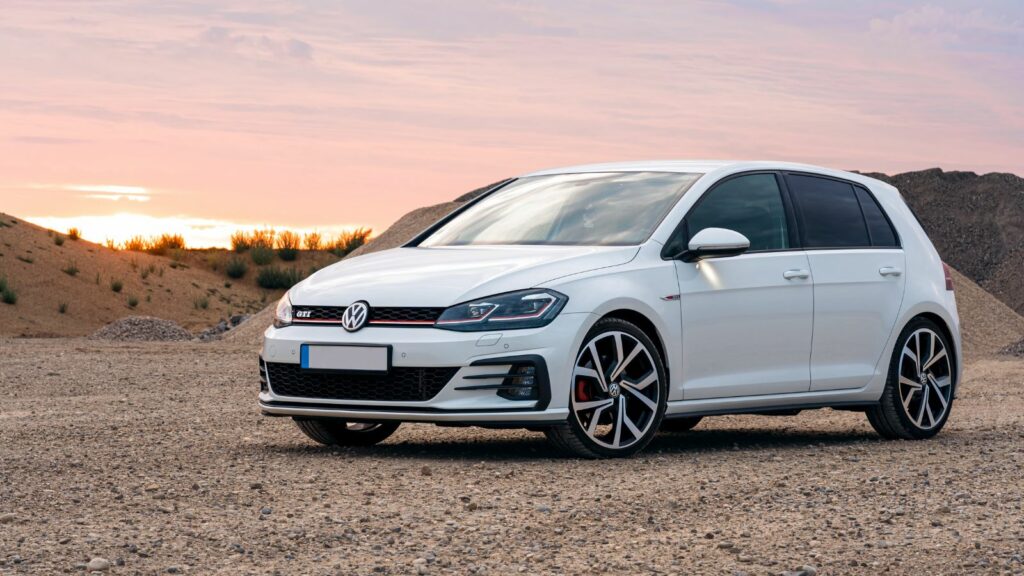
Few performance cars have shaped everyday driving quite like the Volkswagen Golf GTI. Since its debut in the mid seventies, the GTI has defined what a practical performance car should be. It mixed sharp handling, usable space, and just enough power to make daily driving entertaining. From the lightweight original to today’s technology packed models, each generation has carried that philosophy forward.
Mk1 Golf GTI (1976 to 1983)
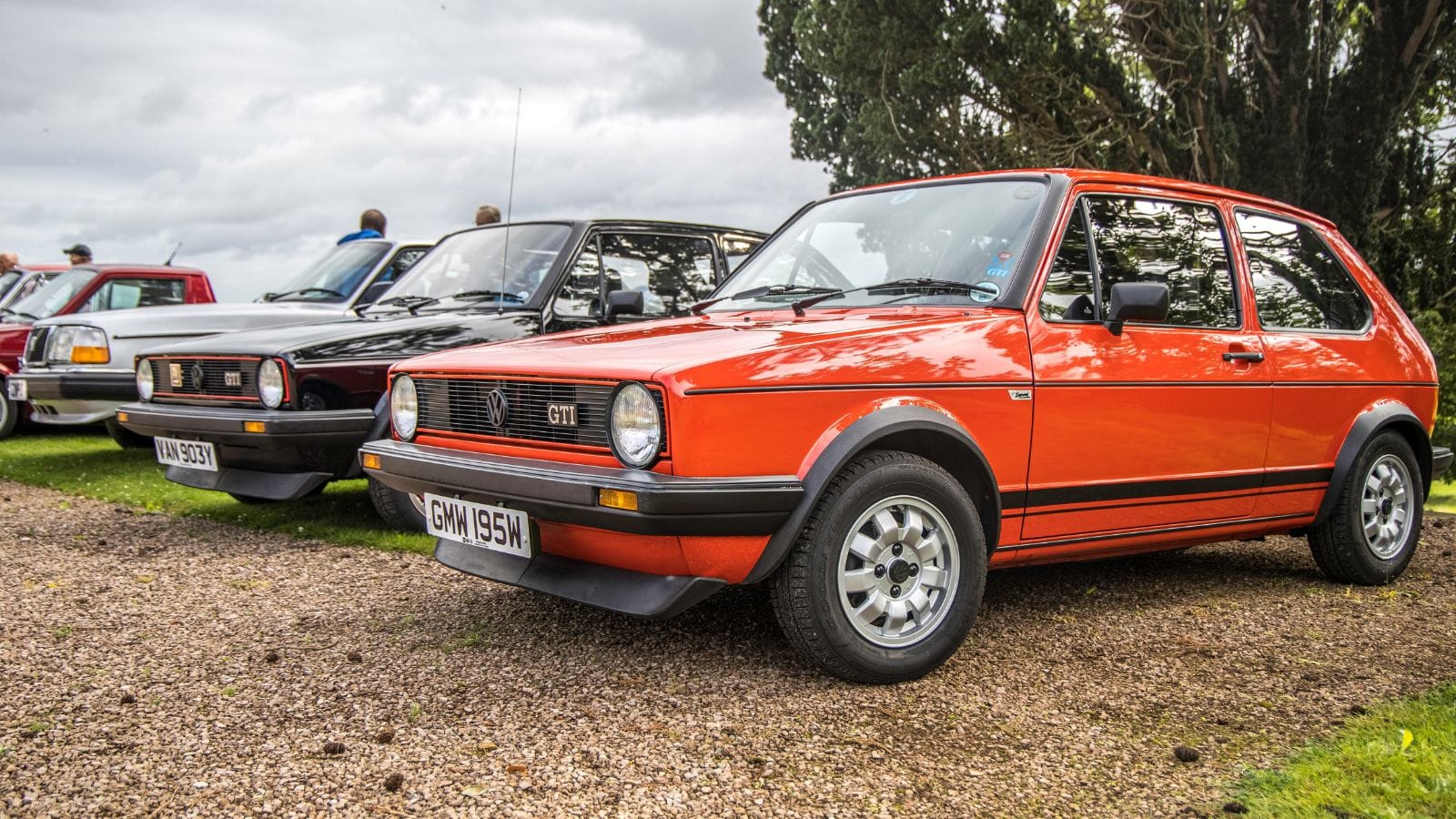
The original Golf GTI arrived in 1976 and created an entirely new category. At the time, small hatchbacks were usually basic transportation. Volkswagen engineers quietly developed something different by fitting a fuel injected 1.6 liter engine producing around 110 horsepower into the lightweight Golf platform.
The result was quick, lively, and surprisingly refined for its size. Red grille accents, plaid seats, and a golf ball shaped shift knob quickly became signature GTI traits. Early models weighed barely over 1800 pounds, which gave them an agility that modern cars struggle to replicate. The Mk1 GTI did not just start a model line. It effectively invented the modern hot hatch.
Mk2 Golf GTI (1984 to 1992)
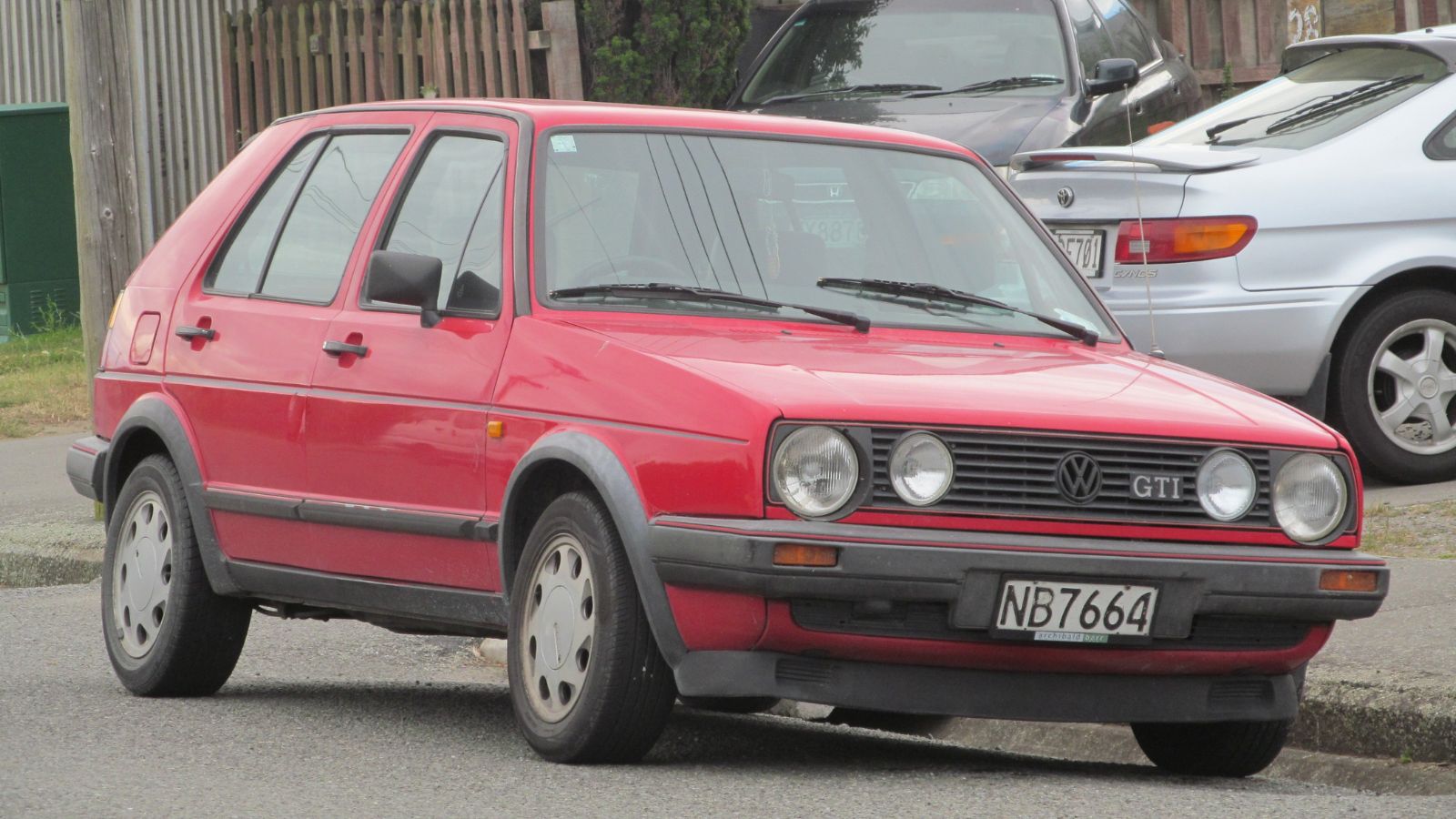
The second generation GTI arrived in 1984 and brought more maturity without abandoning the formula. The Mk2 was larger and more refined, which improved comfort and everyday usability. Under the hood, the GTI continued using fuel injected four cylinder engines, eventually gaining a 16 valve version that significantly improved performance.
Handling remained sharp and predictable, making the car popular with enthusiasts who enjoyed spirited driving on real roads rather than racetracks. Many drivers consider the Mk2 one of the purest GTIs because it balanced performance, practicality, and simplicity so well. Even today it remains a common sight at enthusiast gatherings.
Mk3 Golf GTI (1993 to 1999)
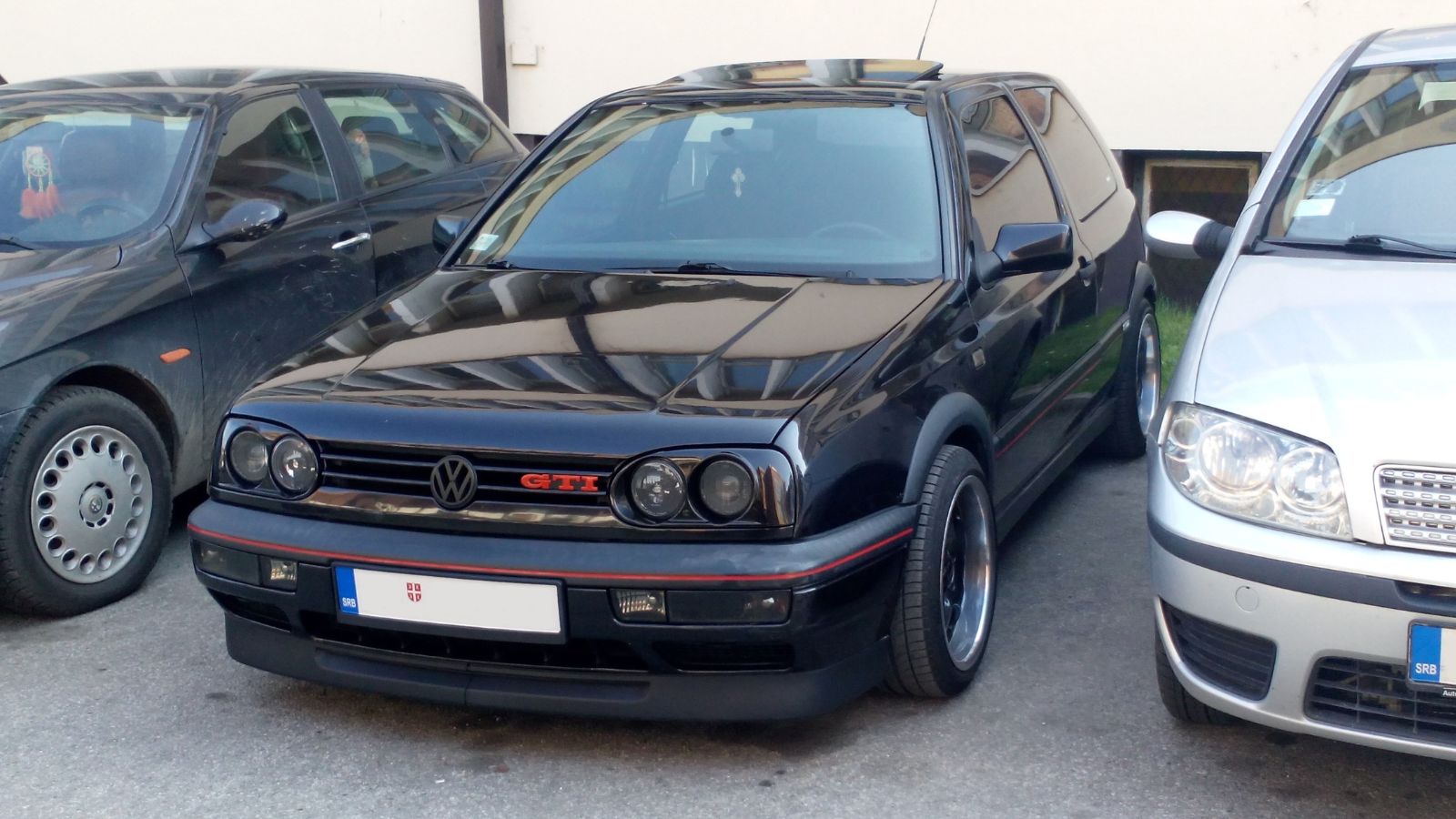
When the Mk3 GTI arrived in the early nineties it introduced a new character to the model. Volkswagen shifted the focus slightly toward refinement and safety. The car became heavier and more comfortable, reflecting the broader direction of the automotive industry during that period.
Performance improved thanks to the introduction of the VR6 engine in some markets. The narrow angle six cylinder delivered strong torque and a distinctive sound that separated it from earlier four cylinder GTIs. While some enthusiasts felt the Mk3 lost a bit of the original car’s lightweight charm, it helped expand the GTI’s appeal to a wider audience.
Mk4 Golf GTI (1999 to 2005)
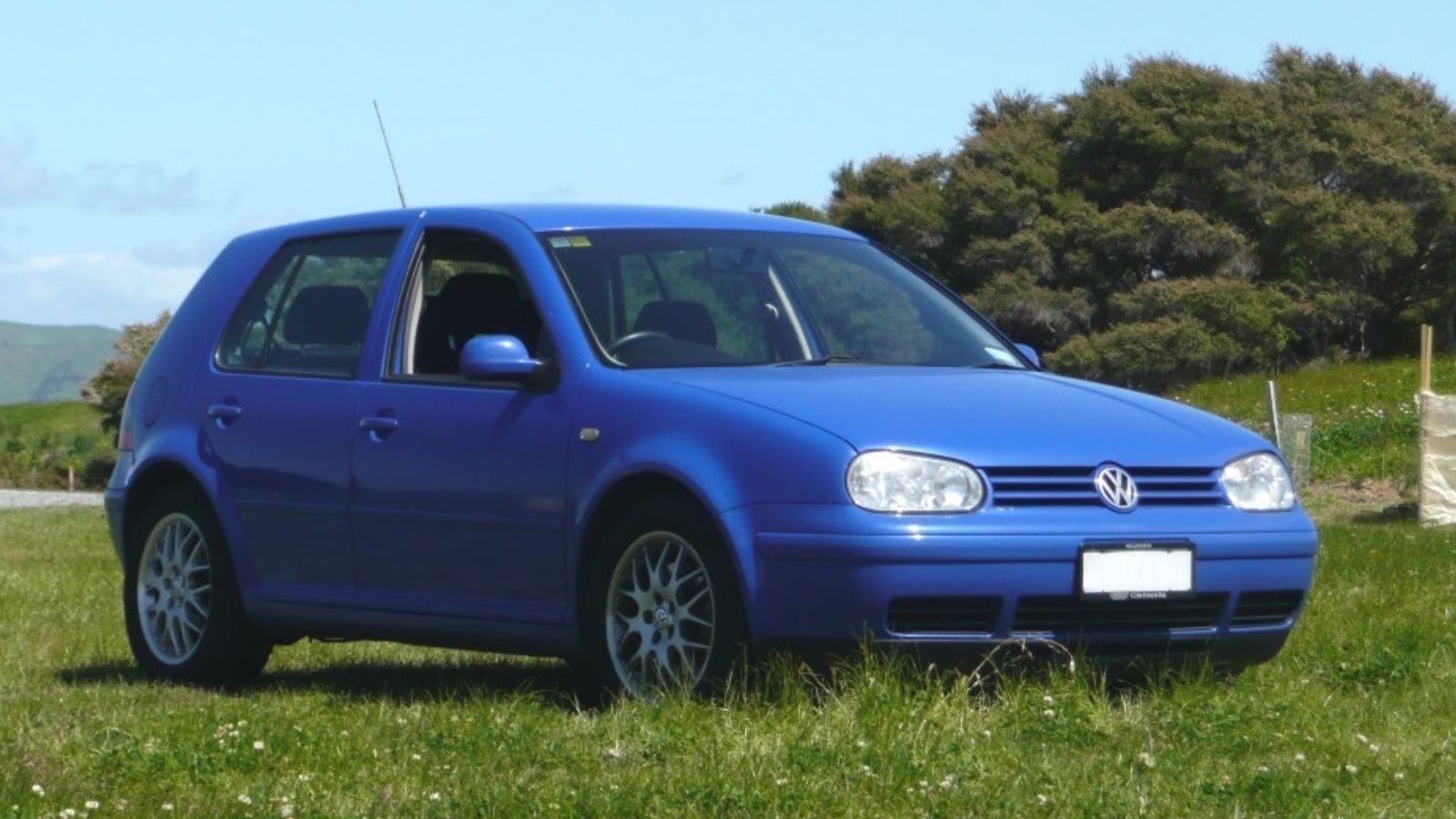
The fourth generation GTI arrived at the turn of the millennium with a much more premium feel. Volkswagen focused heavily on interior quality and solid construction, which gave the Mk4 a reputation for feeling more expensive than many competitors.
Several engines were offered, including the well known 1.8 liter turbocharged four cylinder. That engine became popular among tuners because it responded well to upgrades and software modifications. The Mk4 GTI may not have been the lightest or sharpest version, but its blend of comfort and performance made it extremely popular with daily drivers.
Mk5 Golf GTI (2006 to 2009)

Many enthusiasts consider the Mk5 GTI the moment when the model rediscovered its edge. Introduced in 2006, this generation used a new turbocharged 2.0 liter engine that delivered strong performance while remaining efficient.
The chassis was also significantly improved. Independent rear suspension gave the car far better handling balance than the previous generation. Combined with precise steering and a responsive engine, the Mk5 felt genuinely sporty again. Volkswagen also revived classic styling details such as tartan seat fabric, which reinforced the connection to the original GTI.
Mk6 Golf GTI (2010 to 2014)
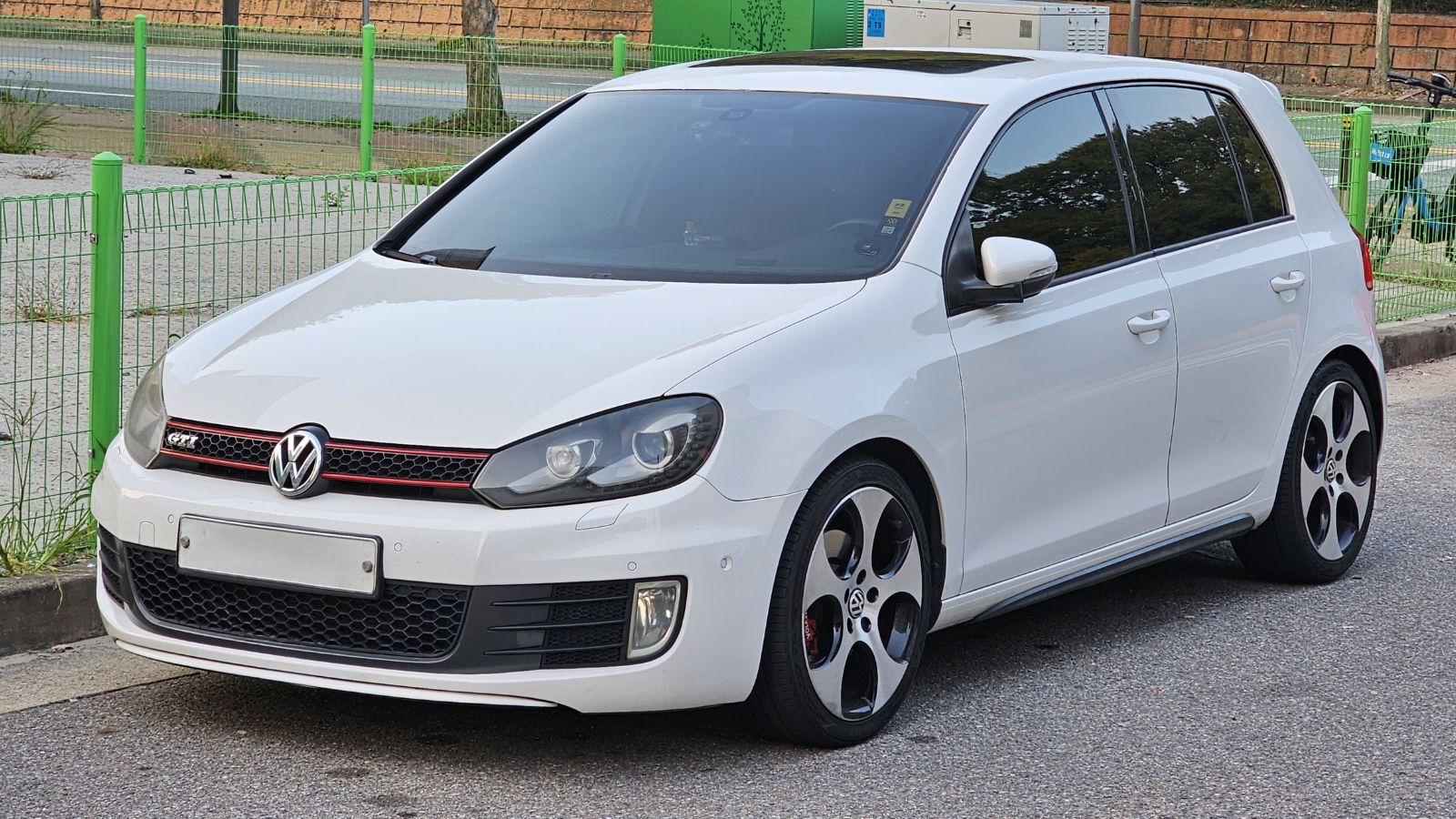
The Mk6 GTI was more of an evolution than a revolution, refining the improvements introduced with the Mk5. The turbocharged 2.0 liter engine continued, producing around 200 horsepower while delivering smooth power across the rev range.
Interior materials and technology improved noticeably, and the car gained more driver assistance features. Despite the added complexity, the Mk6 still retained the approachable character that had defined the GTI for decades. It was quick, comfortable, and practical enough to serve as a daily driver while still delivering genuine driving enjoyment.
Mk7 Golf GTI (2015 to 2021)
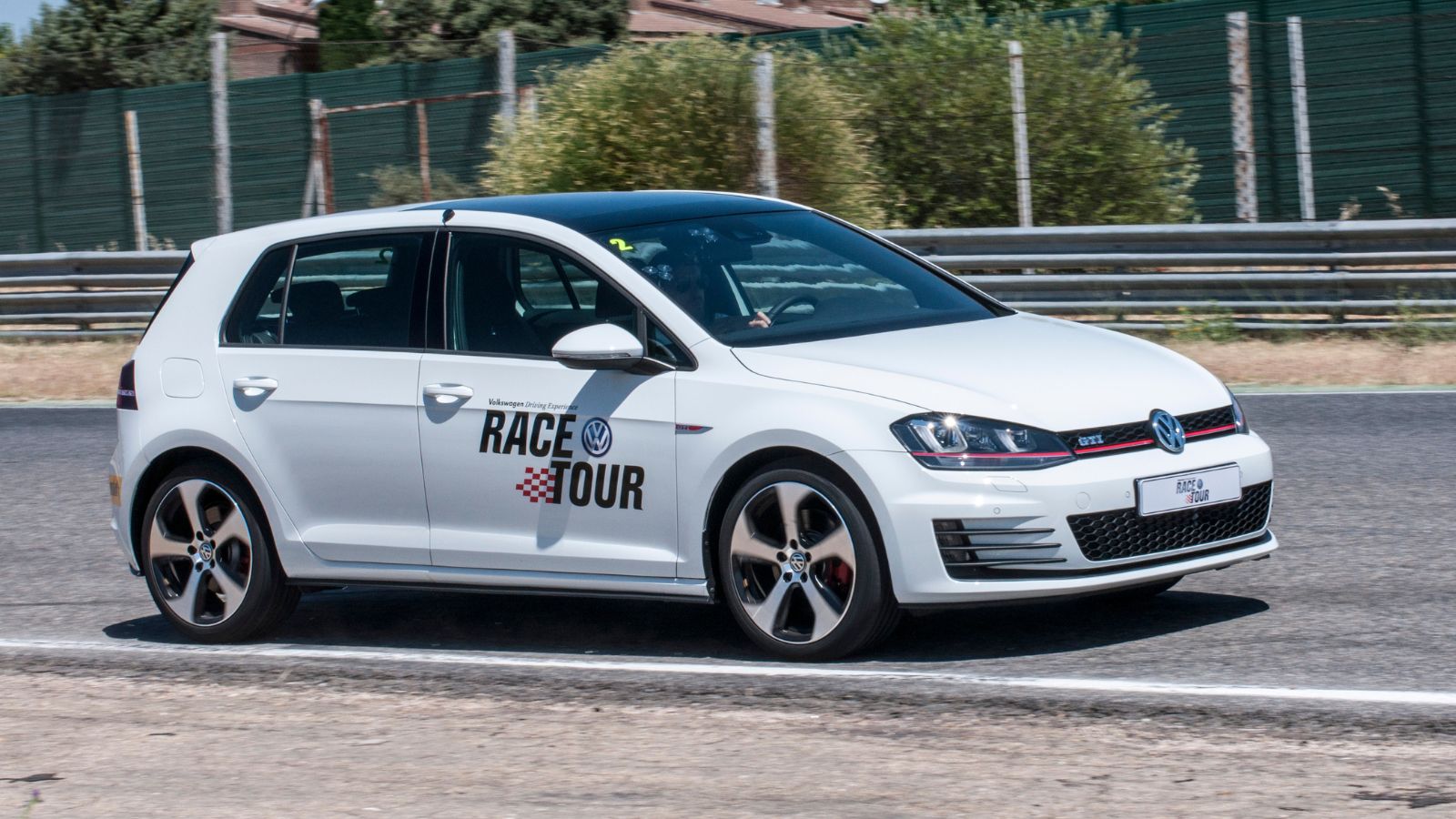
When the Mk7 GTI launched in 2015 it arrived on Volkswagen’s new modular MQB platform. This architecture allowed the car to become lighter while improving structural rigidity. The result was one of the most balanced GTIs ever produced.
Power increased to around 210 horsepower in standard form, with performance packages offering even more. The Mk7 also introduced more advanced electronic systems, including adaptive dampers and customizable driving modes. Despite the added technology, the car remained engaging and approachable. Many reviewers praised it as one of the most complete hot hatches ever built.
Mk8 Golf GTI (2022 to Present)
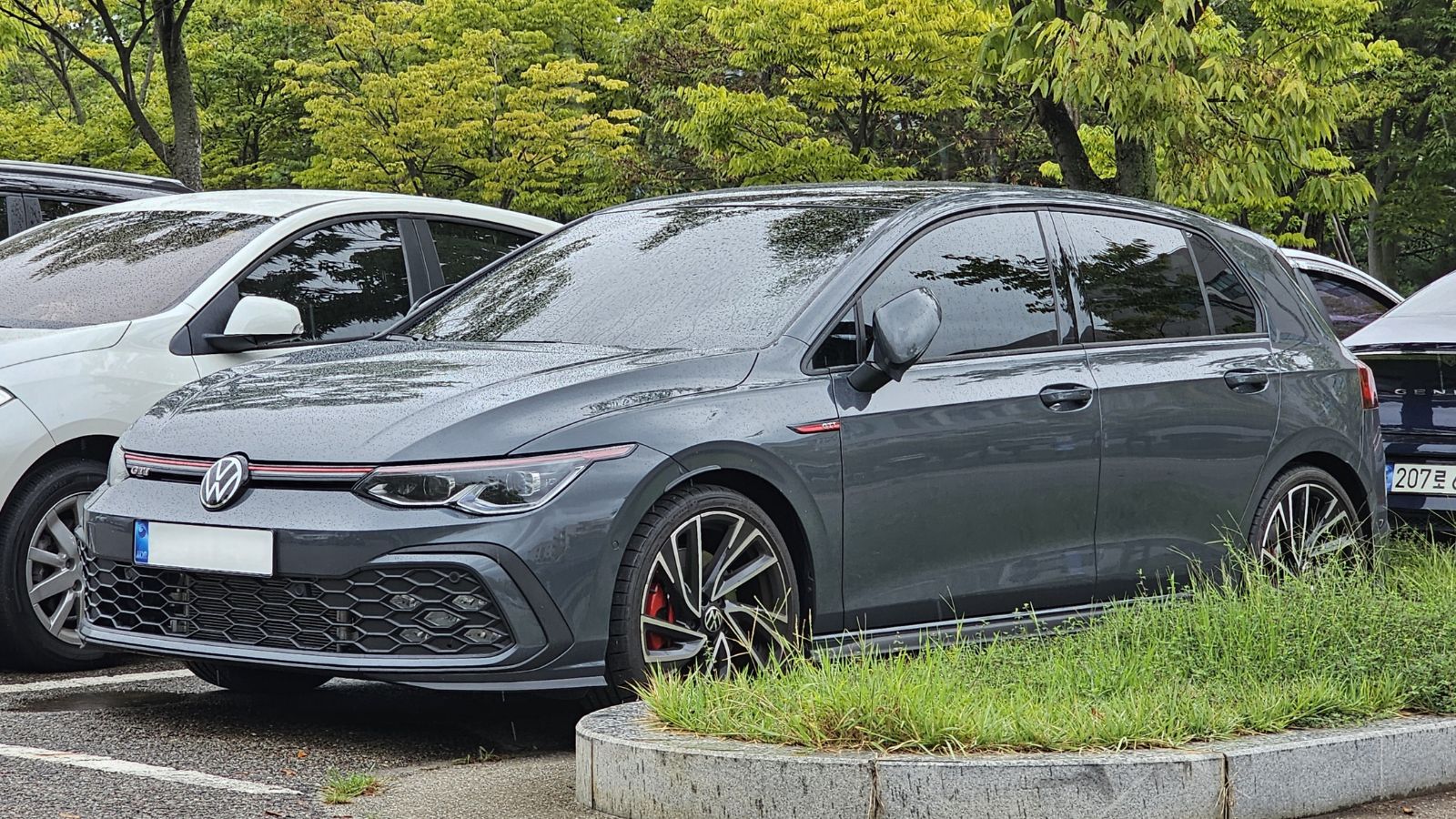
The current Mk8 GTI continues the evolution with sharper styling and even more technology. The turbocharged 2.0 liter engine now produces around 241 horsepower, giving the car impressive performance for a front wheel drive hatchback.
Inside, the Mk8 introduces a more digital cockpit with large screens and touch based controls. While the design has divided opinion among enthusiasts, the driving experience remains strong. The chassis is responsive, the engine delivers quick acceleration, and the car still manages to combine practicality with genuine enthusiasm.
Nearly fifty years after the original GTI appeared, the formula remains surprisingly consistent. A practical hatchback, a lively engine, and just enough attitude to make everyday driving enjoyable.
25 Facts About Car Loans That Most Drivers Don’t Realize

Car loans are one of the most common ways people fund car purchases. Like any other kind of loan, car loans can have certain features that can be regarded as an advantage or a disadvantage to the borrower. Understanding all essential facts about car loans and how they work to ensure that you get the best deal for your financial situation is essential. Here are 25 shocking facts about car loans that most drivers don’t realize:
25 Facts About Car Loans That Most Drivers Don’t Realize
