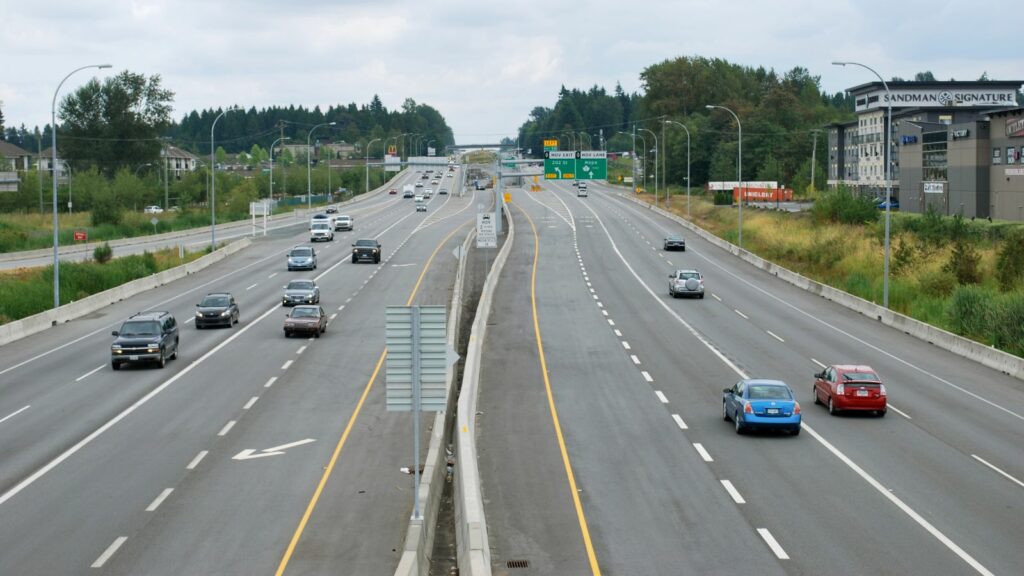
Highway trust is built in seconds and lost even faster. A driver who moves toward another lane before signalling, drifts across the markings, or changes speed without a clear pattern forces everyone nearby to make defensive guesses. The problem is less about etiquette than predictability: at highway speeds, a vague move can leave little time for another motorist to decide whether to brake, accelerate, or abandon a planned pass.
These 12 sections examine how late, missing, and inconsistent lane-change communication erodes confidence, why the effect becomes sharper around motorcycles and large vehicles, and how simple habits can make a driver easier to read. The central lesson is straightforward: other motorists do not need perfection, but they do need enough warning to understand what happens next.
The Move That Starts the Distrust
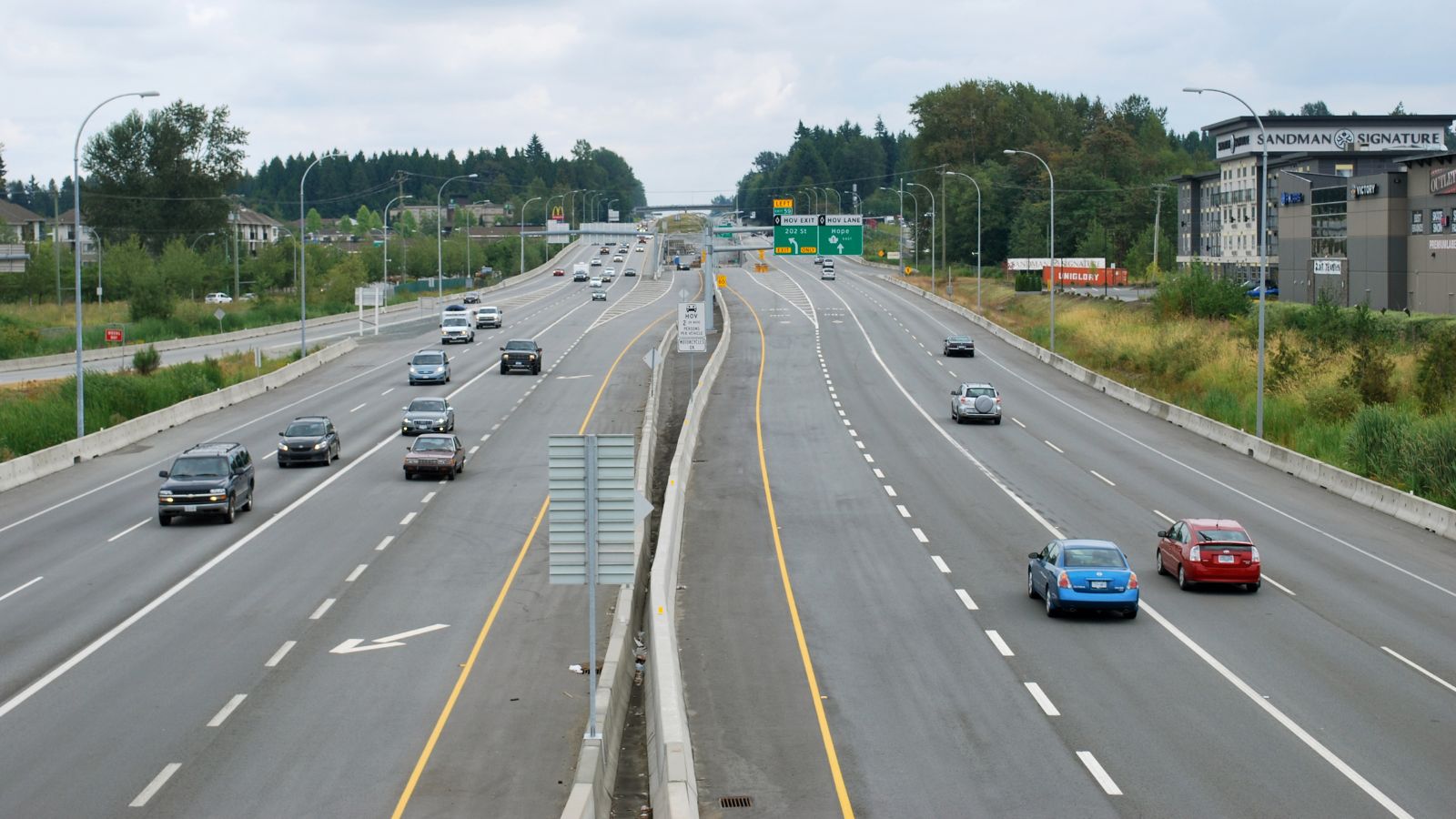
The habit is beginning a lane change before clearly announcing it. Sometimes the signal appears only after a tire touches the line; sometimes it never appears. To the driver making the move, the path may seem obvious. To the vehicle closing from behind, it can look like drift, distraction, or an abrupt attempt to claim space.
A NHTSA analysis of 135 lane-change crashes and near-crashes found a sharp difference between planned and emergency movements. Turn signals were used in 85 percent of planned left-lane changes, but in only 24 percent of unplanned left moves made to avoid a threat ahead. That contrast matters because surprise compresses reaction time. A commuter who sees a car move first and signal second may lift off the accelerator, widen the gap, or refuse to pass. Trust falls because surrounding traffic can no longer rely on the vehicle’s lights to reveal intention before motion begins.
Predictability Is Highway Courtesy
Highway driving works through small predictions. A motorist assumes the car ahead will remain centred, the vehicle beside it will hold speed, and a flashing indicator will precede lateral movement. When those expectations are repeatedly broken, drivers stop treating the vehicle as a cooperative participant and begin leaving extra room for possible mistakes.
Research around Gothenburg, Sweden, illustrates how inconsistent signalling can be. In one highway lane-change dataset, drivers activated the signal before beginning the manoeuvre in about 60 percent of cases. Another 33 percent signalled only after the lane change had started, while 7 percent did not signal at all. Researchers described turn signals as a direct and unambiguous way to communicate intent. That is the foundation of trust: a clear message followed by a matching action. When the action arrives first, surrounding drivers must infer intent from wheel position and vehicle movement, which is slower and less reassuring.
A Late Signal Is a Receipt, Not a Warning
A signal has value only when it gives others time to process it. Flicking the indicator on while crossing the line may make the manoeuvre feel announced, but it does not help the person already braking in the next lane. At that point, the light records what is happening rather than warning what is about to happen.
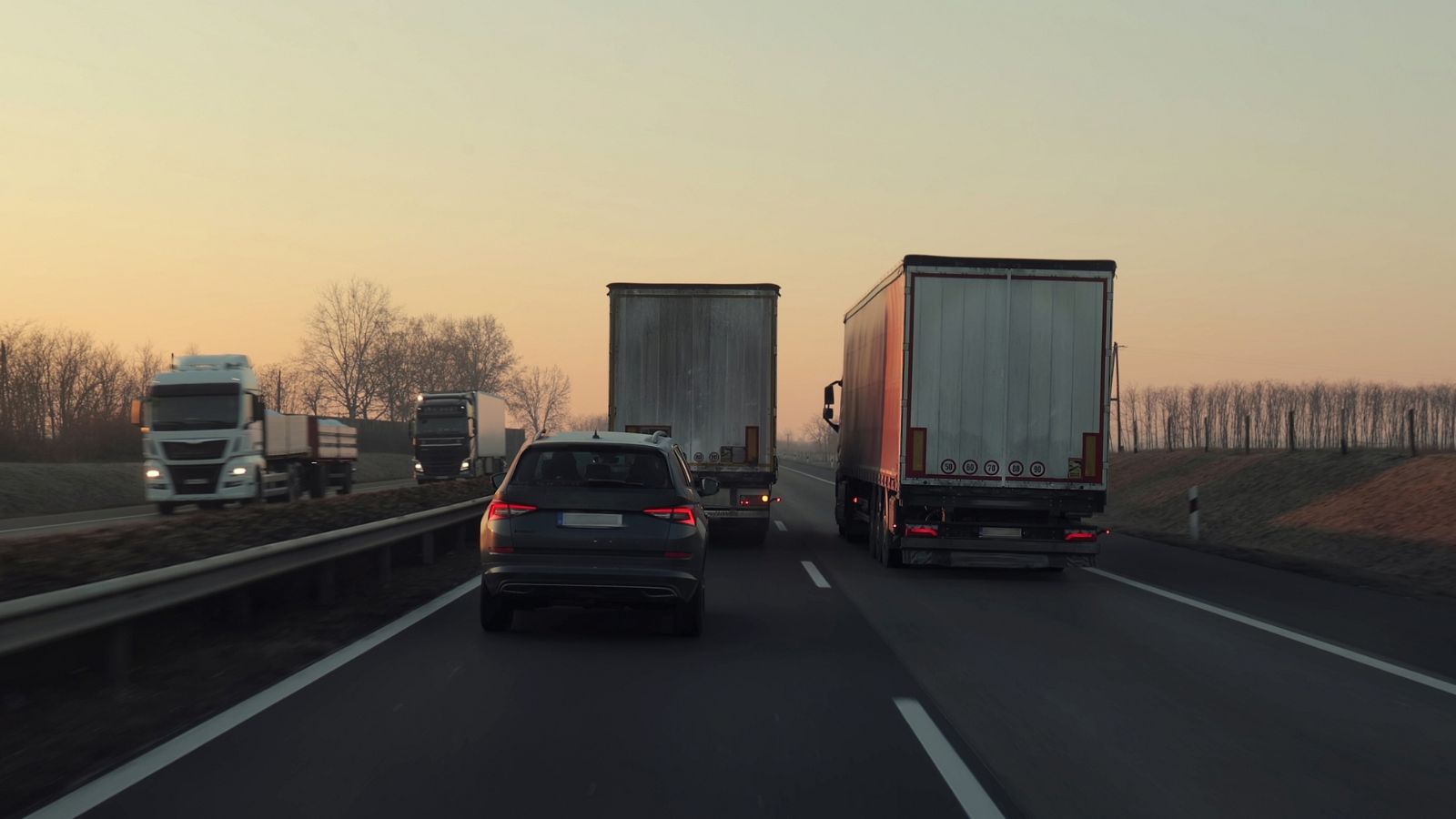
Official guidance places signalling before the lane change. Ontario’s driver handbook advises motorists to check for a safe space, check the blind spot, signal, and then move gradually into the new lane. It also says lights should communicate before slowing, stopping, turning, or changing lanes. Consider a vehicle overtaking a transport truck: an early signal lets the car behind decide whether to hold position or create a gap. A late signal turns the same pass into a contest over space. The difference lasts seconds, yet shapes whether the manoeuvre appears deliberate or careless.
Lane Drift Sends a False Message
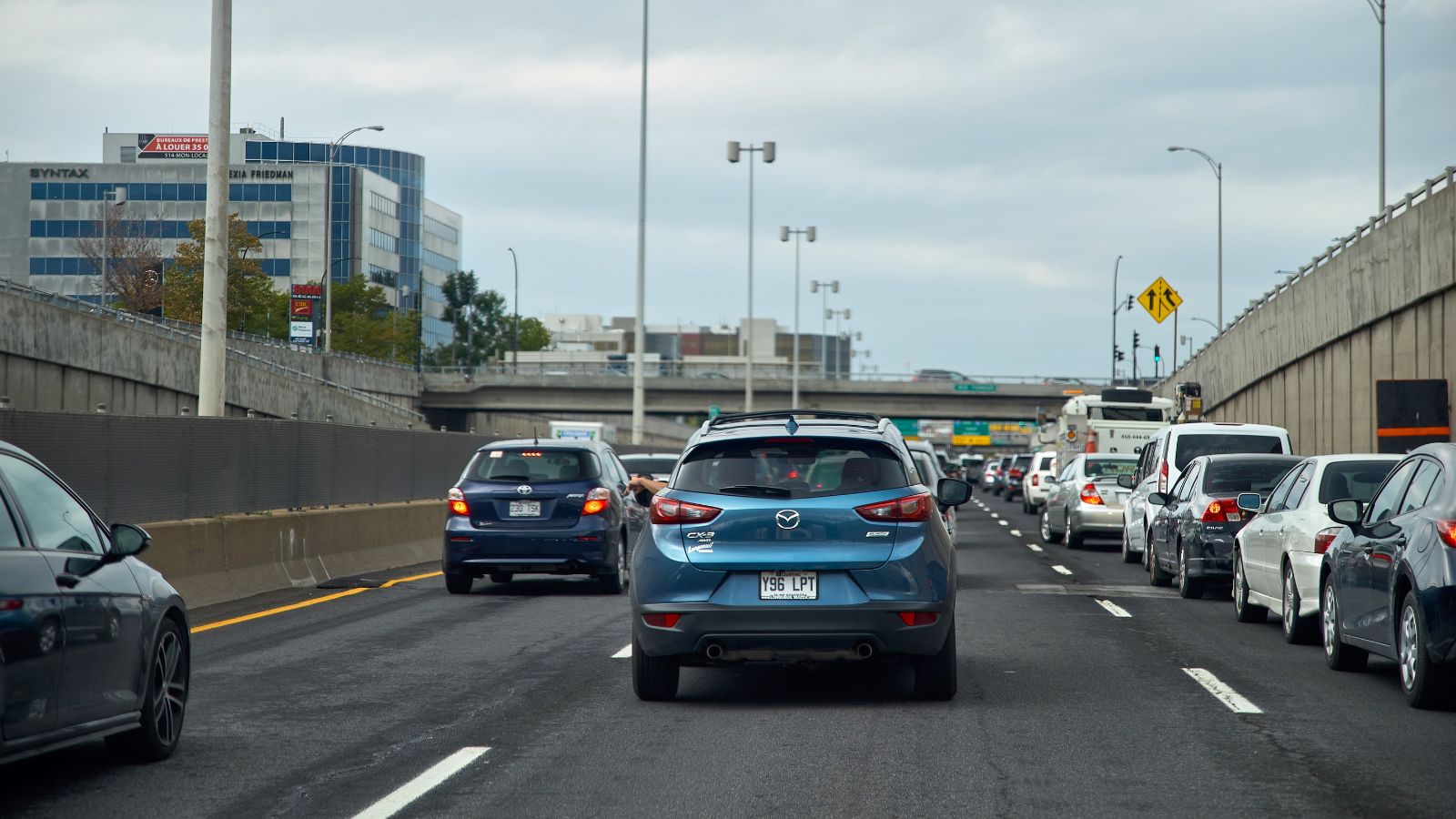
Not every trust-breaking move is deliberate. A vehicle that wanders toward the divider and then snaps back creates the same uncertainty as an unsignalled merge. The driver beside it cannot know whether the movement reflects distraction, fatigue, wind, poor lane control, or an actual change. The safest response is usually to create distance.
Modern lane-departure systems exist because unintended drift can lead to serious conflicts. NHTSA explains that lane-departure warnings detect a vehicle veering from its lane and alert the driver before a sideswipe, head-on conflict, or road departure develops. IIHS research has associated lane-departure warning with an 11 percent reduction in single-vehicle, sideswipe, and head-on crashes. The social effect is visible in everyday traffic. A car that repeatedly touches the line makes a nearby motorcyclist hesitate to pass, while a steady, centred vehicle communicates stability without flashing a light. Good lane discipline is therefore a form of silent signalling.
Speed Surprises Break the Pattern
A lane change becomes harder to read when paired with a burst of acceleration or a lift off the throttle. Nearby drivers judge gaps partly by relative speed. When that relationship changes as the vehicle moves sideways, a space that looked comfortable can shrink before anyone can reassess it.
NHTSA research found that planned left-lane changes took an average of about 1.5 seconds from initiation to crossing into the adjacent lane. In near-crash events, only about 2.3 seconds elapsed on average between the start of the manoeuvre and the conflict. Those intervals show why smooth speed control matters. Imagine a driver signalling to pass, hesitating, then accelerating sharply as another car enters the target lane. Even without contact, the other motorist may brake and remember the vehicle as unpredictable. Holding a stable speed until the gap is confirmed makes the signal, steering movement, and traffic response tell one coherent story.
Tailgating Makes Intent Feel Hostile
Tailgating before changing lanes sends two messages at once, and neither inspires confidence. The vehicle ahead sees pressure in the mirror, while drivers in the adjacent lane see someone searching for an opening. Even when the driver wants to pass, the combination of a short gap and sudden lateral movement can resemble impatience or intimidation.
Ontario’s driver handbook recommends a following distance of at least two seconds in normal conditions, with more space when weather, visibility, or conditions worsen. NHTSA groups following too closely and unsafe lane changes among behaviours that may indicate aggressive driving, especially when they encroach on others’ safe space. A familiar example occurs when a car rides a slower vehicle’s bumper, darts left at the first opening, and cuts back immediately. The manoeuvre may save moments, but it leaves several people braking defensively. A calm following gap makes the eventual pass look planned rather than forced.
Multi-Lane Sweeps Multiply Guesswork
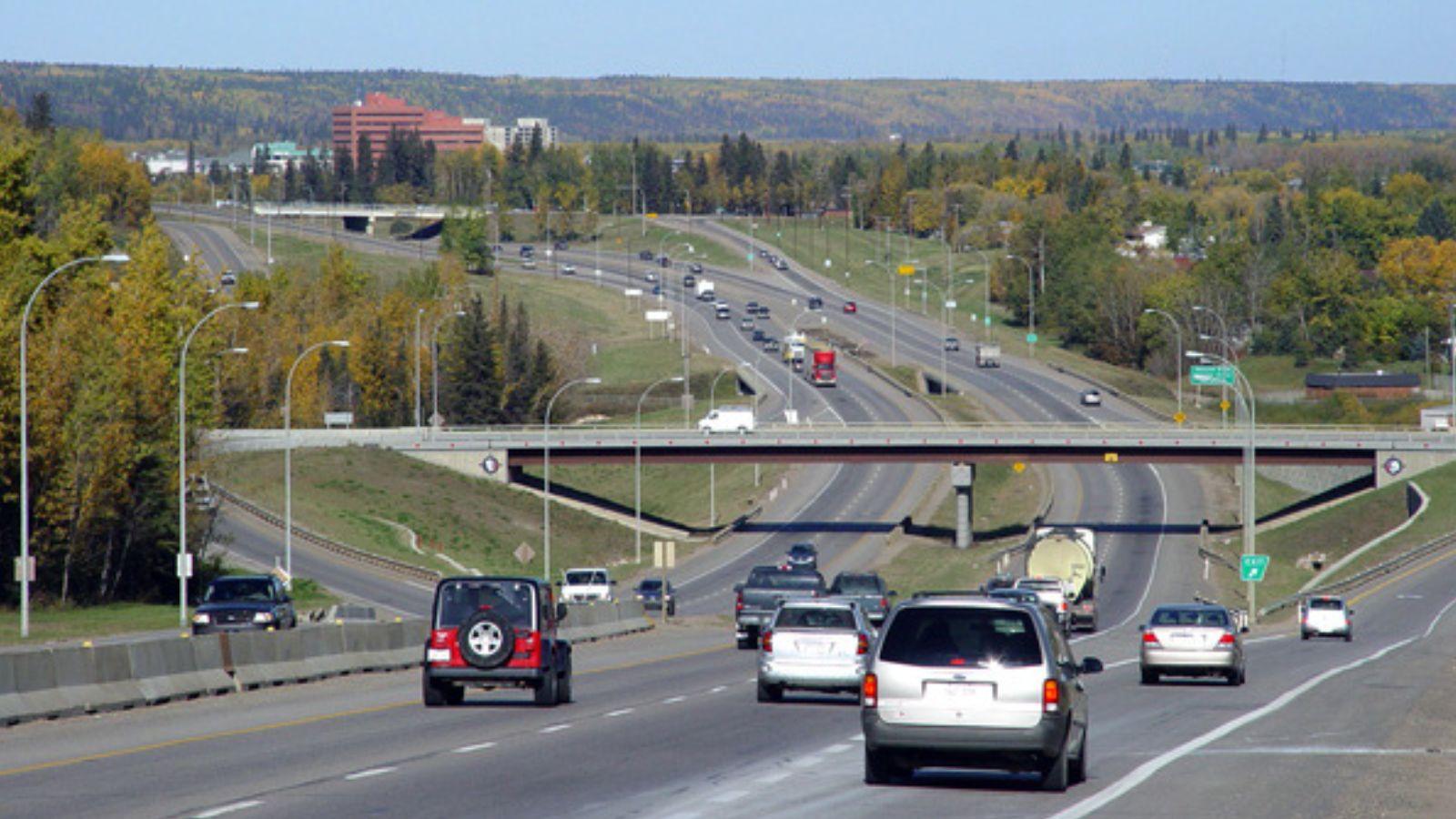
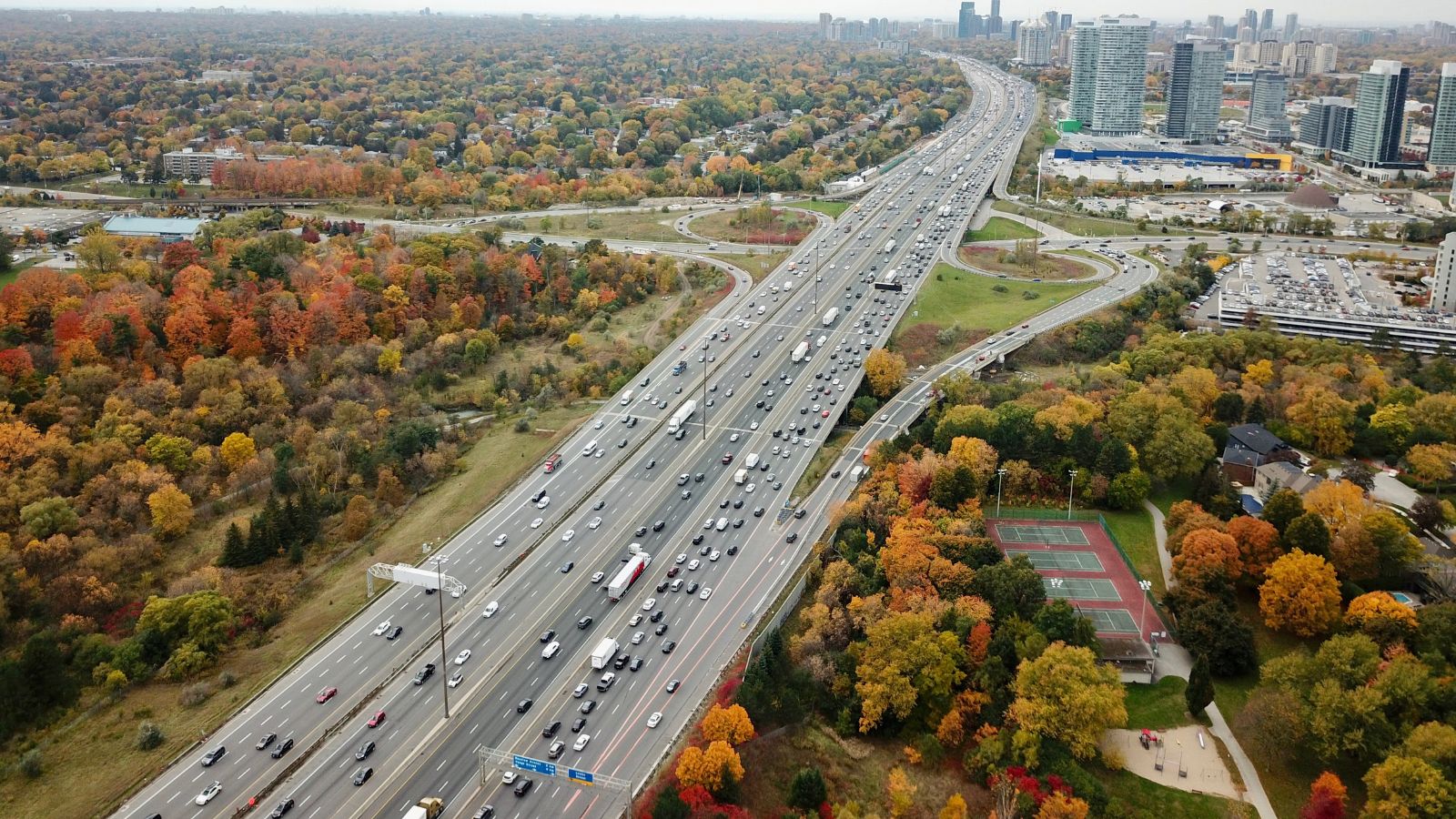
A continuous multi-lane sweep forces several drivers to interpret one signal differently. The first lane may be open, while the next holds a faster vehicle hidden from view. A single indicator cannot tell everyone whether the driver intends to stop after one lane or continue across the highway.
California’s driver handbook advises motorists who need to move across several lanes to change one lane at a time. It also recommends signalling about five seconds before a freeway exit once the vehicle is in the proper lane. Each lane change creates a new traffic environment that must be checked again. Picture a driver noticing an exit late and cutting from the passing lane toward the ramp. Cars in the middle lanes may brake, while a driver entering from an on-ramp has nowhere obvious to go. Early positioning turns the same exit into ordinary, readable decisions instead of one single dramatic correction.
Blind-Spot Technology Does Not Signal Character
Blind-spot monitors can detect a vehicle mirrors miss, but they cannot make an abrupt driver appear considerate. The warning light tells the driver that space is occupied; it does not tell surrounding motorists whether the driver has noticed, will wait, or intends to move anyway. Human trust still depends on visible behaviour.
The technology has safety value. An IIHS study found that vehicles with blind-spot monitoring had 14 percent lower involvement in all police-reported lane-change crashes than comparable models without it. Injury lane-change crashes were 23 percent lower, although that reduction was not statistically significant. Researchers estimated that if every U.S. vehicle in 2015 had systems performing similarly, roughly 50,000 crashes and almost 16,000 injuries might have been prevented. Those figures support using the feature, not surrendering judgment to it. A shoulder check, early signal, and gradual move remain visible evidence that the driver is actively managing the lane change.
Motorcycles and Trucks Have Less Room for Ambiguity

An unpredictable lane movement is unsettling beside a motorcycle or large truck. A motorcycle’s narrow profile is easier to overlook, while a truck has large blind spots. A casual drift that merely annoys another car can place these road users in a harder escape problem.
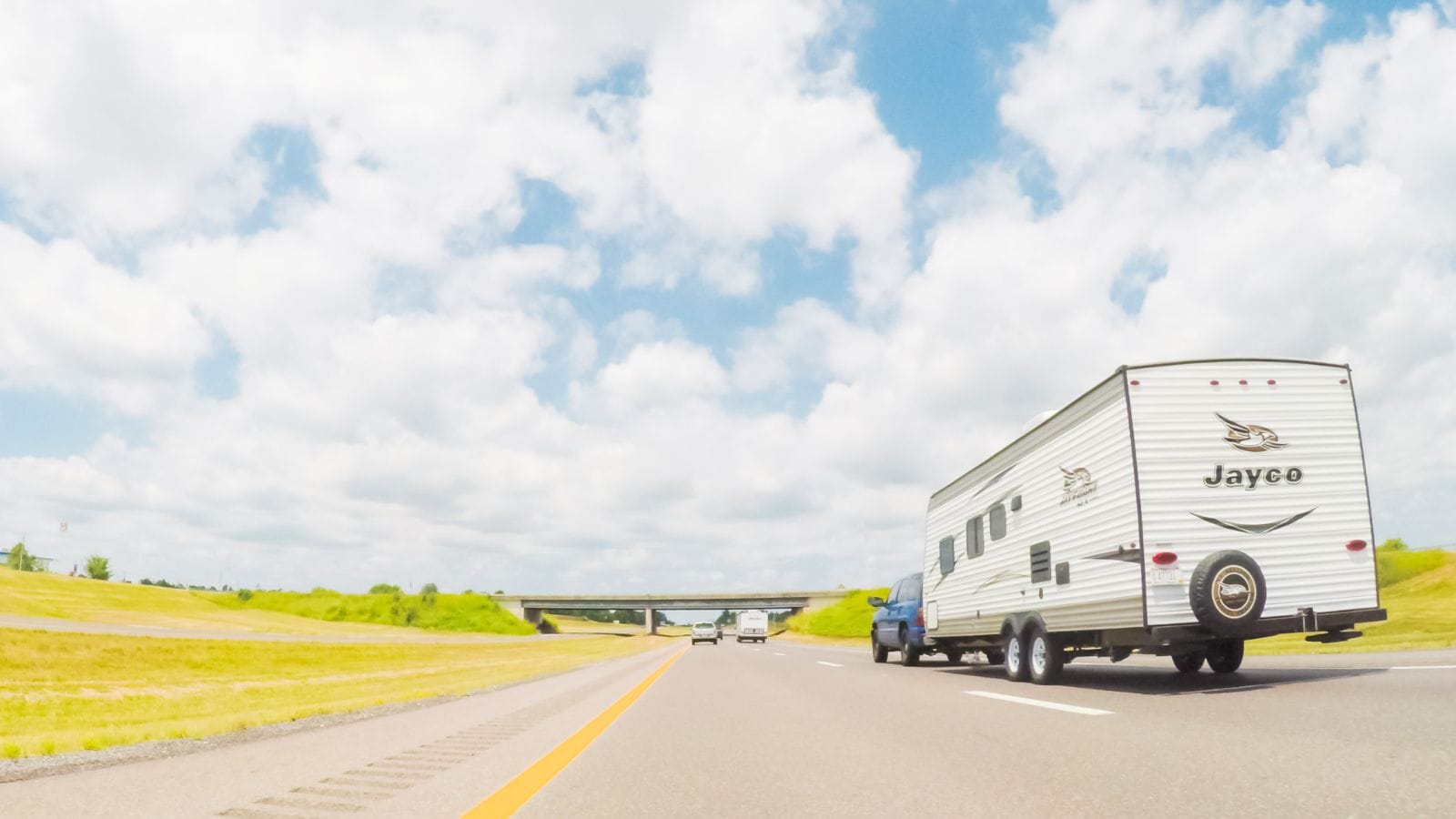
NHTSA notes that motorcycles can be hidden in vehicle blind spots and says many multi-vehicle motorcycle crashes occur because another driver did not see the rider. Ontario guidance warns motorists not to tailgate large vehicles because the truck or bus driver may be unable to see a car directly behind. Consider a sedan hovering beside a tractor-trailer, then suddenly moving toward the lane line without signalling. The truck driver may not know the car is there, and a motorcyclist approaching from behind cannot predict which gap will remain open. Clear signals, decisive positioning, and quick passage through blind spots reduce the assumptions everyone must make.
Weaving Can Slow Everyone Down

Frequent lane changes can feel productive to the weaving driver. Each move seems to gain a car length or reach faster traffic. Outside, every merge creates a disturbance in heavy traffic: one driver lifts off, another closes a gap, and the reaction can travel backward through dense traffic.
Traffic-flow research treats lane changing as destabilizing in congestion. One modelling study found that more frequent lane changes produced only marginal gains in a driver’s overall speed, while other work describes lane changes as potential bottlenecks because one vehicle affects both its original and target lanes. A rush-hour example is the car that changes lanes repeatedly, only to arrive beside the same bus several kilometres later. Other motorists learn not to trust its position because it rarely stays settled. Choosing a lane based on route needs rather than tiny advantages creates smoother flow and makes the vehicle’s future path easier to anticipate.
Driver Assistance Cannot Restore Human Confidence
Lane centring, blind-spot alerts, and adaptive cruise control can reduce workload, but not communicate responsibility. A car can remain centred under automation yet make a sudden, poorly signalled move when its driver takes over. To other motorists, the technology is invisible; only the vehicle’s behaviour can be judged.
NHTSA classifies many systems as driver assistance and emphasizes that the human must remain engaged and attentive. IIHS has found limited evidence that partial automation adds crash-prevention benefits beyond features including automatic emergency braking and lane-departure prevention. In its safeguard ratings released in 2024, one of 14 partial-automation systems earned an acceptable rating; the rest were marginal or poor. The lesson is not that assistance is useless. It is that a warning icon cannot replace observation, signalling, and smooth control. A driver relying on the car to correct every drift may be safer, yet still appear unreliable to others sharing the lane.
Trust Is Rebuilt Before the Wheel Moves
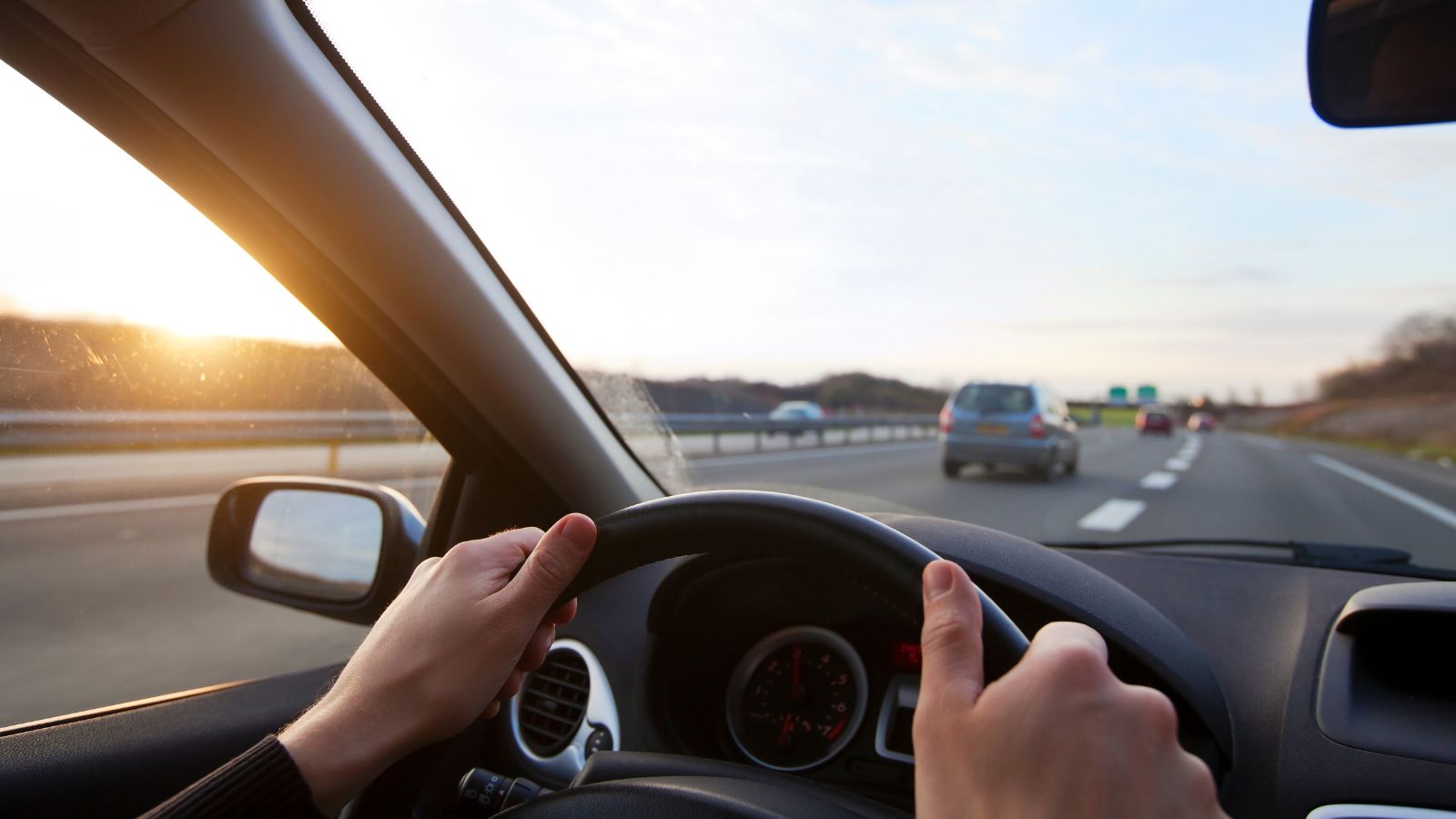
A trustworthy lane change is almost boring. The vehicle holds a steady line, checks surrounding traffic, activates the signal early, waits for a genuine opening, and moves gradually without forcing braking. Once in the new lane, the signal is cancelled and the car resumes a stable position.
Ontario’s handbook recommends checking mirrors about every five seconds while driving and checking blind spots before changing lanes. Its lane-change sequence begins with finding safe space rather than creating space through pressure. That distinction matters. A driver missing an exit can take the next exit; a driver who misses a gap can wait for another. Neither inconvenience justifies turning the highway into an emergency. Over time, consistent signalling and lane discipline change how others respond. Drivers stop widening the gap out of caution and become more willing to cooperate, because the vehicle’s lights, speed, and steering repeatedly agree about what will happen next.
22 Things Canadians Do to Their Cars in Spring That Mechanics Hate
Spring brings relief to many Canadian drivers after months of snow, freezing temperatures, and icy roads that put serious strain on vehicles. As temperatures rise across the country, drivers begin washing cars, switching tires, and preparing vehicles for warmer weather and upcoming road trips. However, mechanics across Canada notice the same mistakes every spring when drivers attempt to recover from winter damage. Road salt, potholes, and harsh winter driving conditions often leave vehicles with hidden problems that drivers ignore. Some spring habits even create new mechanical issues that could have been avoided with proper maintenance. Here are 22 things Canadians do to their cars in spring that mechanics hate.

Alanna Rosen is an experienced content writer that focuses on many EV and educational content. Her articles are regularly published on Get CyberTrucked and syndicated on large publications.