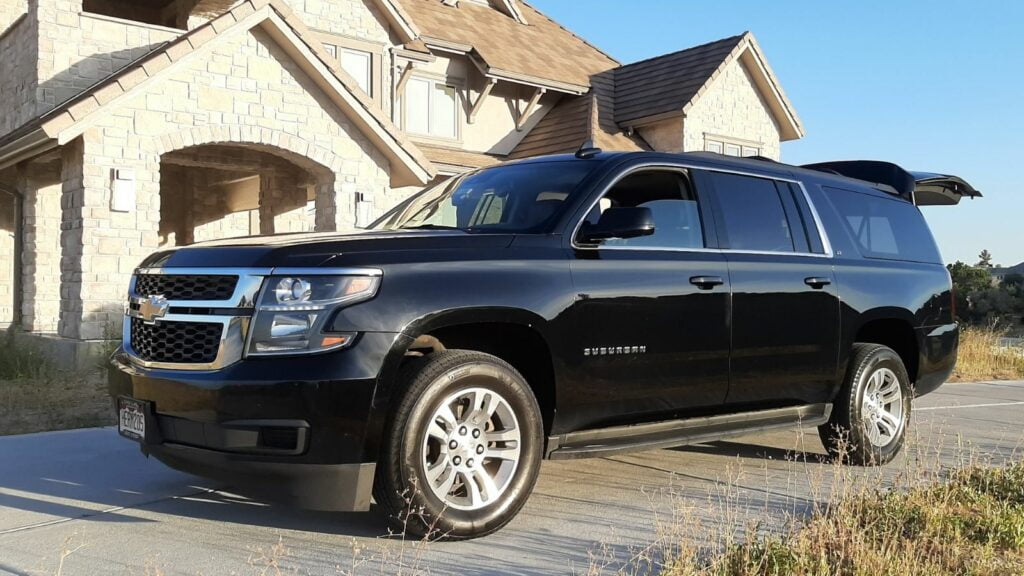
Across Canada, a growing number of city councils are discussing dramatic changes to what kinds of vehicles should be allowed in dense downtown areas. The public message is cleaner air, safer streets and less congestion. The unspoken message is that many of the vehicles Canadians love to drive could become limited, restricted or taxed out of city cores. What started as small pilot programs in a few major cities has now become a national conversation. And the concern is not about obscure niche models. It is about some of the most popular vehicles in the entire country.
Ford F150
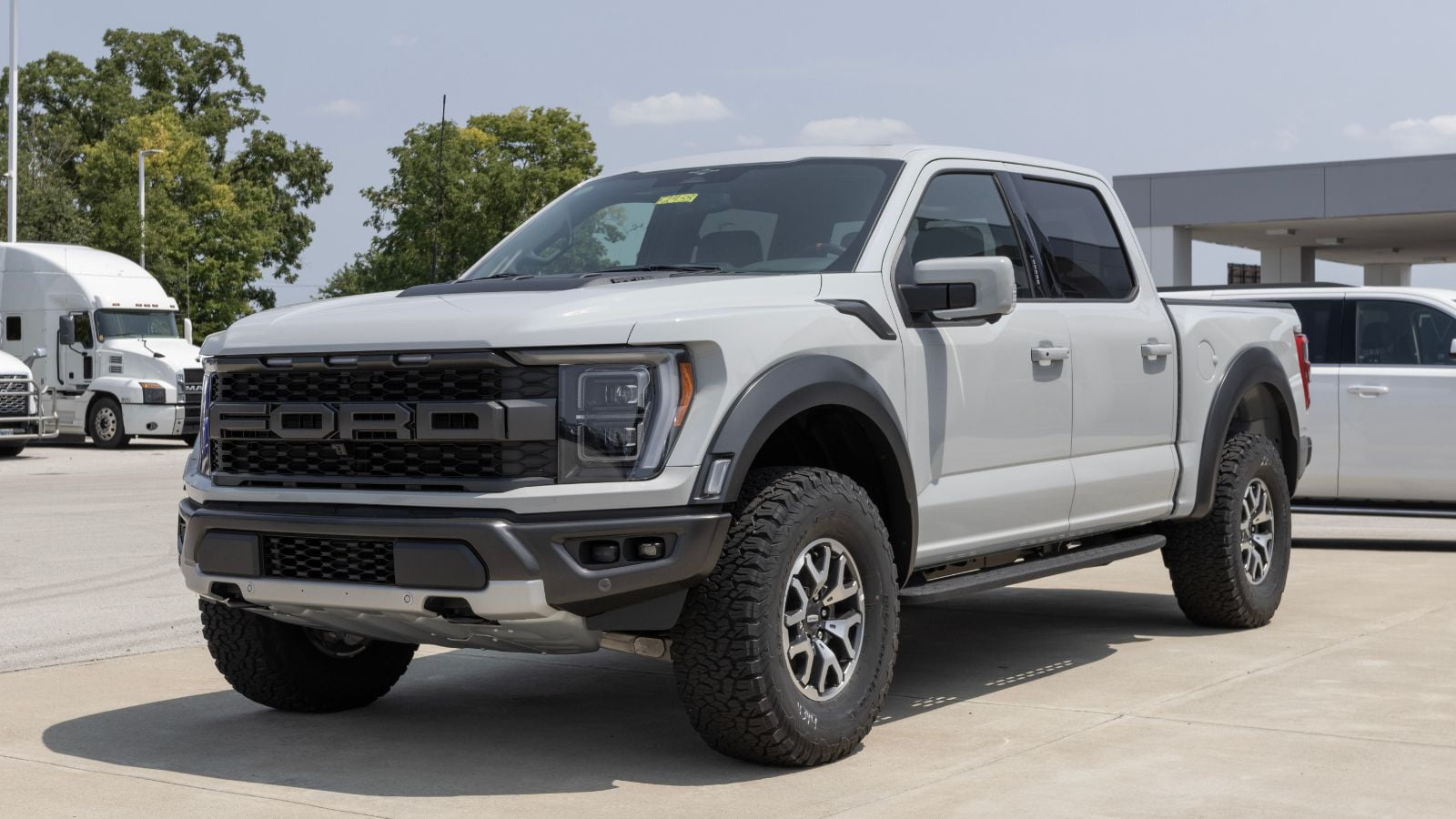
The F150 sits at the top of the sales charts in Canada year after year, which is exactly why it is attracting attention in these discussions. City planners argue that its massive front end and heavy frame create visibility challenges in pedestrian areas. Critics say it occupies too much space on narrow downtown lanes and struggles with tight parking. Owners fire back that trucks are not fashion choices in Canada, they are tools for towing, hauling and winter survival. For tradespeople who rely on them, any restriction feels like a punishment for simply doing their job.
Ram 1500
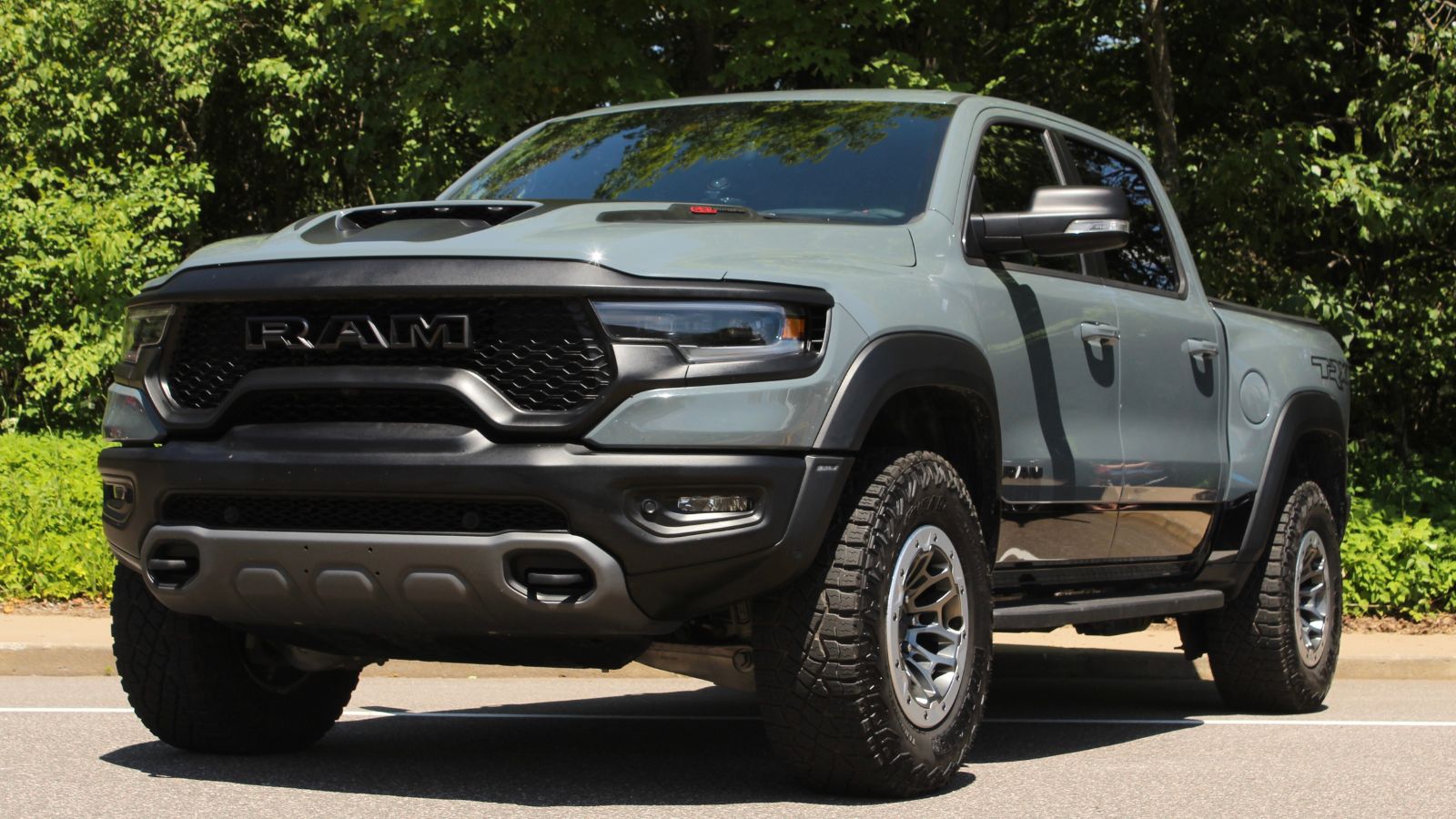
The Ram 1500 is loved for comfort, power and real world utility, but that same size puts it in the spotlight. Municipal proposals point to wide grilles, tall profiles and long wheelbases that do not play well with older city street layouts. Some cities have floated ideas such as extra fees or access permits to discourage large trucks downtown. Drivers call the idea elitism disguised as safety and argue that planners are trying to turn Canada into a small car country against reality.
Chevrolet Silverado
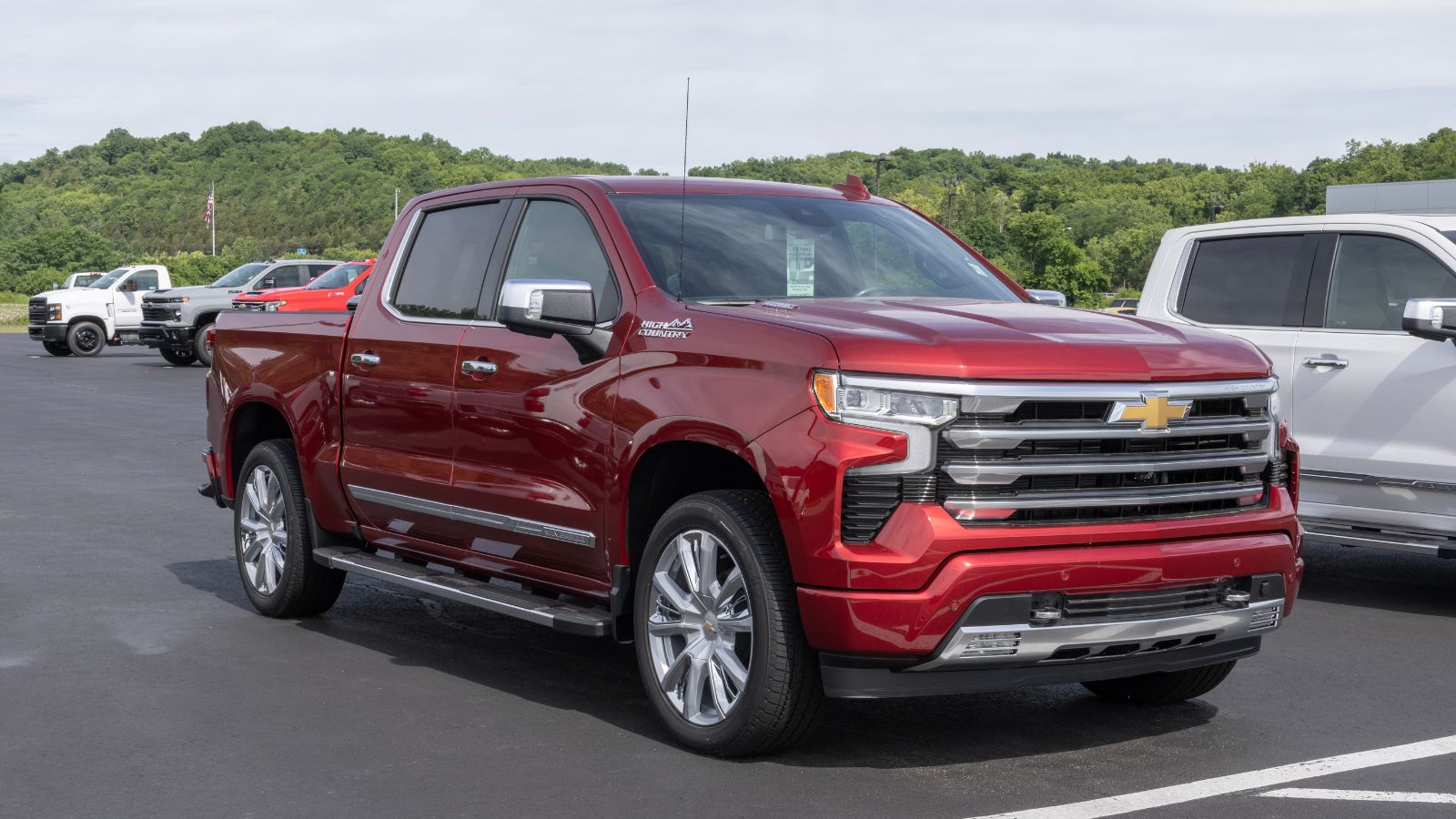
The Silverado faces the same questions as its Ford and Ram rivals. At issue is not the vehicle’s purpose, but its footprint in high density areas. Supporters of restrictions say that oversized pickups block sightlines for cyclists and pedestrians and make parking structures chaotic. Silverado owners argue that limiting access ignores the millions of Canadians who combine rural living with occasional city travel. Not all drivers can downsize just because they cross a bridge into downtown.
GMC Yukon
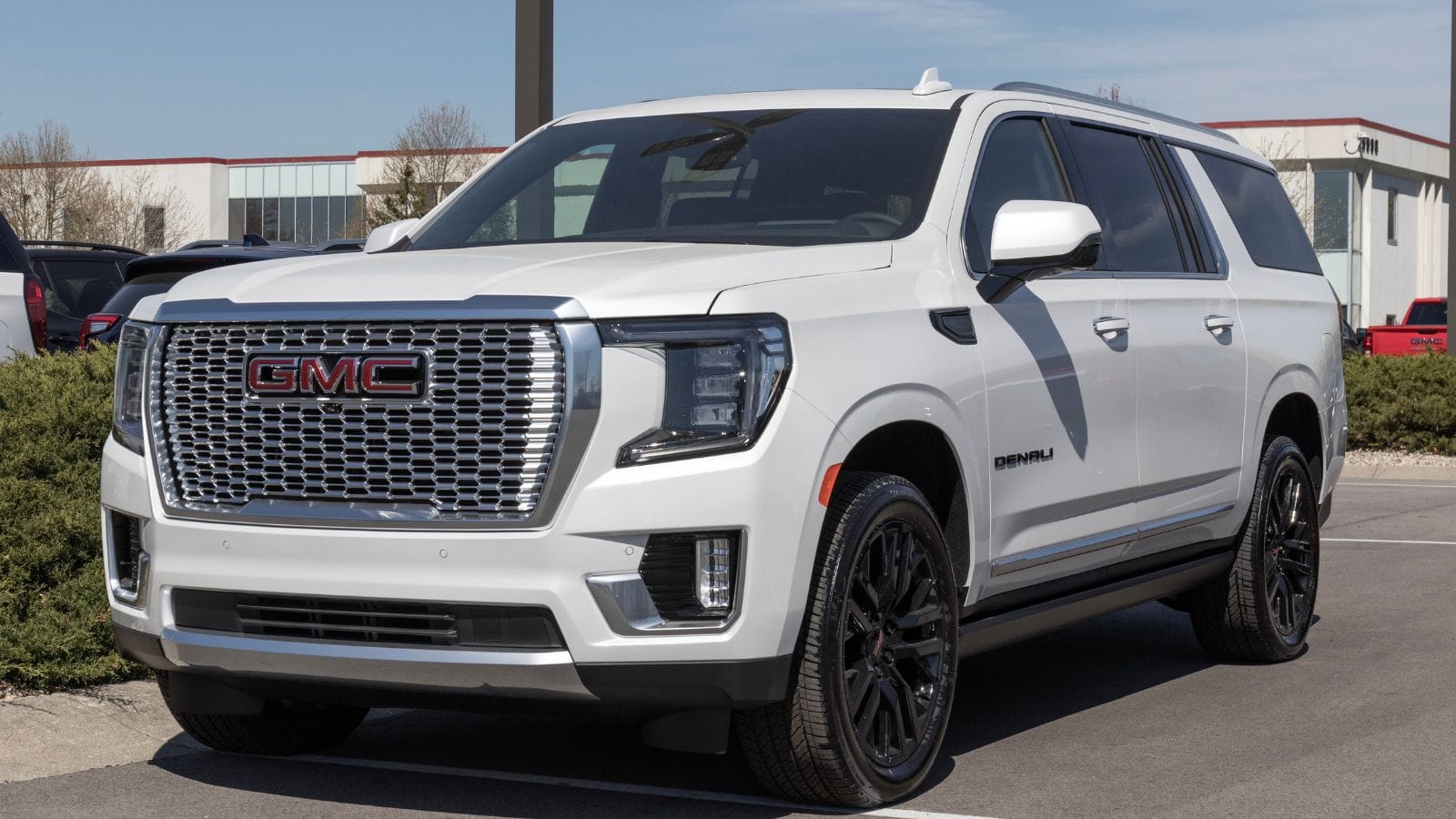
The Yukon represents the full size SUV category that city leaders say contributes to emissions, braking distance risks and narrow road gridlock. Some proposals would not ban it outright but charge high entry fees or restrict certain hours. Families who rely on the Yukon for space insist they are being unfairly targeted for having more kids or needing more cargo room. The debate is as emotional as it is practical.
Chevrolet Suburban
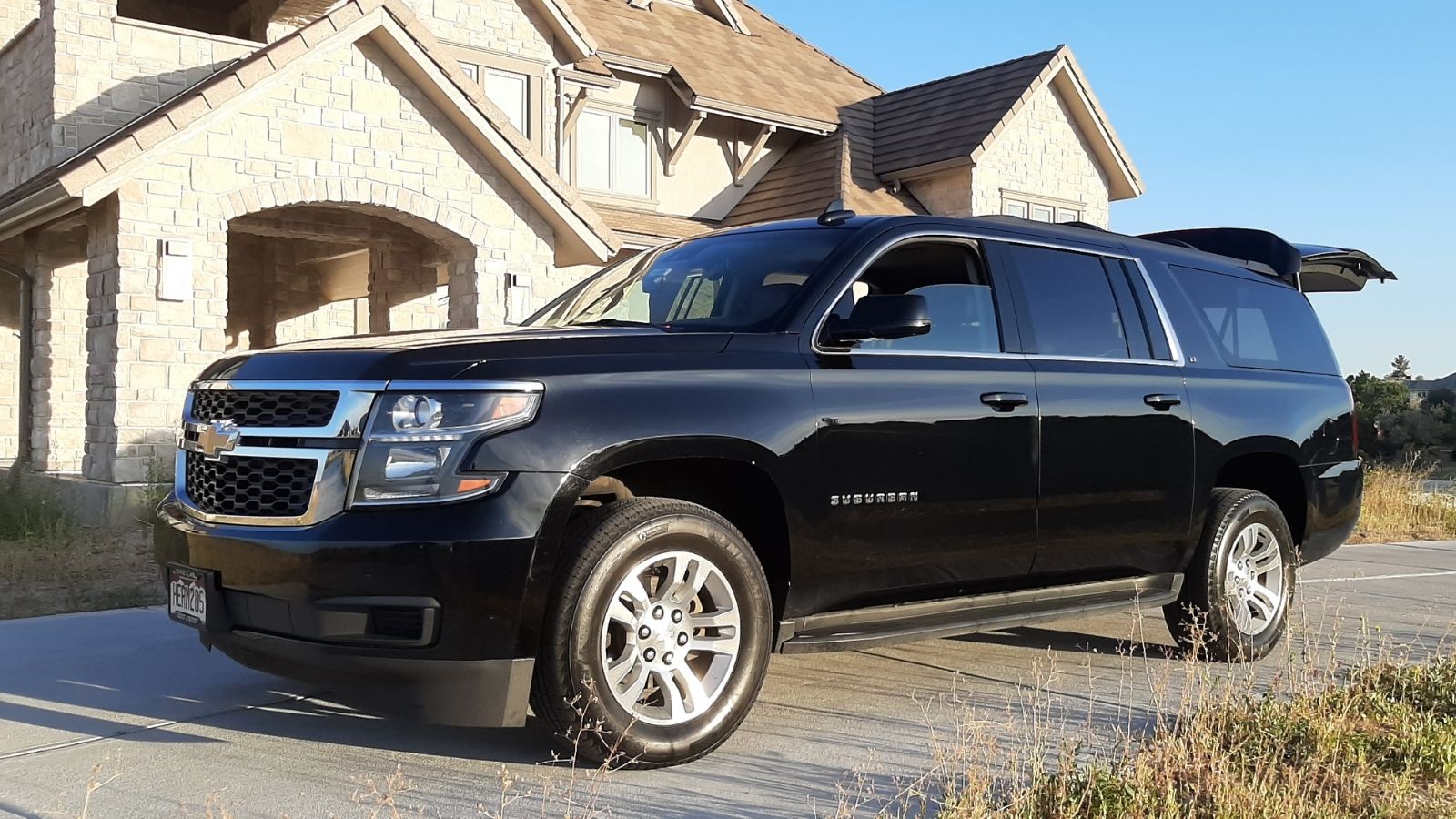
The Suburban is famously long, famously powerful and famously polarizing in this debate. Critics say it is too close to a commercial van in size for tight downtown zones. Parking enforcement officials have complained that the Suburban regularly exceeds legal stall limits. Fans call it the ultimate Canadian road trip vehicle and refuse to accept that vacation comfort and family practicality should make them unwelcome downtown on the rare weekend trip.
Jeep Grand Cherokee
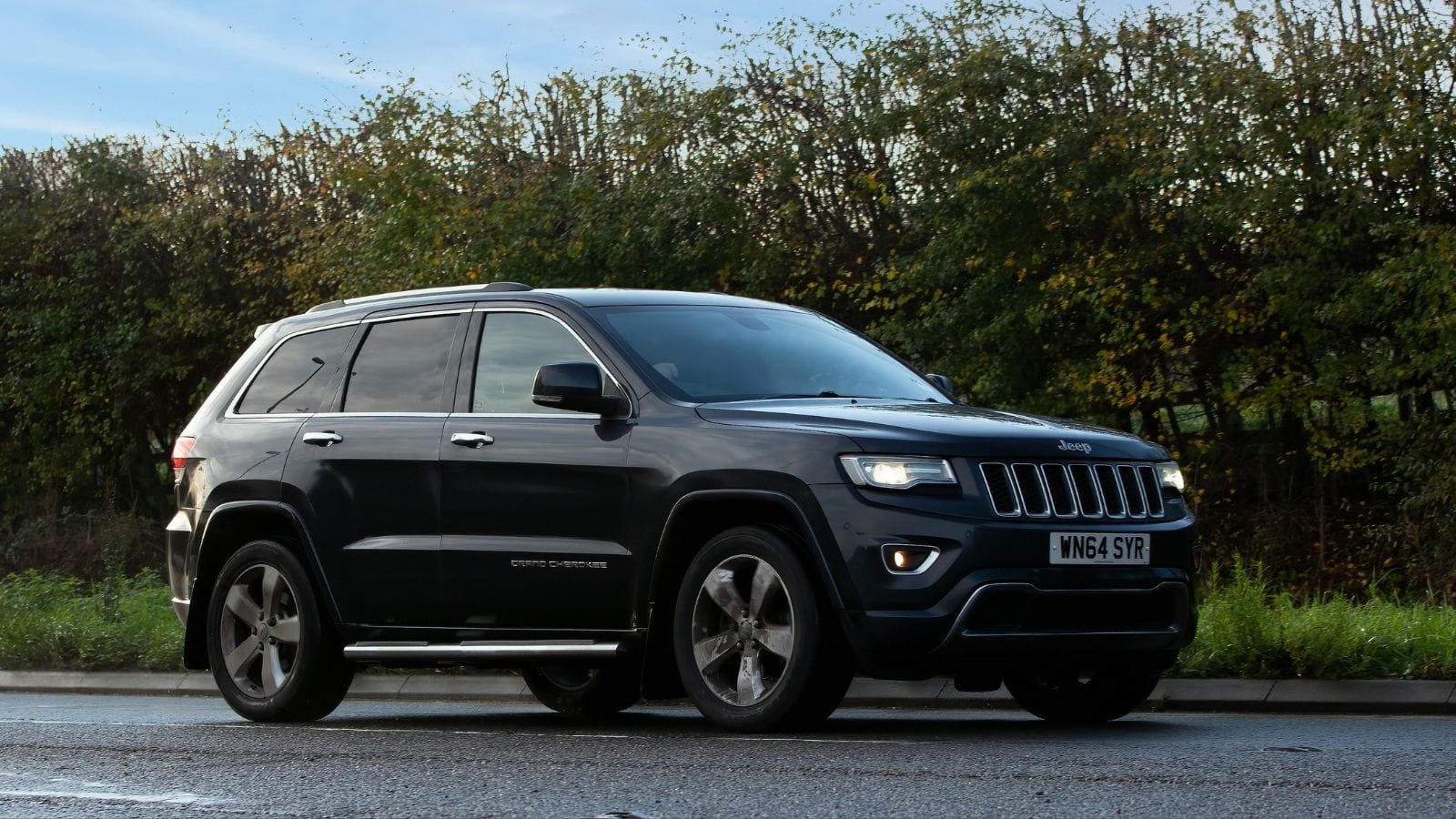
The Grand Cherokee makes the list not only because of size but because of performance. Safety advocates say that mixing high horsepower and tall front ends with pedestrian zones is a recipe for disaster. Owners are pushing back hard, pointing out that modern safety systems, collision warnings and all wheel drive make it safer than small cars that slide around in winter. Both sides believe they have the moral high ground which is why this one is not cooling down anytime soon.
Dodge Durango
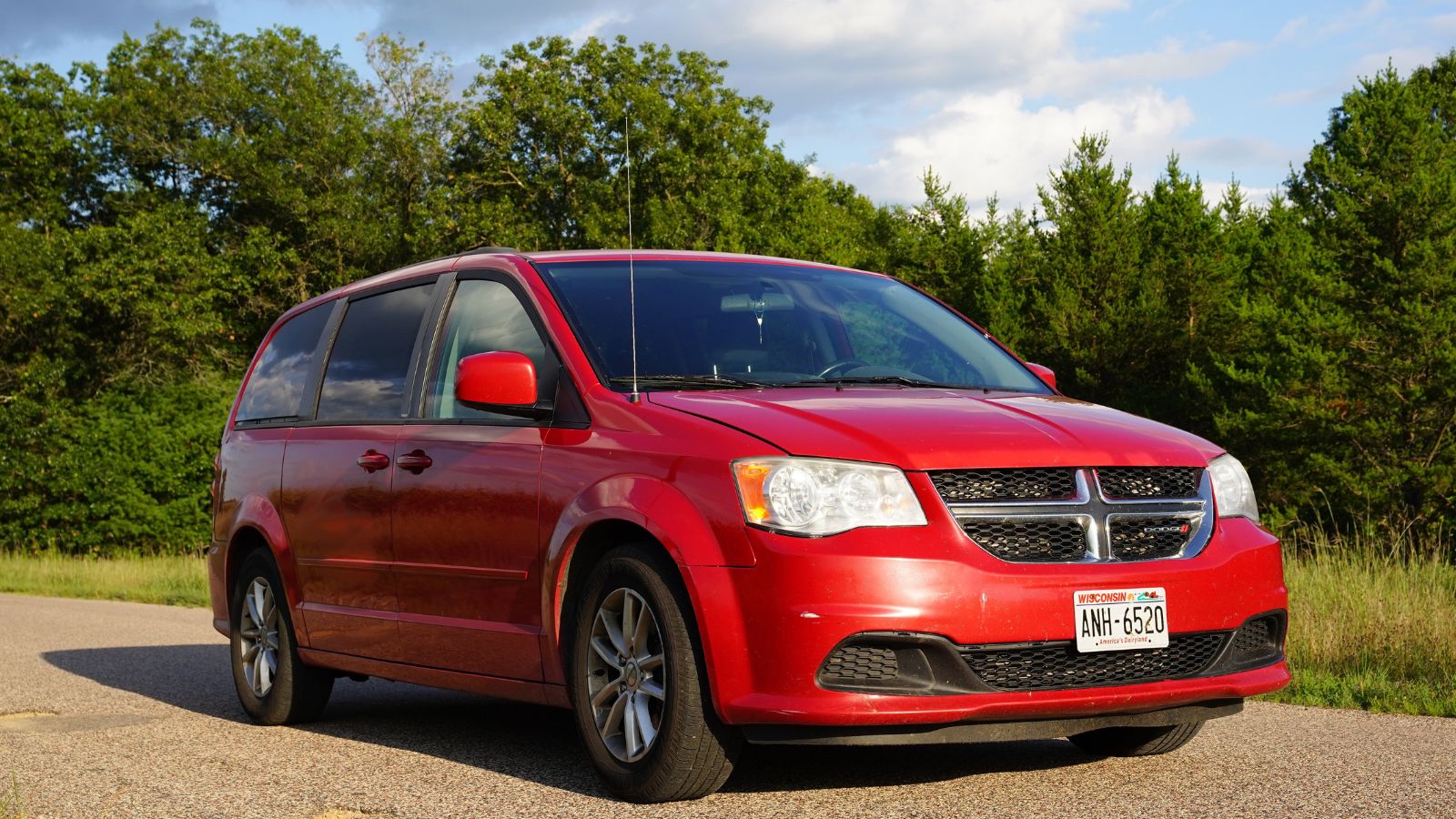
The Durango is being looked at for similar reasons as the Grand Cherokee. Critics question whether three row SUVs with sport tuned engines belong in narrow city streets. They fear the combination of space, power and weight creates risk for pedestrian safety. Durango loyalists say the blame should be on irresponsible drivers, not the vehicle itself. The idea of restricting a family SUV because it is capable rather than because it is misused has infuriated many drivers.
Toyota Tundra
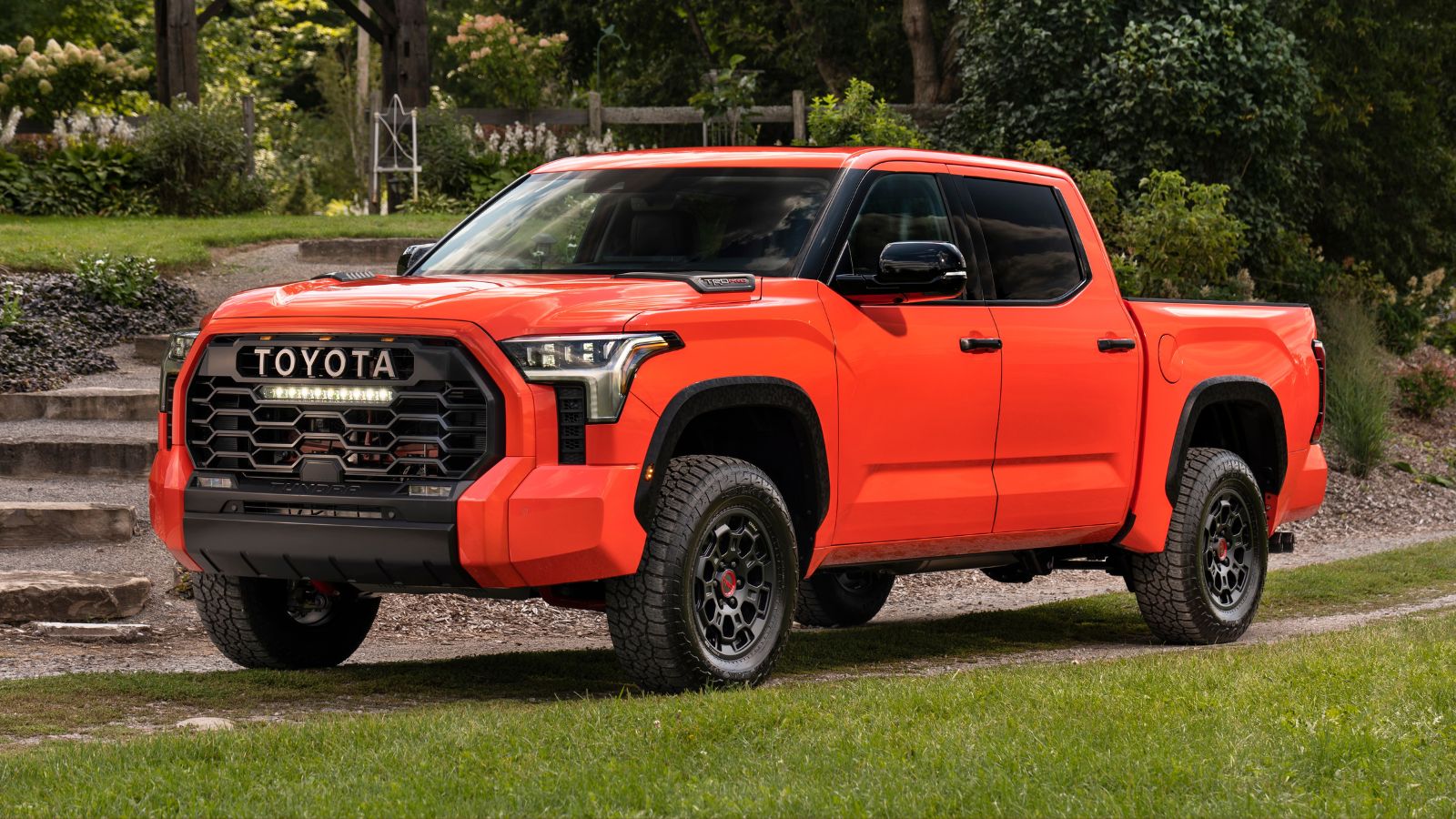
The Tundra appears in almost every early proposal that targets full size pickups. Critics believe that trucks built for towing heavy loads should not be commuting through dense city blocks for non work reasons. The rebuttal is loud. Canadians do not drive pickups because they want to look cool. They need them for towing snowmobiles, work trailers and family campers. Restricting the Tundra downtown punishes drivers for living a lifestyle that is normal outside the city bubble.
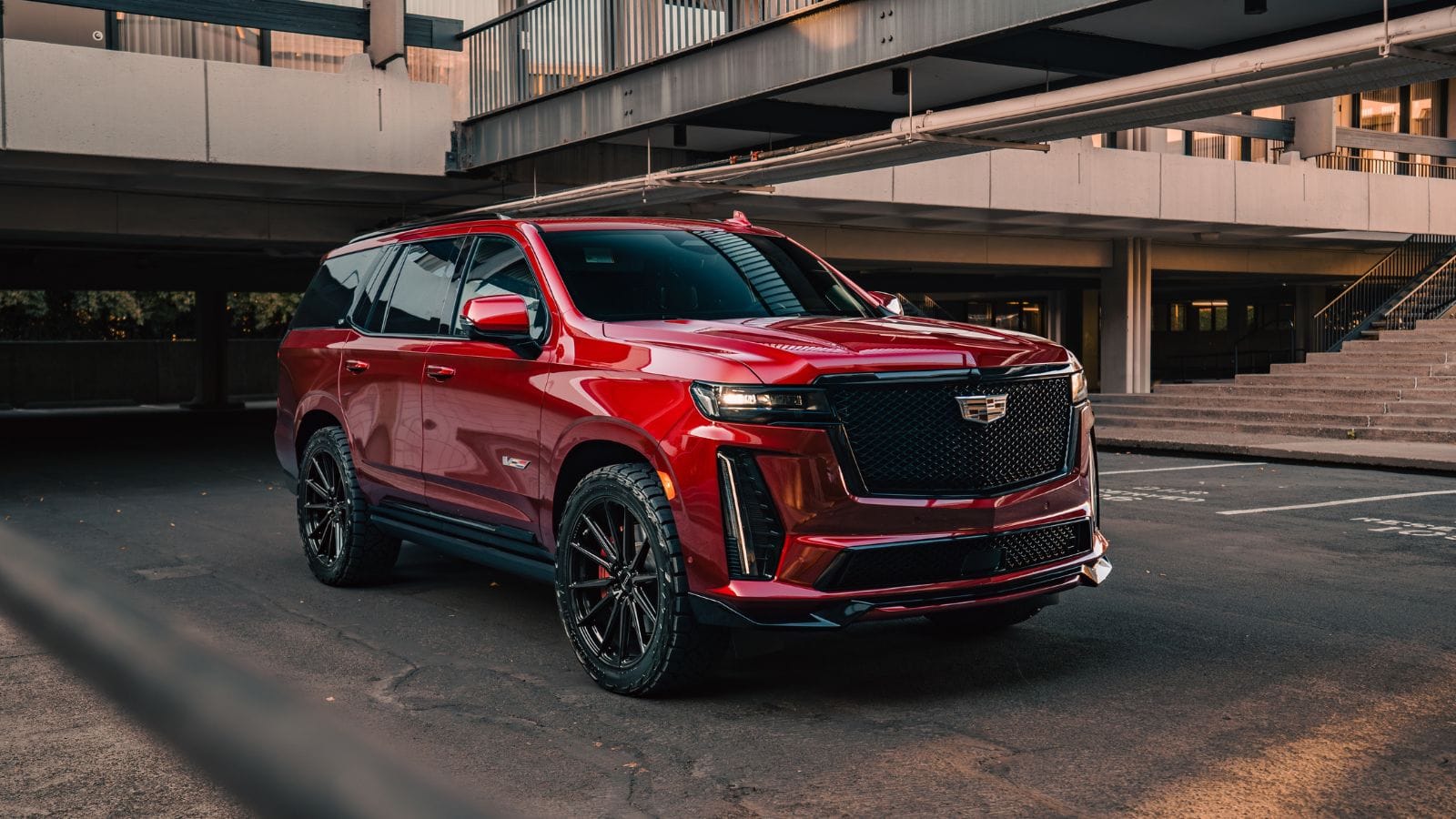
Cadillac Escalade
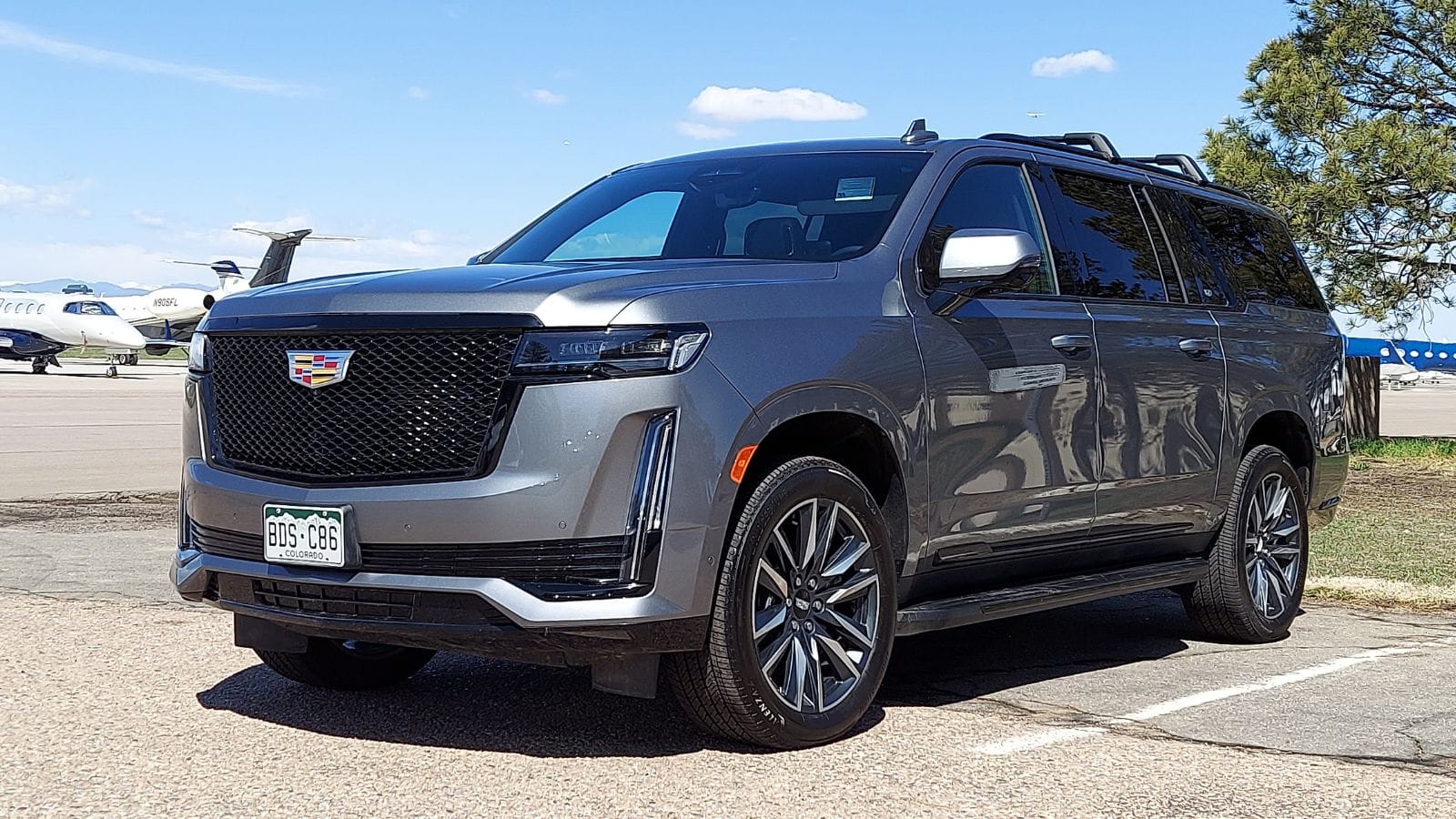
The Escalade has unintentionally become the poster child for the luxury SUV debate. Traffic planners question why a vehicle of that size should occupy valuable downtown road space during peak hours. Escalade owners argue that practicality, comfort and safety are not sins and that nobody has the right to tell them what is acceptable to drive. The idea of charging premium access fees for premium vehicles is already being called taxation by stereotype.
Toyota Sequoia
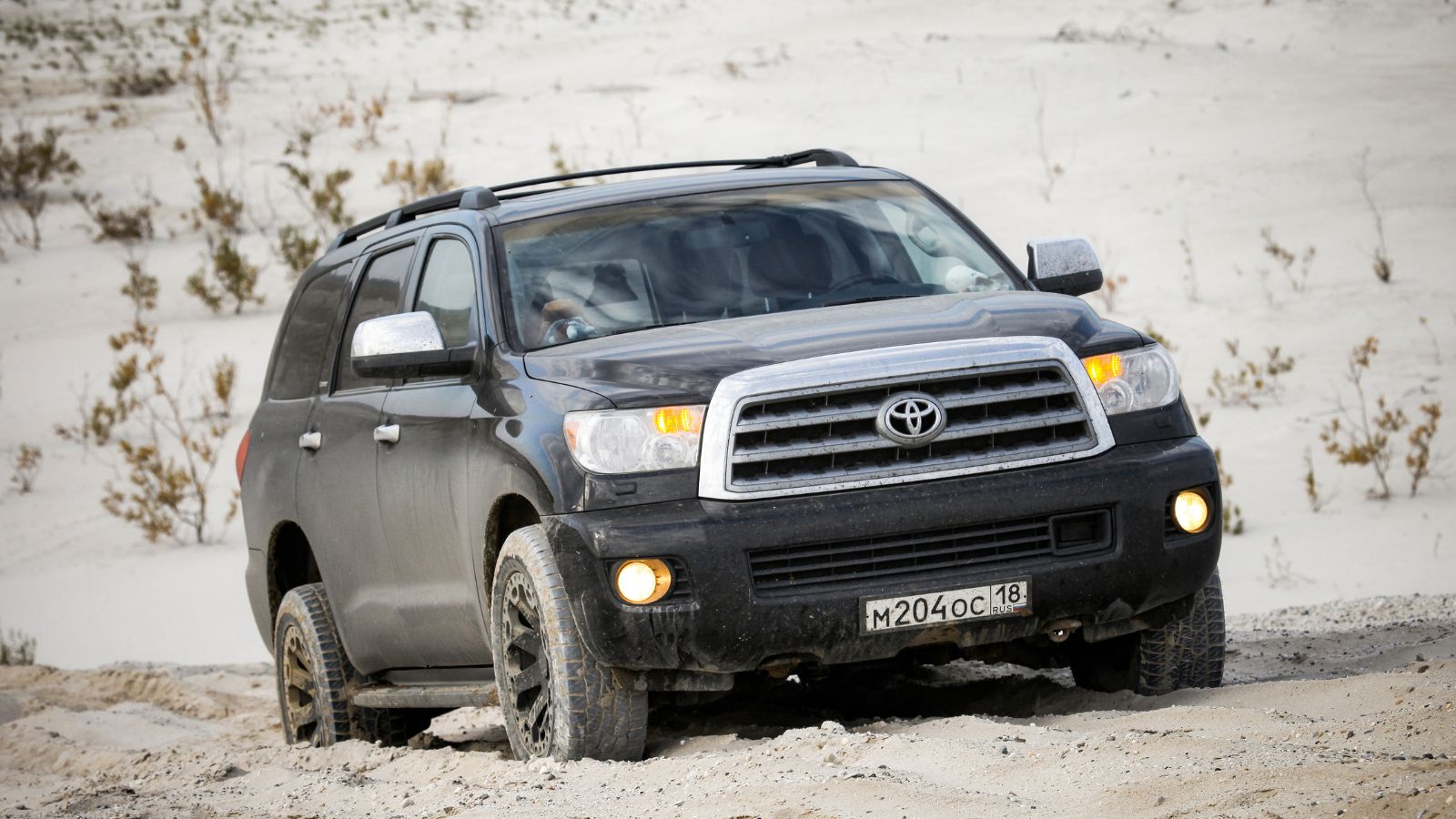
The Sequoia is built for long range durability, towing and space, not for squeezing between bike lanes and outdoor patios. But city planning models treat it the same as any other full size SUV. Restrictions would hit families hardest, especially those who live far outside cities and come downtown only occasionally. The question is not just about vehicle size. It is about whether cities are designing policy only for people who already live there full time.
Nissan Armada
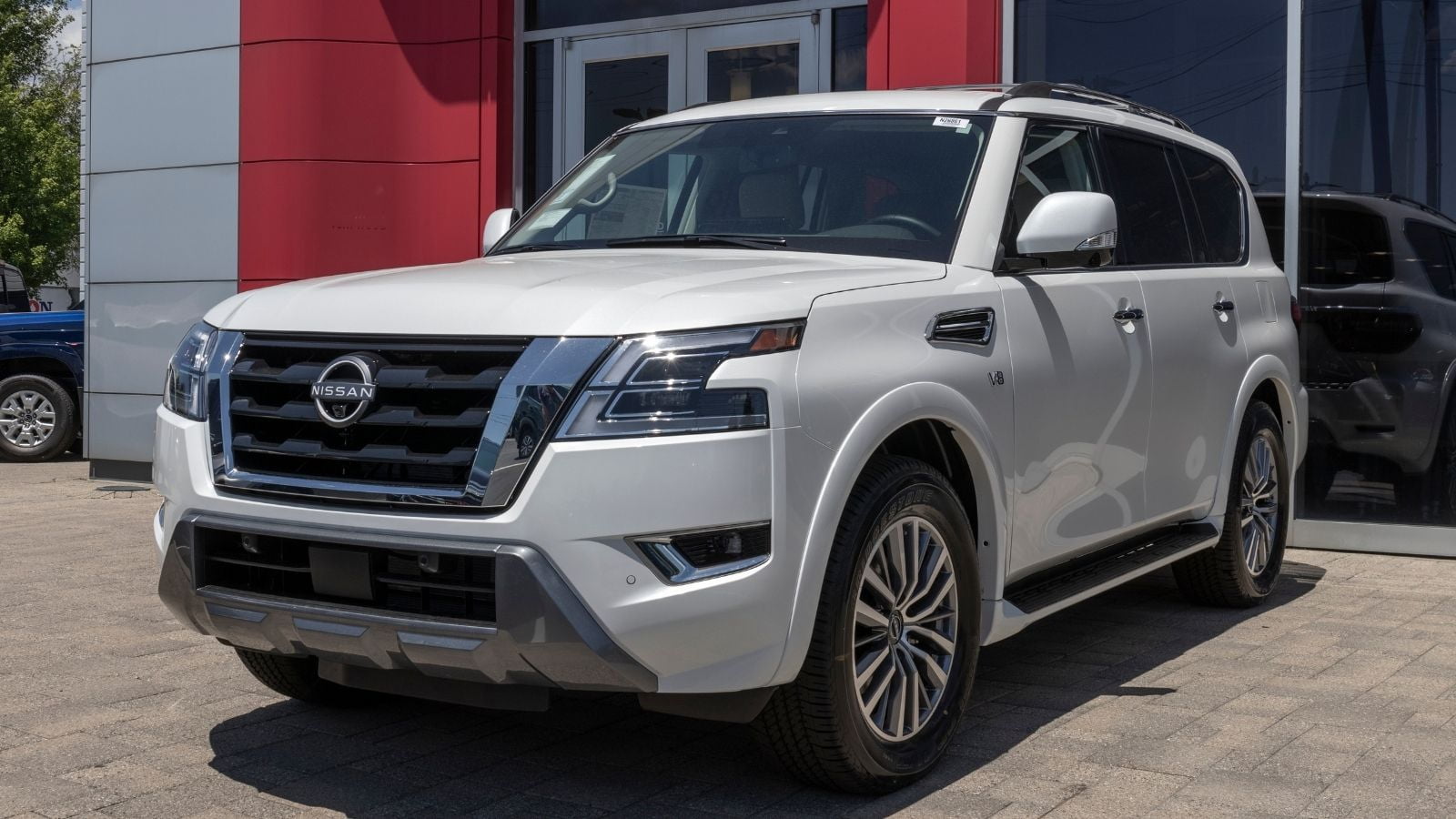
The Armada joins the list of big SUVs targeted for weight, fuel consumption and visibility concerns. Critics say it overwhelms tiny parking spots and makes road sharing uncomfortable for cyclists and pedestrians. Armada owners respond that the modern driving experience should adapt to all kinds of cars, not just the smallest ones. They also point out that city bylaws keep shrinking road space, then blaming drivers for vehicles that no longer fit.
Jeep Wrangler
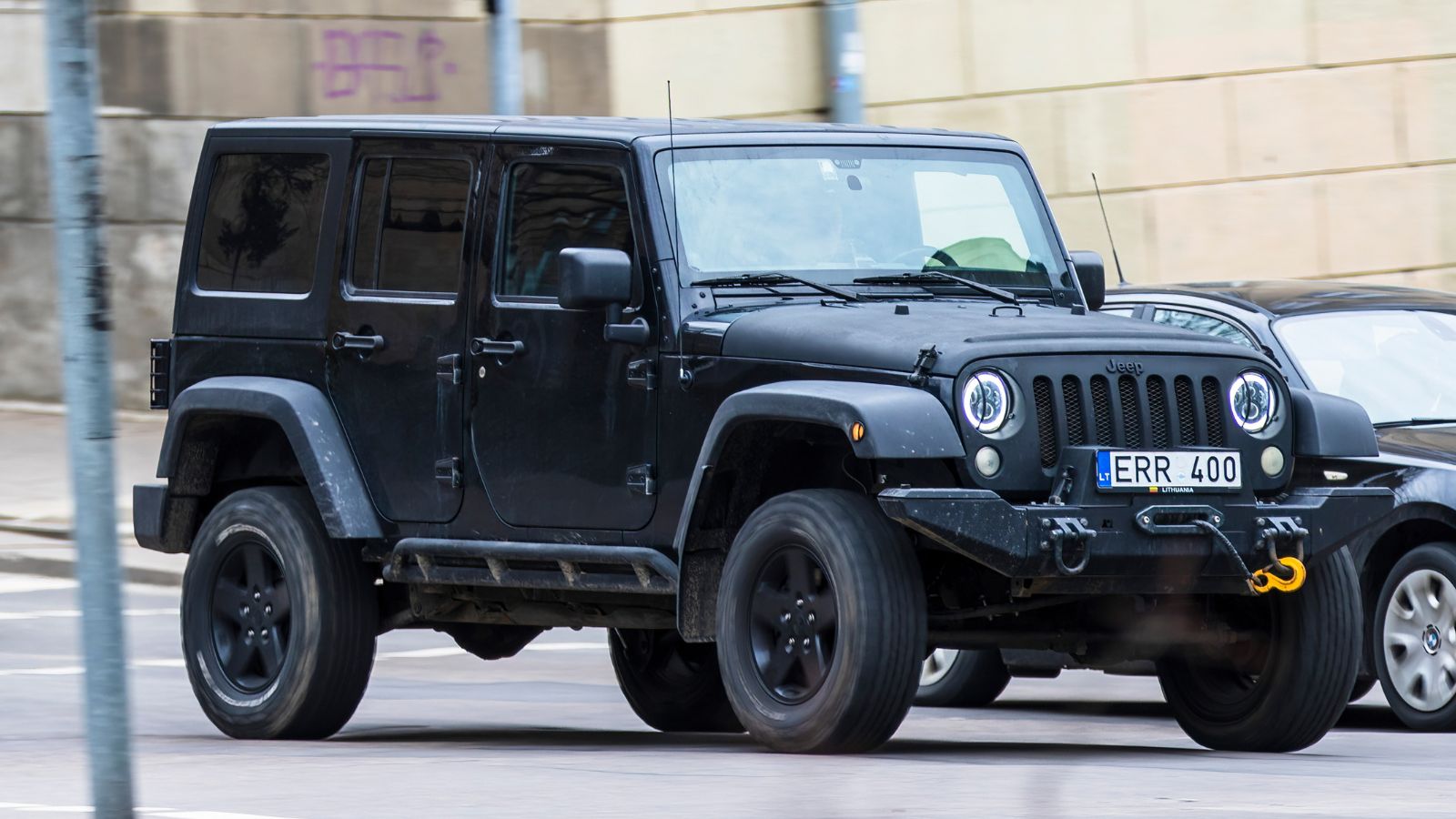
The most surprising entry. The Wrangler is not just large. It has bumper geometry, lift kits and outward modifications that city officials say pose safety risks in dense zones. Planners argue that off road rigs belong on trails, not in congested city streets. Wrangler drivers say the argument insults Canadian outdoor culture and ignores the fact that thousands of families use the Wrangler as a daily driver with no issues.
Will These Bans Really Happen?
Canada is not Europe. Trucks and SUVs are woven into everyday life across every province. Families tow boats in summer, snowmobiles in winter, camping trailers in fall and hockey gear year round. Restricting the most popular vehicles in the country would spark backlash that no political party wants during an election cycle. Trials might happen in small zones and some fees could appear, but outright bans would trigger outrage, legal battles and economic damage.
25 Facts About Car Loans That Most Drivers Don’t Realize

Car loans are one of the most common ways people fund car purchases. Like any other kind of loan, car loans can have certain features that can be regarded as an advantage or a disadvantage to the borrower. Understanding all essential facts about car loans and how they work to ensure that you get the best deal for your financial situation is essential. Here are 25 shocking facts about car loans that most drivers don’t realize:
25 Facts About Car Loans That Most Drivers Don’t Realize
