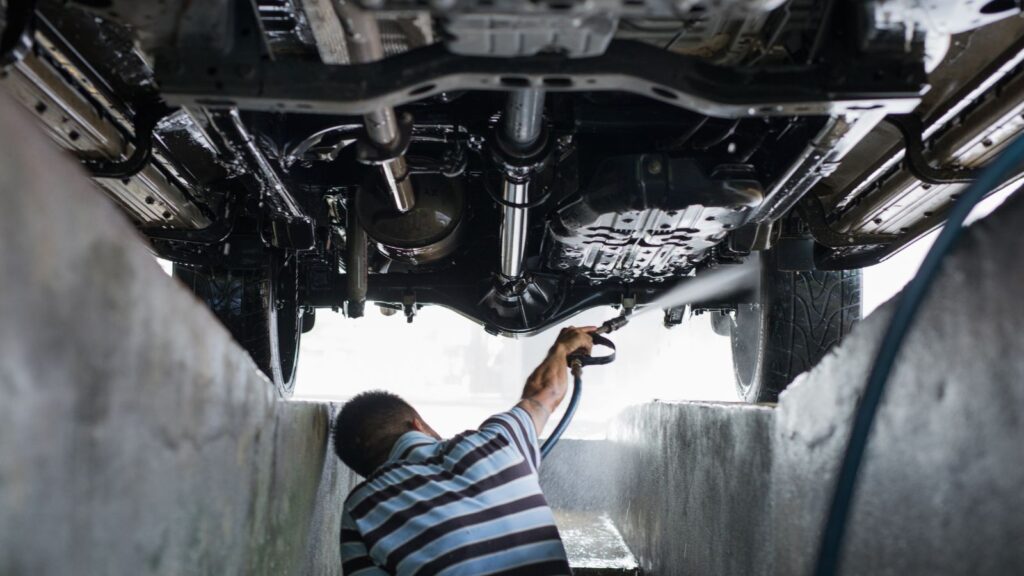
A clean car can feel like sensible preparation for colder weather, but an October wash can create an unexpected problem when the job ends as soon as the water stops flowing. Parking a freshly washed vehicle while seals, brakes, drains, body crevices and other hidden areas remain wet can leave moisture exactly where falling temperatures make it harder to ignore.
The risk varies by vehicle and climate, and washing remains an important part of protecting a car from dirt and corrosive road contamination. The problem is failing to give that water somewhere to go afterward. These 13 points explain why drying, drainage and a short post-wash drive can matter much more in October than they did during the warmer months.
The Mistake Happens After the Rinse
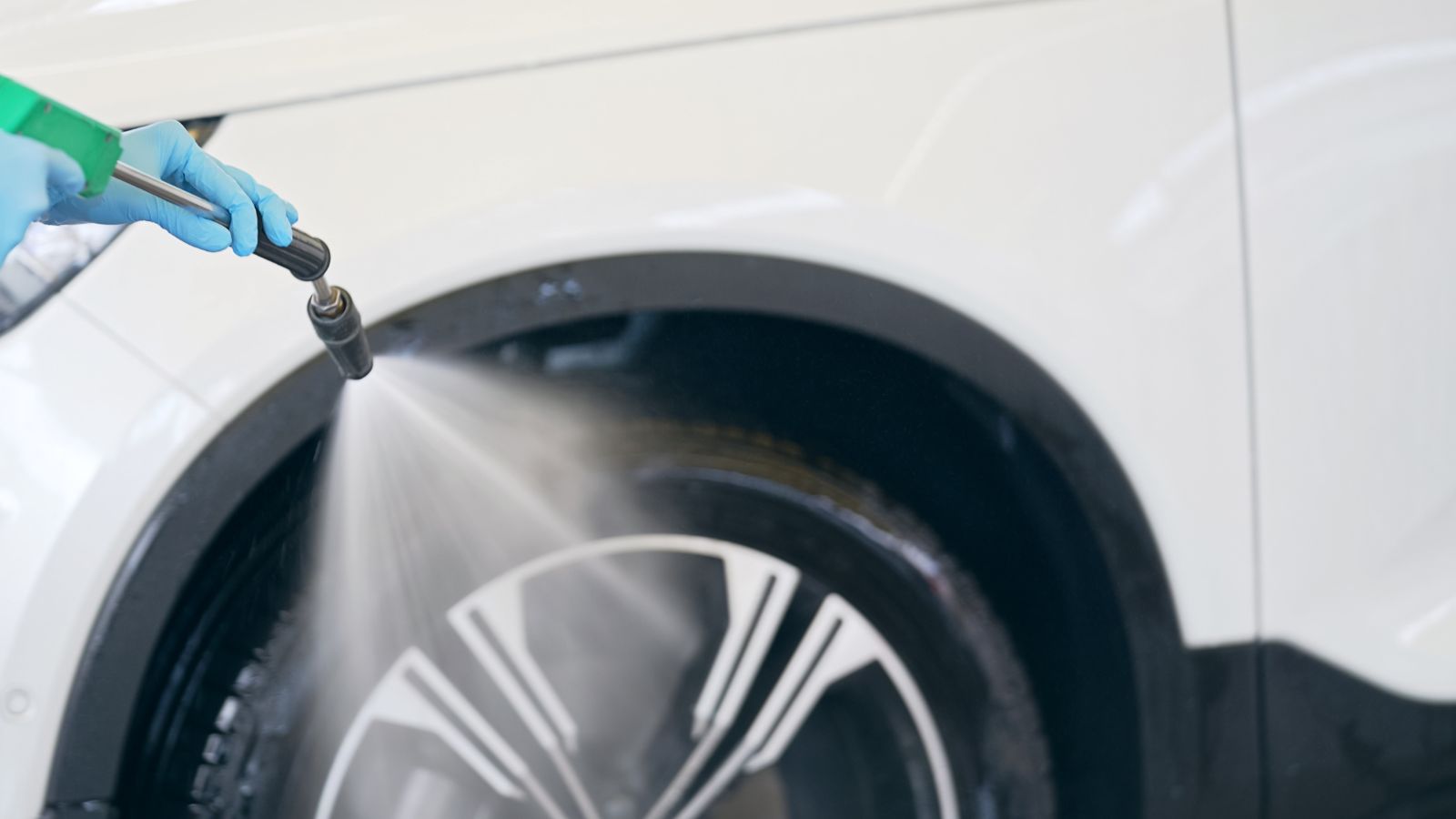
The biggest October car-wash mistake is not washing the vehicle at all. It is treating the rinse cycle as the end of the job and immediately parking a soaking-wet car for the evening. Water remains on far more than the broad painted surfaces that are easy to see. It can sit along door jambs, weatherstripping, mirror housings, handles, brake components and drainage channels. Ford owner guidance, for example, recommends drying a washed vehicle with a soft towel or chamois, while other manufacturer instructions specifically warn that wet components can freeze in cold conditions.
That distinction becomes important during a typical autumn routine. A driver might wash the vehicle after work, make a five-minute trip home and leave it outside until morning. The paint may appear almost dry, yet the protected areas around rubber seals and inside doors have received little airflow. There is nothing inherently damaging about getting those areas wet—they are designed for weather exposure—but giving excess water time to drain and dry reduces the chance of turning an ordinary wash into a cold-weather nuisance.
October Nights Change the Equation
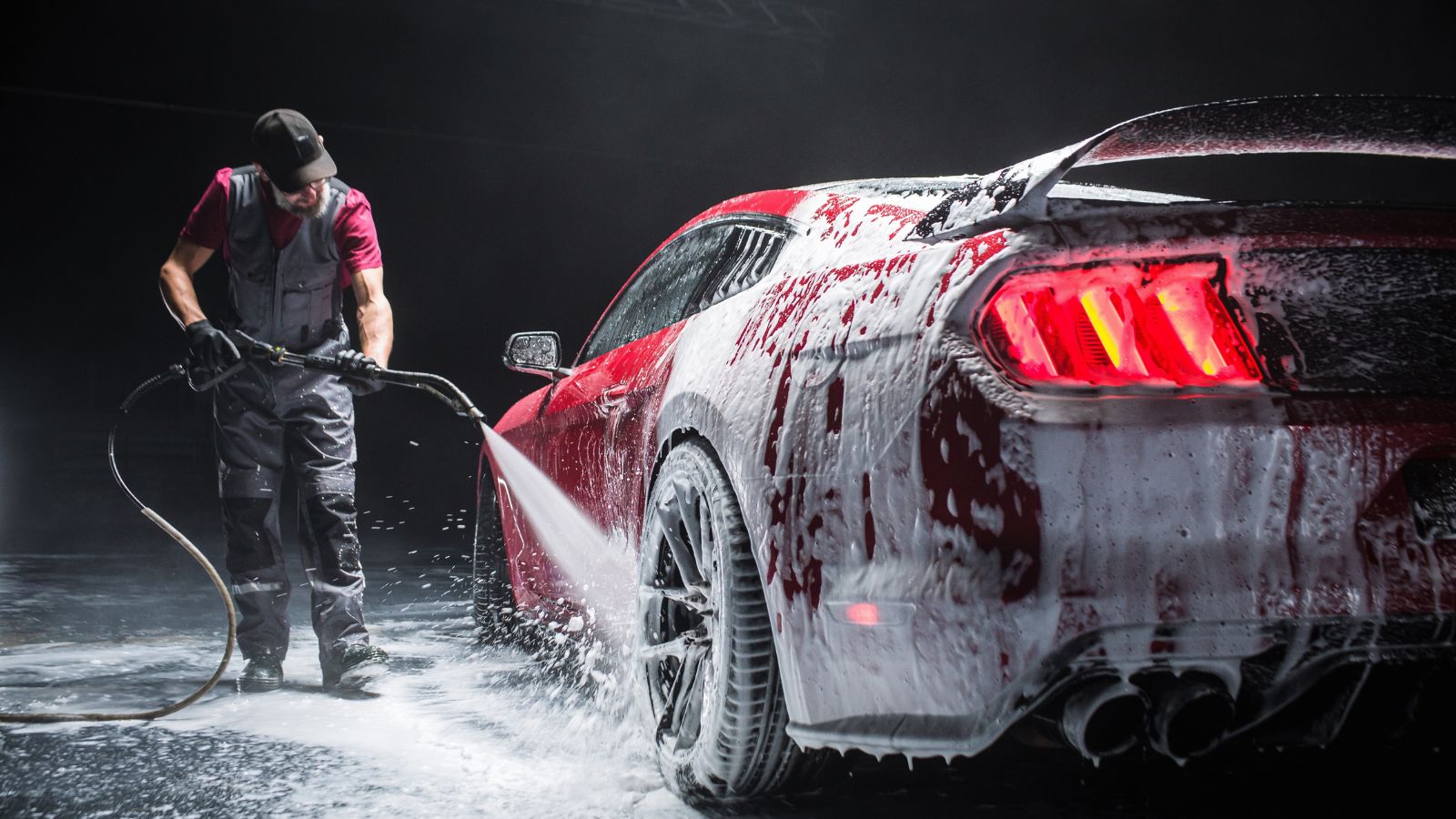
October weather is deceptive because a pleasant afternoon does not guarantee a mild night. In parts of Canada, freezing temperatures are already normal enough to factor into vehicle care. Environment and Climate Change Canada’s 1991–2020 climate normals show an average October daily minimum of about −1.3°C at Calgary Airport and −3.3°C at Edmonton Airport. Even Edmonton’s city station records an October normal daily minimum near the freezing mark. Those averages help explain why a late-day wash can encounter very different conditions only hours later.
A vehicle washed at 4 p.m. may therefore spend the night with water still sitting in recesses just as the temperature falls through 0°C. That does not mean every wet component will suddenly fail, but it changes what happens to moisture that would be harmless on a warm July evening. Manufacturer cold-weather guidance specifically warns that wet vehicle components can freeze and stop functioning properly. The safest October habit is consequently to think beyond the temperature at the moment of washing and consider what the thermometer may show after the car has been parked.
Door Seals Can Hold More Water Than They Appear To
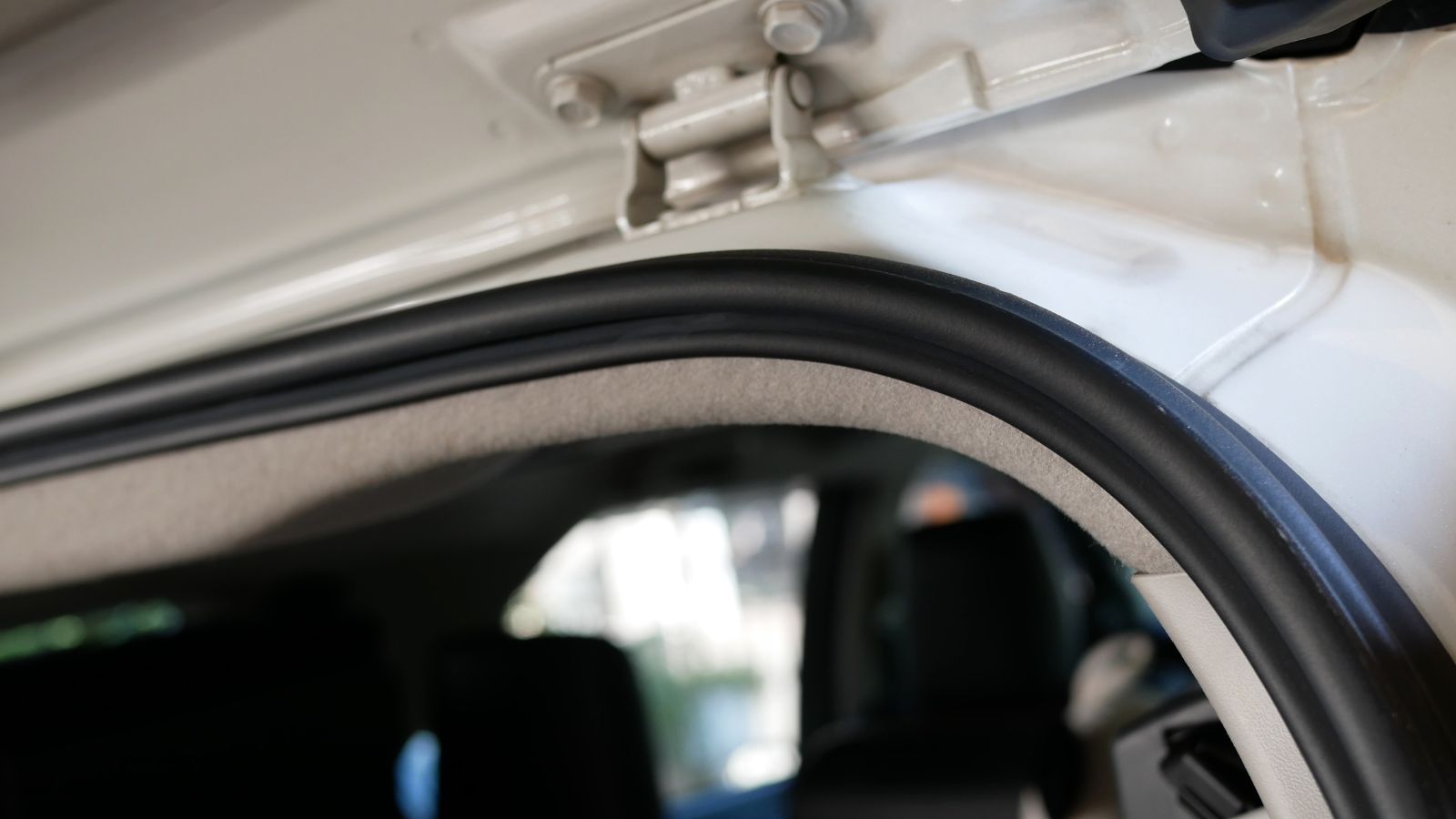
Rubber weatherstripping surrounds doors and liftgates precisely because water needs to be kept away from the cabin. That does not mean the outside surfaces of those seals stay dry. A wash can leave beads of water along the rubber, in the narrow channel where the seal meets painted metal and around the door opening. If temperatures subsequently drop below freezing, those wet contact surfaces can become sticky or frozen together. Manufacturer washing instructions warn that wet components may freeze in cold weather and caution against directing a strong water jet straight at doors, trunk lids and sensitive rubber seals.
The practical fix is simple and does not require detailing equipment. After washing, opening each door and wiping the accessible weatherstripping and painted jamb with a clean microfiber towel removes much of the water that an exterior air dryer cannot reach. The liftgate or trunk deserves the same treatment. Drivers using pressure washers should also respect the distance and spray-direction recommendations in their own owner’s manual. High pressure is useful on durable exterior surfaces, but forcing water into a narrow seal is very different from letting ordinary rain run over it.
Door Drain Holes Need Somewhere to Send the Water
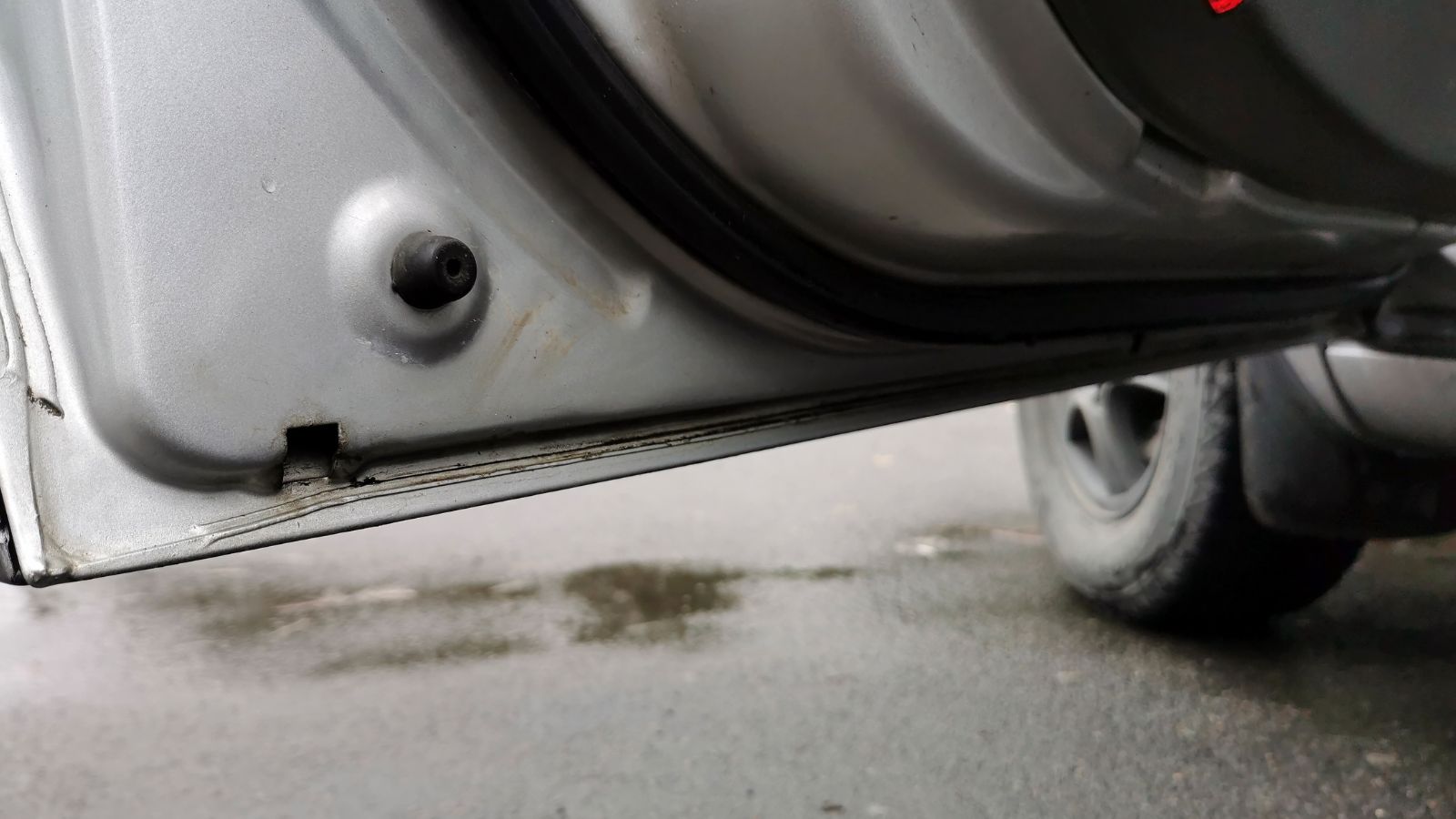
Modern vehicle doors are not designed as perfectly sealed boxes. Some water can pass into the door structure around the window area, which is why manufacturers provide drainage paths near the bottom. Problems begin when dirt, wax residue or other debris blocks those openings. General Motors owner guidance has specifically instructed drivers to check door drain holes and keep them clear because foreign material can trap water inside the panel. In one GM manual, the drains are identified behind the lower door seal, highlighting how easy they are to overlook during routine cleaning.
October can make that inspection particularly useful because leaves, grit and road debris are more abundant just as temperatures begin dropping. A freshly washed door may sound clean on the outside while water remains inside because its exit is restricted. Drivers should not aggressively poke metal tools into unfamiliar holes, since vehicle designs vary and painted surfaces can be damaged. Instead, the owner’s manual should identify maintenance points and appropriate cleaning methods. A quick drain check after washing can be considerably more valuable than spending another ten minutes polishing an already shiny hood.
Crevices Do Not Dry Like Open Body Panels
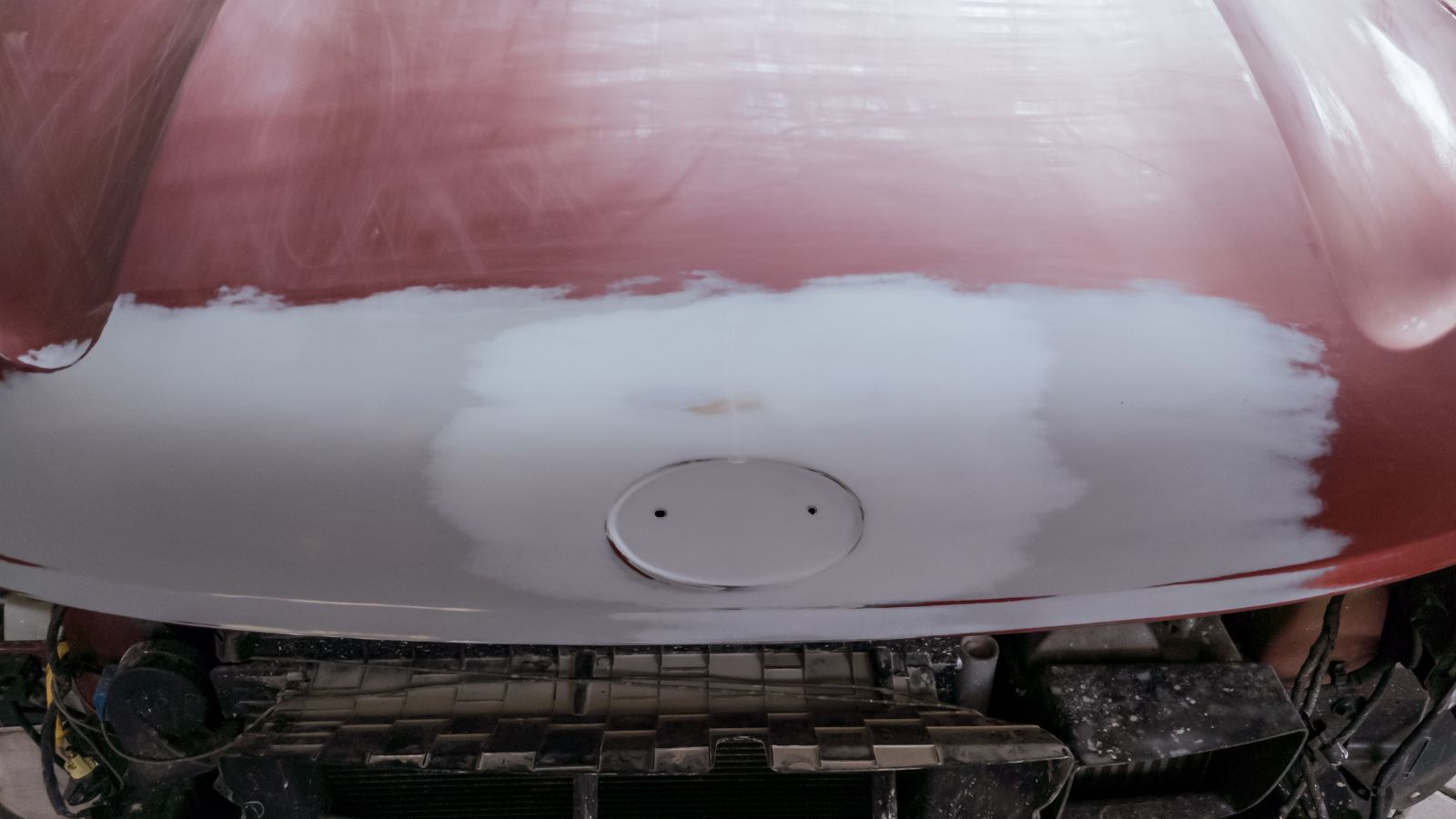
A roof or hood has an obvious advantage after washing: almost its entire surface is exposed to moving air. Narrow seams and overlapping metal sections are different. Automotive corrosion research has examined exactly this type of environment. An SAE technical paper studying automotive steel in cyclic corrosion conditions measured moisture inside lapped-panel crevices and found that those areas did not become completely dry even during the test’s designated drying periods. Researchers also observed increasing wetness and chloride content in the crevice as exposure cycles accumulated.
That does not mean a single October wash will cause structural rust. Factory coatings, galvanized steel, sealants and modern body construction provide substantial corrosion protection, and removing road contamination through washing is beneficial. The lesson is that hidden spaces behave differently from exposed paint. Water mixed with contamination can remain in protected gaps longer than the droplets visible on the hood. Keeping factory drains unobstructed, rinsing away corrosive material rather than merely redistributing it, and allowing the vehicle to drain before long-term parking all address the real issue: persistent moisture where airflow is weakest.
Wet Brakes Are a Reason to Drive Before Parking

Brake components are another place where a car wash temporarily changes conditions. Volvo’s owner guidance notes that braking effect can be slightly delayed after washing because the brakes are wet, and Mercedes-Benz similarly warns of reduced braking power immediately after a wash. Volvo advises applying the brakes appropriately after washing so friction warms and dries the brake discs. The company also notes that drying the discs helps protect against corrosion. Ford manuals likewise state that wet brakes can reduce braking efficiency and recommend gentle brake applications after leaving a car wash.
That makes the drive home part of the drying process rather than an inconvenience between the wash bay and driveway. A reasonable drive with normal, safe brake use gives water on the brake surfaces an opportunity to dissipate. There is no need for hard or abrupt braking; any drying procedure must be done with traffic and road conditions in mind. The mistake is driving only a few metres from the wash bay to a parking space and assuming every mechanical component is as dry as the windshield looks.
Damp Brakes Can Become a Bigger Problem When Temperatures Fall
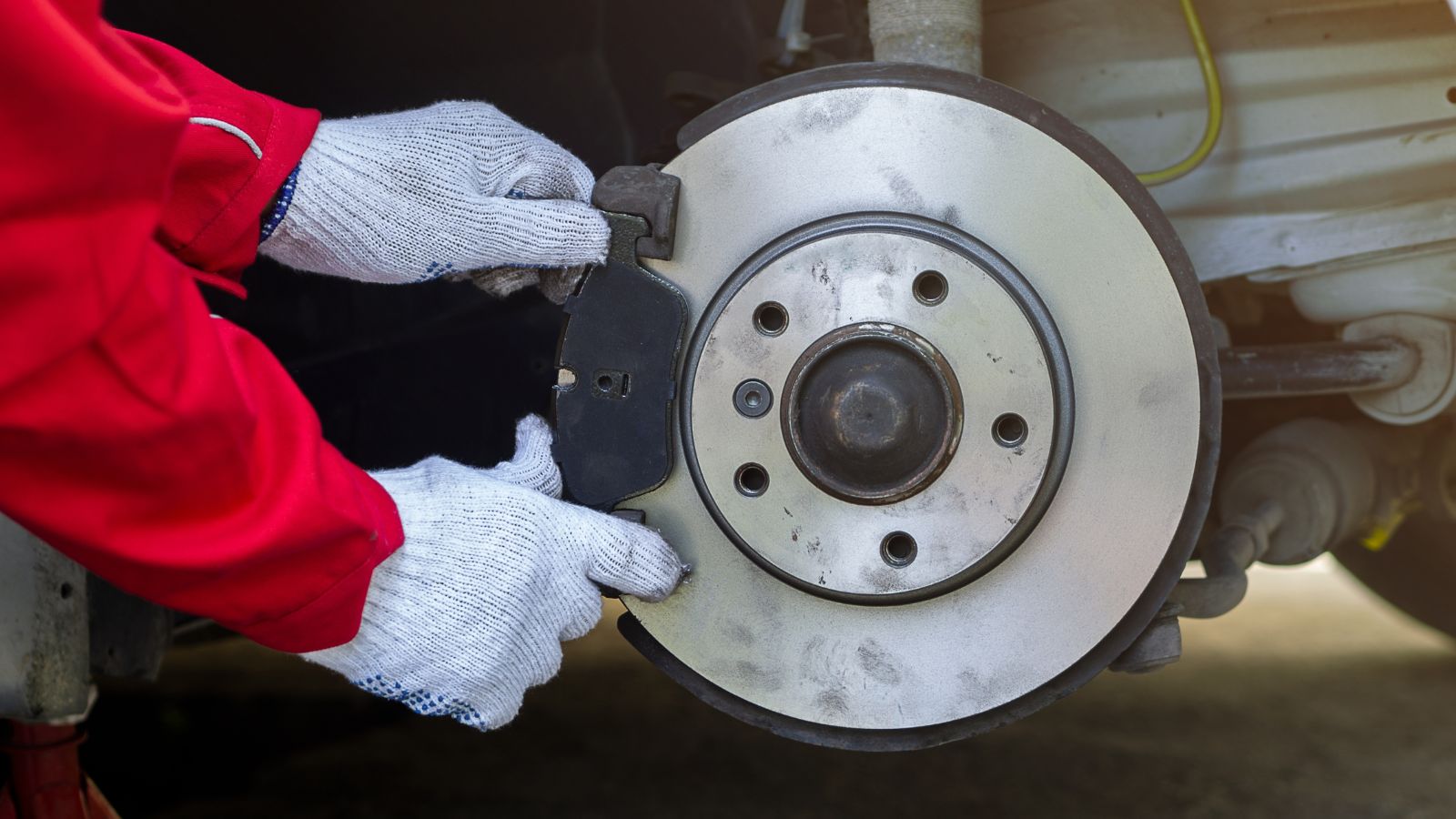
The inconvenience of wet brakes changes when a cold October night follows the wash. Toyota’s winter-driving instructions for some vehicles explicitly warn that brakes left damp in cold temperatures may freeze. The company also cautions on certain models that the parking brake itself can freeze and fail to release. Those instructions are vehicle-specific, so owners should follow the parking recommendations in their own manual rather than automatically avoiding the parking brake on every vehicle.
The broader principle is useful for nearly everyone: cold weather gives drivers an additional reason not to park immediately after soaking the wheels and brake assemblies. Imagine washing an SUV in the evening after a mild 8°C afternoon, then waking after an overnight temperature of −4°C. Most of the visible body may be perfectly dry, while protected mechanical areas experienced very different conditions. A short, safe post-wash drive can help shed water and dry the service brakes before the vehicle sits for hours. Where a manufacturer publishes special cold-weather parking instructions, those directions should take priority over generic advice.
EV Charging Creates Another Moisture-Sensitive Area
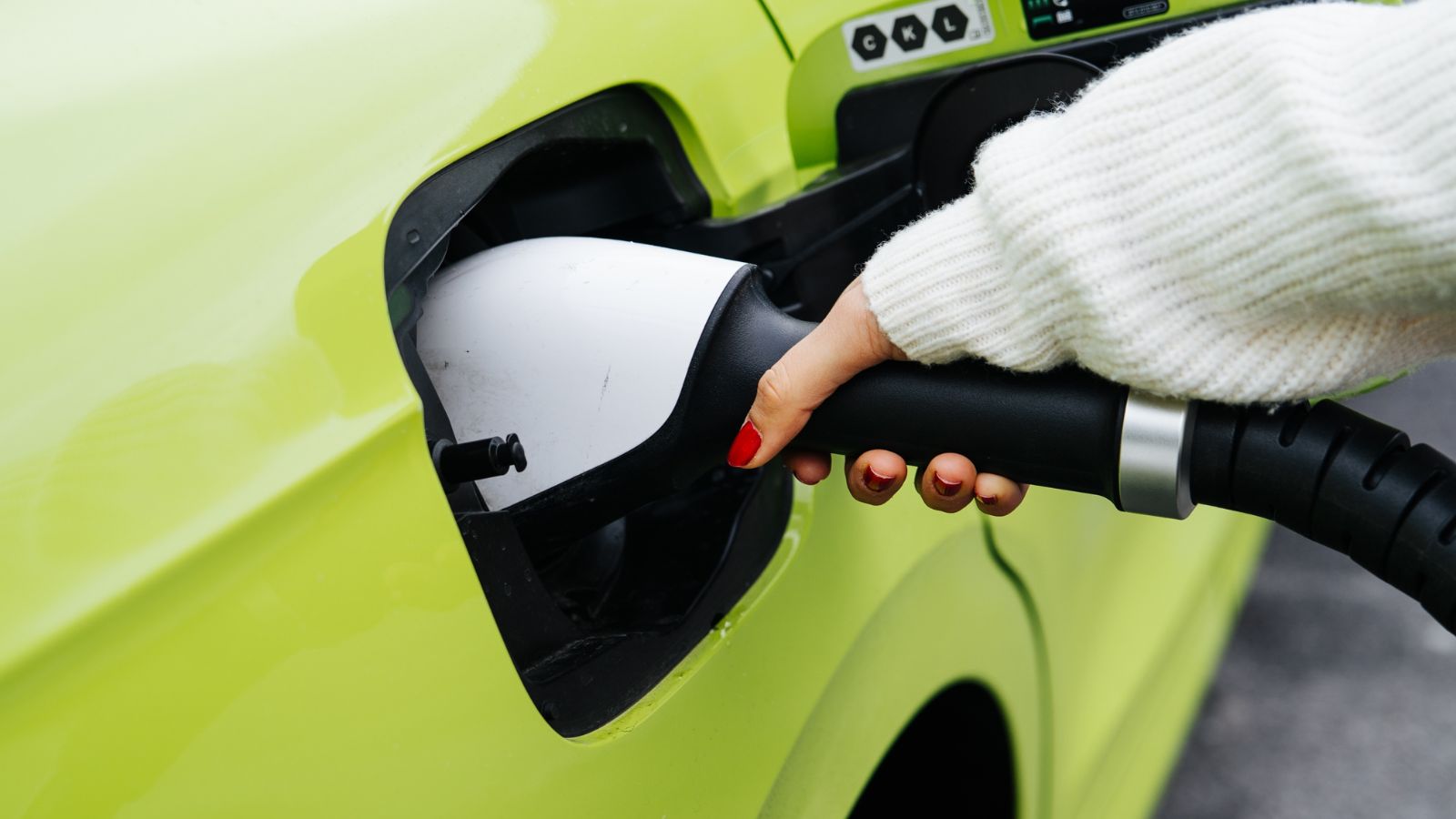
Electric vehicles add a place that owners of gasoline-only vehicles never had to consider: the charging connection. Hyundai’s EV guidance instructs users to check that there is no water or dust on the charging cable connector and plug before charging and to keep those components clean and dry. Tesla troubleshooting information similarly advises checking a charge port and connector for excessive moisture when charging is interrupted and allowing the area to dry before trying again. Tesla also documents the possibility of a charge-port latch freezing in very cold or icy conditions.
None of this means an EV cannot be washed or driven in rain. Modern vehicles and approved charging equipment are designed for outdoor use under their specified conditions. The practical October lesson is simply to pay attention before plugging in immediately after a wash. Water pooled around a port recess or connector should not be ignored merely because the rest of the car is clean. Owners should inspect the charging area, follow the manufacturer’s instructions and let excessive moisture drain or dry rather than treating charging equipment like another piece of exterior trim.
Handles and Sensors Can React to Water Too
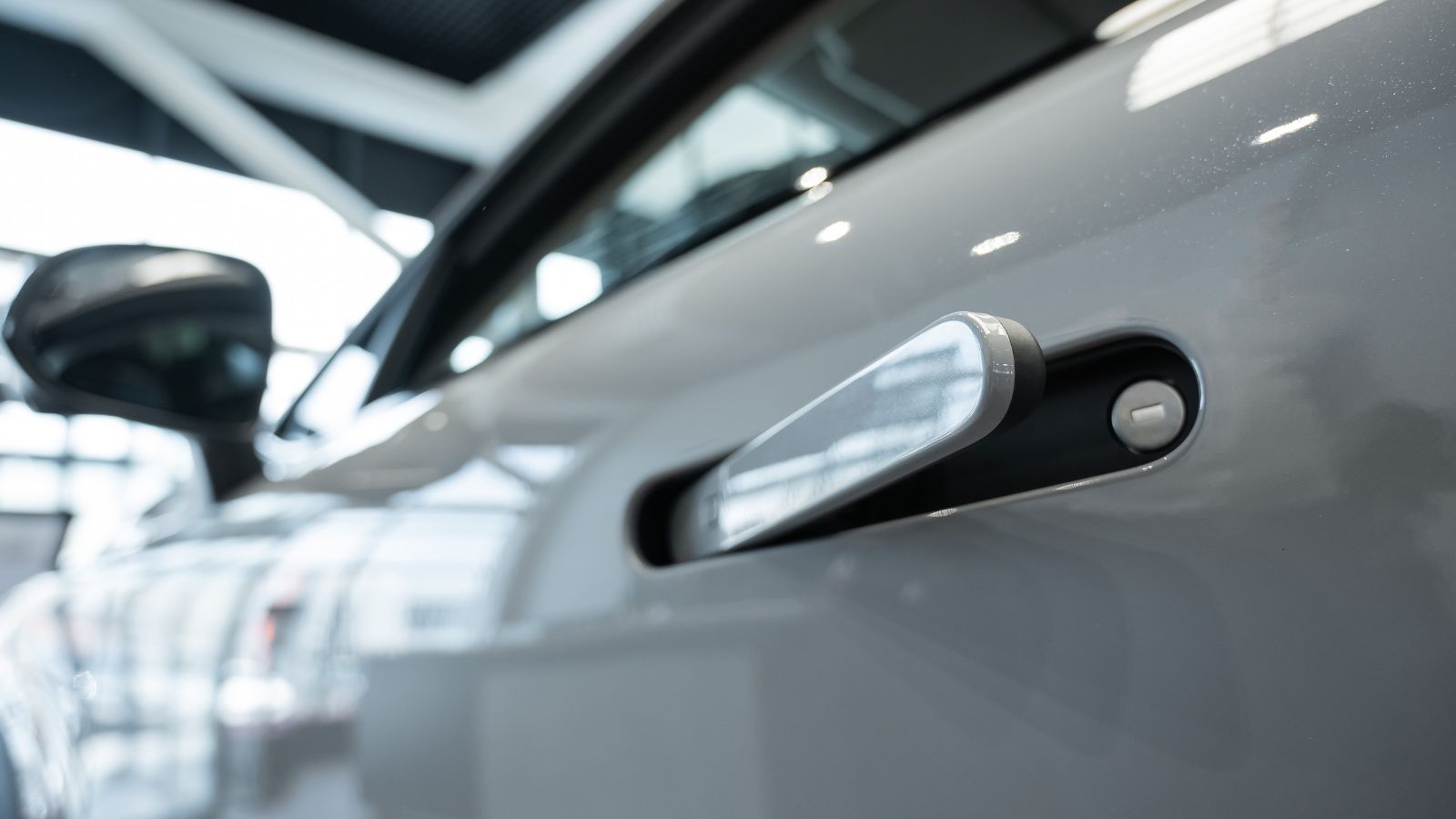
Some of the smallest wet areas can create surprisingly noticeable behaviour. Toyota has documented that a door handle equipped with a smart-key sensor may repeatedly lock and unlock if the handle becomes wet during a car wash while the electronic key is nearby. The same guidance notes that ice, snow or mud on the lock sensor can interfere with its operation. On vehicles equipped with parking-assistance technology, Toyota also cautions against directing intense bursts of water or high-pressure spray directly at certain sensors because doing so can cause malfunction.
These are reminders that a modern exterior contains electronics as well as paint and glass. After an October wash, wiping recessed handles and allowing mirror housings and sensor areas to shed excess water is a sensible finishing step. Drivers should avoid digging around cameras or ultrasonic sensors with tools or aggressively blasting them with compressed air. The goal is not to make every component laboratory-dry; it is to avoid leaving obvious pools of water in places where freezing or electronic sensing could turn a minor detail into an irritating problem the next morning.
Sunroof Drains and Autumn Debris Are a Bad Combination
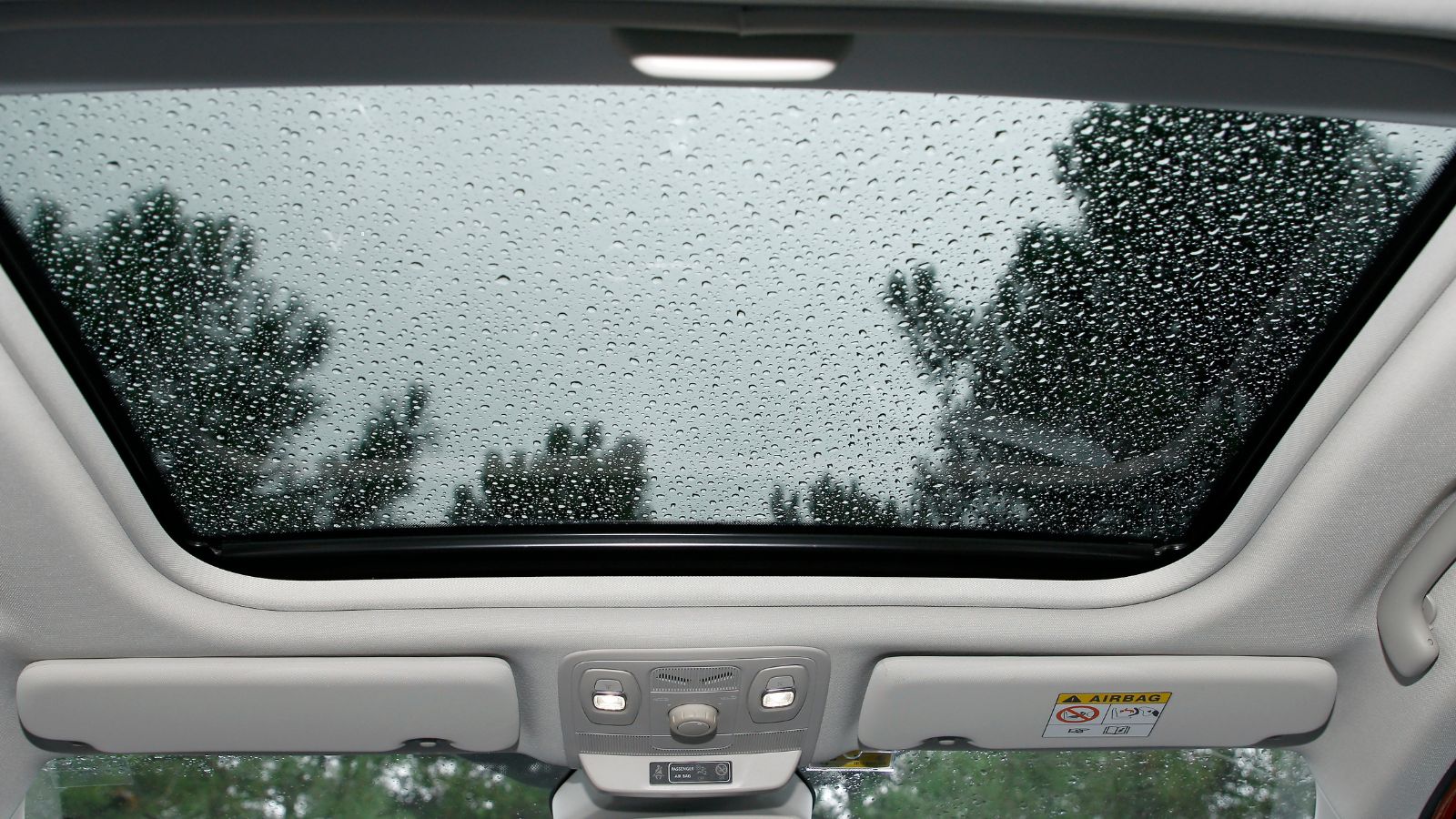
A sunroof is another part of a vehicle where water management matters more than absolute waterproofing. GM owner information explains that sunroofs use a water drainage system and recommends periodically opening the roof area to remove loose debris that could obstruct it. Older GM guidance goes even further, noting that accumulated debris can plug the drainage system. Ford manuals similarly recommend removing debris from moonroof tracks. That makes autumn leaf season a particularly logical time to inspect the area before repeatedly sending wash water across the roof.
There is also a simpler mistake: opening a wet sunroof immediately after a wash. Toyota and Subaru owner instructions advise wiping water from the roof before opening the moonroof because otherwise droplets can enter the passenger compartment. A few drops are hardly a mechanical emergency, but routinely introducing water to headliners, trim or carpeting is unnecessary. The October routine should therefore include clearing visible leaves and debris from the roof opening, leaving unfamiliar drains alone unless the manual specifies a cleaning method, and drying the roof surface before opening it.
The Underbody Needs Washing—But Water Still Needs an Exit
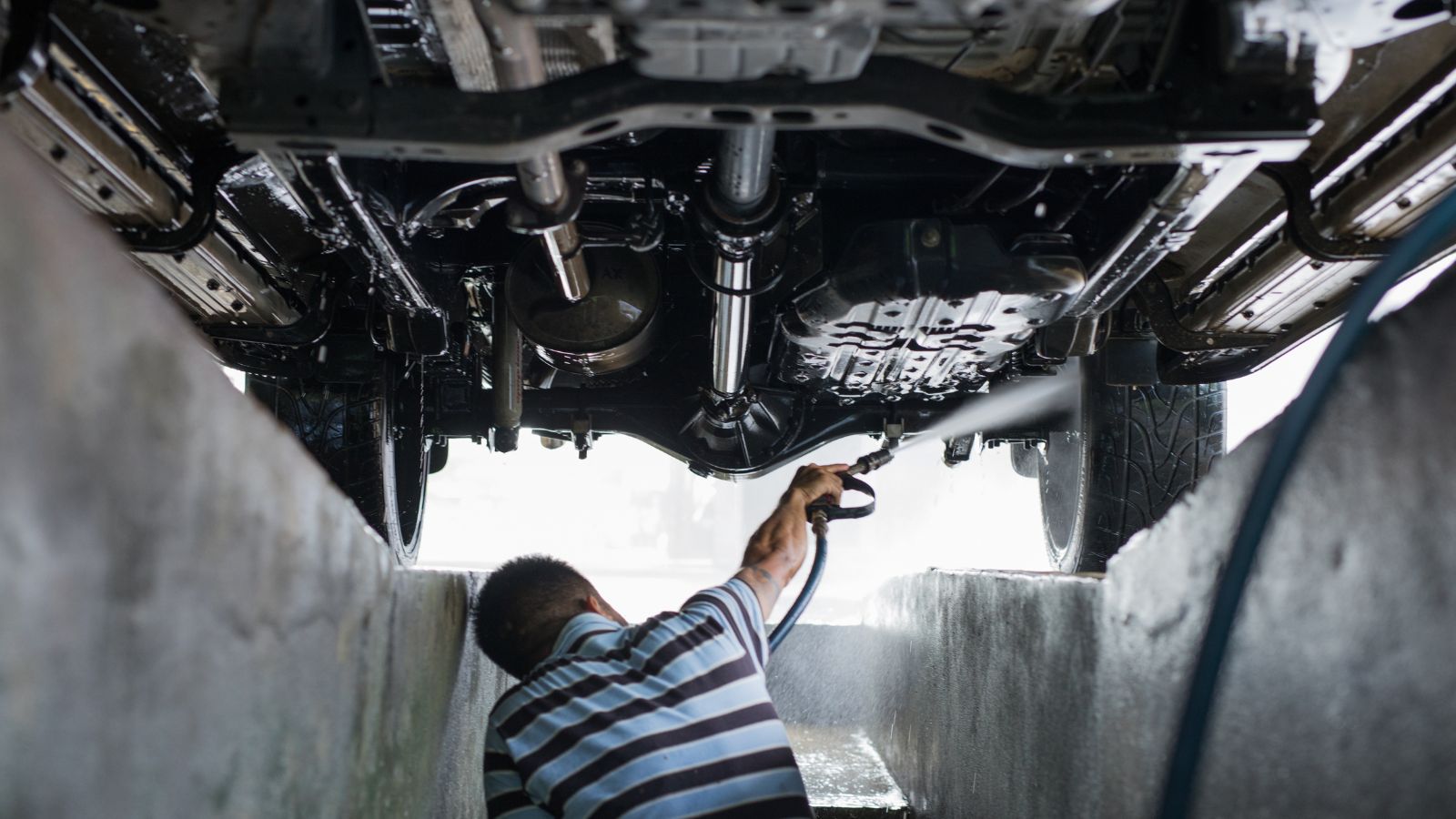
Washing underneath a vehicle is generally part of the solution to corrosion, not the problem. GM guidance recommends flushing corrosive material from the underbody and paying close attention to locations where mud or debris can accumulate. One GM manual recommends doing this at least twice a year, including in fall. That advice matters in Canada because road salt and de-icing chemicals can create genuine corrosion problems. Transport Canada recalls have documented cases where salty mud or road contaminants became trapped against components and contributed to serious corrosion over time.
The key is thorough rinsing and proper drainage. Spraying only the easy-to-reach portions while leaving compacted mud in pockets can leave contamination exactly where moisture persists. Conversely, blasting every seal or drivetrain component with a pressure washer is not the answer either; GM specifically warns against directly power-washing certain axle and transfer-case seals. The better October approach is to rinse the underbody as the manufacturer recommends, remove obvious packed debris where safely accessible and make sure body drains remain clear so the cleaning water does not become another trapped contaminant.
Cabin Moisture Can Show Up Later as Fogged Glass
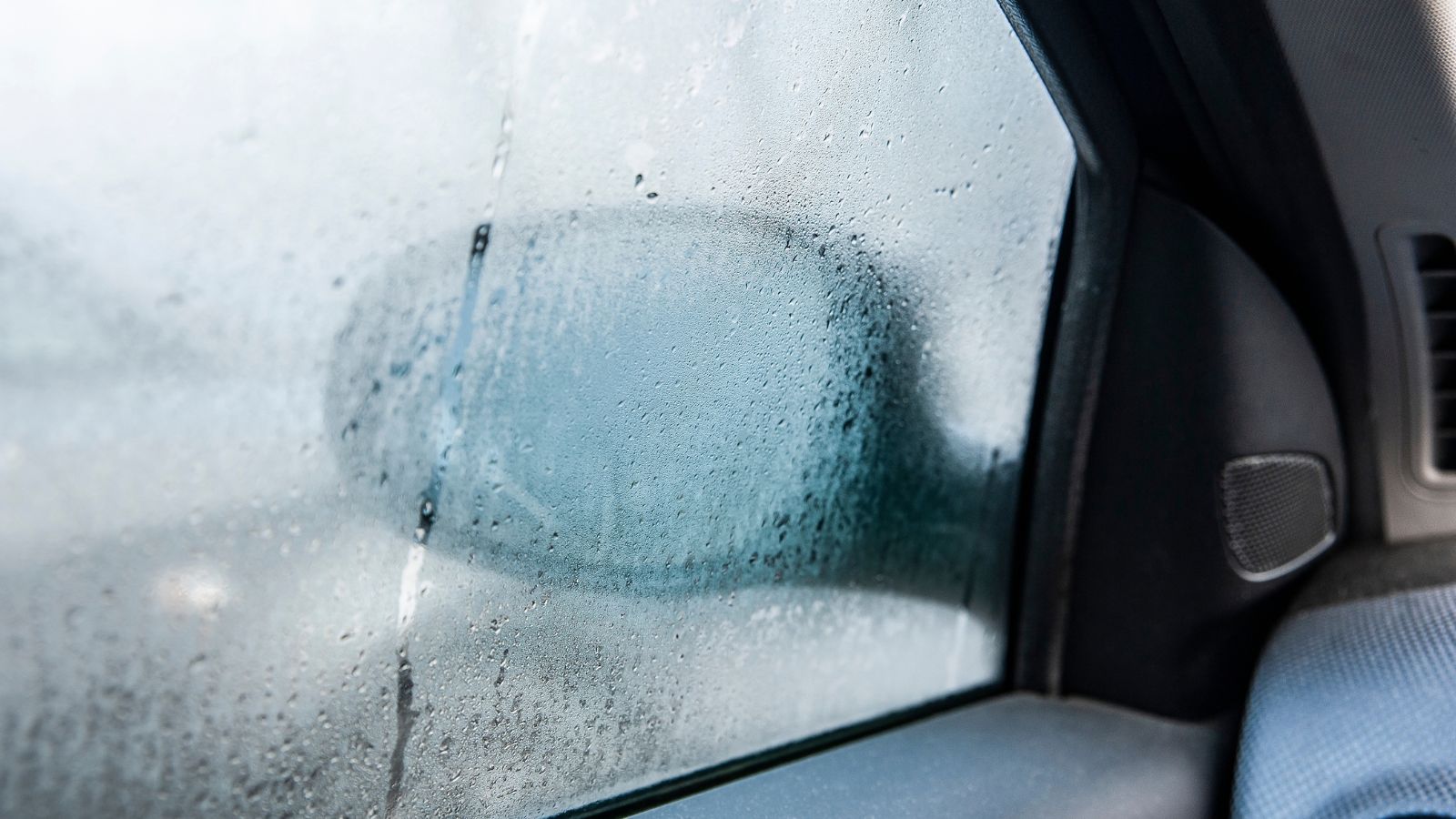
When wash water gets past a compromised seal or blocked drain, the first clue may appear inside the vehicle rather than outside. Damp carpeting and trim add moisture to cabin air. AAA’s automotive guidance specifically identifies damp carpets as one contributor to interior moisture and windshield fogging. Ford owner instructions similarly advise drivers to reduce humidity buildup inside the vehicle and note that prolonged recirculated-air use can encourage window fogging. Toyota manuals explain that windows fog more easily when cabin humidity is high and that air conditioning helps dehumidify the airflow.
A small amount of water entering once may dry without incident, but repeated dampness deserves investigation rather than another blast of defroster air. After an October wash, unexplained wet carpet, damp door sills, moisture around a headliner or persistent condensation can point toward a seal or drainage problem. The wash may not have created the defect; it may simply have exposed it. Drying the interior and finding the source is preferable to letting moisture remain in insulation or carpet padding through increasingly cold nights.
A Better October Wash Takes a Few Extra Minutes

The most effective October routine is not complicated. Wash the vehicle early enough that it has time to drain before the temperature drops. Rinse road grime thoroughly, including the underbody where the manufacturer recommends it. Dry the exterior with a soft towel, then open the doors, trunk or liftgate and wipe accessible jambs and weatherstripping. Check that obvious body drains are not packed with debris. On vehicles with a sunroof, keep the tracks and drainage areas clear. Pressure washers should be kept away from vulnerable seals, sensors and components according to the vehicle’s manual.
Then drive the vehicle rather than parking it immediately. Normal, careful brake use helps dry wet braking surfaces, while airflow helps remove water from exterior recesses. EV owners should inspect charging equipment and connections for excess moisture before plugging in. None of these steps requires turning a routine wash into an hour-long detailing session. The purpose is simply to finish the job that the wash equipment started: getting dirt off the vehicle without leaving unnecessary water trapped behind as October temperatures begin heading toward winter.
19 Used Cars Canadians Should Avoid in 2026 (Based on Owner Complaints)

Buying a used car in Canada can feel safe until repair bills start stacking up. Owner complaints tell a different story than glossy listings. Transmission failures, electrical problems, and weak winter reliability show up again and again in consumer reports. Many of these issues appear after warranties expire, when owners least expect them. Some vehicles look affordable upfront, but become expensive to keep on the road. Others struggle in cold weather, urban driving, or long highway commutes. Here are 19 used cars Canadians should avoid in 2026 (based on owner complaints).
19 Used Cars Canadians Should Avoid in 2026 (Based on Owner Complaints)

Alanna Rosen is an experienced content writer that focuses on many EV and educational content. Her articles are regularly published on Get CyberTrucked and syndicated on large publications.