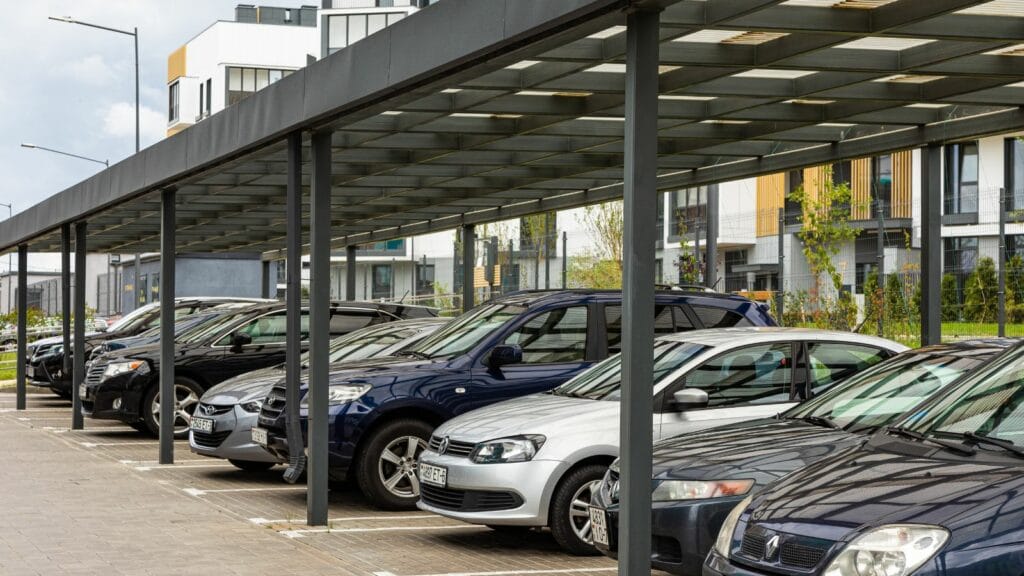
A door ding can appear in seconds, yet the decision that made it more likely often happened before the engine was even switched off. One particularly common habit is choosing the closest convenient parking space even when the space around it is noticeably tight. The few metres saved on the walk can place a vehicle between large doors, crooked neighbours and constantly changing traffic.
There is no reliable statistic assigning an exact probability of a door ding to a particular parking space. What is clear is that available clearance, vehicle size, door design, passenger needs and the number of neighbouring vehicles all affect the opportunity for contact. These 12 factors explain why prioritizing proximity over breathing room can quietly increase exposure—and why a slightly longer walk can sometimes be the more practical choice.
Convenience Can Quietly Win Over Clearance
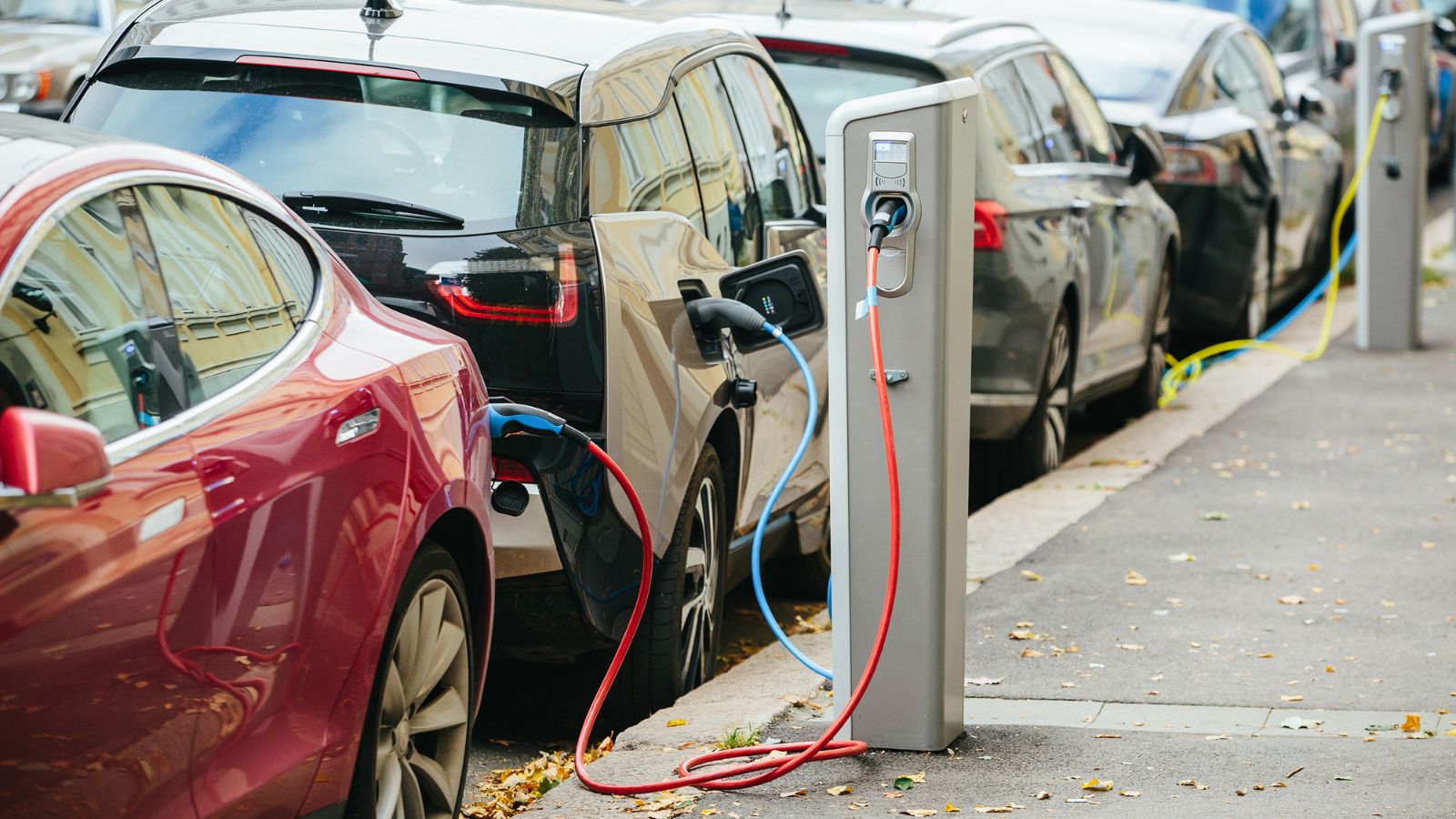
Parking decisions are rarely based on vehicle protection alone. Walking distance, availability, price and expected search time all influence where motorists decide to stop. Academic work on parking-choice behaviour has repeatedly treated walking distance to the final destination as an important consideration. That helps explain the familiar competition for spaces immediately outside supermarkets, restaurants and shopping centres.
The problem begins when convenience becomes the automatic priority. Imagine two open spaces: one near the entrance squeezed between occupied vehicles and another several rows away with empty spaces around it. The first may save a minute of walking, but it immediately places painted body panels within the swing path of neighbouring doors. Choosing the second does not guarantee protection, because other vehicles can arrive later. Still, it begins with more clearance. The troublesome habit is not parking close to a building by itself; it is accepting visibly cramped conditions simply because the location feels more convenient.
A Parking Stall Is Not All Usable Door Space
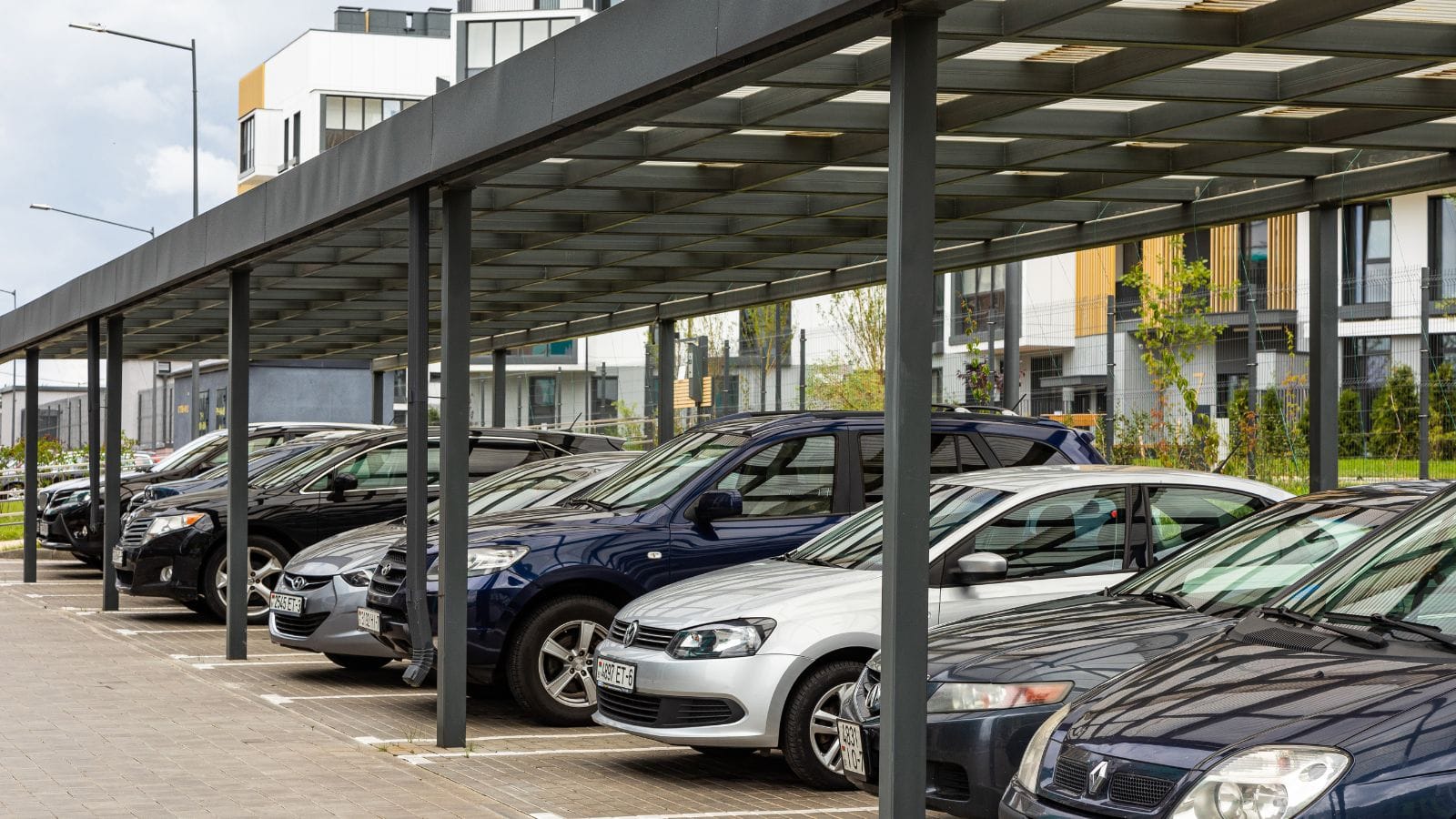
Painted lines can make a parking space look more generous than it actually is. Toronto’s zoning rules, for example, specify a minimum width of 2.6 metres for a standard parking space in applicable situations. That measurement covers the entire stall, not the empty gap available for two neighbouring doors once vehicles occupy it. The useful clearance can therefore be much smaller than the number painted on a planning diagram suggests.
Suppose two fairly wide vehicles are centred in adjacent stalls. Both still require room for mirrors, bodywork and occupants trying to climb out. If either vehicle sits several centimetres toward the shared line, the remaining gap shrinks again. Toronto’s rules even require additional width in certain situations involving nearby fixed obstructions, illustrating that lateral clearance matters in parking design. A space can consequently be perfectly legal and still feel awkward in everyday use. When a driver routinely takes the tightest available stall, that limited margin becomes part of every parking stop.
Canada’s Vehicle Mix Makes the Margin Important
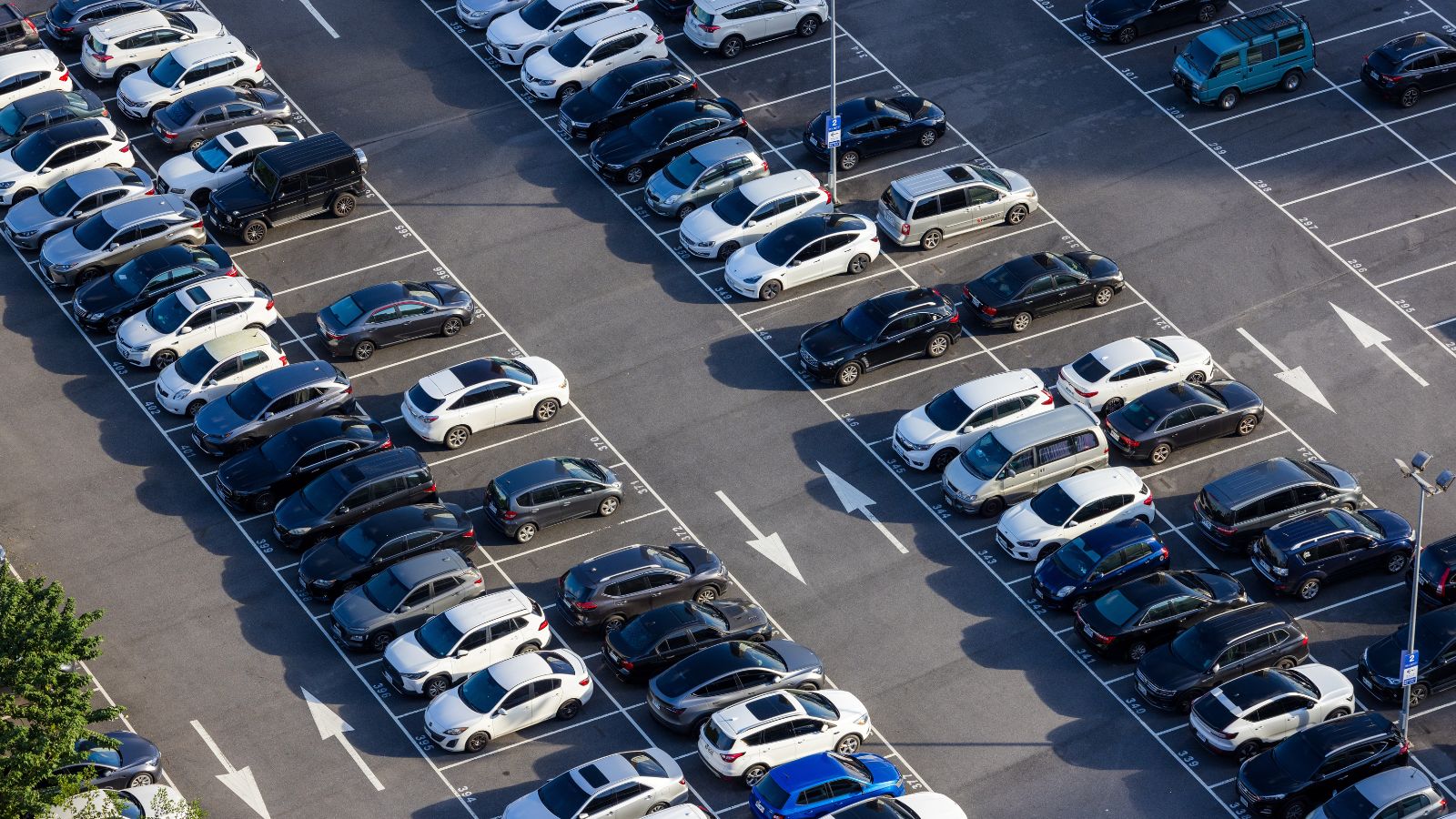
Canadian parking lots contain an enormous range of vehicle sizes, from compact hatchbacks to full-size pickups. Statistics Canada classifies SUVs and crossovers as multi-purpose vehicles, and those vehicles have become a substantial part of Canada’s registered fleet. More than 9.2 million multi-purpose vehicles were registered in 2022, while Canada had 26.8 million registered road motor vehicles overall in 2024, with light-duty vehicles accounting for 91.6% of them.
Those numbers matter because the practical question is not merely whether a vehicle fits between two painted lines. It is what remains beside it afterward. A compact car parked beside another compact may leave comfortable door space; replacing either neighbour with a much broader vehicle changes the situation immediately. Drivers cannot control the national vehicle mix, but they can evaluate the vehicles already beside a vacant stall. Taking a cramped spot between two substantial vehicles simply because it is near the entrance removes a useful safety margin before anyone opens a door.
A Crooked Neighbour Changes the Whole Space
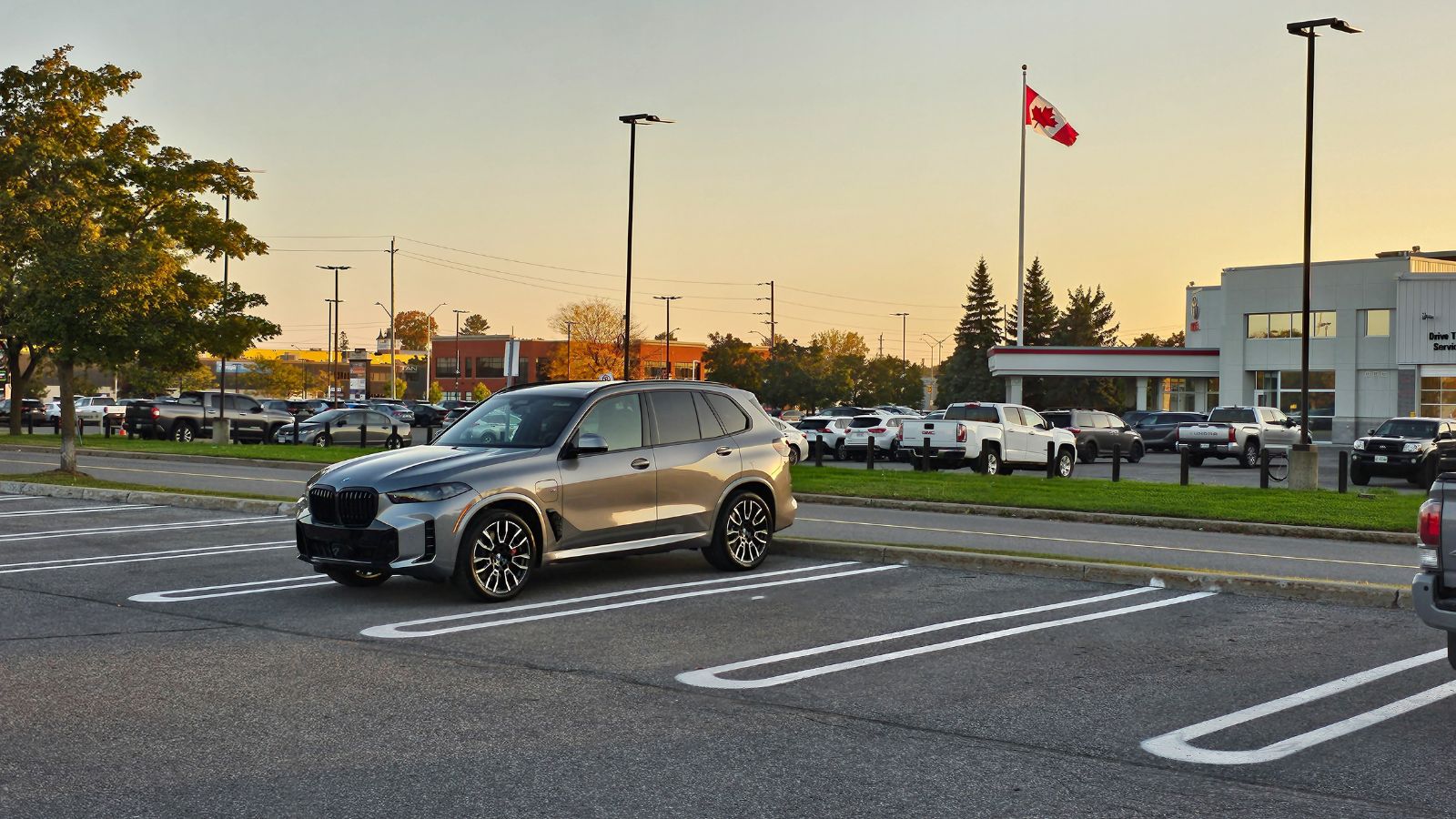
A technically vacant parking space can become effectively narrow when the car next to it is sitting close to the dividing line. That is why looking only at the empty rectangle is misleading. The more useful question is how much real clearance remains after accounting for the position of neighbouring vehicles. A crooked SUV with one wheel near the line can take away a meaningful portion of the comfortable door-opening area.
Parking-design rules indirectly demonstrate why this matters. Toronto requires extra stall width under certain conditions when fixed objects such as walls, columns or bollards create side obstructions. A badly positioned neighbouring vehicle is obviously not the same thing as a permanent column, but the practical geometry is similar: something is occupying space beside the door. A careful driver can often avoid the problem simply by passing the space. If the only option is tight, repositioning the vehicle so it is properly centred can preserve as much clearance as possible for occupants on both sides.
People Need More Room Than a Parked Car Does
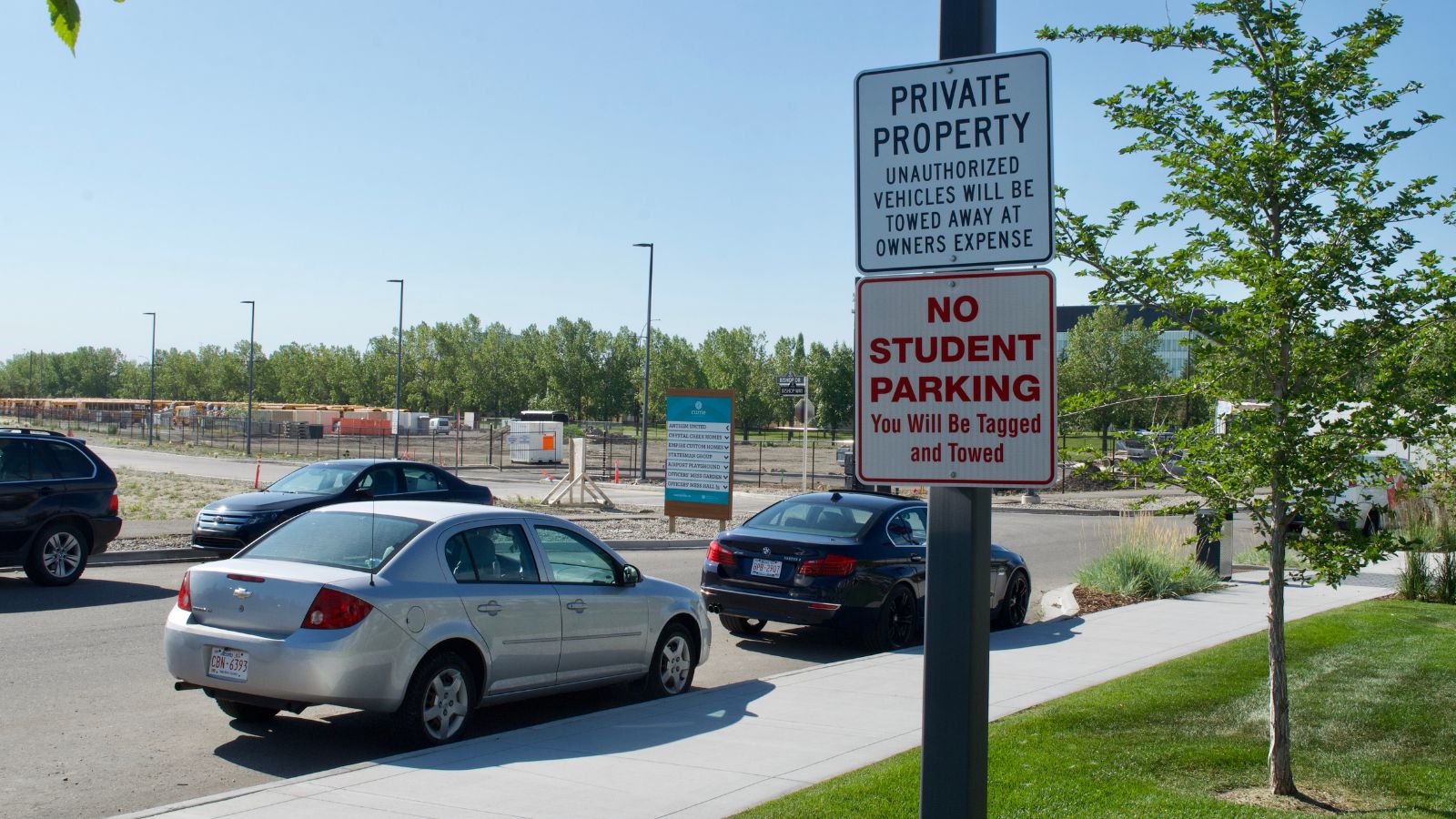
Parking calculations can become overly focused on whether the vehicle itself fits. Occupants still have to get out. Automotive ergonomics research treats ingress and egress as significant design considerations, and research has examined factors such as doorway dimensions, sill height, seating position and door-opening angle. A 2024 SAE study specifically described a larger door-opening angle as beneficial to entry accommodation, although designers must balance that against other usability considerations.
That distinction explains why a parked vehicle can appear comfortably separated from its neighbour until someone begins opening the door. A narrow gap may be sufficient for a slim occupant carefully turning sideways, while another person may require substantially more room. Age, mobility, clothing and what someone is carrying can further change the practical situation. The best parking space is therefore not simply one where the mirrors clear adjacent vehicles. It is one that provides realistic space for people to enter and leave without balancing a heavy door centimetres from someone else’s paint.
Passengers Can Need More Side Space Than Expected
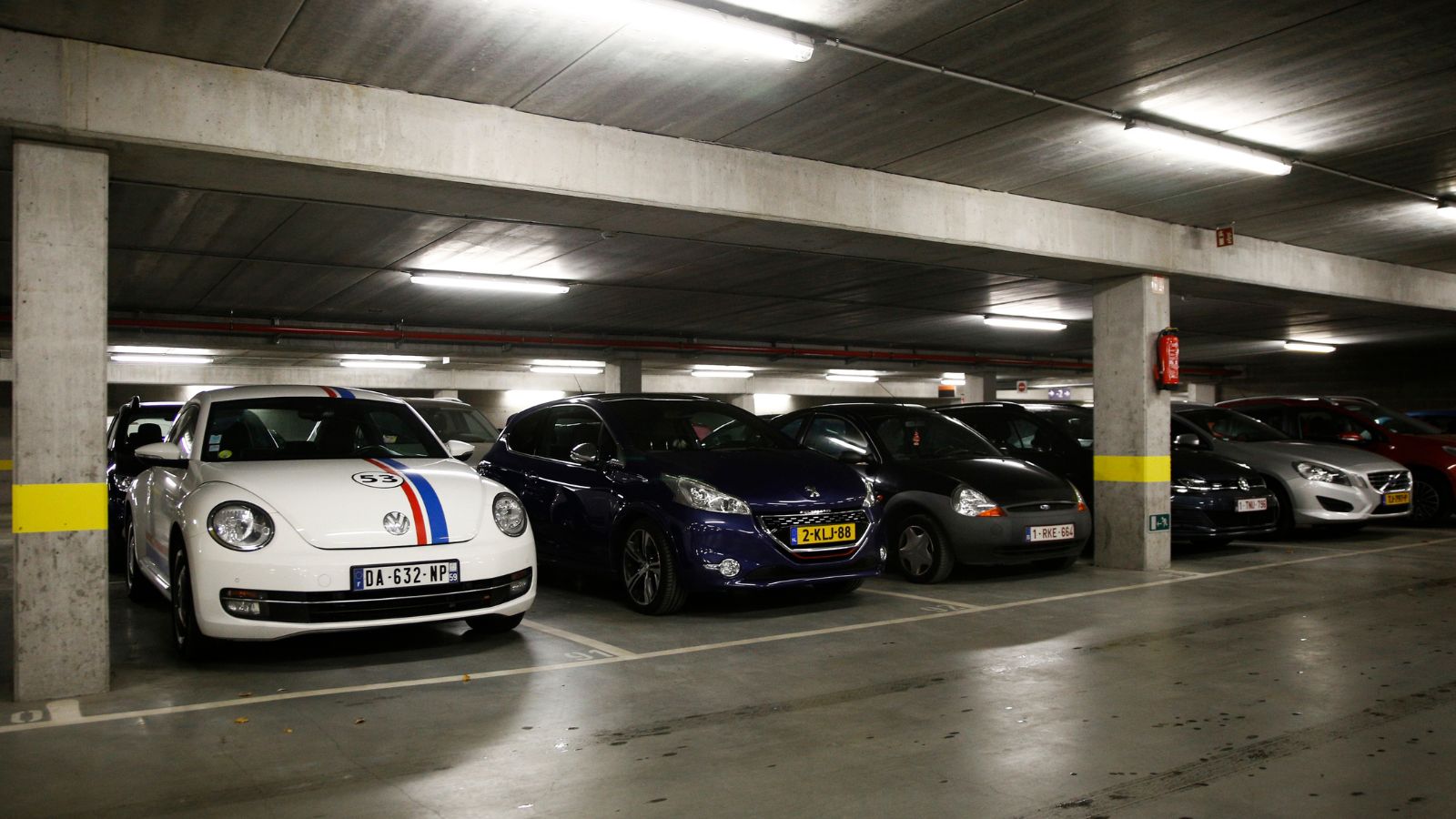
Drivers often judge a parking space from the driver’s seat, but the person opening the widest door may be somewhere else. Rear passengers, older adults and anyone helping another occupant into or out of the vehicle may require more working room. Loading a child into a restraint, for example, can involve leaning into the rear seating area while keeping the door open rather than simply slipping through a narrow gap.
Accessibility standards demonstrate just how important side clearance can become when mobility needs are involved. Accessibility Standards Canada specifies substantial adjacent access aisles for designated accessible parking, including side aisles measuring at least 2,000 millimetres in certain configurations. Those spaces are reserved for eligible users and should never be treated as ordinary extra-wide parking. Their dimensions nevertheless illustrate an important design principle: getting a person into or out of a vehicle can require considerably more room than merely storing the vehicle. A tight convenient stall becomes less appealing when the needs of every passenger are considered before parking.
End Spaces Remove One Immediate Neighbour
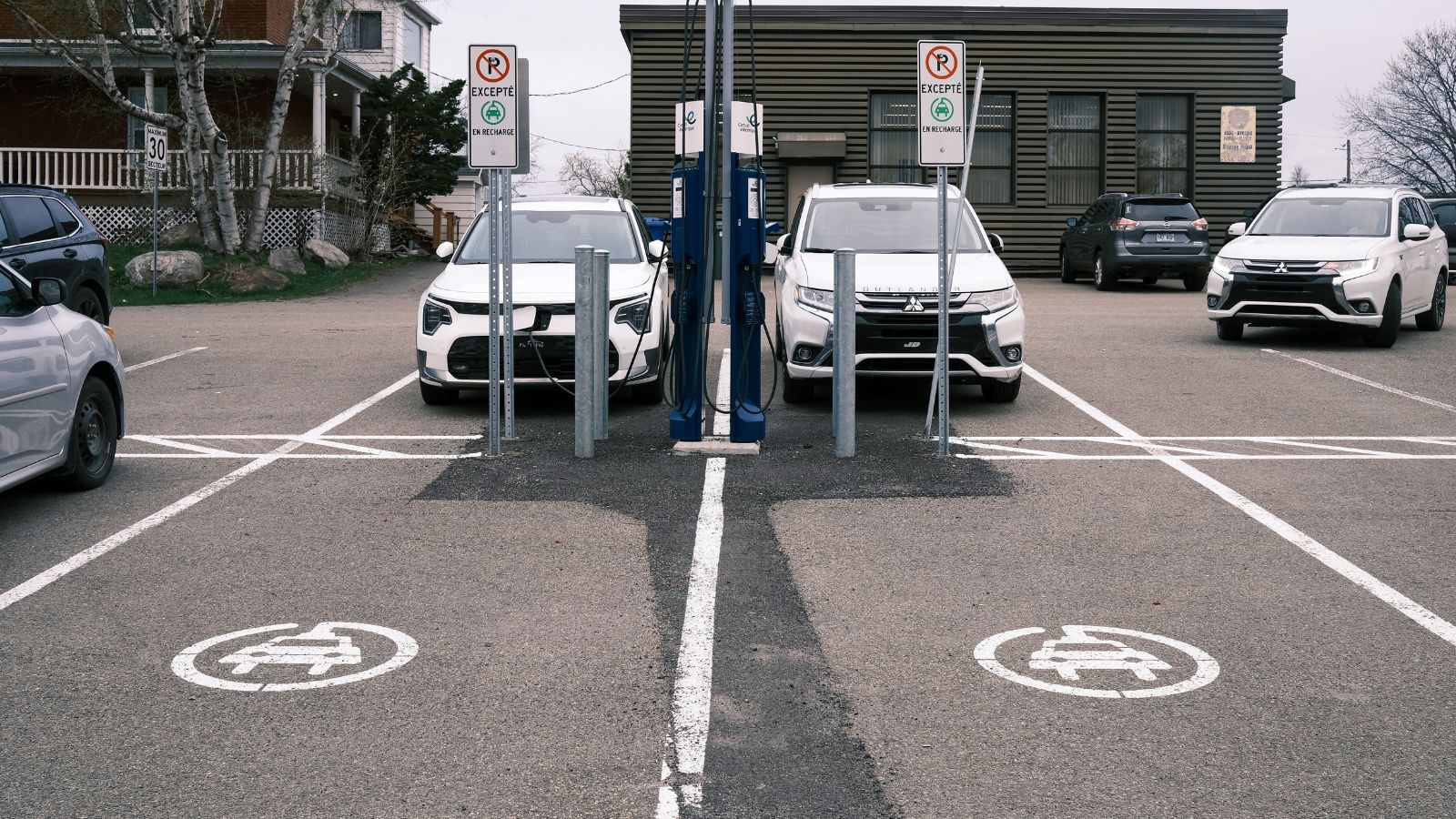
One of the simplest ways to change the geometry is to choose an end space. When the outer side of the vehicle faces a curb, landscaped island or other non-parking area with adequate clearance, there may be only one neighbouring parking position instead of two. State Farm specifically recommends considering an end spot and parking farther from crowded areas when trying to reduce exposure to door dings.
The advantage is straightforward rather than magical. A vehicle between two occupied stalls can potentially be contacted from either side. An appropriately positioned end stall removes one adjacent car-door source at that moment. Of course, drivers still need to respect curbs, pillars, walkways and the painted lines, and an end space beside a narrow concrete wall may provide little benefit. The practical lesson is to evaluate what actually borders the stall. Someone habitually grabbing the closest space may drive past a better end position simply because it requires another 30 seconds of walking.
High-Turnover Areas Create More Door-Opening Events
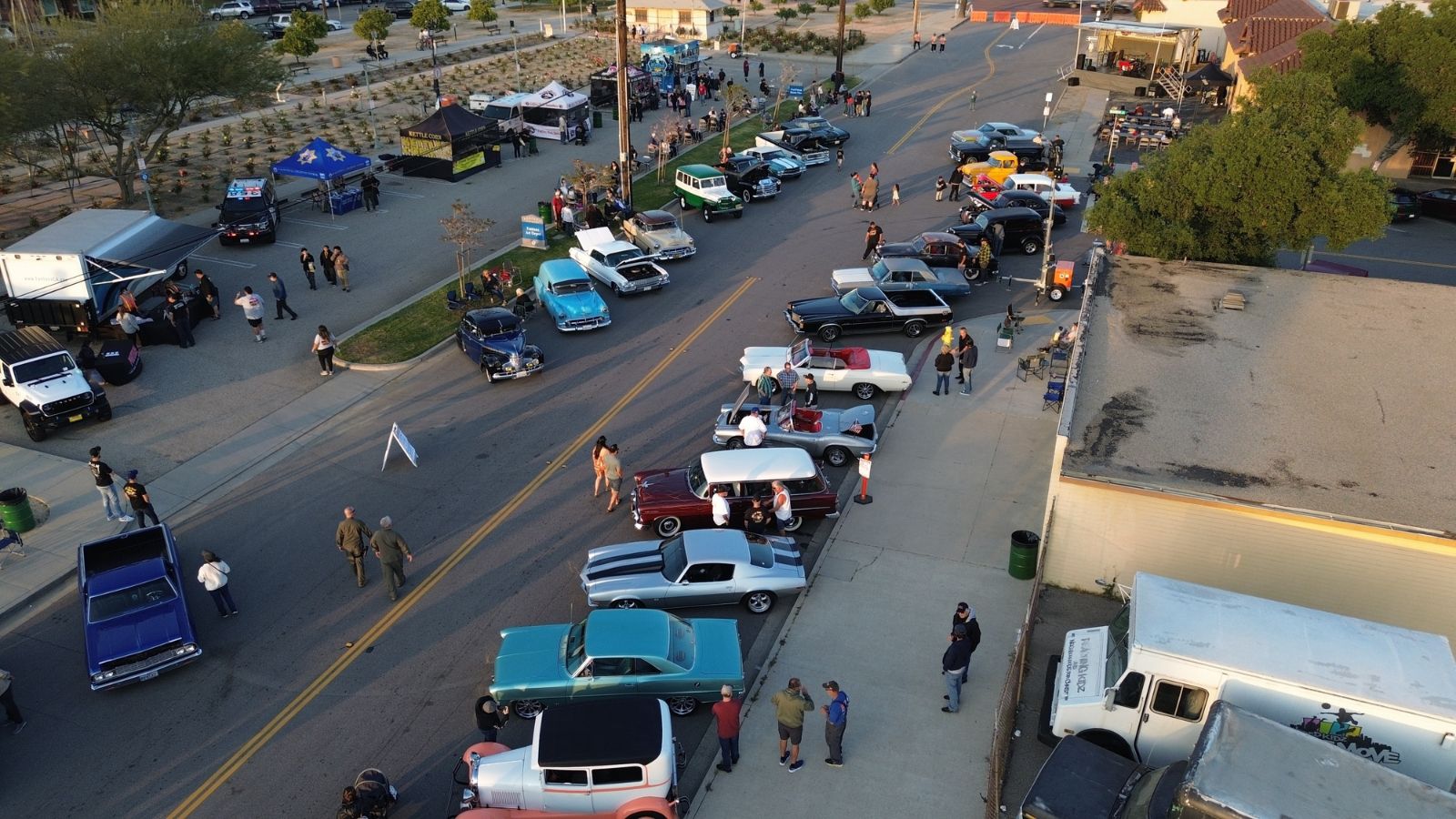
Parking professionals use the term “turnover” to describe how many vehicles use parking spaces during a specified period. High turnover can be desirable from a transportation-management perspective because spaces become available to more customers. From a door-ding perspective, however, repeated vehicle changes also mean repeated arrivals, passenger movements and door-opening episodes beside whatever car remains parked there.
Consider a vehicle left for two hours beside a popular short-stay space near a store entrance. The neighbouring stall might be occupied by several different vehicles during that time rather than one. It would be inaccurate to claim a universal percentage increase in door-ding risk because research does not establish such a figure. The exposure logic, though, is straightforward: every new neighbouring vehicle creates another period during which doors may be opened beside the parked car. Spaces farther from a busy entrance may experience less turnover. Prioritizing convenience can therefore place a vehicle beside more changing neighbours during the same visit.
Wind Can Turn a Normal Door Opening Into a Hard Swing
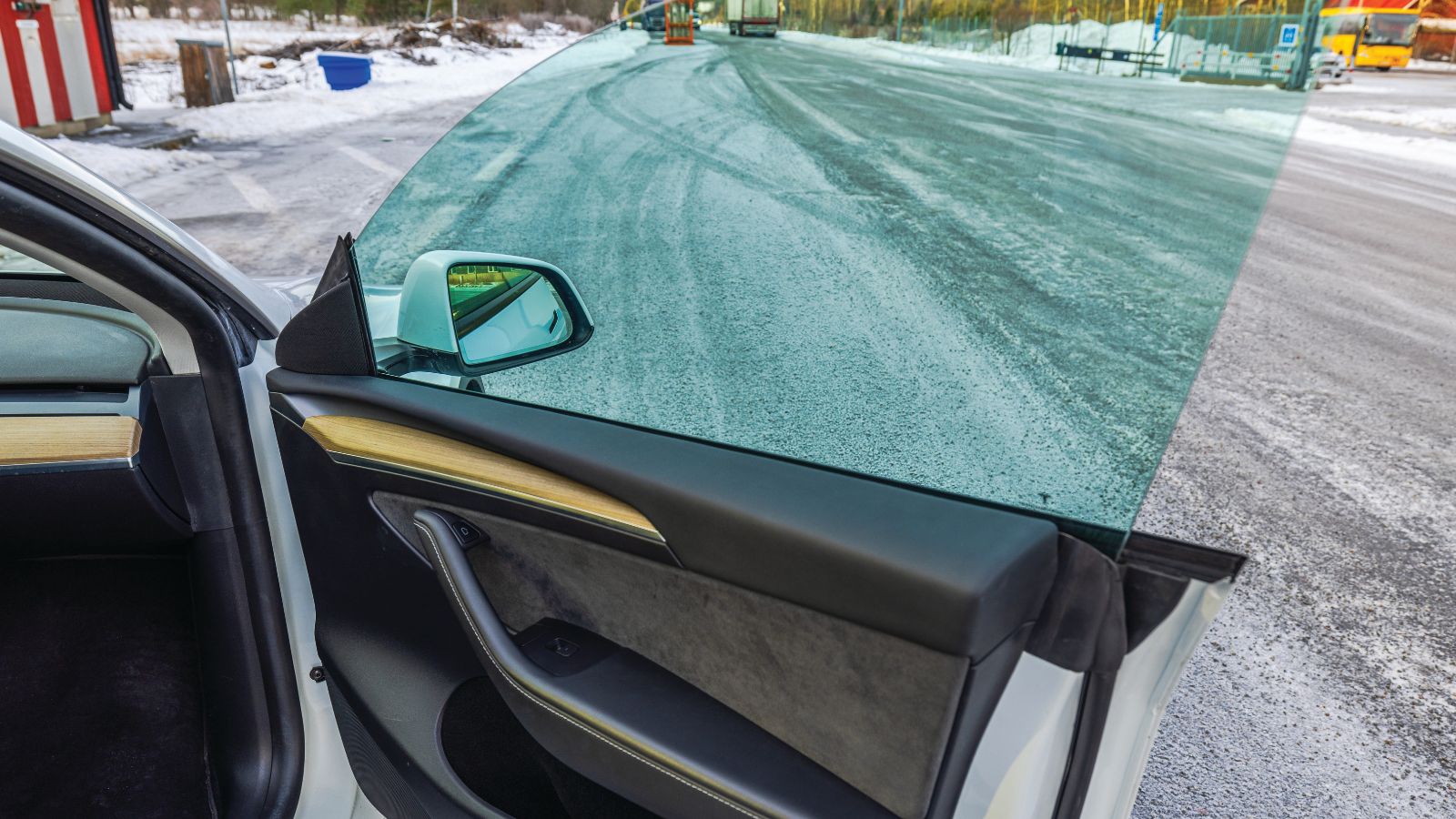
Not every damaging door opening is careless. Wind can suddenly add force to an otherwise controlled movement, particularly when a door is broad and the person opening it is not expecting a gust. Safety guidance for workers using vehicles in high-wind conditions warns that doors can be pulled from a person’s grip and recommends maintaining firm control while entering or exiting.
A U.S. Air Force safety notice provides a striking real-world example. Mountain Home Air Force Base reported 11 incidents of vehicle wind damage in 2014 costing more than $6,000 and described uncontrolled door opening as a common form of vehicle wind damage. The circumstances involved fleet vehicles rather than ordinary shopping-centre door dings, but the physics is relevant. On a windy day, parking centimetres from another vehicle leaves little tolerance if a door suddenly moves farther than intended. Choosing extra side clearance becomes particularly sensible when trees, flags or blowing debris indicate strong gusts around the lot.
Door Design Can Make Two Similar Cars Behave Differently

Vehicle width is only part of the equation. Door length, hinge position and opening geometry determine how far a door travels sideways as it swings. Automotive ergonomics research treats door-opening angle as an important element of comfortable ingress and egress. AARP has also highlighted an everyday example: longer doors on some two-door coupes can become awkward in tight parking spaces because their opening width is limited by nearby vehicles.
That means visual impressions can be deceptive. A low two-door car may look less threatening beside another vehicle than a large SUV, yet its long front door can require substantial lateral space. Meanwhile, sliding doors on some vans follow a completely different movement path and generally create less conventional outward swing. Drivers cannot reasonably memorize the geometry of every vehicle in a parking lot. They can, however, notice obvious clues. Parking tightly beside a long-door coupe or another vehicle whose doors already appear close to the line is an avoidable gamble when roomier spaces are available.
Even a Tiny Ding Can Become an Insurance Question
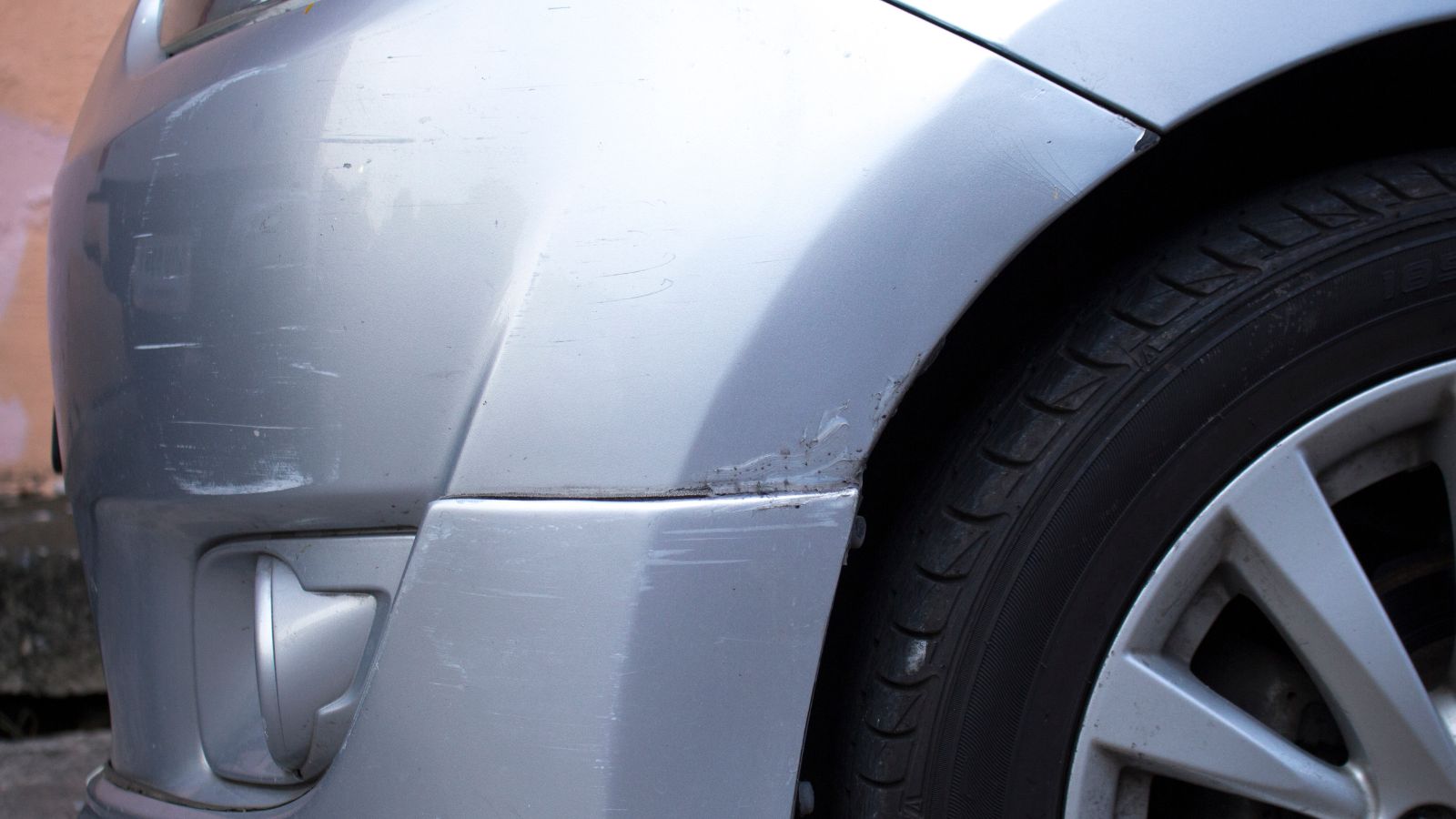
A door ding may look trivial, but responsibility and insurance can become complicated when the person who caused it disappears. The Insurance Bureau of Canada notes that when an offending driver is identified and insured, damage may be handled differently from an unidentified hit-and-run. In Ontario, IBC advises that unidentified hit-and-run damage should be reported appropriately and that applicable coverage and deductibles depend on the policy and circumstances.
Minor dents also vary considerably in repair complexity. Some shallow door dings with intact paint can be candidates for paintless dent repair, which reshapes the panel without conventional sanding and repainting. Sharp dents, damaged paint, panel edges or difficult access can require different repair methods. That makes prevention valuable even when the original mark seems small. A driver who regularly chooses a cramped space for convenience is accepting a nuisance that can involve photographs, repair estimates, insurance questions and time without gaining much more than a shorter walk to the door.
The Better Habit Is to Shop for Clearance, Not Distance
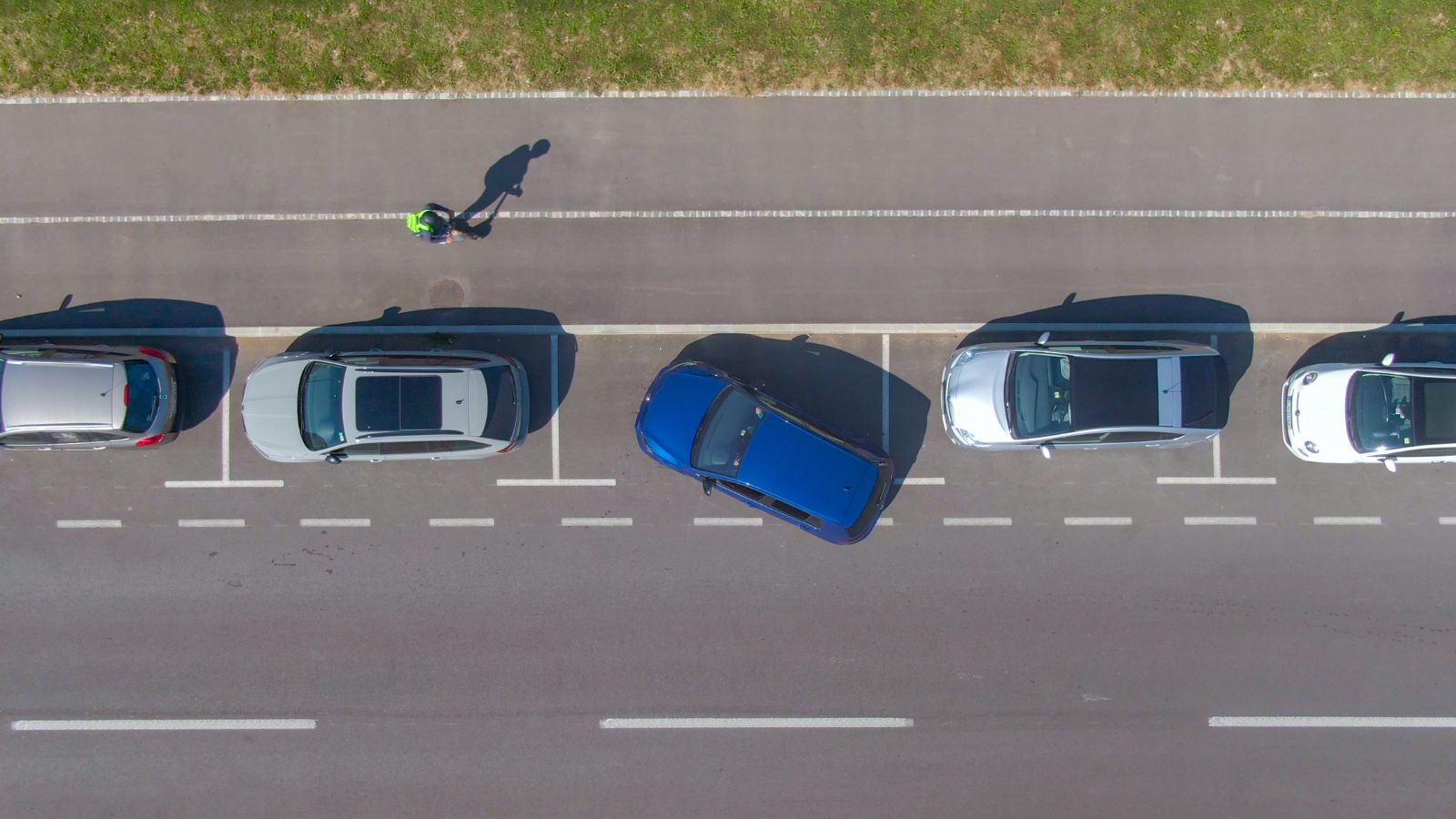
The most useful change is surprisingly modest: before committing to a space, evaluate clearance first and walking distance second. Look at how neighbouring vehicles are positioned, whether both sides of the stall are active parking spaces, how crowded that portion of the lot is and whether wind or passenger needs make extra room worthwhile. If the vehicle cannot be centred with comfortable margins, another stall may be the better option.
This approach matches mainstream loss-prevention advice. State Farm recommends end spaces or parking farther from crowded areas, while automotive repair guidance similarly encourages choosing less exposed spaces. None of these measures can eliminate door dings; an empty area can fill after the vehicle is left there. They simply reduce avoidable exposure. The familiar habit of circling for the closest possible stall saves a handful of steps. Reversing that priority—accepting a slightly longer walk in exchange for visibly better clearance—can make parking less stressful for both the vehicle owner and everyone opening doors nearby.
19 Used Cars Canadians Should Avoid in 2026 (Based on Owner Complaints)

Buying a used car in Canada can feel safe until repair bills start stacking up. Owner complaints tell a different story than glossy listings. Transmission failures, electrical problems, and weak winter reliability show up again and again in consumer reports. Many of these issues appear after warranties expire, when owners least expect them. Some vehicles look affordable upfront, but become expensive to keep on the road. Others struggle in cold weather, urban driving, or long highway commutes. Here are 19 used cars Canadians should avoid in 2026 (based on owner complaints).
19 Used Cars Canadians Should Avoid in 2026 (Based on Owner Complaints)

Alanna Rosen is an experienced content writer that focuses on many EV and educational content. Her articles are regularly published on Get CyberTrucked and syndicated on large publications.