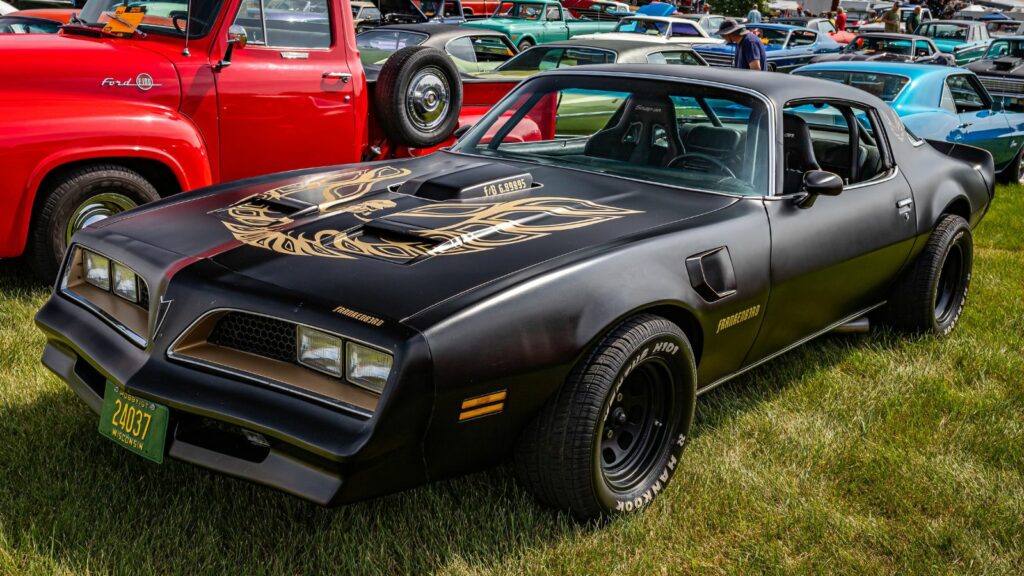
Some cars become popular. Others become symbols. The Pontiac Firebird did both. From its late 60s debut through to its final years in the early 2000s, it carried a unique blend of performance, attitude, and unmistakable style. It was not just a rival to the Camaro, it carved out its own identity and built a following that still holds strong today.
Pontiac Firebird Beginnings That Set the Tone
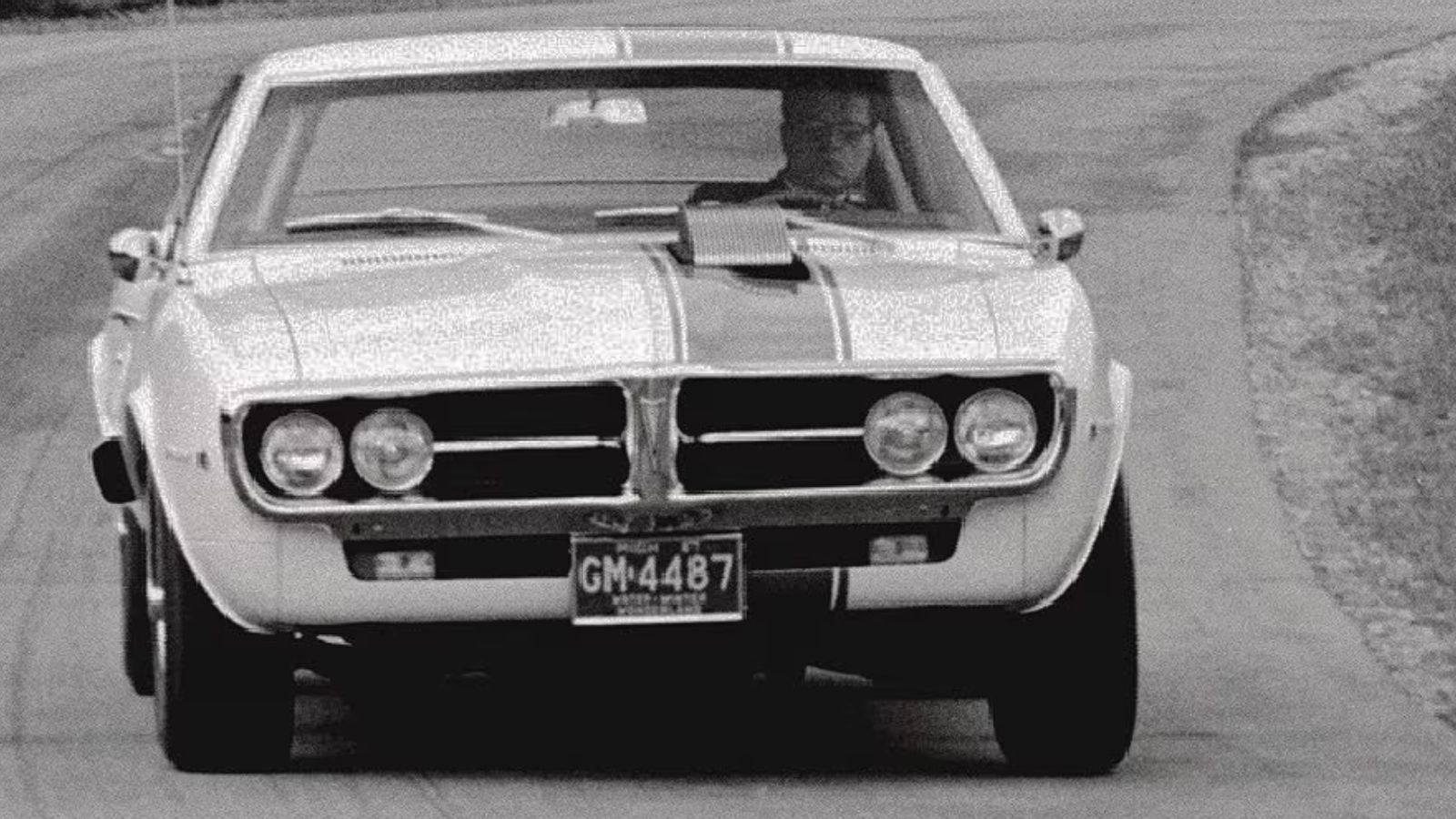
Launched in 1967, the Firebird entered a fiercely competitive muscle car market. It shared its platform with the Chevrolet Camaro, but Pontiac made sure it had a different character. More refined in some ways, yet still aggressive, it offered a range of engines that gave buyers real choice. Early models balanced performance with usability, which helped it appeal to a wider audience right from the start.
The Rise of the Trans Am
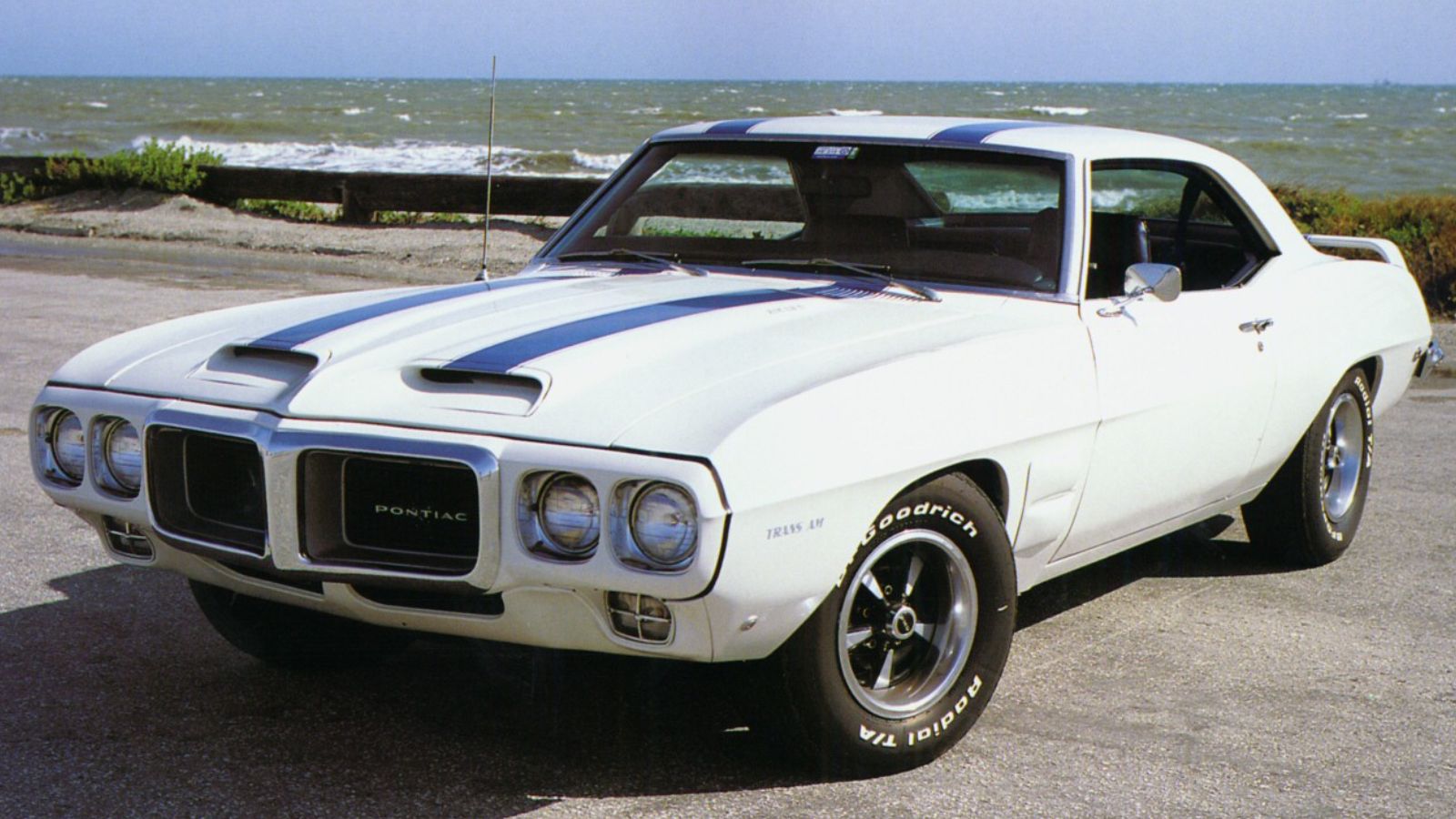
The Firebird truly found its voice with the Trans Am. Introduced in 1969, it brought sharper handling, more focused performance, and a look that demanded attention. By the 70s, it had evolved into something iconic, with bold graphics, flared arches, and a stance that felt planted and aggressive. It was not just about speed, it was about presence, and the Trans Am delivered both.
Design That Defined an Era
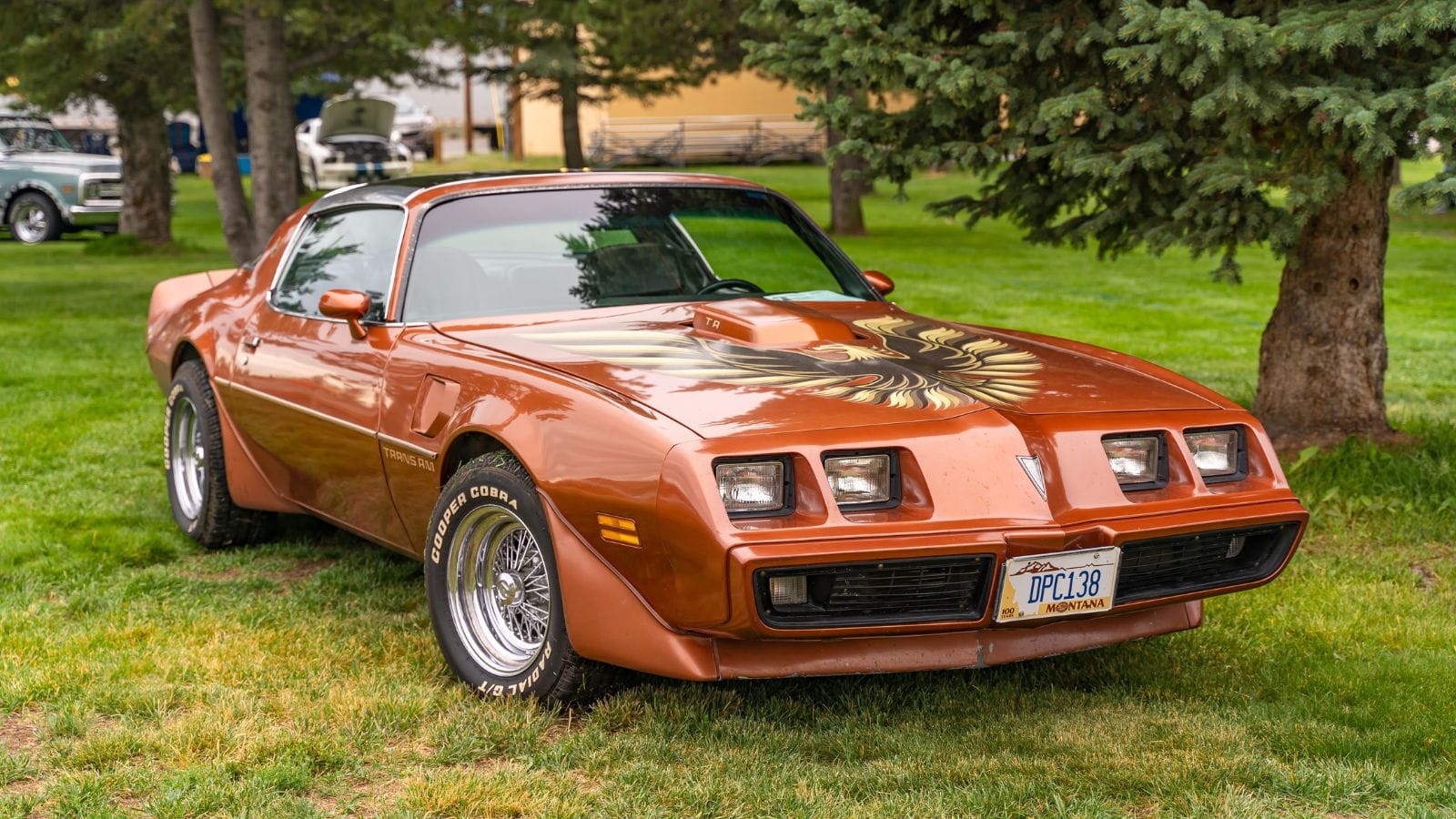
Few cars from the 70s are as instantly recognizable as the Firebird. Long hood, low stance, and dramatic styling gave it a personality that stood out even in a crowded market. The famous hood bird decal became a symbol of the era, turning the car into something more than just a machine. It looked fast even when standing still, and that visual impact played a huge role in its success.
Performance That Matched the Look
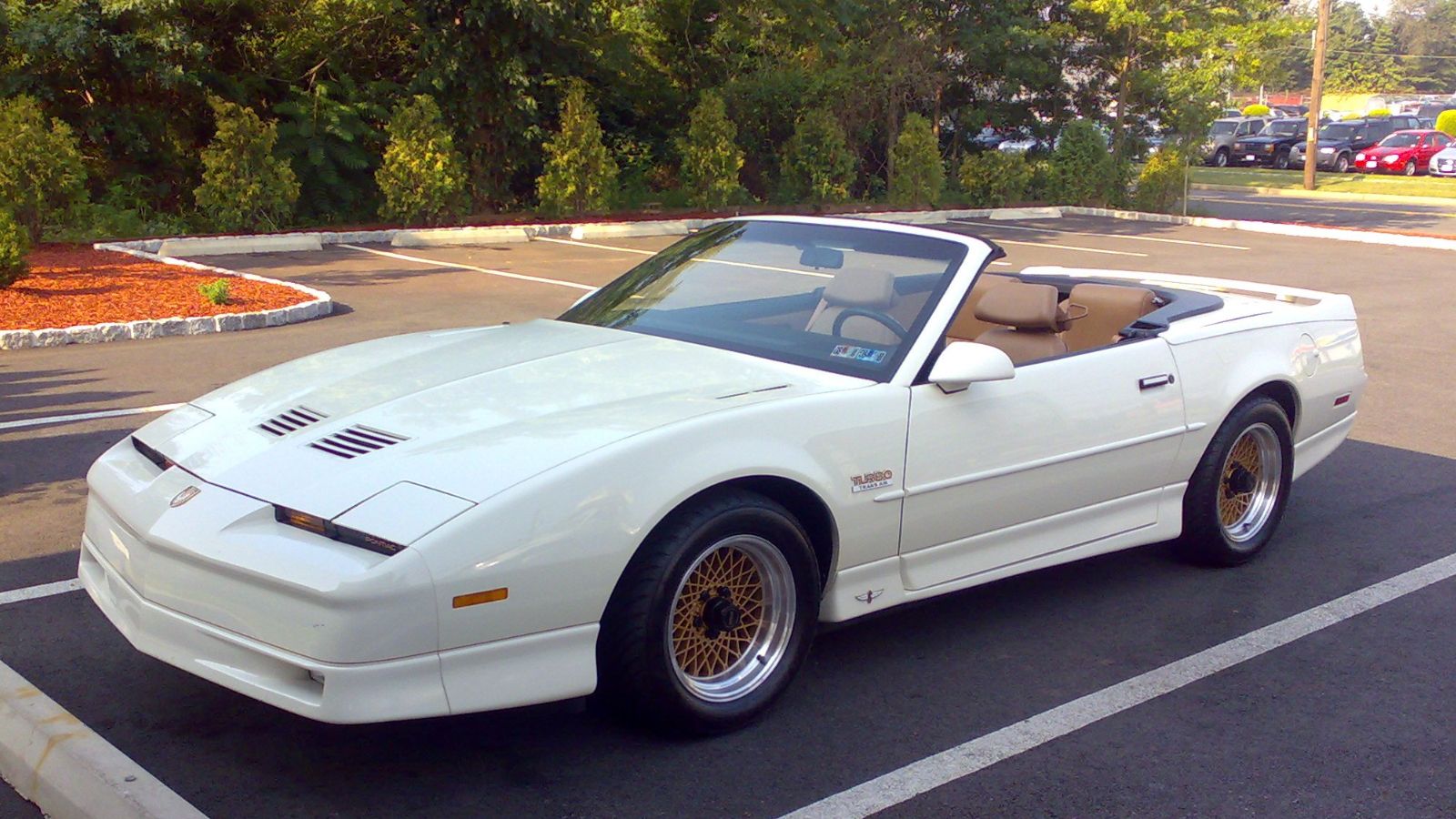
The Firebird was not all style. With V8 power across multiple generations, it delivered the kind of performance muscle car buyers expected. Even as regulations tightened in the 70s, it retained a sense of strength and character. Later models, particularly in the 80s and 90s, brought modern performance into the mix, keeping the Firebird relevant as the automotive world evolved.
Cultural Impact That Went Beyond Cars
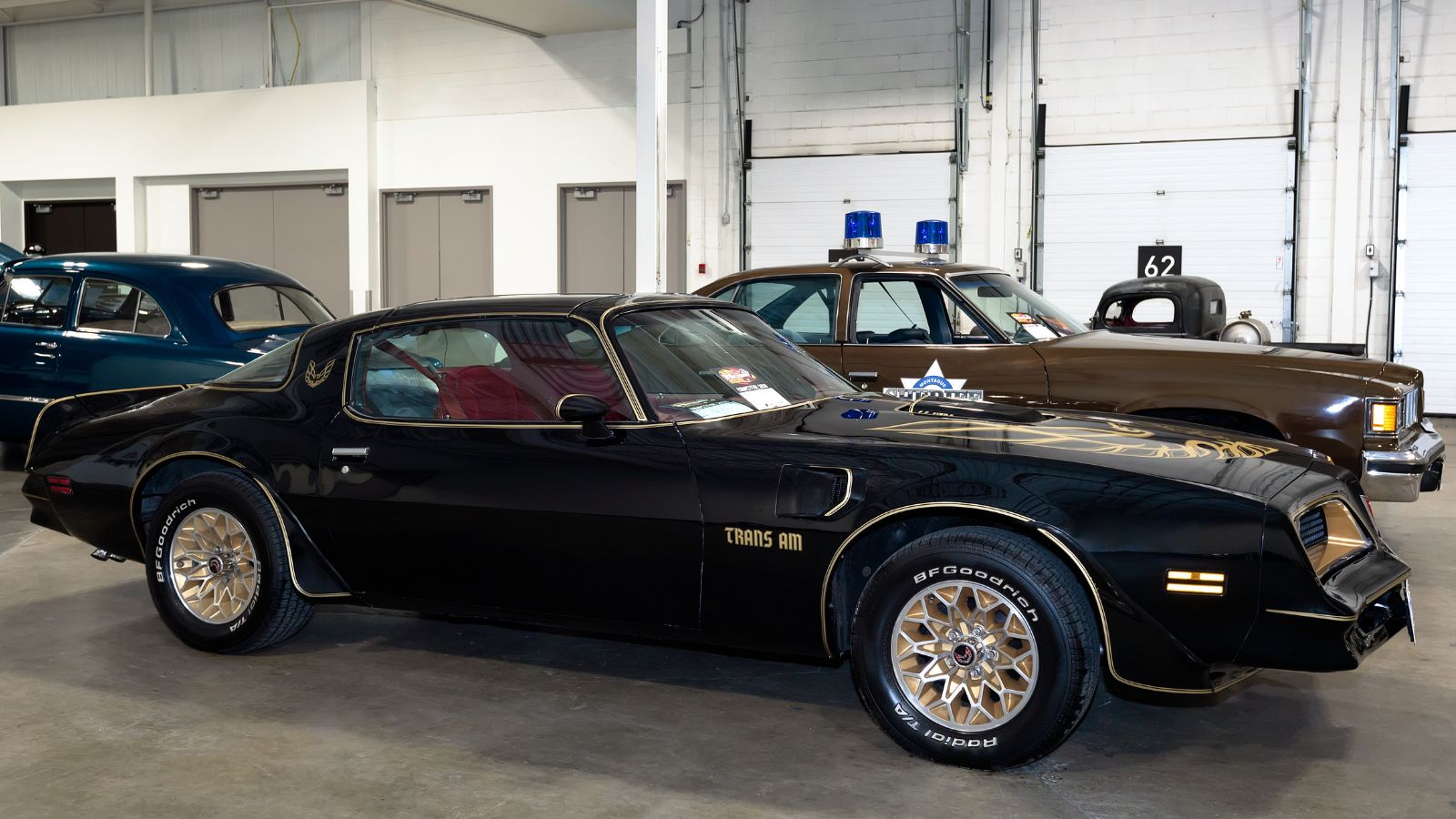
The Firebird’s influence extended far beyond the road. Appearances in film and television cemented its status as a cultural icon. It became associated with freedom, rebellion, and a certain kind of confidence that resonated with drivers. Few cars manage to cross over into popular culture in such a lasting way.
Evolution Through Changing Times
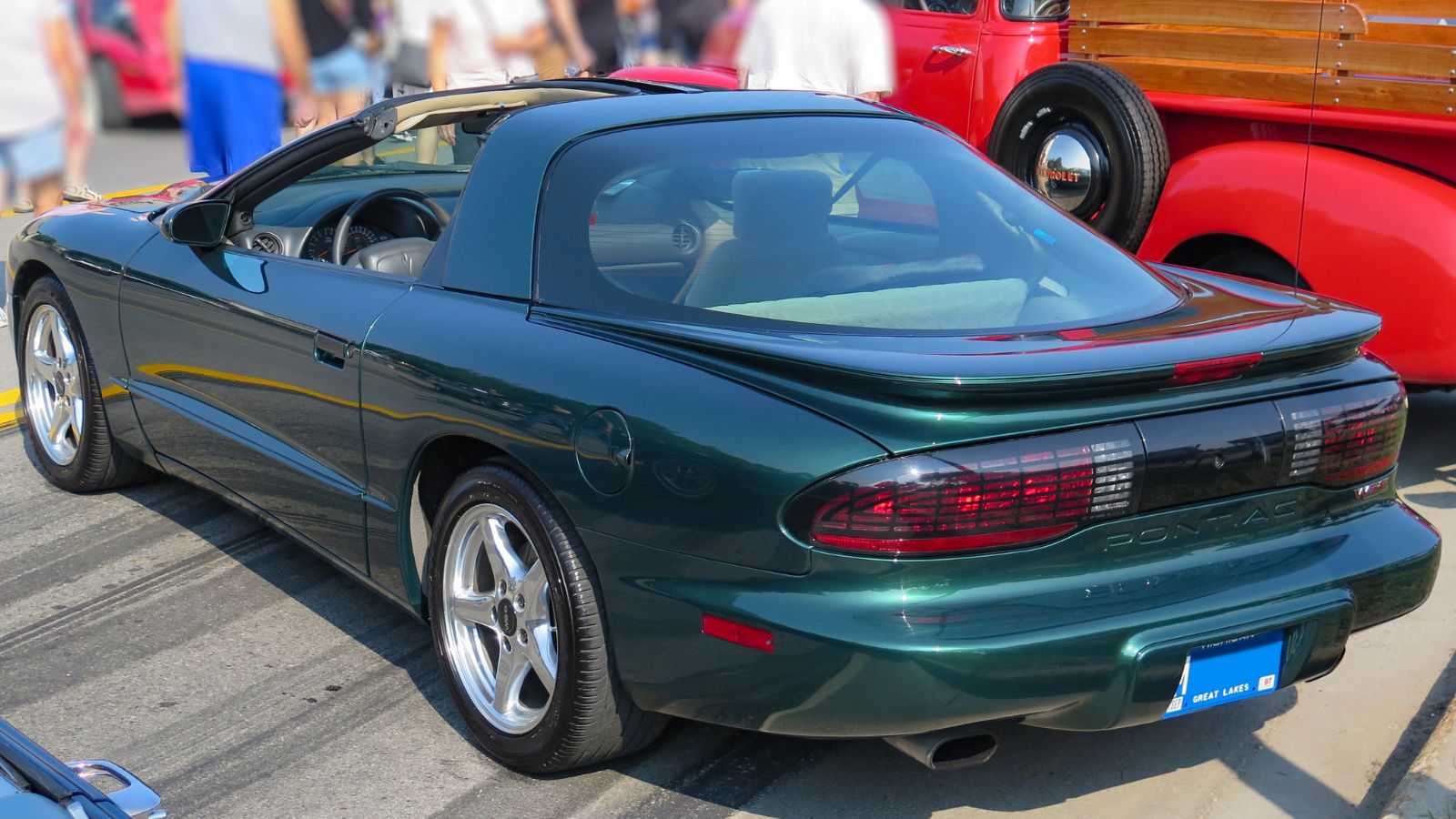
Across its production run, the Firebird adapted to changing demands. From raw muscle to more refined performance, it evolved without losing its core identity. Each generation brought something new, yet the essence of the car remained intact. That ability to change while staying true to itself is part of what made it so successful.
The End of an Era
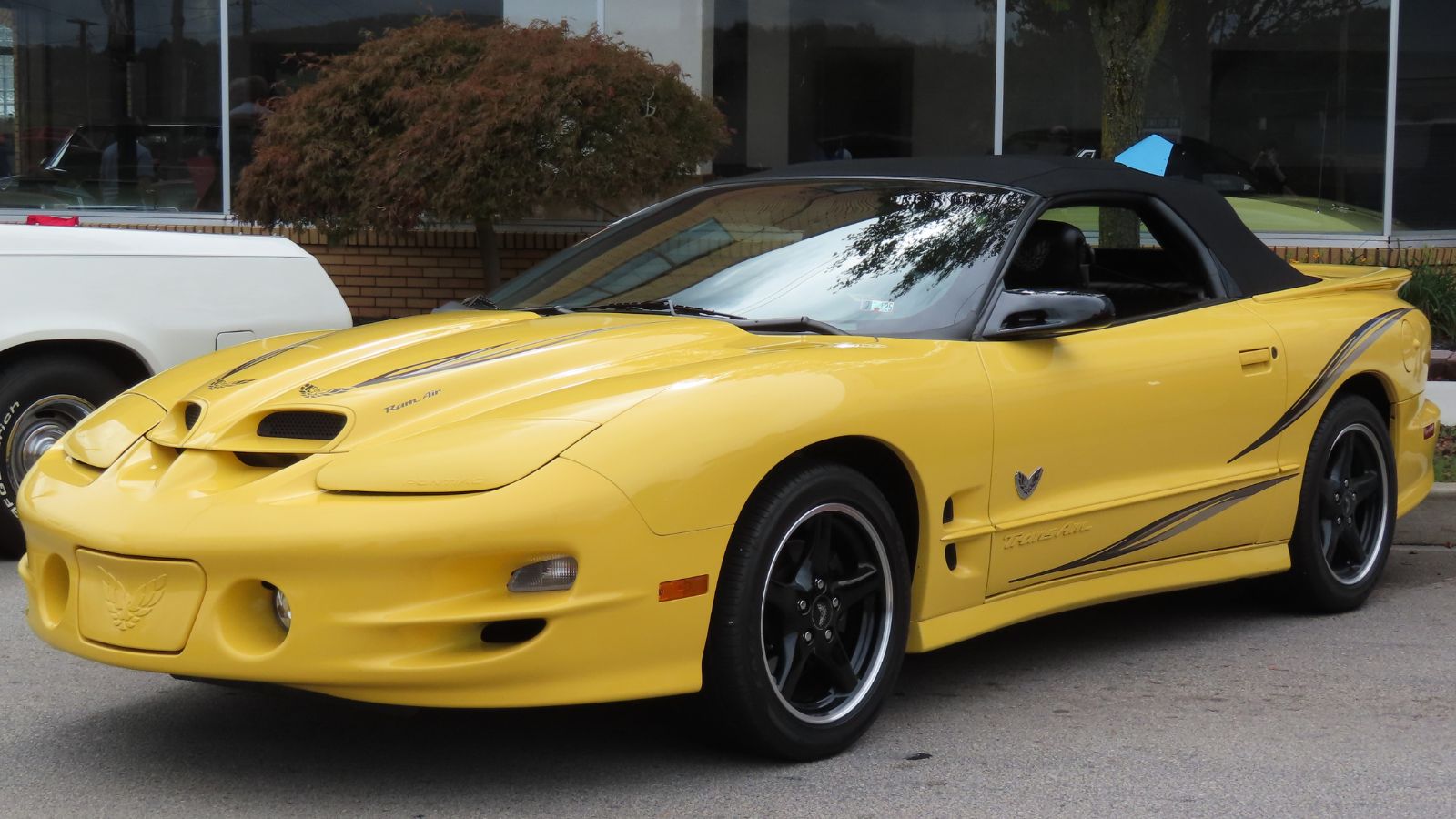
Production ended in 2002, marking the close of a significant chapter for Pontiac. The automotive landscape had shifted, and cars like the Firebird no longer fit the same mold. Yet its departure only strengthened its legacy. It left behind a loyal fan base and a reputation that continues to grow.
Why It Still Matters Today
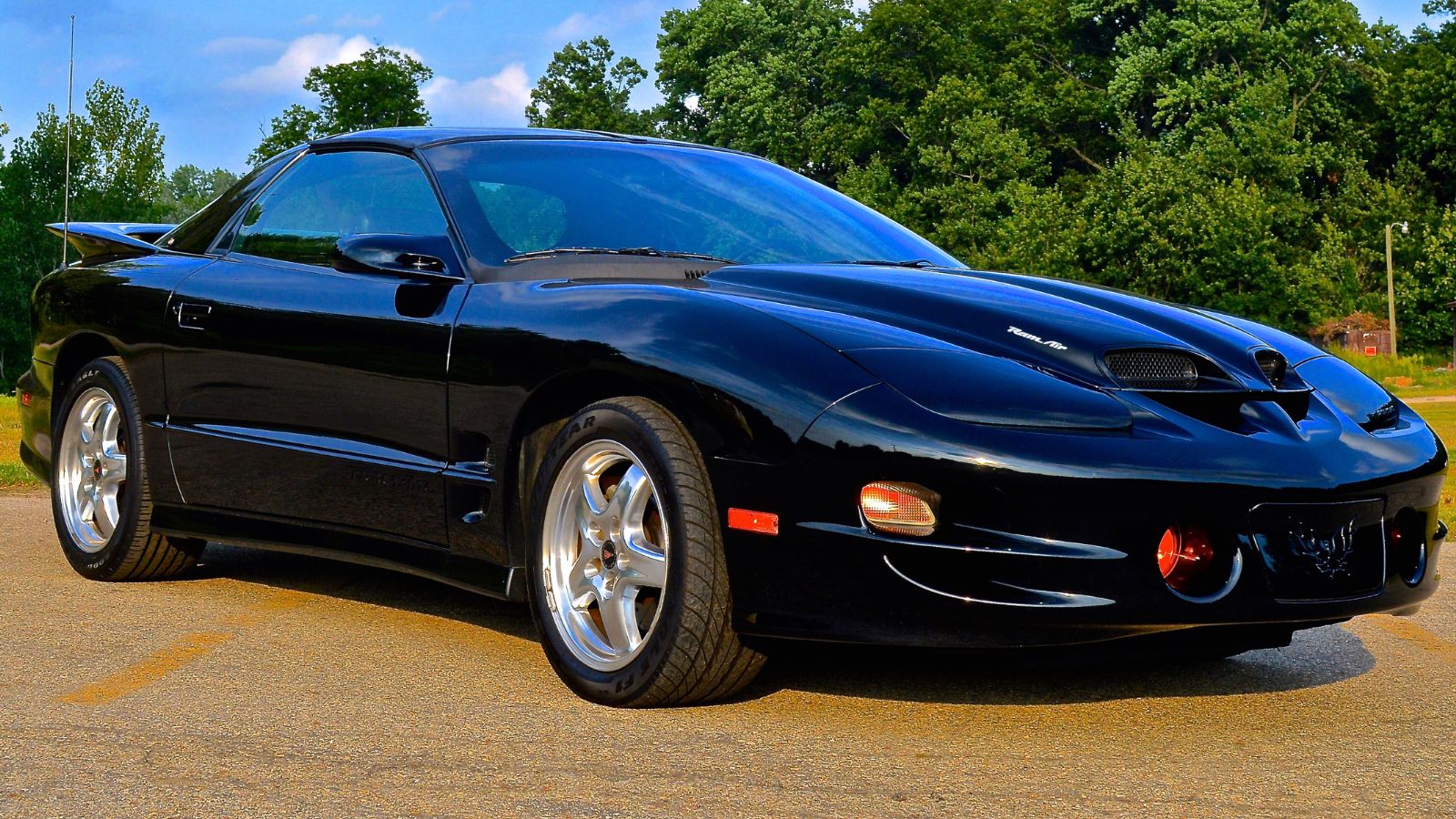
The Firebird remains a true icon because it delivered more than just performance. It offered style, character, and a sense of identity that connected with people. Whether it was cruising down a highway or parked at a meet, it always made a statement. That combination of presence and personality is what keeps it relevant even now.
25 Facts About Car Loans That Most Drivers Don’t Realize

Car loans are one of the most common ways people fund car purchases. Like any other kind of loan, car loans can have certain features that can be regarded as an advantage or a disadvantage to the borrower. Understanding all essential facts about car loans and how they work to ensure that you get the best deal for your financial situation is essential. Here are 25 shocking facts about car loans that most drivers don’t realize:
25 Facts About Car Loans That Most Drivers Don’t Realize
