Traffic in Canada’s largest cities feels worse every year. Toronto crawls, Vancouver jams up at the slightest drizzle and Montreal’s roadwork makes even short trips unpredictable. With highways clogged and commutes stretching longer than some sitcom episodes, city planners are hunting for new ideas. One proposal keeps resurfacing. Create a special priority lane just for electric vehicles. Reward clean transportation with faster travel and use the lane as a visible incentive for more Canadians to go electric.
It sounds innovative. It sounds modern. But if implemented today, it might spark more fury from drivers than actual improvement on the road.
Why EV Priority Lanes Look Smart on Paper
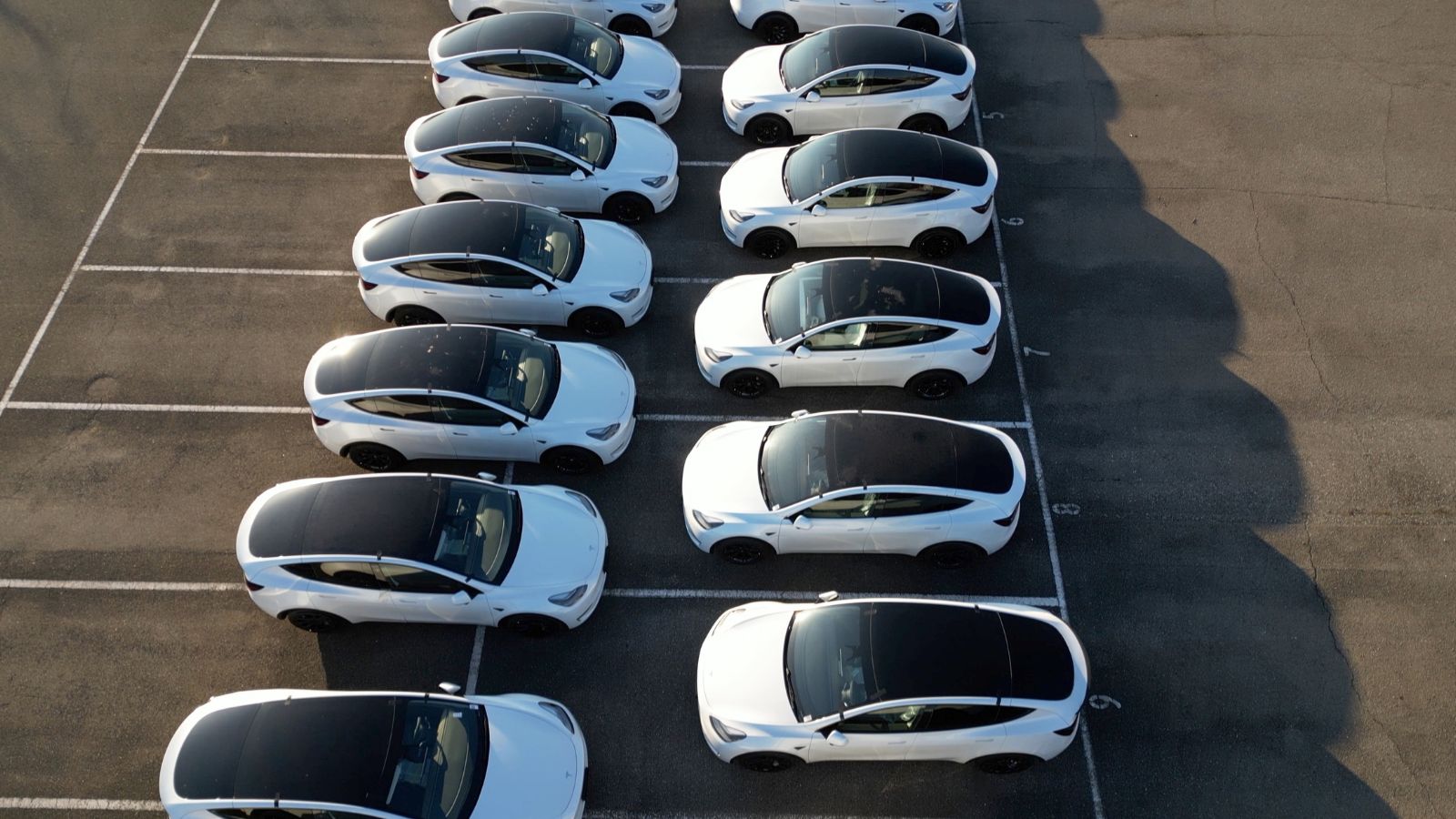
Supporters argue that if Canada wants more drivers in cleaner vehicles, it needs more than rebates and marketing campaigns. A lane reserved for EVs could function as a constant reminder that driving electric comes with real perks. In theory, EVs could move more efficiently, maintain consistent speeds and reduce the stop and go ripple that slows everyone else down. Cities battling smog or climate targets also like the optics. Nothing sends a clearer message than a fast moving lane filled with silent, low emission vehicles gliding past bumper to bumper traffic.
Some planners even believe EV priority lanes could smooth overall flow. EVs accelerate steadily, brake consistently and rely on computerized systems that avoid the jerky behavior of worn out gas cars. A lane filled with predictable movement might reduce merging conflicts and speed up adjacent lanes. At least, that is the theory.
The Reality, Canadians Do Not Like Feeling Punished
Drivers already feel squeezed by rising fuel prices, higher insurance costs and record breaking new car prices. Adding a lane only some people can use creates an instant divide on the road. Canadians have a strong sense of fairness and a strong dislike for unnecessary hierarchy. Watching a row of brand new EVs float past while everyone else sits trapped in gridlock would trigger frustration, not inspiration.
It would not take long before talk radio exploded, social media boiled and petitions circulated demanding the lanes be scrapped. Even many EV owners would feel awkward benefiting so visibly from a rule that excludes everyone else.
EV Numbers Are Still Too Low to Justify It
For EV priority lanes to make sense, the vehicles using them must form a meaningful portion of the traffic flow. In Canada, we are not there yet. Even in EV friendly cities such as Vancouver, adoption is strong but nowhere near dominant. In most provinces, EVs make up a small fraction of vehicles on the highway at any given moment. That means the lane would look empty most of the time. Nothing irritates commuters faster than staring at unused pavement they are not allowed to touch.
Empty lanes do not reduce congestion. They simply waste road space taxpayers already paid for.
HOV Lanes Work Because They Reduce Cars, Not Reward Them
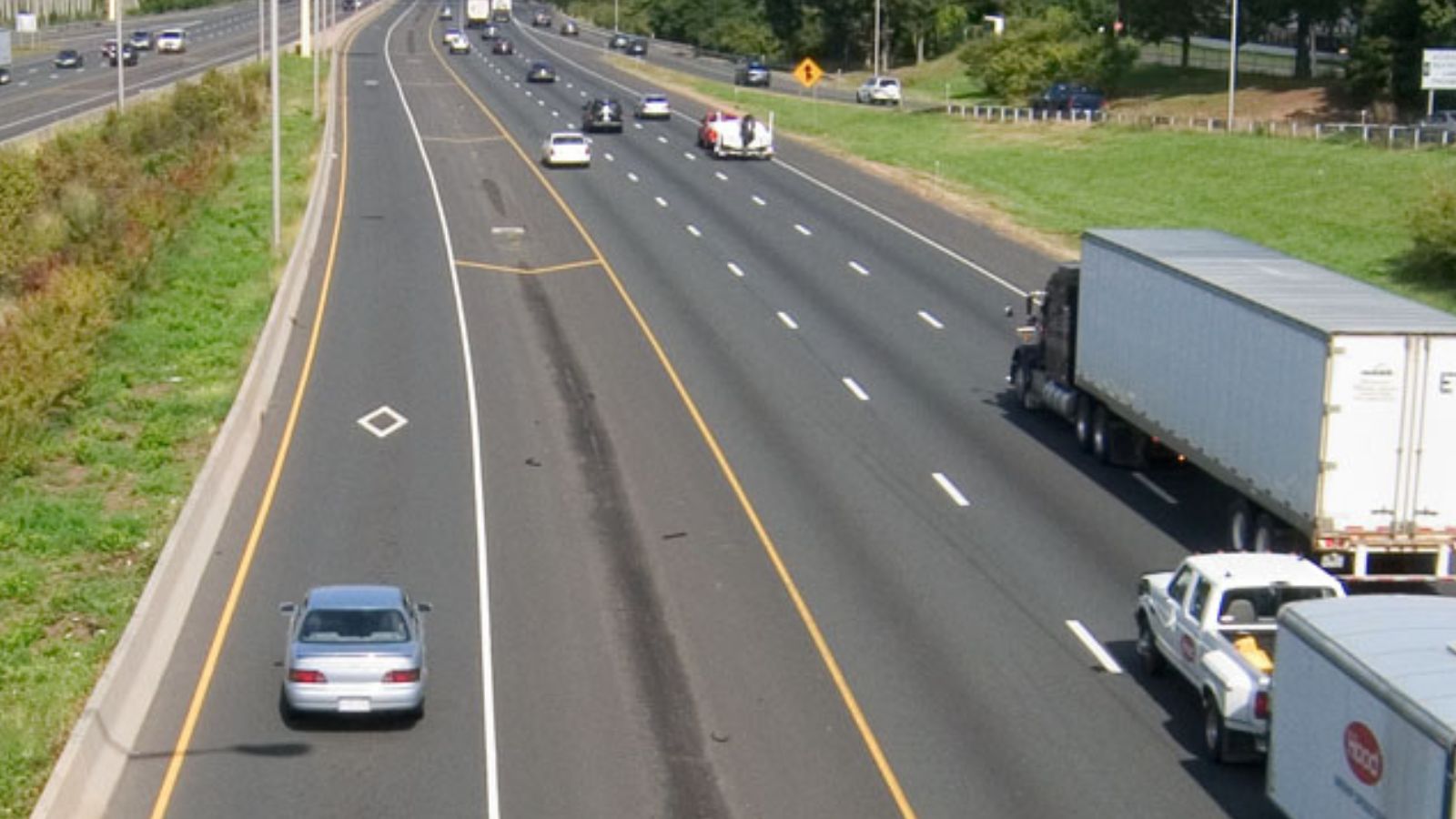
HOV lanes encourage carpooling, which physically removes vehicles from the road. That is why they work. EV lanes do not remove anything. All the vehicles are still present, just reshuffled. Drivers in gas or hybrid vehicles sit in the same queues, but now with less room. The idea may increase EV pride, but it does not reduce congestion. Ultimately it is a traffic solution that does not actually solve traffic.
Enforcement Would Be a Headache
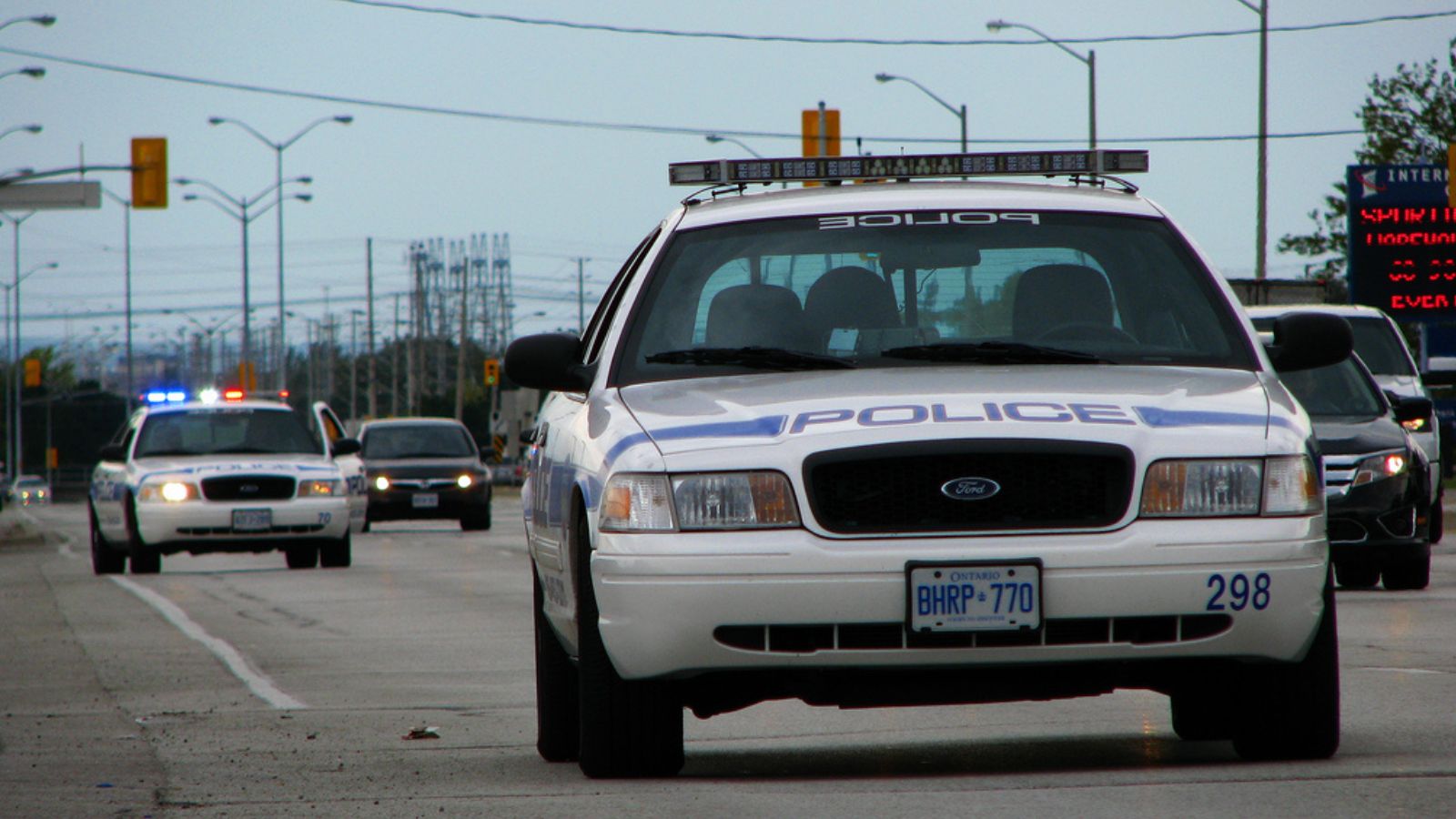
Canadian police already struggle with enforcing HOV lanes, bike lanes and construction zones. Now imagine adding a lane where officers must determine whether a passing vehicle is fully electric, plug in hybrid or standard hybrid on the fly. Mistakes will happen. Arguments will happen. The gray area between hybrid types alone would become a daily headache.
Add winter conditions, where visibility drops and snow obscures lane markings, and enforcement becomes nearly impossible.
Would Canadians Abuse the Lane? Absolutely
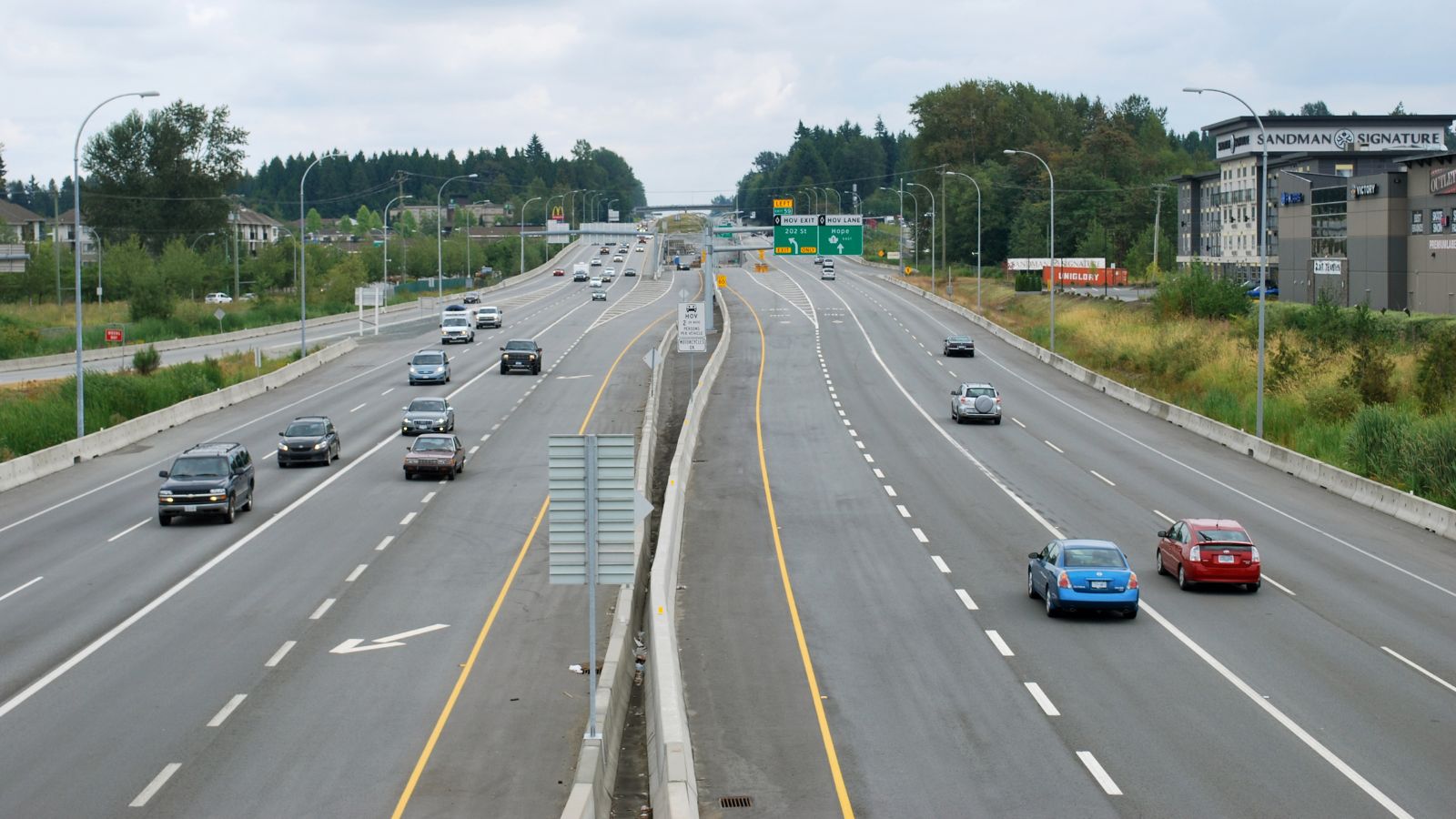
Drivers already gamble with HOV lanes during rush hour. Now picture someone in a gas powered crossover thinking, the lane looks empty and nobody is around. What’s the harm? Multiply that mindset across thousands of commuters and the EV lane loses its purpose. Without strict enforcement, it becomes just another regular lane that angers everyone except the rule breakers.
A Shared Priority Lane Might Work Better
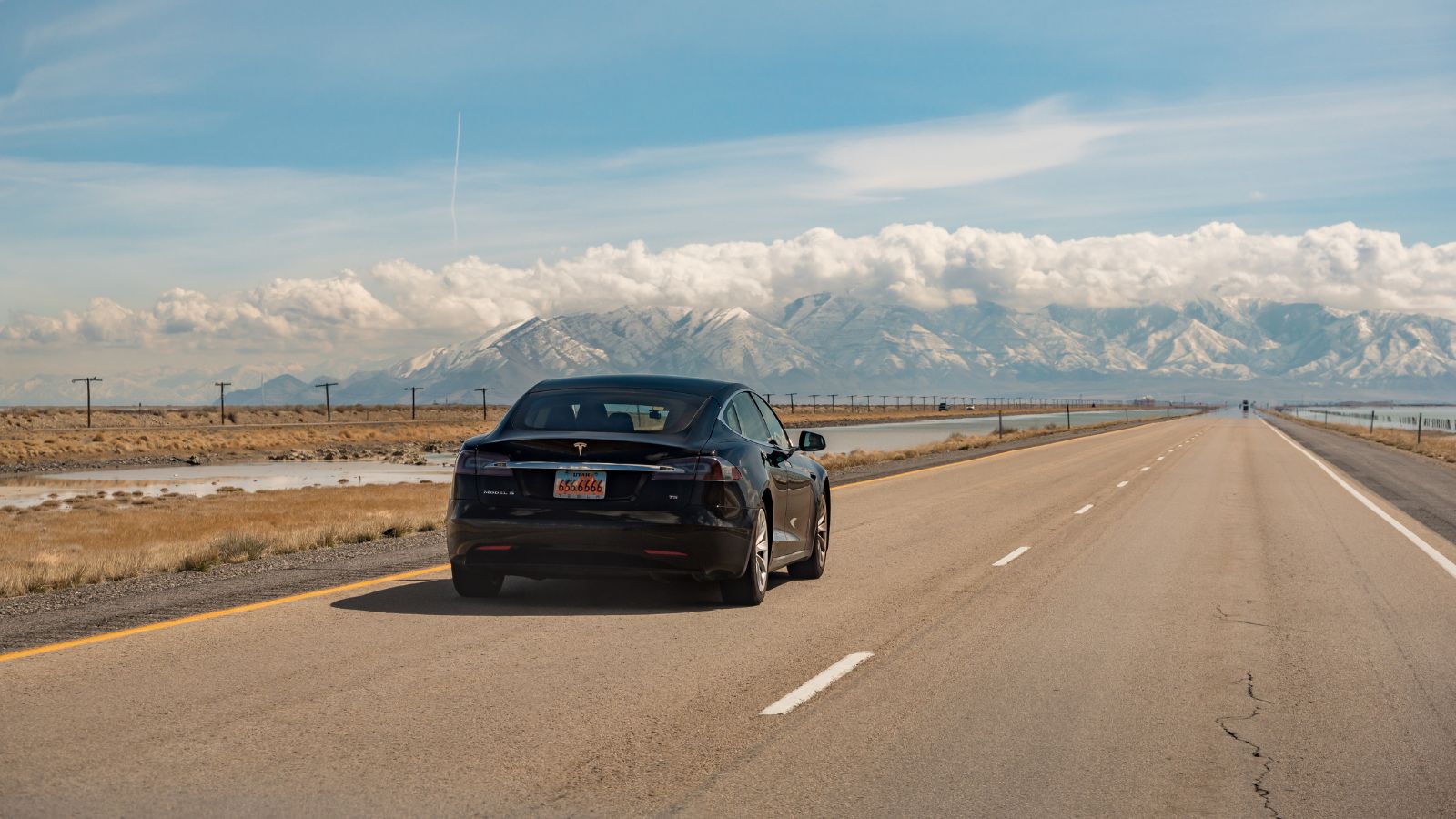
Some cities in Europe tested a softer approach. Let EVs use HOV lanes temporarily instead of creating entirely new lanes. This gives EV owners a perk without alienating everyone else. It also avoids massive construction costs and political backlash. As EV usage grows, cities can revisit whether exclusive lanes make sense. Canada might embrace this blended model far more willingly than a rigid EV only lane.
The True Fix for Congestion Is Not EVs, It Is Fewer Cars
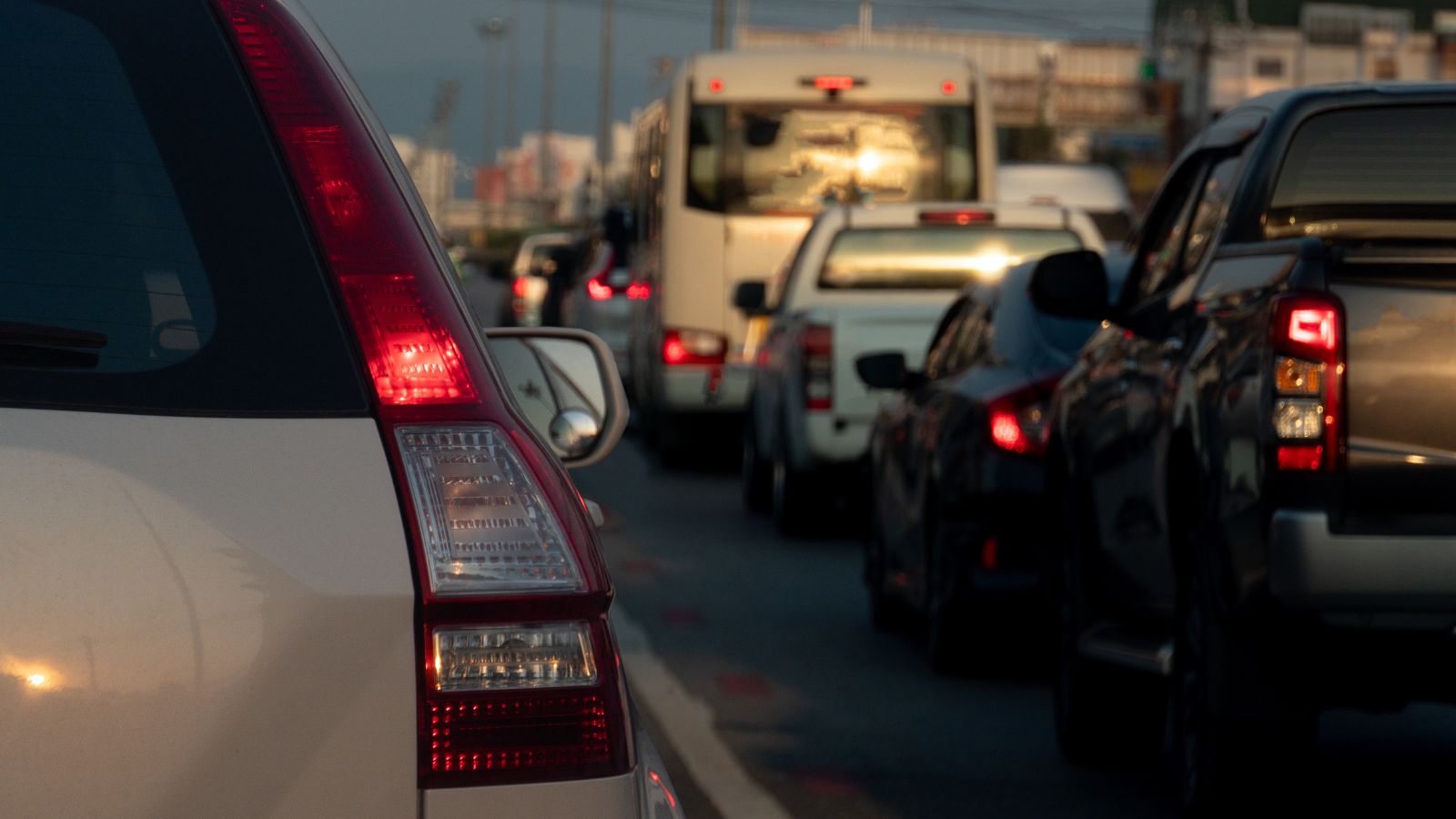
Traffic problems are not caused by engines, they are caused by volume. Switching all vehicles to electric would not magically open the roads. As long as millions of Canadians commute alone in their cars, highways will remain jammed. Better transit, smarter road design, flexible work schedules and improved cycling infrastructure all reduce vehicle volume. EV lanes do not.
Would EV Priority Lanes Improve Canadian Roads or Enrage Drivers?

Right now, the latter feels far more likely. Canadians already feel squeezed financially and frustrated by rising road congestion. Granting one group a special lane based on what they drive, not how they drive, would be a political and cultural powder keg. The idea has merit, but only when EVs form a much larger share of the national fleet. Until then, the optics are too divisive and the benefits too small.
The Priority

EV priority lanes look futuristic, but Canada is not ready. They risk causing more resentment than relief, and they do little to solve the underlying problem of too many cars competing for too little space. The smarter strategy is improving transit, refining HOV rules and expanding infrastructure until EV adoption reaches a point where priority lanes might make sense.
25 Facts About Car Loans That Most Drivers Don’t Realize

Car loans are one of the most common ways people fund car purchases. Like any other kind of loan, car loans can have certain features that can be regarded as an advantage or a disadvantage to the borrower. Understanding all essential facts about car loans and how they work to ensure that you get the best deal for your financial situation is essential. Here are 25 shocking facts about car loans that most drivers don’t realize:
25 Facts About Car Loans That Most Drivers Don’t Realize
