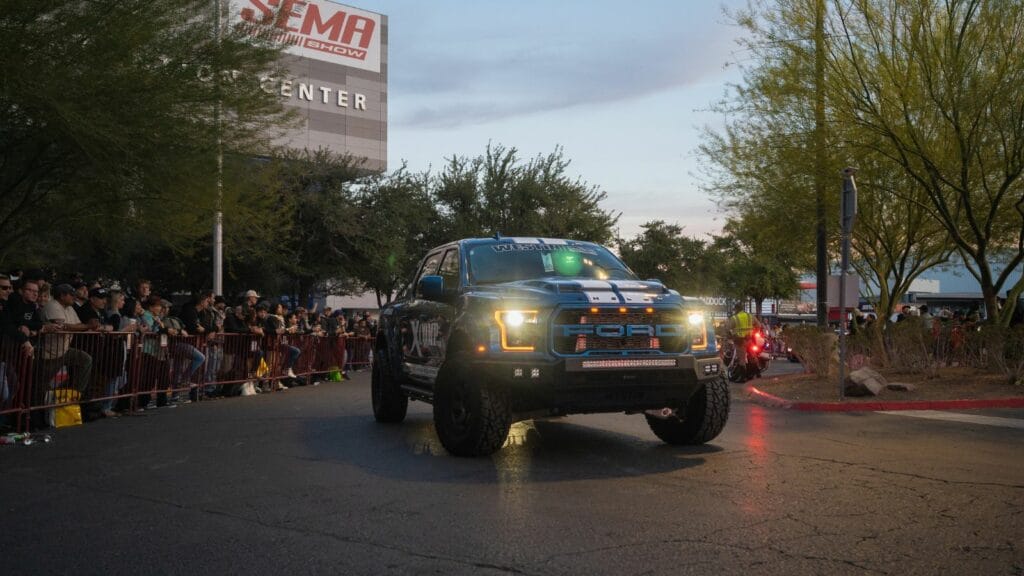
Buying a car means trusting it to keep you safe. In Canada, harsh weather, long distances, and heavy traffic make that trust even more important. But every year, major safety recalls affect thousands of vehicles, forcing owners to reschedule routines, wait in service bays, and question whether their car is safe to drive. Some recalls are minor software fixes, while others involve brakes, airbags, or steering — components you absolutely don’t want to fail. Here are ten cars that have faced significant safety recalls in Canada, and what drivers should know before they buy or drive one.
Toyota Corolla
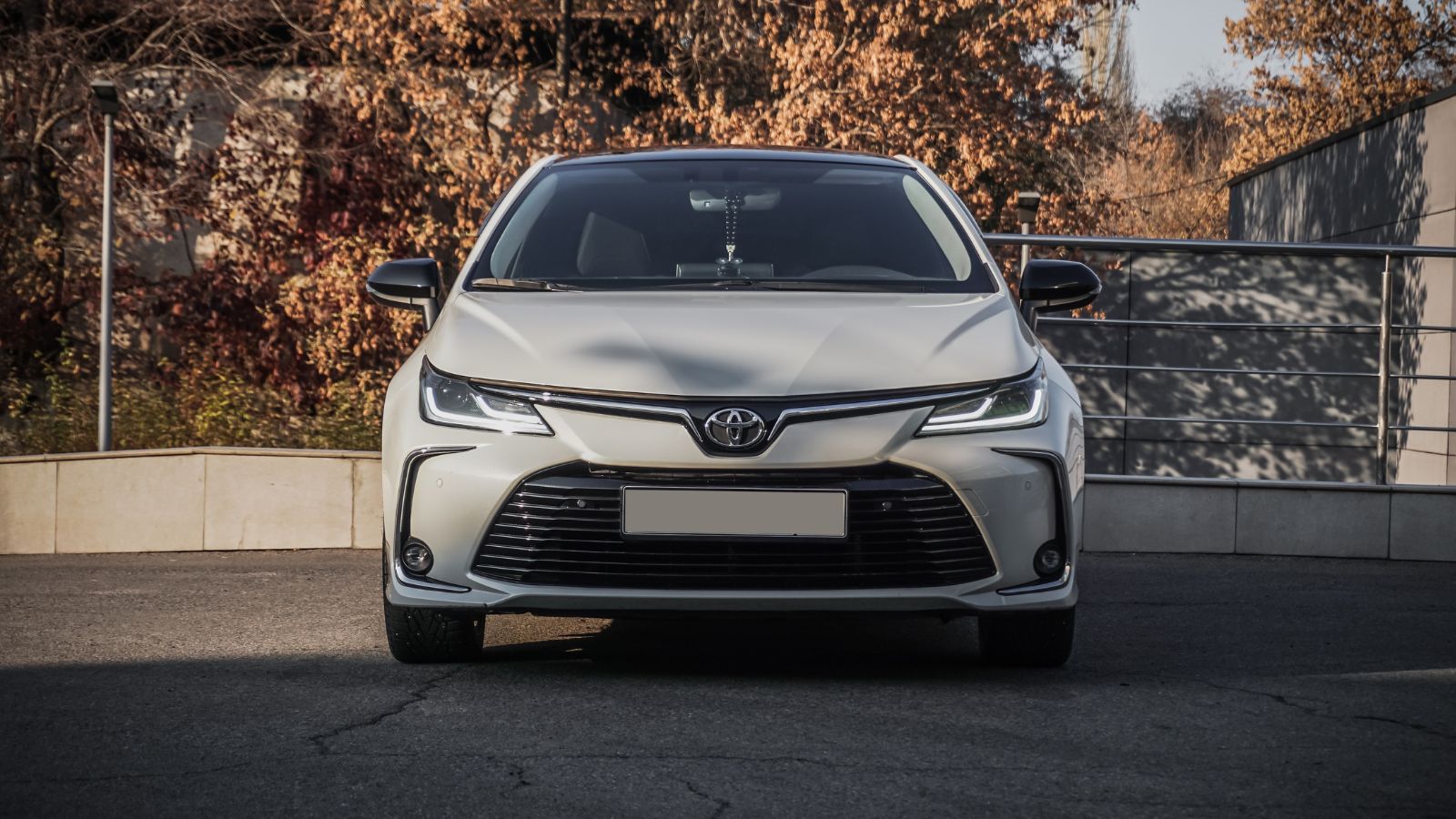
The beloved Toyota Corolla has had stellar reliability, but it’s not immune to recalls. Certain model years faced airbag inflator issues and brake system concerns that affected stopping performance. Because Corollas are so widely owned, these recalls impacted a large number of Canadians and required dealership fixes before the cars could be confidently driven again.
Honda Civic
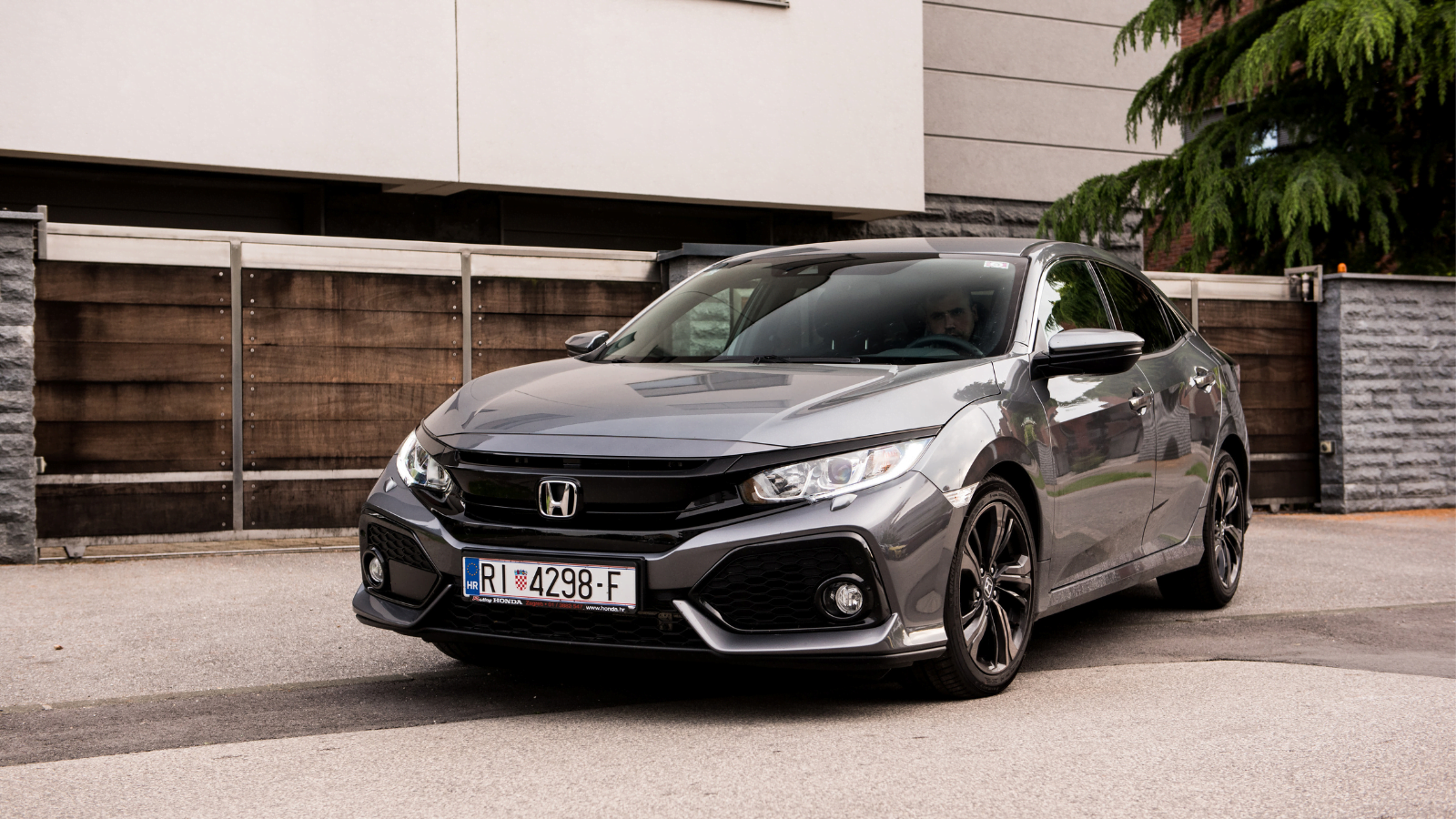
The Honda Civic’s popularity means recalls register loudly. Several recent model years dealt with issues like malfunctioning airbags and fuel pump failures. In some cases, vehicles needed both safety and emissions related corrections. Canadian owners needed to respond fast to factory notices to keep their cars street-legal and safe.
Ford F-150
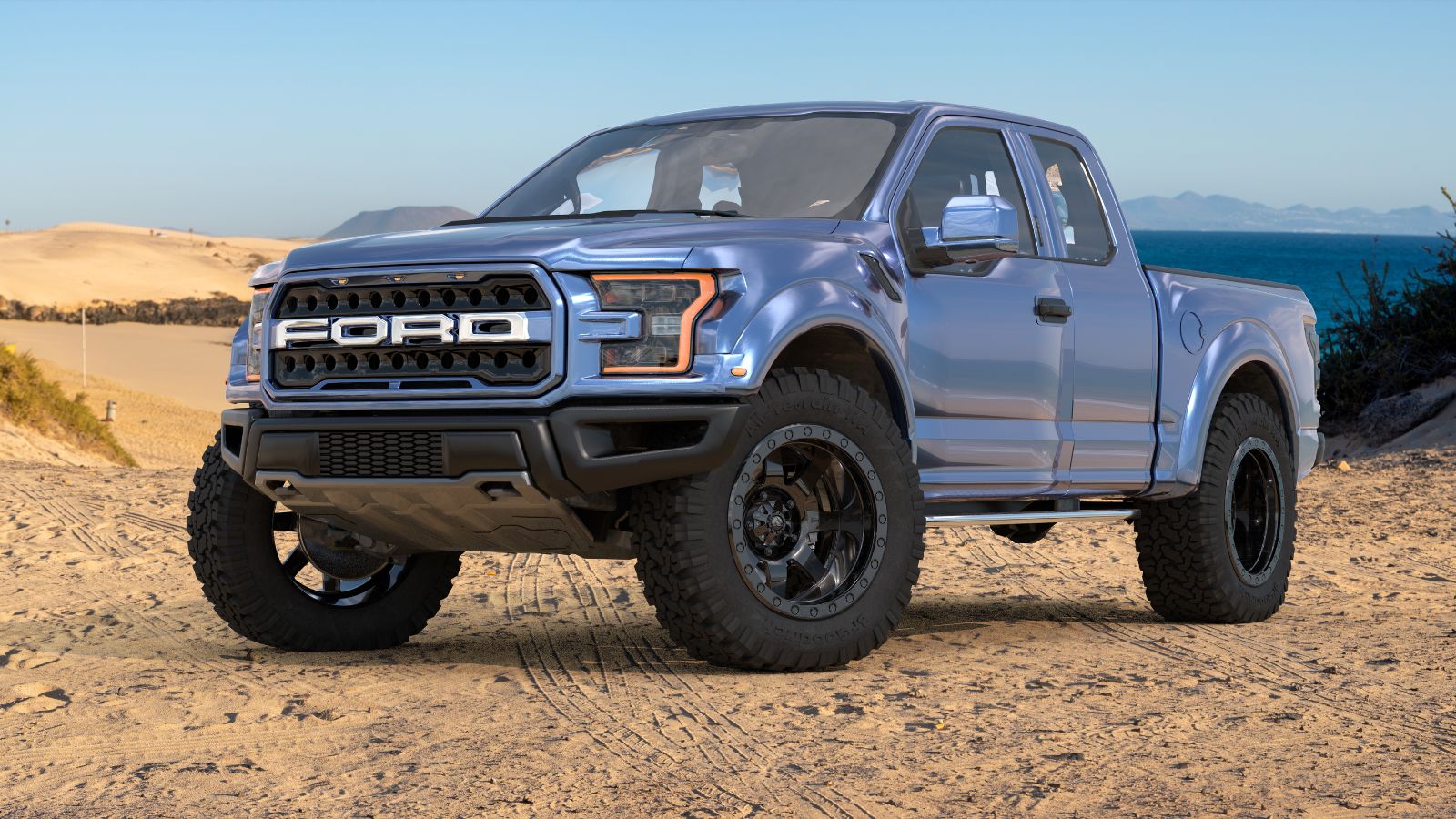
The F-150’s recalls have ranged from steering column defects to electronic trailer brake module faults that could affect control while towing. With so many Canadians relying on F-150s as daily drivers and workhorses, these recalls underscore how critical drivetrain and steering components are to safety — particularly in heavy vehicles.
Chevrolet Silverado 1500
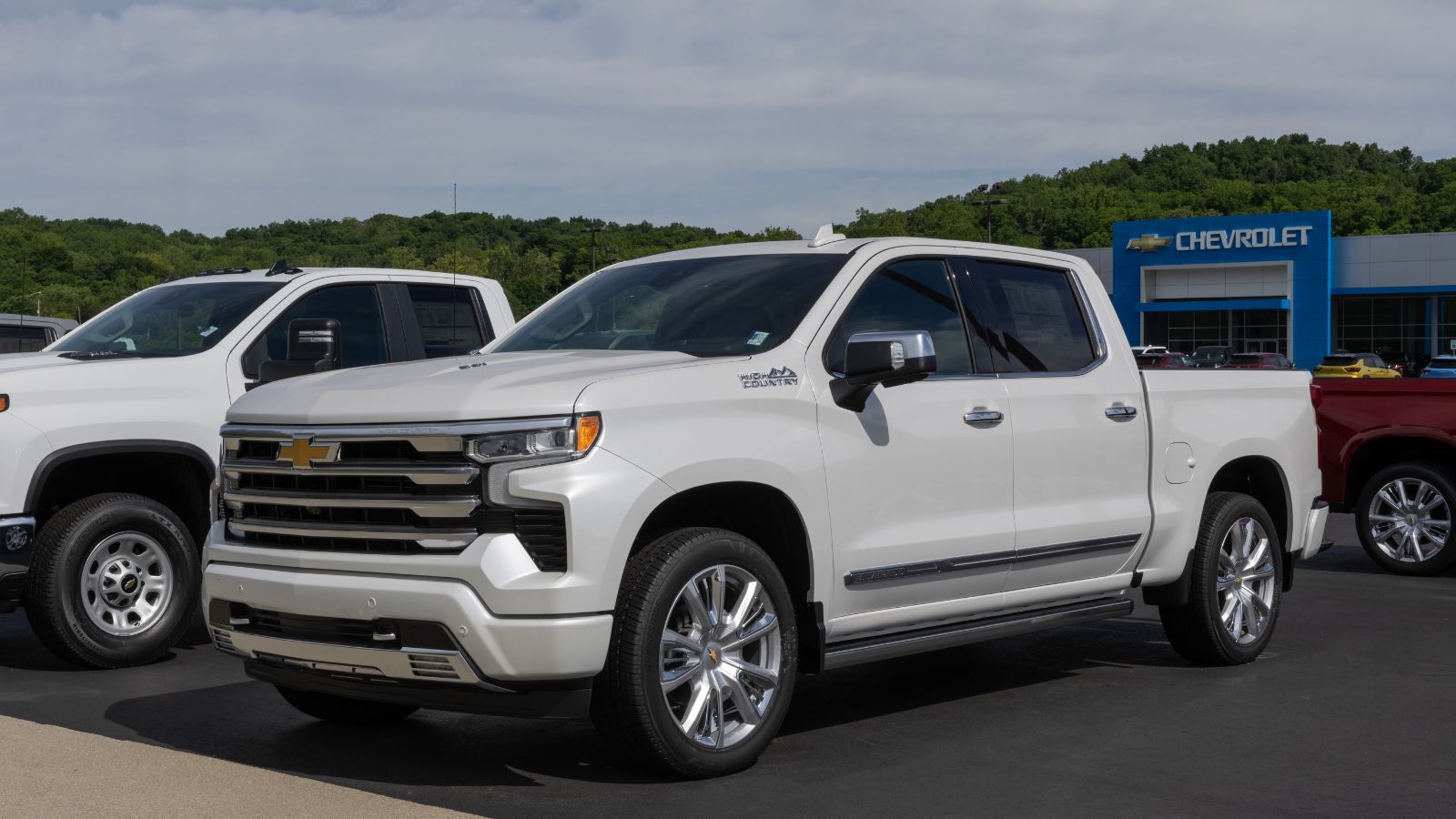
Like its Ford counterpart, the Silverado has faced recalls involving airbags and seatbelt pretensioners that may not deploy correctly in a crash. Vehicles with unresolved airbag recalls pose clear risks in serious collisions, making dealership intervention essential before continued use.
Jeep Grand Cherokee
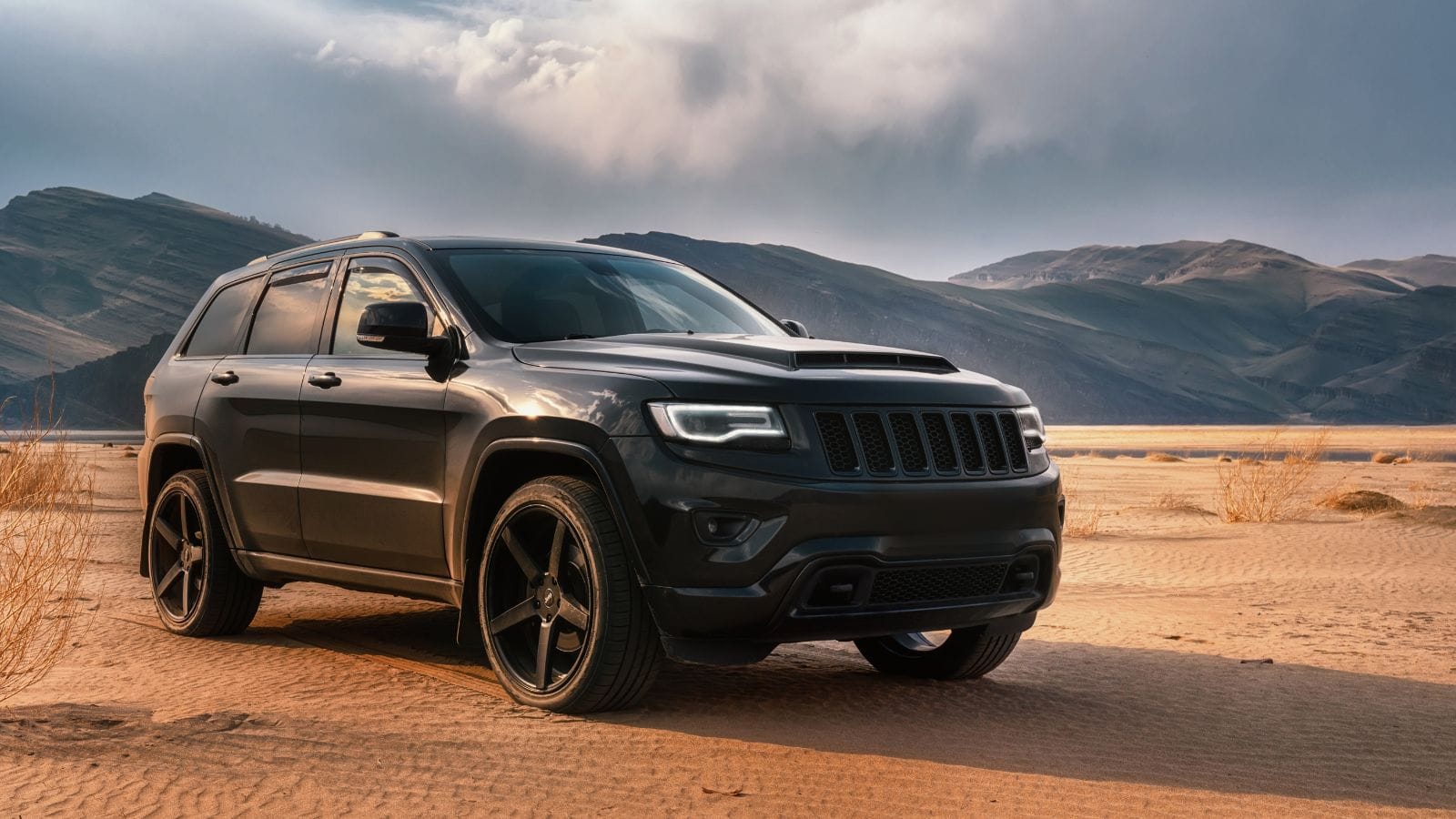
The Grand Cherokee saw recalls related to electrical issues that could affect engine stalls or loss of power assist. There were also concerns with suspension components in certain trims that could worsen handling. These are examples of recalls that don’t just fix warning lights — they address problems that impact vehicle control.
Volkswagen Tiguan
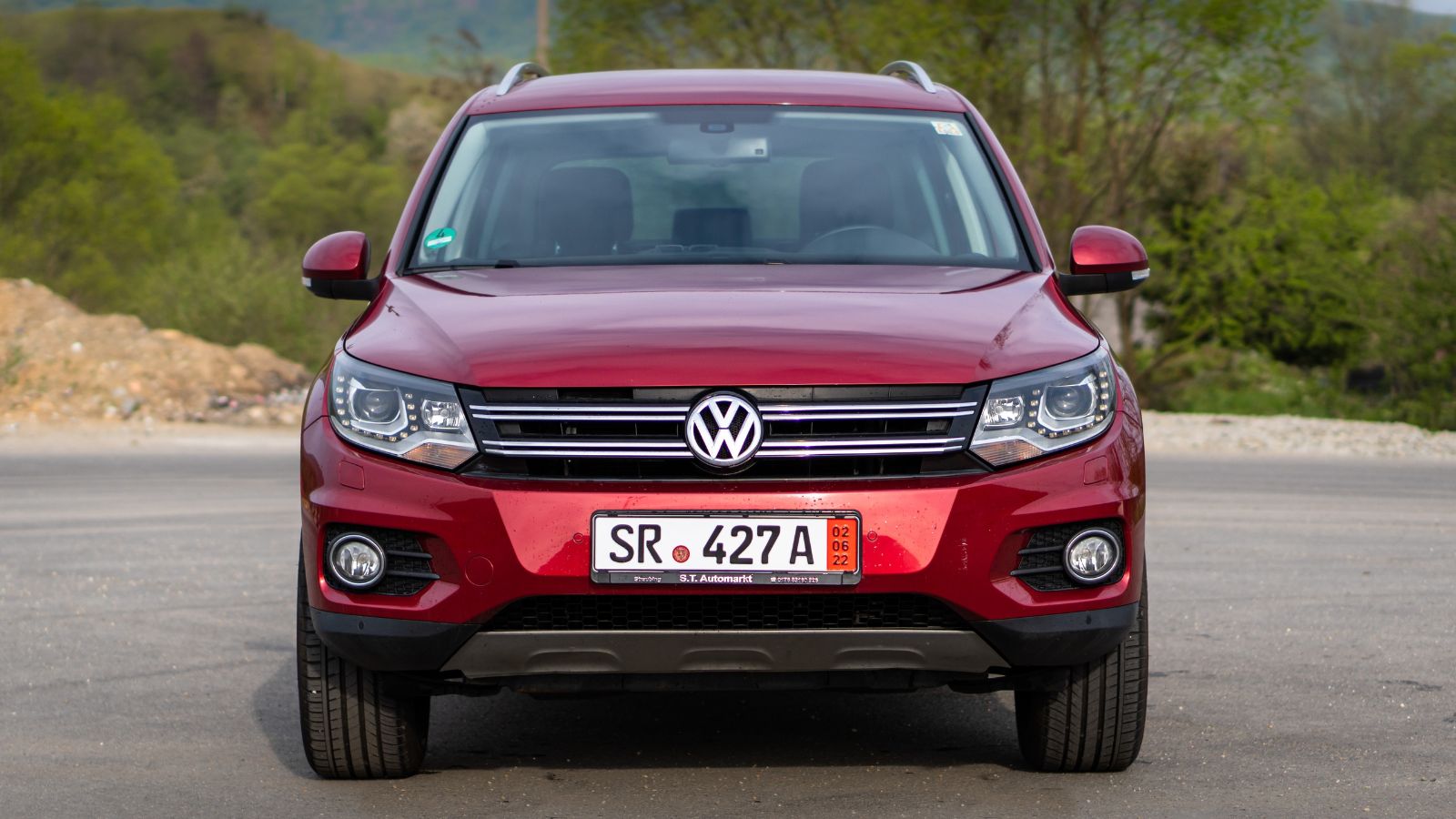
The Tiguan has been recalled for issues including faulty fuel injectors and wiring harness defects that could lead to fires. Fuel system and electrical issues are among the most serious recall types because they can occur without much warning and impact core vehicle operation.
Mazda CX‑5

Certain Mazda CX-5 years were affected by recalls around potential engine stalling and faulty fuel delivery components. Any issue that can randomly shut down the engine — especially on highways or during winter — is more than inconvenient. Canadian owners were advised to address these quickly at authorized service centers.
Hyundai Santa Fe
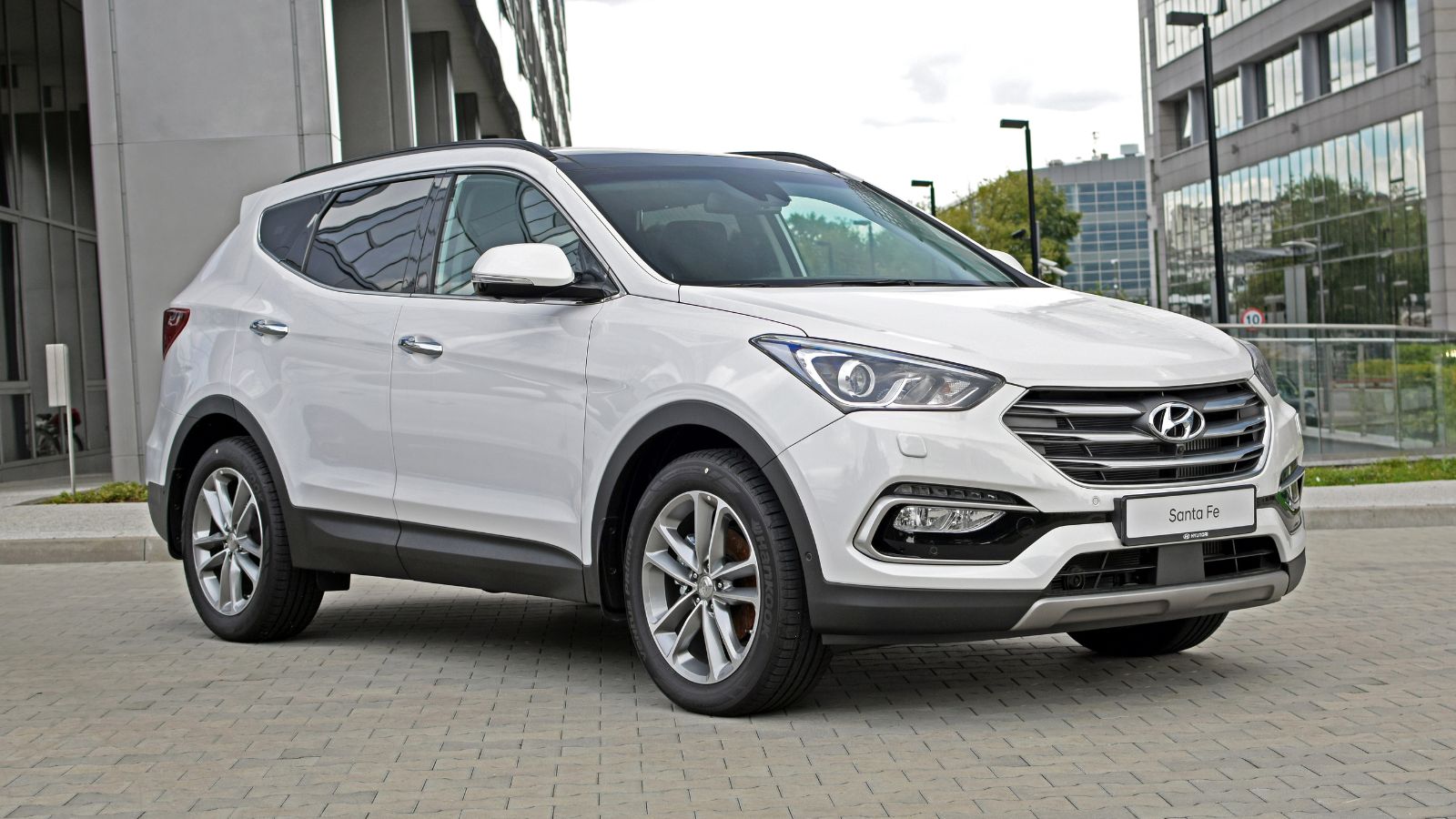
The Santa Fe lineup had recalls related to seatbelt anchor problems and brake system issues that could compromise stopping distance. These safety systems are fundamental, and owners were urged to act promptly to ensure their family hauler met the necessary safety standards.
Subaru Forester
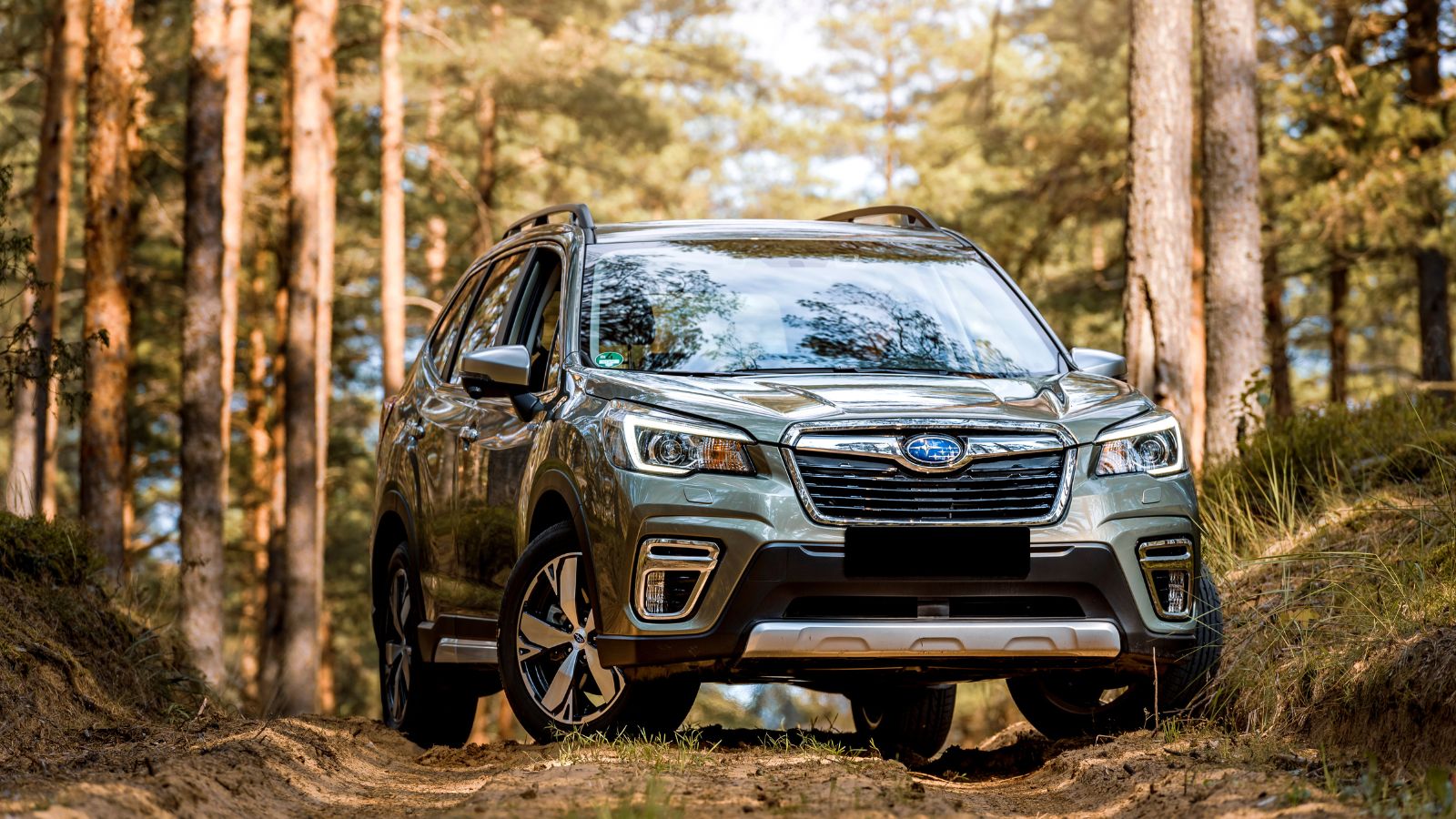
Subaru’s AWD reputation doesn’t protect it from recalls. Certain Forester models were affected by issues with door latch mechanisms and windshield wiper motors that could fail without warning — problems that are especially concerning when weather conditions worsen, as they often do across Canada.
Tesla Model S
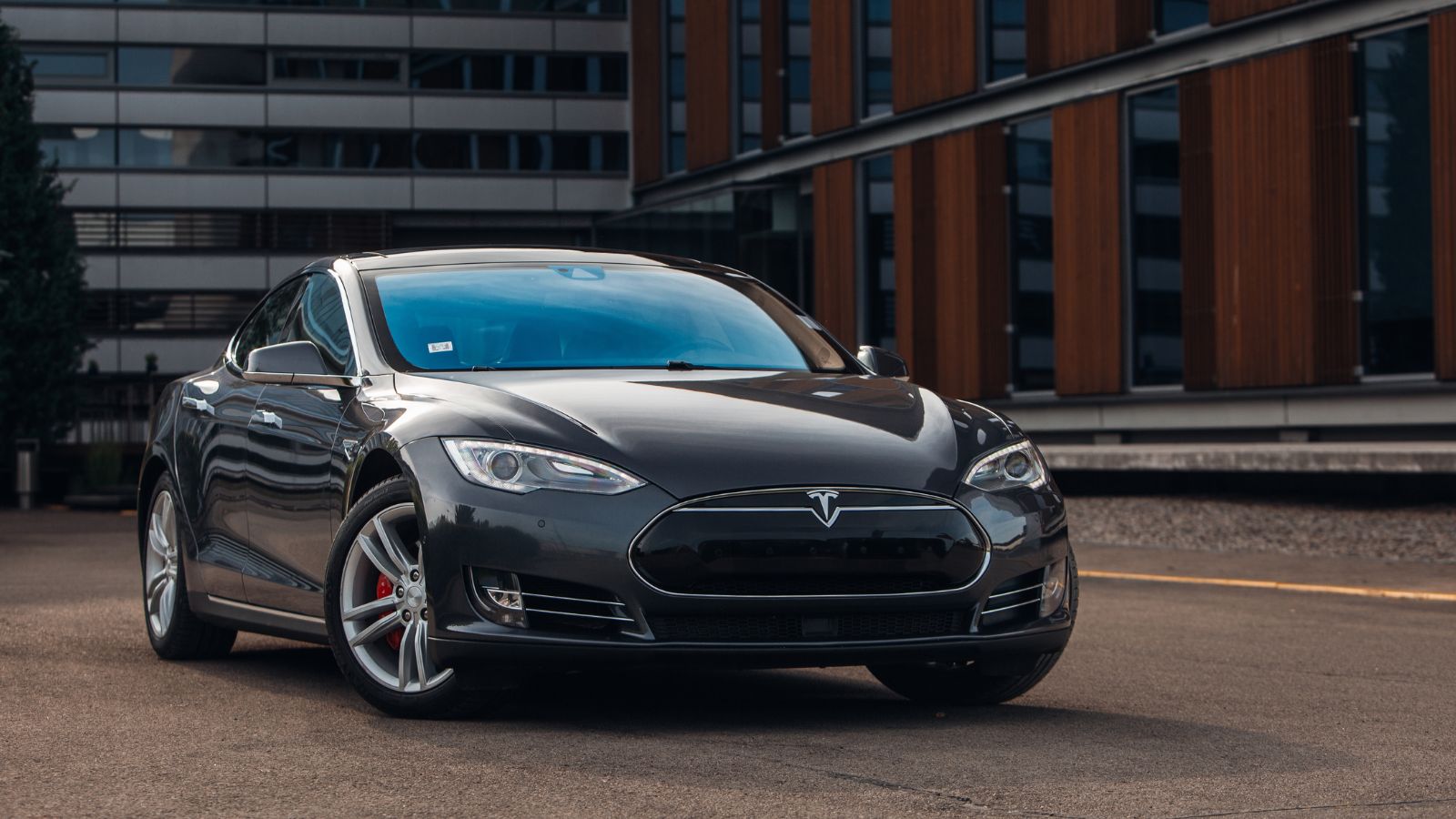
Even high-tech EVs have seen significant recalls. The Model S experienced recalls involving suspension components and safety-critical software functions. While Tesla handles many updates over the air, hardware recalls still require in-person service to ensure that vital systems perform as intended.
What “Safety Recall” Really Means
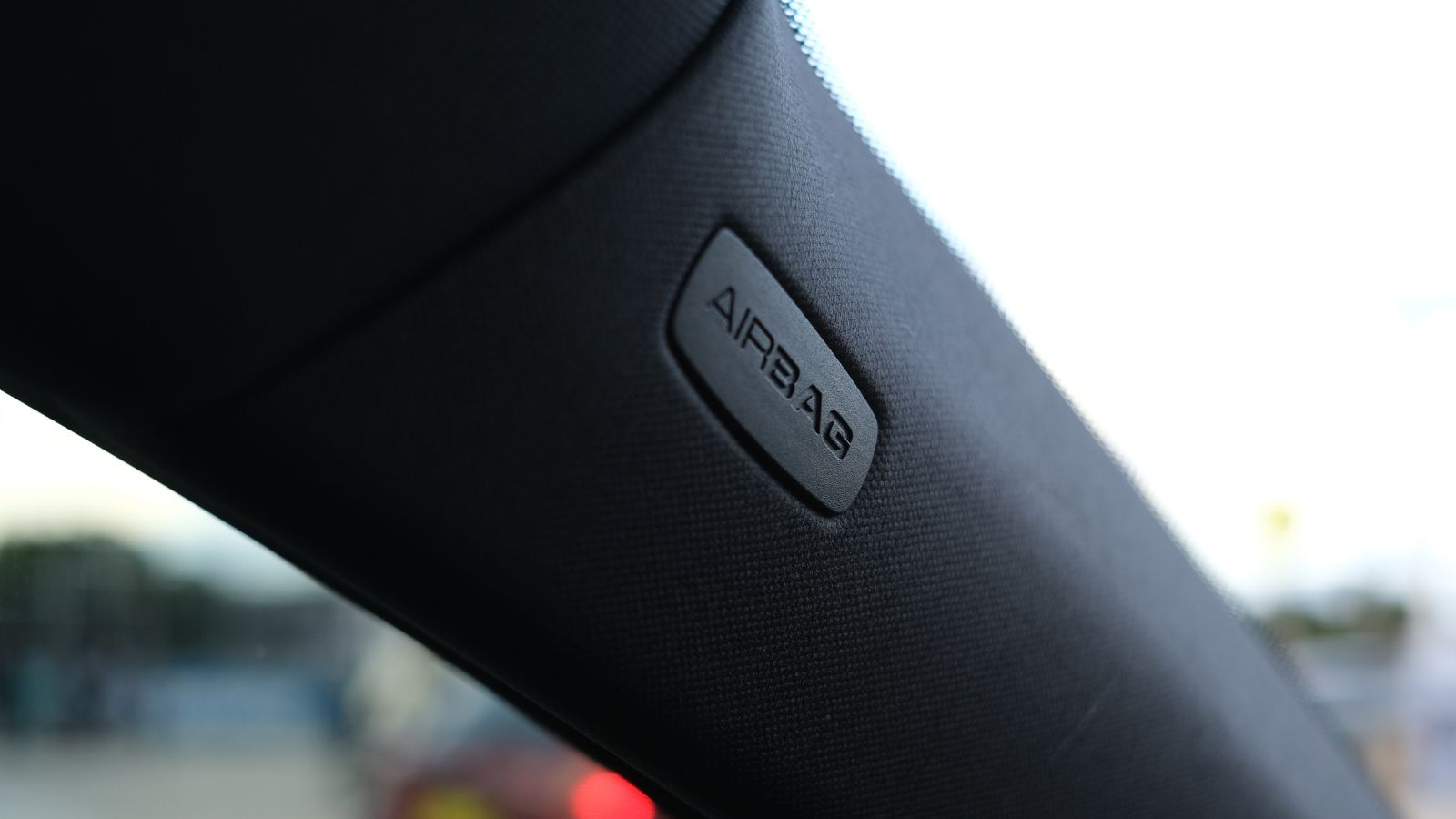
A safety recall doesn’t necessarily mean a car is about to fail spectacularly. What it does mean is that the manufacturer or Transport Canada identified a component or system that could fail in a way that increases risk — sometimes under specific conditions. Brakes, airbags, steering, fuel systems, and suspension parts are among the most critical areas.
Recalls are often covered at no cost to owners, but only if they are addressed promptly. Ignoring recall notices does not protect you from liability or future costs, and in some cases, unresolved safety recalls can affect resale value or even vehicle insurance.
How to Check Before You Buy
For Canadians shopping used, checking the recall history should be a top priority. Every vehicle with a Canadian VIN has a recall record that can be accessed through manufacturer websites or Transport Canada’s recall database. A clean recall history or documented completion of safety corrective actions adds peace of mind to any purchase.
In a country built for long distances, tough weather, and high expectations of reliability, understanding recalls is not optional. These ten cars show that even popular models can have serious safety notices and doing your homework before you buy or drive can make all the difference.
25 Facts About Car Loans That Most Drivers Don’t Realize

Car loans are one of the most common ways people fund car purchases. Like any other kind of loan, car loans can have certain features that can be regarded as an advantage or a disadvantage to the borrower. Understanding all essential facts about car loans and how they work to ensure that you get the best deal for your financial situation is essential. Here are 25 shocking facts about car loans that most drivers don’t realize:
25 Facts About Car Loans That Most Drivers Don’t Realize
