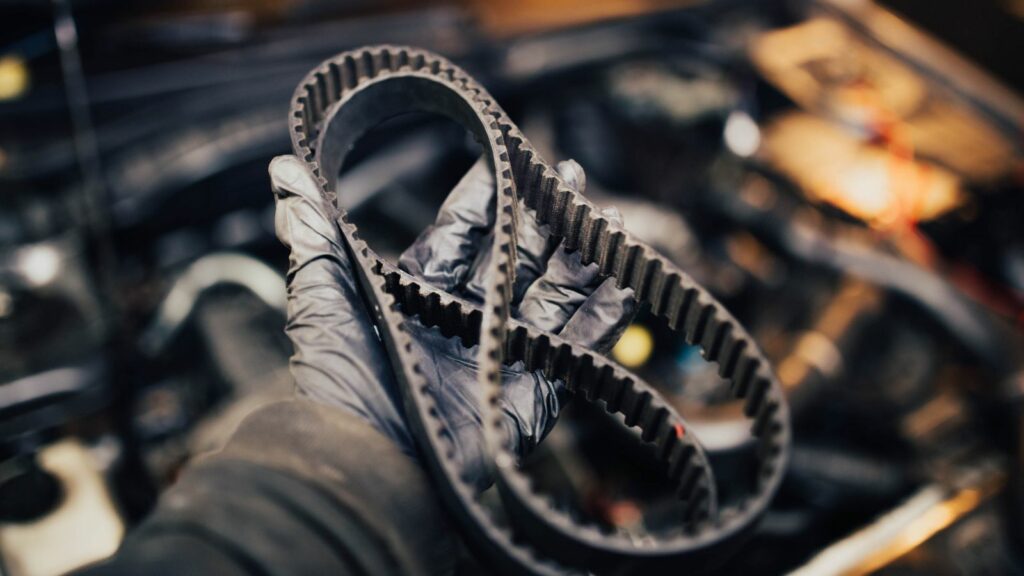
Few maintenance decisions feel urgent when an engine starts normally, sounds healthy, and shows no warning lights. For vehicles equipped with a timing belt, however, postponing one scheduled replacement can carry unusually expensive consequences. The belt quietly keeps critical internal engine parts synchronized, and when it fails, the difference between routine maintenance and major mechanical damage can be measured in thousands of dollars.
The risk varies by engine design, age, mileage, operating conditions, and service history, which makes generic advice especially dangerous. These 12 key issues explain why timing-belt maintenance deserves more attention than its modest appearance suggests, how a short delay can escalate into a four-figure repair, and which related components can determine whether the job remains preventive maintenance or becomes an engine rebuild.
A Small Belt Controls a Very Big Job
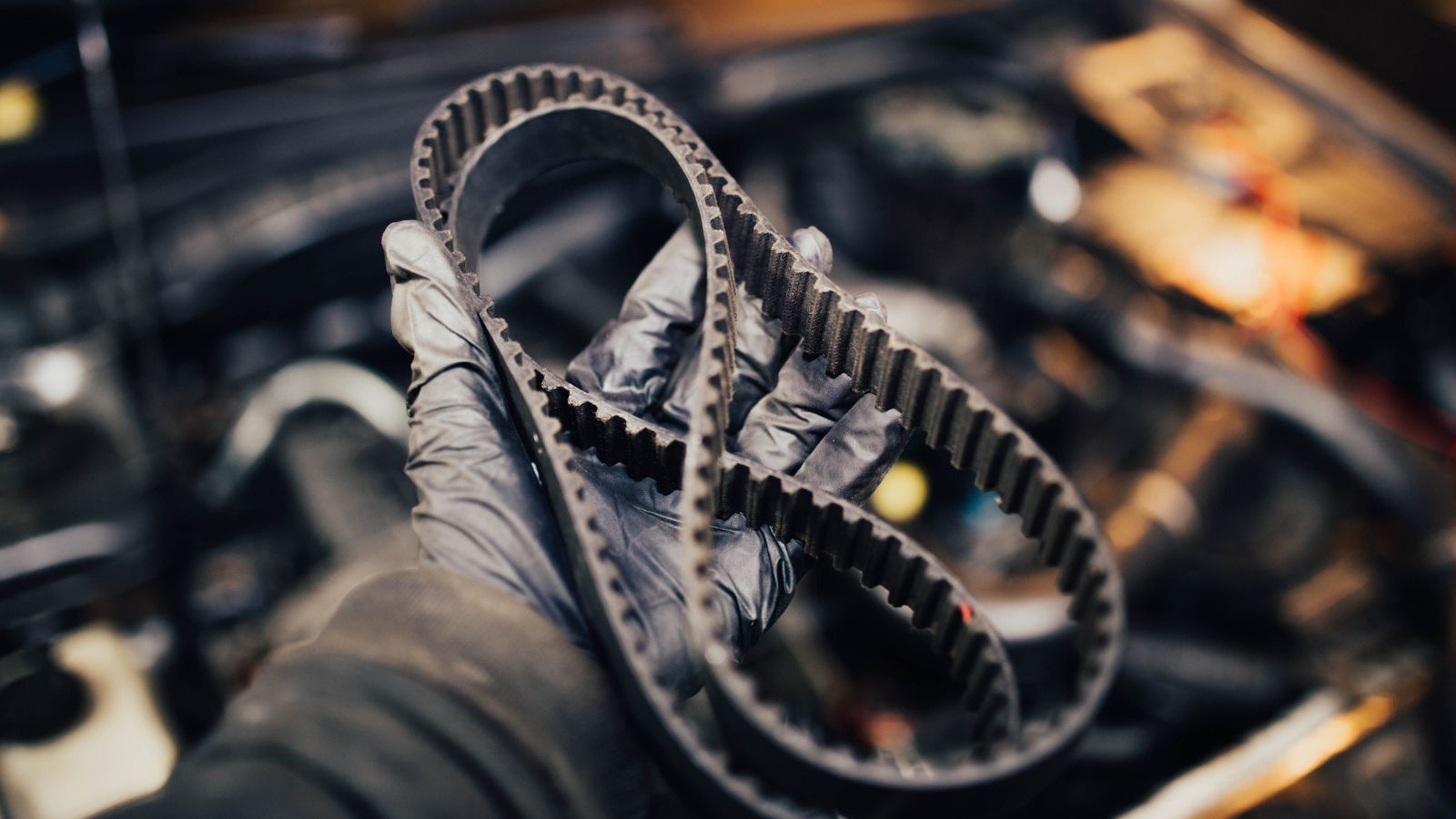
A timing belt looks modest compared with the engine around it, but its job is exacting. It keeps the crankshaft and camshaft synchronized so the pistons and valves move in the correct sequence. When that synchronization disappears, an engine can stop immediately. That is why postponing a scheduled belt change is very different from delaying a cosmetic fix or replacing a worn cabin filter.
The danger is easy to underestimate because the belt often sits behind covers and gives the driver little reason to think about it. On many engines, a broken belt can allow pistons and valves to collide, damaging valves, pistons, or the cylinder head. Gates warns that a broken timing belt can produce damage costing thousands of dollars. What feels like a small scheduling decision can therefore become a tow, an engine teardown, and a repair bill that dwarfs the cost of planned preventive maintenance on time.
The Replacement Deadline Is Not Universal
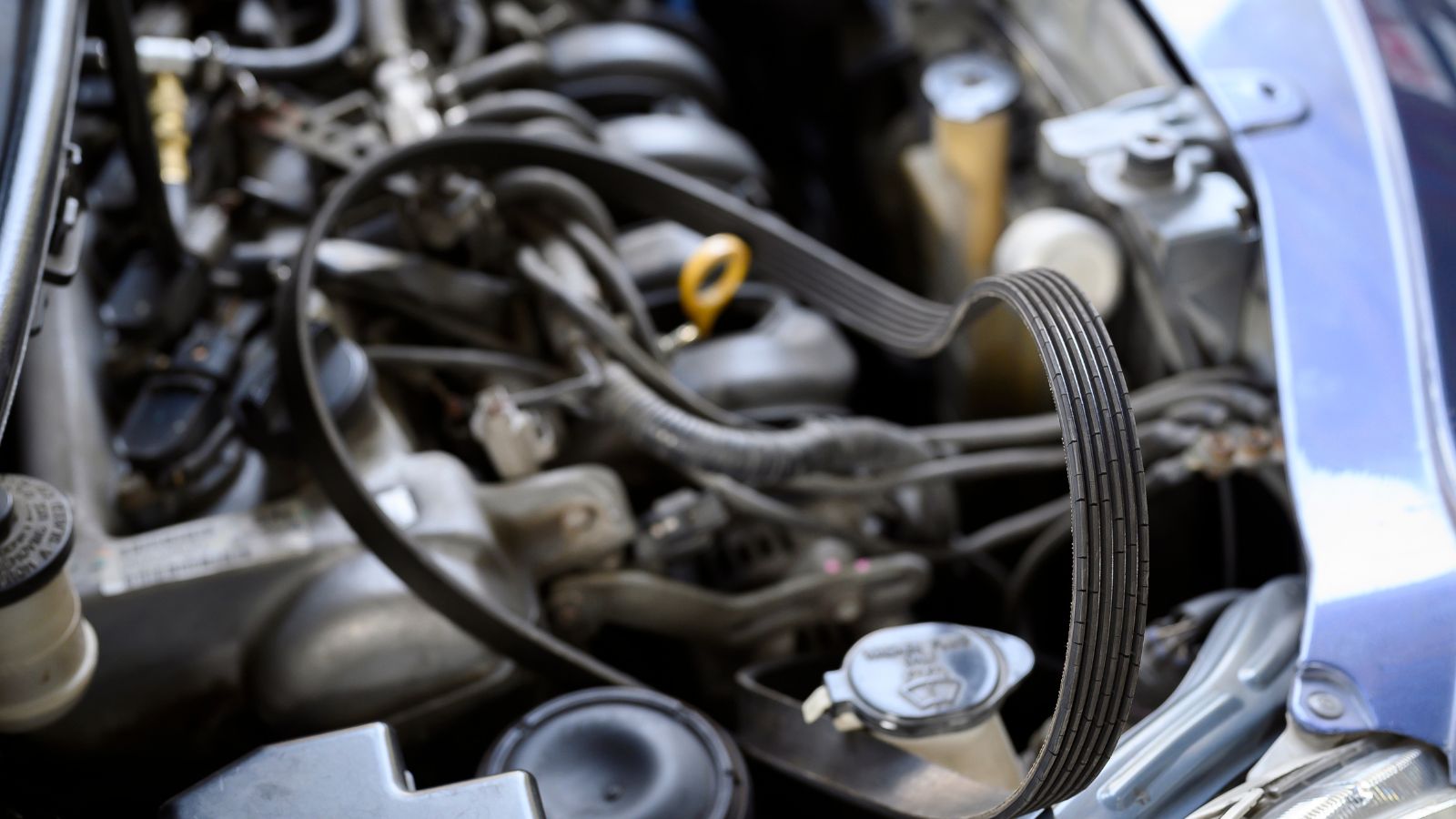
There is no universal mileage at which every timing belt must be replaced. The correct interval depends on the vehicle, engine, model year, operating conditions, and sometimes time as well as distance. Honda says replacement schedules for belt-equipped vehicles have commonly fallen between 60,000 and 90,000 miles, while individual manufacturer schedules can differ substantially from that range.
Ford provides a useful example of why generic advice can mislead. One published Ford maintenance schedule calls for a 1.0-litre engine’s timing belt at 100,000 miles or six years, whichever comes first, while a 1.6-litre engine in the same schedule lists replacement at 150,000 miles. A driver who remembers only that “timing belts last about 100,000 miles” could service one vehicle correctly and another incorrectly. The owner’s manual and VIN-specific maintenance information remain the safest reference points, especially when a car has changed owners or accumulated an uncertain service history over time today.
Low Mileage Does Not Stop a Belt From Aging
Low mileage does not automatically make an old timing belt safe. Timing belts live in a hot engine compartment, flex constantly, and age chemically as well as mechanically. Continental notes that belts are exposed to heat, repeated bending, wear, and material aging, which is why some replacement schedules include a maximum number of years even when the odometer remains below the mileage limit.
That matters for second cars, lightly driven models that can spend years accumulating modest mileage. A belt may have covered relatively few kilometres while still being old enough for its material properties to deteriorate. Continental’s technical guidance says the vehicle manufacturer’s interval should control and, where no different instruction exists, recommends replacement after a maximum operational life of seven years. The practical lesson is simple: a maintenance reminder based only on mileage can miss half the story. Calendar age deserves the same attention as the odometer reading.
Failure May Arrive With Almost No Warning
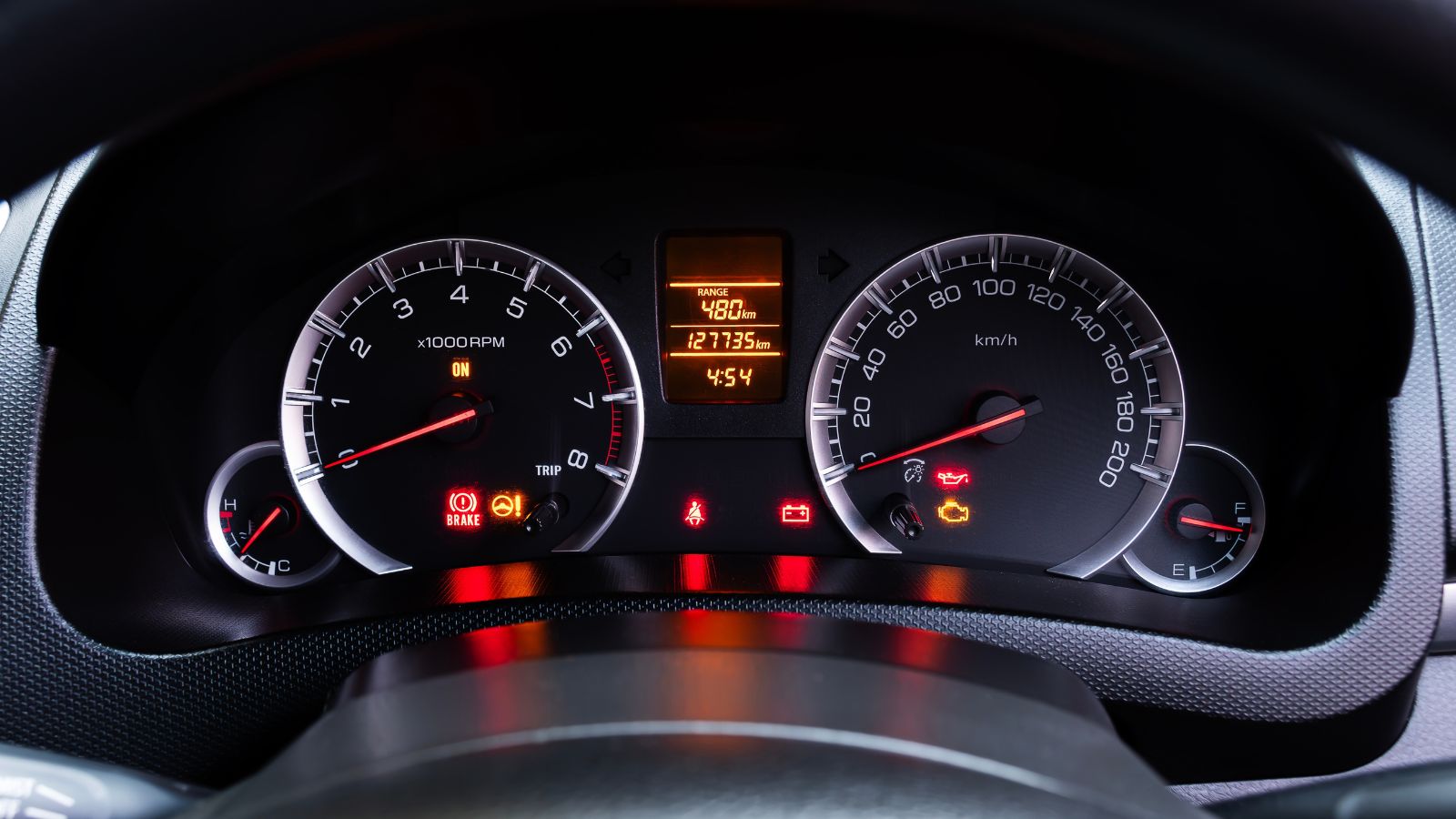
Many worn components advertise trouble with noise, vibration, or a warning light. A timing belt may not be so considerate. Honda and Acura both state that if a timing belt breaks, the engine can stop running immediately and without warning. That can leave a vehicle stranded even if it seemed completely normal during the previous drive.
The absence of symptoms is therefore not proof that an overdue belt has more life left. A belt can continue working until it suddenly cannot, and the first unmistakable symptom may be an engine that dies or refuses to restart. A past Acura safety recall illustrates the point: defective timing-belt teeth were considered capable of affecting engine timing and causing a stall without prior warning. Scheduled replacement exists partly because drivers cannot reliably wait for a dashboard message or an obvious sound. With this component, “it still feels fine” is a weak maintenance strategy.
Interference Engines Raise the Stakes Dramatically
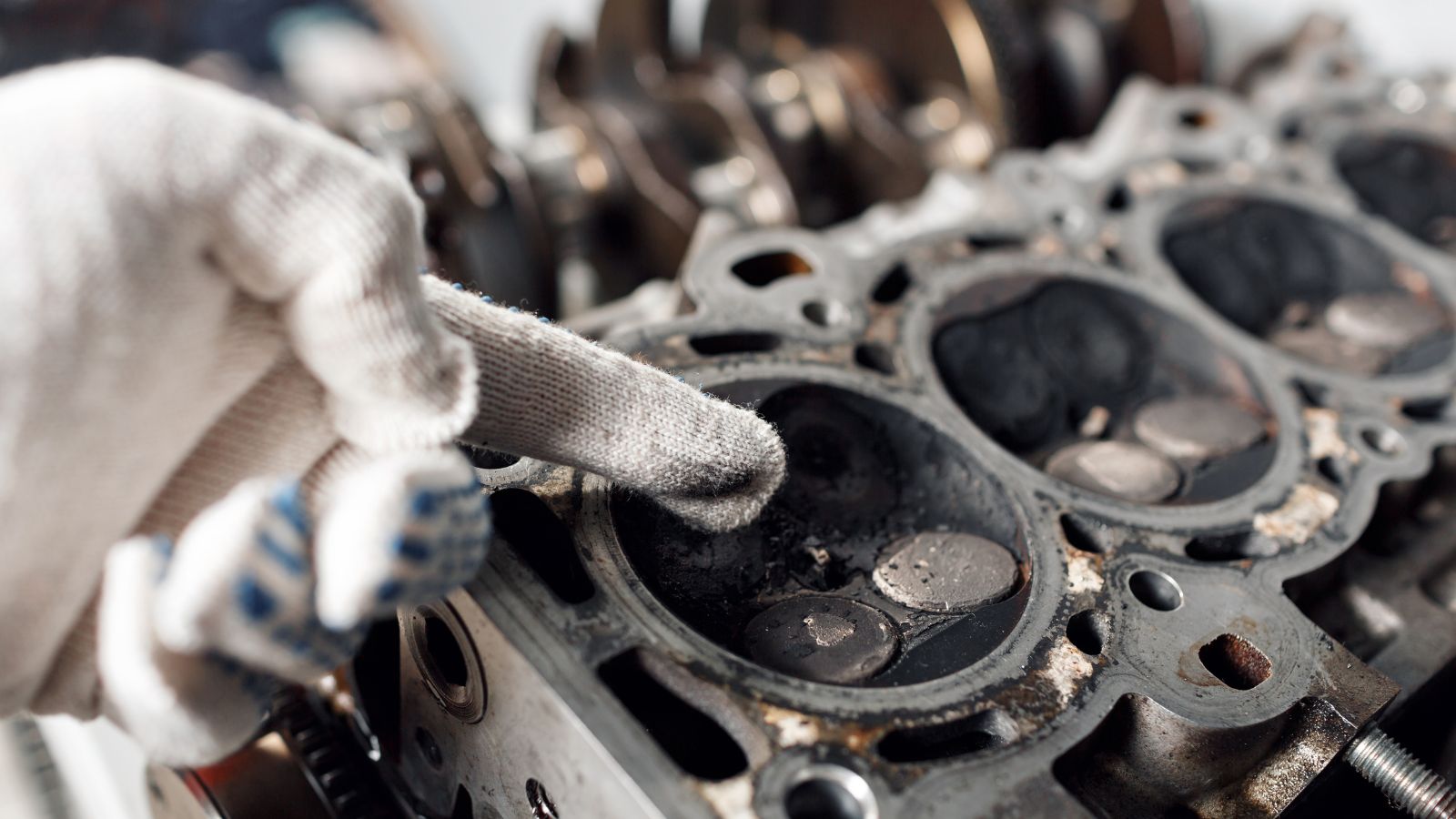
The worst outcomes occur in an interference engine, a design in which pistons and valves occupy overlapping space at different moments in the combustion cycle. Normal timing keeps them apart. If the belt breaks or loses synchronization, that timed movement can disappear while the crankshaft is still turning.
Gates explains that interference engines usually sustain damage when synchronization is lost because a piston can strike a valve. The result can include bent valves, damaged pistons, cylinder-head damage, or an engine that is no longer economically repairable. Not every belt-equipped engine is an interference design, so the exact risk depends on the engine family. That uncertainty is another reason to check specifications rather than assume the best. For an owner whose engine is interference-type, the scheduled belt change is not merely about avoiding a roadside breakdown. It is about preventing internal contact that can transform routine maintenance into major engine work.
The Cost Gap Can Become Painfully Large
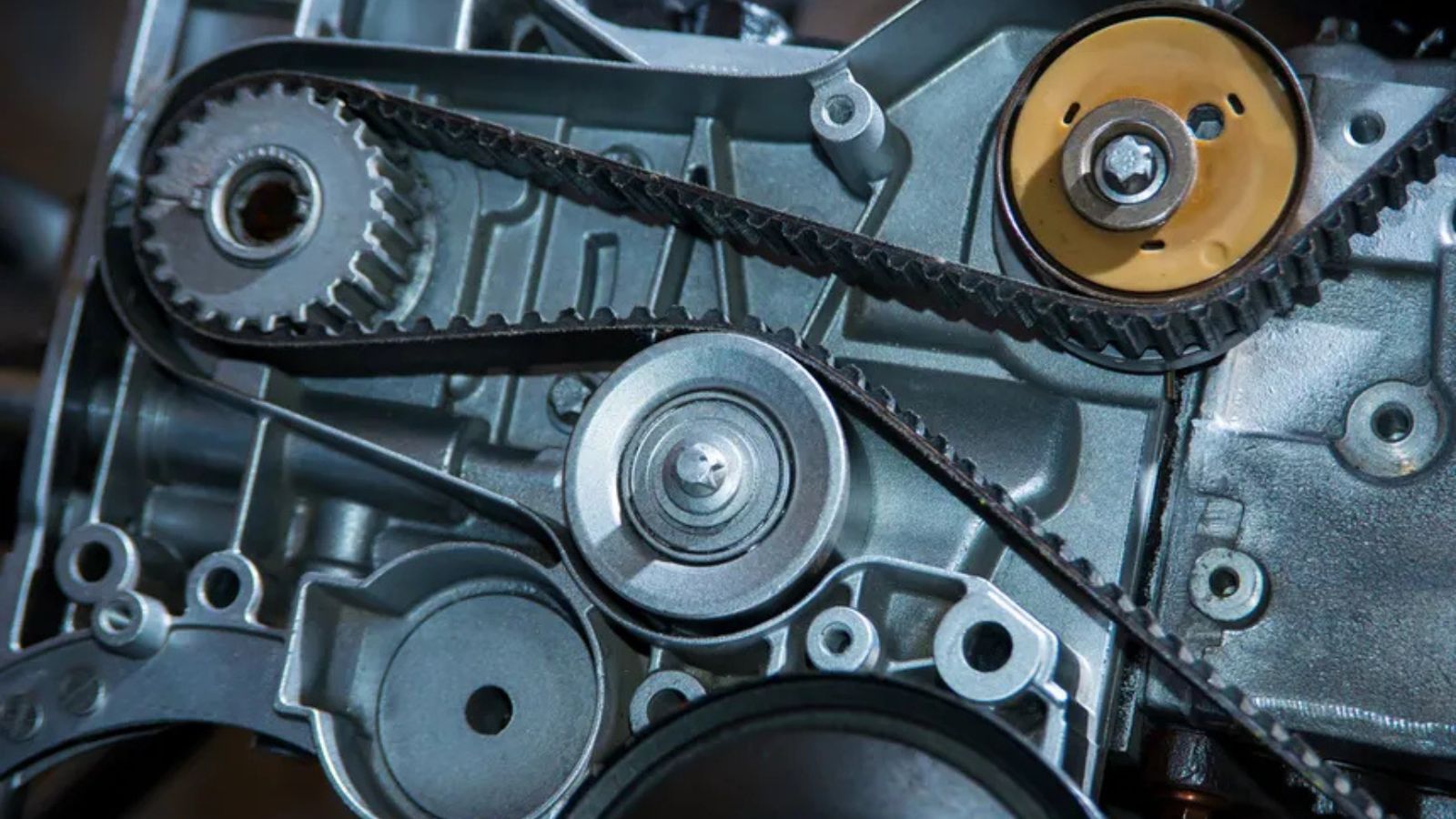
Preventive timing-belt service is not always cheap, but failure can be more expensive. RepairPal’s estimate places the average U.S. timing-belt replacement between $889 and $1,291, with labor accounting for a large share of the total. Vehicle design creates wide variation: some models are cheaper, while others can exceed that range before taxes, fees, or related work.
The arithmetic becomes harsher after a belt failure damages an interference engine. Instead of paying for a belt, tensioner, and related components, the repair may involve cylinder-head removal, valve replacement, piston inspection, machining, or even engine replacement. Gates explicitly warns that a broken timing belt can cause damage costing thousands of dollars. That is the four-figure trap hidden inside a seemingly minor postponement. A driver may delay service because the car still runs perfectly and the maintenance quote feels inconvenient, only to discover that the inexpensive part was protecting the vehicle’s most expensive components.
Much of the Bill Is Actually Labor

Much of the price of timing-belt service comes from reaching the belt, not from the belt itself. Ford describes replacement as a highly technical, labor-intensive job that can require disassembling the front of the engine, inspecting related components, fitting the new timing parts, setting the timing precisely, testing it, and then reassembling everything.
Depending on engine layout, Ford says the process can take as much as eight hours. That helps explain why a small belt can generate a substantial invoice. It also explains why postponing the work can be false economy. If a failure later damages the engine, technicians may have to repeat much of the same access work and then continue deeper into the cylinder head or engine block. The original quote can look different in hindsight. Timing-belt service is one of those repairs where labor reflects precision and access, not the physical size of the component being replaced.
Replacing Only the Belt Can Leave Another Failure Waiting
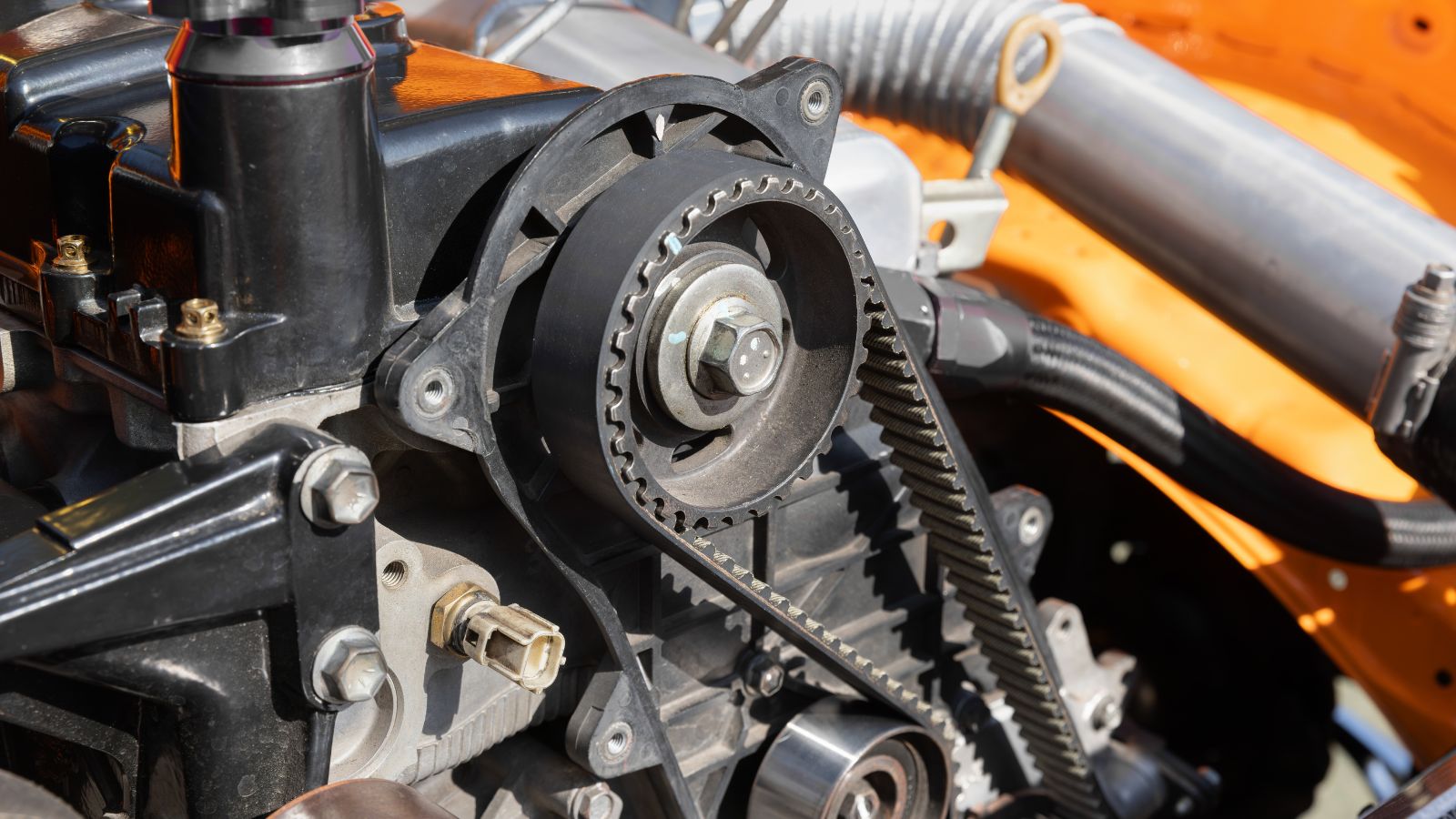
Replacing only the belt can leave other aging parts in the timing system waiting to cause trouble. Tensioners and idler pulleys control belt tension and routing. Gates notes that worn tensioner or idler bearings can let the belt run loose, slip, generate excess heat, and fail prematurely.
That is why professional repairs treat the timing drive as a system rather than a single belt. Gates says failure to replace worn tensioner and idler bearings can contribute to premature belt failure, and its timing kits package related components together for that reason. The concern is straightforward: paying for significant labor to reach the timing system, installing a fresh belt, and leaving a tired bearing behind can undermine the entire repair. A good estimate should therefore spell out whether tensioners, idlers, seals, and hardware are included. The cheapest belt-only quote is not necessarily the cheapest long-term outcome if another old component fails afterward.
The Water Pump Can Change the Economics
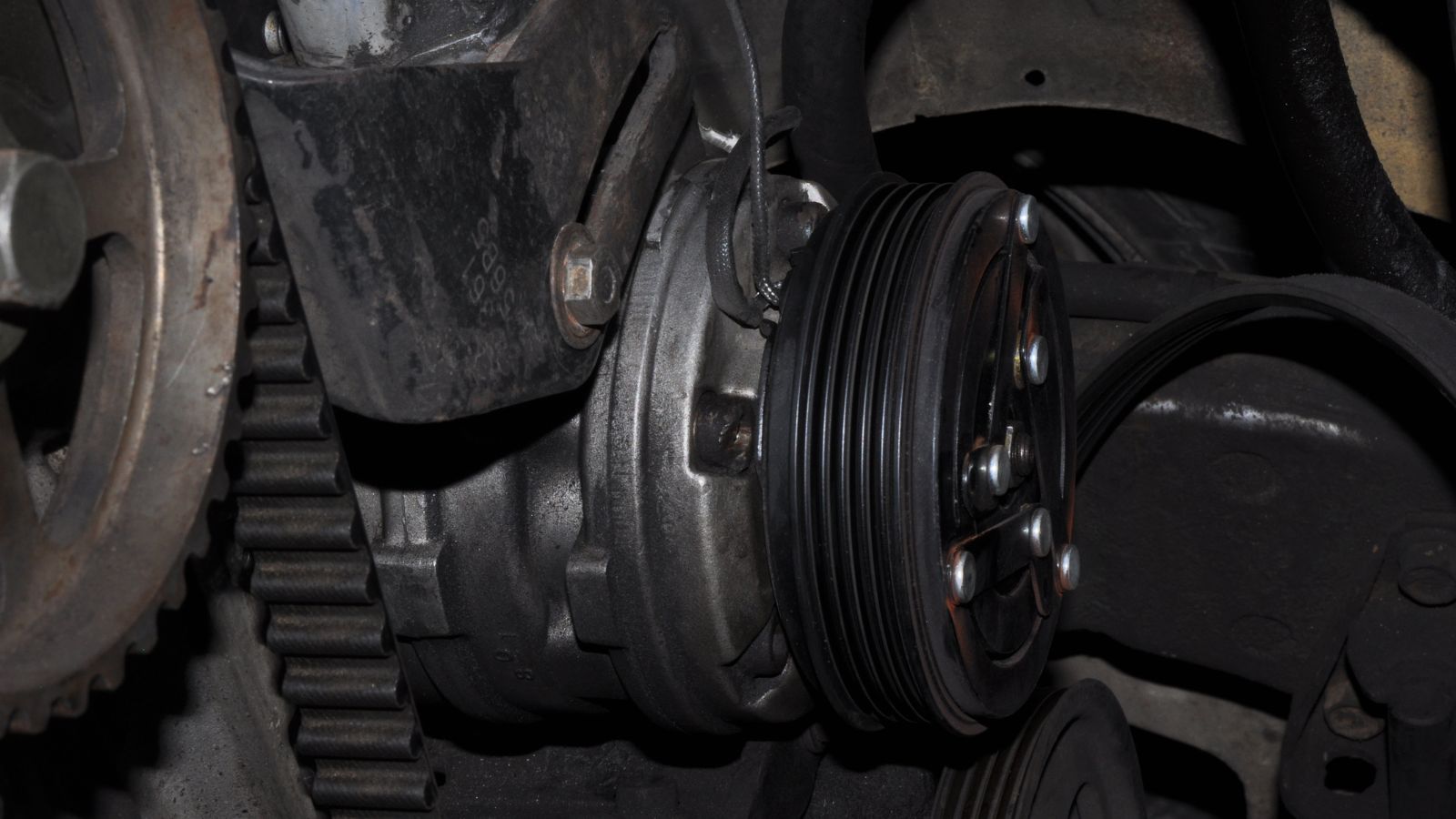
The water pump is why timing-belt service can extend beyond “just replace the belt.” On engines where the timing belt drives the water pump, both components share labor access. Ford says technicians recommend replacing the water pump, pulleys, and seals during timing service because access is open and the parts may be similarly aged.
Gates recommends replacing timing-belt-driven water pumps with the belt. Its service material says much of the labor needed to reach the pump is already included in timing-belt replacement. That does not mean every vehicle needs a water pump with every belt; the engine design and manufacturer procedure still control. But it shows why a complete timing-service quote may cost more upfront while reducing the chance of paying for the same difficult access twice again. A small maintenance delay can become especially costly when an aging pump, pulley, or seal is ignored along with the belt itself.
A Small Fluid Leak Can Threaten the Belt
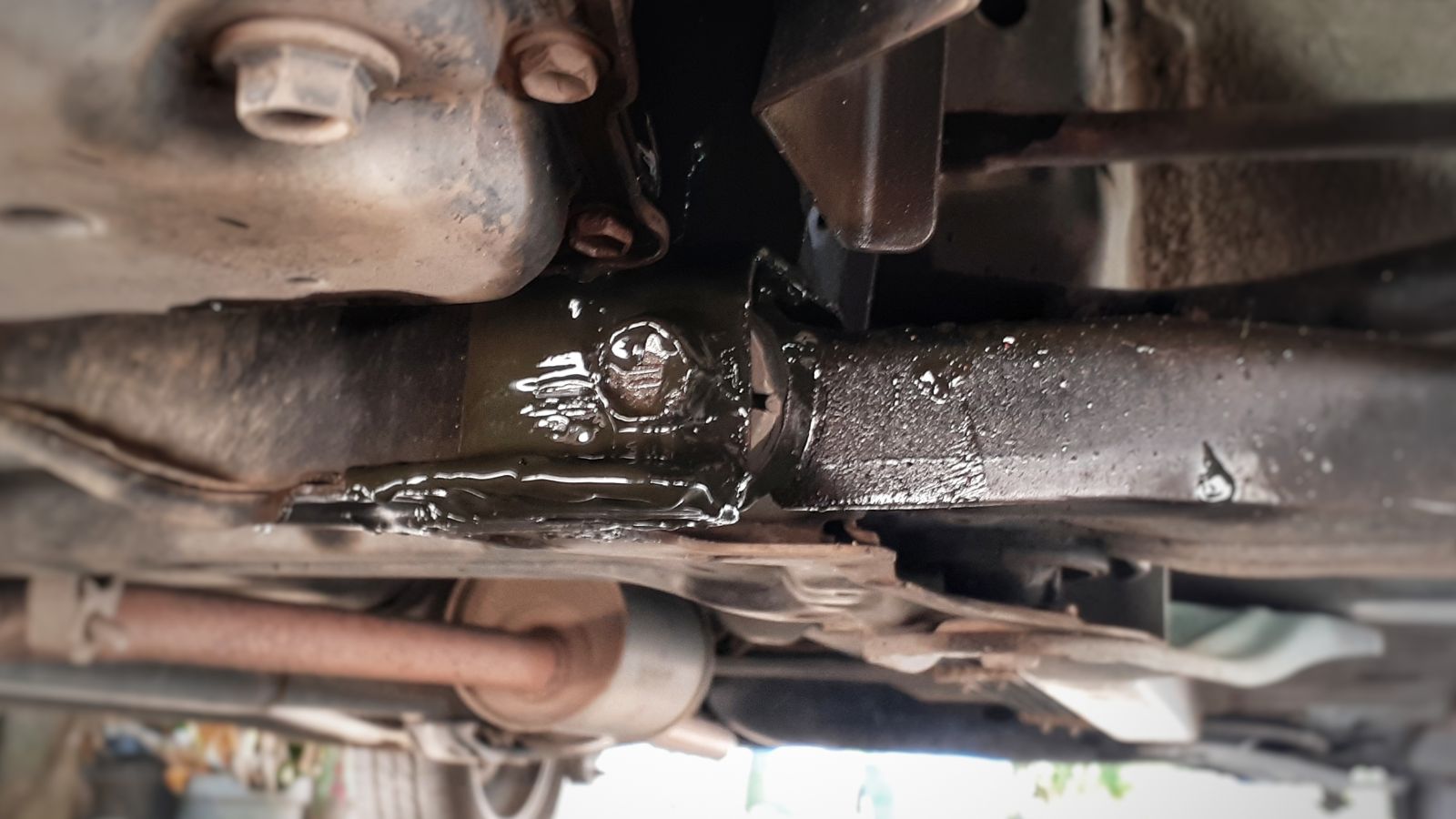
Age and mileage are not the only enemies of a timing belt. Oil, coolant, and other fluids can damage the belt or its running surfaces. Continental’s technical guidance lists contamination from coolant, oil, or other fluids among causes associated with belt failure and recommends fixing the leak, cleaning the pulleys, and replacing the affected belt.
Gates likewise excludes oil or antifreeze contamination from its timing-belt warranty, underscoring that a leak near the timing drive is not merely a cleanliness issue. This creates a maintenance chain reaction. An oil-seal or coolant leak can become more serious if fluid reaches the belt and the root cause is ignored. The leak may appear minor, but the hidden timing system can be the expensive consequence. When a technician reports fluid inside the timing cover, delaying the leak repair and belt inspection can carry far greater overall risk than the size of the drip suggests.
Severe Driving Conditions Can Alter the Schedule

Operating conditions can change the maintenance picture. Extreme temperature, repeated short trips, heavy idling, and other severe-use patterns can place stress on vehicles, and some manufacturers publish different maintenance guidance for those conditions. A Honda severe-service schedule identifies extremely hot operation, short trips in freezing weather, extensive idling, mountainous use, and dusty or de-iced roads as severe conditions.
Honda has also published timing-belt guidance calling for earlier replacement under very high or very low ambient temperatures on certain models. The thresholds and intervals are vehicle-specific, so they should not be copied from one model to another. The broader point is that the odometer does not capture every kind of wear. A car that spends its life in punishing heat, deep cold, or stop-and-go service may deserve closer adherence to the severe-service instructions in its manual. Treating the longest published interval as a universal target can erase the safety margin intended.
A Used Car Can Come With an Invisible Maintenance Debt
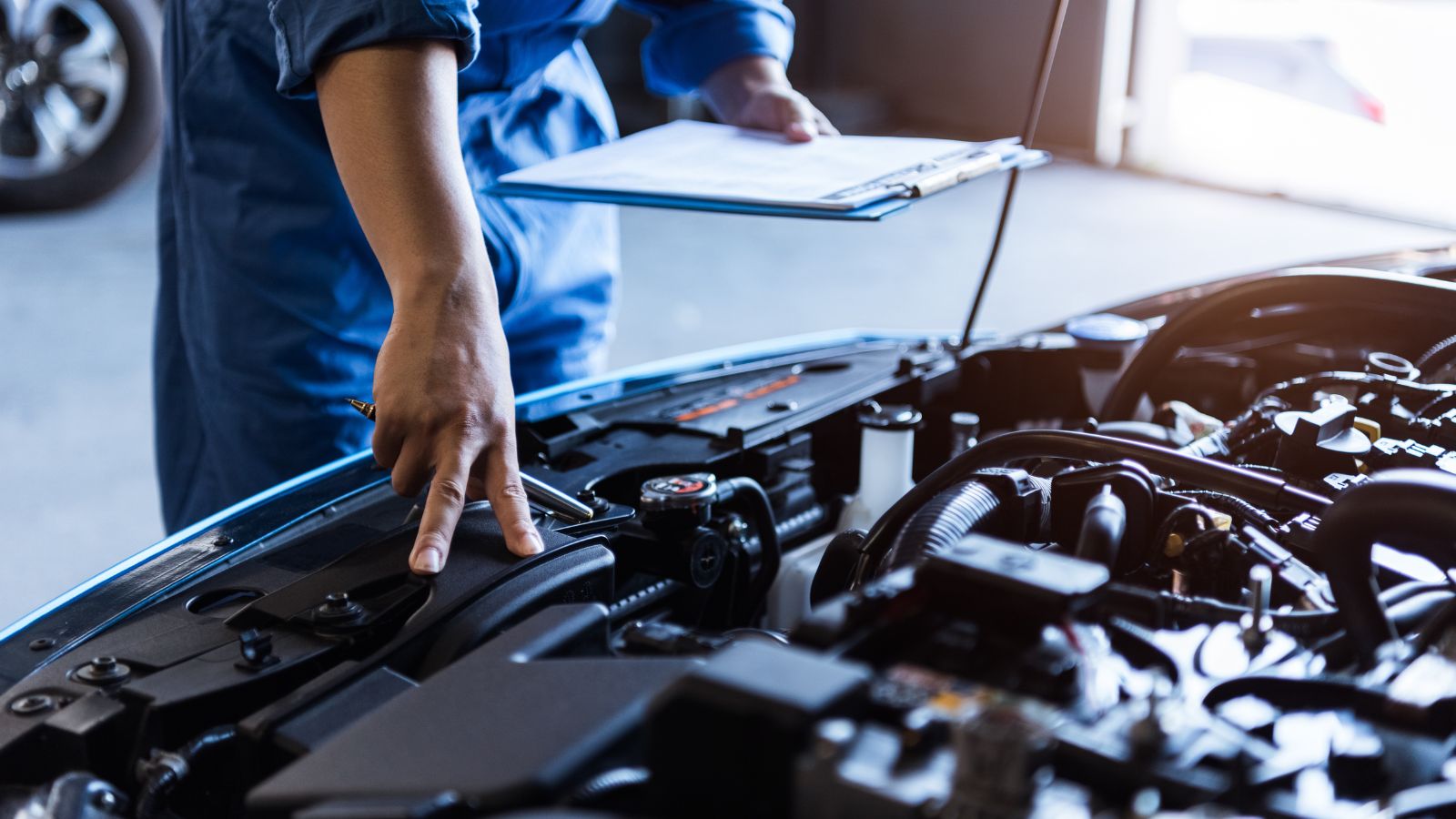
A used car can inherit an overdue timing belt along with the keys. Consumer Reports advises used-car shoppers to ask for service records, compare them with the manufacturer’s maintenance schedule, and look for receipts that document both the work and the odometer reading. A seller’s assurance helps, but paperwork is stronger evidence.
If records do not show a required timing-belt replacement, uncertainty matters. The AA advises renewing a cambelt on a used car when there is doubt that it was changed at the appropriate time. Before spending money, the owner should first confirm that the engine actually uses a timing belt rather than a chain and identify the correct interval. Ford’s owner-manual tools allow searches by VIN, year, and model, illustrating the right approach. A documented service date, mileage, and parts list can prevent the next owner from gambling on an invisible component whose failure may carry a four-figure consequence.
19 Used Cars Canadians Should Avoid in 2026 (Based on Owner Complaints)

Buying a used car in Canada can feel safe until repair bills start stacking up. Owner complaints tell a different story than glossy listings. Transmission failures, electrical problems, and weak winter reliability show up again and again in consumer reports. Many of these issues appear after warranties expire, when owners least expect them. Some vehicles look affordable upfront, but become expensive to keep on the road. Others struggle in cold weather, urban driving, or long highway commutes. Here are 19 used cars Canadians should avoid in 2026 (based on owner complaints).
19 Used Cars Canadians Should Avoid in 2026 (Based on Owner Complaints)

Alanna Rosen is an experienced content writer that focuses on many EV and educational content. Her articles are regularly published on Get CyberTrucked and syndicated on large publications.