
The electric revolution hasn’t just delivered big, luxury SUVs. It’s also given us some remarkably small EVs that make perfect sense for city life, daily commuting, and tight parking spaces. For Canadian drivers especially where snow, short trips, and urban living dominate many use cases small electric vehicles can be both practical and fun. Here’s a look at ten of the smallest EVs currently available and the realistic ranges you can expect in everyday driving.
Mini Cooper SE

The Mini Cooper SE brings classic personality to the EV world. Its small footprint is ideal for city streets and narrow parking spots, and its electric powertrain makes traffic jams feel almost pleasant. EPA-equivalent range sits in the mid-200-kilometre zone, which is plenty for most daily routines, though range does drop in Canadian winters.
Honda e
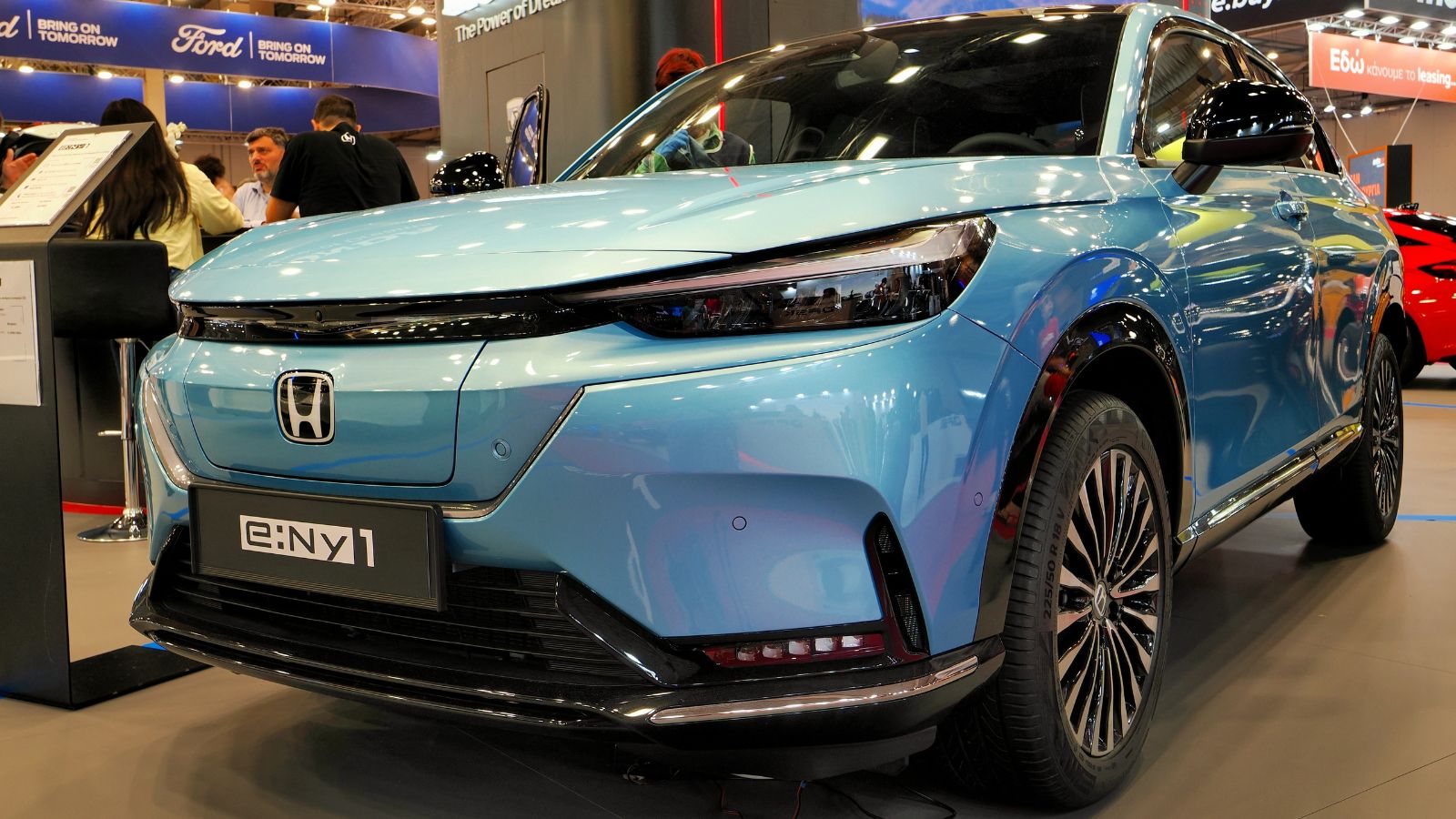
The Honda e is pure city car: tiny dimensions, excellent visibility, and a design that turns heads. Its range is modest, generally under 200 kilometres in real-world use, but its nimble handling and small size make it ideal for downtown driving, errands, and short commuting distances.
Chevrolet Bolt EV
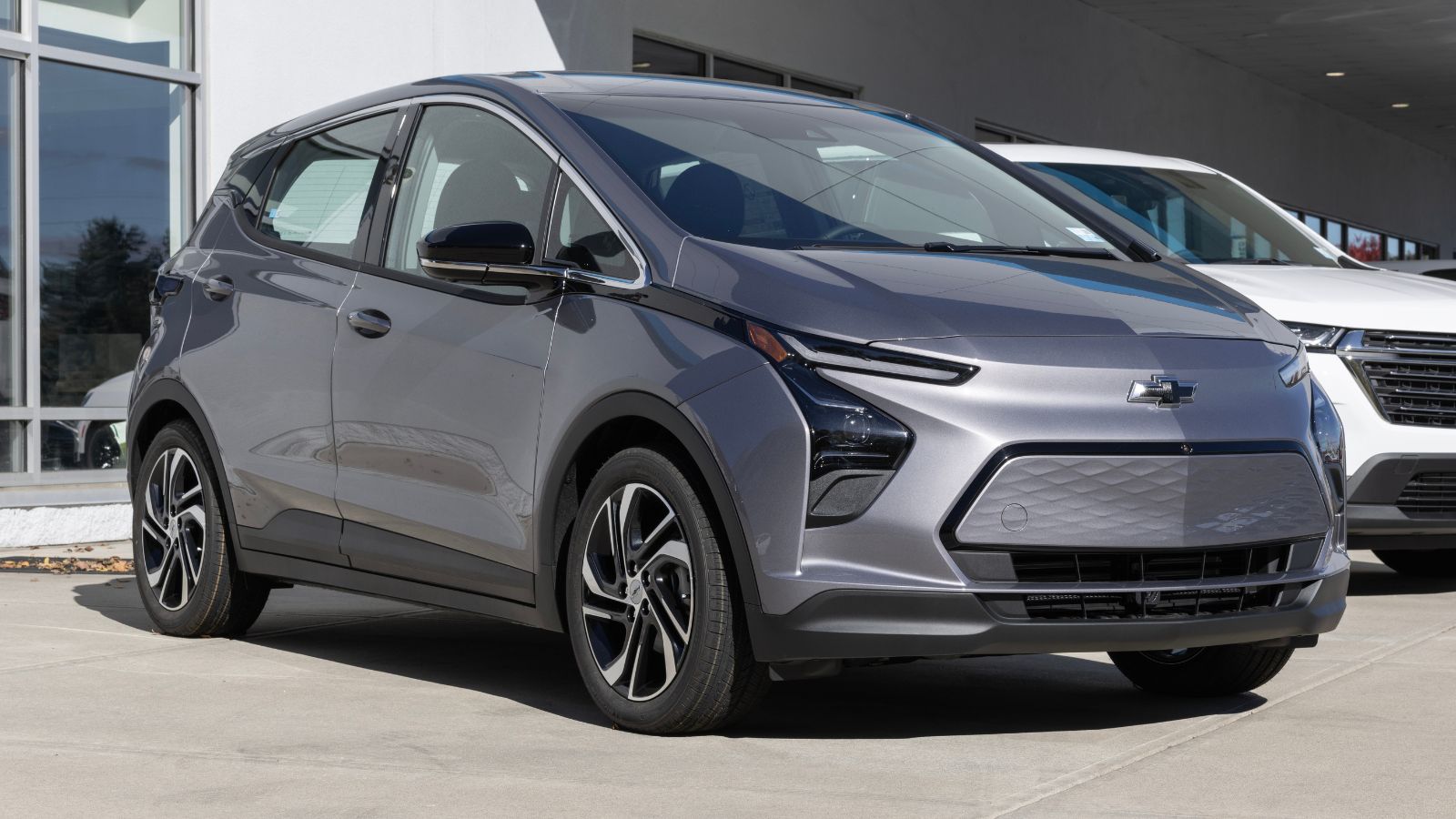
While larger than the tiniest city cars, the Bolt EV still counts as a small EV. Its range comfortably exceeds 350 kilometres in typical conditions, which makes it more versatile beyond urban limits. It handles Canadian winters better than most small EVs due to decent battery capacity and efficient packaging.
Nissan Leaf
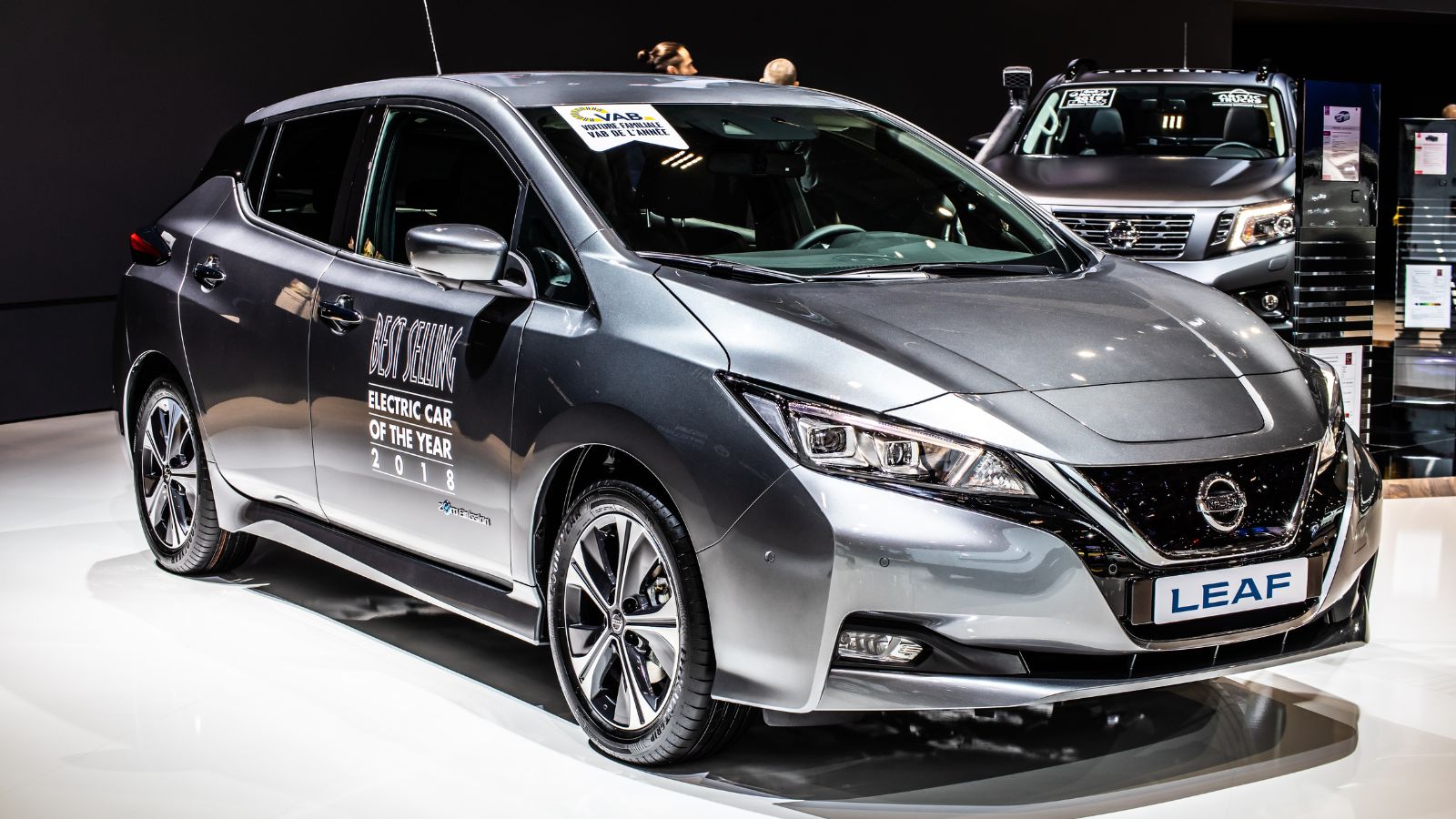
The Nissan Leaf helped launch the mainstream electric era, and its smaller size still appeals today. Base models offer around 240 kilometres of range, while the Leaf Plus versions can comfortably exceed 350 Vancouver-to-Whistler distances on a single charge — though winter temperatures shrink that figure noticeably.
Peugeot e-208
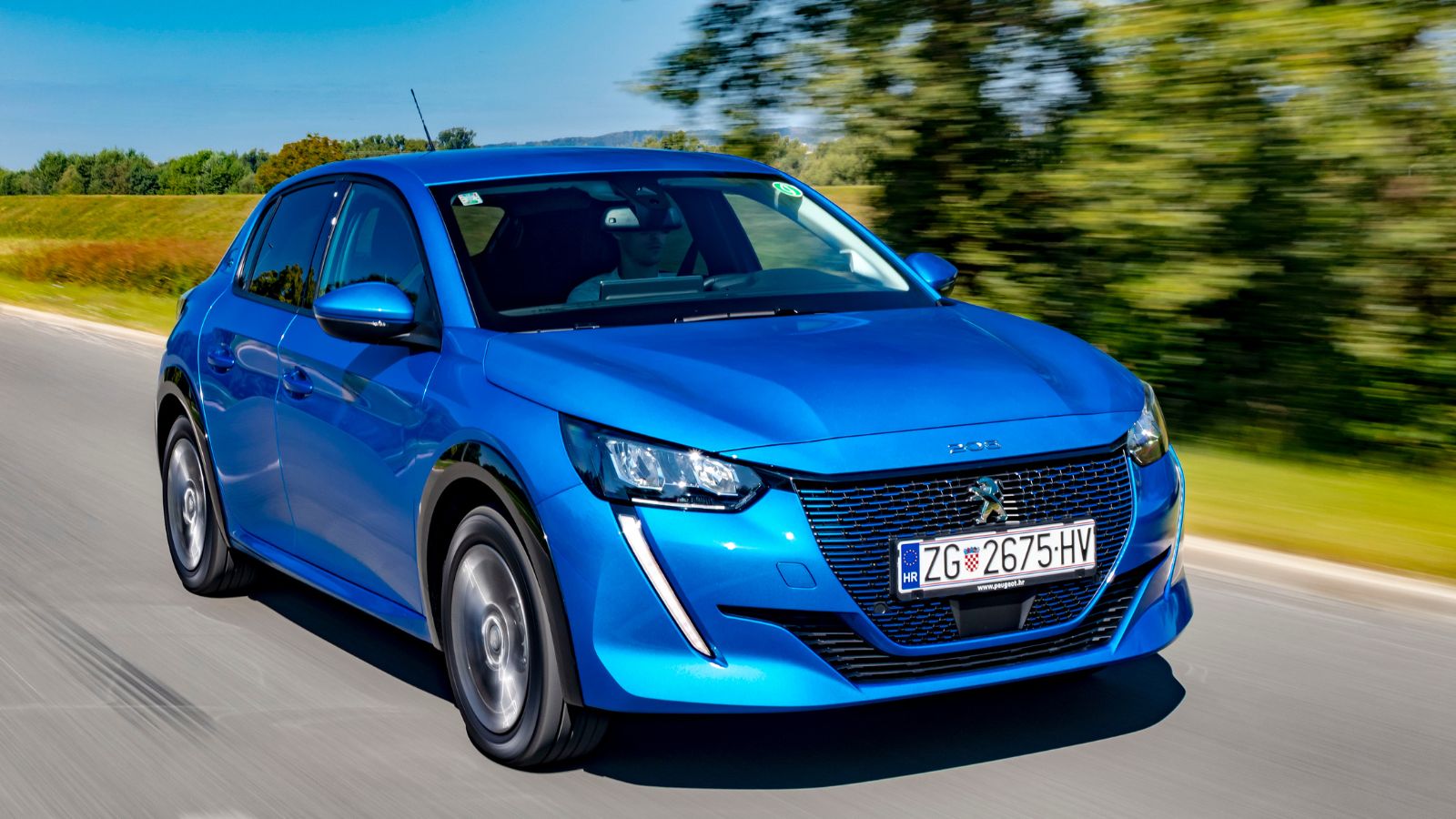
The Peugeot e-208 brings European flair to the small EV segment. Its real-world range sits roughly around the low- to mid-300-kilometre mark, which is impressive given its compact dimensions. It’s a strong choice for drivers who want both personality and practicality in tight spaces.
Mazda MX-30
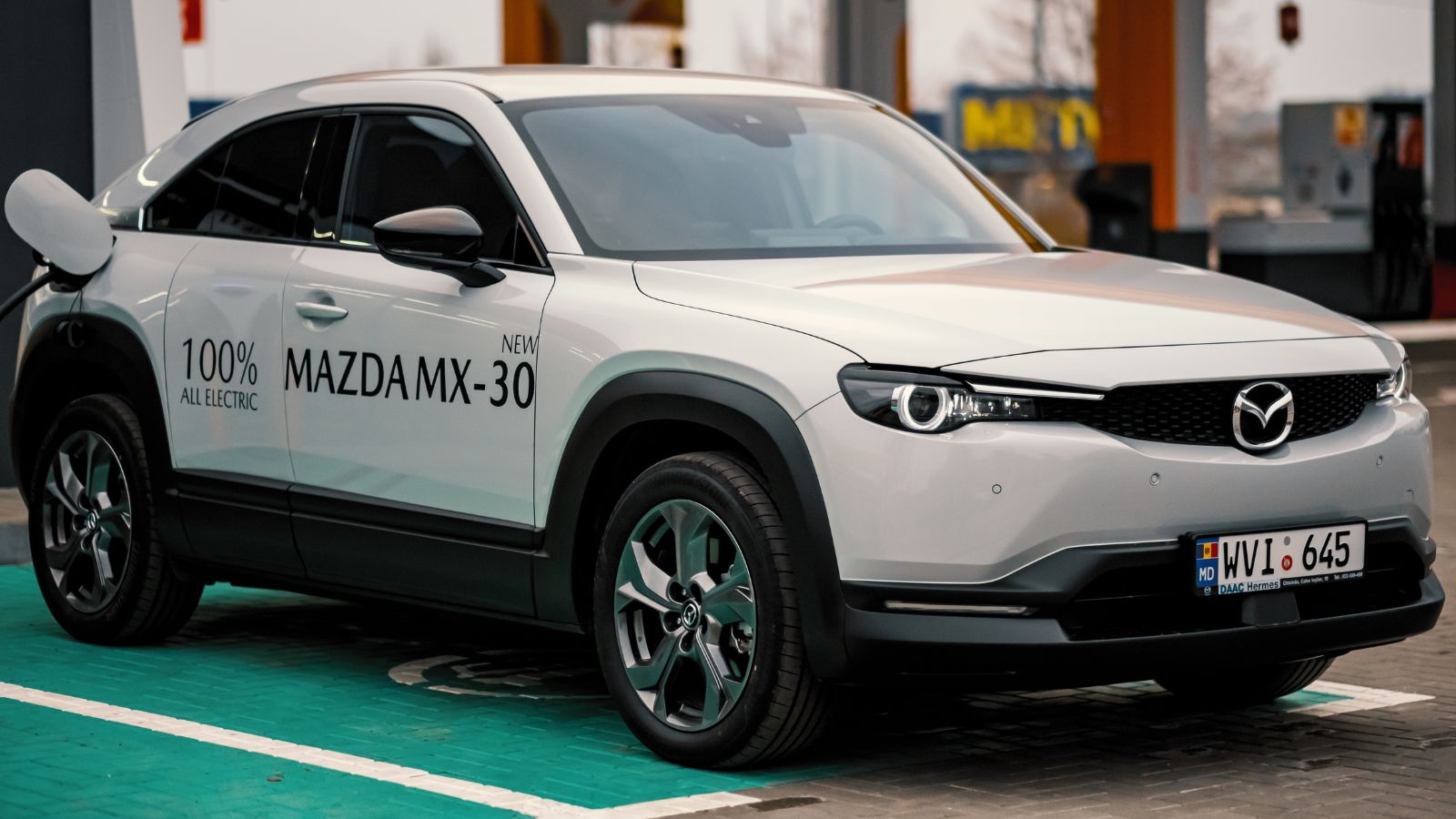
Mazda’s MX-30 is a bit larger than micro EVs but still very compact compared with most crossovers. Its range — around 200 to 250 kilometres — isn’t class-leading, but it’s realistic for urban and suburban duties. The MX-30’s distinct interior and comfort-first design make it an appealing daily driver.
BMW i3
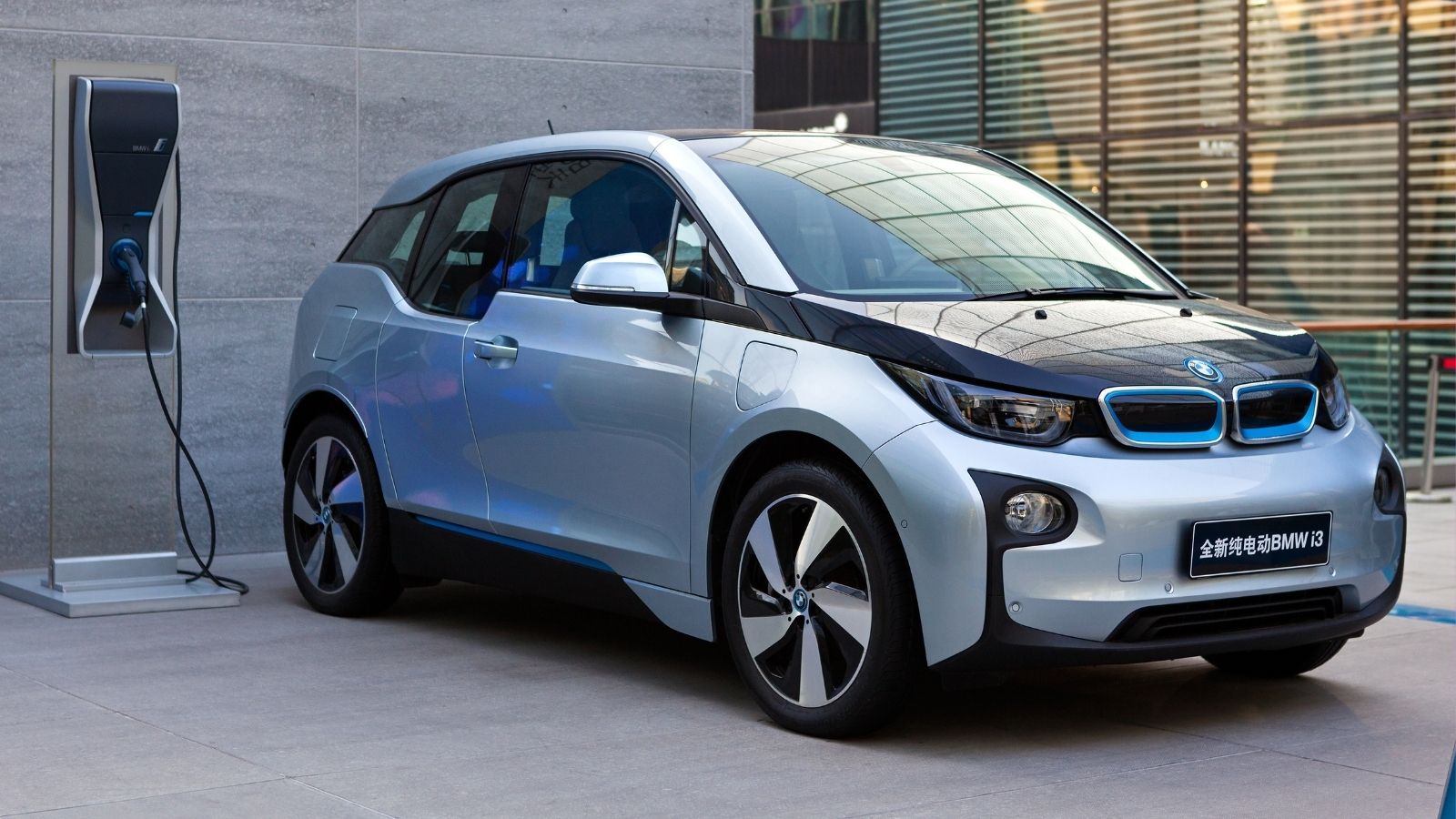
Though no longer in production, the BMW i3 remains a relevant example of small EV design. With carbon-fiber structure and pint-size dimensions, it offers efficiency and agility. Its real-world range in later models hovered between 190 and 260 kilometres — sufficient for city and short highway runs.
Mitsubishi Minicab MiEV
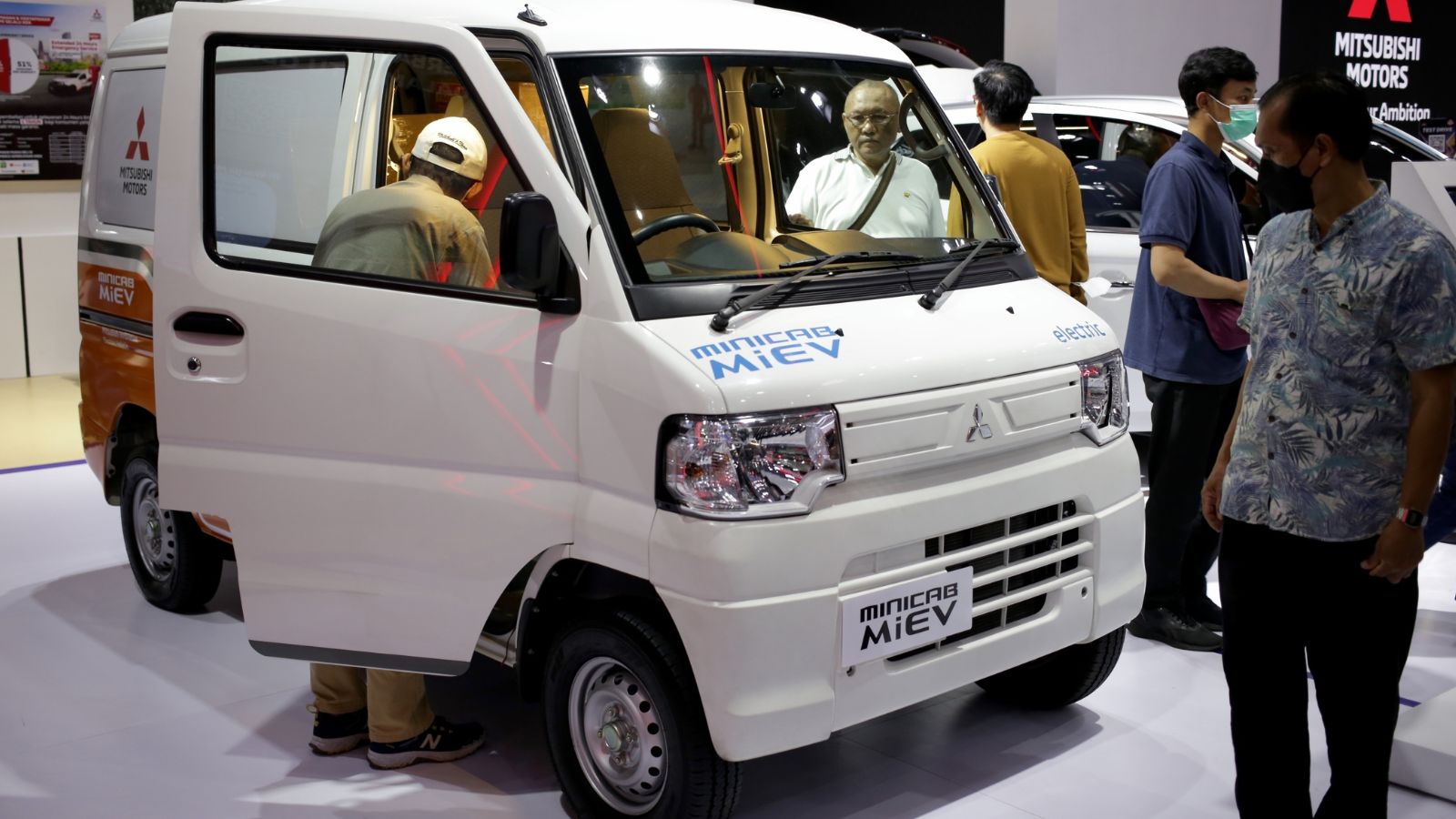
Rare in Canada but available through select import channels and used markets, the Mitsubishi Minicab MiEV is extremely compact and uncomplicated. Its range is limited — often under 150 kilometres — but for urban errands and short distance commuting, it delivers ultra-low operating costs.
Smart N1
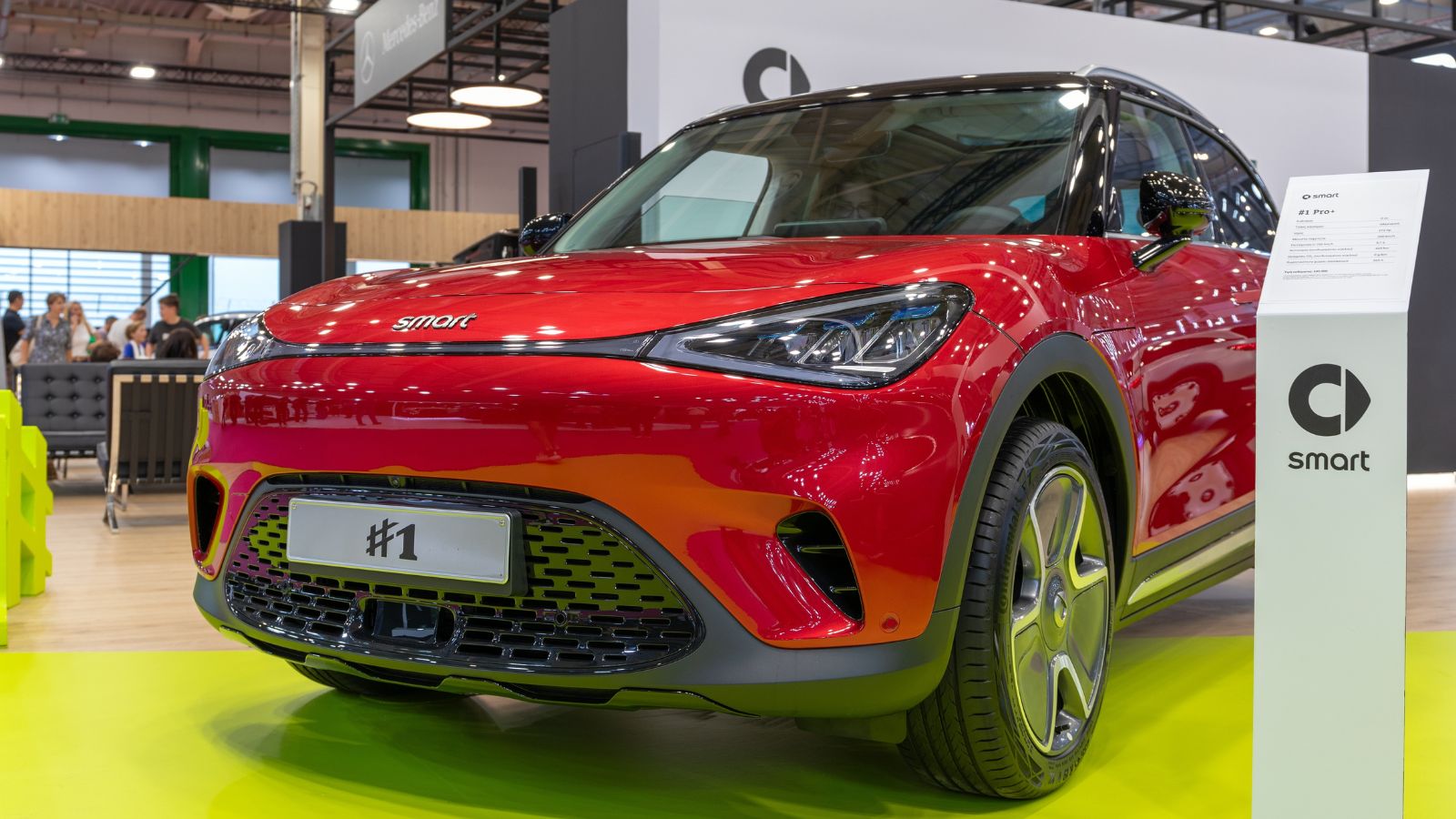
The Smart #1 trades traditional Smart tiny size for a slightly larger but still compact footprint with an urban focus. Its real-world range typically lands in the low- to mid-200-kilometre band, making it ideal for city dwellers who rarely see long highway stints.
Fiat 500e
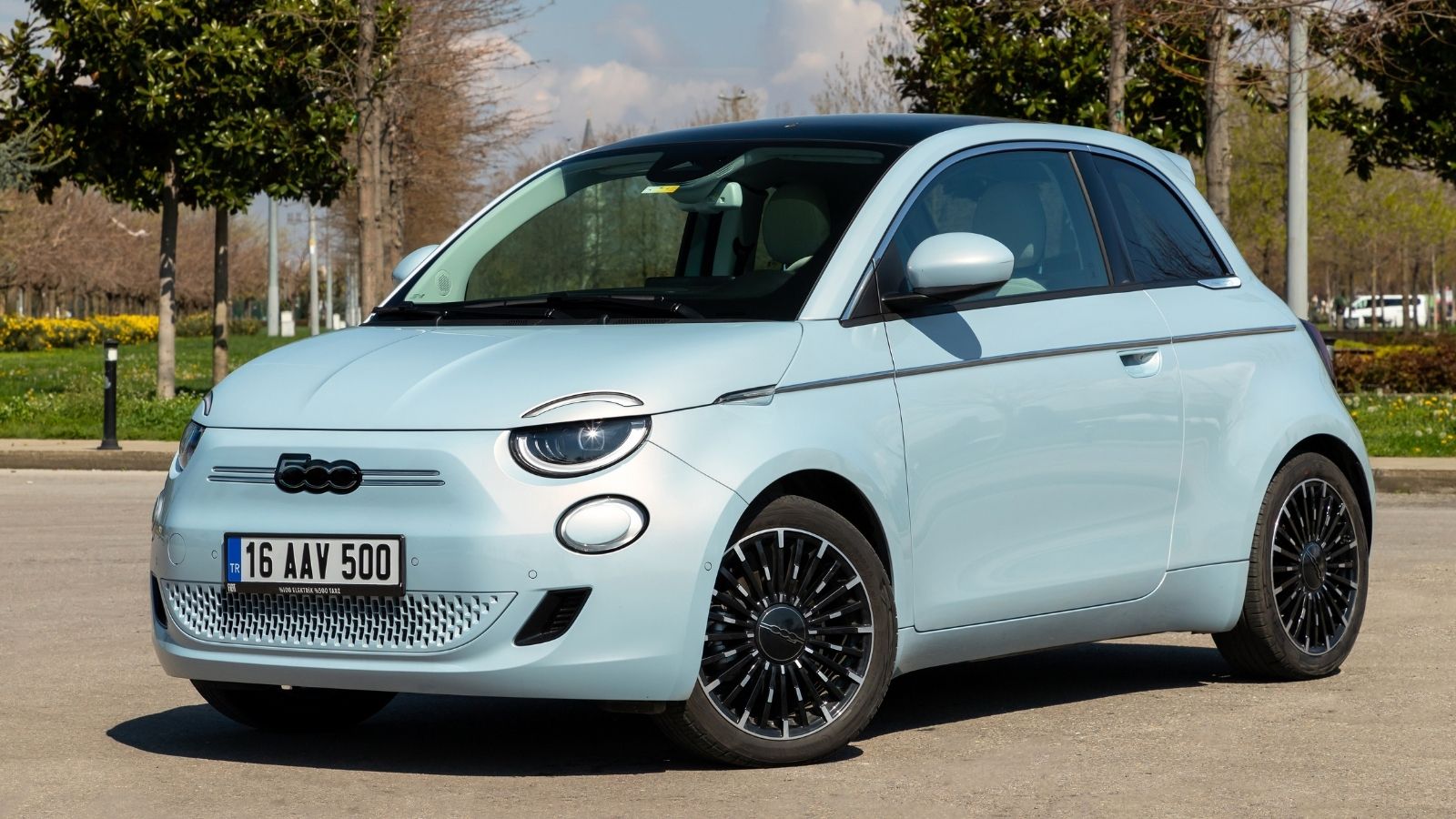
The Fiat 500e wraps classic European design in a modern electric platform. Its range lands in the 200-kilometre range in everyday use, which works well for commuting and urban errands. Its charm and compact size make it one of the most memorable small EVs available.
Why Small EVs Matter in Canada

Small EVs won’t replace long-range cross-country touring machines, but they fit perfectly into many Canadian lives. In cities like Toronto, Montreal, and Vancouver, short daily commutes, tight parking, and rising fuel costs make compact EVs practical and economical. Even in colder regions, where range can drop, the ability to plug in at home and avoid gas altogether can be compelling.
Choosing a small EV also means lower purchase prices and insurance costs compared with larger battery electric vehicles. For Canadians who primarily drive short distances, run errands, or simply want an easy and eco-friendly daily driver, these ten small electrics show just how versatile and effective the segment has become.
Whether you value range, style, or practicality, there’s a compact electric car on the market that fits your needs and they’re only getting better with each model year.
25 Facts About Car Loans That Most Drivers Don’t Realize

Car loans are one of the most common ways people fund car purchases. Like any other kind of loan, car loans can have certain features that can be regarded as an advantage or a disadvantage to the borrower. Understanding all essential facts about car loans and how they work to ensure that you get the best deal for your financial situation is essential. Here are 25 shocking facts about car loans that most drivers don’t realize:
25 Facts About Car Loans That Most Drivers Don’t Realize
