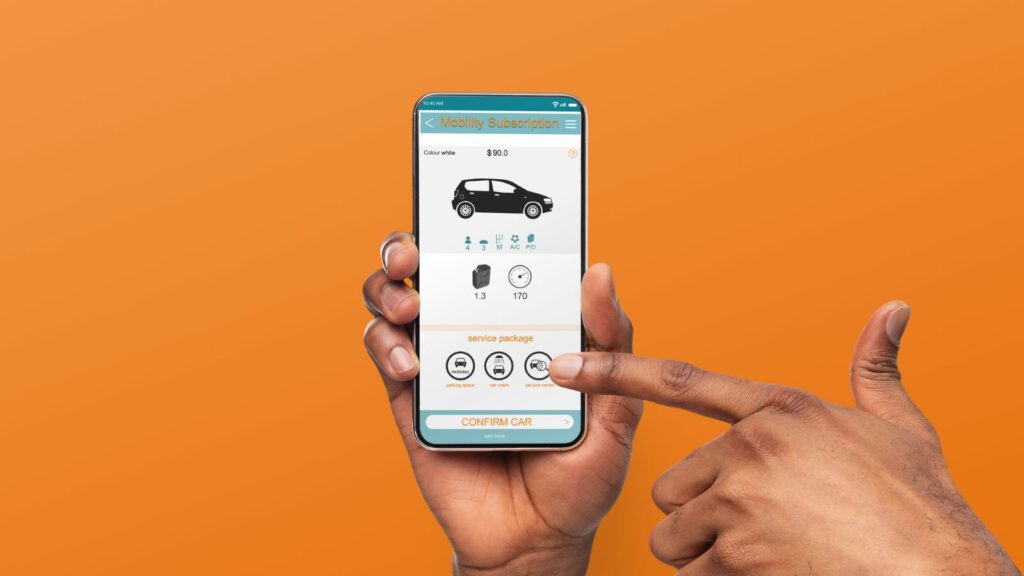
Once upon a time, buying a car meant you owned everything inside it. If the vehicle rolled off the lot with heated seats, a quick throttle map or upgraded lighting, those features were yours forever. Today, a new trend has crept into the industry. Automakers are installing hardware in your vehicle, then charging extra subscription fees to unlock it. Even motorcycle brands are starting to test the same idea. Drivers and riders are calling it what it feels like, renting your own machine one monthly charge at a time.
The Hardware Is Already Installed
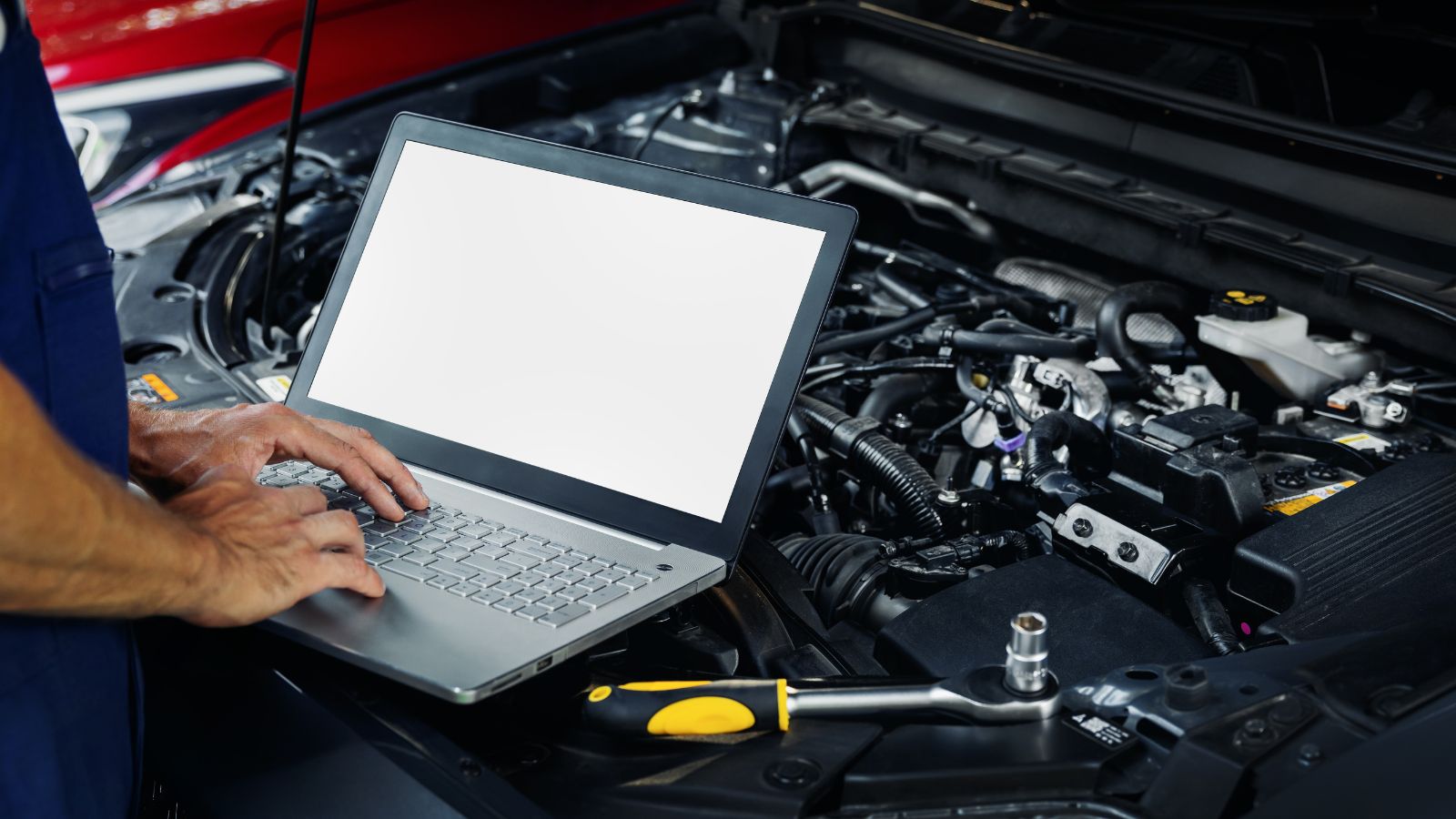
Here is the part that frustrates people most. Many of these features are not added later through software. The parts are already in the vehicle the moment you buy it. Heated seats, adaptive lighting, drive modes, power upgrades and even safety systems might be sitting dormant behind a paywall. You are essentially buying a fully loaded vehicle with many features switched off until you agree to pay more. It is like being sold a house with extra rooms locked behind monthly rent.
Automakers Want Predictable Monthly Income

The real motivation is simple. Manufacturers want recurring revenue instead of relying only on one time sales. Subscriptions offer steady profits long after the vehicle leaves the dealership. Cars have become rolling computers, and software allows companies to charge for features the same way mobile apps do. Instead of paying for everything during purchase, owners get small monthly fees that add up to thousands over the life of the vehicle. For automakers, this is a gold mine. For buyers, it feels like death by a thousand upgrades.
You Are Paying Twice for Features
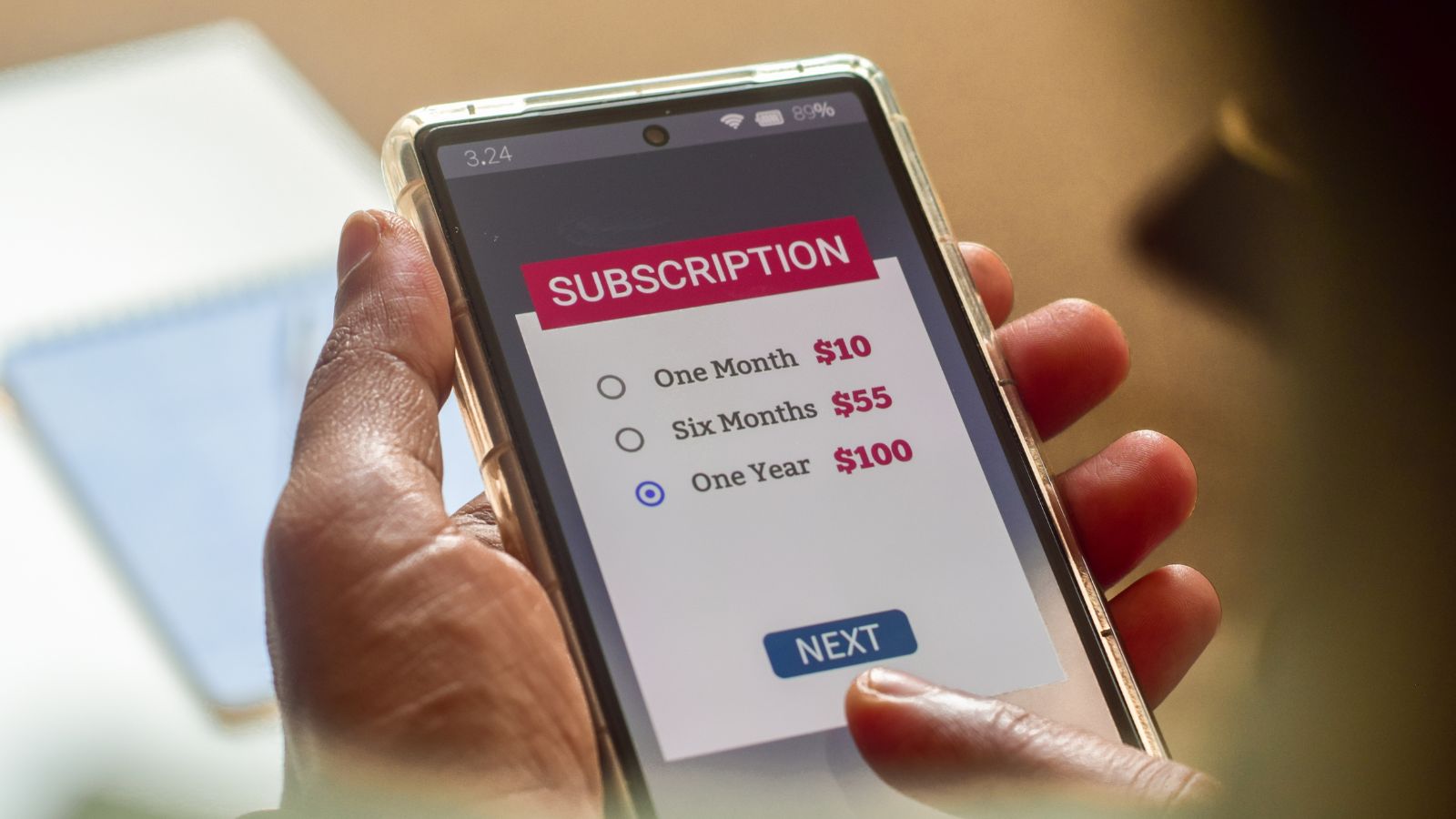
This is where many Canadians and Americans raise eyebrows. If the hardware is already installed, you already paid for it. You paid for the materials, the labor and the supply chain that brought those components into the vehicle. Subscriptions essentially charge you again to use something sitting in your dashboard or engine bay. Heated seats become an app. Drive modes become downloadable content. Riders are even seeing motorcycles with traction settings or quick shifters locked behind upgrades that do not require new parts.
Motorcycles Are Slowly Joining the Trend

Motorcycle brands have started experimenting with software locked features too. Some bikes now offer quick shifters, throttle maps, heated grips or rider aids that require paid activation even though the hardware is preinstalled. Riders, who tend to work on their own machines and value mechanical honesty, are especially vocal about this shift. For decades, motorcycles offered pure mechanical access. Subscriptions feel like the industry rewriting the relationship between rider and machine.
Safety Features Hidden Behind Paywalls

One of the biggest concerns is that some companies have experimented with charging for features that arguably improve safety. High beam assist, adaptive cruise control performance, advanced stability tuning and parking cameras have been packaged as subscription upgrades. Drivers argue that safety should never be a rental item. You should not have to pay monthly for your car to behave the way it was engineered to behave.
The Subscription Creep Is Already Happening
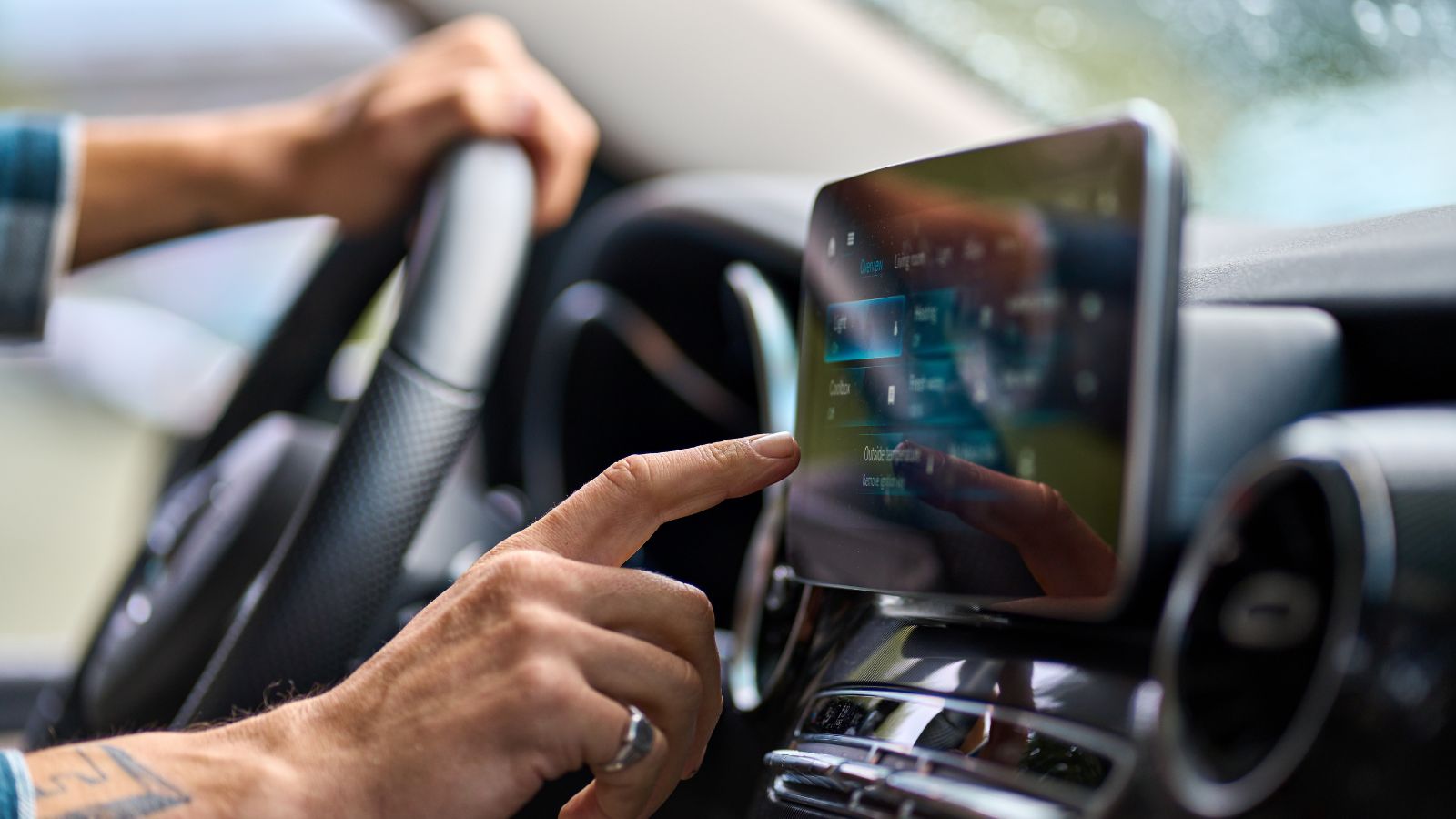
It started small. Map updates. Connected services. Smartphone integration. Then heated seats became a subscription option in some markets. Then premium acceleration modes in electric vehicles. Then automated parking. Some brands have even considered charging monthly for increasing your horsepower digitally. Once the software is capable, the temptation to lock features behind the paywall becomes very real.
Consumers Are Pushing Back
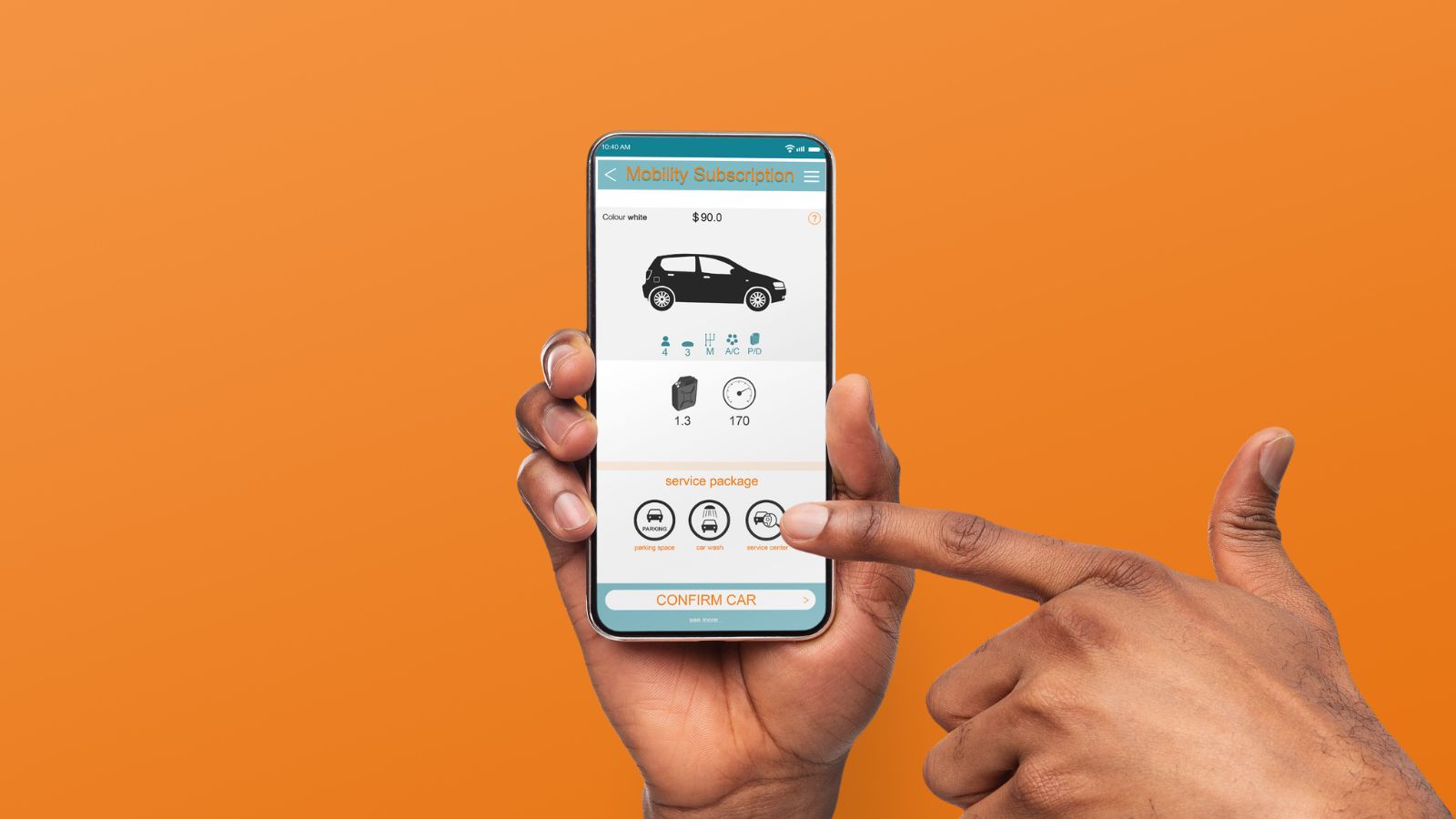
The good news is that customers are noticing and making noise. Many drivers say subscriptions make them feel more like renters than owners. Some refuse to buy new vehicles from brands that aggressively push this model. Others prefer used vehicles because they avoid subscription locked hardware altogether. Governments have also started watching closely, questioning whether consumers should own what they purchase outright. The backlash has forced a few automakers to back down, at least temporarily.
The Future Depends on What Drivers Tolerate

Car companies will continue testing subscription models because the potential money is enormous. But if enough buyers push back, they will be forced to adjust. The industry is walking a fine line. People understand paying for real upgrades and new hardware. They do not accept paying to activate something already installed. If vehicles keep heading down this path, customers will gravitate toward brands that respect ownership instead of trying to monetize it endlessly.
Pay to Play
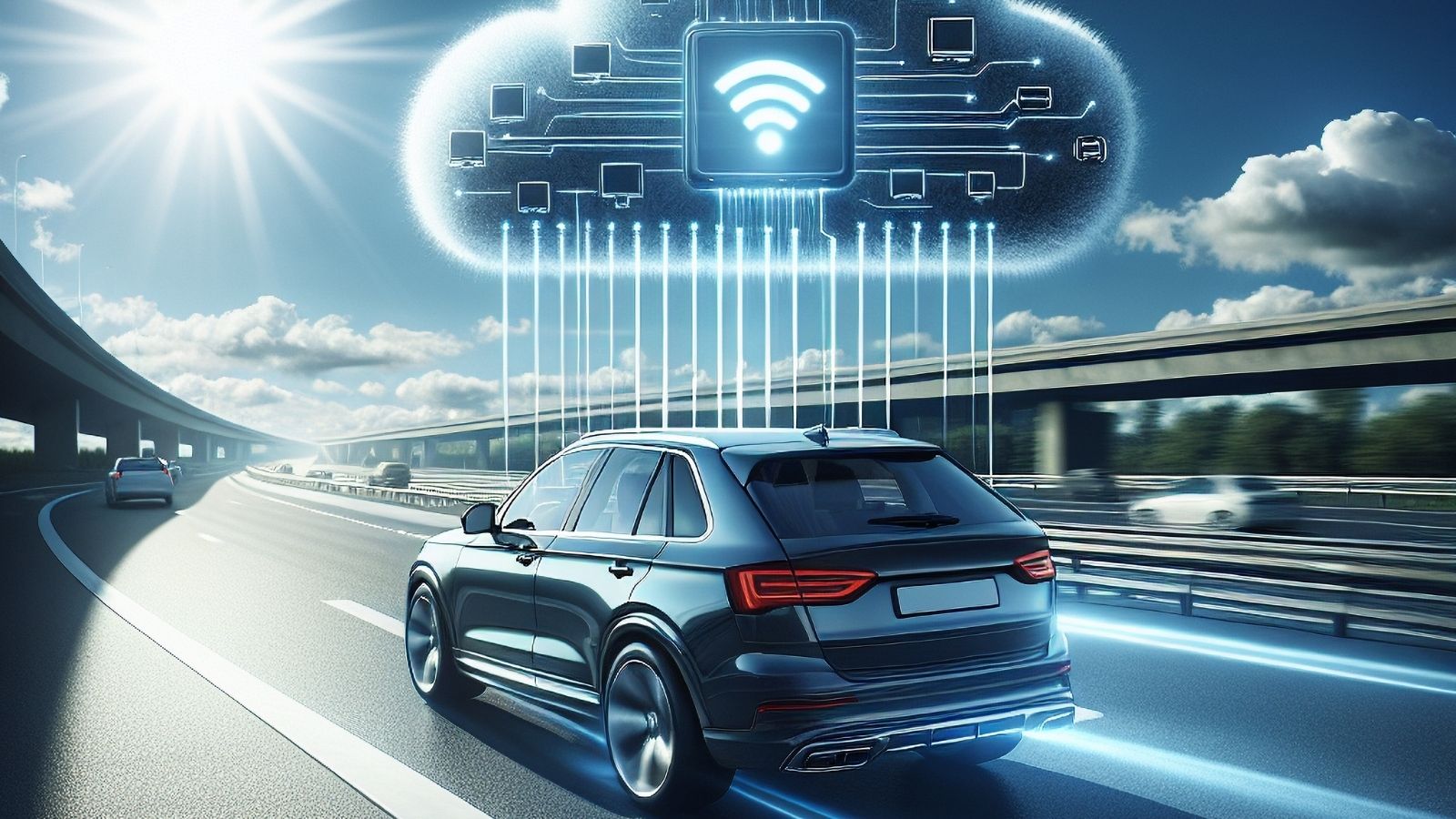
Cars and motorcycles are turning into platforms where features can be bought, removed or rented like phone apps. Some upgrades make sense. But charging monthly for equipment already inside the machine crosses a line. Drivers and riders want engineering, not microtransactions. They want ownership, not access rights. And unless automakers rethink their approach, the subscription war between buyers and brands is only just beginning.
25 Facts About Car Loans That Most Drivers Don’t Realize

Car loans are one of the most common ways people fund car purchases. Like any other kind of loan, car loans can have certain features that can be regarded as an advantage or a disadvantage to the borrower. Understanding all essential facts about car loans and how they work to ensure that you get the best deal for your financial situation is essential. Here are 25 shocking facts about car loans that most drivers don’t realize:
25 Facts About Car Loans That Most Drivers Don’t Realize
