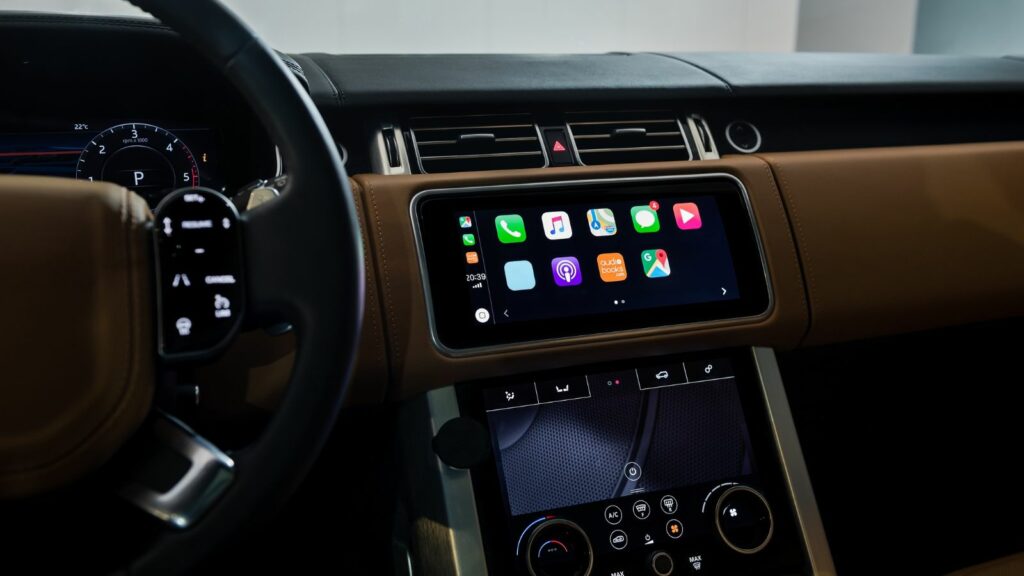
Once upon a time, buying a car meant you owned everything in it. Heated seats, steering wheel warmers, extra horsepower, convenience features if the hardware was physically inside the car, it was yours. Today automakers treat certain functions like cable TV channels. The hardware is installed, but you only get access if you pay a monthly fee. That frustration has opened the door to a growing trend. Some owners are turning to unofficial hacks that unlock these paywalled features. It raises a question Canadians cannot stop debating. If you purchased the vehicle, should you not have the right to use everything already built into it
The Growing Frustration With Pay to Unlock Technology

Subscription features feel like the last straw for many drivers. Canadians already face sky high insurance premiums, rising interest rates and punishing winter maintenance costs. The idea of paying extra every month for a heated seat or remote start feels absurd. These are not luxuries in Canada. They are survival tools. Instead of feeling rewarded for buying a premium vehicle, drivers feel like they are being charged rent inside something they supposedly own. This frustration fuels the growing sympathy toward anyone brave enough to bypass these digital toll booths.
Hackers Are Unlocking Features Owners Already Bought

In online forums and private groups, tech savvy owners share methods to enable disabled features on premium vehicles. Sometimes it involves plugging in a diagnostic tool. Sometimes it is software that flips hidden switches buried deep in the car’s computer. The motivation behind these hacks is rarely malicious. It is simple consumer logic. If the hardware is already installed, why should it sit dormant behind a subscription screen The owner has physically purchased the equipment. They simply want to activate what is already theirs.
Canadians Are Asking Why the Hardware Is Even Locked
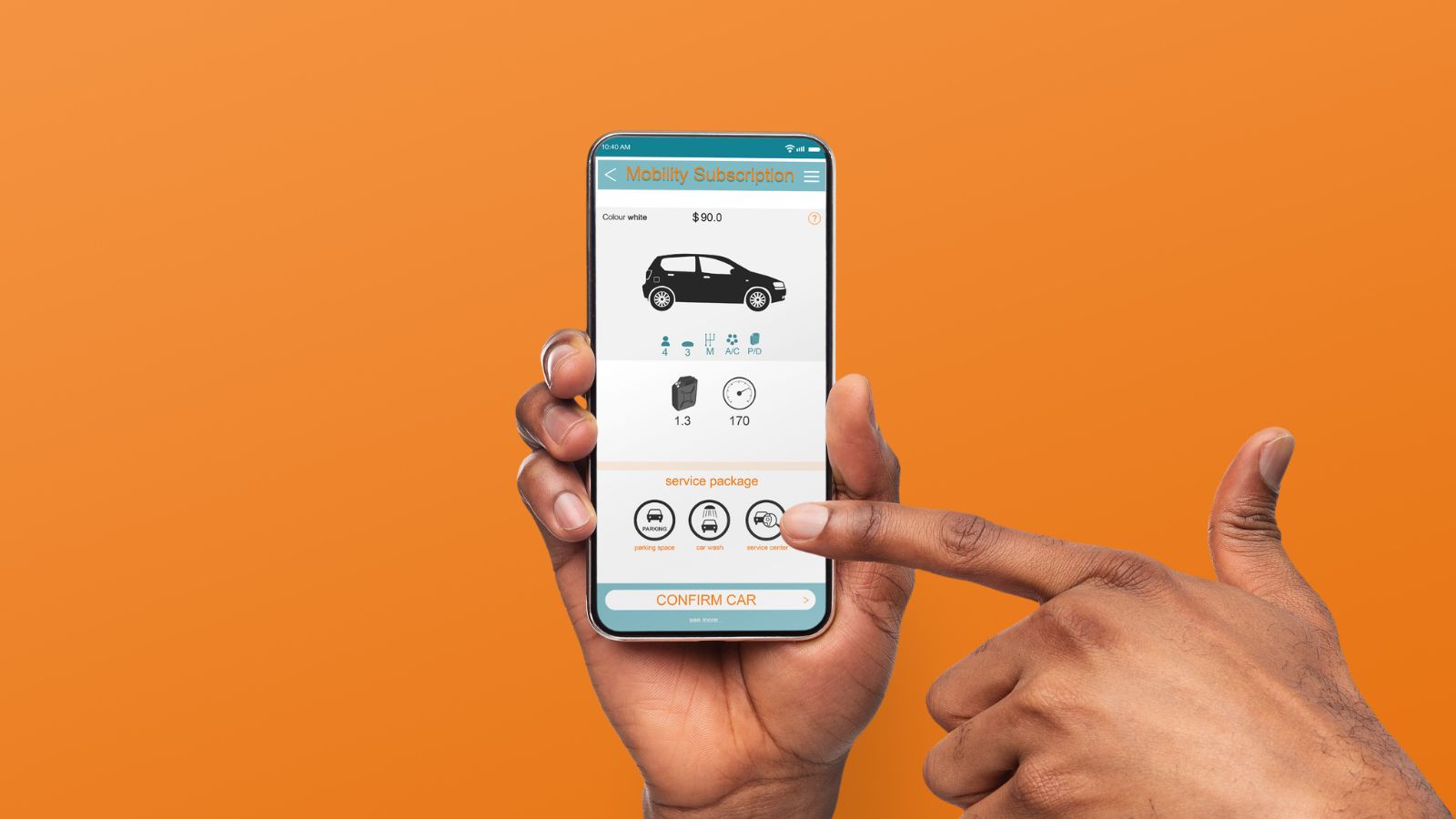
This debate goes beyond hacking. It touches on the philosophy of ownership. Canadians understand paying extra for physical upgrades. A bigger engine costs more. A better sound system costs more. But paying monthly for a window defroster that already exists inside the vehicle feels almost comedic. Drivers wonder why automakers spent engineering time building systems that actively deny customers full access to their own cars. The sentiment is clear. If the feature is there, let the owner use it.
It Is Easy to See Why Drivers Sympathize
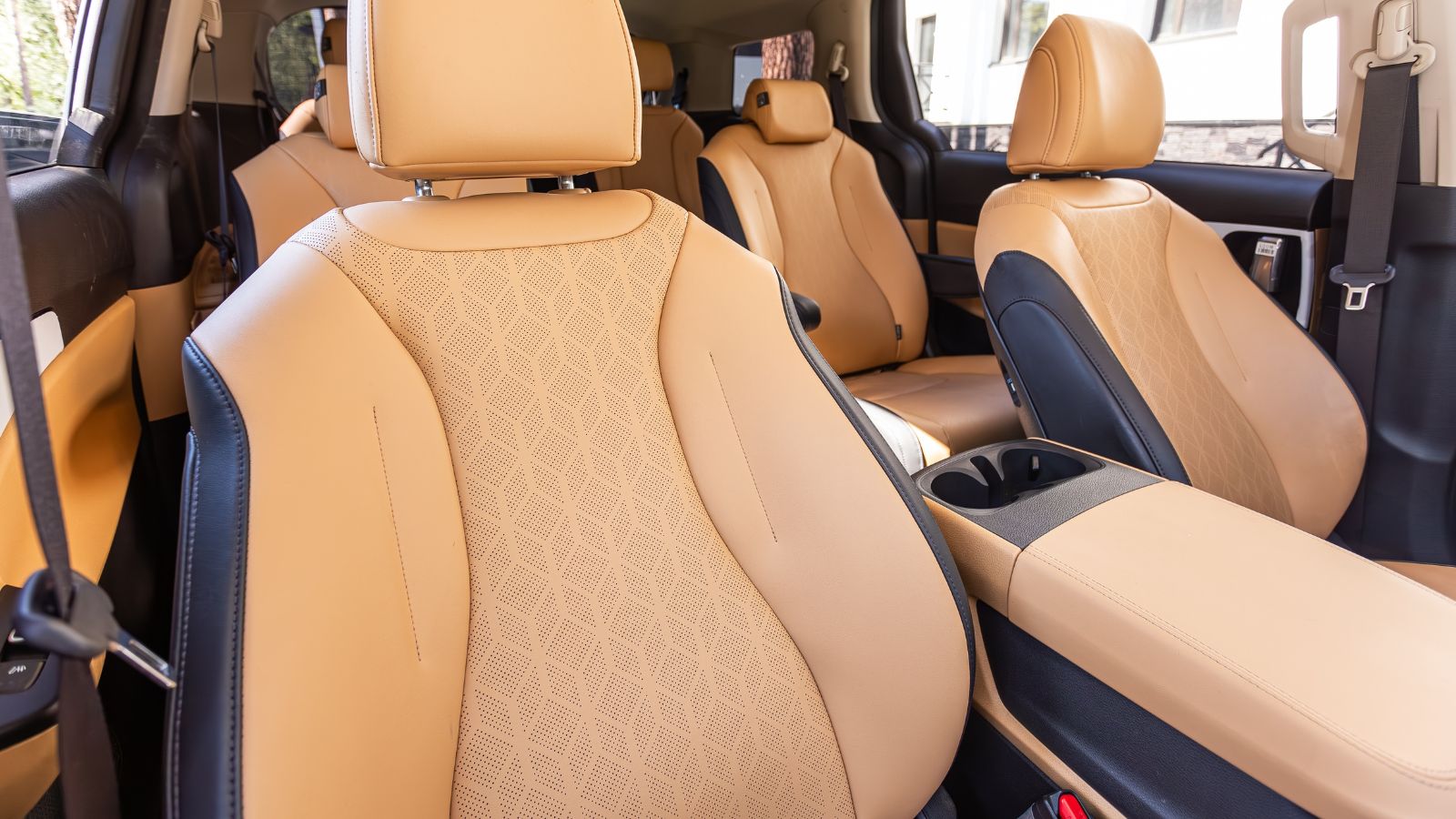
Even people who would never touch a laptop or cable understand the emotional appeal. Drivers imagine paying six figures for a luxury SUV only to discover the heated rear seats require a subscription plan. Or buying a performance model whose full horsepower is locked unless you subscribe to a “power boost” package. The entire system feels like a satire of modern consumerism. Canadians may not condone illegal behaviour, but many openly admit they do not blame the people who rebel against a structure that feels fundamentally unfair.
But Legal Consequences Are Still Very Real

This is where the conversation snaps back to reality. Hacking vehicle software can violate digital rights protection laws even if the owner thinks it is harmless. Warranties can vanish overnight. Insurance companies may refuse coverage if a modified system affects safety performance. Even a minor software tweak can cause cascading issues inside a modern vehicle’s complex network of sensors and controllers. Canadians know this. They may empathize with the sentiment behind the hacking, but they understand the risks stretch far beyond a simple unlock code.
Automakers Created the Problem and Now Face the Backlash
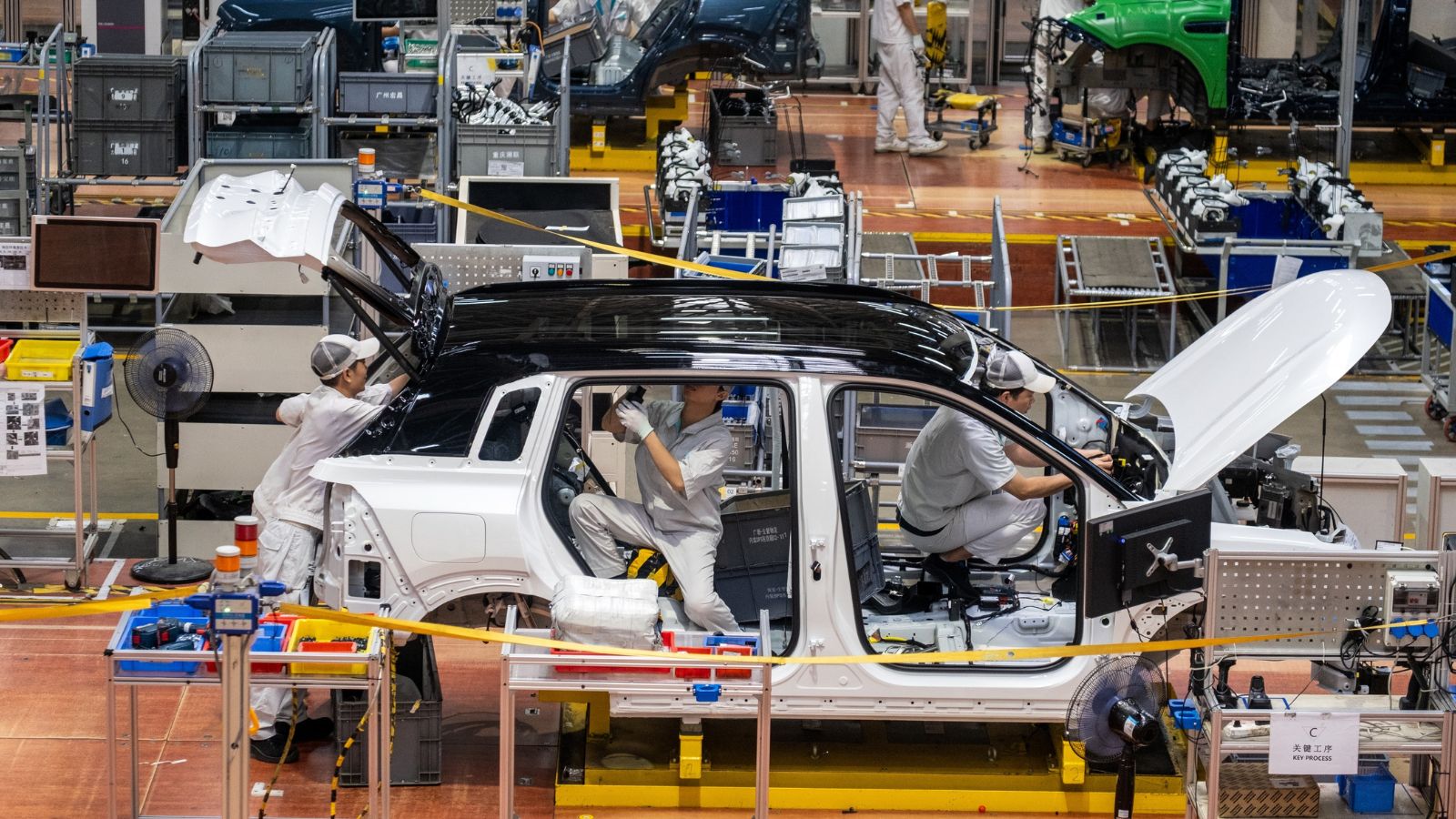
Drivers did not invent this conflict. Automakers did. When companies chose to turn comfort and convenience features into subscription services, they planted the seed for backlash. Many customers feel they are being charged twice, once for the hardware and again for the privilege of using it. This business model might look profitable on paper, but in practice it feels like a corporate overreach that misunderstands how drivers view ownership. The pushback was inevitable.
The Debate Comes Down to Ownership

Canadians value practical, straightforward relationships with their vehicles. They do not mind paying for upgrades they can see or touch. But when a company installs a heated seat and then demands rent to turn it on, people feel manipulated. Even critics who oppose hacking acknowledge that the frustration is justified. It is not about bypassing rules. It is about reclaiming the sense that buying a car still means something.
A Cynical Truth the Industry Does Not Want to Admit
As long as automakers continue locking everyday features behind subscription plans, someone will continue unlocking them. The moral debate will remain messy, but the root cause is simple. Customers want to feel like owners, not subscribers. Automakers can frame subscriptions as innovation, flexibility or next generation convenience. Canadians see it differently. They see a business model that charges them for breathing inside their own vehicle. Until the industry rethinks this approach, the hacks, the debates and the frustration will keep growing louder.
25 Facts About Car Loans That Most Drivers Don’t Realize

Car loans are one of the most common ways people fund car purchases. Like any other kind of loan, car loans can have certain features that can be regarded as an advantage or a disadvantage to the borrower. Understanding all essential facts about car loans and how they work to ensure that you get the best deal for your financial situation is essential. Here are 25 shocking facts about car loans that most drivers don’t realize:
25 Facts About Car Loans That Most Drivers Don’t Realize
