
A freshly detailed used car can hide an astonishing amount of history. Polished paint, a spotless cabin, and even a smooth test drive reveal only what the vehicle looks and feels like today. One less glamorous detail can tell a much longer story: its maintenance record. Dates, odometer readings, oil changes, fluid services, brake work, tire rotations, and repair invoices can expose patterns stretching back years.
No single missing receipt automatically makes a vehicle troublesome, and incomplete electronic histories are common. The useful information comes from the pattern. These 12 clues hidden in a used car’s maintenance history can help distinguish a vehicle that received steady care from one that may have accumulated years of deferred maintenance.
The Paper Trail Can Say More Than the Shine

A maintenance history creates something a cosmetic inspection cannot: a timeline. Vehicle-history services can contain dates, odometer readings, oil and filter changes, tire rotations, brake work, inspections, and other service events. When those entries appear regularly across several years, they provide evidence that the vehicle was repeatedly brought in for attention rather than simply repaired immediately before being advertised. A seller with invoices can add even more detail, including exactly what parts or fluids were used and why a repair was recommended.
That distinction matters because neglect often accumulates quietly. A car may receive new tires, fresh oil, and a professional detailing job shortly before sale while still carrying the consequences of earlier maintenance gaps. Imagine two otherwise identical eight-year-old vehicles. One comes with years of dated invoices and logically progressing odometer readings. The other has almost no documentation until several expensive services appear just before listing. Neither history proves what will happen next, but the first gives a buyer considerably more evidence to examine.
Long Oil-Change Gaps Deserve Immediate Attention
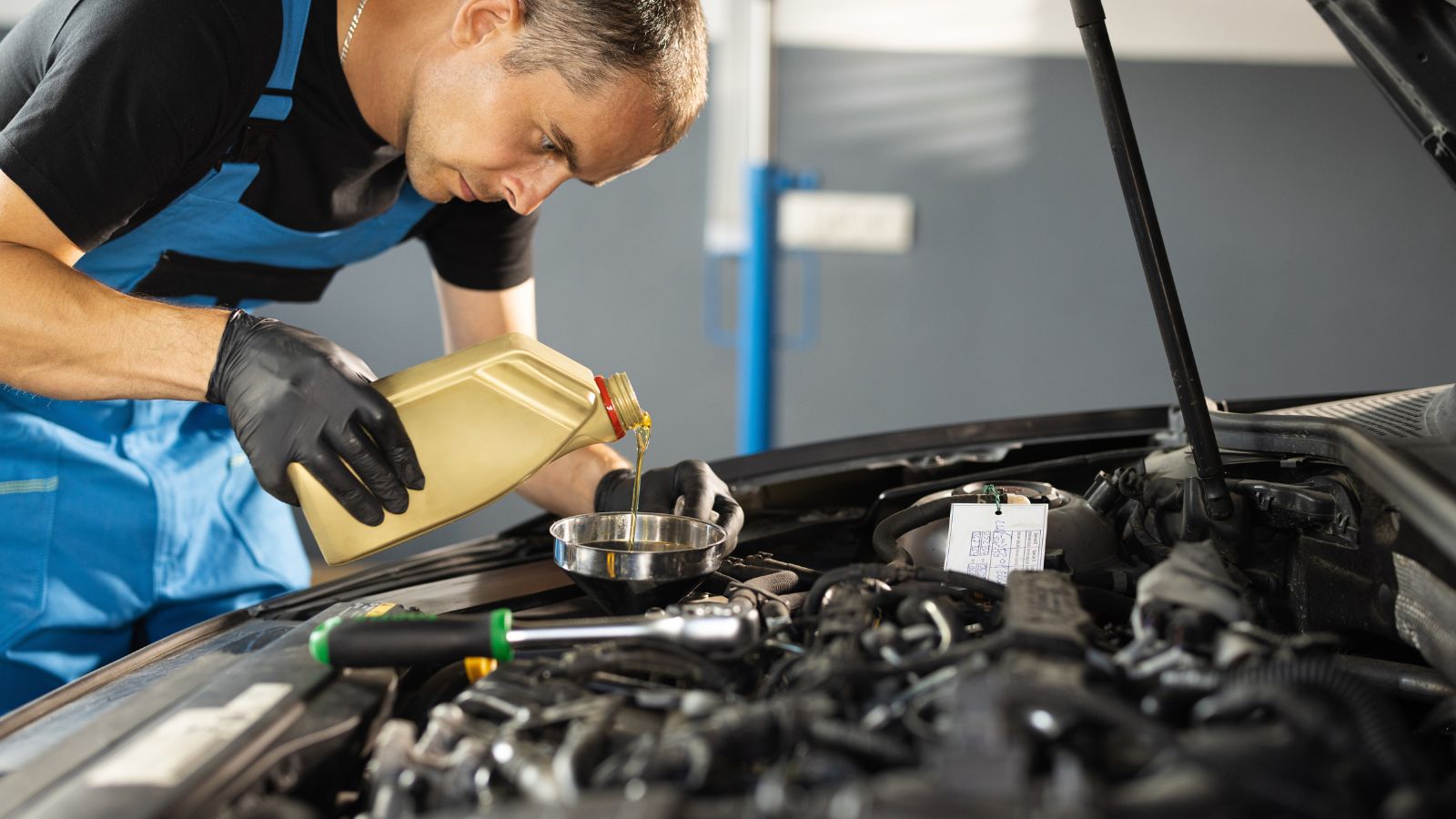
Engine-oil records are among the first entries worth examining because oil performs several essential jobs inside an engine. Honda, for example, describes engine oil as lubricating moving internal components, reducing friction, helping control heat, and protecting against wear. The automaker also notes that oil deteriorates with time and should be changed according to the vehicle’s specified maintenance system or owner’s manual. Modern intervals vary significantly by vehicle, engine, oil specification, operating conditions, and maintenance-monitoring system, so there is no universal kilometre figure that applies to every used car.
What matters is whether the recorded services roughly correspond with the manufacturer’s requirements for that specific vehicle. Honda’s Maintenance Minder, for instance, starts warning drivers when calculated oil life reaches 15 percent, while some Honda Canadian schedules also call for an annual oil change when the normal maintenance alert has not appeared within 12 months. Several years of repeated oil-change gaps extending well beyond the applicable schedule deserve questions. One late service may have an explanation; a continuing pattern suggests maintenance may have routinely been postponed.
Dates and Odometer Readings Can Expose Missing Years
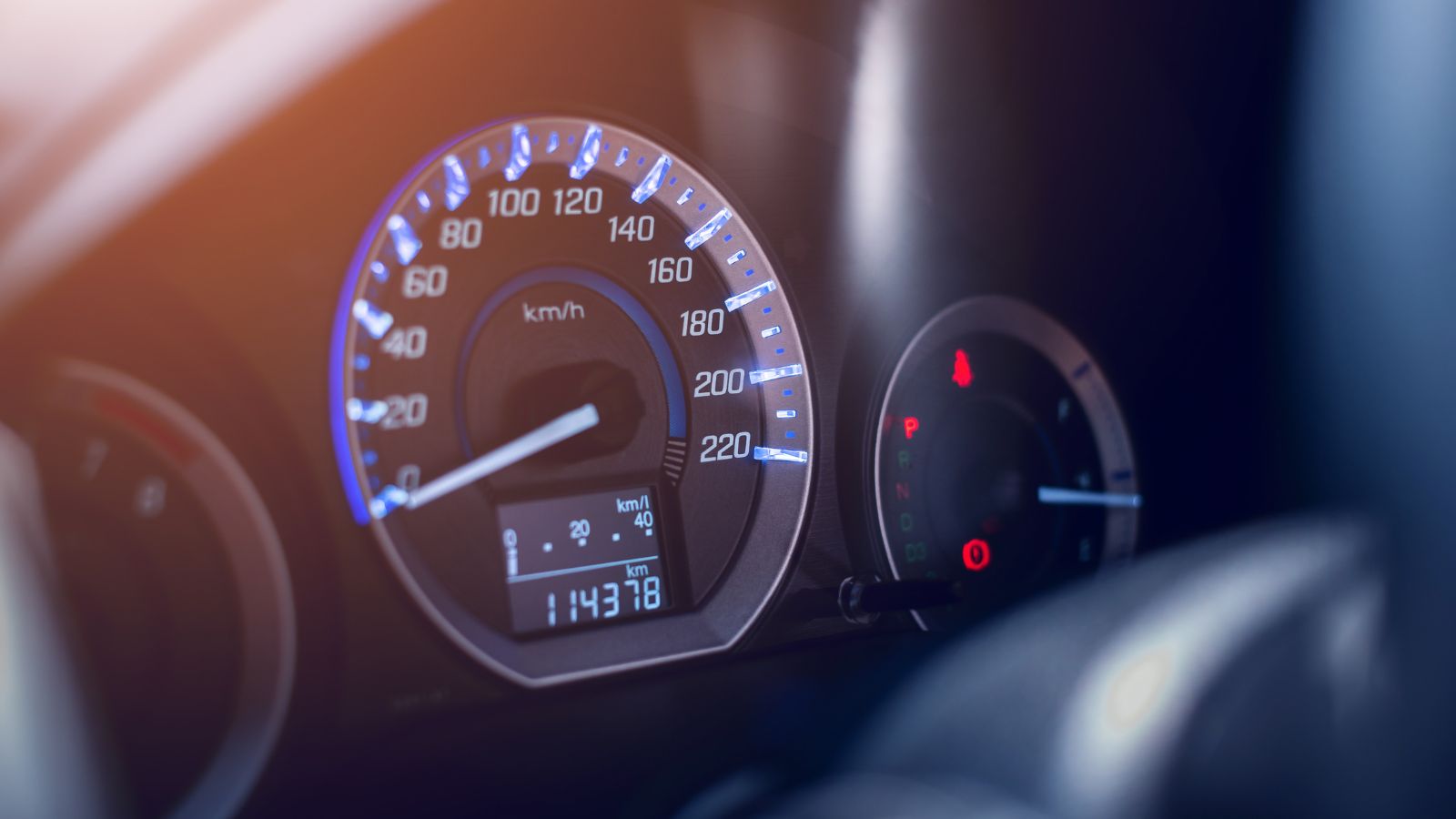
Service records become considerably more useful when dates and odometer readings are examined together. CARFAX Canada says available service histories can include the mileage recorded when maintenance was performed, while odometer readings may also come from sources such as repair facilities, listings, estimates, and auctions. Arranged chronologically, those figures create a rough map of the vehicle’s life. A sequence such as 42,000, 51,000, 60,000, and 69,000 kilometres accompanying regular service visits looks very different from a record that suddenly jumps from 40,000 to 110,000 kilometres without supporting maintenance documentation.
A large gap is not automatic evidence that nothing happened. The owner may have performed maintenance personally or used a repair shop that did not report its records. Still, the unexplained period becomes something that deserves investigation. CARFAX Canada specifically recommends asking for service history or work orders when odometer information is unavailable. Mileage progression can also reveal inconsistencies worthy of closer scrutiny. A maintenance record therefore serves two purposes: it shows what work was documented and helps establish whether the vehicle’s claimed kilometres make sense over time.
Forgotten Fluids Can Reveal Deferred Maintenance
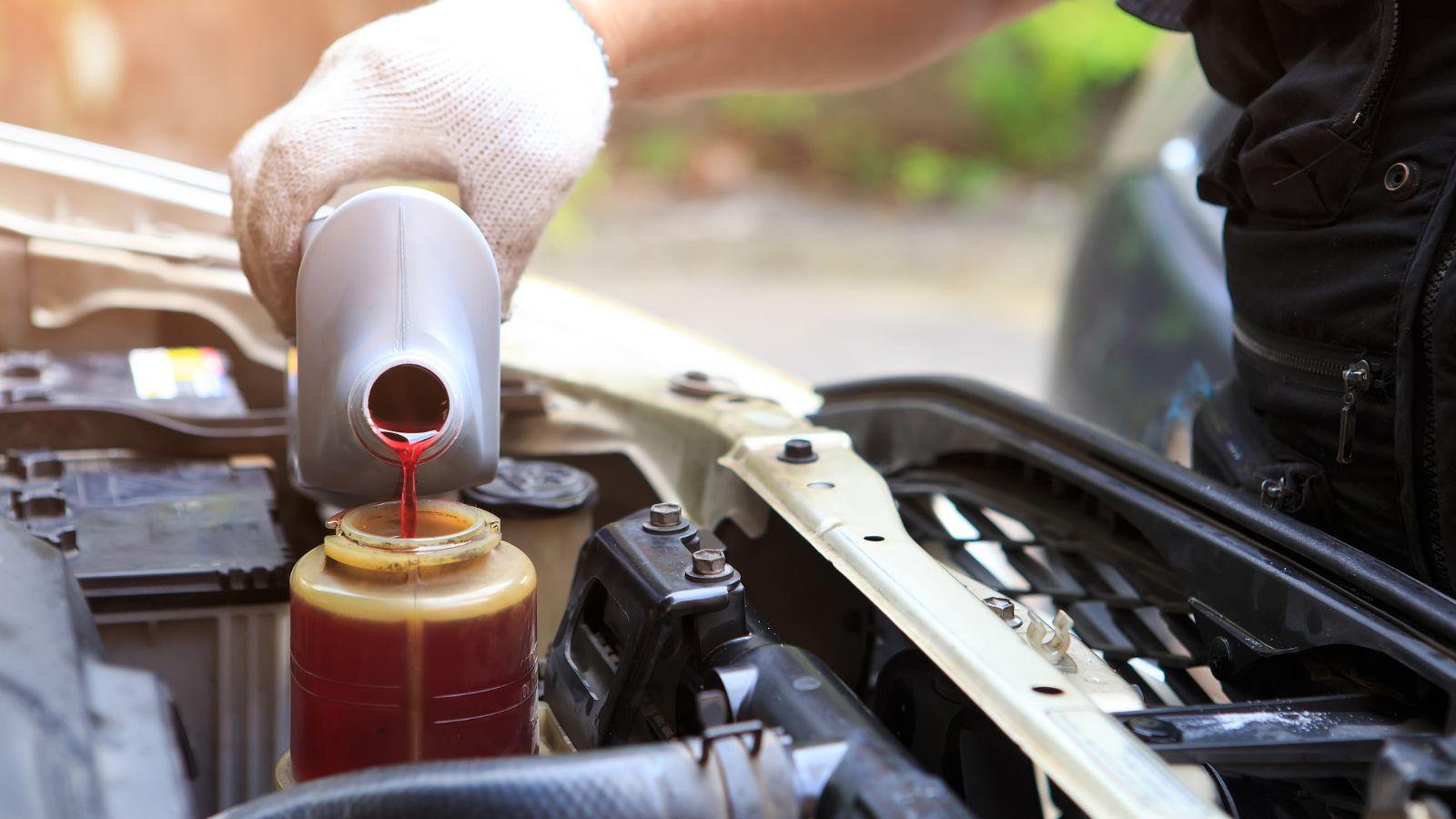
Oil changes receive most of the attention, but manufacturers specify maintenance for several other fluids because their properties and condition change with time and use. Honda states that automatic-transmission fluid cools and lubricates internal transmission components and that its properties diminish over time. The company also specifies periodic brake-fluid replacement and coolant service on applicable maintenance schedules. Toyota maintenance material likewise lists inspection or replacement requirements for fluids such as coolant, transmission fluid, differential oil, and brake-related fluids, depending on model and service interval.
That makes older used vehicles particularly interesting. A seven- or ten-year-old car may show frequent engine-oil changes yet contain no documented transmission, brake-fluid, differential, transfer-case, or coolant service even after the applicable manufacturer milestones have arrived. That does not prove those jobs were skipped, but it shifts responsibility to the seller to provide evidence. Fluid services are easy to overlook because there may be no obvious symptom when the interval arrives. A stack of records showing that these less-visible jobs were completed can therefore be more reassuring than a history consisting solely of quick oil-change visits.
Major Scheduled Services Can Separate Care From Deferral
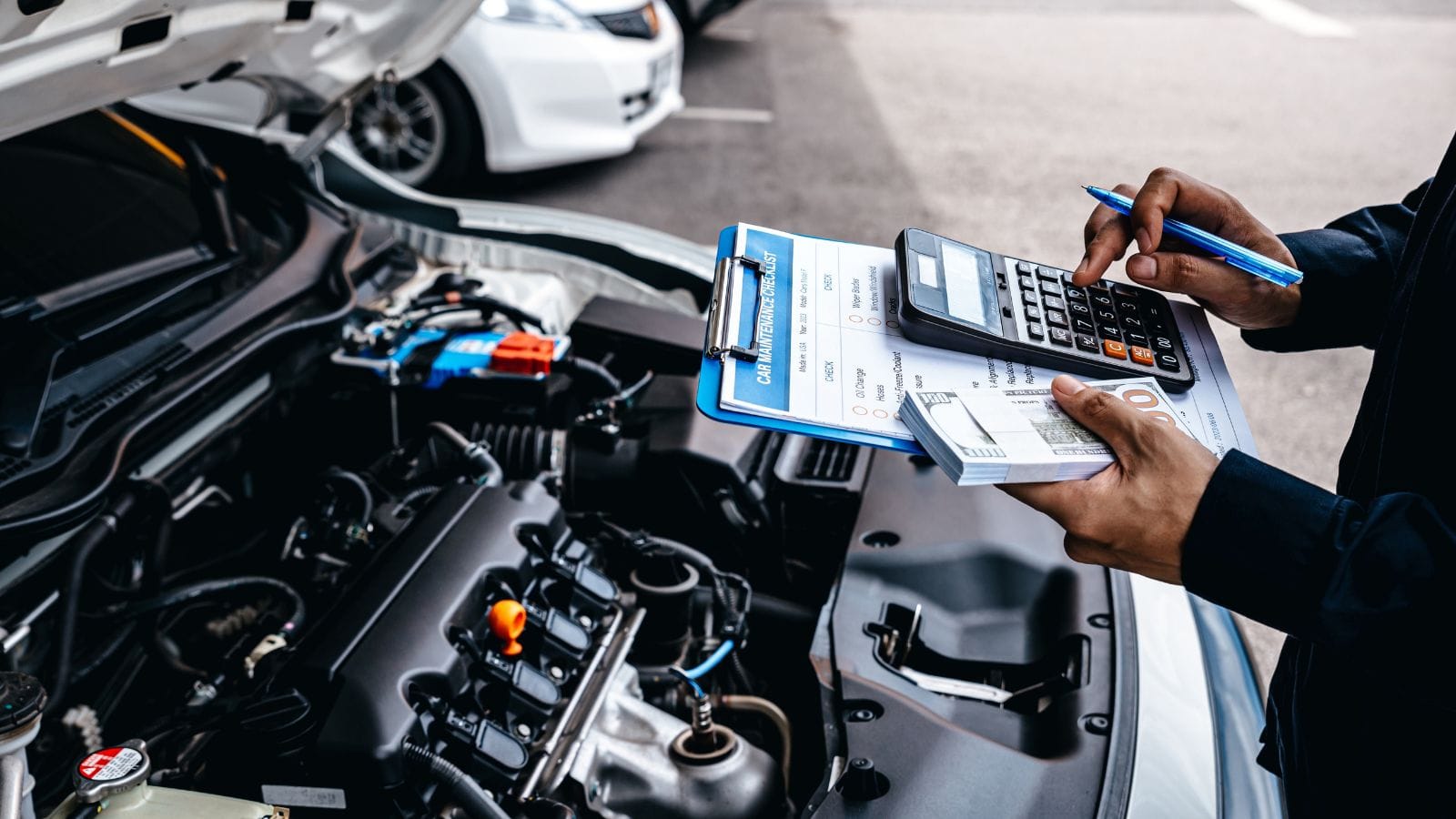
Certain maintenance events are infrequent enough that they become major checkpoints in a used vehicle’s history. Depending on the engine and model, these can include spark plugs, valve inspections, drive belts, timing belts, water-pump inspections, and other age- or mileage-based work. Honda states that periodic timing-belt replacement on engines equipped with one is critical because belt failure can potentially damage the engine. Some Honda Canadian maintenance schedules also pair timing-belt service on applicable V6 models with a water-pump inspection and specify additional requirements for operation in extreme temperatures.
Older Subaru maintenance schedules provide another useful example. Certain vehicles called for spark-plug, fluid, and eventually camshaft-drive-belt service at defined kilometre or time thresholds. The exact intervals differ by model, which is why generic online advice should never replace the correct factory schedule. For a buyer, the question is simple: when a vehicle has crossed a major service milestone, is there evidence that the expensive work was actually completed? A seller saying a timing belt was “probably done” is very different from producing an invoice with the date, mileage, parts, and labour documented.
Tire Records Can Reveal How Closely the Car Was Watched
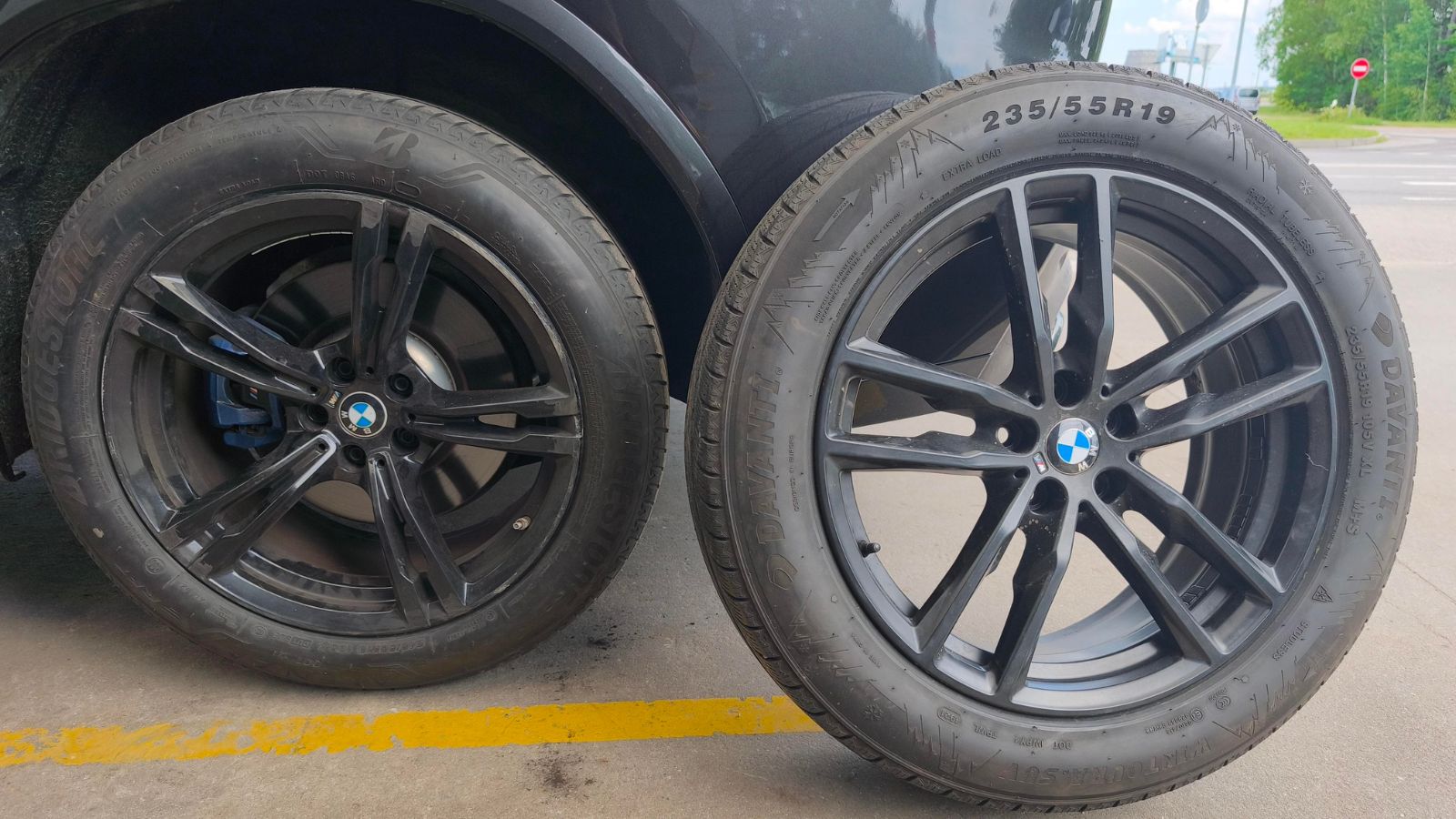
Tires are consumable items, but their records can still reveal an owner’s maintenance habits. Michelin Canada says regular rotation promotes more even tread wear and recommends following the vehicle manufacturer’s schedule, with roughly 8,000 to 12,000 kilometres given as a general rotation range. Tire-service histories may also include pressure checks, balancing, alignment inspections, seasonal changes, and replacements. CARFAX Canada identifies tire rotation among the types of service records that may appear in its histories.
The interesting part is not simply whether a car received new tires. It is whether the pattern suggests problems were noticed and corrected. Uneven tread wear can accompany alignment problems, improper inflation, worn suspension components, or other issues. Michelin identifies one-sided wear as a possible alignment symptom and cupping as something that can be associated with suspension or balance concerns. A vehicle that repeatedly destroyed one tire early without any record of alignment or suspension investigation deserves closer inspection. Conversely, regular rotations accompanied by alignment corrections and measured tread-depth checks suggest someone was paying attention before problems became severe.
Brake History Reveals More Than Pad Replacements
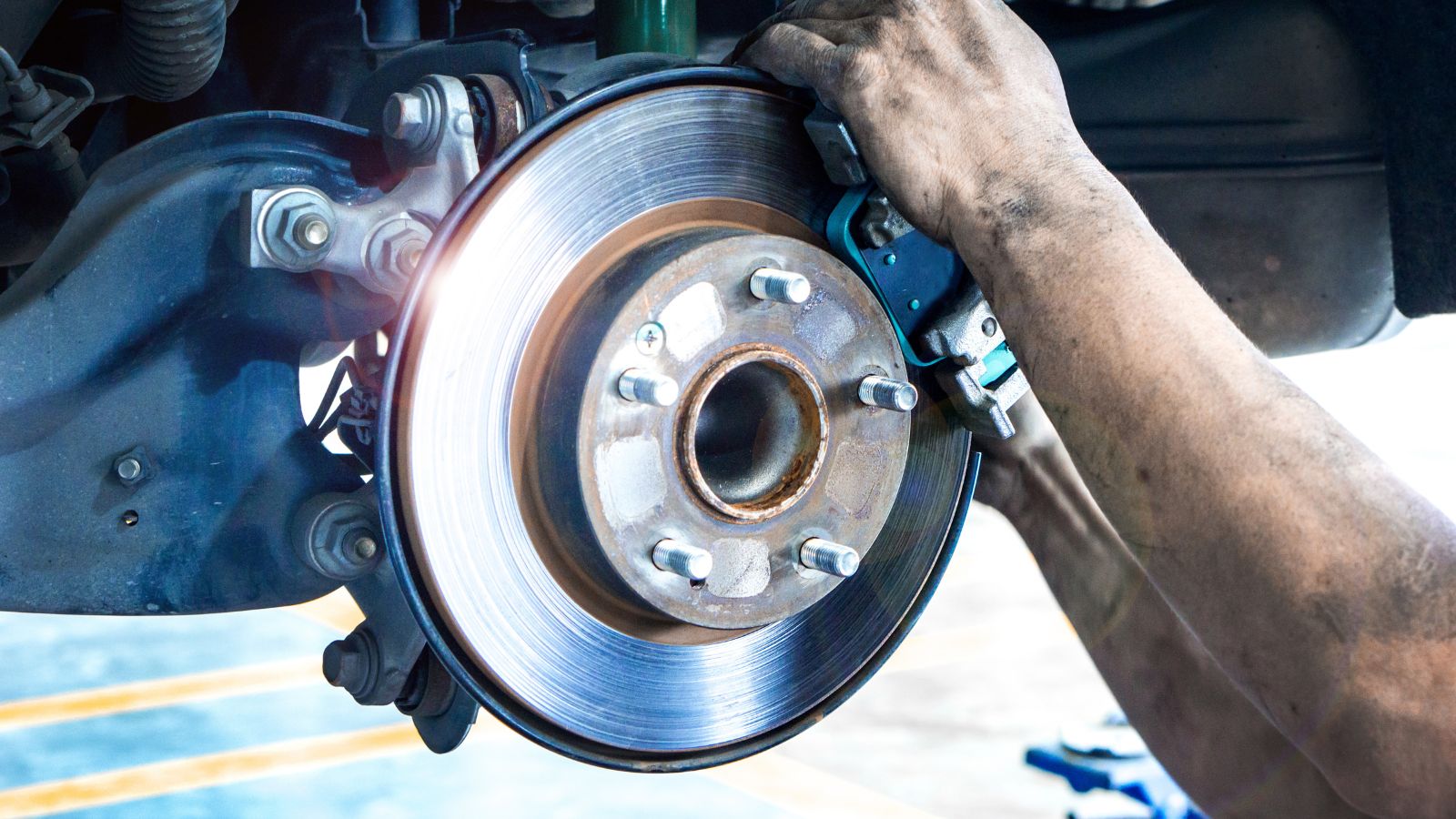
Brake pads naturally wear, so seeing brake replacements in a maintenance history is not inherently alarming. Honda explains that friction material is gradually consumed every time the brakes are applied and that replacement timing varies with driving habits, operating conditions, vehicle use, and maintenance. More important is evidence that the braking system was periodically inspected rather than ignored until grinding, pulling, or poor pedal feel forced a repair. Honda maintenance schedules include inspections of brakes, hoses, lines, and related components, while Transport Canada advises checking brakes when preparing a vehicle for demanding winter conditions.
Brake fluid also creates a time-based clue. Honda Canada states that brake fluid absorbs moisture and that its performance deteriorates over time, specifying replacement every three years for vehicles covered by the cited schedule. When an older vehicle has detailed brake-pad and rotor invoices but no evidence of hydraulic-system inspections or appropriate brake-fluid maintenance, there may be more questions to ask. In snowy, salty regions, records concerning brake lines and underbody components become especially worthwhile because those components operate underneath the vehicle where deterioration is easy to miss.
Underbody Attention Matters in Canadian Winters
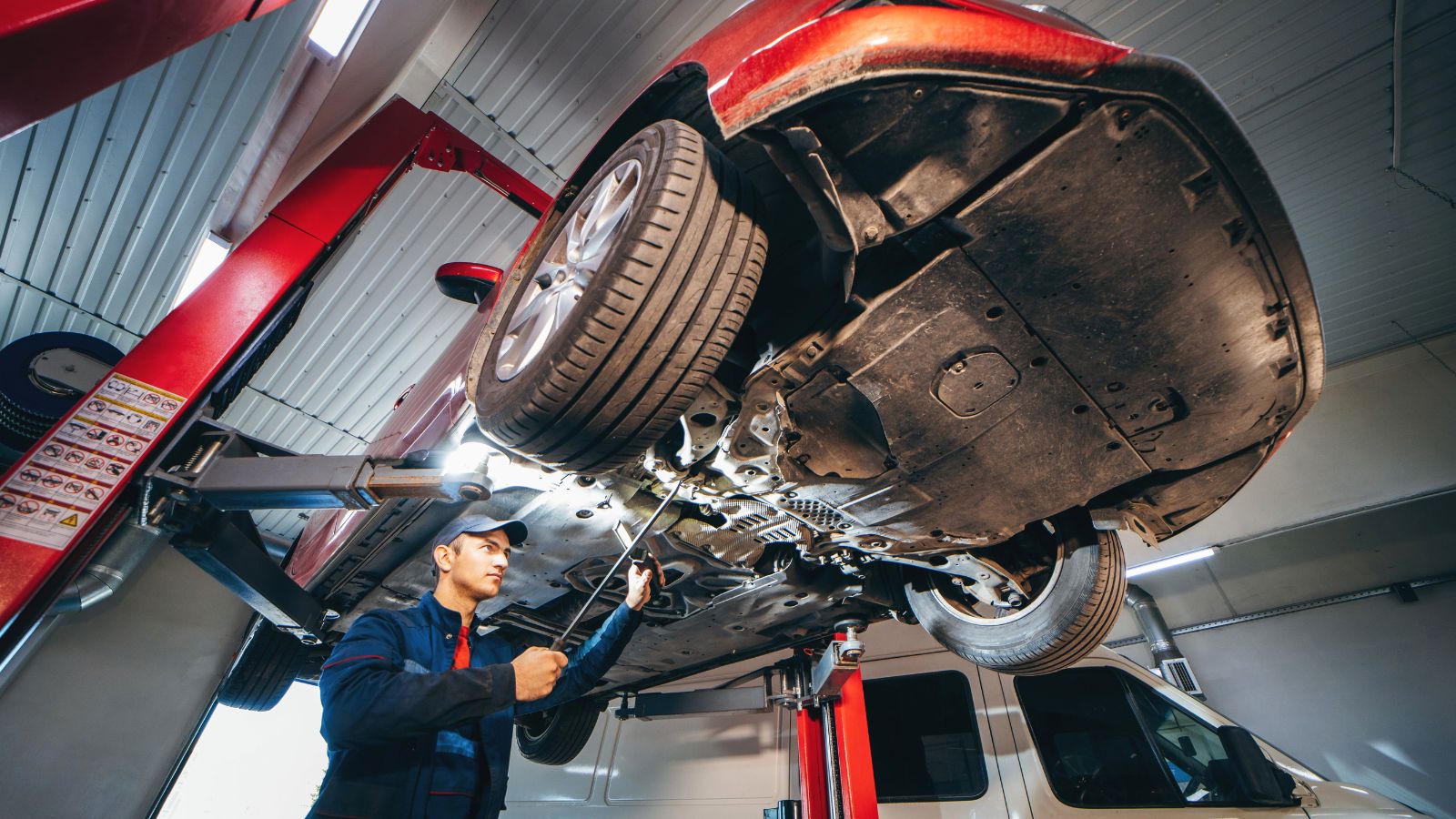
Some of the most expensive deterioration can develop where a buyer rarely looks. CAA has warned that road salt, slush, moisture, and temperature swings can be tough on a vehicle’s underside, where corrosion may affect areas including the exhaust, brake lines, fuel lines, wheel wells, suspension, and structural components. Subaru maintenance material similarly calls for periodic underbody inspection, including checks for damage and examination of components such as the exhaust, brake lines, and fuel system on certain schedules.
A maintenance folder containing periodic underbody inspections, rust-treatment invoices, winter cleanups, exhaust repairs, or brake-line work therefore adds another dimension to the vehicle’s story. The absence of rustproofing receipts does not mean a vehicle is rusted, and not every owner chooses aftermarket corrosion treatments. The condition itself must still be inspected. However, a car that spent a decade on salted roads with no documented underbody attention deserves a careful look on a hoist. Fresh paint on visible body panels can make an older car appear remarkably youthful, while corrosion underneath may reveal how difficult those winters actually were.
Repeated Visits for the Same Problem Can Tell a Story
A single repair is often simply part of normal vehicle ownership. Repeated entries involving the same system can be more revealing. A history showing several electrical checks, repeated cooling-system work, recurring alignment corrections, or multiple visits for the same warning light may justify asking what technicians were trying to solve. CARFAX Canada notes that available service records can include engine, wheel, electrical, maintenance, oil-change, tire, and other service events, giving buyers an opportunity to look for patterns rather than focusing only on the most recent invoice.
Manufacturer guidance reinforces why unresolved symptoms should not be ignored. Honda states that its scheduled-maintenance system is not a complete vehicle health check and advises diagnosis when leaks, unresolved warning lights, or unusual noises appear. That principle applies when reading old invoices too. A repair history containing “diagnose warning light,” followed months later by another similar complaint, deserves context. Perhaps a difficult problem was ultimately fixed properly. Perhaps several unrelated faults occurred. The records cannot diagnose the car by themselves, but they can give a mechanic precise areas to investigate during a pre-purchase inspection.
A Stack of Receipts Can Be More Valuable Than a Dealer Stamp
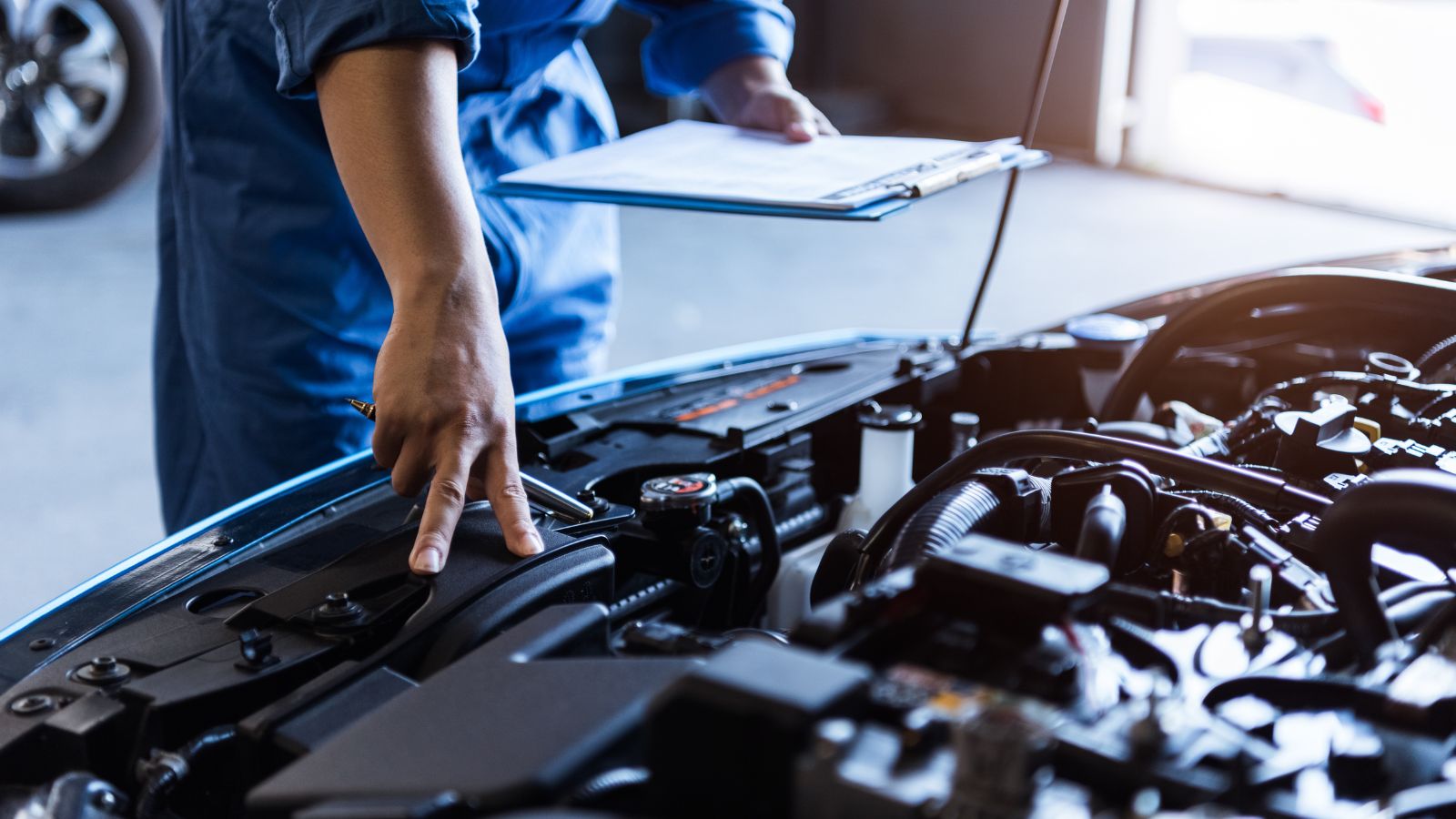
Where a vehicle was maintained matters less than whether the work can be verified and matches the vehicle’s requirements. A well-kept folder from a reputable independent repair shop may provide dates, odometer readings, fluid specifications, part numbers, diagnostic notes, and technician recommendations. CAA has advised used-car shoppers to request maintenance history and noted that a well-looked-after vehicle may come with invoices and receipts. CARFAX Canada similarly recommends asking sellers to produce receipts when they claim parts or upgrades were recently installed.
Receipts are particularly helpful when electronic reports use vague descriptions such as “vehicle serviced” or “maintenance inspection completed.” They can show whether that visit involved a substantial scheduled service or something as minor as a bulb replacement. They also help document work performed by facilities that do not send information to major history-report providers. A vehicle maintained outside a franchised dealer network should therefore not automatically be considered neglected. Consistency is the stronger signal: regular work, logical mileage progression, appropriate manufacturer-specified services, and documentation that allows important claims to be checked.
A Blank History Is a Question Mark, Not a Conviction
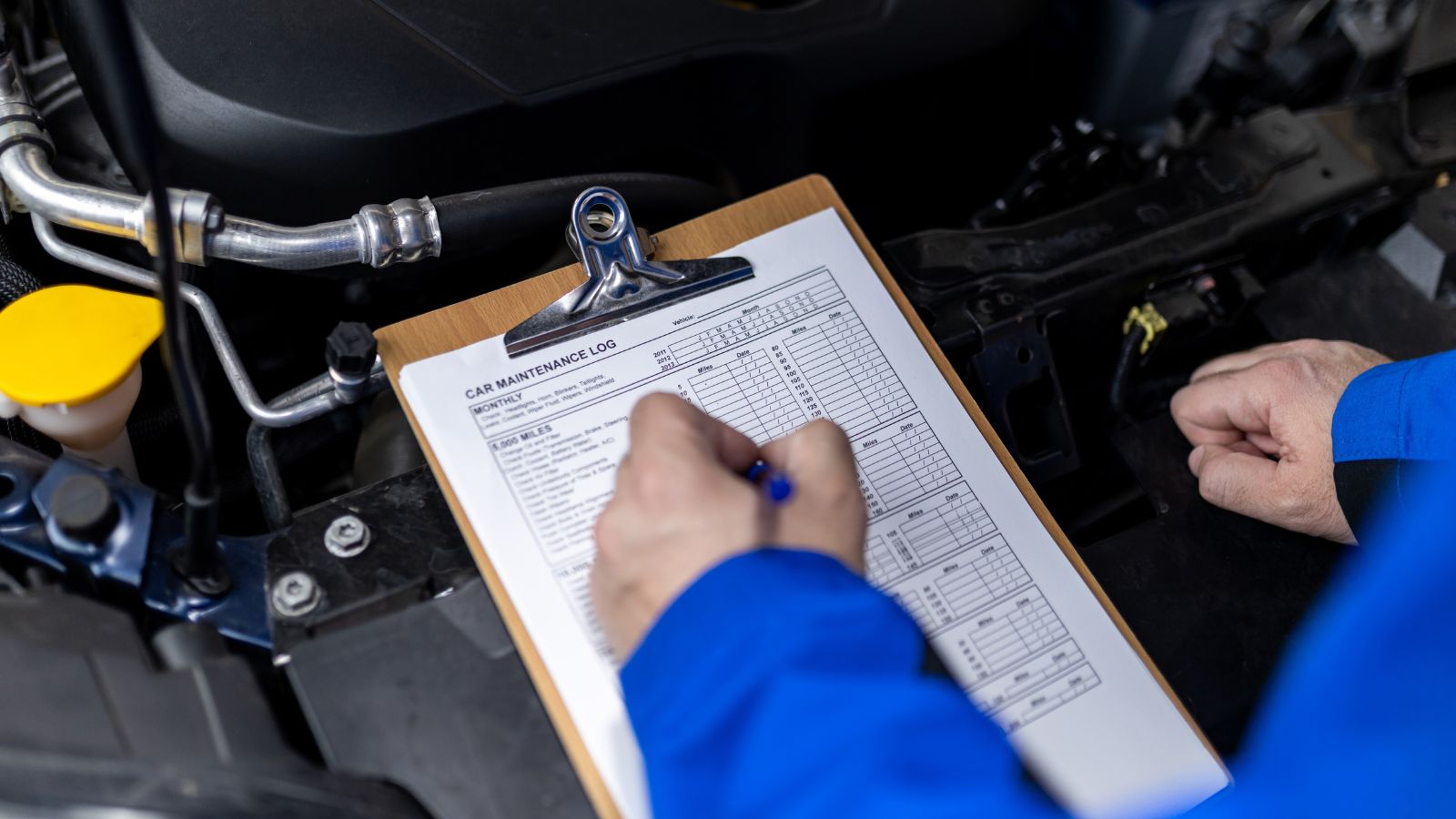
One of the easiest mistakes is treating the absence of electronic service records as proof that an owner ignored the vehicle. CARFAX Canada explicitly warns that service records are not available for every VIN. Its reports depend on information supplied by participating sources, and a repair facility may simply not provide its data. Owners who perform legitimate maintenance themselves can create another gap. Even recent service may take time to appear or may never appear if the shop is outside the reporting network.
That means a blank history requires more investigation, not an automatic rejection. The seller might produce an organized binder containing years of invoices, parts receipts, or handwritten records that explain the missing digital entries. Those documents can then be compared with the vehicle’s mileage and factory maintenance requirements. The opposite situation also deserves caution: a lengthy computerized report should not be treated as proof that every required service occurred, because reporting systems only display information they receive. Documentation is evidence, not a warranty. The vehicle itself must ultimately support the story told by the paperwork.
The Records Should Lead to a Real Mechanical Inspection

Maintenance history is most powerful when it guides an independent inspection. CARFAX Canada consistently recommends combining a vehicle-history report with a thorough test drive and inspection by a qualified mechanic. Ontario’s motor-vehicle regulator, OMVIC, likewise advises buyers of used vehicles to have them inspected by a trusted mechanic, particularly when factory warranty coverage has expired, because an inspection can uncover problems the seller may not have disclosed or even known about.
The paperwork tells the technician where to look. Missing transmission service may justify extra attention to transmission operation and fluid condition where appropriate. Repeated alignments could prompt closer suspension and tire inspection. A long period with no cooling-system records makes leaks, hoses, coolant condition, and overheating evidence more relevant. Sparse winter maintenance can justify an especially careful underbody examination. Even a beautifully documented car can still develop mechanical problems, while a poorly documented one can turn out to be sound. The maintenance record does not replace professional judgment. Its greatest value is showing which questions to ask before money changes hands.
19 Used Cars Canadians Should Avoid in 2026 (Based on Owner Complaints)

Buying a used car in Canada can feel safe until repair bills start stacking up. Owner complaints tell a different story than glossy listings. Transmission failures, electrical problems, and weak winter reliability show up again and again in consumer reports. Many of these issues appear after warranties expire, when owners least expect them. Some vehicles look affordable upfront, but become expensive to keep on the road. Others struggle in cold weather, urban driving, or long highway commutes. Here are 19 used cars Canadians should avoid in 2026 (based on owner complaints).
19 Used Cars Canadians Should Avoid in 2026 (Based on Owner Complaints)

Alanna Rosen is an experienced content writer that focuses on many EV and educational content. Her articles are regularly published on Get CyberTrucked and syndicated on large publications.