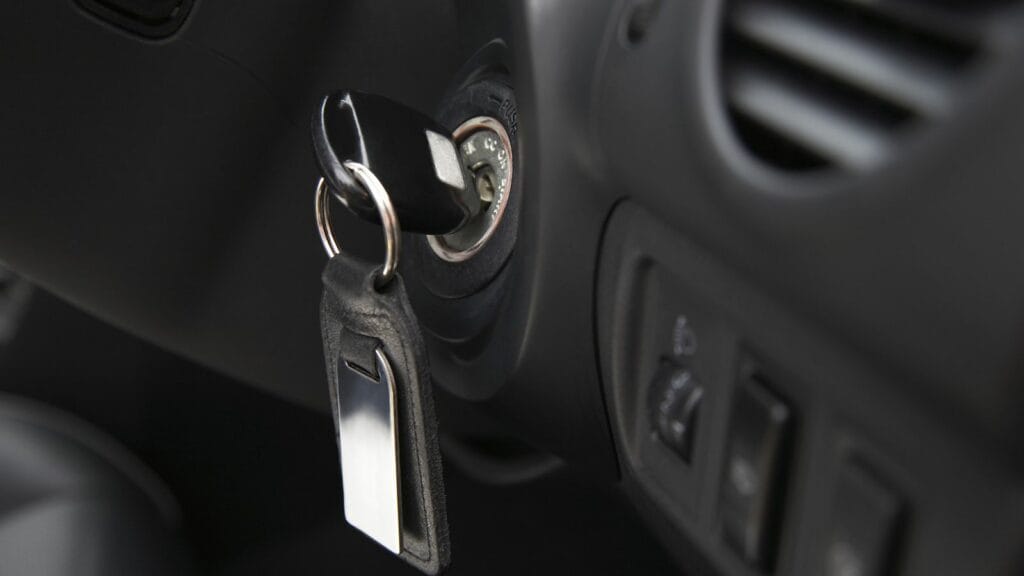
A car can be parked with perfectly usable windshield wipers at night and emerge the next morning with damaged blades—or even a strained wiper system. The culprit is often simple: snow, freezing rain, or melting frost bonds the rubber to the windshield, and the driver tries to move the wipers before freeing them. What looks like a harmless shortcut can tear rubber, bend components, or overload the motor.
The problem becomes more serious because cold weather already makes wiper materials less forgiving. These 12 winter wiper mistakes and precautions explain how overnight freezing causes damage, why seemingly minor morning habits make it worse, and what drivers can do to keep the windshield clear without sacrificing the blades meant to provide that visibility.
The Overnight Freeze Is Where the Trouble Starts
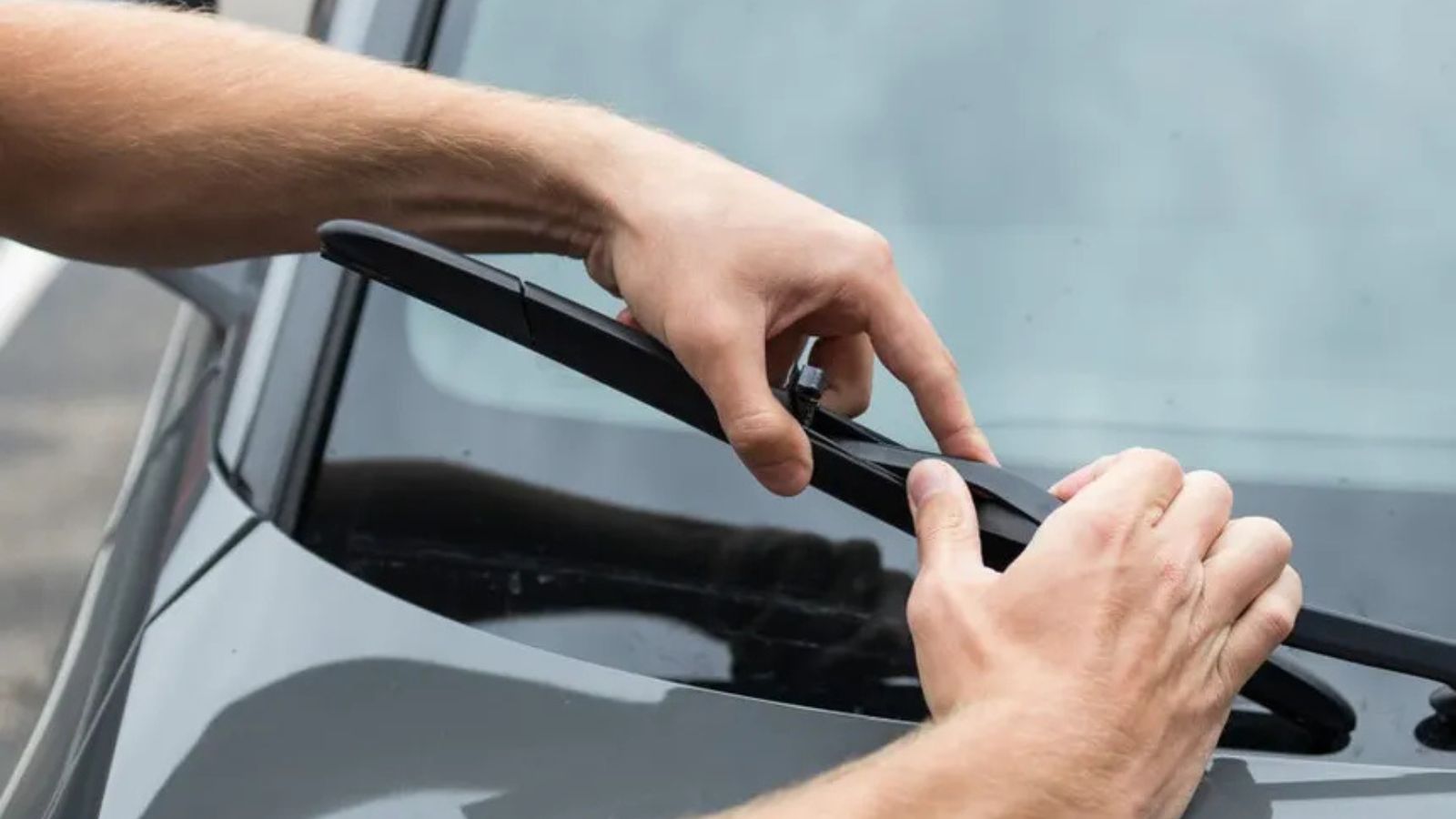
A wiper blade resting against a windshield has a long, thin rubber edge pressed firmly against the glass. When moisture from snow, freezing rain, condensation, or partially melted frost freezes around that edge overnight, the blade can effectively become glued to the windshield. Nothing necessarily looks broken when the driver first approaches the vehicle. The trouble begins when the blade is treated as though it is still free to move.
AAA specifically warns that drivers who find a snow-covered windshield may also have wipers frozen to the glass. The organization recommends clearing the windshield and freeing the blades before operating them. This is why a relatively ordinary overnight freeze can produce such an expensive surprise the next morning. The parked car did not suddenly develop a mechanical defect; ice simply created resistance that the wiper system was never intended to overcome. A few extra minutes of thawing can make the difference between normal operation and damaged rubber or hardware.
One Flick of the Switch Can Cause the Damage
The most destructive moment often comes immediately after the engine starts. A driver sees an icy windshield, switches on the wipers, and expects the blades to sweep away the obstruction. Instead, the motor attempts to move blades that are physically stuck. Depending on the vehicle and severity of the freeze, something has to absorb that resistance—and manufacturers explicitly warn that the rubber and motor can be among the components at risk.
Mazda’s owner guidance states that operating wipers while they are frozen to the glass can damage both the wiper rubber and the motor. Hyundai similarly uses protective logic on some vehicles that can temporarily prevent operation when blades are frozen, specifically to help prevent motor damage. AAA also warns that attempting to move wipers through snow and ice can damage motors and linkages. That makes the familiar morning habit of turning on the wipers immediately considerably riskier than it appears. The safest assumption after a freeze is that the blades are stuck until physically checked.
Pulling Frozen Blades Free Can Tear the Rubber
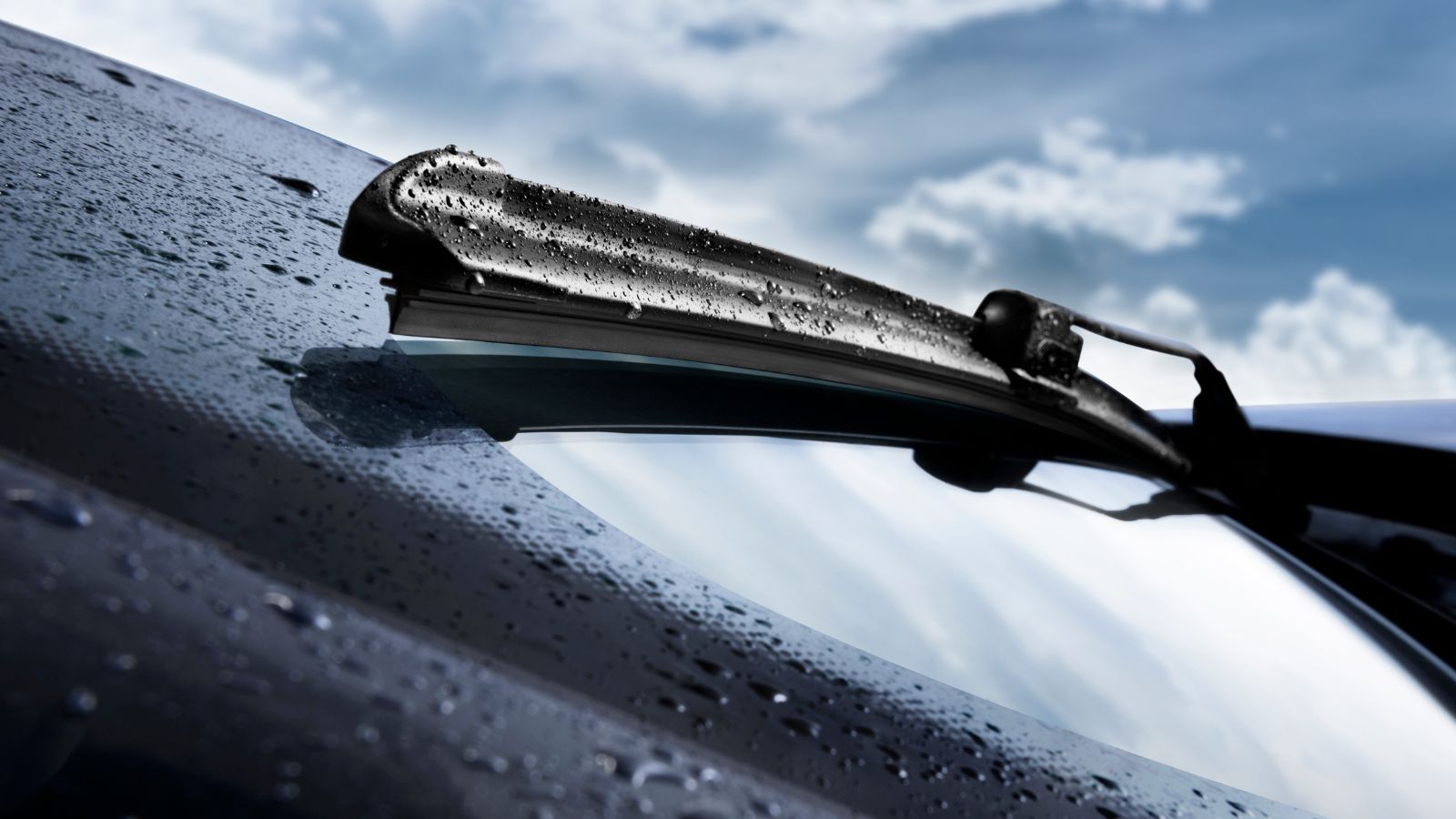
Recognizing that the wipers are frozen is only half the battle. Another common reaction is to grab the arm and pull until the blade separates from the glass. That may feel safer than switching on the motor, but a blade can still be damaged if the rubber remains bonded to ice. The force is concentrated along a narrow flexible edge that was designed to glide across glass, not act as a handle for breaking frozen adhesion.
AAA warns that yanking frozen wipers loose can rip their rubber, bend the blade frames, or damage wiper joints. A blade can also appear intact afterward while having a small torn or distorted edge that produces streaks during the next rainstorm. Consider the driver who successfully pulls both blades loose, clears the windshield, and assumes everything is fine—only to discover on the highway that one blade now leaves an untouched stripe directly in the field of view. Thawing the frozen area before lifting the blade requires more patience, but it avoids turning a frozen morning into an unexpected parts-store visit.
Let the Defroster and Scraper Do the Hard Work
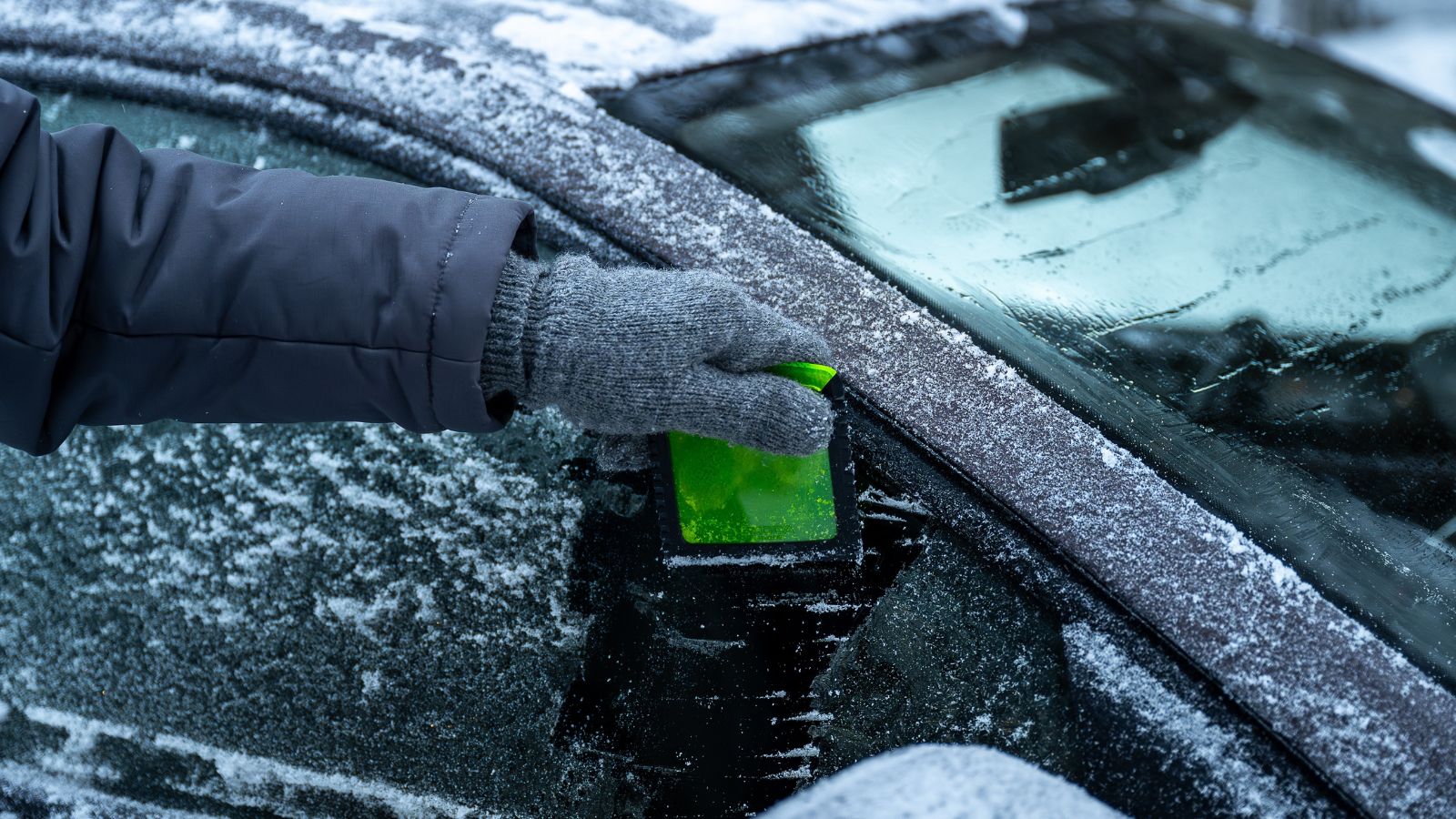
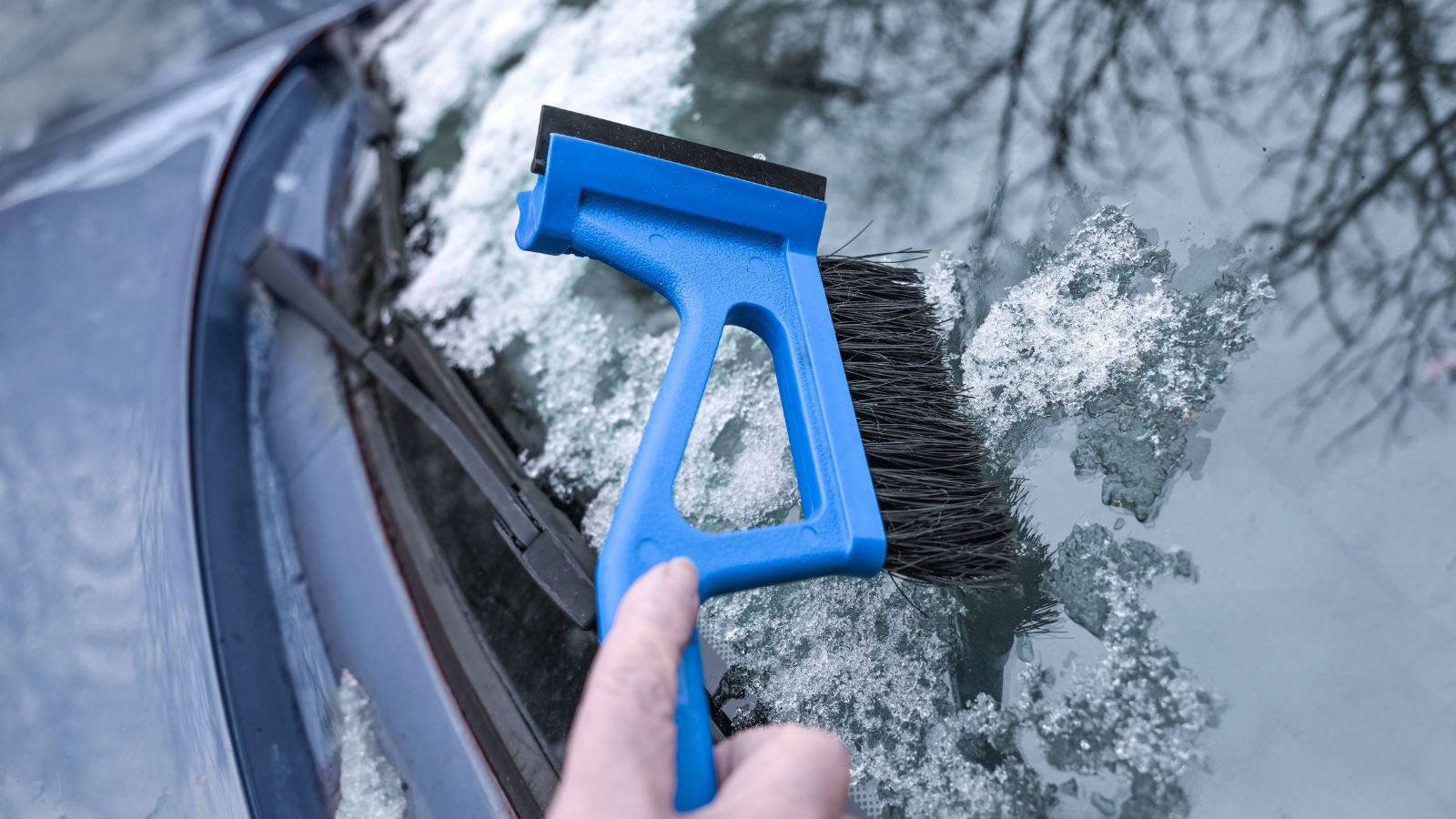
The wiper system is intended to maintain visibility during precipitation, not serve as an ice-removal tool. A better winter routine begins with warming the windshield through the vehicle’s defroster. Once the bond between the glass and ice begins to weaken, a proper scraper can remove the remaining frozen material without forcing the wipers to push through it. AAA specifically recommends allowing the defroster to soften ice before using a scraper.
Some vehicle manufacturers provide similarly cautious guidance. Hyundai advises that when a windshield has a heavy accumulation of snow or ice, drivers should defrost it before operating the wipers; some Hyundai manuals mention roughly 10 minutes or, more importantly, until the accumulation has been removed. The exact thawing time naturally depends on temperature and conditions. The principle is what matters. Wipers should be the last part of the clearing process, not the first. Once the glass and blades are free of ice, they can return to their intended job of clearing moisture and light precipitation.
Automatic Wipers Can Make the Decision for the Driver
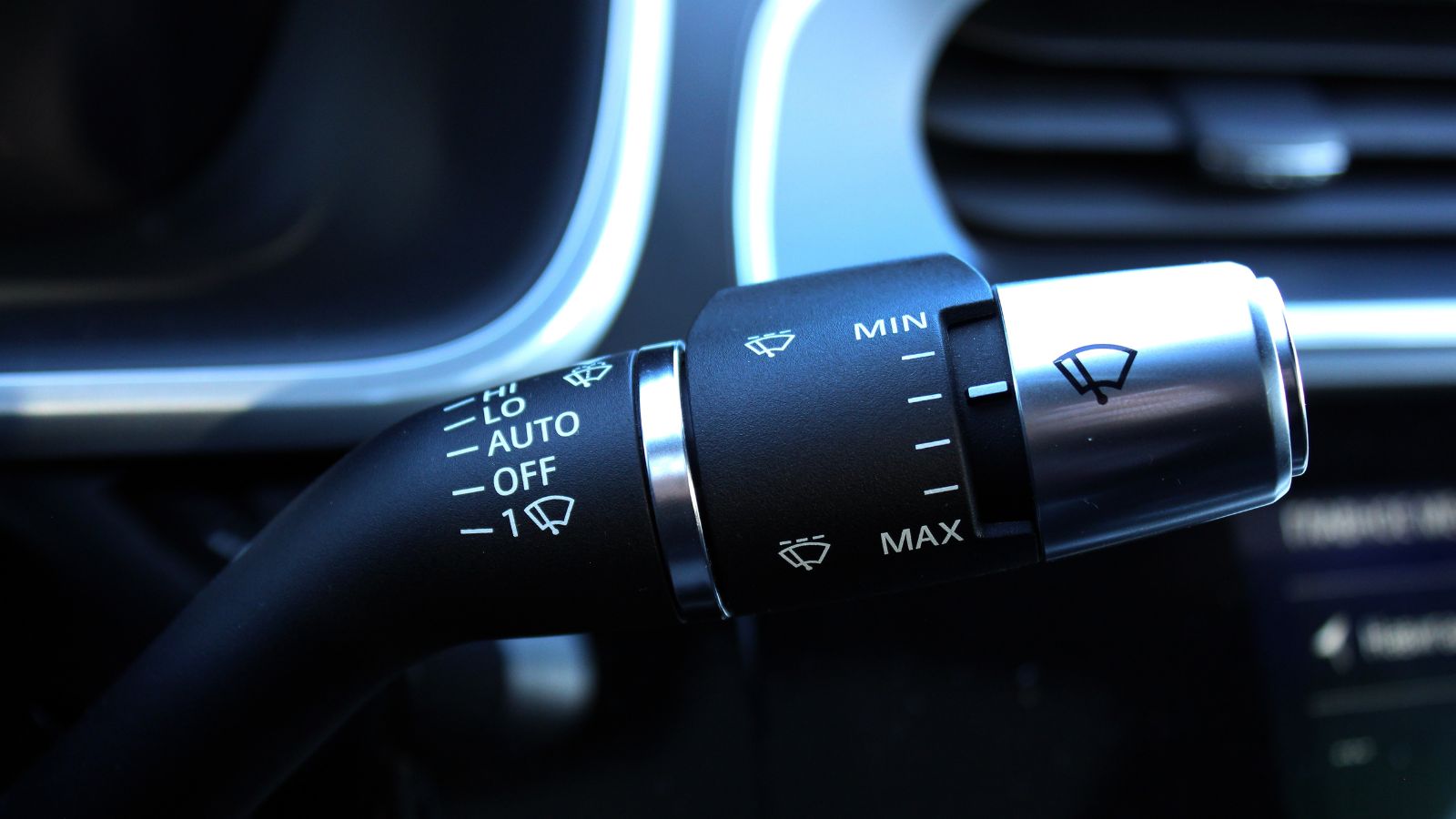
Rain-sensing wipers are convenient during changing weather, but winter creates a situation in which automatic operation can become undesirable. If the system remains active when a vehicle is started with frozen blades or ice on the windshield, the driver may not intentionally command the first wipe at all. The vehicle can respond to moisture on the glass before the driver has had time to check whether the blades are free.
Kia’s owner guidance specifically advises setting the wiper switch to OFF when starting a vehicle in winter, warning that the wipers may otherwise operate and ice may damage the blades. This precaution is especially relevant for vehicles equipped with automatic or rain-sensing operation. A driver who routinely leaves the stalk in AUTO throughout the year may therefore want a different habit when freezing conditions arrive. Switching the system off before parking, or checking its position before starting the vehicle the next morning, removes one unnecessary variable from an already icy situation and keeps the first wipe under human control.
Heavy Snow Is Too Much for a Wiper System
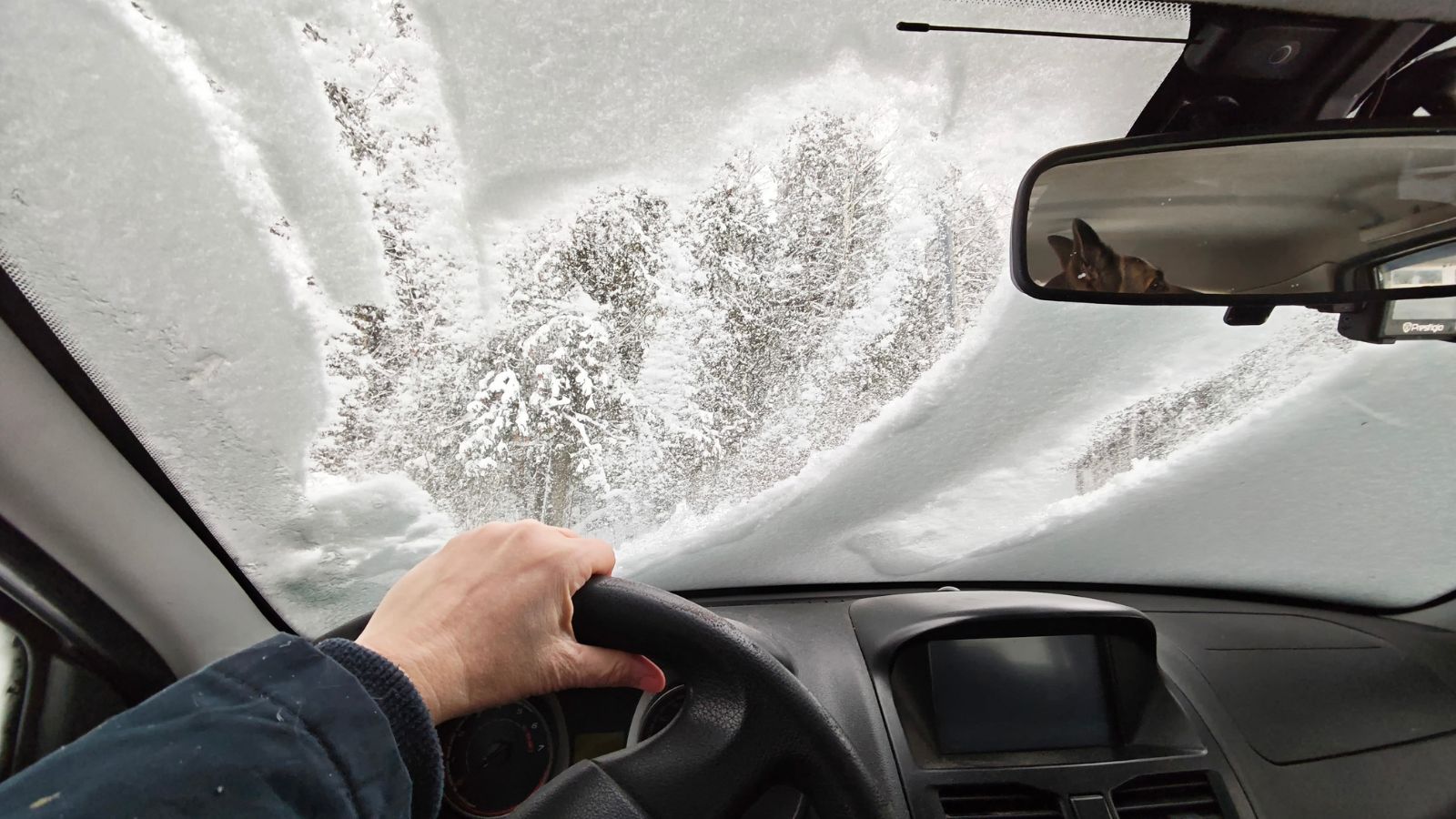
Frozen blades are not the only winter obstacle capable of overloading the mechanism. A windshield carrying several centimetres of wet, dense snow can place considerably more resistance against the wiper arms than ordinary rain or slush. Turning the wipers on because they appear capable of pushing the pile aside asks a relatively small electric motor and linkage system to function as a snowplow.
AAA states that wipers are not designed for the resistance of ice or the weight of accumulated snow and recommends using a snow brush or scraper instead. Kia documentation also notes that wipers can stop when snow buildup creates excessive load, with some vehicles using protective operation intended to reduce motor overload. The practical lesson is simple: clear the bulk of the snow manually before attempting a wipe. This is particularly important after heavy, wet snowfall, when accumulation can be much heavier than its fluffy appearance suggests. Wipers can handle what remains after proper clearing; they should not be responsible for moving the entire overnight storm.
Running Wipers on Dry Glass Adds Wear
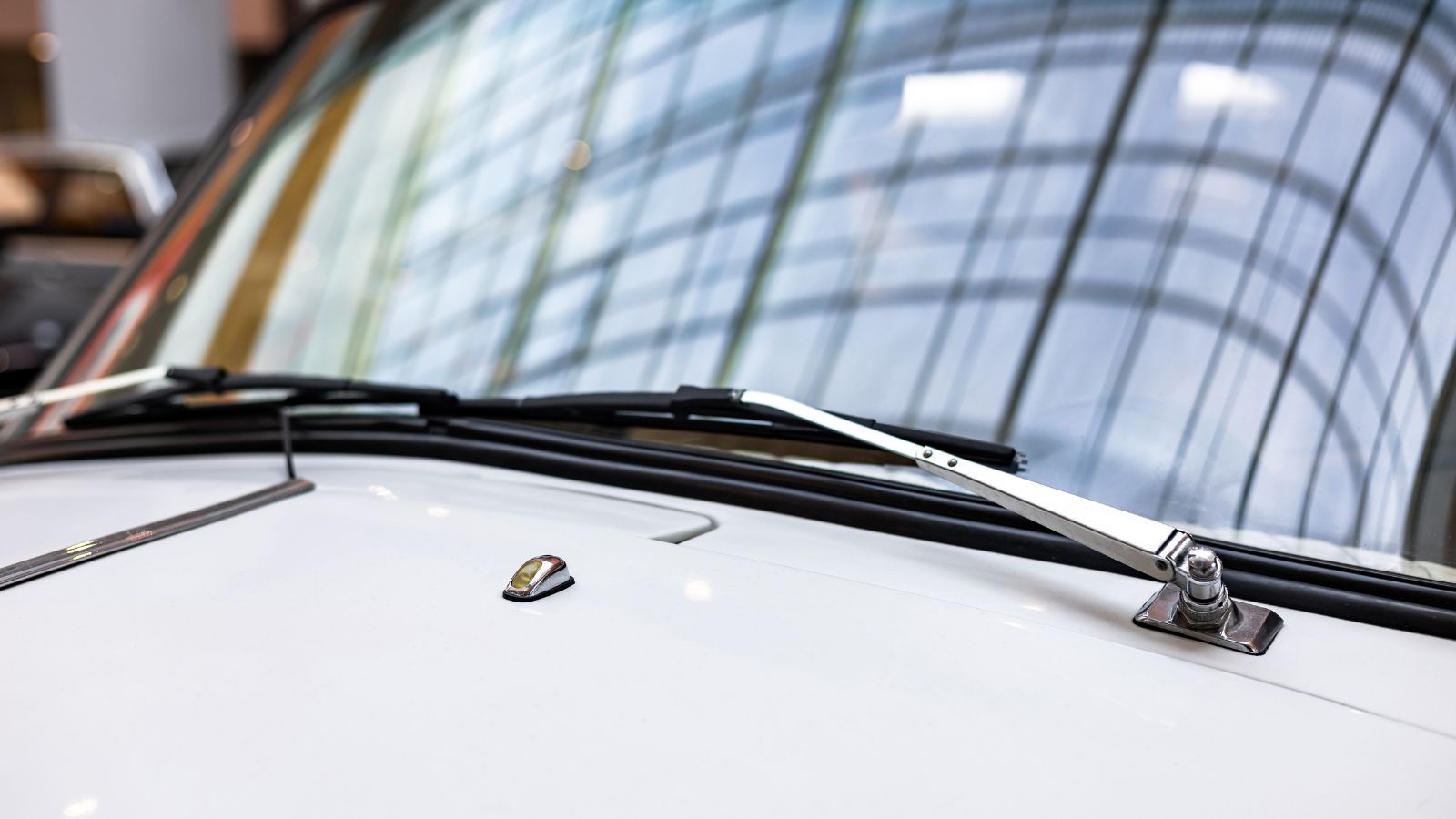
Winter drivers often associate wiper damage only with visible ice, yet completely dry glass can also be hard on the blades. The thin wiping edge works best when moisture provides lubrication between the rubber and windshield. On dry glass, friction rises, making the blade more likely to drag, chatter, skip, and experience unnecessary wear. Any abrasive dirt trapped on the surface can make the situation worse.
Both Kia and Renault owner guidance warn against operating wipers on a dry windshield, while Mazda advises applying washer fluid before wiping dry glass. This matters during winter because a driver may finish scraping an iced windshield and immediately test the wipers even though the remaining glass is nearly dry. If the blades are already cold and stiff, that test swipe offers little benefit. When cleaning is necessary, properly rated washer fluid can wet the surface first. Otherwise, there is no reason to operate the system simply to see whether it works. A stationary blade experiences considerably less wear than one being dragged across dry glass.
The Wrong Washer Fluid Can Fail at the Worst Time
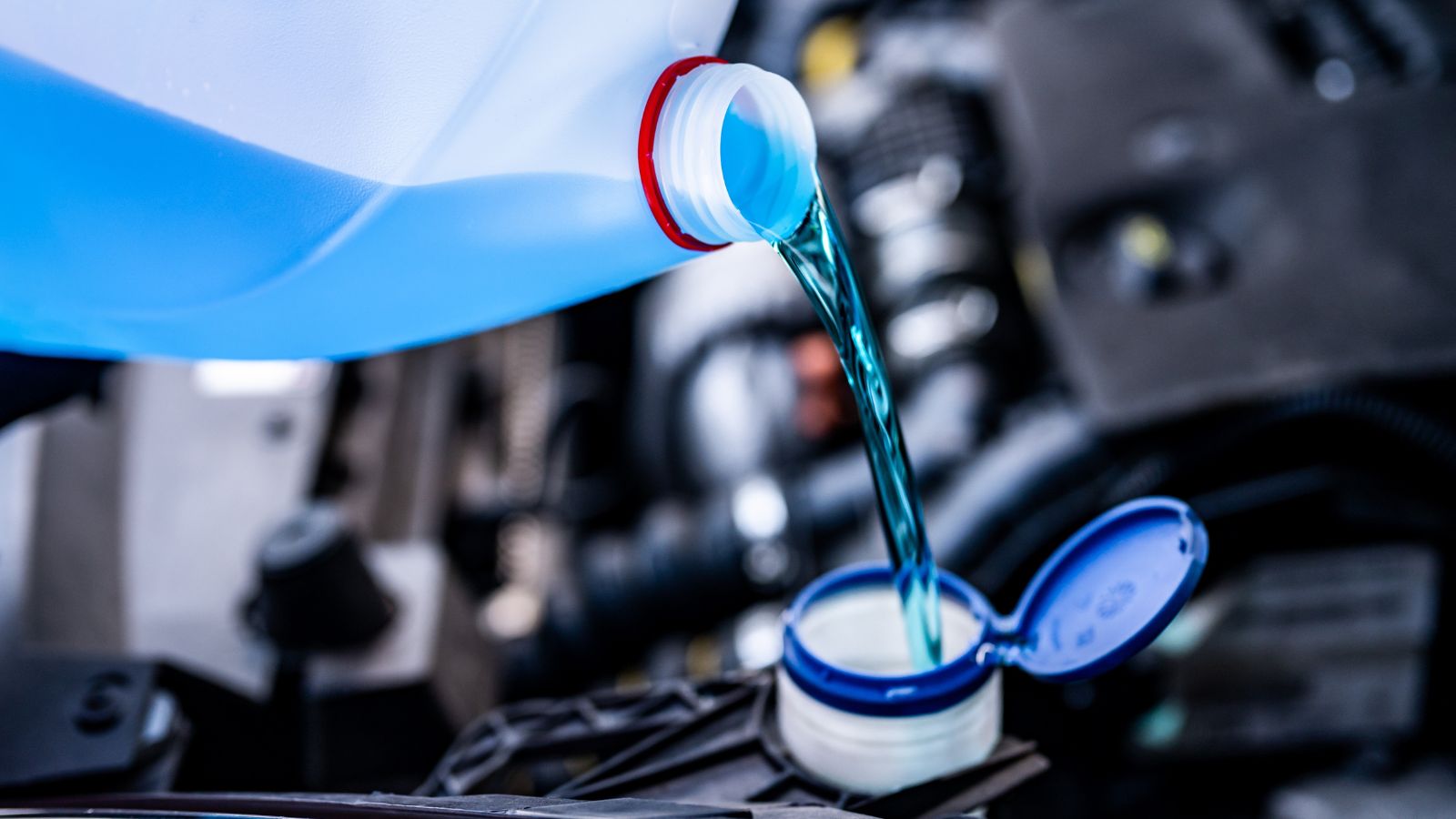
Washer fluid plays a larger winter role than simply cleaning road grime. Ordinary warm-weather formulations may not be suitable for freezing conditions, and plain water is especially inappropriate when temperatures fall below freezing. A frozen or ineffective washer system leaves the driver without one of the main tools needed to keep salt, slush, and light frost from obscuring the windshield.
The U.S. National Highway Traffic Safety Administration recommends filling the reservoir with high-quality winter washer fluid containing de-icer before winter weather arrives. AAA provides similar advice and notes that summer fluid can freeze in the reservoir. Kia also recommends antifreezing washer fluid during cold weather. There is another important precaution: washer liquid sprayed onto extremely cold glass can itself create visibility problems if it freezes, which is why some manufacturers advise warming the windshield first in freezing conditions. The label on the fluid container should therefore be checked for its temperature rating rather than assuming every blue or coloured washer fluid is appropriate for midwinter conditions.
Cold Weather Makes Old Rubber Less Forgiving
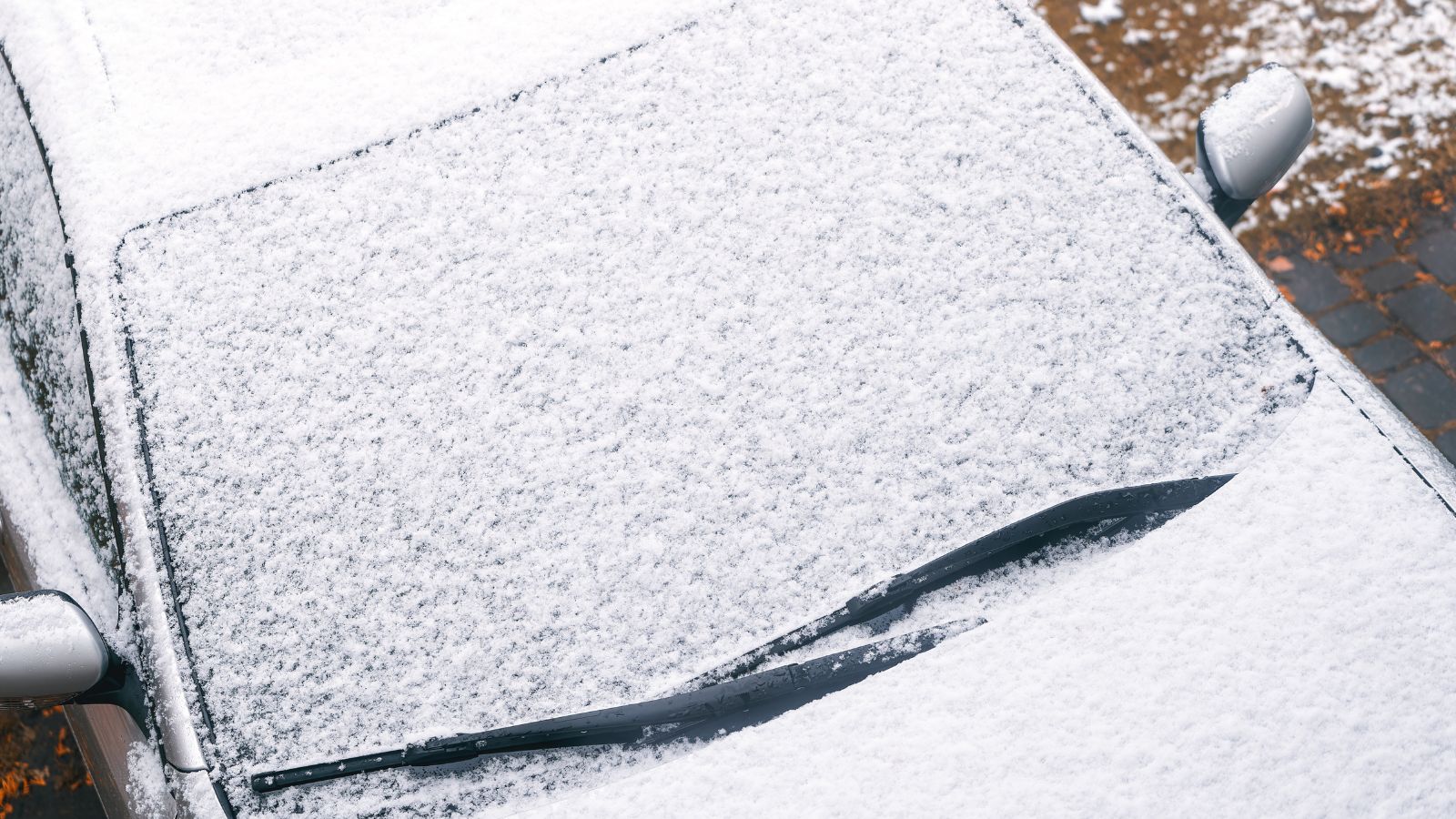
A new blade and a weathered blade may face the same frozen windshield, but they do not necessarily tolerate it equally well. Rubber and synthetic wiping materials change as they age, and winter exposes weaknesses that may have gone unnoticed through warmer months. A blade that was merely leaving occasional streaks in autumn can become noticeably less flexible once temperatures plunge.
AAA notes that freezing temperatures can cause wiper blades to stiffen or crack and that extreme temperatures can harden rubber enough to produce skipping rather than smooth wiping. Existing cracks, torn edges, or loss of flexibility make the blade less capable of conforming to curved glass. That explains why winter can seem to “suddenly” finish a set of wipers that appeared acceptable only weeks earlier. The deterioration may have been developing gradually; frost simply exposes it. Inspecting the rubber before sustained freezing weather begins is therefore useful. Visible cracking, frayed edges, persistent smearing, or a blade that no longer flexes normally are signs that replacement should not wait for the next snowstorm.
Dirt and Debris Can Turn Every Wipe Into Abrasion

Winter windshields rarely stay clean for long. Road grime, fine sand, mud, and other debris can accumulate on both the glass and the wiper edge. If those contaminants remain trapped against the blade, every pass across the windshield can become less like wiping clean water and more like dragging debris across two surfaces. The first symptom may simply be smearing, but a dirty blade can also perform poorly enough to look worn out prematurely.
AAA recommends regularly cleaning both the windshield and wiper blades to remove dirt and debris that contribute to smearing. Rain-X likewise identifies airborne sand, mud, dust, and other environmental contamination as factors affecting wiper-blade deterioration and recommends wiping loose dirt and oil from the rubber edge. A simple inspection during fuel stops or winter washes can reveal a surprising amount of black residue on a blade. Cleaning does not repair torn rubber or restore an aged edge, but it can distinguish a dirty blade from one that genuinely needs replacement—and prevents grime from adding unnecessary friction during already demanding winter use.
Winter-Specific Blades Can Reduce Ice Buildup
Standard wipers can work through winter, but regions with frequent snow and freezing rain place unusual demands on their frames and joints. Traditional framed blades contain multiple moving sections where slush and ice can collect. Once those joints become packed, the blade may stop conforming evenly to the windshield, leaving unwiped areas even though the rubber itself remains usable.
NHTSA recommends considering heavy-duty winter wipers in areas that receive substantial snow and ice. AAA describes winter designs with protective coverings that help keep frozen precipitation away from critical components and compounds intended to remain more flexible in low temperatures. Rubber-booted winter blades and one-piece beam designs are both intended to reduce the places where snow and ice can accumulate. They are not permission to operate a frozen system—the windshield still needs to be cleared first—but they can make winter performance more consistent. For a vehicle that spends months outdoors in freezing conditions, choosing a blade suited to that environment can be a practical seasonal upgrade rather than merely an accessory.
Know When One Frozen Morning Has Finished the Blades
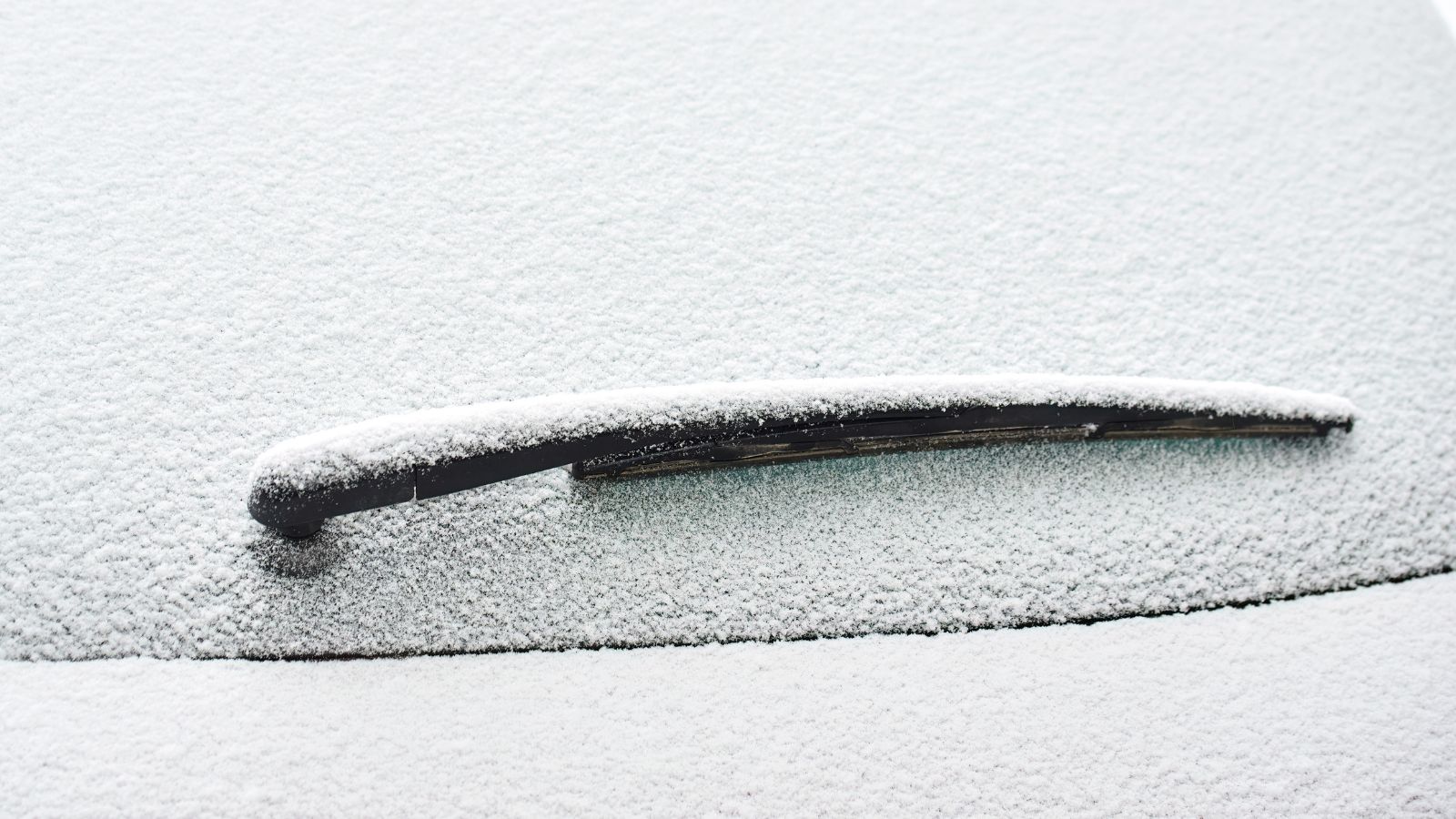
Sometimes the damage has already happened. After freeing a frozen blade, the important question is whether it still clears the windshield properly. Streaks that remain after the blade and glass are cleaned, sections of windshield that are consistently missed, chattering, squeaking, cracks, torn rubber, or a visibly bent frame all indicate that the blade deserves closer attention.
AAA uses many of those same symptoms when recommending replacement and gives six to 12 months as a general replacement guideline, while emphasizing that climate and use can shorten blade life. Consumer Reports similarly advises replacement when the rubber becomes rigid or chipped or produces persistent streaking. The calendar is therefore useful, but performance matters more. A six-month-old blade damaged by ice may need replacement immediately, while another blade in gentler conditions may remain effective longer. After a severe freeze, drivers can perform a simple check once the windshield is completely clear and wet: the blades should travel smoothly and leave a consistently clear surface. If they do not, winter may already have delivered its verdict.

Alanna Rosen is an experienced content writer that focuses on many EV and educational content. Her articles are regularly published on Get CyberTrucked and syndicated on large publications.