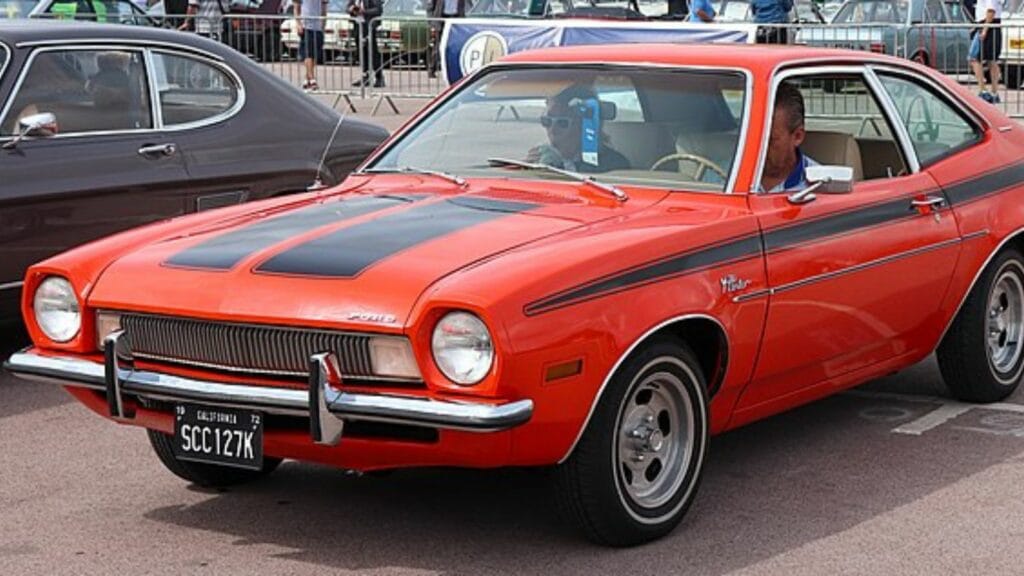
Four cylinder cars are supposed to be sensible, efficient and predictable. They are the backbone of commuting and the go to choice for drivers who want reliability over drama. Yet a few models over the years have pushed the limits of what a small engine should ever be asked to do. Some were dangerously underpowered. Others were shockingly fragile. A few were so poorly engineered that they became punchlines in the automotive world. These are the four cylinder cars that probably never should have been allowed onto public roads.
Yugo GV A Car That Defined Mechanical Chaos
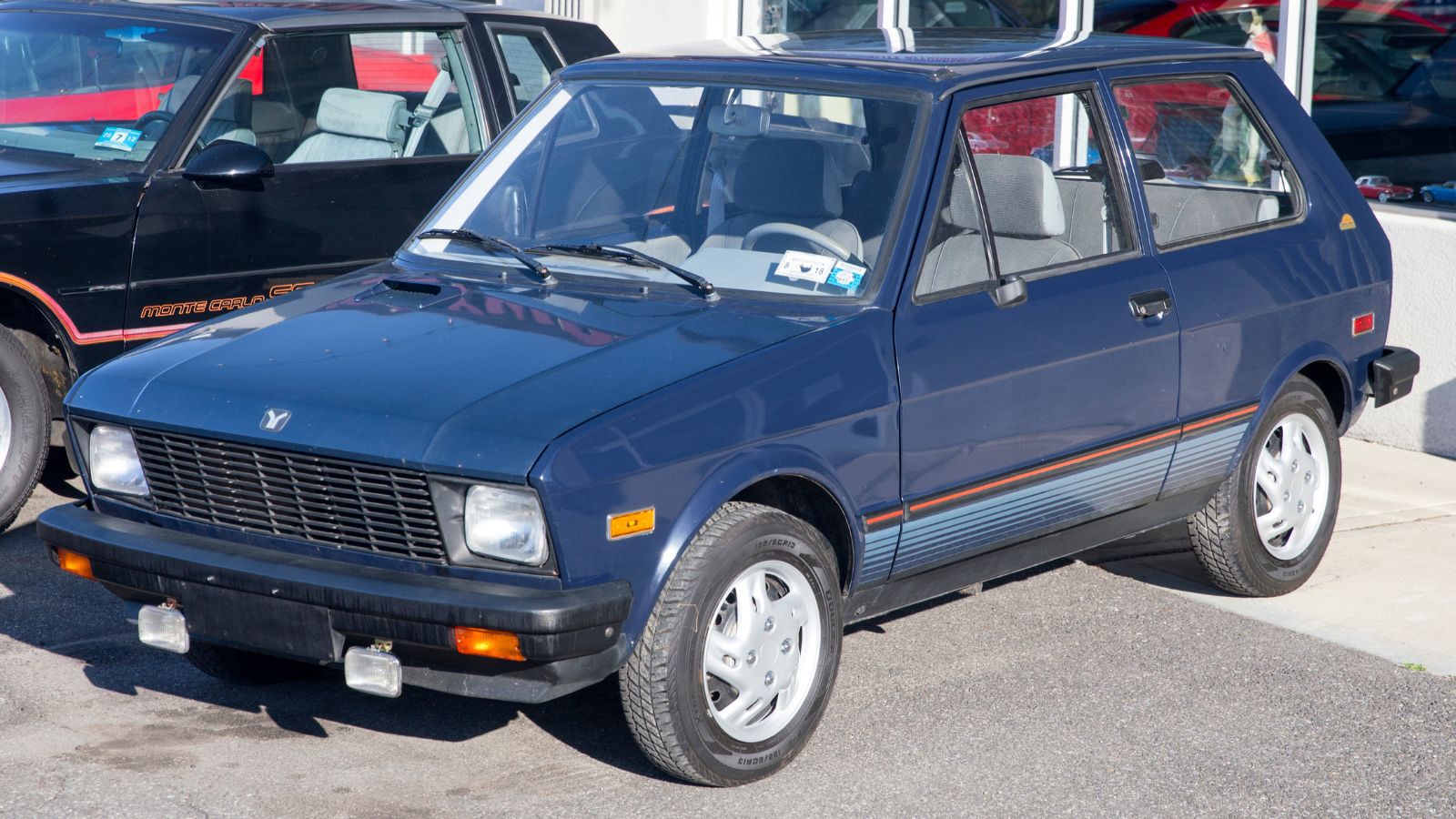
The Yugo GV looked cheap, drove cheap and felt like it was built overnight. Its four cylinder engine struggled to survive even mild highway use and often overheated without warning. Owners dealt with stalling, random misfires and parts that failed faster than replacements could arrive. Calling it unreliable undersells how chaotic daily driving could be. It became infamous not because it was bad, but because it was spectacularly bad.
Ford Pinto A Reputation Built on Fear
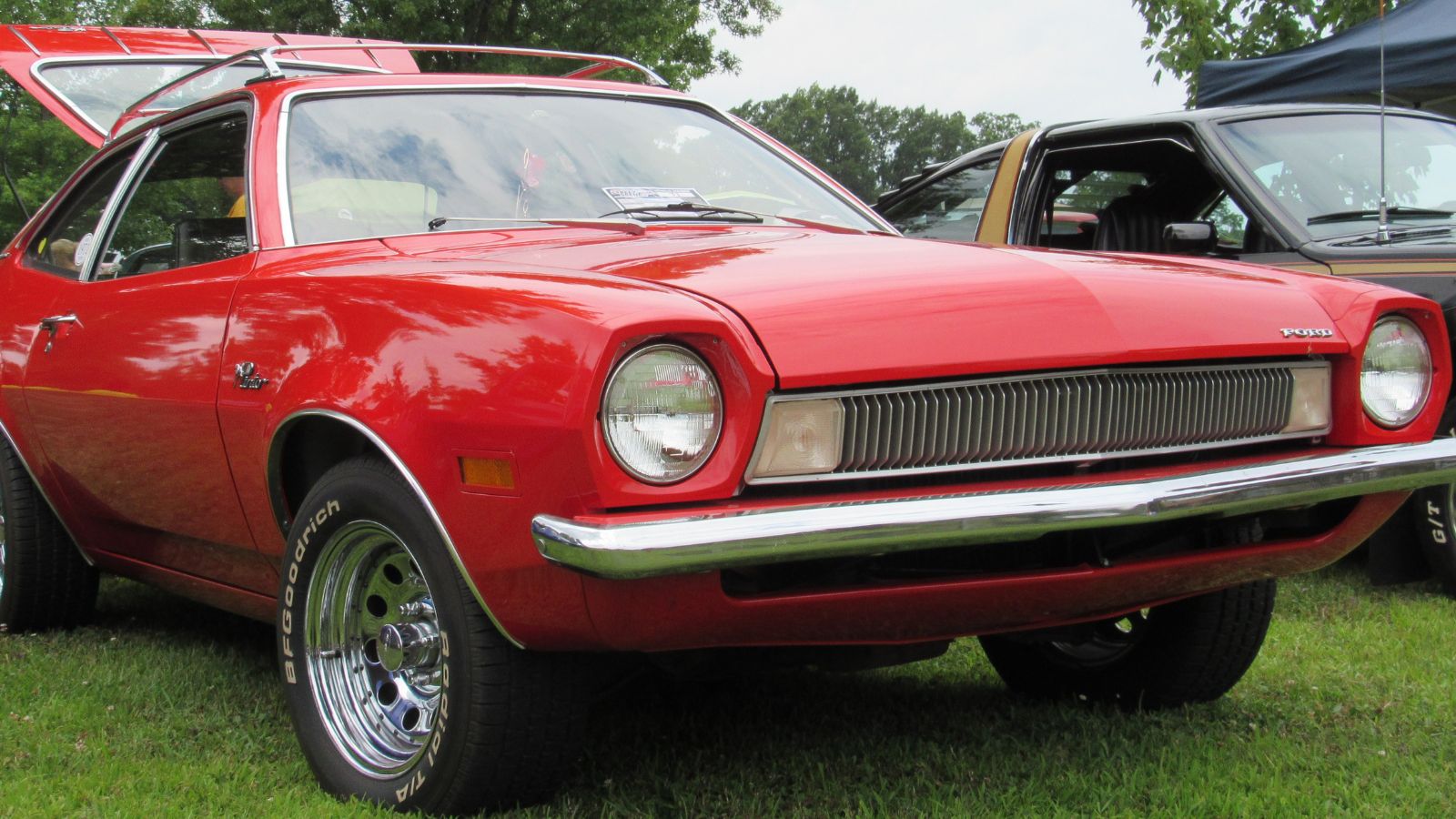
The Pinto’s engine was neither powerful nor refined, but the real problem was the overall engineering around it. Early models suffered from poor acceleration combined with questionable safety design. The four cylinder struggled painfully when merging onto highways, leaving drivers vulnerable and exposed. While later updates improved things slightly, the Pinto’s reputation for danger has never faded.
Chevrolet Chevette A Slow Motion Driving Experience
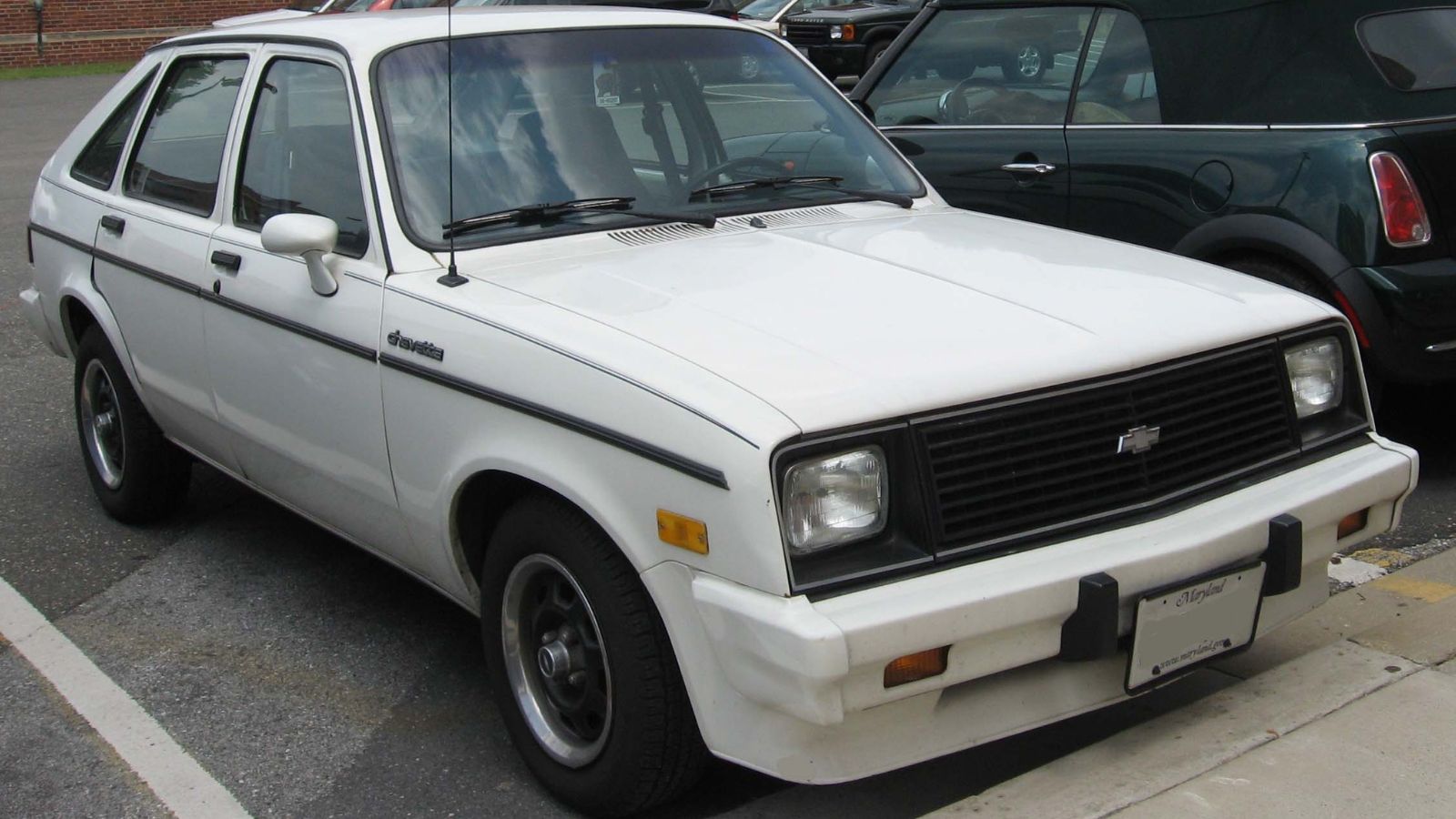
The Chevette’s tiny four cylinder worked hard but delivered almost nothing. Passing required divine intervention and climbing hills became a test of patience. With its wheezy soundtrack and glacial acceleration, the Chevette made every trip feel like a time capsule stuck on pause. Reliability was not its strong suit either. It became one of the slowest and least desirable cars General Motors ever produced.
Geo Metro Built for Economy, Not Reality
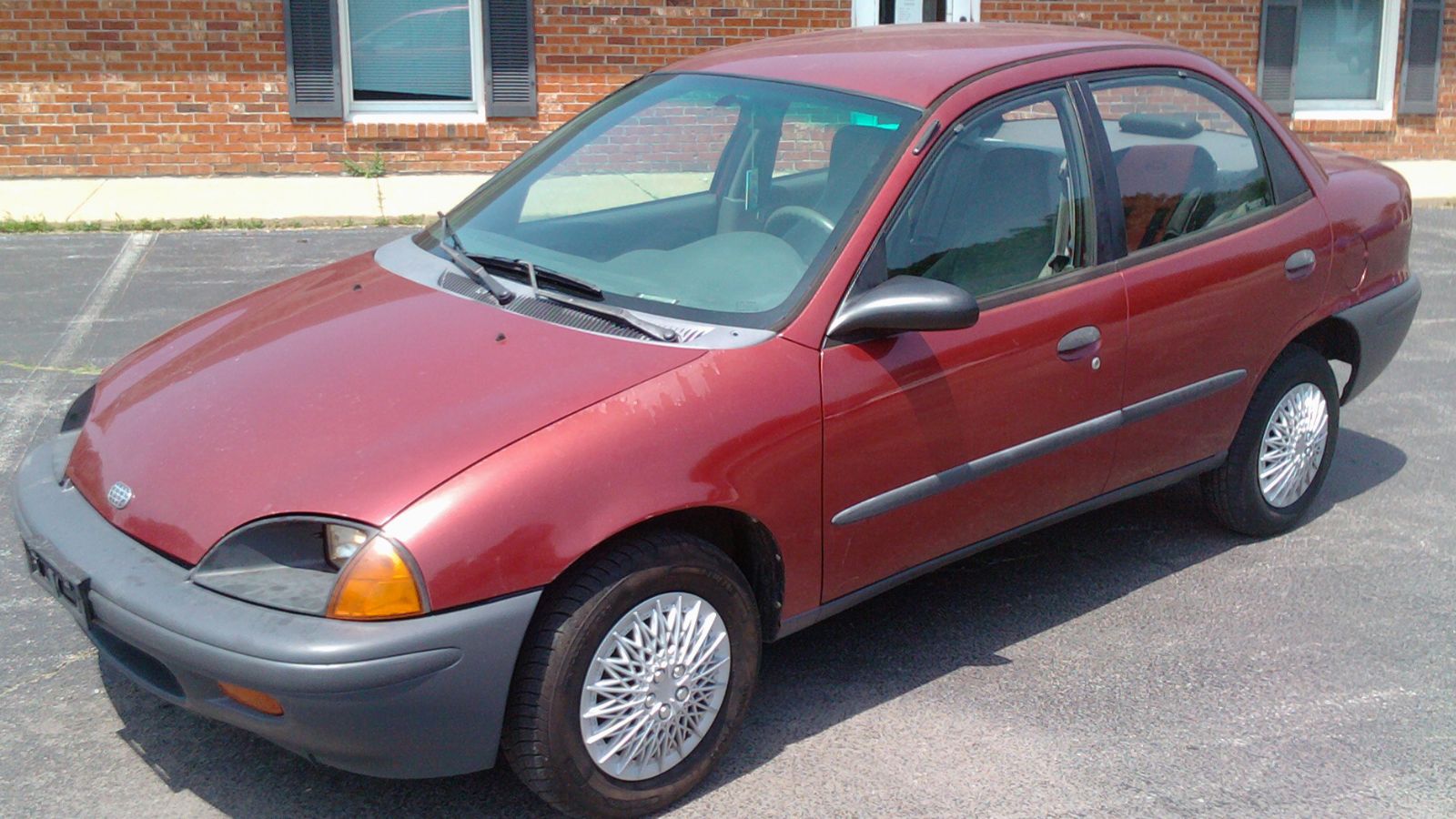
The Geo Metro delivered incredible fuel economy at the cost of almost everything else. Its tiny four cylinder barely produced enough energy to satisfy basic driving needs. Hills were a challenge, merging onto a highway felt like a dare and crash protection was minimal. What started as a budget champion became a symbol of how far manufacturers could go when chasing efficiency over capability.
Fiat 128 A Lesson in Overconfidence
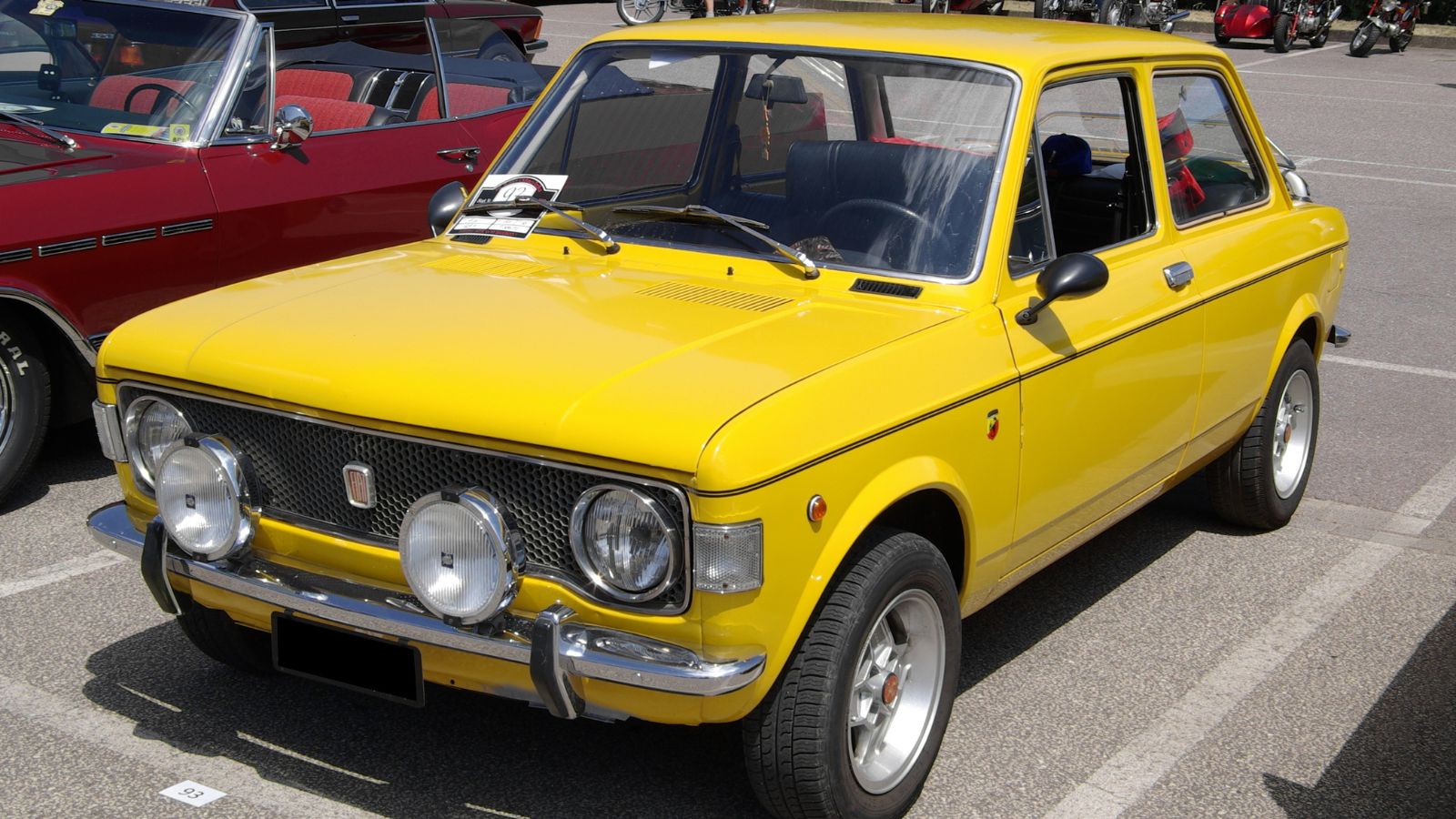
The Fiat 128 came with an eager four cylinder that actually made decent power for its size. The problem was everything around it. The car rusted faster than owners could patch it and electrical faults led to constant failures. The engine itself often overworked trying to keep up with traffic. By the time most drivers reached their destination, the car already had a new rattle, leak or warning light.
Subaru Justy Capable in Spirit, Not in Practice
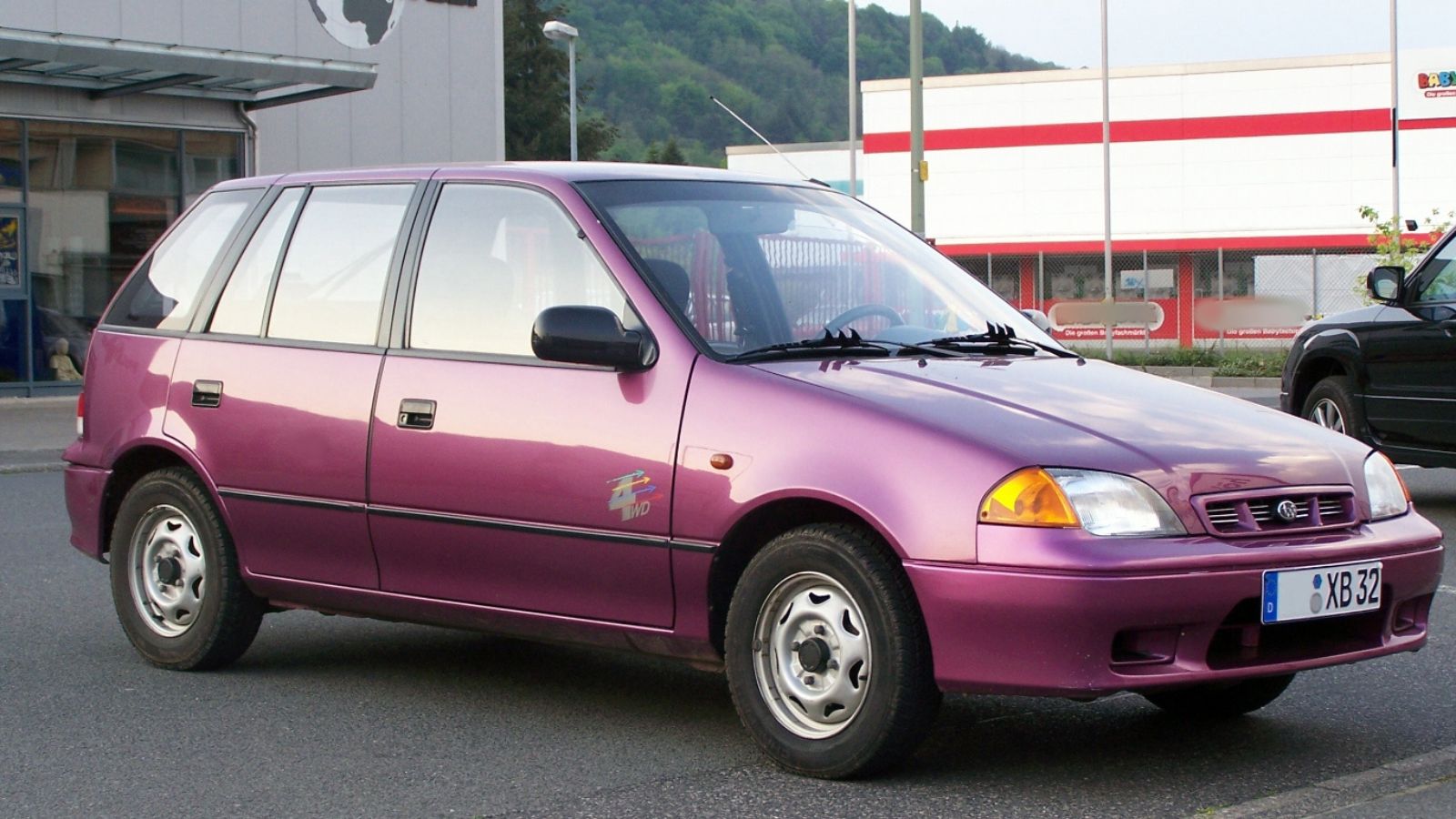
The Subaru Justy tried to offer all wheel drive capability with a miniature four cylinder. On paper, it sounded entertaining. In reality, the engine felt overwhelmed by every task, especially in Canadian winters. The Justy’s lack of power made highway driving feel borderline unsafe, and the constant strain led to frequent mechanical headaches. It proved that small engines and rugged ambitions do not always mix.
Dodge Colt Early Models That Tested Patience
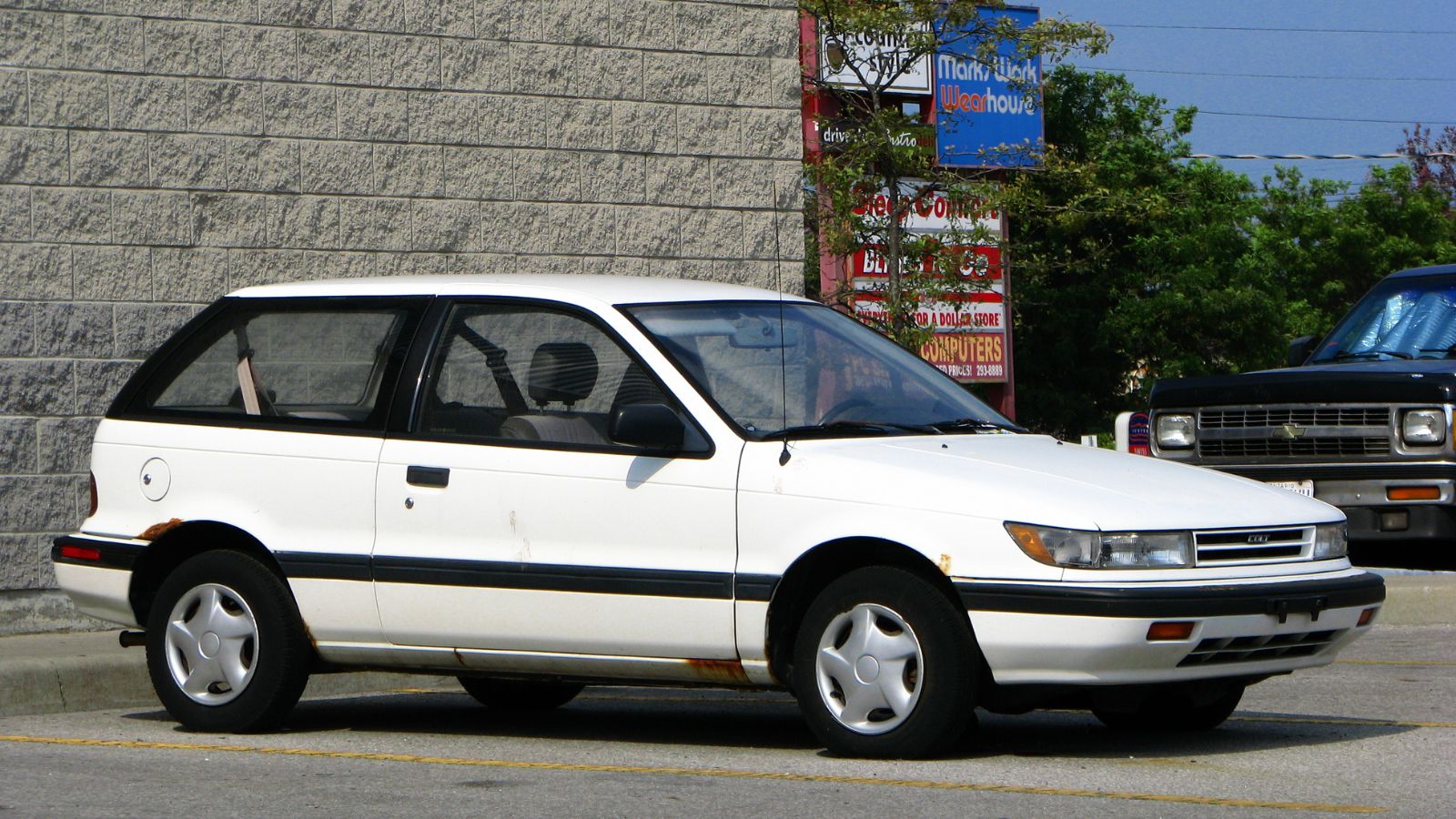
While later Colts became respectable, the earliest models relied on a weak four cylinder that struggled with basic demands. Acceleration was almost comedic and the car became known for overheating and oil consumption. Trying to keep up with highway traffic often meant driving with the accelerator pinned to the floor. It was economical, but at the cost of any sense of confidence.
Renault Le Car France’s Lightweight Disaster
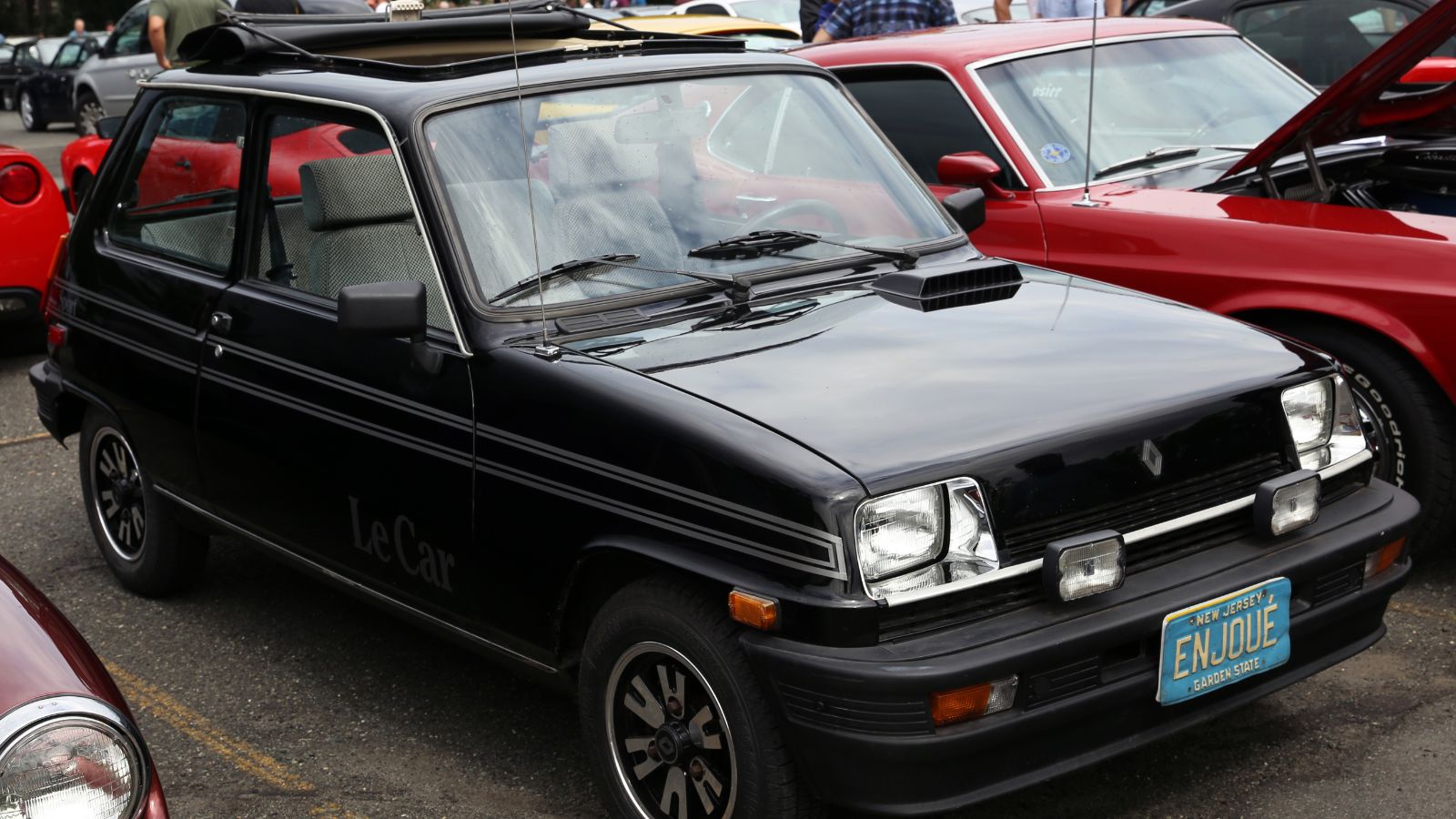
The Renault Le Car was charming to look at and miserable to drive. Its four cylinder engine sounded lively but offered very little real world performance. The car felt unstable at higher speeds, especially during windy conditions. Reliability was a constant concern, with cooling failures, electrical issues and fragile drivetrains showing up far too early. It became an unfortunate ambassador for French cars in North America.
Mitsubishi Mirage The Modern Example of Underpowered Misery

Today’s Mirage keeps the tradition of questionable four cylinder performance alive. The engine struggles to deliver enough power for confident driving, and the lightweight chassis does it no favours. Highway merging often becomes a stressful exercise as the Mirage strains to reach and maintain speed. While efficient, it pushes the limits of what a modern car should be allowed to get away with in real traffic.
25 Facts About Car Loans That Most Drivers Don’t Realize

Car loans are one of the most common ways people fund car purchases. Like any other kind of loan, car loans can have certain features that can be regarded as an advantage or a disadvantage to the borrower. Understanding all essential facts about car loans and how they work to ensure that you get the best deal for your financial situation is essential. Here are 25 shocking facts about car loans that most drivers don’t realize:
25 Facts About Car Loans That Most Drivers Don’t Realize
