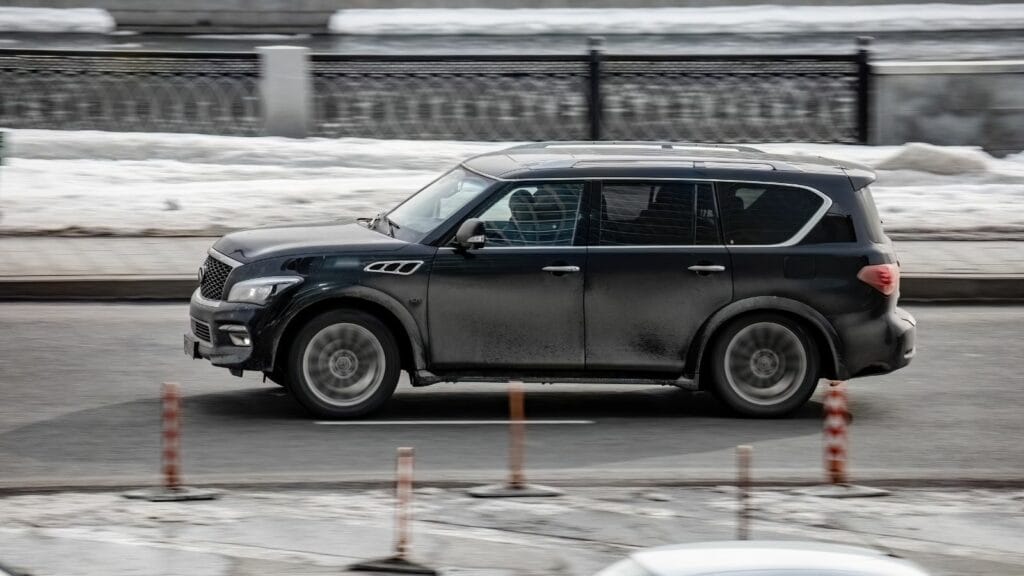
Some cars lose value slowly. Others fall off a cliff the moment the warranty expires. Big promises, flashy launches, and premium pricing do not guarantee long term value. In many cases, complexity, reliability scares, or brand missteps send resale prices into free fall. These ten cars became textbook examples of depreciation hitting hard and fast.
BMW 7 Series E65 2002 to 2008
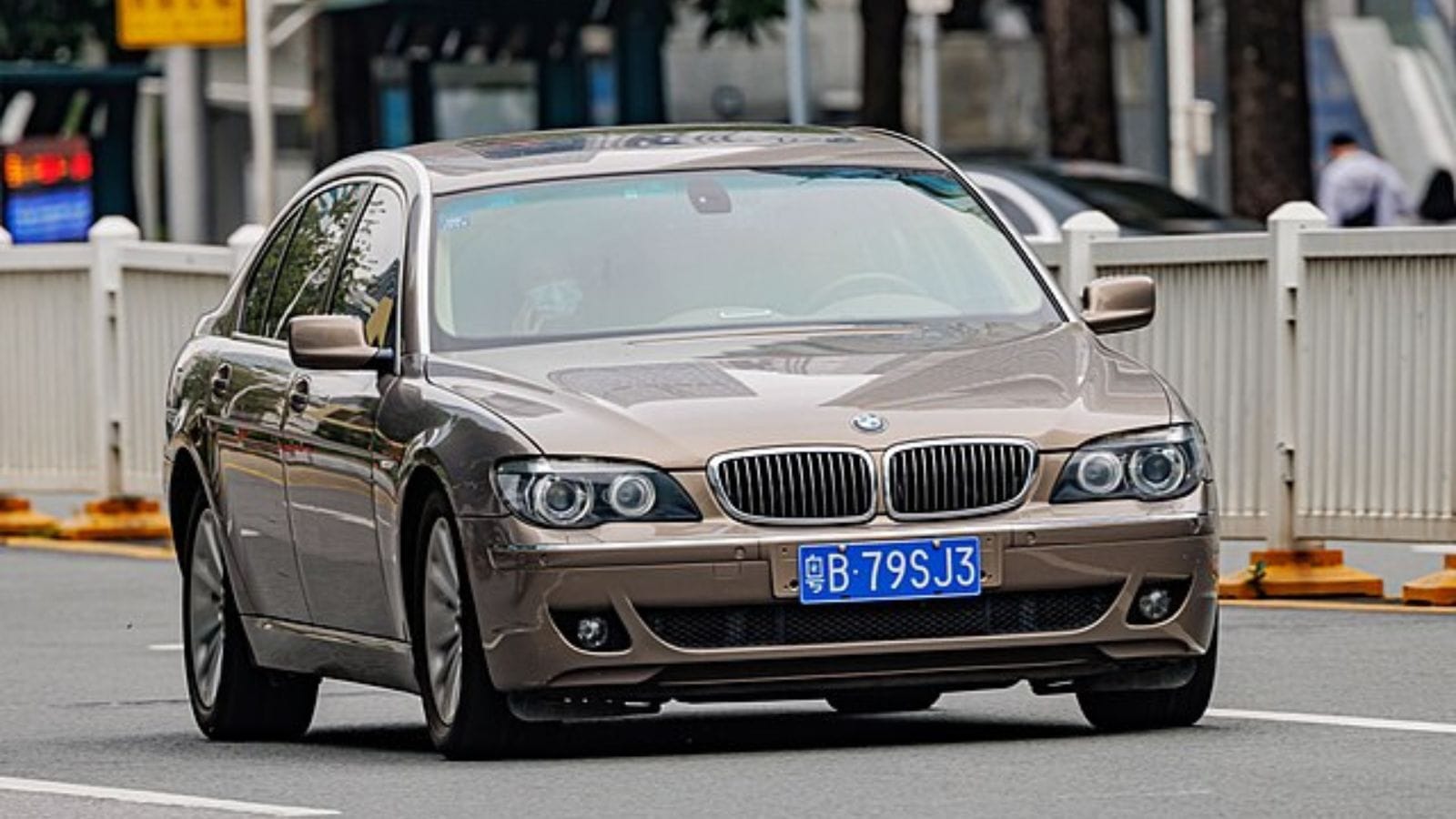
The E65 7 Series arrived with bold styling and cutting edge tech, but buyers quickly learned the downside. Early iDrive systems frustrated owners, and electrical issues piled up as the cars aged. Repair costs scared second and third owners away. Even well maintained examples dropped in value rapidly. A six figure luxury sedan turned into a bargain basement used car in just a few years, and values never recovered.
Mercedes Benz S Class W220 1999 to 2006
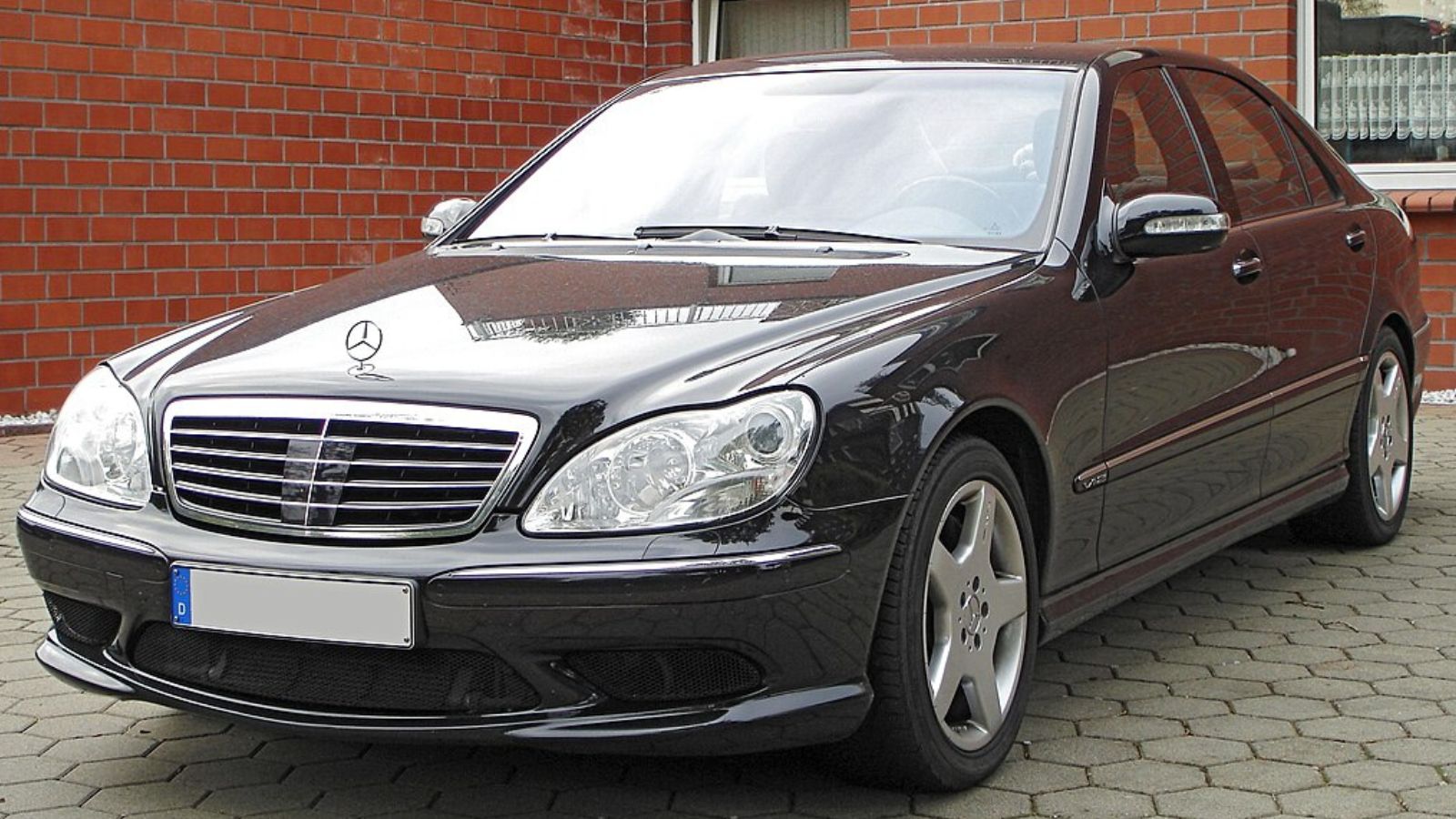
On the road, the W220 felt brilliant. In the driveway, it became a financial nightmare. Air suspension failures, electrical gremlins, and expensive control modules crushed resale confidence. Owners loved how it drove but hated owning it out of warranty. Depreciation was savage because buyers knew one repair could equal the car’s entire value. Many ended their lives parked behind independent shops.
Jaguar XJ X350 2003 to 2009
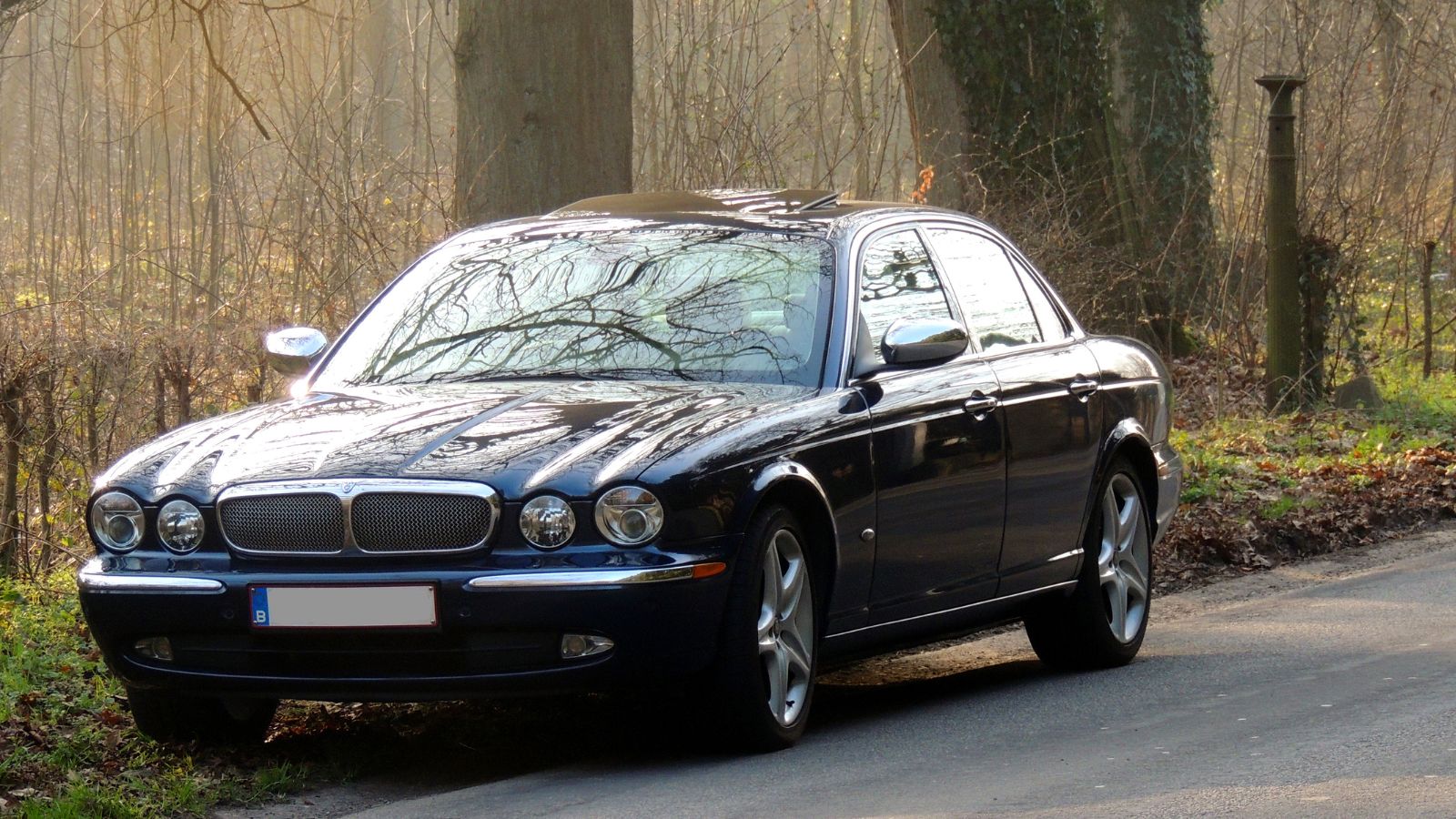
The aluminum body promised innovation, but the ownership experience told a different story. Electronics aged poorly and parts costs stayed high. Build quality issues haunted early cars and scared off used buyers. Even though it drove beautifully, perception killed its value. Luxury buyers wanted reliability while enthusiasts wanted simplicity. The XJ offered neither, and depreciation followed fast and without mercy.
Audi A8 D3 2003 to 2010
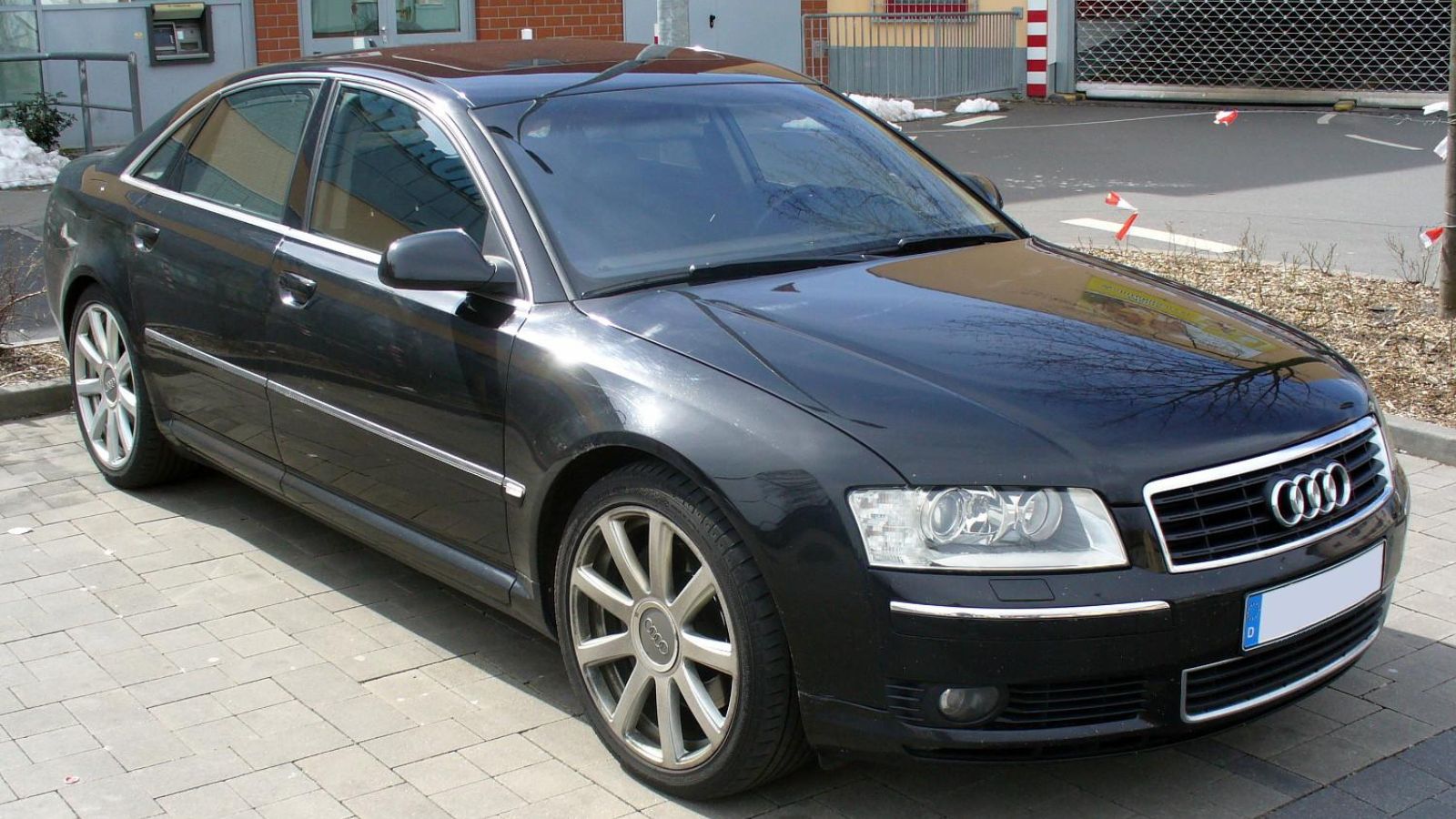
The A8 looked understated and felt solid, but complexity worked against it. Quattro systems, air suspension, and advanced electronics became liabilities as mileage climbed. Repair bills scared off secondhand shoppers. Values dropped hard once warranties ended. The car offered incredible comfort and performance for the money, but that bargain price came with serious ownership risk that crushed resale.
Cadillac ELR 2014 to 2016
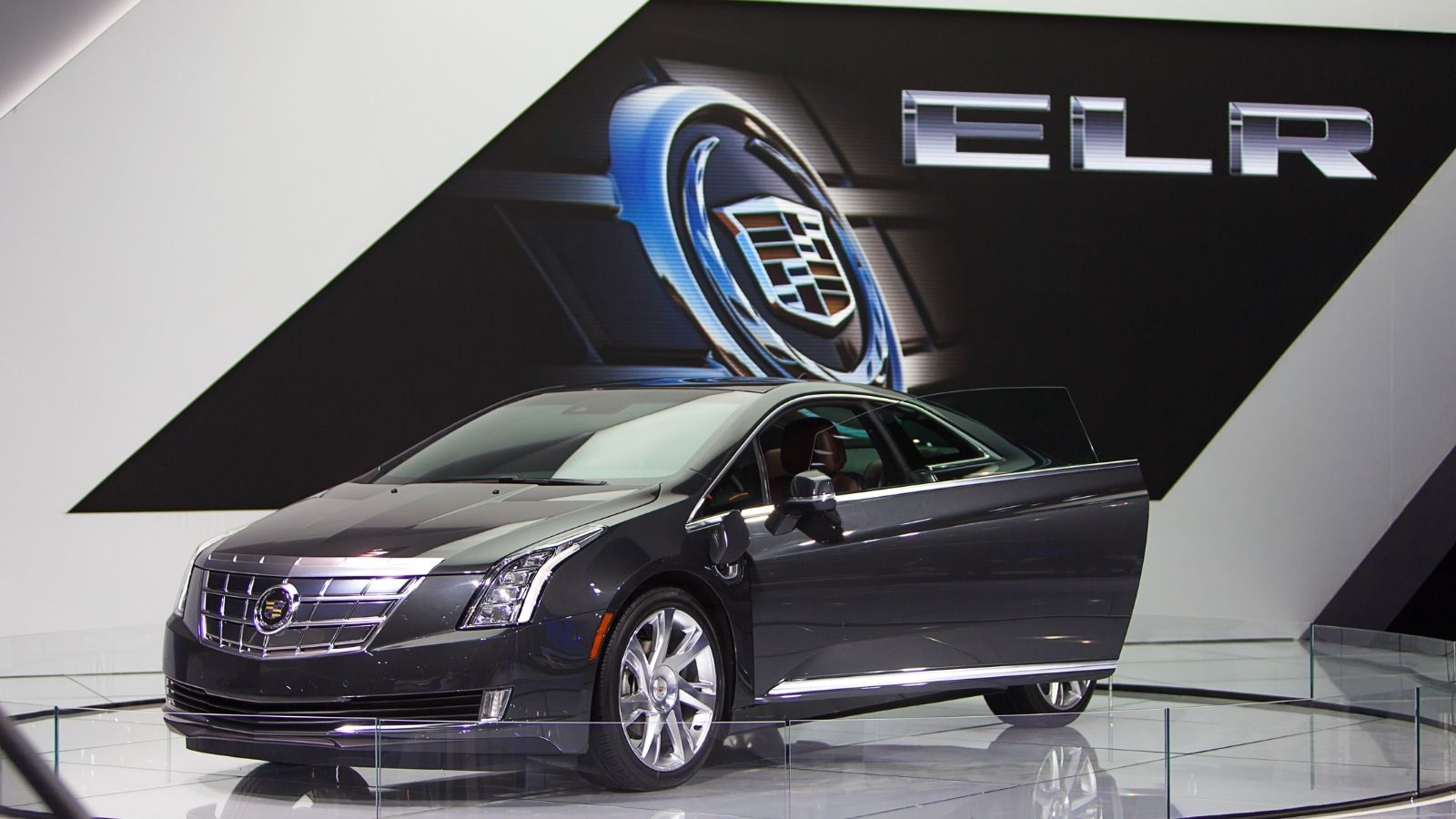
The ELR arrived with a premium price and confusing positioning. Buyers did not understand why it cost so much more than related models. Sales were slow from day one. Once incentives appeared, resale values collapsed. The car was not terrible, but the market rejected it. Used prices plunged because demand never existed in the first place.
Maserati Quattroporte Fifth Generation 2004 to 2012
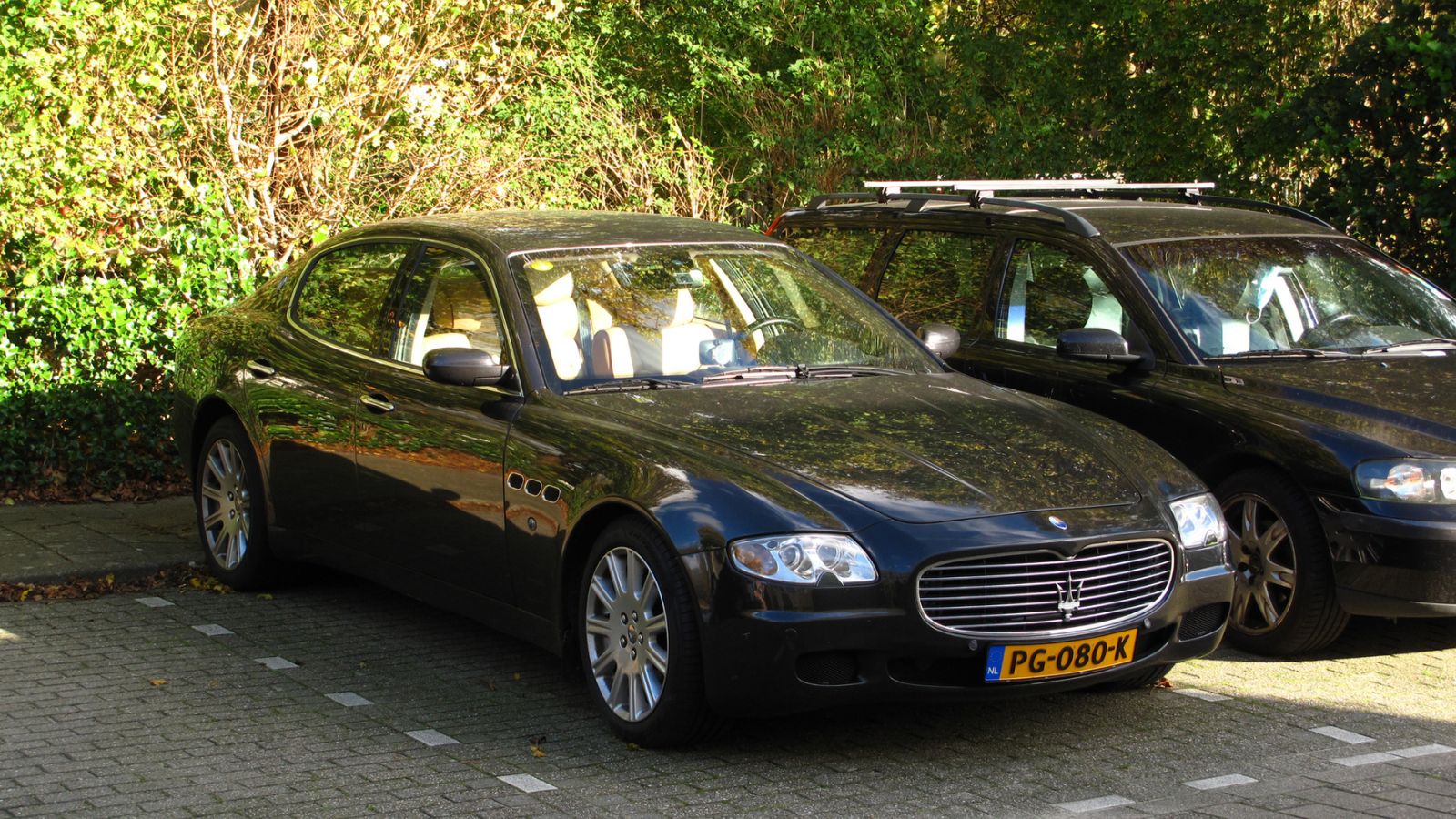
Exotic badge, exotic problems. Early Quattroportes offered stunning looks and sound, but reliability issues followed closely behind. Automated manuals frustrated drivers and maintenance costs shocked owners. Once depreciation started, it never slowed. Cars that cost supercar money new sold for family sedan prices a few years later. Enthusiasts loved them. The used market stayed cautious.
Infiniti QX56 2004 to 2010
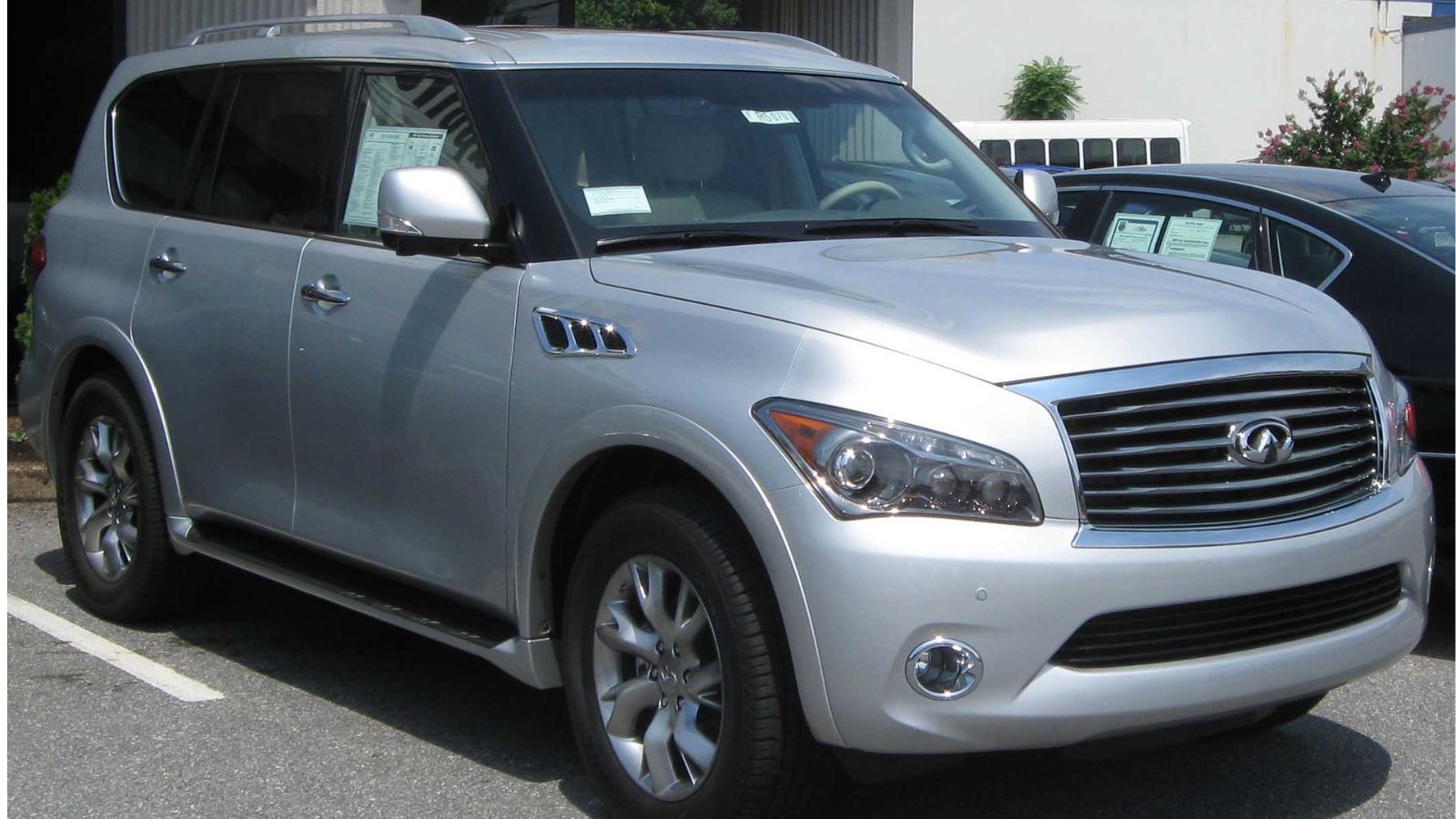
Big, thirsty, and loaded with tech that aged poorly, the QX56 lost value fast. Rising fuel prices hurt demand, and interior quality did not hold up well over time. Buyers looking for large SUVs gravitated toward brands with stronger resale reputations. The QX56 became cheap quickly, especially as newer generations improved while early ones felt dated almost overnight.
Volkswagen Phaeton 2004 to 2006
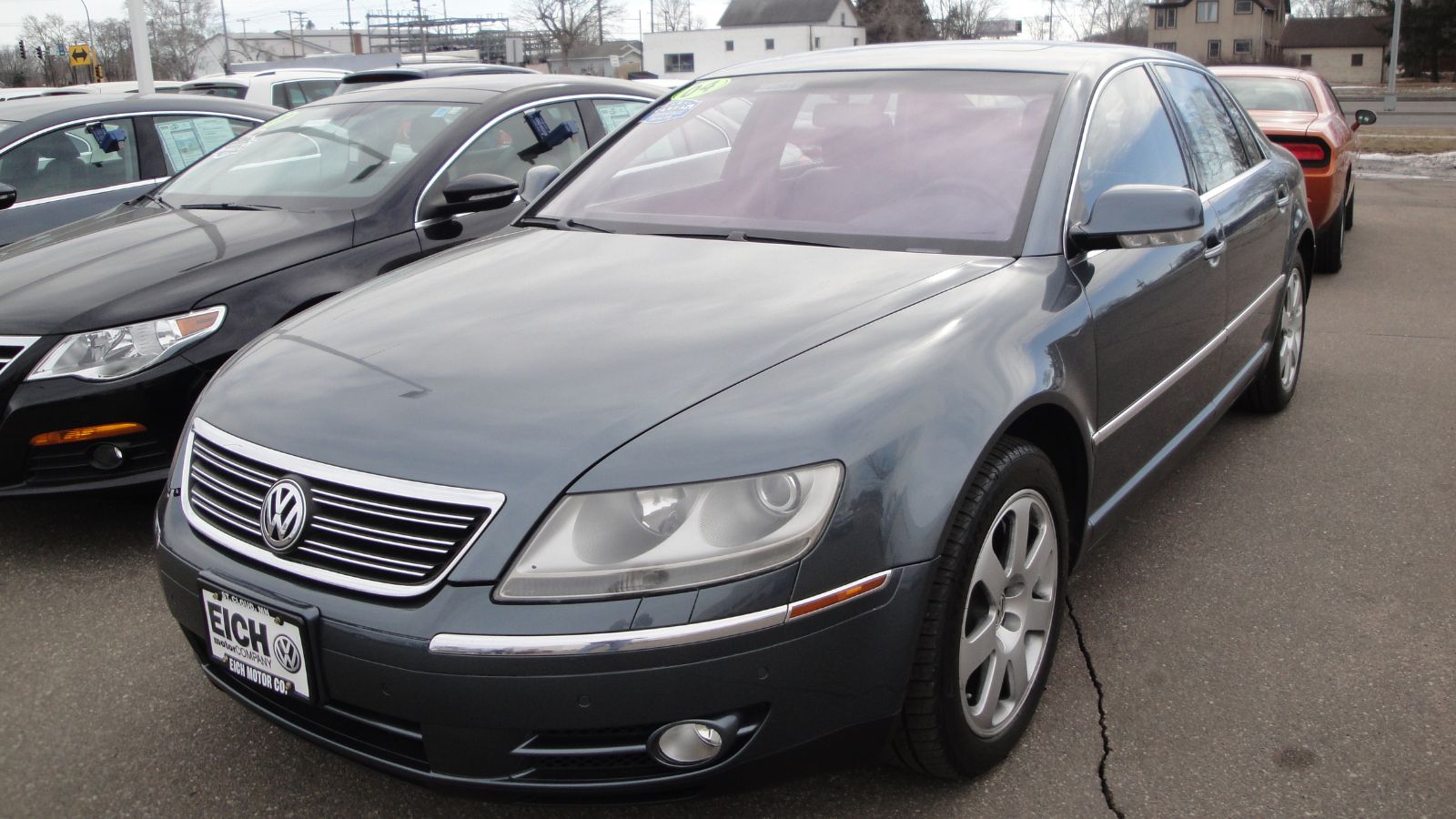
The Phaeton may be the ultimate depreciation story. Incredible engineering, flawless ride quality, and luxury that rivaled anything from Germany. The problem was the badge. Buyers could not justify paying top dollar for a Volkswagen luxury sedan. Used buyers worried about repair costs tied to Bentley level complexity. Values collapsed fast and never made sense again.
Chrysler 300C First Generation 2005 to 2010
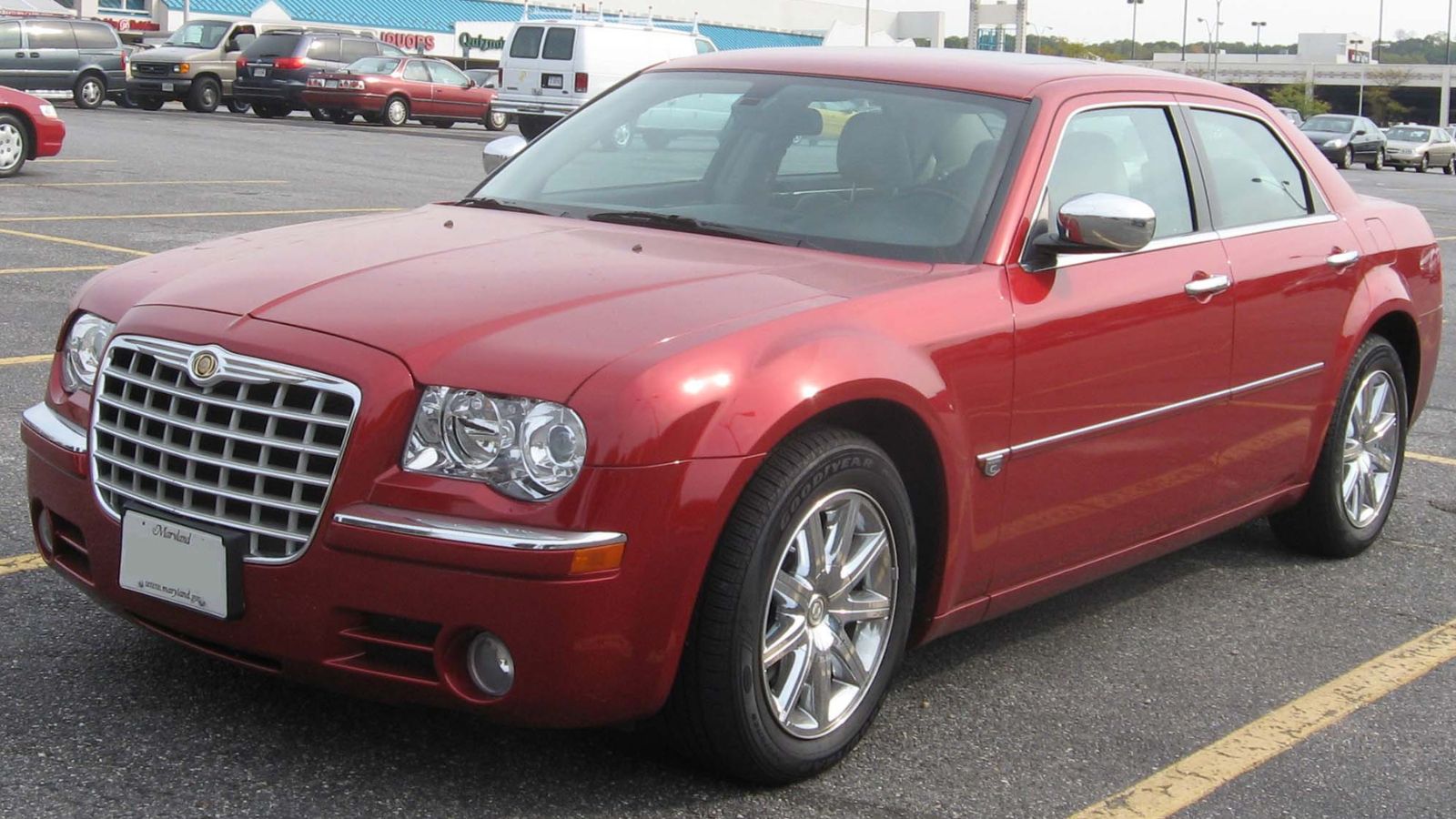
The 300C started strong with bold styling and big engine appeal. Fleet sales and rental exposure quickly diluted its image. Interior quality issues and transmission concerns followed. As newer designs arrived, early cars felt old fast. Prices dropped sharply as supply flooded the used market. What once felt premium quickly became just another large sedan.
BMW i8 2014 to 2020
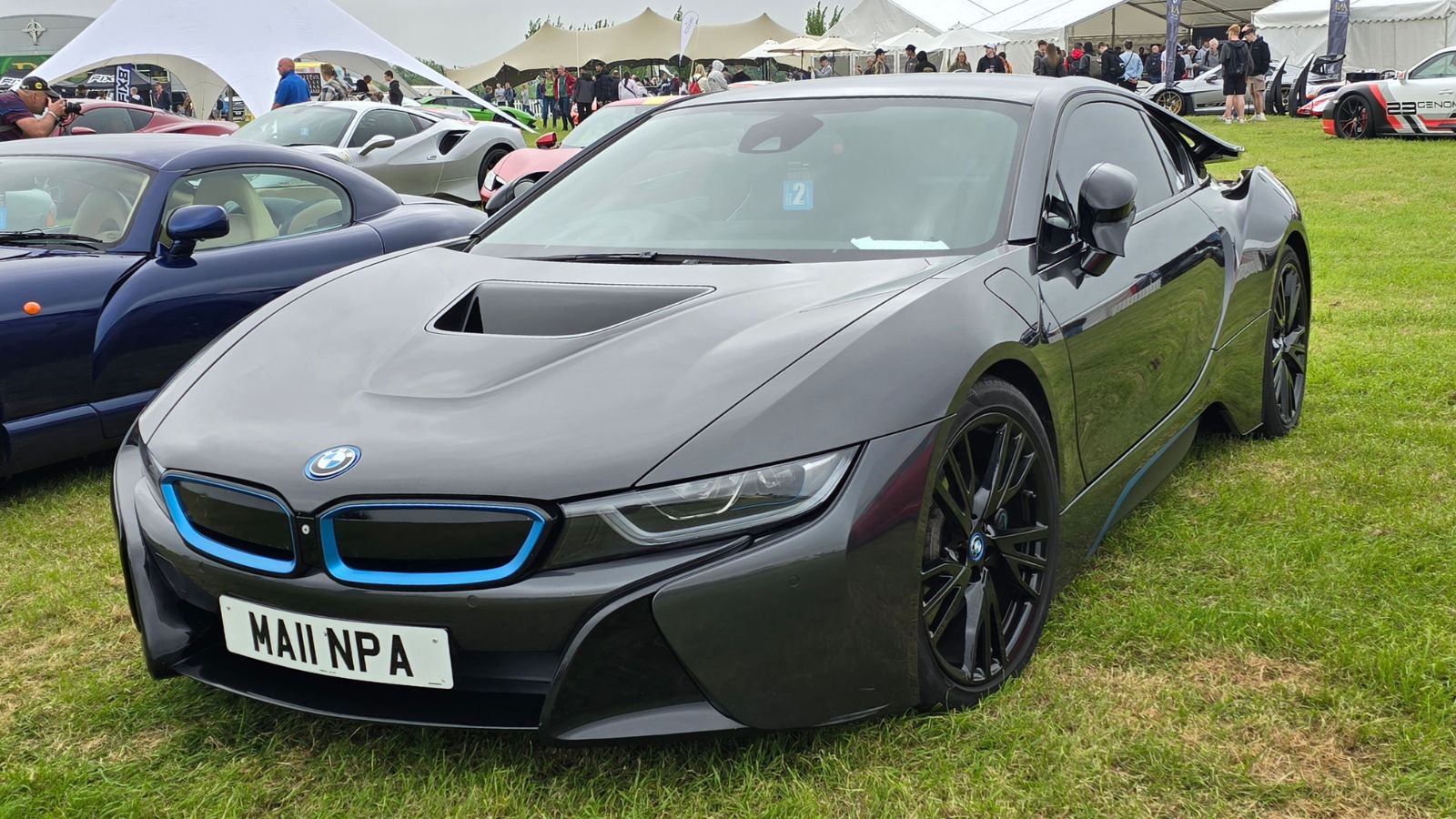
The i8 looked like the future but aged faster than expected. Hybrid complexity, expensive parts, and limited electric range hurt long term appeal. Early adopters paid heavily, while later buyers waited. Once incentives and lease returns hit the market, values slid hard. The design still turns heads, but depreciation punished anyone who bought new.
25 Facts About Car Loans That Most Drivers Don’t Realize

Car loans are one of the most common ways people fund car purchases. Like any other kind of loan, car loans can have certain features that can be regarded as an advantage or a disadvantage to the borrower. Understanding all essential facts about car loans and how they work to ensure that you get the best deal for your financial situation is essential. Here are 25 shocking facts about car loans that most drivers don’t realize:
25 Facts About Car Loans That Most Drivers Don’t Realize
