Six cylinder engines usually strike the perfect balance between smoothness, power, and durability. When done right, they can feel refined and last forever. But not every straight six or V6 lived up to that reputation. Some were rushed, overcomplicated, or simply flawed from day one. These eight six cylinder engines gained notoriety for the wrong reasons and left owners frustrated, stranded, or poorer than expected.
GM 2.8 Liter V6 1980 to 1986
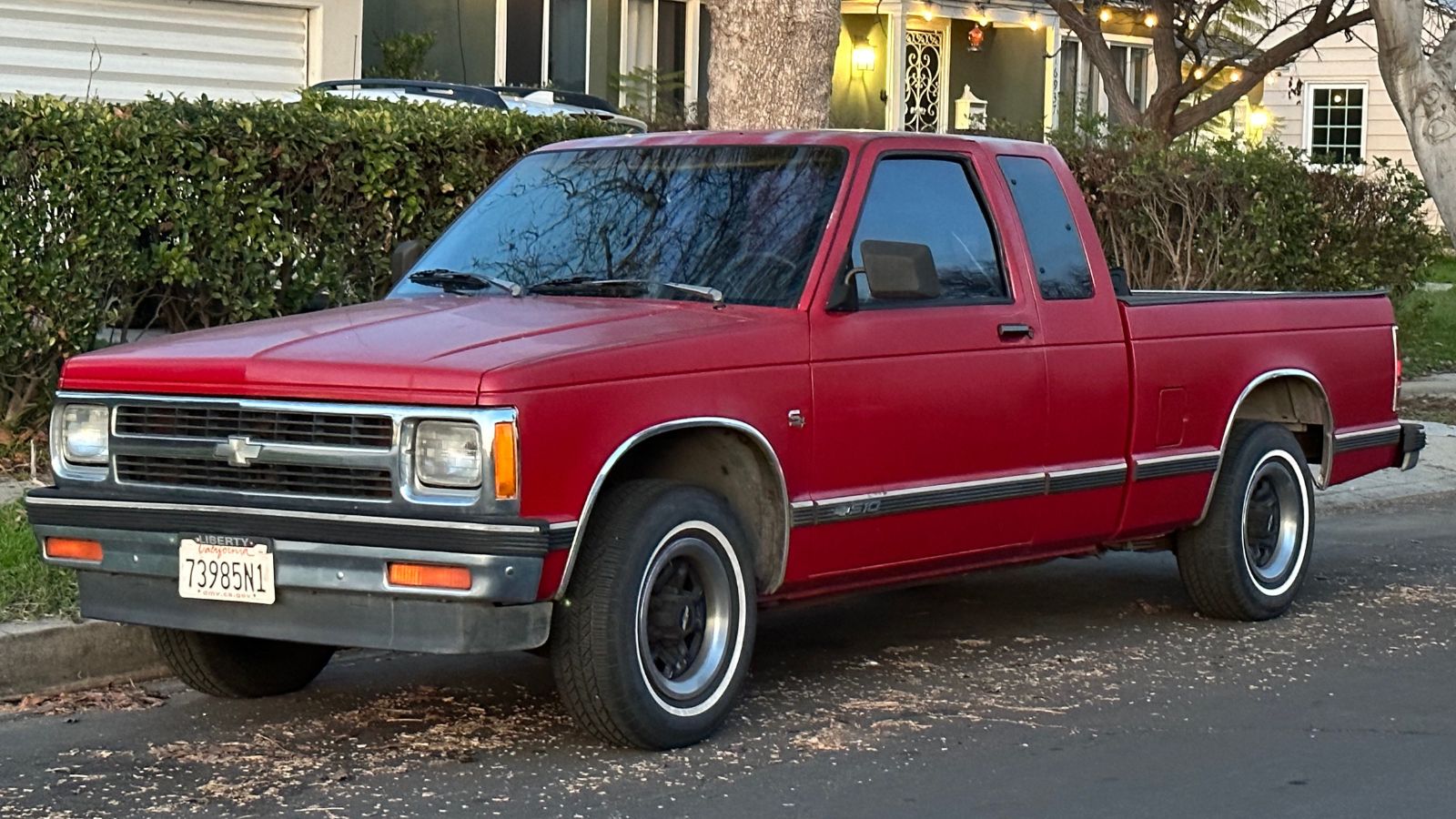
This engine showed up in everything from the Chevrolet S 10 to the Camaro, and it disappointed almost everyone. Power was weak even by eighties standards, yet fuel economy was nothing special. Cooling issues were common, leading to warped heads and blown gaskets. The flat tappet valvetrain wore quickly if oil changes slipped. Many owners joked that it felt tired brand new. It worked fine for grocery runs but struggled badly under real truck or performance use.
Chrysler 2.7 Liter V6 1998 to 2010
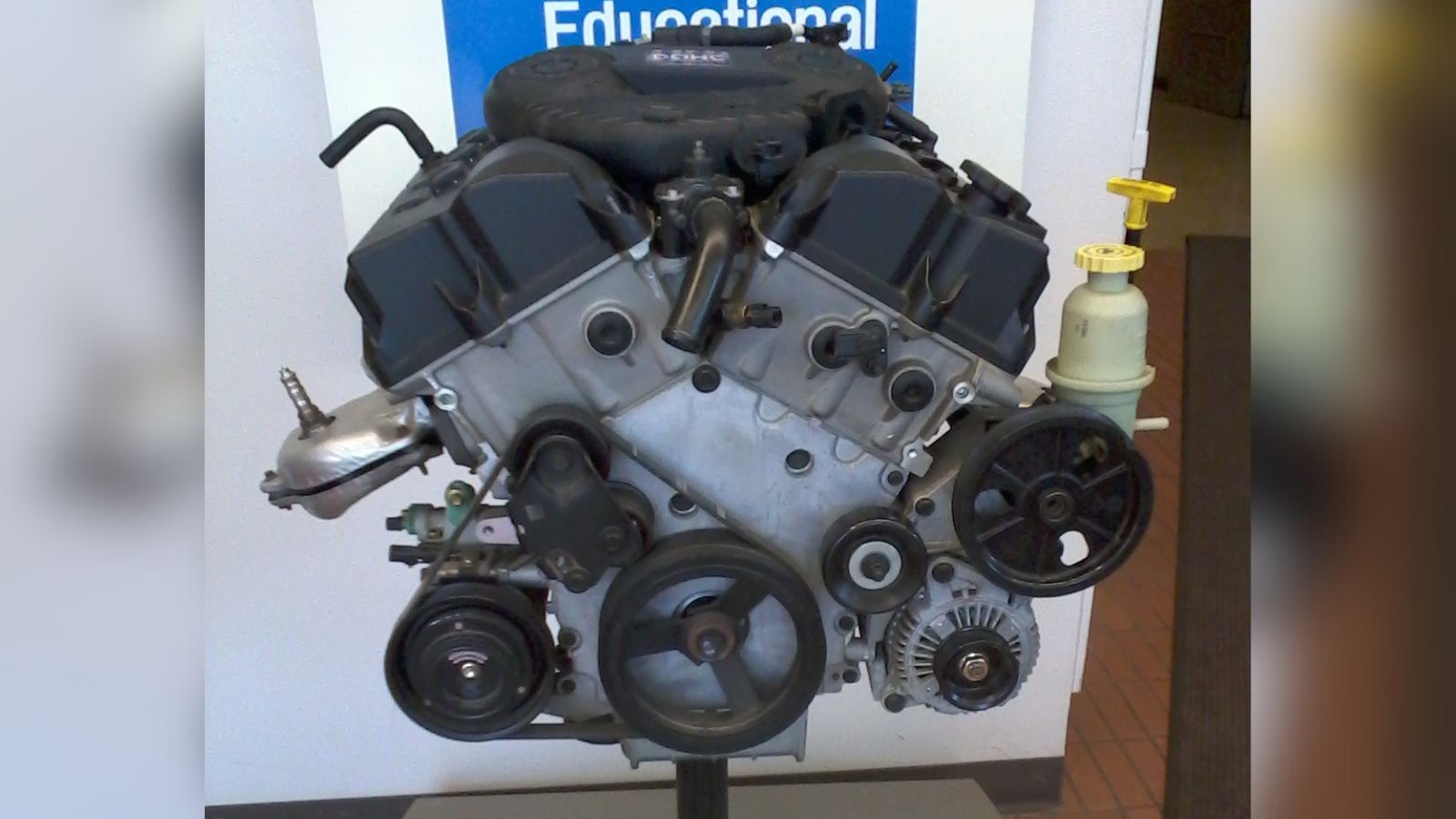
The 2.7 V6 became infamous for sludge buildup and premature failure. Poor oil circulation and high operating temperatures created a perfect storm inside the engine. Timing chain issues followed, often destroying the motor without warning. Even well maintained examples suffered failures before 100,000 miles. Owners who skipped short oil change intervals paid dearly. This engine damaged Chrysler’s reputation and remains a cautionary tale about cutting corners in design.
Ford 3.0 Liter Vulcan V6 1986 to 2008
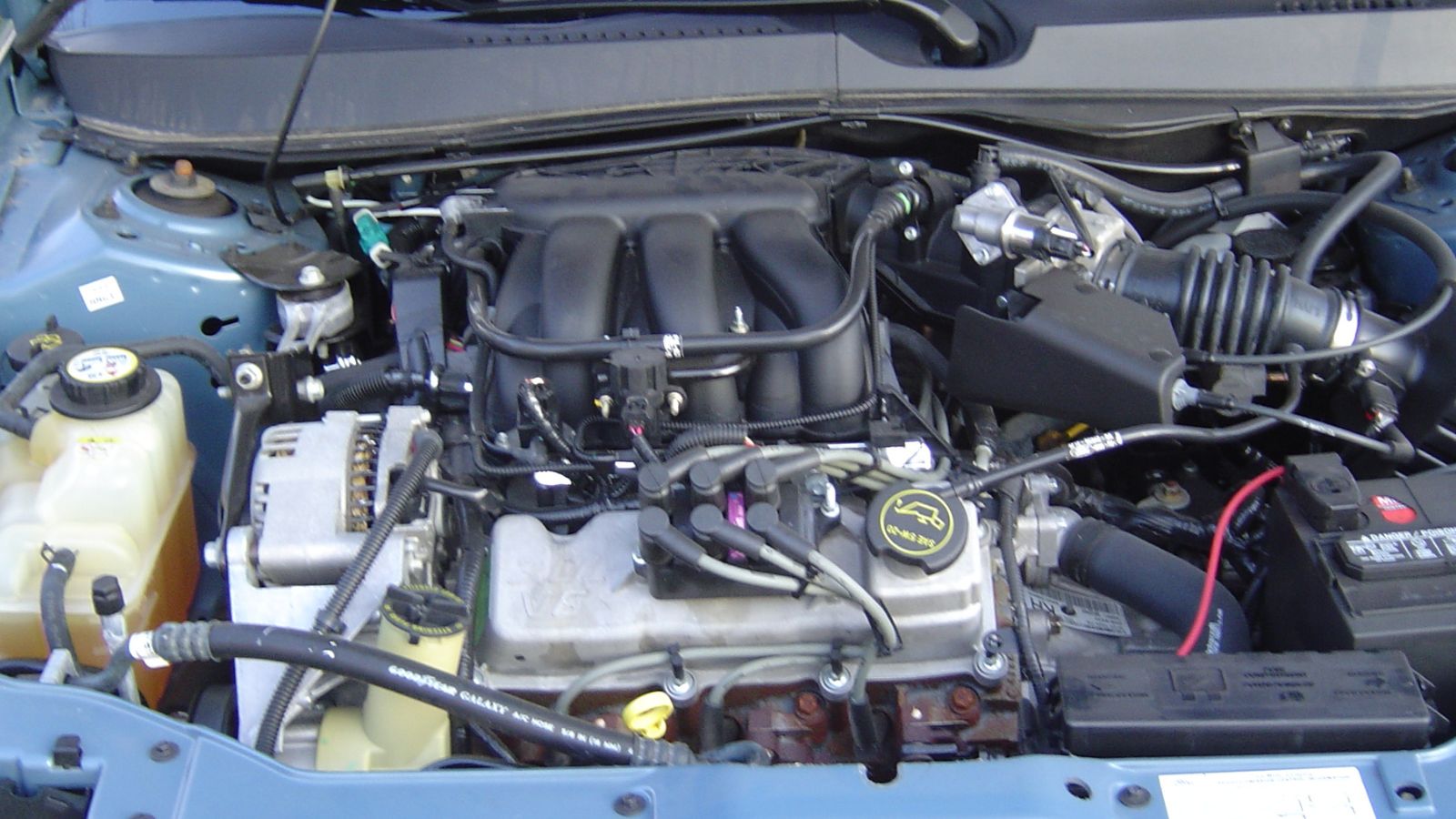
The Vulcan was simple and long lived for some, but it earned criticism for being outdated almost from launch. Power output lagged far behind competitors while fuel economy failed to compensate. Intake gasket leaks and sensor failures were common annoyances. It felt coarse and agricultural compared to newer designs. Ford kept it around far too long, and by the end, it felt like a relic powering modern cars that deserved better.
Alfa Romeo Busso V6 Late Emissions Versions 1995 to 2005
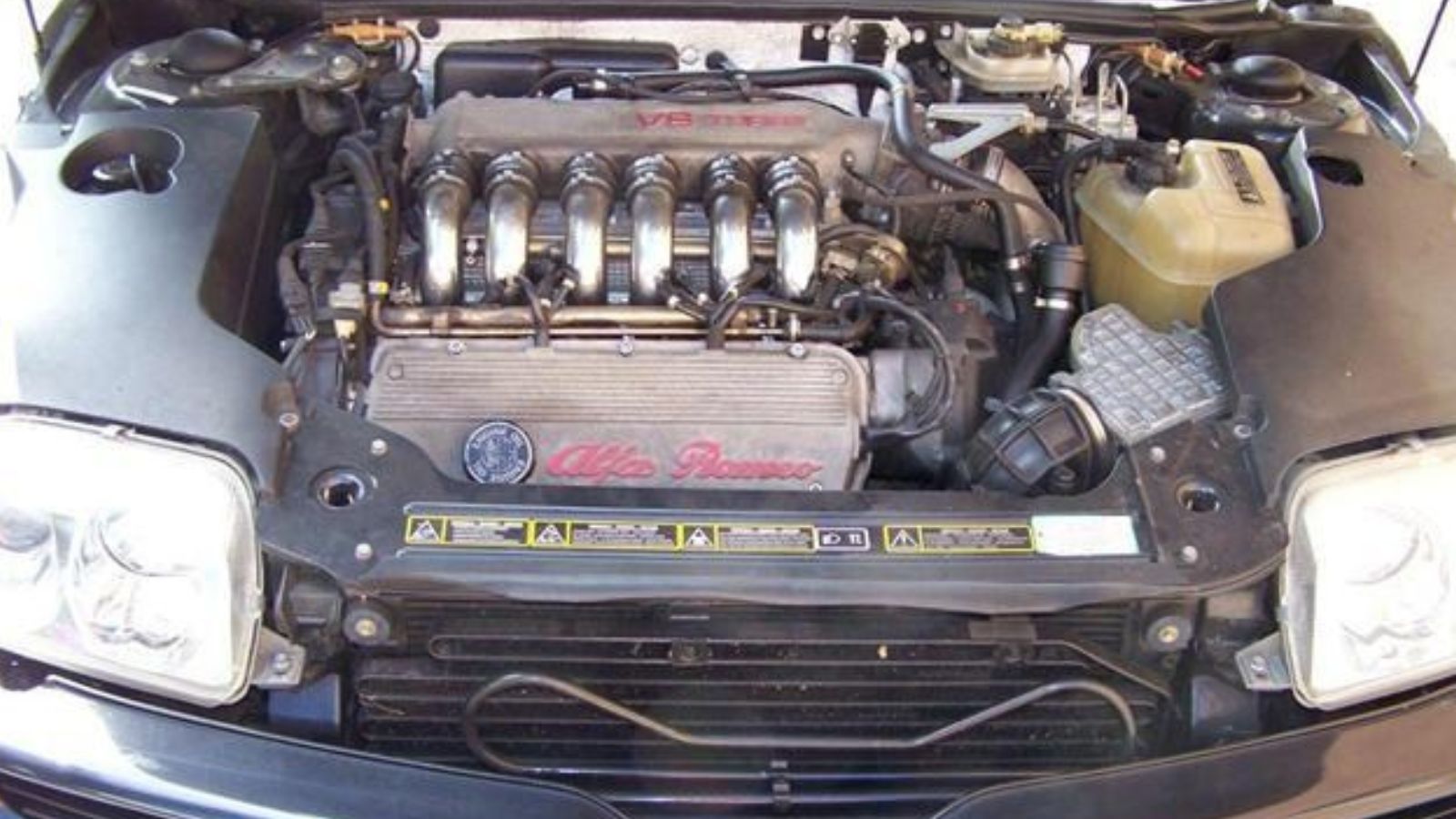
The Busso V6 is beloved in early form, but later emissions strangled versions caused headaches. Added complexity dulled performance and hurt reliability. Cooling systems became fragile and timing belt service intervals were unforgiving. Miss one and the engine paid the price. Owners loved the sound but feared the maintenance. It remains a reminder that tightening regulations can ruin even the most charismatic engine if poorly executed.
BMW N54 Early Production 2006 to 2010
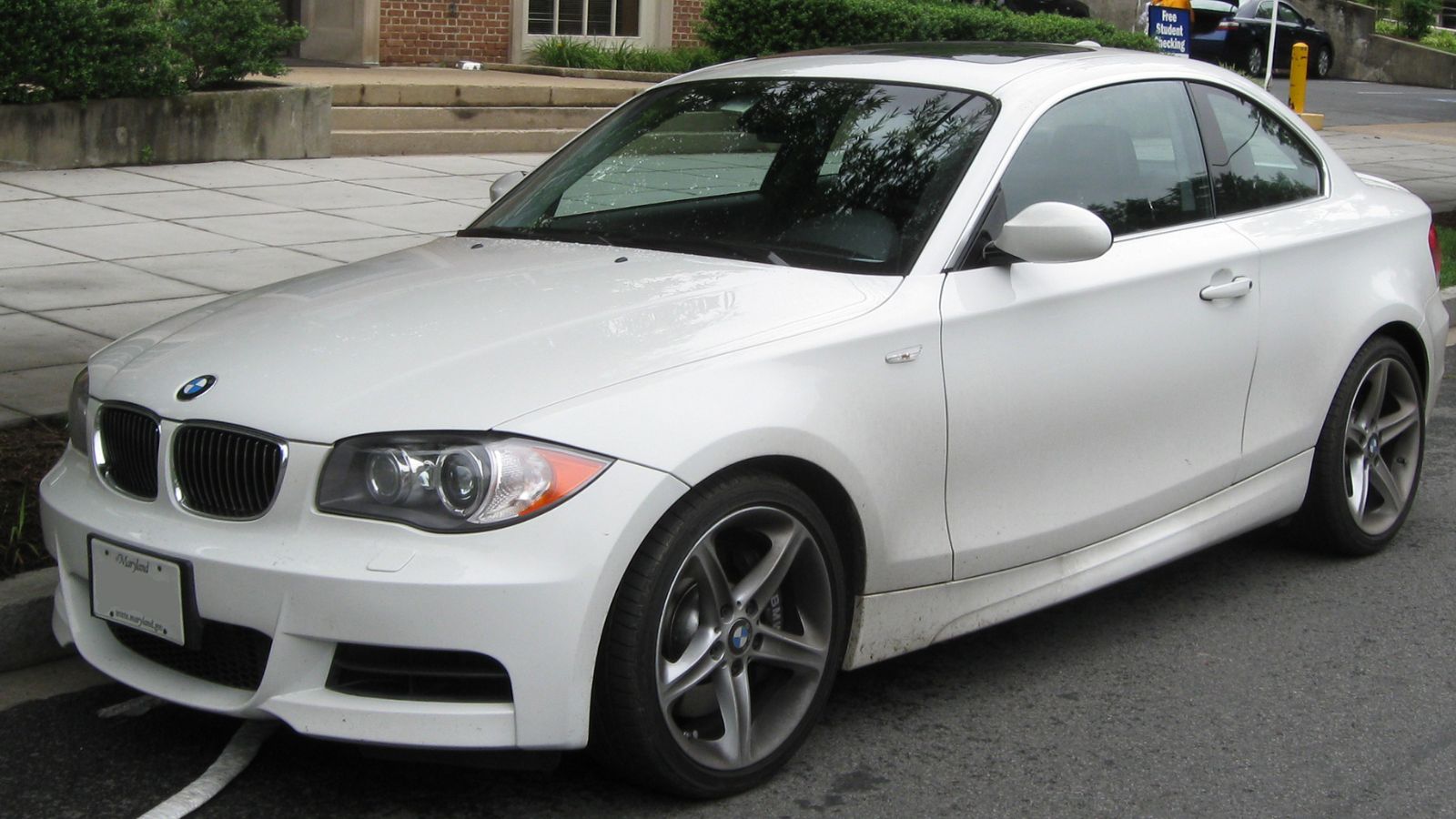
On paper, the N54 looked brilliant. Twin turbos, strong internals, and huge tuning potential. In reality, early versions suffered from high pressure fuel pump failures, injector issues, and carbon buildup. Many owners experienced repeated breakdowns under warranty. When running properly, it was fantastic. Unfortunately, reliability overshadowed its brilliance. BMW fixed many issues later, but early cars earned a reputation that still follows the engine today.
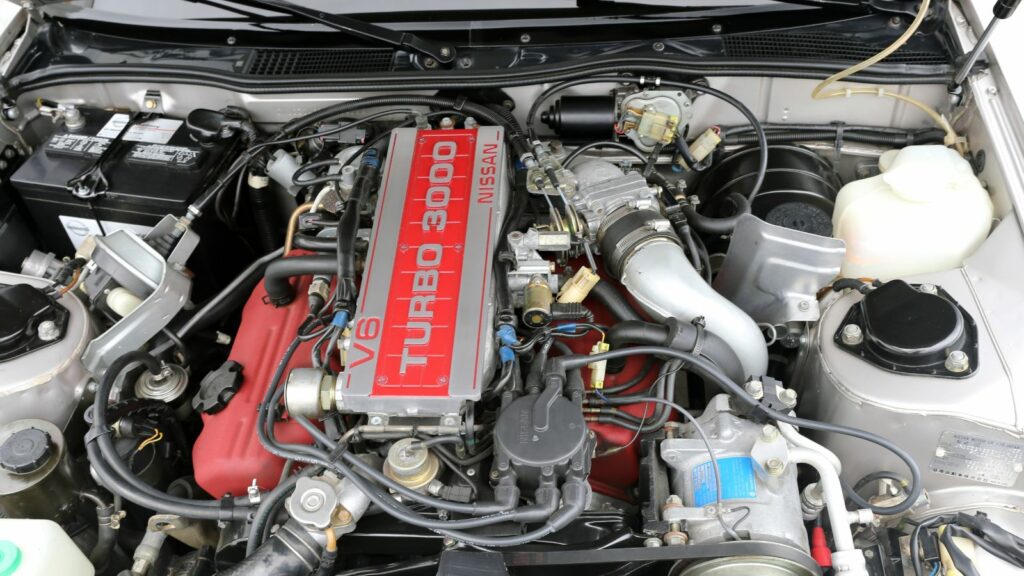
Nissan VG30 Early Turbo Versions 1984 to 1989
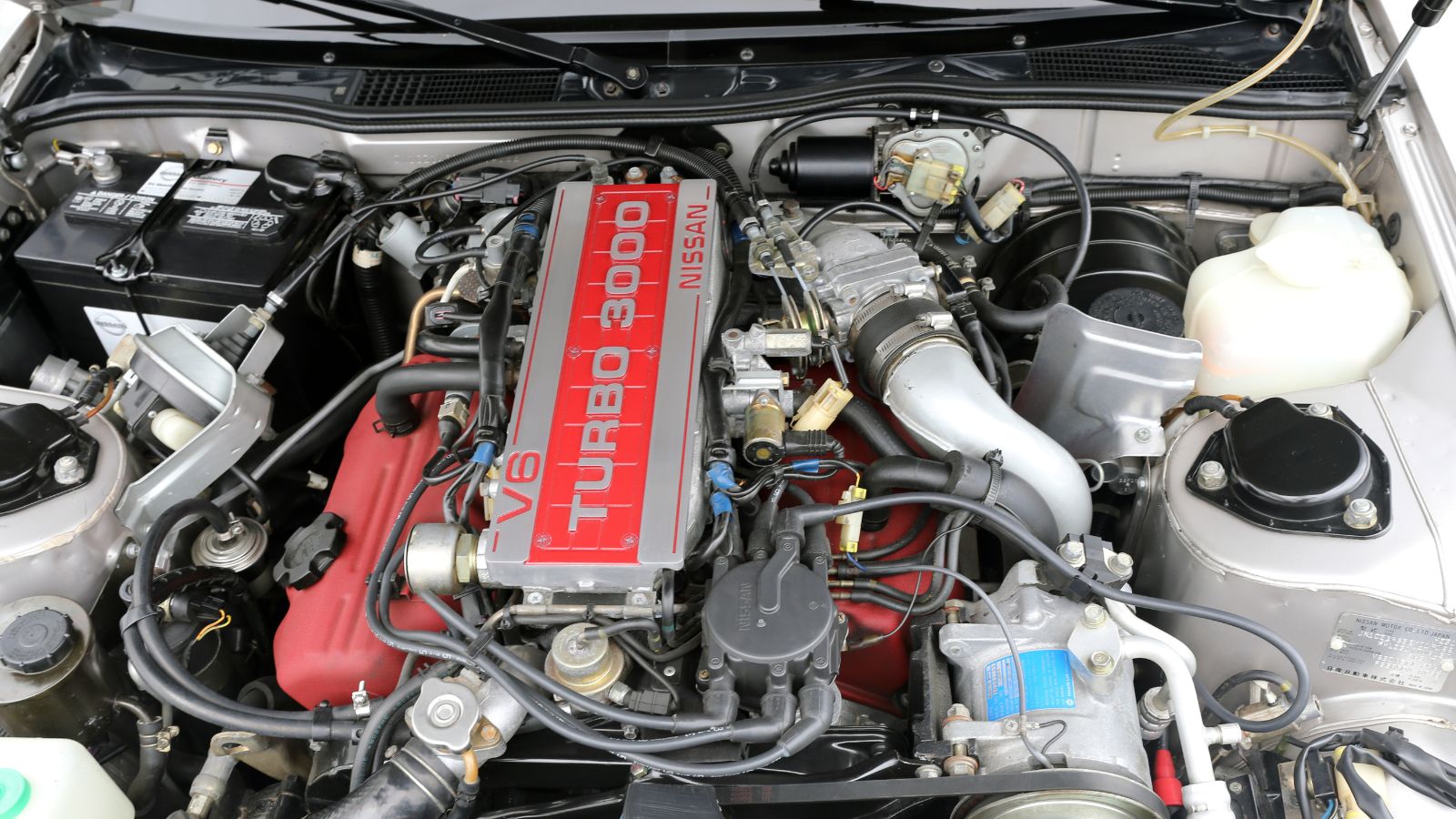
The VG30 could be durable in naturally aspirated form, but early turbo models were another story. Heat management was poor, leading to cracked manifolds and cooked wiring. Turbo failures were not uncommon, especially with aggressive driving. Cooling systems struggled in hot climates. Owners who pushed the engine hard often paid the price. It showed promise but lacked the refinement needed for reliable forced induction at the time.
Mazda KL DE 2.5 Liter V6 1993 to 1997

Mazda aimed for smoothness and refinement, but the KL DE missed the mark. Power was underwhelming and real world fuel economy disappointed. Valve stem seal failures caused oil consumption issues. Many engines developed lifter noise early in life. While not catastrophic, the engine felt fragile and forgettable. In a brand known for engaging driving, this V6 failed to excite or inspire long term confidence.
Mercedes Benz M272 Early Balance Shaft 2004 to 2008
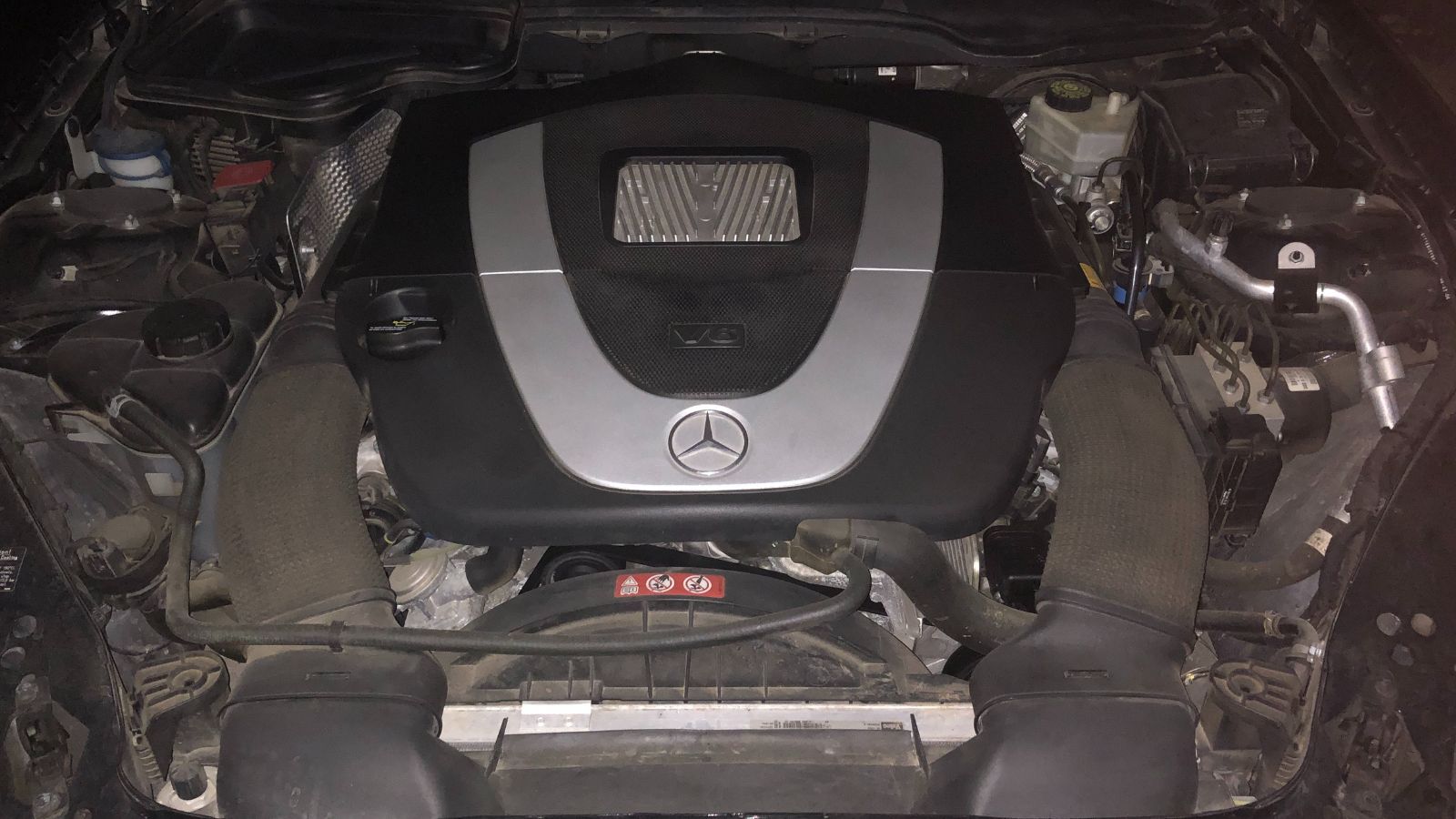
This engine should have been bulletproof, but early balance shaft gear wear ruined its reputation. Once the gear wore down, timing drifted and engine damage followed. Repairs were complex and expensive, often requiring engine removal. Many owners faced repair bills that exceeded the value of the car. Mercedes corrected the issue later, but early engines left a sour taste for buyers who expected classic durability.
25 Facts About Car Loans That Most Drivers Don’t Realize

Car loans are one of the most common ways people fund car purchases. Like any other kind of loan, car loans can have certain features that can be regarded as an advantage or a disadvantage to the borrower. Understanding all essential facts about car loans and how they work to ensure that you get the best deal for your financial situation is essential. Here are 25 shocking facts about car loans that most drivers don’t realize:
25 Facts About Car Loans That Most Drivers Don’t Realize
