Japan has a habit of quietly rewriting the rulebook. When the global sports car world leaned on tradition, Japanese engineers focused on balance, reliability and usable performance. The result was not just fast cars, but machines that changed expectations about cost, precision and everyday drivability. These ten Japanese sports cars did more than succeed, they reset the segment entirely.
Mazda MX-5 Miata

When the Miata launched, it reminded the world that lightness matters more than raw power. Simple controls, perfect balance and bulletproof reliability brought pure driving joy back at an attainable price. It forced rivals to rethink bloated roadsters and proved that fun does not need excess horsepower.
Honda NSX
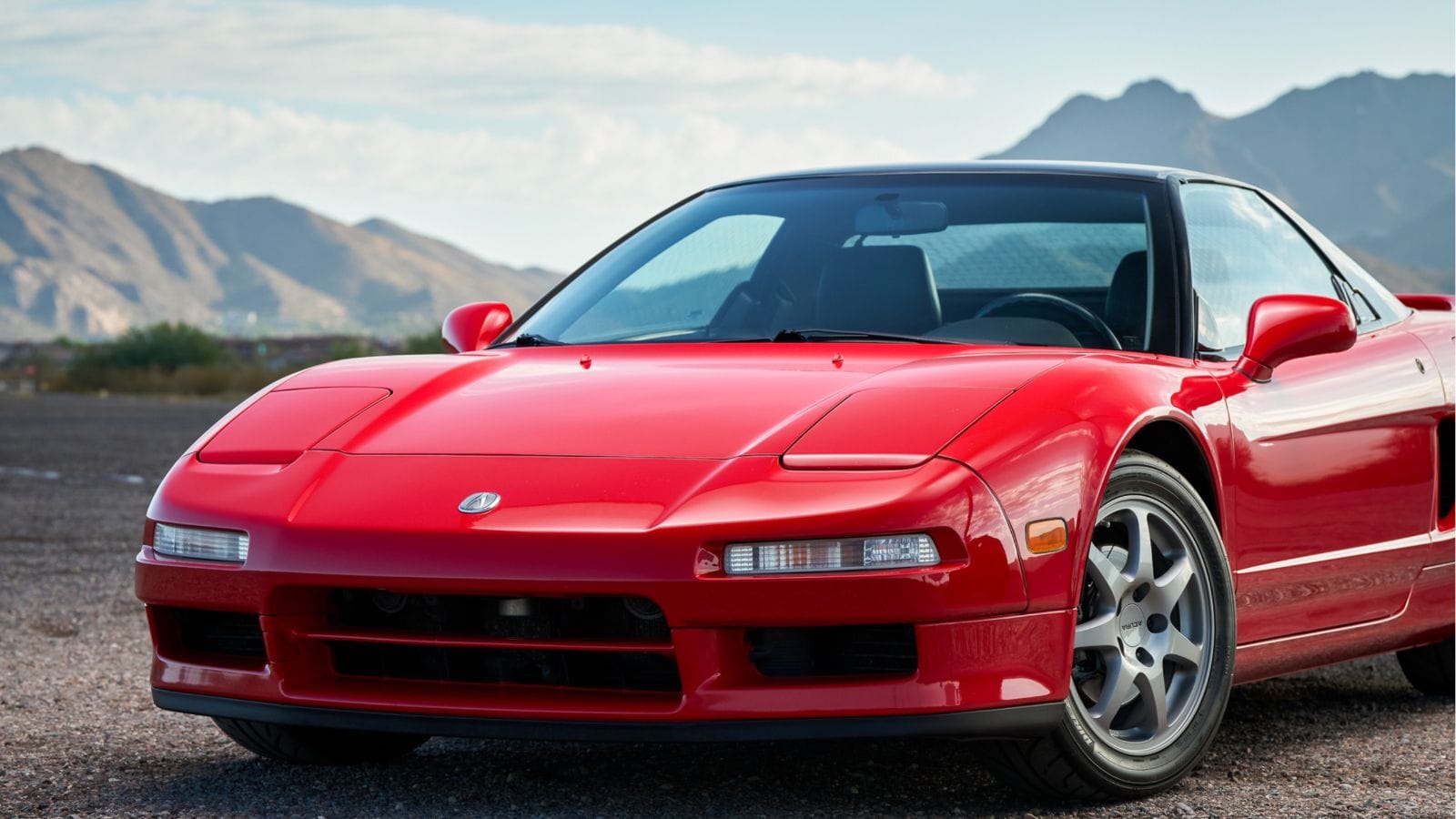
The NSX shattered supercar norms by delivering exotic performance with everyday usability. It started reliably, handled predictably and offered visibility unheard of in its class. Ferrari and Porsche were forced to raise their quality standards because the NSX showed supercars could be both thrilling and dependable.
Toyota Supra MK4

The MK4 Supra reset expectations around tuning potential and engine durability. Its straight six handled enormous power increases without drama. The aftermarket exploded because the platform invited modification rather than resisting it. It became the benchmark for strength and scalability in performance engineering.
Nissan Skyline GT-R R32

The R32 GT-R changed motorsport and road car performance overnight. All wheel drive, advanced traction control and a turbocharged engine created a weapon that dominated racing series globally. It forced regulators to rewrite rules and competitors to rethink drivetrain technology.
Subaru Impreza WRX STI

The WRX STI brought rally technology to public roads in a usable package. Turbo power, mechanical grip and durability made high performance accessible in harsh conditions. It proved speed did not need to be fragile or seasonal and redefined what an affordable performance car could handle.
Mitsubishi Lancer Evolution
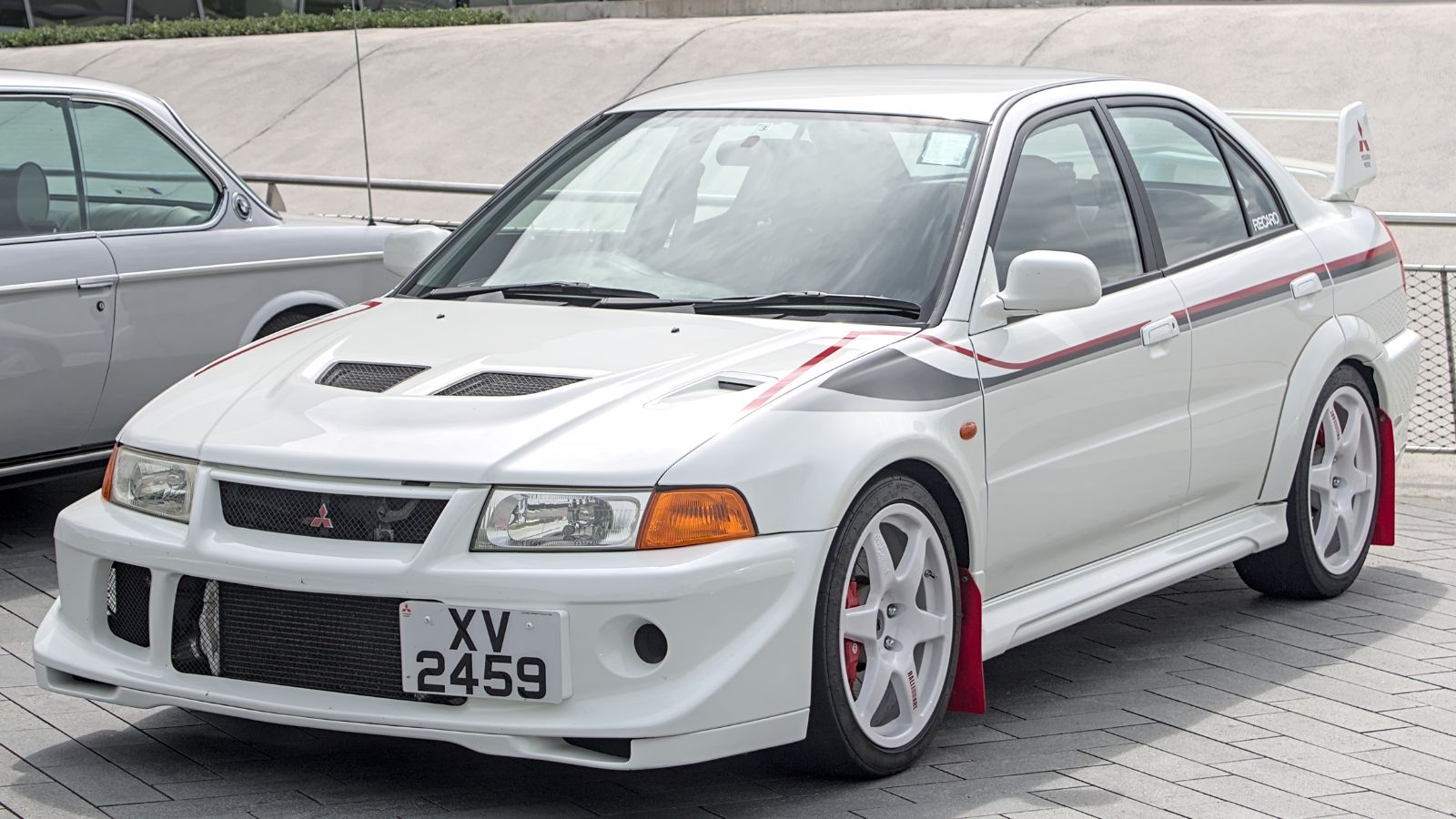
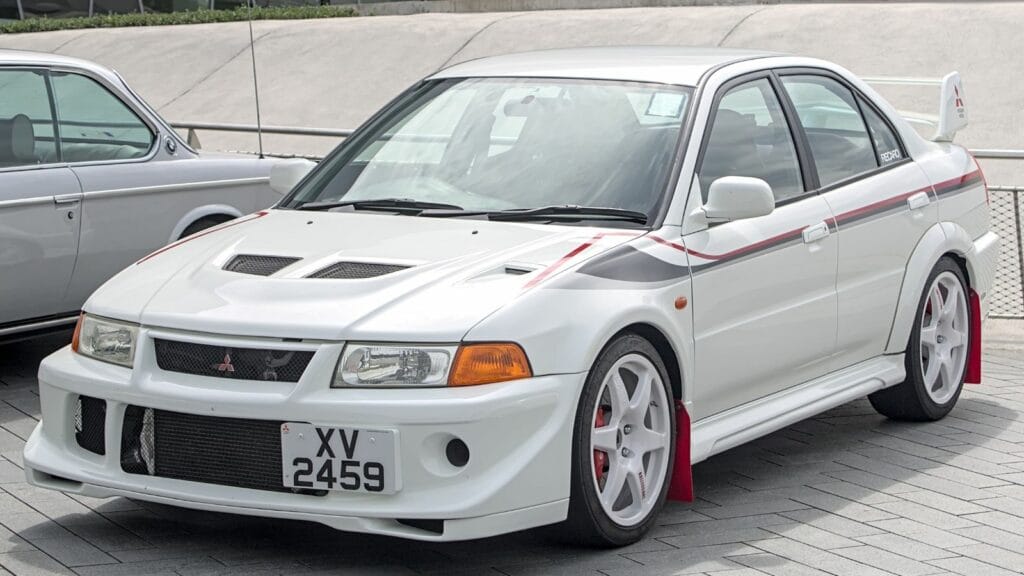
The Evo turned technology into a competitive advantage. Active differentials, sharp steering and relentless traction created a car that punished much more expensive rivals. It reset expectations for driver confidence and showed that engineering intelligence could outperform brute force.
Honda S2000
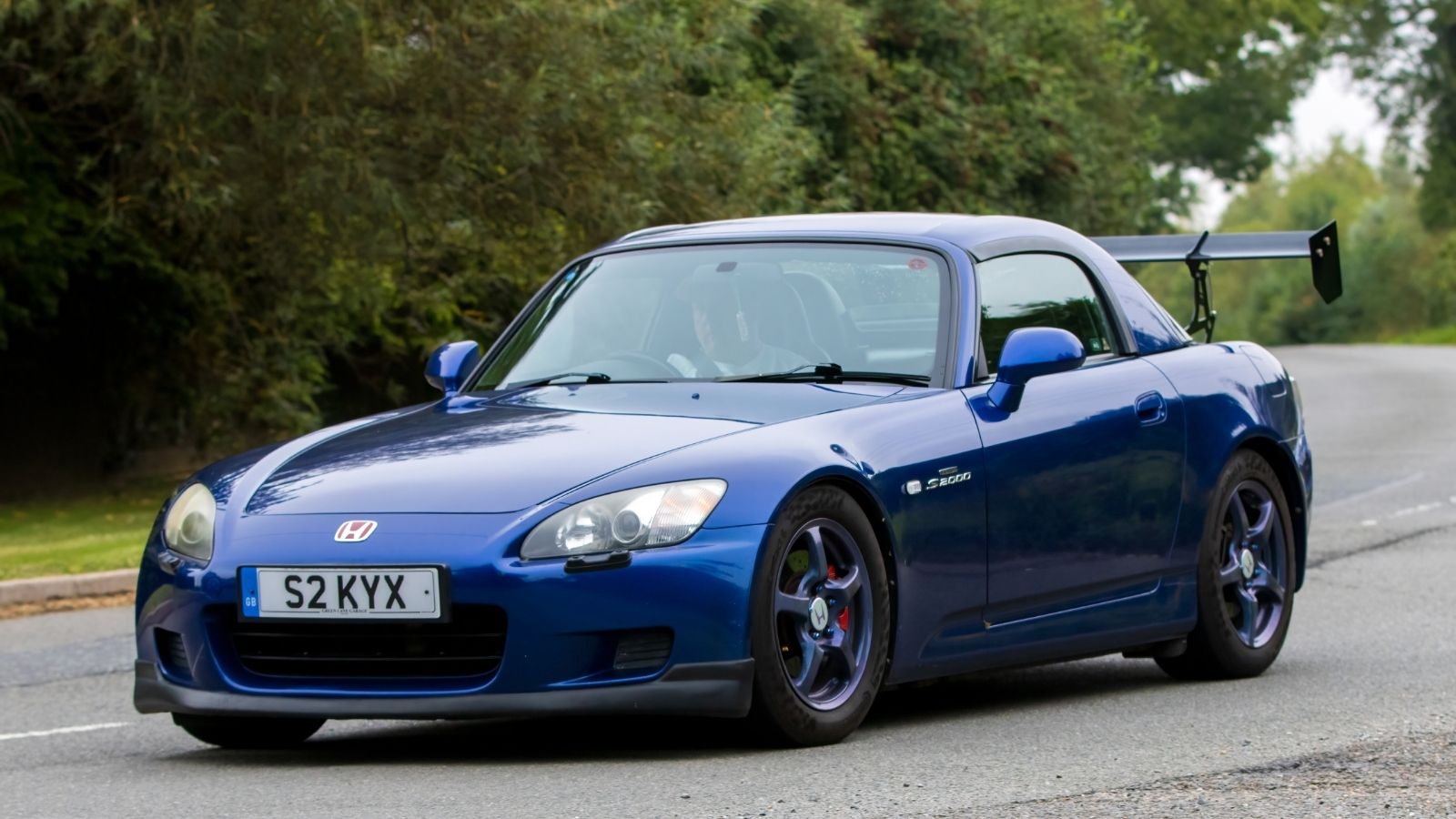
The S2000 proved that naturally aspirated engines could still thrill in a turbo dominated era. Its sky high redline and razor sharp chassis delivered a motorsport feel on the street. It set a benchmark for precision and engagement that many modern sports cars still struggle to match.
Toyota 86
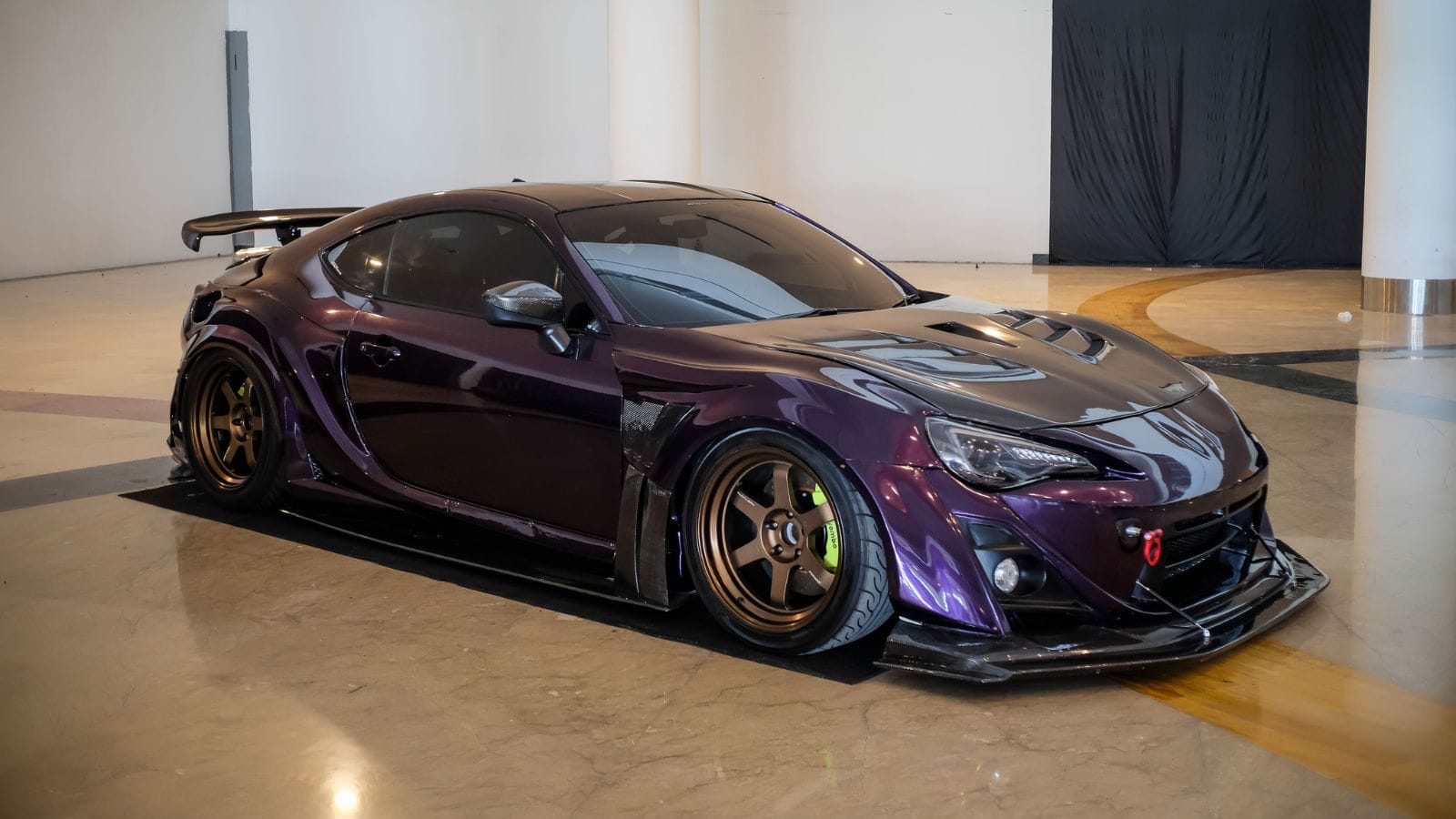
The 86 brought balance back to the conversation. Modest power paired with excellent chassis tuning created a car that rewarded skill rather than speed alone. It reminded the industry that driver involvement matters more than lap times on paper.
Nissan 370Z
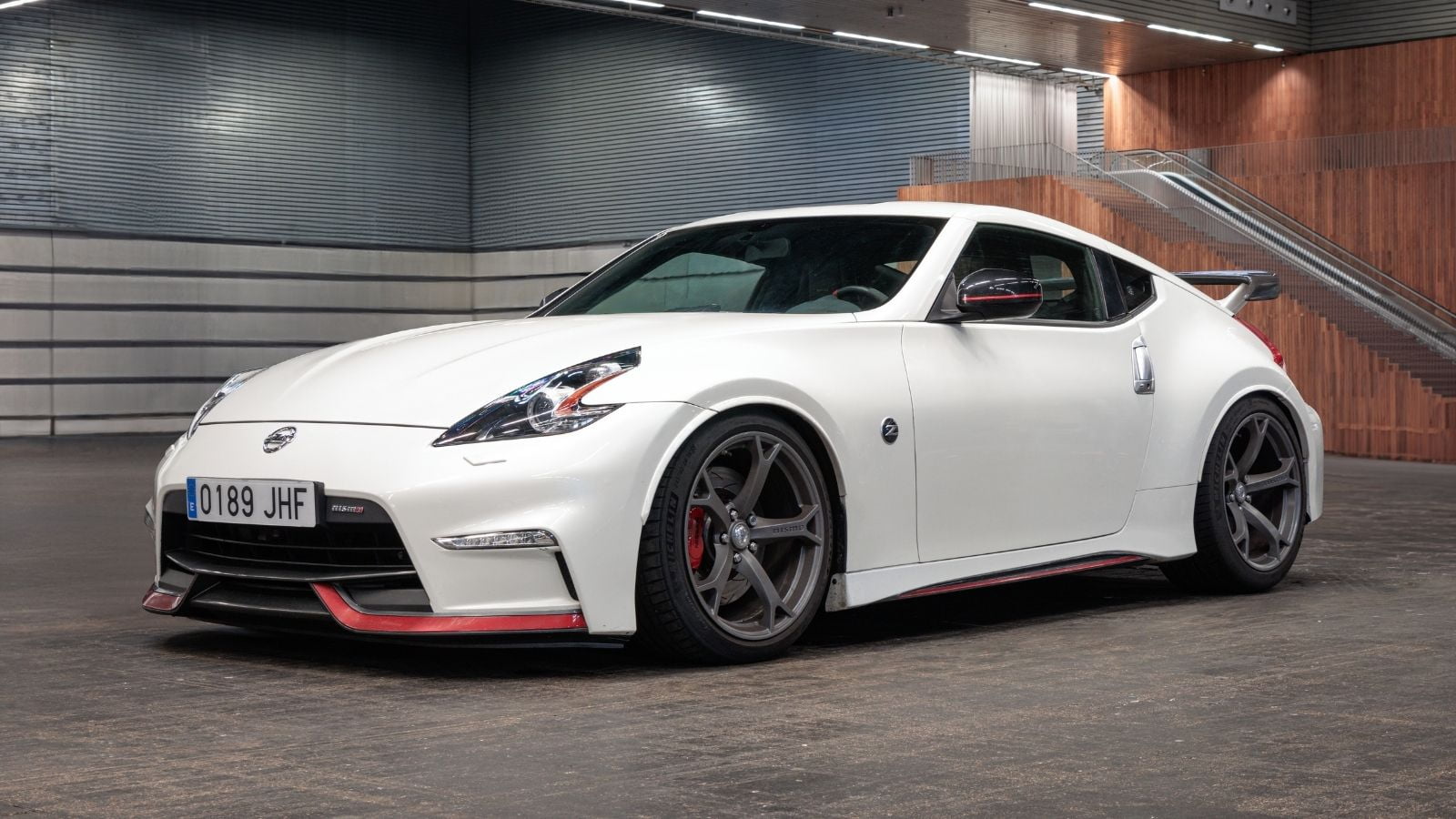
The 370Z delivered honest rear wheel drive performance with strong naturally aspirated power. It focused on feel and mechanical connection rather than chasing trends. It kept the classic sports coupe alive when many rivals abandoned the formula.
Acura Integra Type R
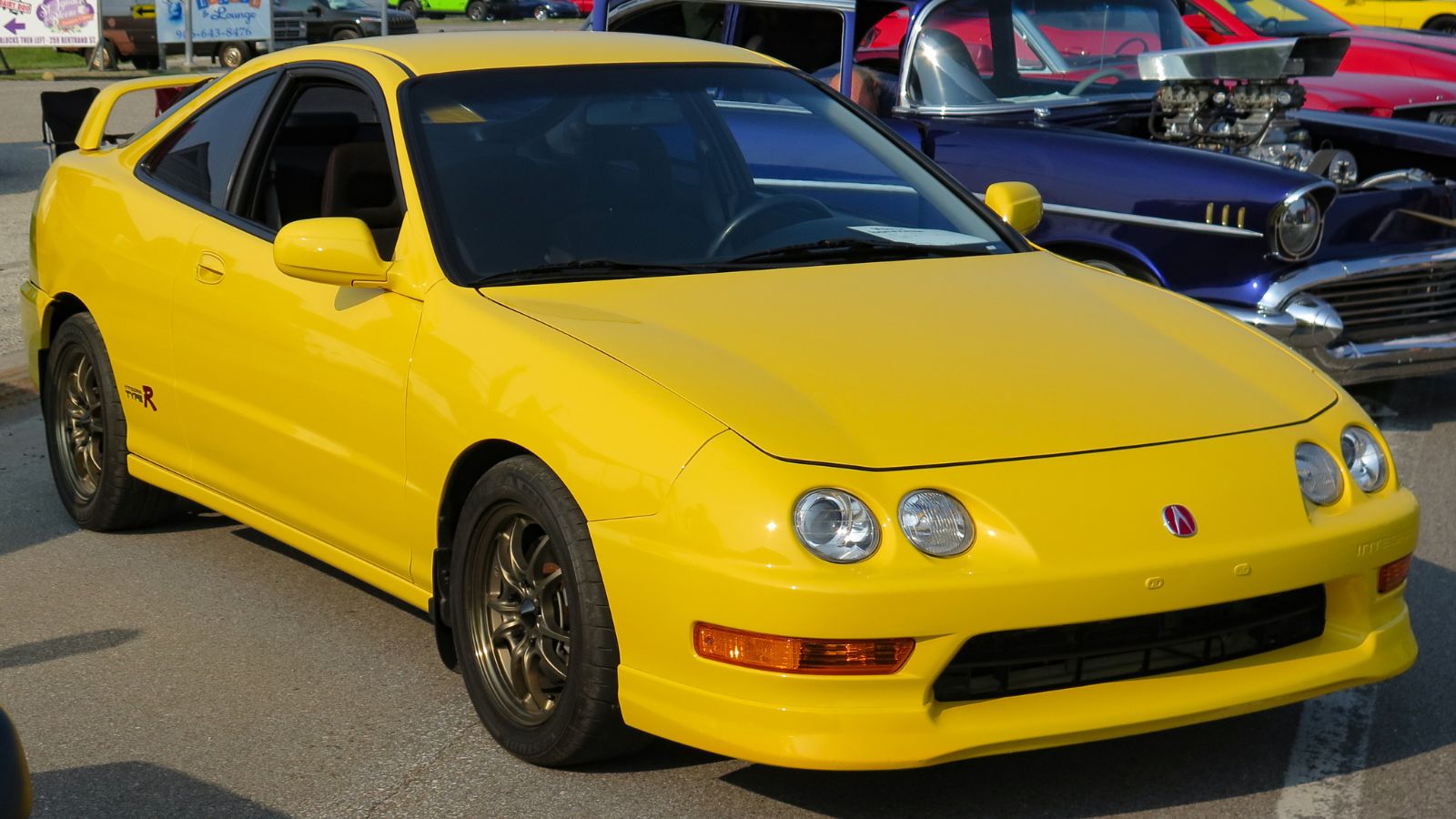
The Integra Type R reset what front wheel drive could achieve. Lightweight construction, a screaming engine and perfect suspension tuning embarrassed more powerful cars. It forced engineers to take front drive performance seriously and remains a reference point decades later.
25 Facts About Car Loans That Most Drivers Don’t Realize

Car loans are one of the most common ways people fund car purchases. Like any other kind of loan, car loans can have certain features that can be regarded as an advantage or a disadvantage to the borrower. Understanding all essential facts about car loans and how they work to ensure that you get the best deal for your financial situation is essential. Here are 25 shocking facts about car loans that most drivers don’t realize:
25 Facts About Car Loans That Most Drivers Don’t Realize
