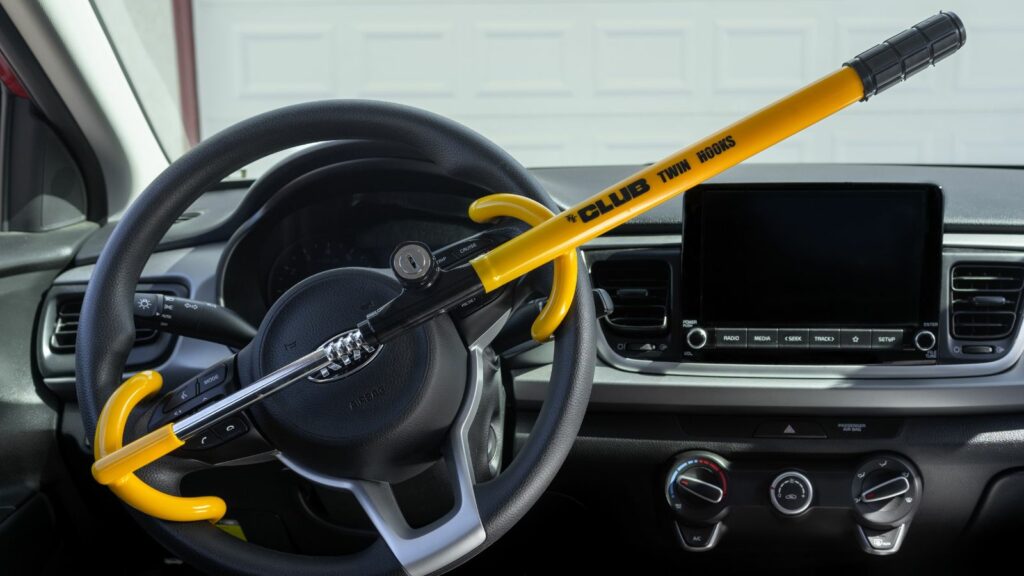
Car theft has evolved. Gone are the days when stealing a vehicle meant smashing a window and hot-wiring the ignition. Today’s thieves use radio scanners, relay amplifiers, cloned key programmers, GPS jammers, and fast extraction crews playing the automotive equivalent of smash-and-grab chess. The goal is not to terrify drivers, but to stack the odds in their favour. Thieves want quiet, quick, low-effort thefts. If your car looks like a hassle, they’re gone before they even try.
Park Where Thieves Hate to Operate
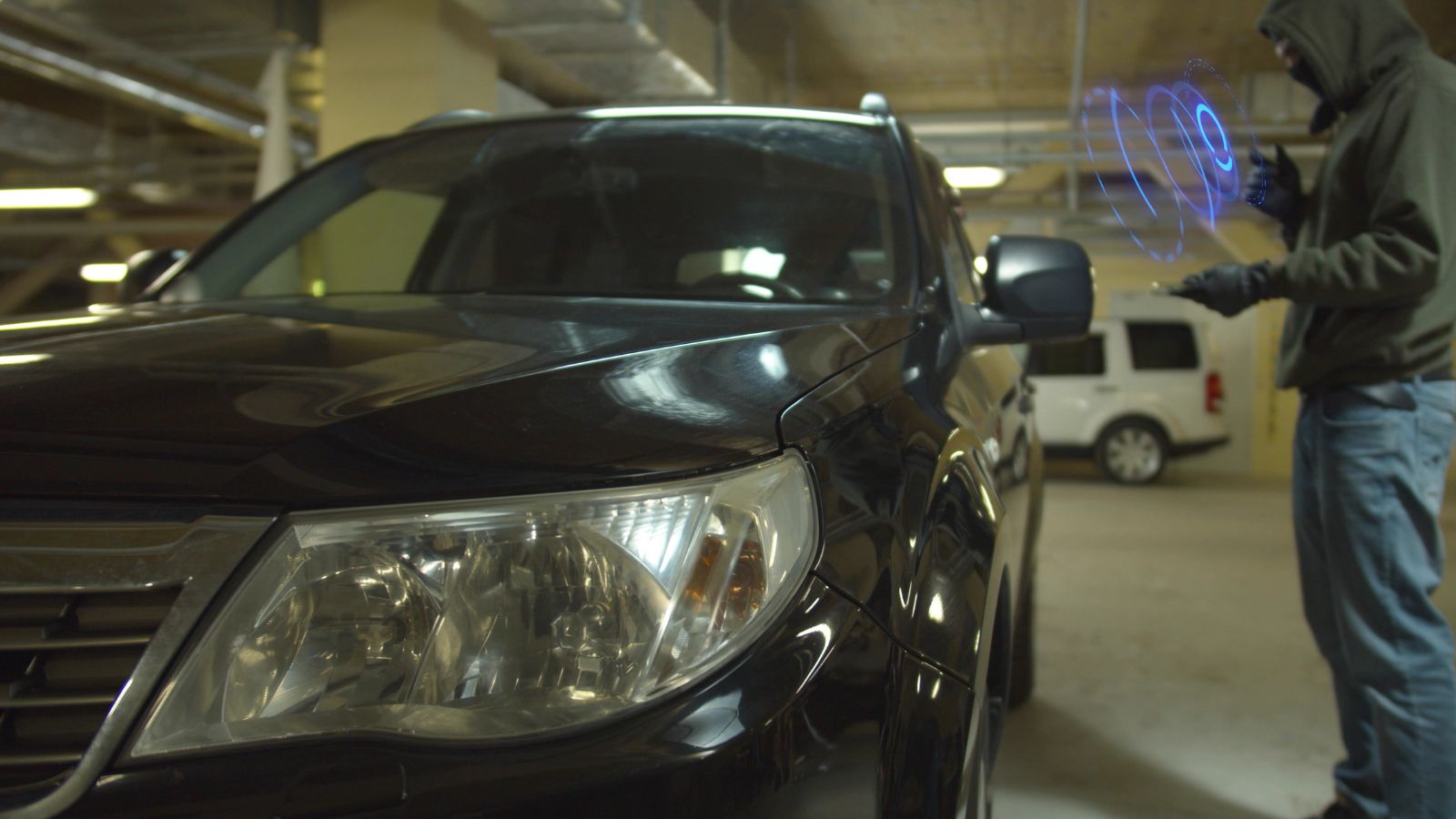
Location matters more than most people think. If a thief has to approach your car twice, crouch in view, or risk being spotted by pedestrians, they will move on. Bright lighting, motion sensors, street-facing driveways, visible doorbell cameras, and parking near building entrances all raise risk. Even in public lots, choose spots near security posts or heavy foot traffic instead of corners where nobody notices anything.
Block the OBD Port Before You Sleep
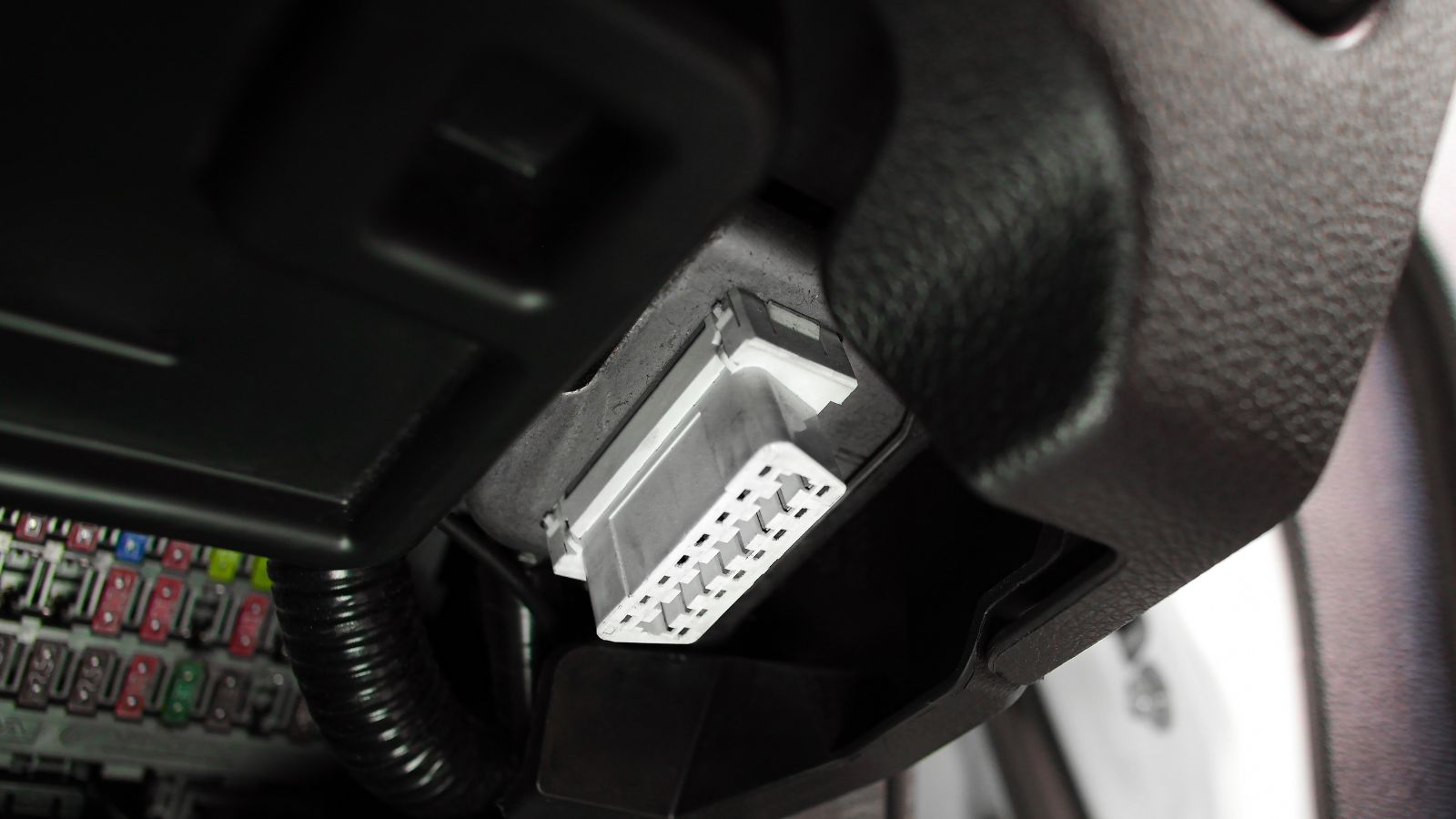
Many modern vehicles are stolen by connecting a programmer to the onboard diagnostic port and coding a new key in under 90 seconds. A simple lock cover blocks that access point. It forces criminals to either smash the dashboard apart or give up. Most won’t risk damaging the car because they want vehicles they can export or resell quickly. A blocked OBD port signals that someone planned ahead and that alone can send thieves elsewhere.
Store the Key Fob Far From the Door and in a Signal Shield
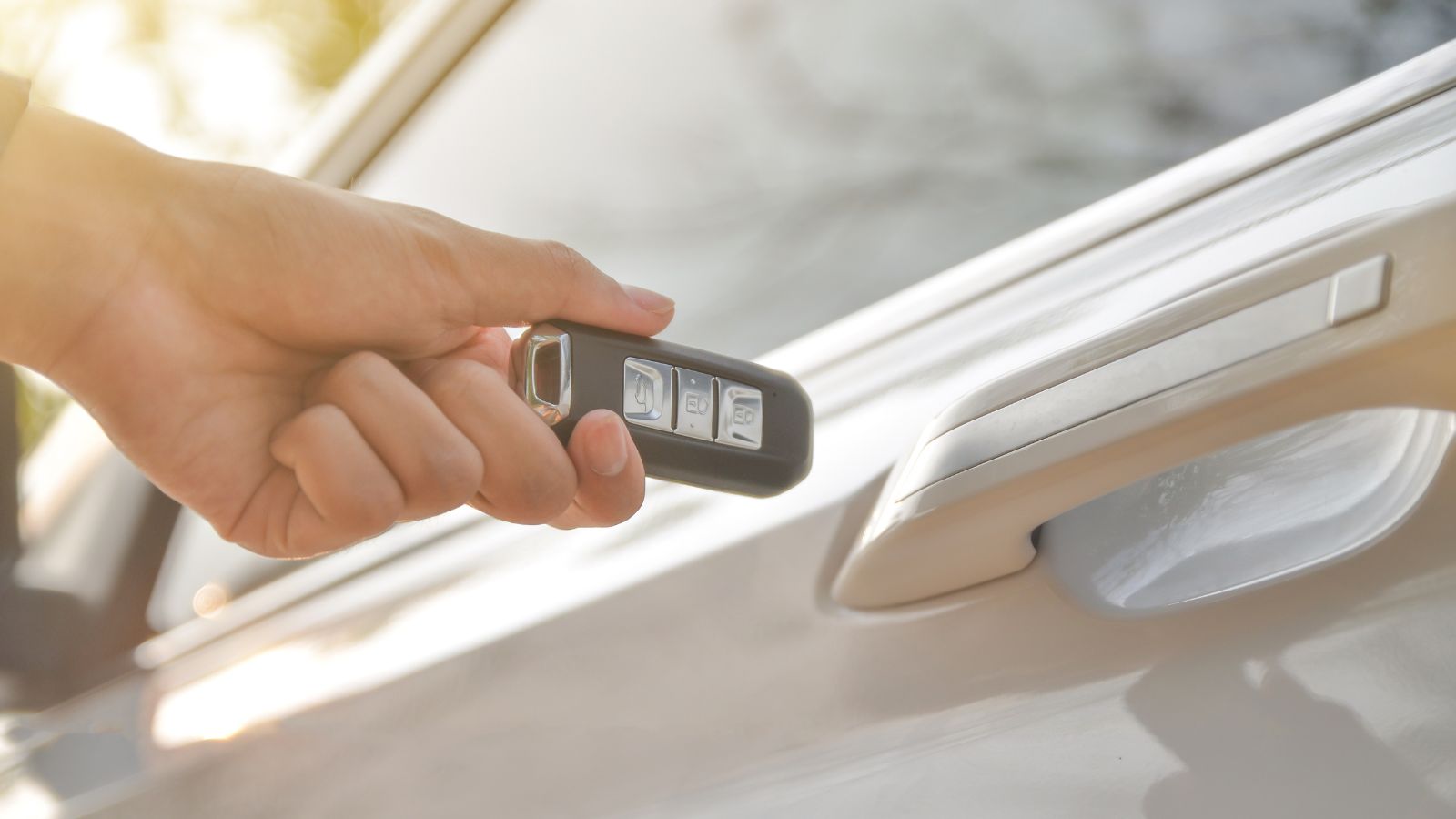
Relay theft relies on stealing your key fob’s radio signal through walls and windows. A thief outside boosts the signal, the accomplice near your car receives it, and the car unlocks like you’re standing beside it. Keeping the fob away from the front door and using a signal-blocking pouch or box kills the trick completely. What costs a few dollars can save you tens of thousands.
Make the Car Loud to Move

Thieves want silence and speed. Every extra second they spend creates danger for them. A loud impact alarm, a glass-break sensor, or even a cabin motion sensor increases the chance they’ll retreat. Even if thieves try cutting the power, loud triggers buy you precious time before they can move the vehicle. Noise puts eyes and cameras on them — their worst nightmare.
Use a Steering Wheel Lock Proudly
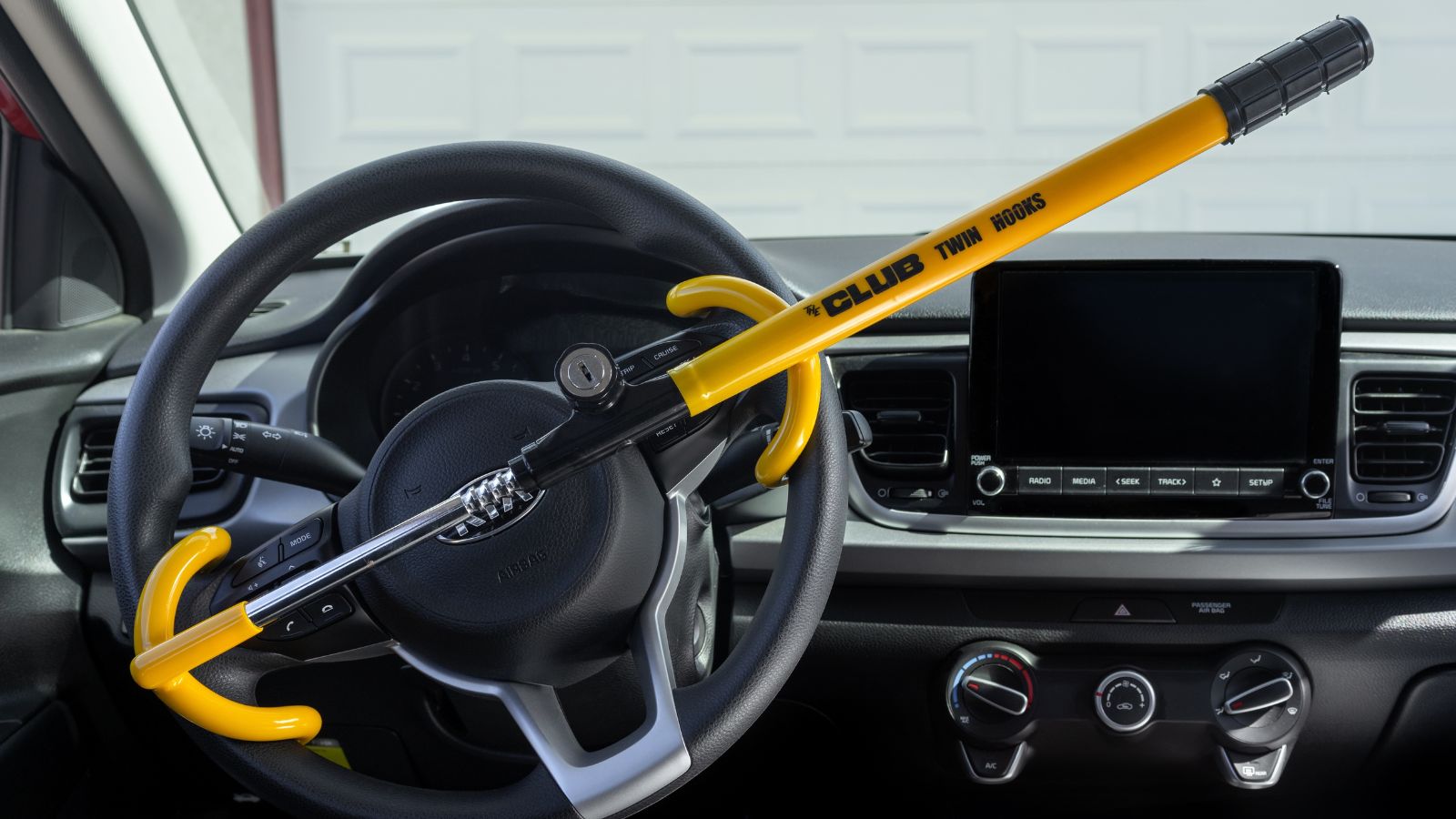
A good steering wheel lock doesn’t guarantee nobody touches your car, but it makes thieves hate the idea instantly. It is a big visual deterrent and requires cutting tools that make noise and leave sparks. Thieves don’t want to look like they’re grinding metal in a driveway at 2 AM. Every extra step they face is another reason to pick a different car.
Install a Hidden Kill Switch
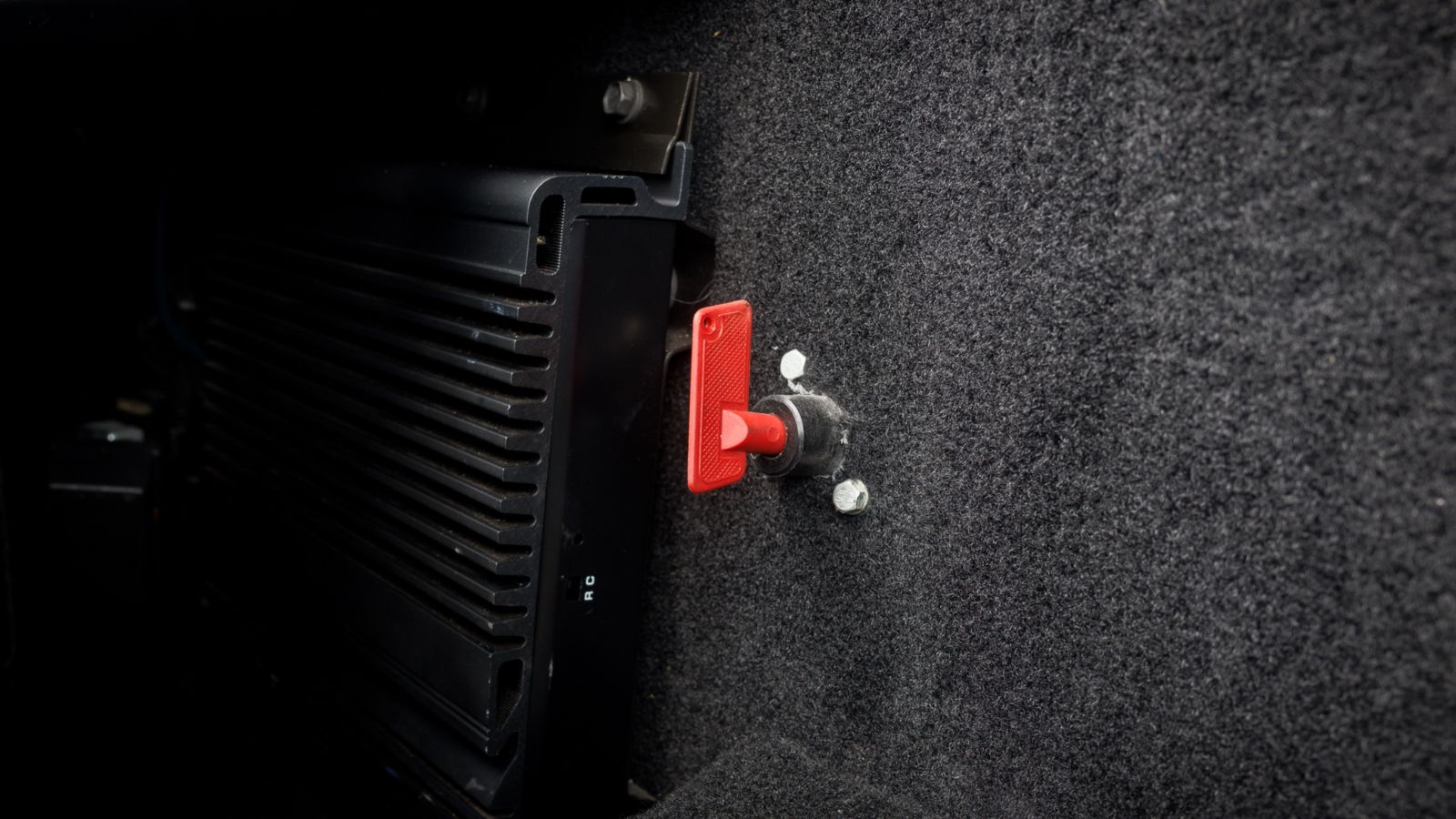
Even if thieves unlock the door and access the ignition, a kill switch prevents the starter or fuel pump from functioning. The engine won’t turn over and the thief has no idea why. Some owners hide switches in everyday places — under trim, inside consoles, disguised as unrelated controls. Criminals know kill switches exist but they don’t have time to search for them when getting caught is a real possibility.
Use Tire Positioning to Your Advantage

If a thief wants your car badly enough, they might use a dolly or flatbed. Parking with the wheels sharply turned toward the curb makes winching the car into a straight line more difficult — and louder. A closed steering lock combined with angled wheels forces thieves to spend time wrestling the car. Time equals danger. They move on.
Never Leave Items Visible in the Cabin
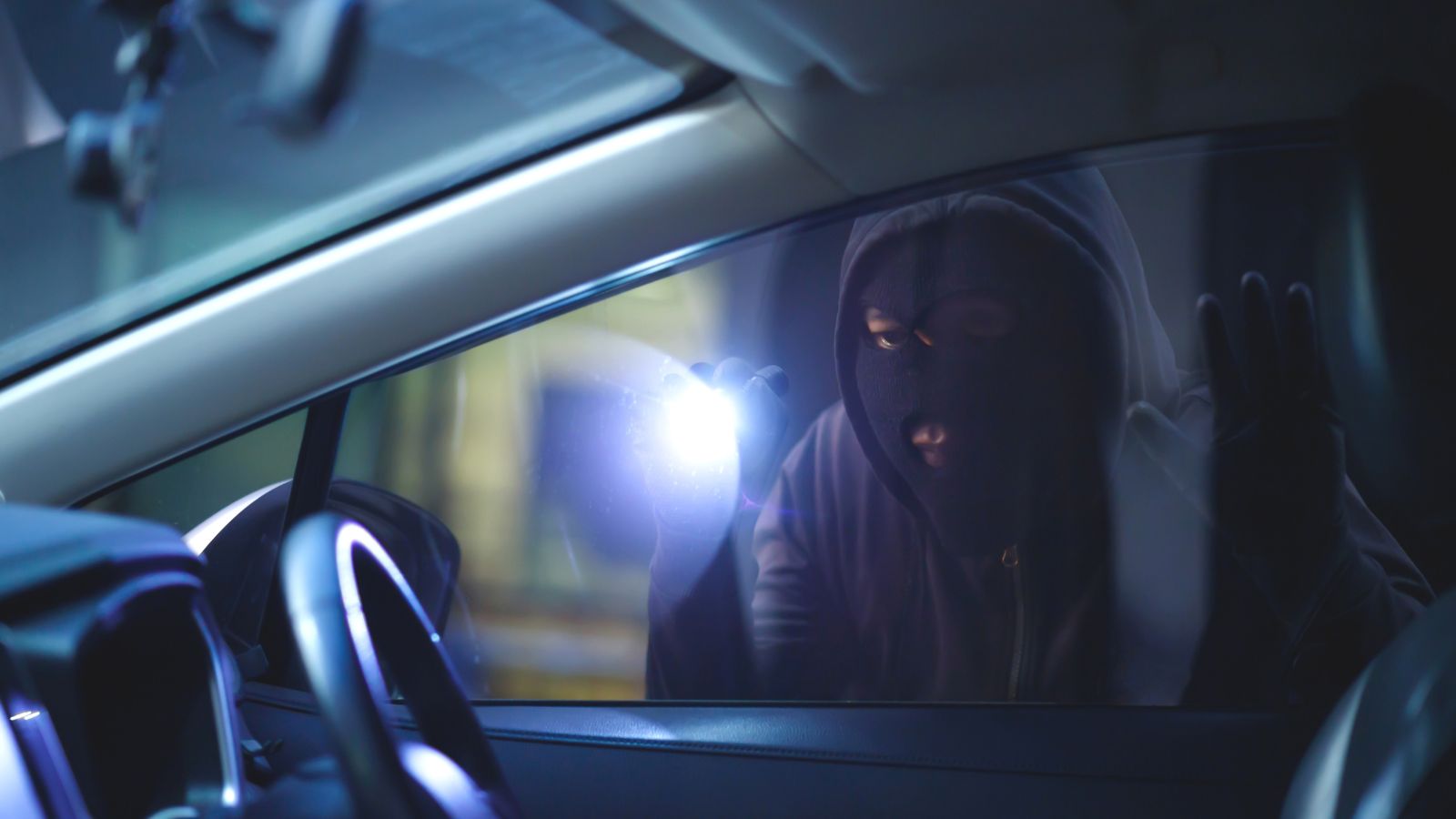
Many full thefts start as simple smash-and-grabs. A thief breaks a window for something small — a laptop bag, sunglasses, gym bag or even loose change. Once inside, they sometimes decide to take the whole vehicle. Keeping the cabin clean removes the bait that starts the escalation. A boring looking interior is often the safest one.
Trackers and Air-Tags Improve Recovery Odds

No anti-theft strategy is perfect, so preparation for the worst matters too. A GPS tracker or Air-Tag hidden inside seats, trim, or the spare tire well can help police track a stolen vehicle before it’s exported or stripped. Thieves often search obvious hiding spots, but they rarely rip apart interiors unless they’re sure a tracker is inside. The key is to hide more than one — redundancy increases recovery odds dramatically.
Layer Your Security — Not One Trick, but Many

Thieves don’t leave because a car is impossible to steal. They leave because another vehicle in the same area is easier. A visible steering lock, a blocked OBD port, a noisy alarm, locked fobs, and good parking placement stack obstacles. When criminals see layered defenses, their thought process isn’t “How do we steal this?” It’s “Why waste time when there are easier cars around the corner?”
A thief only needs seconds to steal an unprotected vehicle. But even small security upgrades can cost them minutes — and minutes are enough to make most of them disappear.
25 Facts About Car Loans That Most Drivers Don’t Realize

Car loans are one of the most common ways people fund car purchases. Like any other kind of loan, car loans can have certain features that can be regarded as an advantage or a disadvantage to the borrower. Understanding all essential facts about car loans and how they work to ensure that you get the best deal for your financial situation is essential. Here are 25 shocking facts about car loans that most drivers don’t realize:
25 Facts About Car Loans That Most Drivers Don’t Realize
