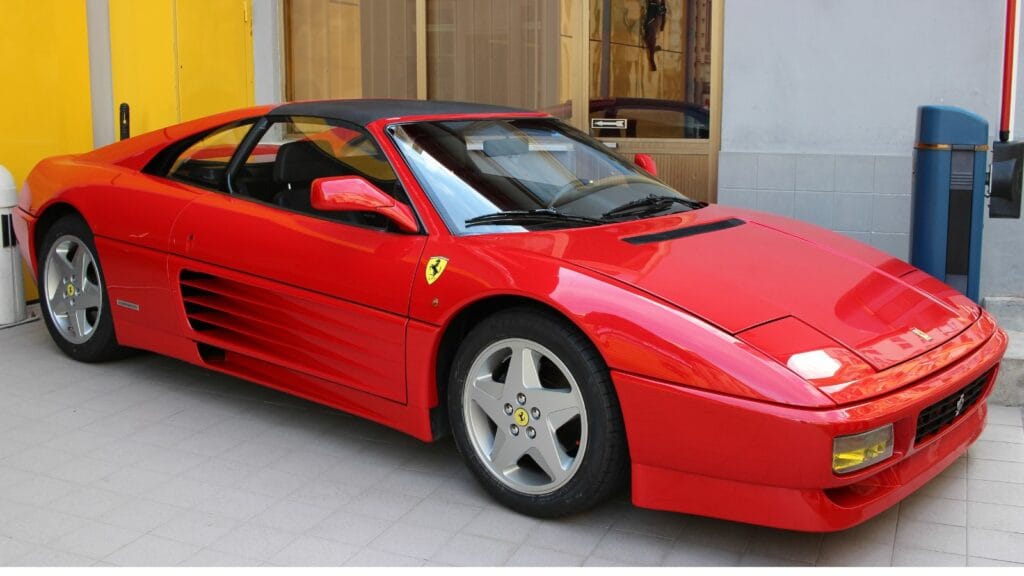
Owning a Ferrari is one of the great automotive fantasies, and a hundred thousand dollar budget puts that dream within reach. At this price point you are stepping into models that have already taken their depreciation hits, making them surprisingly attainable for enthusiasts ready to commit. But a Ferrari is never just another used car. It is a precision machine that rewards proper care and punishes neglect. Go in with the right expectations, understand the common pitfalls and choose wisely, and your first Ferrari will feel like a life milestone rather than a financial regret. These twelve expanded tips help you enter the world of Italian exotica with confidence.
Service History Must Be Complete

A Ferrari without documented service history is a gamble almost guaranteed to end badly. These cars rely on strict maintenance cycles that include belts, fluids, filters, software updates and mechanical adjustments. A complete binder of receipts proves ownership maturity. It shows the car has not been skipped between shops or run on minimal budgets. Many Ferraris sold cheaply lack this history, which often hides years of deferred maintenance. The more consistent the documentation, the safer your investment becomes.
Buy the Best Example Not the Cheapest
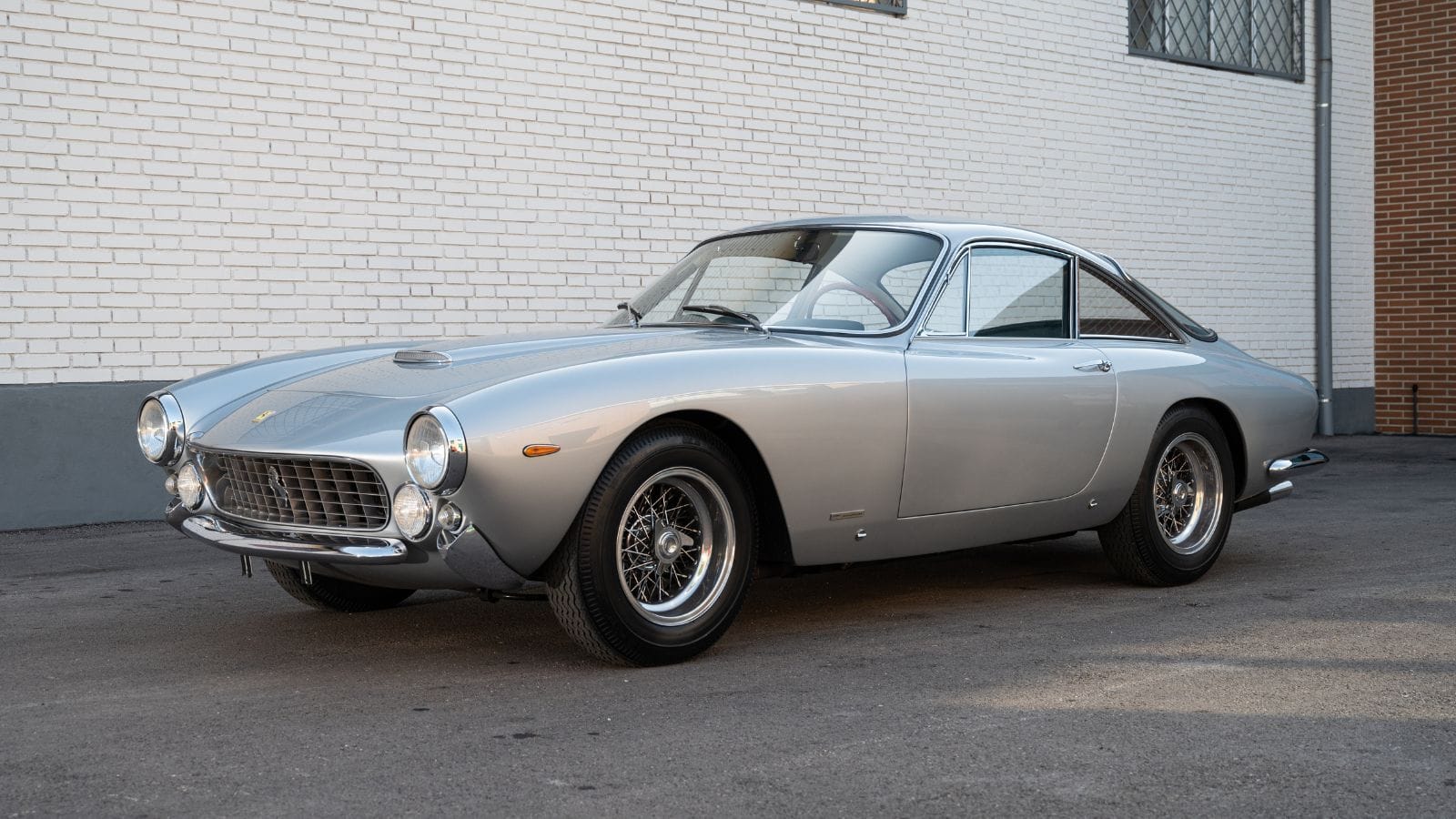
In the exotic car world, a cheap Ferrari is rarely good. Cars priced far below market usually need tens of thousands of dollars in catch up work. Paint correction, clutch replacements, sticky interior repairs and suspension overhauls swallow money rapidly. The smart buyer pays a premium for a well loved, well serviced example from an owner who invested properly. That car will deliver fewer surprises and preserve value better. A clean, sorted Ferrari is worth far more than a flashy bargain.
Understand Model Specific Weak Points
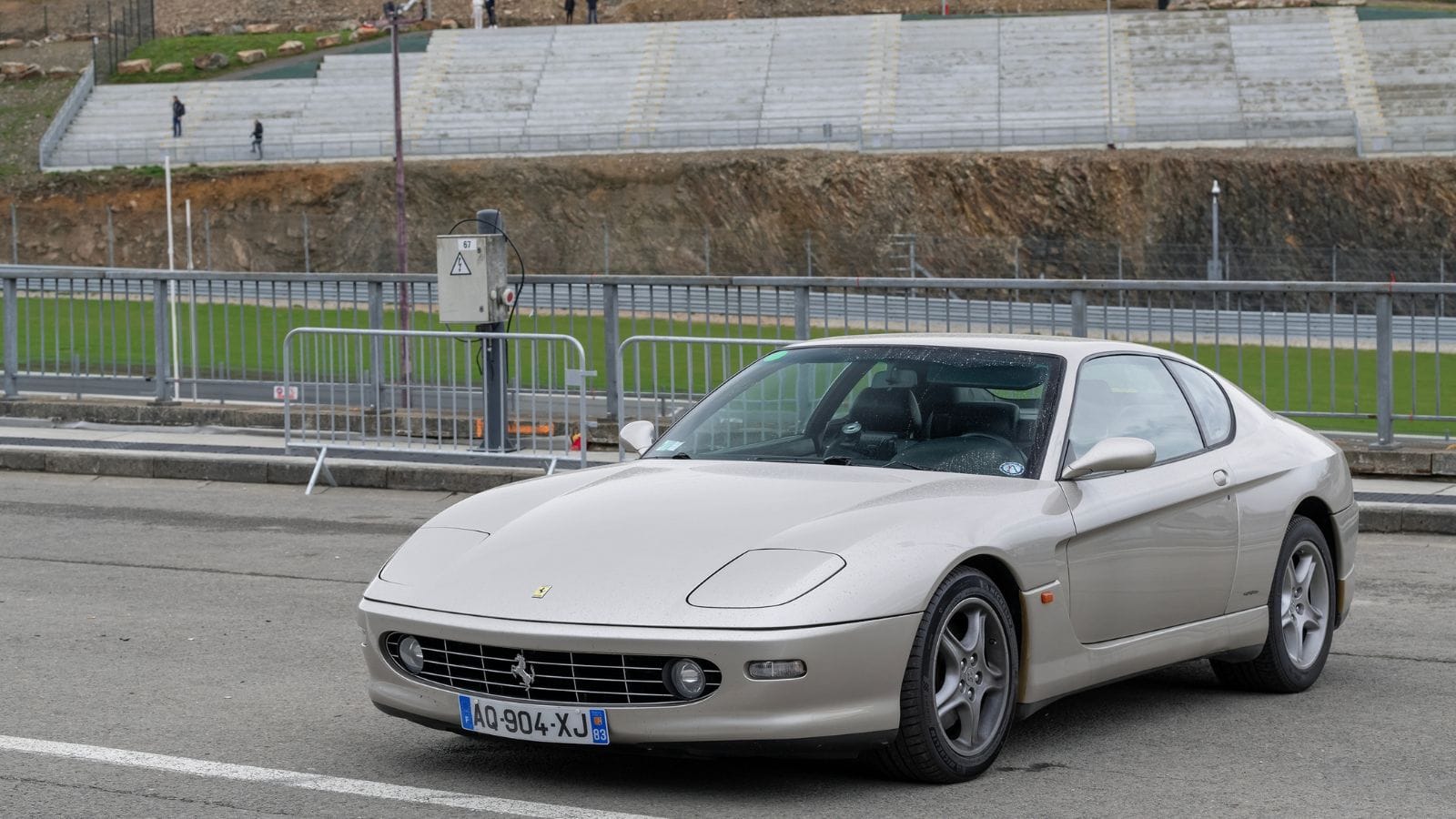
Every model has predictable failure points that can drain your wallet if you choose blindly. The 360 requires timing belt changes that must be done correctly. The F430 suffers exhaust manifold cracks if not upgraded. Early California models develop roof calibration problems. Even simpler models like the 456 and 612 have electrical gremlins that only specialists truly understand. Study forums, owner groups and model buyers guides. You want to know exactly which items should already be replaced and which to inspect before purchase.
Inspect for Sticky Buttons and Aging Plastics
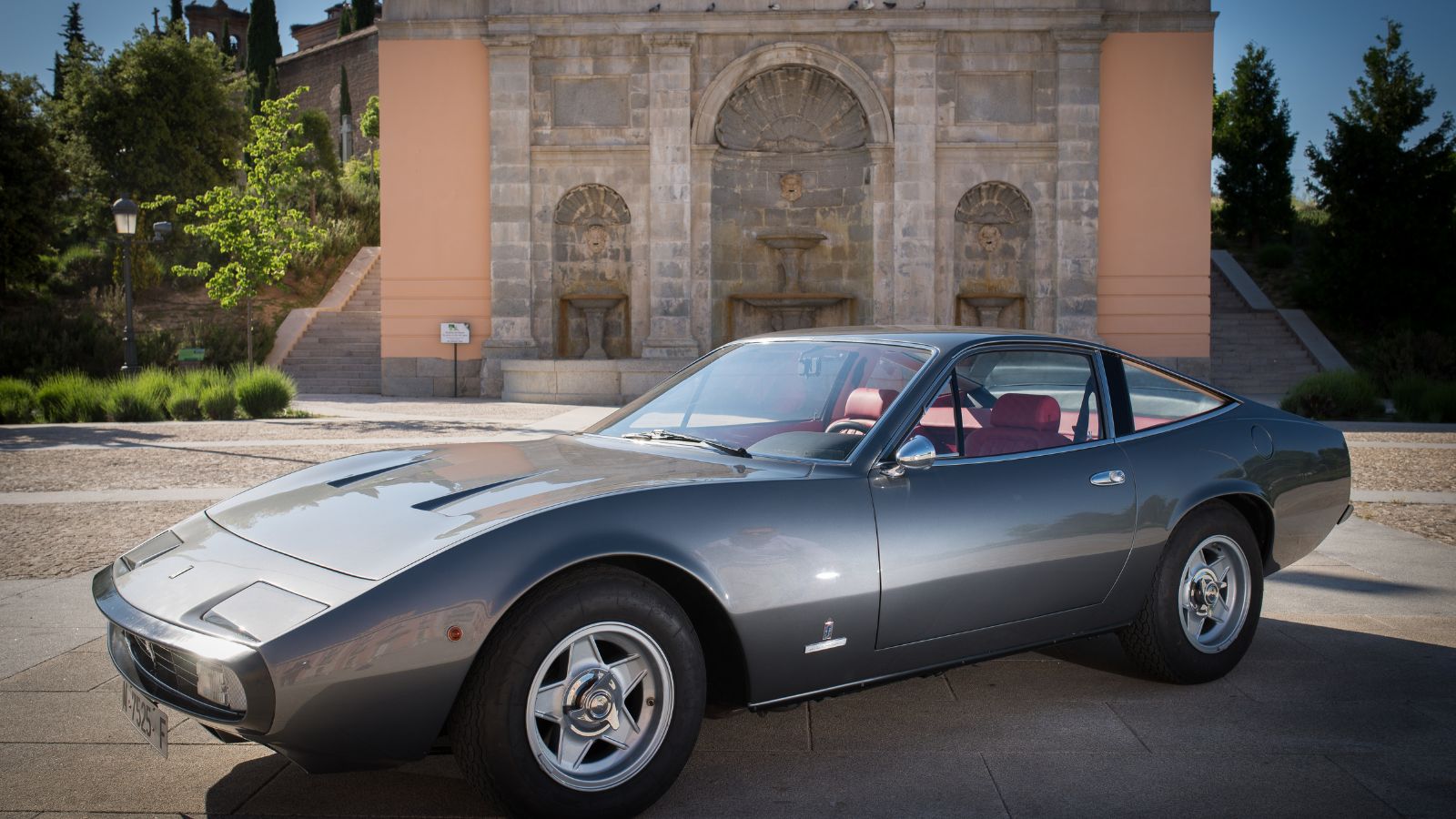
Ferraris from the nineties and 2000s often suffer from degraded interior plastics that turn soft, shiny or sticky. It is a cosmetic flaw, but fixing it can cost thousands if several panels or switches are involved. Sticky plastics indicate heat exposure or long periods parked in sunlight, and they sometimes hint at broader neglect. Run your fingers across every surface and switch. The interior should feel clean and firm, not tacky or melting. It is one of the easiest ways to judge how the car was treated.
Confirm Clutch Life on Automated Manuals
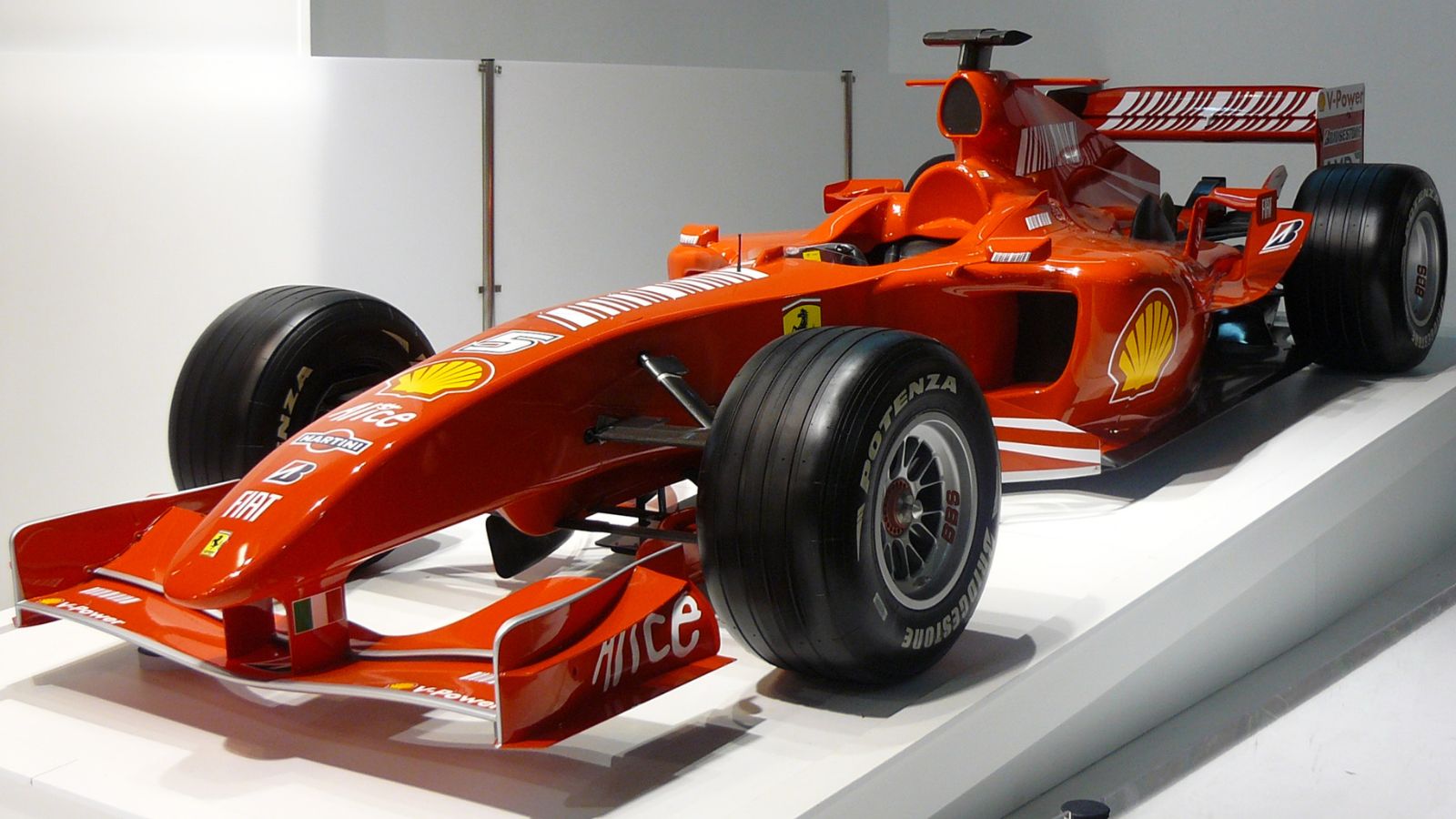
Ferrari’s F1 automated manual transmissions add drama and excitement, but they also consume clutches faster than traditional manuals. Driving style heavily influences wear. Stop and go traffic, aggressive takeoffs and poor driver technique burn through clutch material quickly. A dealer diagnostic scan provides the remaining clutch life expressed as a percentage. Never buy a car without this reading. A worn clutch means an immediate and expensive replacement, often costing several thousand dollars.
Check for Frame or Subframe Corrosion
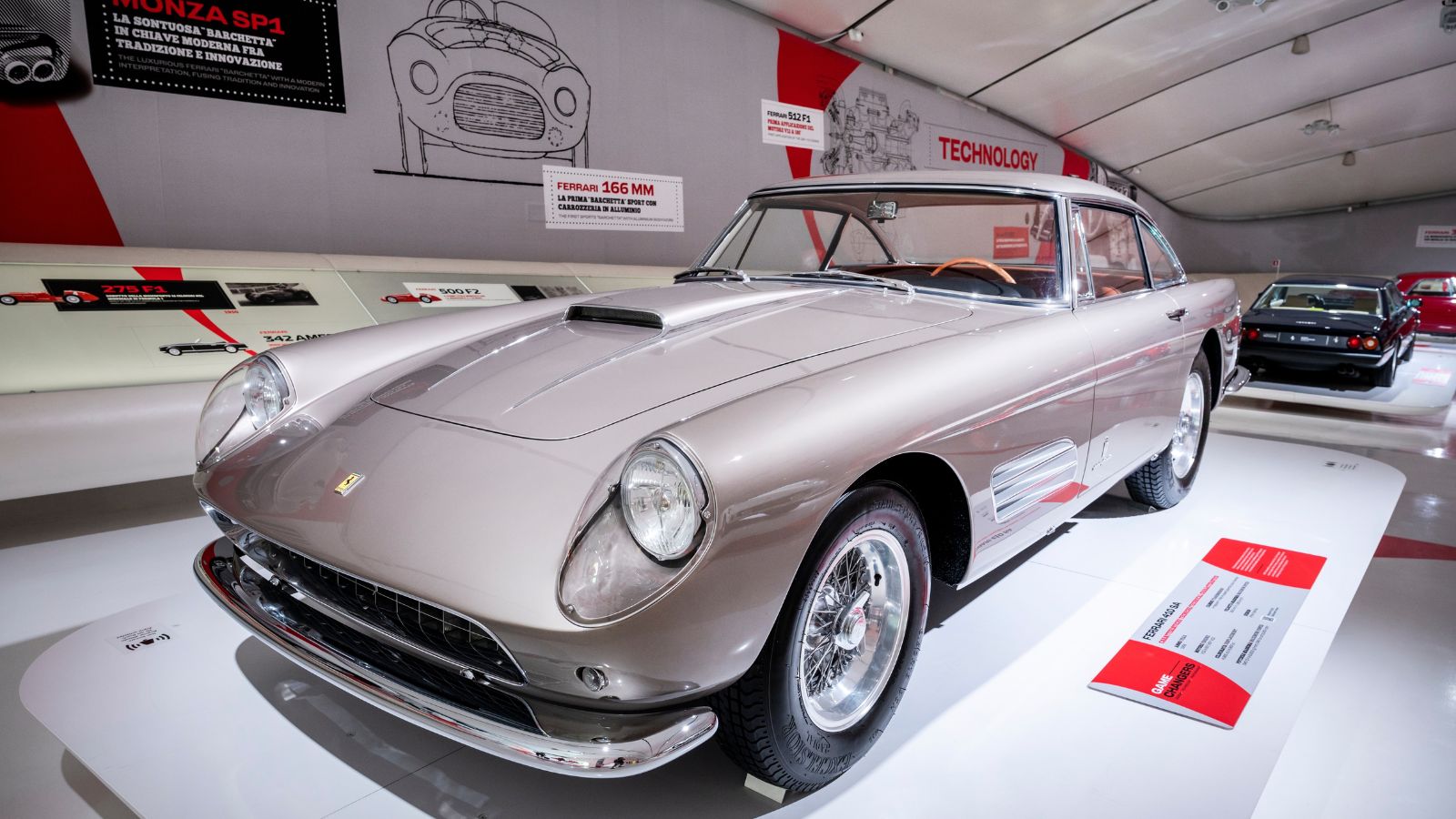
Canadian buyers especially must be vigilant about corrosion. Although Ferraris use plenty of aluminum, the subframes and suspension components rely on steel that rusts easily if exposed to salt. Corrosion can hide behind panels and along mounting points where moisture settles. Put the car on a lift or take it to a specialist who knows exactly where these weak spots form. Fixing structural rust on a Ferrari is extremely costly and often not worth the expense.
Verify That All Roof Mechanisms Work
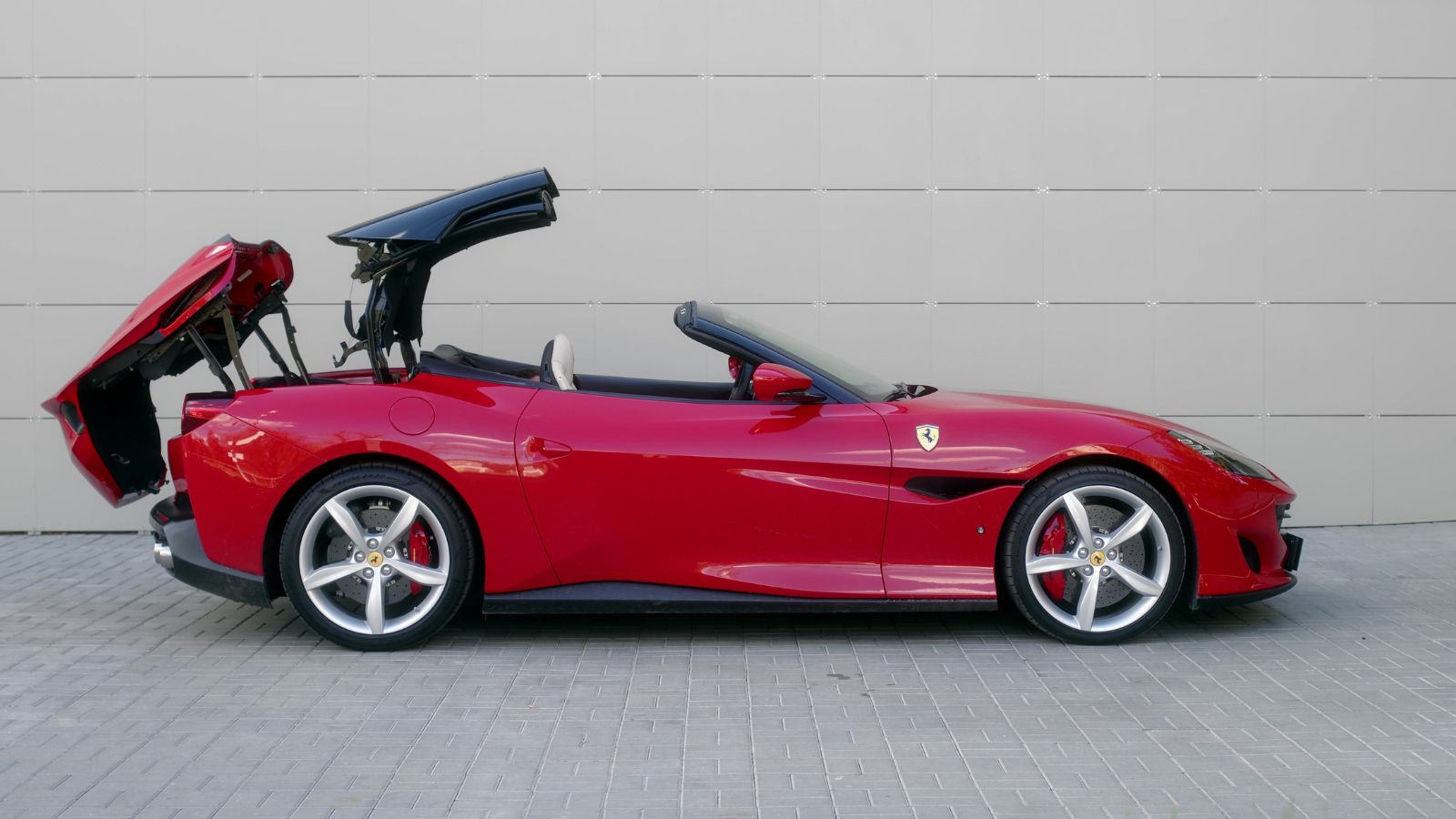
Ferrari convertible roofs are engineering marvels, but they also contain motors, gears, sensors and hinges that must move in perfect sequence. A minor hesitation or misalignment can signal thousands of dollars in upcoming repairs. Operate the roof multiple times in warm and cool conditions. Listen for smooth movements and steady hydraulic action. Hardtop spiders like the California or 458 Spider demand extra scrutiny because their systems are even more complex.
Inspect Suspension Bushings and Ball Joints
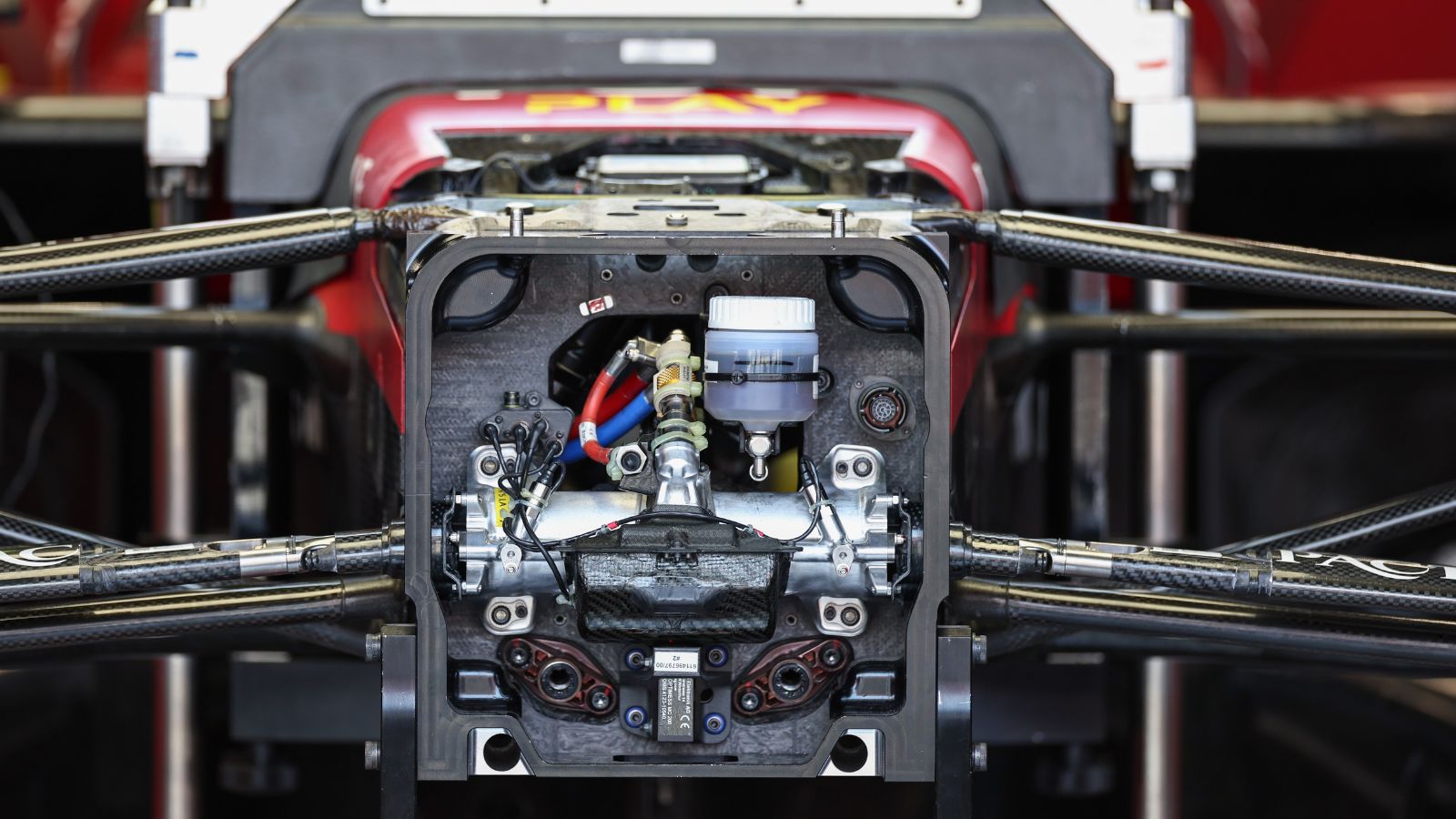
Ferraris rely on tight chassis components to deliver their trademark handling. Worn bushings and ball joints rob the car of precision and create knocking or wandering during spirited driving. Replacement costs are far higher than on mainstream cars because Ferrari parts are unique and labour is intensive. Test drive the car on uneven pavement and listen closely. A compliant yet controlled ride suggests good health while clunking or vague steering hints at expensive suspension work ahead.
Pay Attention to Exhaust Notes and Startup Behaviour
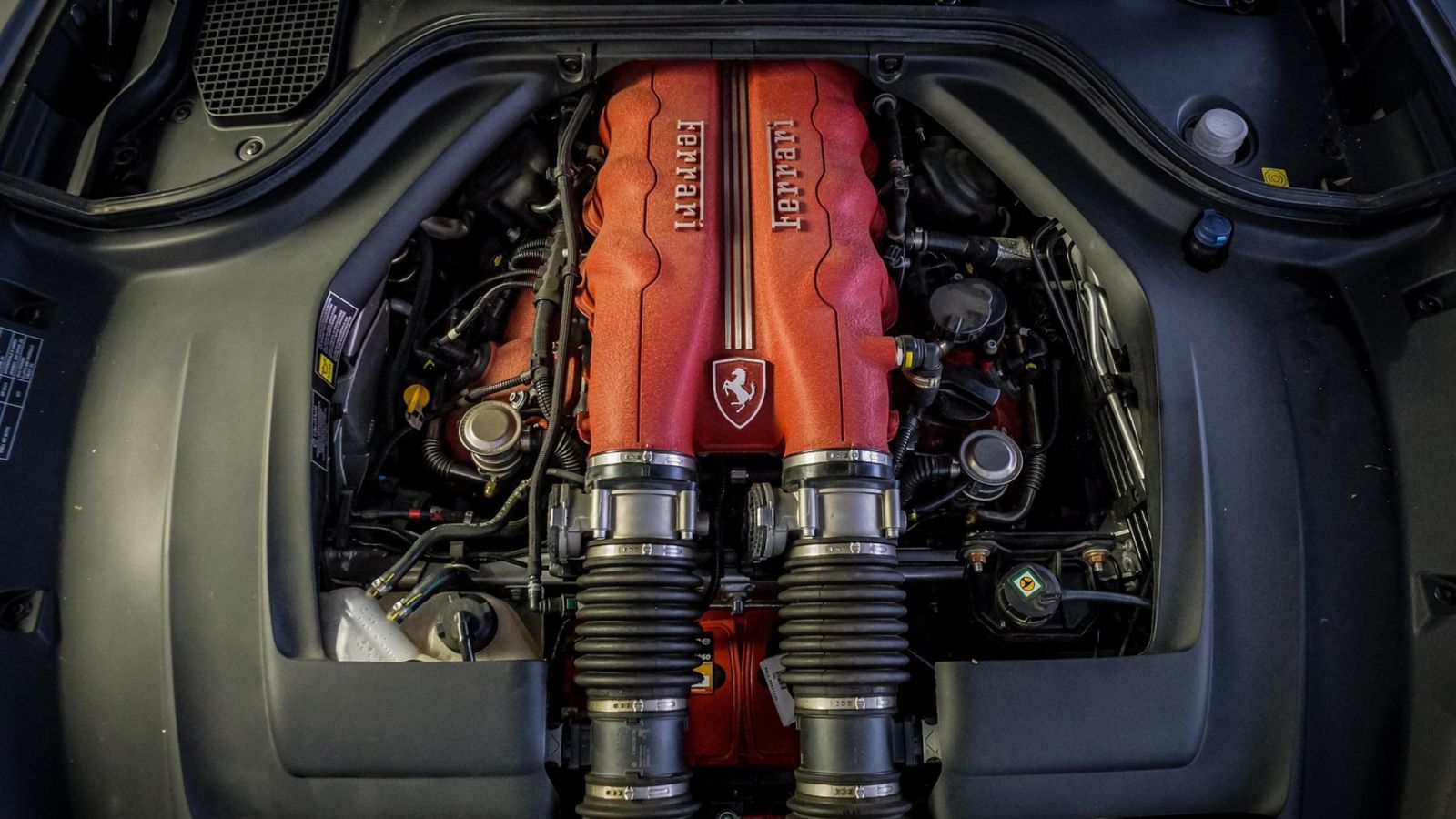
A healthy Ferrari engine should fire with crisp enthusiasm. Rough idle, smoke, hesitation or metallic tapping all indicate deeper issues. A proper exhaust note tells you more than gauges alone. Excessive smoke at cold start may point to valve seal wear. Odd rattles often come from cracked exhaust brackets or failing manifolds on models known for heat stress. A Ferrari should sound mechanical but never distressed. Trust your ears as much as your eyes.
Budget for the First Year of Ownership
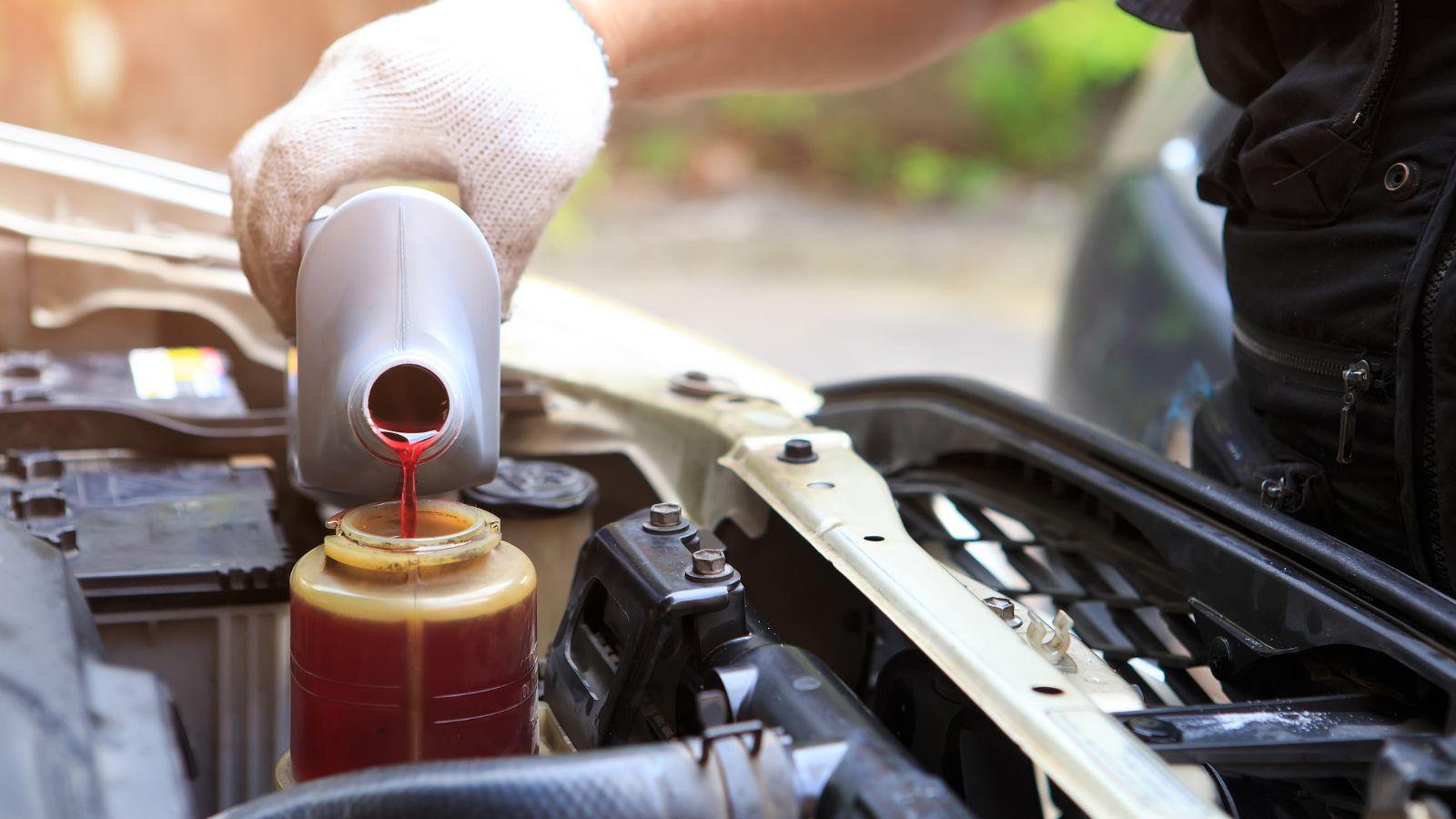
Even a perfectly maintained Ferrari requires ongoing attention. Proper fluids, high quality filters, alignment adjustments, brake service and small electronic fixes accumulate quickly. Many first time owners forget that tires and brakes are far more expensive than on regular cars. Setting aside ten to fifteen percent of the purchase price as a maintenance buffer ensures you enjoy the car instead of worrying about every little sound.
Verify Tire Age and Brake Wear
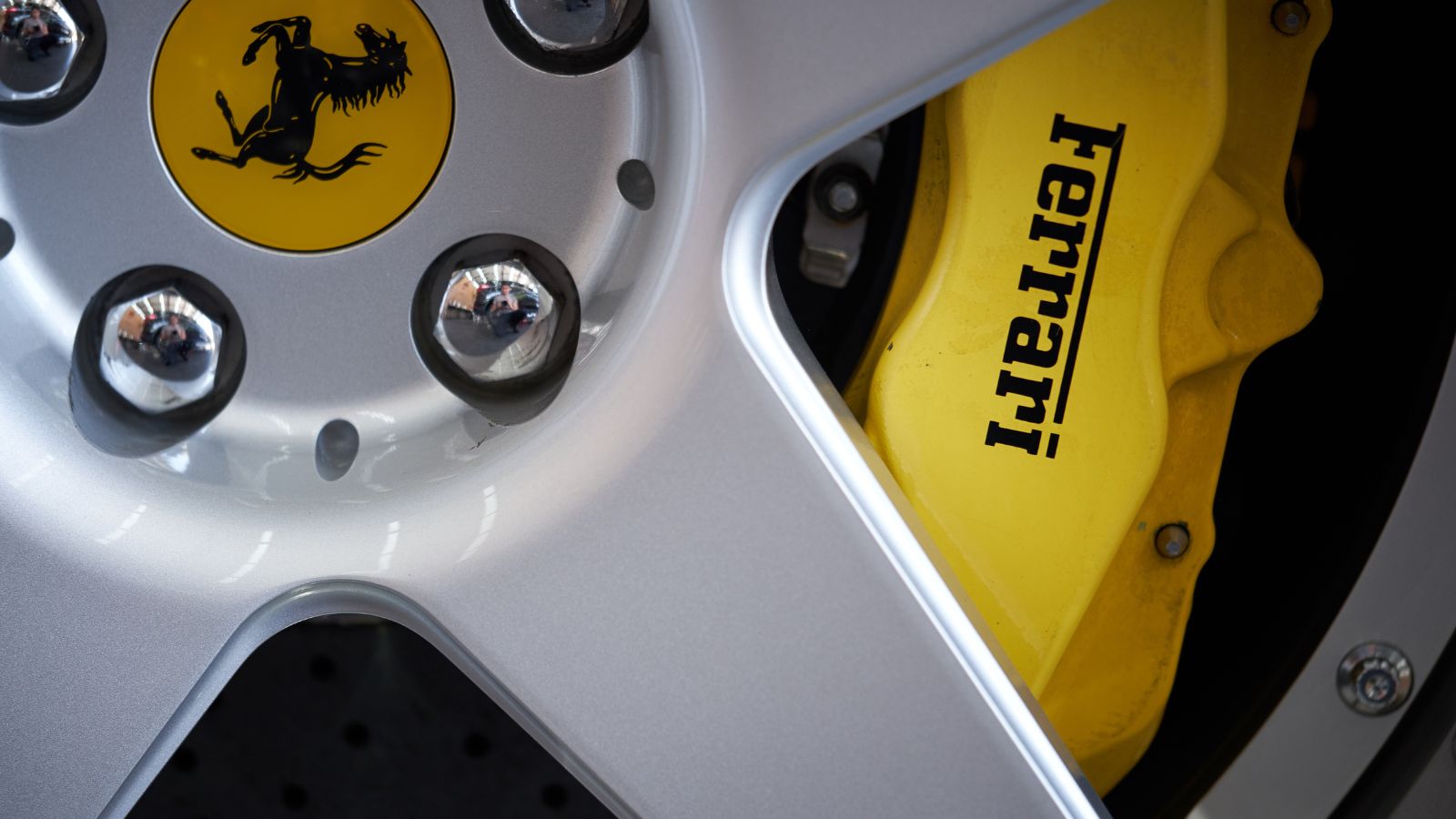
Ferraris often accumulate low mileage, which means some owners leave the same set of tires on the car for many years. Old rubber becomes dangerous regardless of tread depth. Replacing high performance tires on staggered setups can easily cost several thousand dollars. Brake discs and pads are equally expensive, especially on models with carbon ceramic options. Inspect date codes on the tires and check brake measurements to avoid immediate, painful expenses.
Get a Professional Pre Purchase Inspection
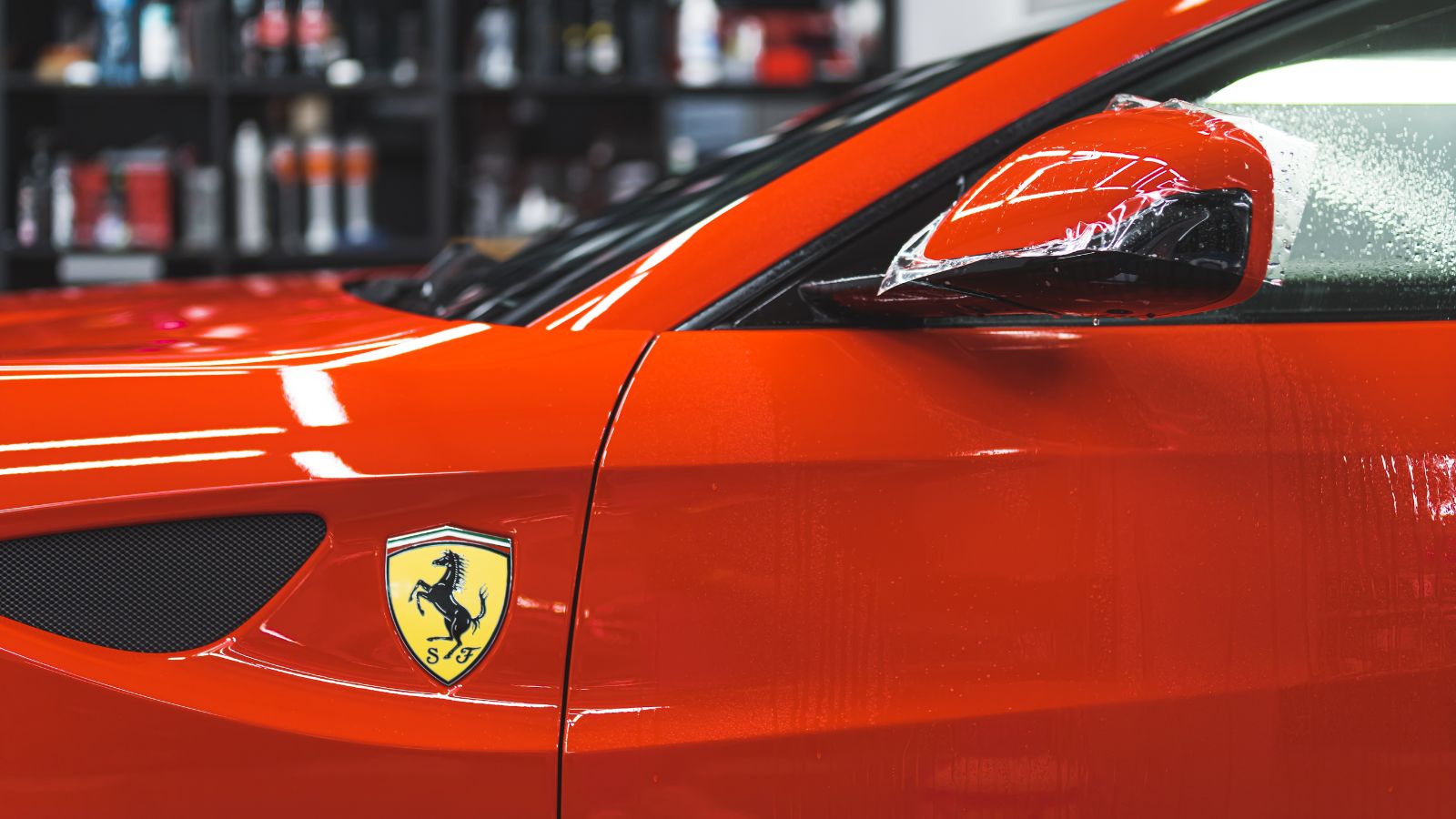
Nothing replaces a real inspection by a Ferrari specialist. They know where the cars hide faults, how to read diagnostic systems properly and what constitutes normal wear. A proper PPI includes a compression test, electronic scan, lift inspection, clutch reading, test drive and visual evaluation of the entire car. It is the single best investment you can make before buying your first Ferrari, saving you from five and six figure surprises.
25 Facts About Car Loans That Most Drivers Don’t Realize

Car loans are one of the most common ways people fund car purchases. Like any other kind of loan, car loans can have certain features that can be regarded as an advantage or a disadvantage to the borrower. Understanding all essential facts about car loans and how they work to ensure that you get the best deal for your financial situation is essential. Here are 25 shocking facts about car loans that most drivers don’t realize:
25 Facts About Car Loans That Most Drivers Don’t Realize
