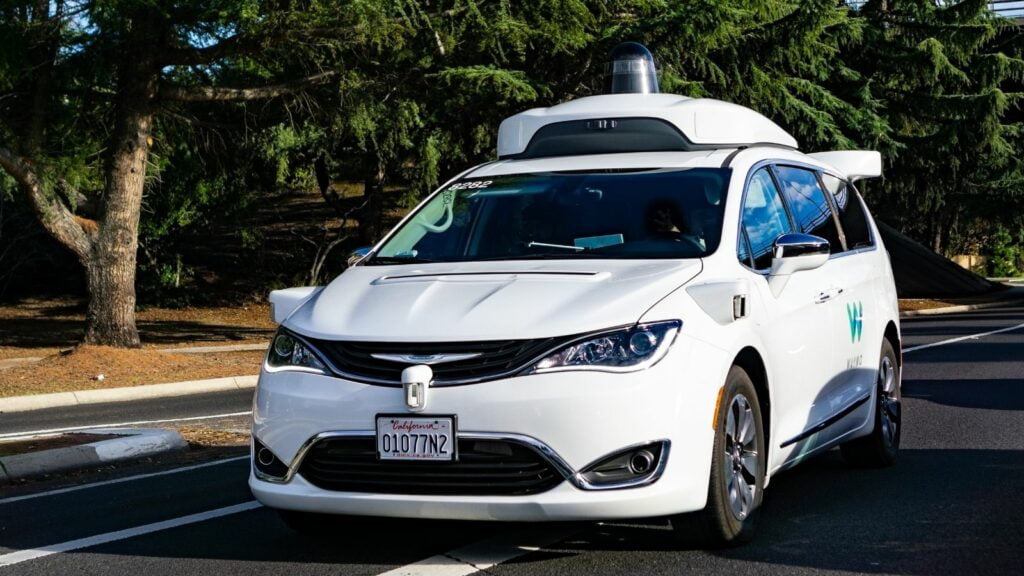
America’s driverless taxi network is expanding rapidly, but Canadian passengers will have to wait longer to experience the same technology.
On October 27, 2026, Alphabet-owned Waymo announced plans to add nearly 250 square miles of autonomous ride-hailing coverage across five major U.S. markets over the following week. The expansion reaches Los Angeles, Nashville, Orlando, San Diego, and the San Francisco Bay Area, bringing more neighbourhoods, attractions, and transportation connections into its service network.
Meanwhile, Toronto is preparing for its own autonomous transportation milestone. Waymo confirmed plans to begin operating in Canada in 2028, with preliminary testing and mapping beginning well before passengers can book rides. The contrasting timelines highlight how quickly driverless technology is advancing in established markets and the regulatory, technical, and operational challenges involved in bringing it to a new country.
Los Angeles: Waymo Extends Into Torrance and the South Bay
Los Angeles is receiving one of the most geographically significant changes in Waymo’s latest expansion, with the company’s driverless taxis extending farther south along the California coastline. The new service territory reaches Torrance, while updated coverage maps show connections through Manhattan Beach and Redondo Beach. These additions strengthen Waymo’s presence beyond its established operating areas around Santa Monica, Hollywood, Downtown Los Angeles, and surrounding neighbourhoods. For residents, the practical benefit is straightforward: more everyday journeys can potentially be completed without a human driver. A dinner in Torrance, a visit to friends near the coast, or a trip between South Bay neighbourhoods becomes a more realistic driverless transportation option. However, the expanded territory remains subject to specific geographic boundaries, meaning a destination must fall within Waymo’s active service map before a ride can be booked.
The expansion also reflects how Waymo is gradually building a regional transportation network rather than attempting to cover every Los Angeles street simultaneously. California regulators approved a substantial expansion of the company’s permitted operating territory in August 2026, including communities across Southern California, but regulatory permission does not automatically translate into immediate passenger availability. Waymo has continued introducing new coverage in stages, supported by testing and operational preparations. One important limitation remains: despite reaching farther into southern Los Angeles County, Waymo’s official passenger information still lists Los Angeles International Airport as outside its direct service. Travellers heading to LAX therefore cannot assume the expanded coverage includes terminal pickups or drop-offs. The South Bay rollout demonstrates measurable progress, but it also highlights the difference between an expanding autonomous transportation network and the unrestricted convenience offered by conventional taxi services.
Nashville: Driverless Taxis Reach the Zoo as the Network Grows
Nashville’s latest expansion brings Waymo farther into the southern parts of the city, including access to the Nashville Zoo. The addition creates new possibilities for families, tourists, and residents who previously had fewer autonomous transportation options outside the city’s central neighbourhoods. When Waymo introduced public rides in Nashville on April 7, 2026, its initial operating territory covered approximately 60 square miles, including Broadway, 12 South, Midtown, and East Nashville. That early footprint connected many of the city’s entertainment and dining districts but did not extend to every major attraction. Reaching the zoo represents an important practical improvement because recreational destinations generate trips beyond conventional commuting hours. A family visiting the zoo, for example, could potentially use an autonomous vehicle for part of its day without relying entirely on personal transportation, provided its pickup and destination are within the supported coverage area.
Nashville has also become an important testing ground for Waymo’s commercial partnerships. In September 2026, Waymo and Lyft introduced autonomous ride matching through the Lyft app, making Nashville the first market where the same Waymo fleet could be accessed through both companies’ platforms. On October 13, Waymo added limited passenger service to Nashville International Airport, with pickup and drop-off operations at Terminal Garage 2. Supporting this growth is an 80,000-square-foot autonomous vehicle depot developed by Lyft’s Flexdrive subsidiary, equipped to charge, maintain, and service a potentially much larger fleet. Lyft said the facility would create more than 70 full-time positions during 2026. These developments demonstrate that autonomous transportation still requires substantial human involvement behind the scenes, even when nobody occupies the driver’s seat. Technicians, maintenance specialists, customer service teams, and fleet managers remain essential to keeping the service operating reliably.
Orlando: Coverage Nearly Doubles in the East as Downtown Service Expands
Orlando is experiencing one of the largest proportional changes in Waymo’s latest announcement. The company says it is nearly doubling the size of its service territory in the eastern portion of the city while also improving coverage downtown. Importantly, that does not mean Waymo’s entire Orlando network is doubling in size; the near-doubling applies specifically to its eastern coverage. For residents, the expansion could make autonomous transportation practical for more routine journeys, including travelling between residential neighbourhoods, shopping districts, and central business areas. The additional downtown coverage is particularly relevant because a robotaxi network becomes more useful when passengers can travel between multiple destinations without changing transportation services. Someone attending an evening event, for example, might find a driverless ride considerably more convenient when both the event venue and the journey home fall within the operating boundaries.
Waymo first began welcoming Orlando passengers on February 24, 2026, before opening the service to everyone on April 15. Its earlier network included Parramore, Richmond Heights, Williamsburg, Florida Center, and Southwest Orlando, with additional territory around Taft introduced in August. The October expansion continues that gradual approach to market development. Orlando also presents specific operating challenges, particularly sudden tropical downpours and the complicated traffic conditions associated with a major tourism destination. Waymo says its expansion decisions depend on extensive testing and operational preparations tailored to regional conditions. However, greater downtown and eastern coverage should not be confused with guaranteed access to every theme park, resort, or airport. Those destinations must be confirmed individually through the company’s current service map. Waymo has also not disclosed exactly how many of the nearly 250 additional square miles are located in Orlando, making it impossible to calculate the city’s precise contribution to the overall expansion.
San Diego: La Jolla Expansion Nearly Doubles the City’s Service Area
San Diego is undergoing a particularly rapid transformation in autonomous transportation. Waymo began offering public rides there on September 1, 2026, with an initial operating area of approximately 50 square miles. Less than two months later, its latest expansion is bringing the network into additional northern neighbourhoods, including La Jolla, Clairemont, and Mission Bay. Local reporting indicates that the enlarged territory also reaches important destinations such as the University of California San Diego, the nearby Veterans Affairs medical centre, and the University Towne Centre area. This geographic growth matters because it extends driverless transportation beyond downtown and coastal entertainment districts into areas associated with education, healthcare, employment, and everyday residential travel. For university students travelling between classes and nearby neighbourhoods, or residents visiting medical facilities, expanded coverage could offer an additional option alongside existing transportation services.
The growth comes shortly after Waymo removed its invitation requirement for San Diego passengers on October 14, allowing anyone in the supported service territory to request a ride through the company’s app. However, the vehicles still do not provide highway travel or airport service in San Diego, according to local reporting accompanying the October expansion. The company’s arrival has also generated political debate. In September, the San Diego City Council unanimously approved a resolution seeking greater local authority over autonomous vehicle operations, reflecting concerns about employment, public safety, and the effects of driverless vehicles on city streets. Some transportation workers worry about the potential displacement of driving jobs, while supporters emphasize mobility opportunities for people who cannot drive themselves. San Diego therefore illustrates both sides of the technology’s rapid expansion: significant improvements in geographic accessibility alongside unresolved questions about regulation, community oversight, and the future of transportation employment.
San Francisco Bay Area: New BART Connection Highlights the Growing Gap With Toronto
Waymo’s San Francisco Bay Area expansion is particularly important because it strengthens connections between autonomous taxis and established public transportation. The company is extending service farther into the South Bay, including a new connection at Berryessa/North San José BART Station. This location provides access to regional rail services and connections with Santa Clara Valley Transportation Authority buses, including routes serving downtown San Jose. Waymo’s Bay Area network had already grown to approximately 260 square miles by January 2026, and previous expansions extended its service from San Francisco down the Peninsula to San Jose and Campbell. The new territory builds on that established network, potentially making driverless taxis more useful for commuters who need transportation between rail stations, residential communities, and workplaces. Instead of treating autonomous vehicles as competitors to public transportation, the Berryessa connection offers an example of how the two services might complement one another, particularly for journeys that are inconvenient to complete by train or bus alone.
Toronto, meanwhile, remains in the preparation stage. On October 16, 2026, Waymo confirmed that its first Canadian passenger service is targeted for 2028, with preliminary operations beginning through manually driven vehicles and high-definition street mapping. Ontario has authorized the company to participate in its Automated Vehicle Pilot Program, but that approval does not permit Waymo to begin unrestricted commercial driverless taxi operations. Initial preparations will involve a limited number of all-electric Jaguar I-PACE vehicles operating with trained specialists behind the wheel. Planned testing areas include neighbourhoods such as Harbourfront, Parkdale, Liberty Village, Yorkdale, and the St. Lawrence Market district. Waymo has also partnered with Toronto-headquartered Element Fleet Management and expects its Canadian operations to support hundreds of jobs over time. However, the 2028 target remains dependent on further testing, operational readiness, and regulatory approvals. Toronto’s winter weather, complex downtown traffic, cyclists, pedestrians, and streetcars will all require careful validation. While American passengers gain access to hundreds of additional square miles of driverless service, Toronto’s immediate priority is proving that the technology can operate safely and reliably under Canadian conditions. The contrast illustrates how autonomous transportation is evolving from an experimental technology into a commercial service, while demonstrating why expansion into an entirely new market remains a substantially more complicated undertaking.
