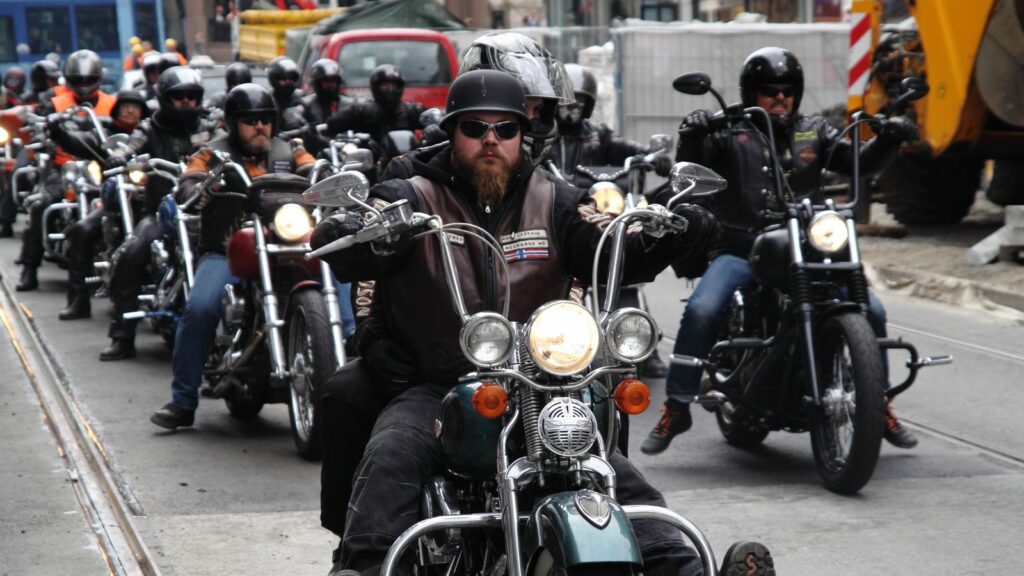
To outsiders, a large motorcycle club riding in formation can look chaotic or intimidating. In reality, it is highly structured. These formations exist to maintain safety, discipline, and visibility while moving a large group of bikes through traffic. The rules are not about speed or aggression. They are about order, communication, and protecting every rider in the group.
Formation Is About Control Not Style
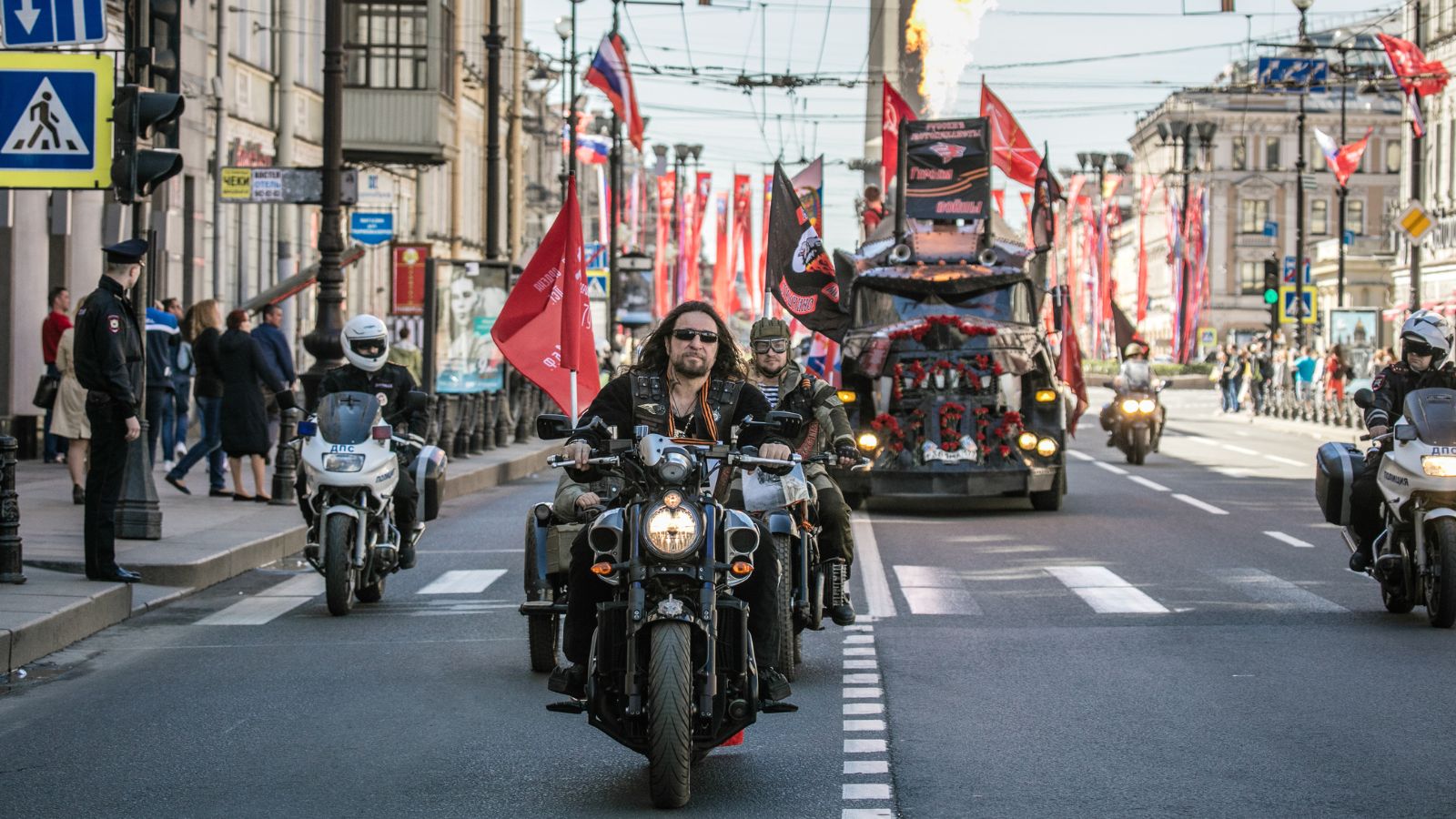
Riding in formation allows a large group to move as a single unit rather than scattered individuals. Staggered spacing is used to maximize visibility and reaction time while keeping the group compact. Each rider knows exactly where they belong, which reduces unpredictable movement. This structure helps the group remain visible to other drivers and minimizes confusion at intersections and lane changes.
The Road Captain Sets the Pace
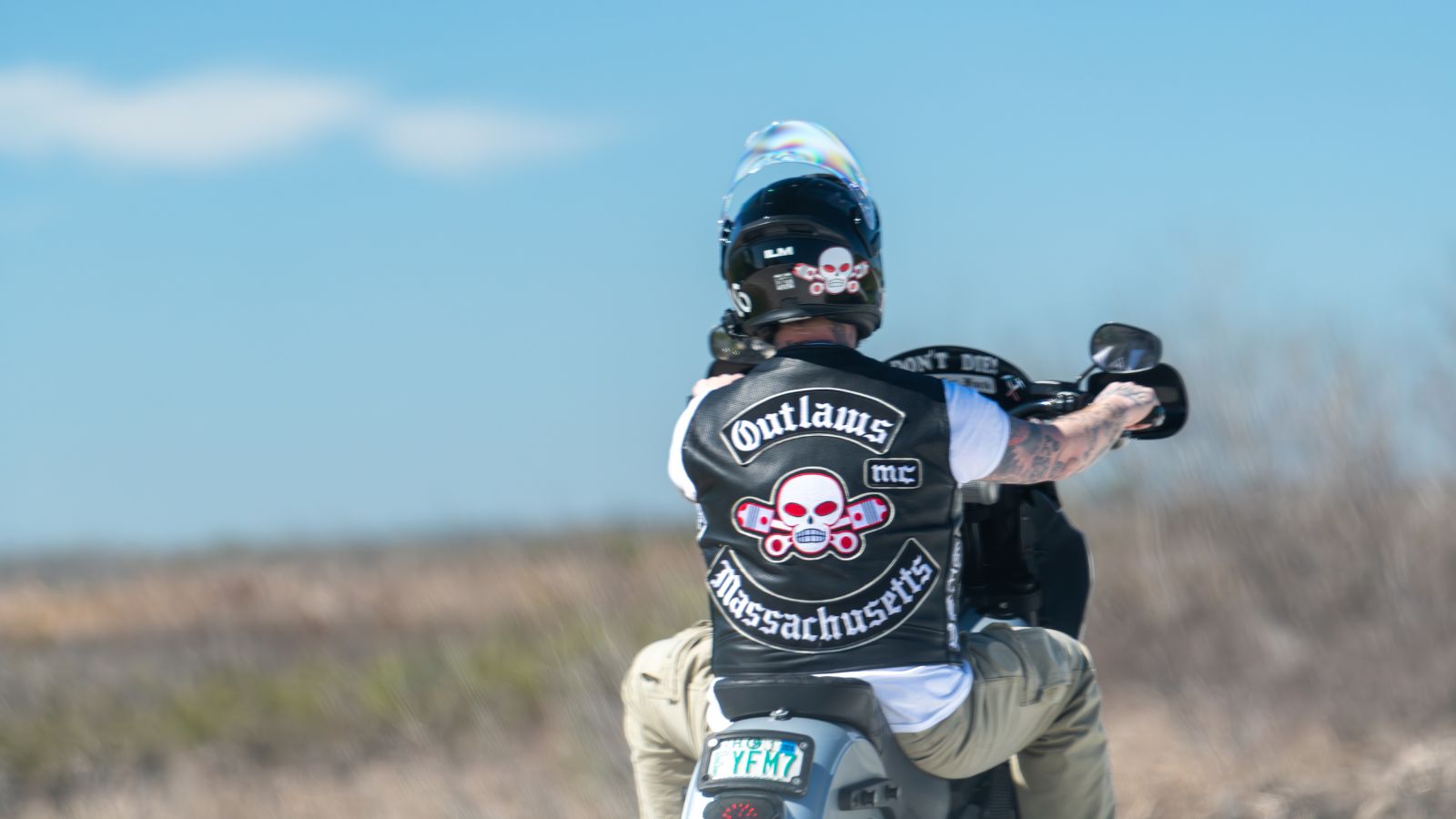
Every organized ride has a designated road captain. This rider controls speed, lane position, and route decisions. Nobody passes the road captain or sets their own pace. Sudden acceleration or braking is avoided because it ripples through the group. The goal is smooth, predictable movement that keeps weaker or less experienced riders from being pressured into mistakes.
Fixed Positions Are Respected
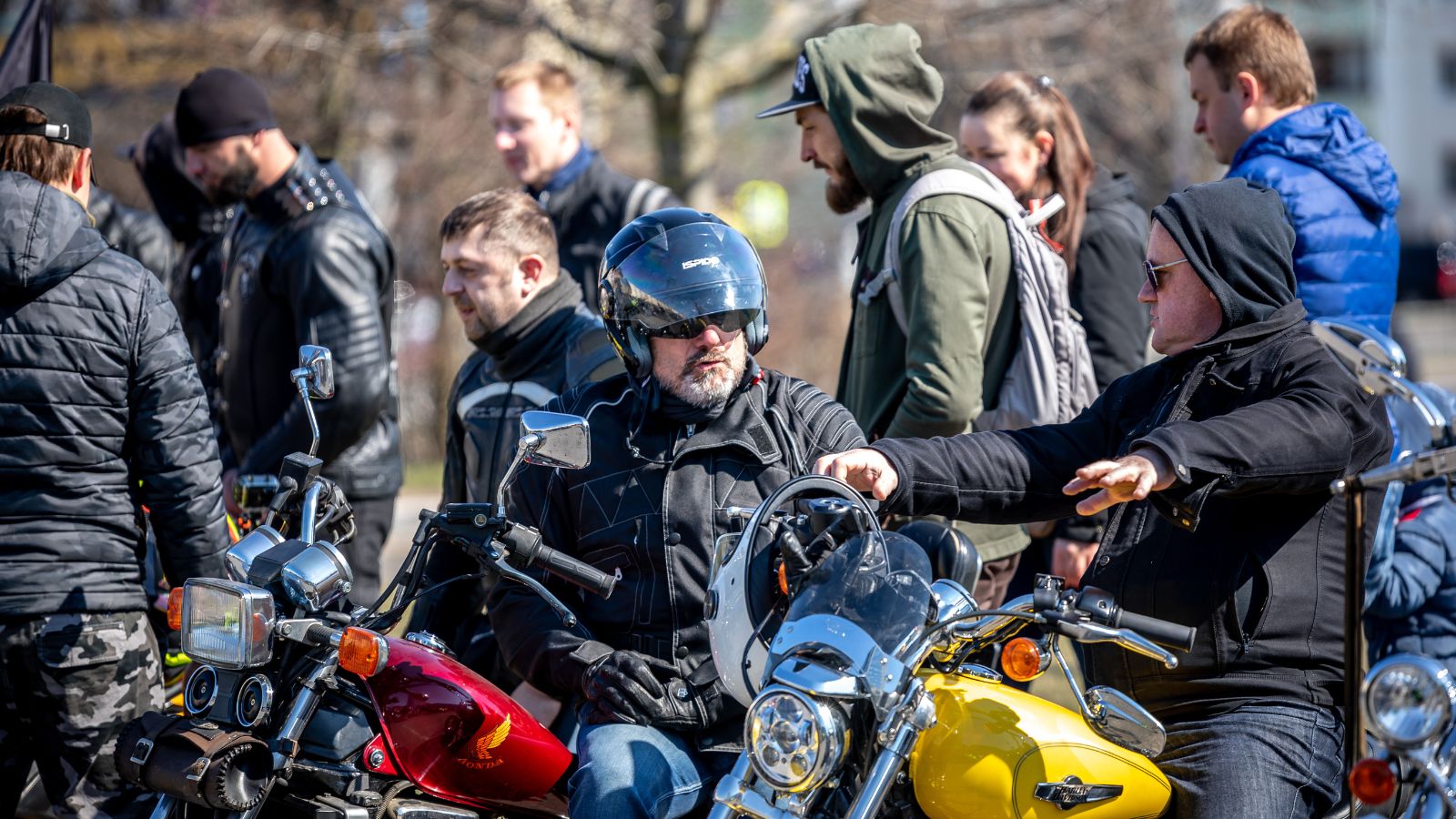
Riders are assigned positions based on experience, bike capability, and role within the club. These positions are not random and they are not interchangeable mid-ride. Moving out of position without reason disrupts spacing and creates risk. Newer riders are often placed in protected spots where mistakes are less likely to cause chain reactions.
Hand Signals Matter More Than Electronics
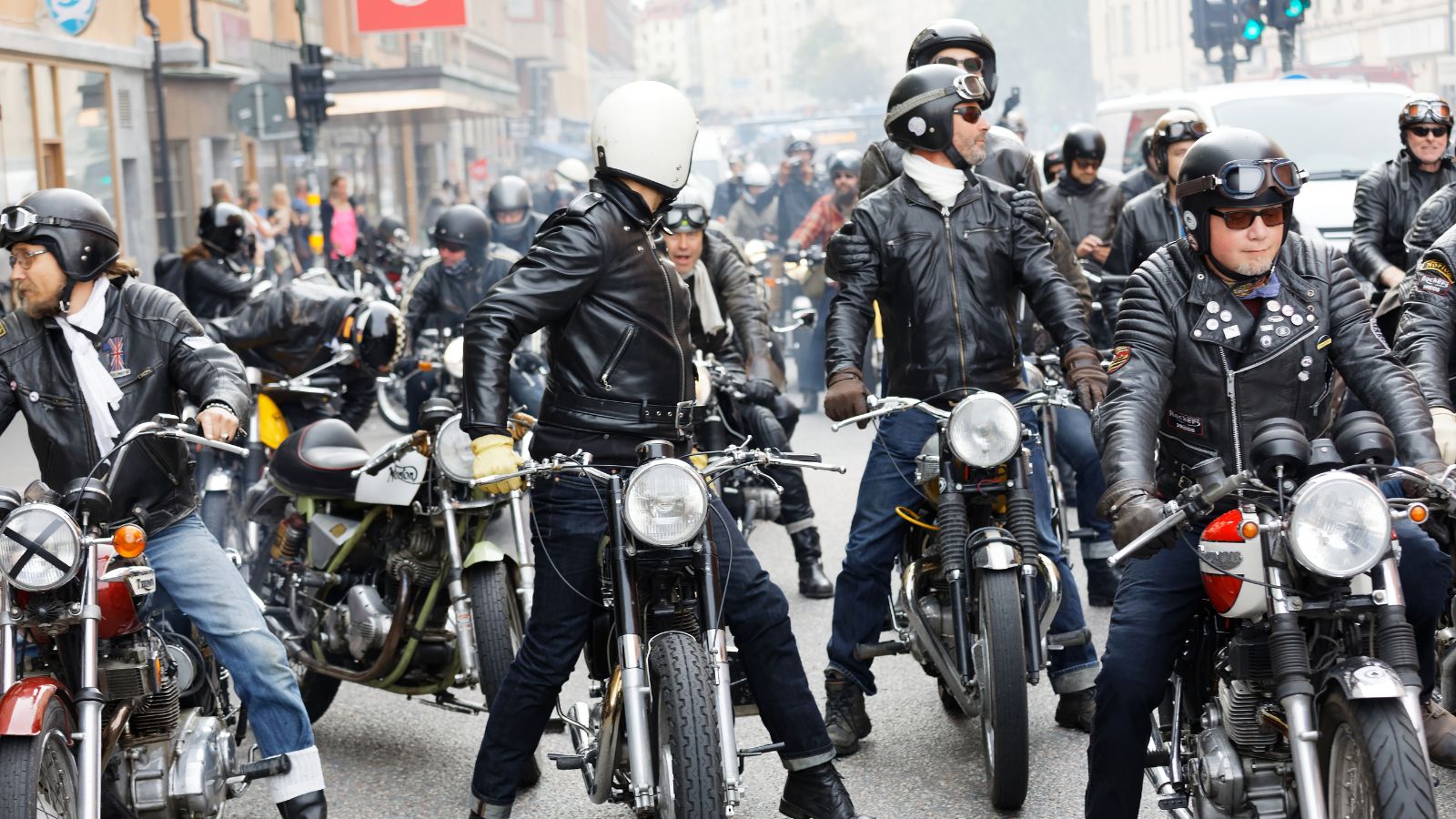
While modern bikes may have communication systems, hand signals remain essential. Signals for hazards, slowing, lane changes, and stops are passed backward through the formation. Every rider is responsible for relaying signals, not just reacting to them. This system ensures that even riders far back receive advance warning of changes ahead.
Intersections Are Handled as a Unit
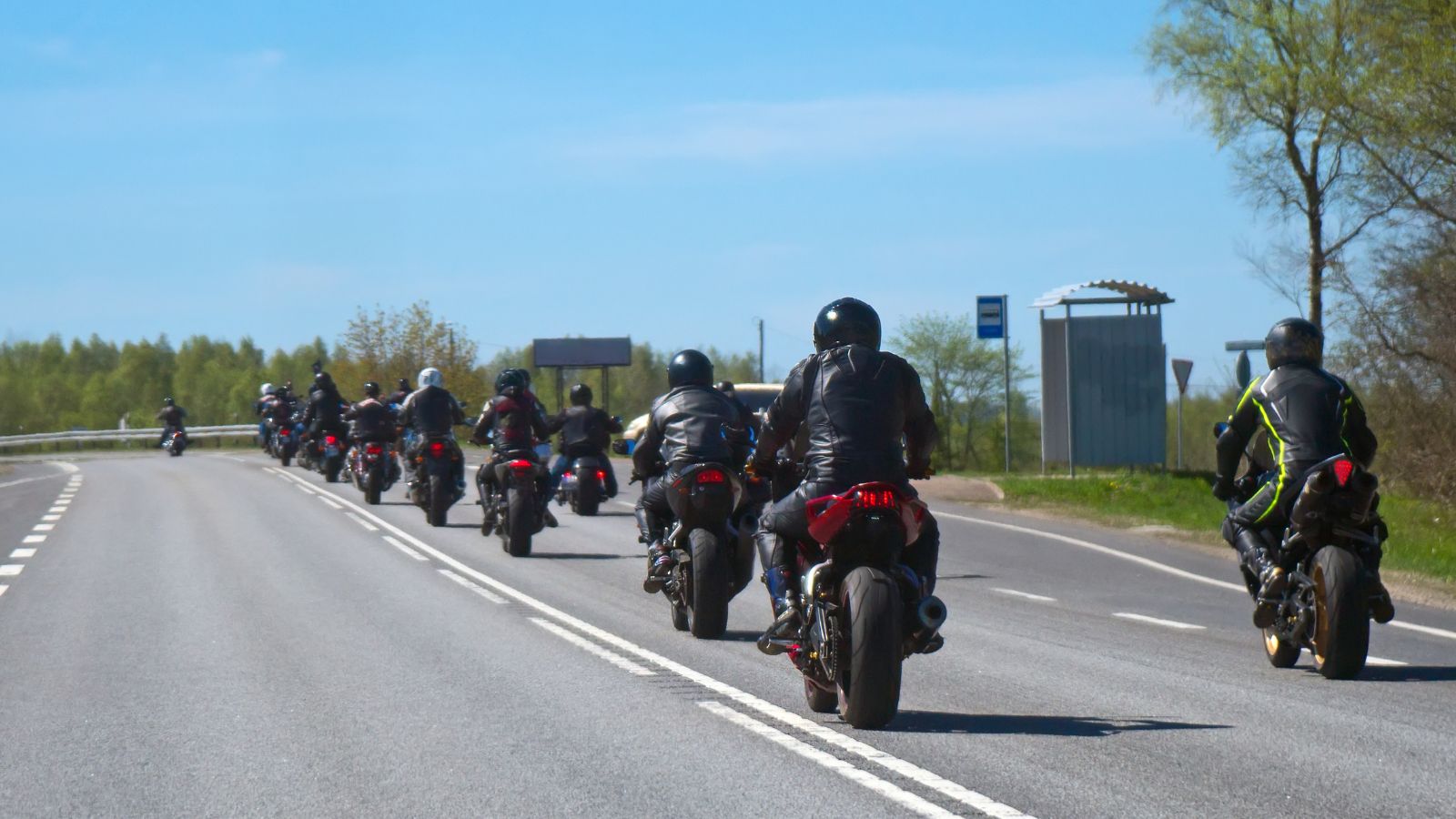
At intersections, formations aim to pass through together when safe and legal. If the group is split by traffic signals, riders do not rush or break formation to catch up. The road captain adjusts speed or stops at a safe point to regroup. Patience is prioritized over staying tight at all costs.
No Sudden Moves or Showing Off
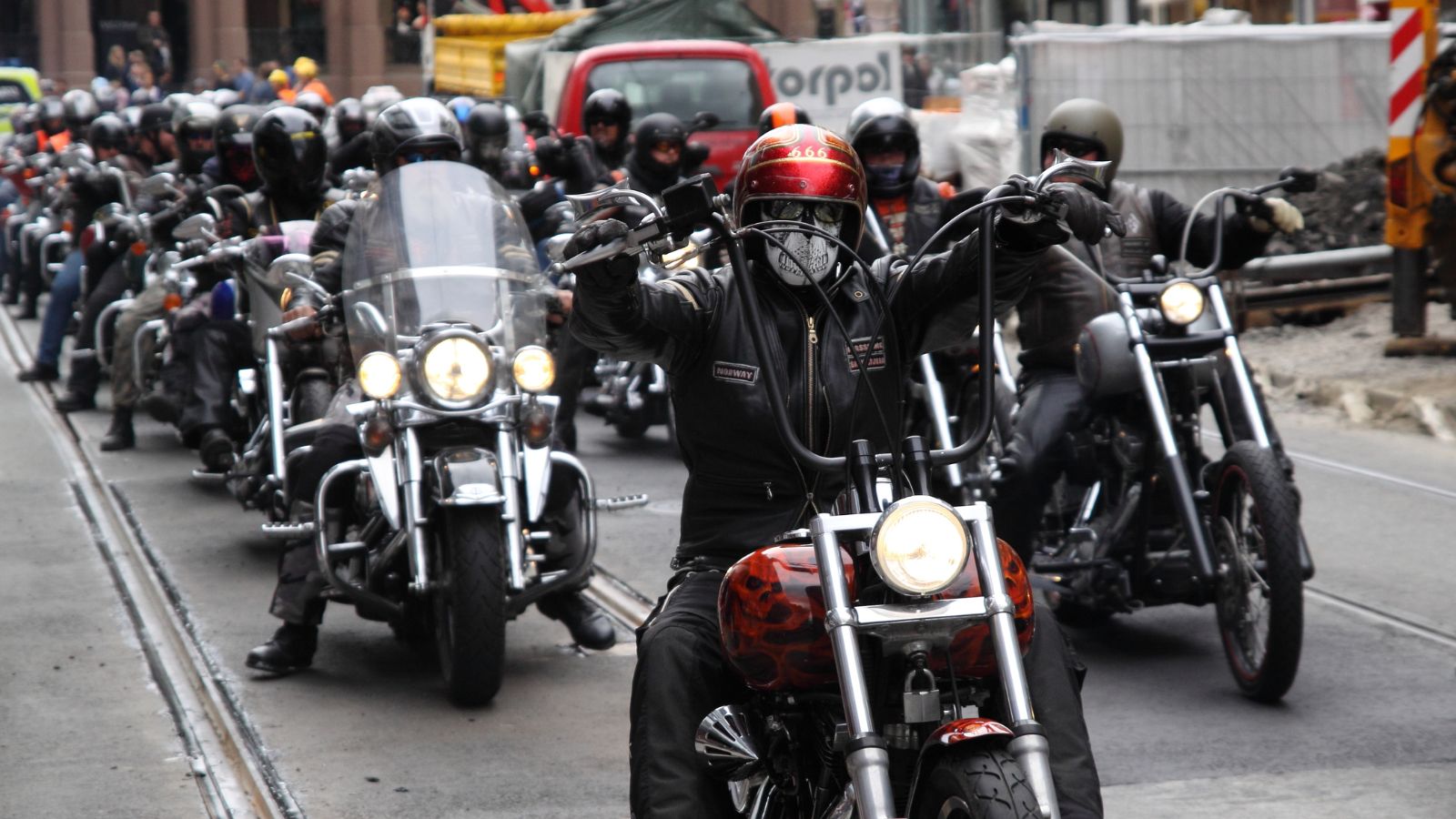
Hard acceleration, weaving, or stunt riding within a formation is strictly avoided. Predictability keeps the group safe. Riders maintain steady throttle inputs and smooth braking. Even powerful bikes are ridden conservatively because consistency matters more than performance.
Respect for the Rear Guard
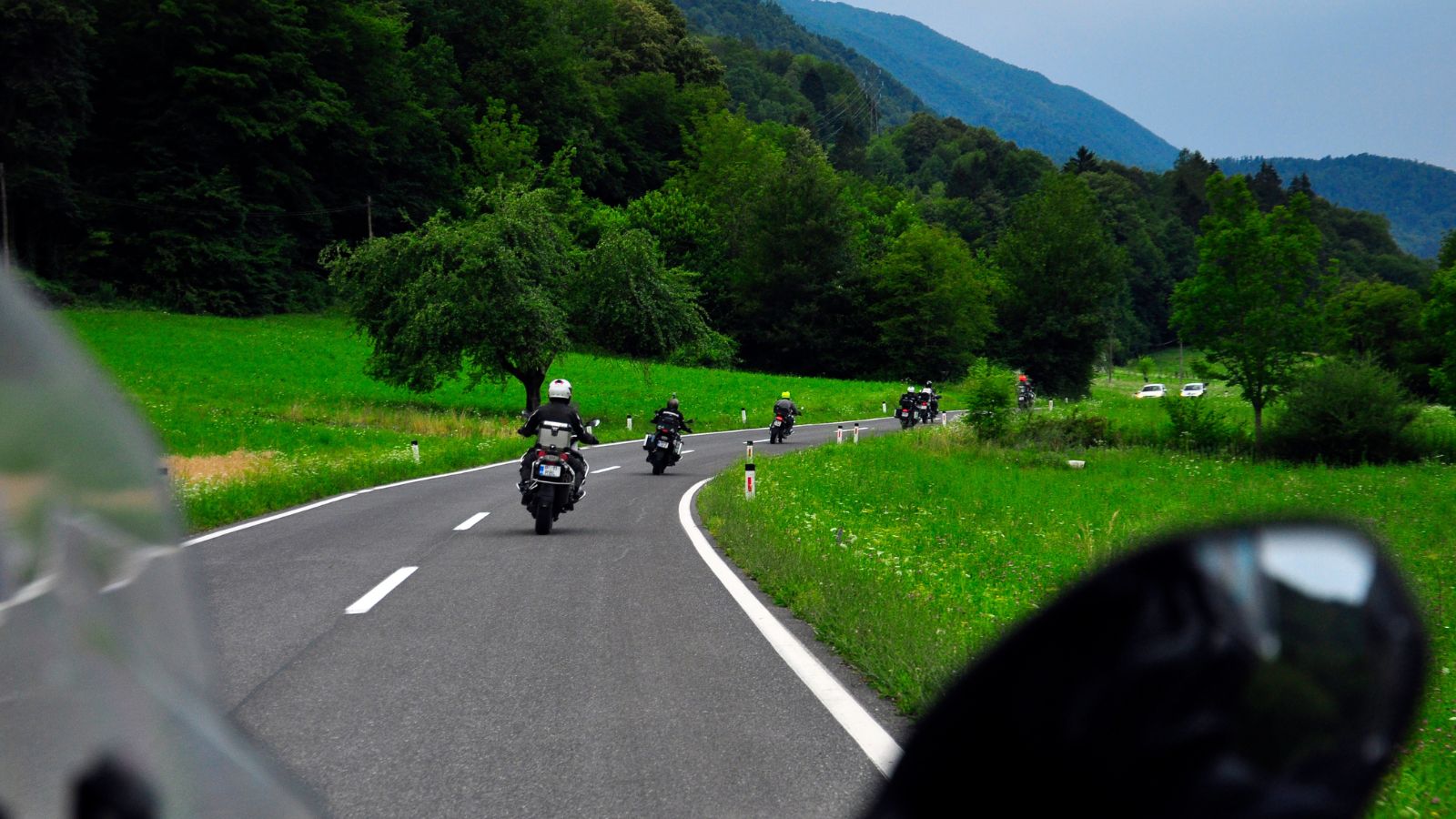
The rear rider, often called the sweep or tail gunner, plays a critical role. This rider watches traffic approaching from behind and signals the road captain if issues arise. They also assist with breakdowns or emergencies. The group never leaves the rear rider behind, and their signals are taken seriously.
Breakdowns Are Managed Calmly
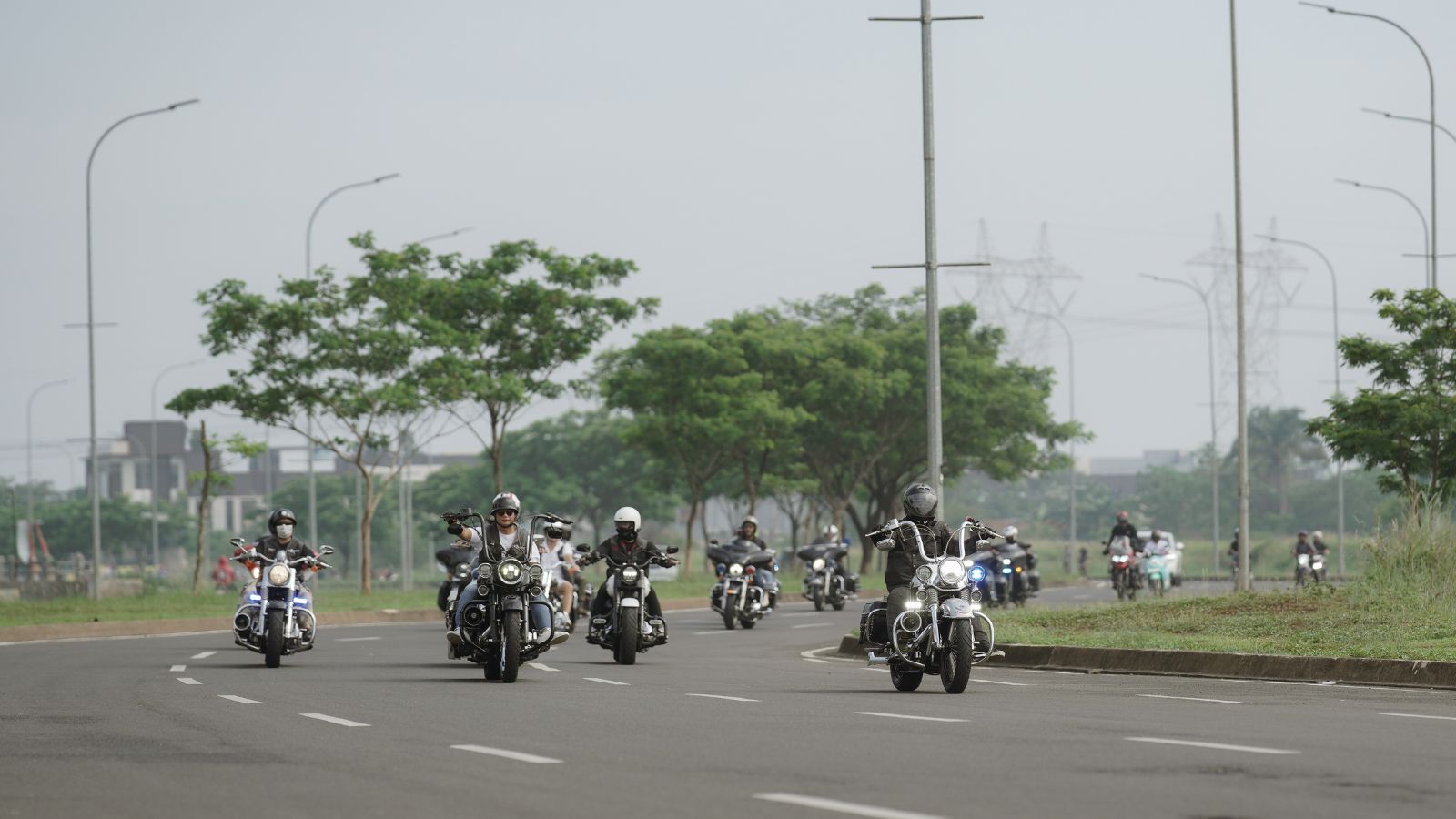
oktamushendro/Shutterstock.
If a bike develops a problem, the formation does not panic or scatter. The affected rider signals, and the group slows or pulls over in a controlled manner. One or two designated riders assist while the rest remain predictable and out of traffic. Discipline during problems prevents secondary accidents.
Public Behavior Reflects on the Group
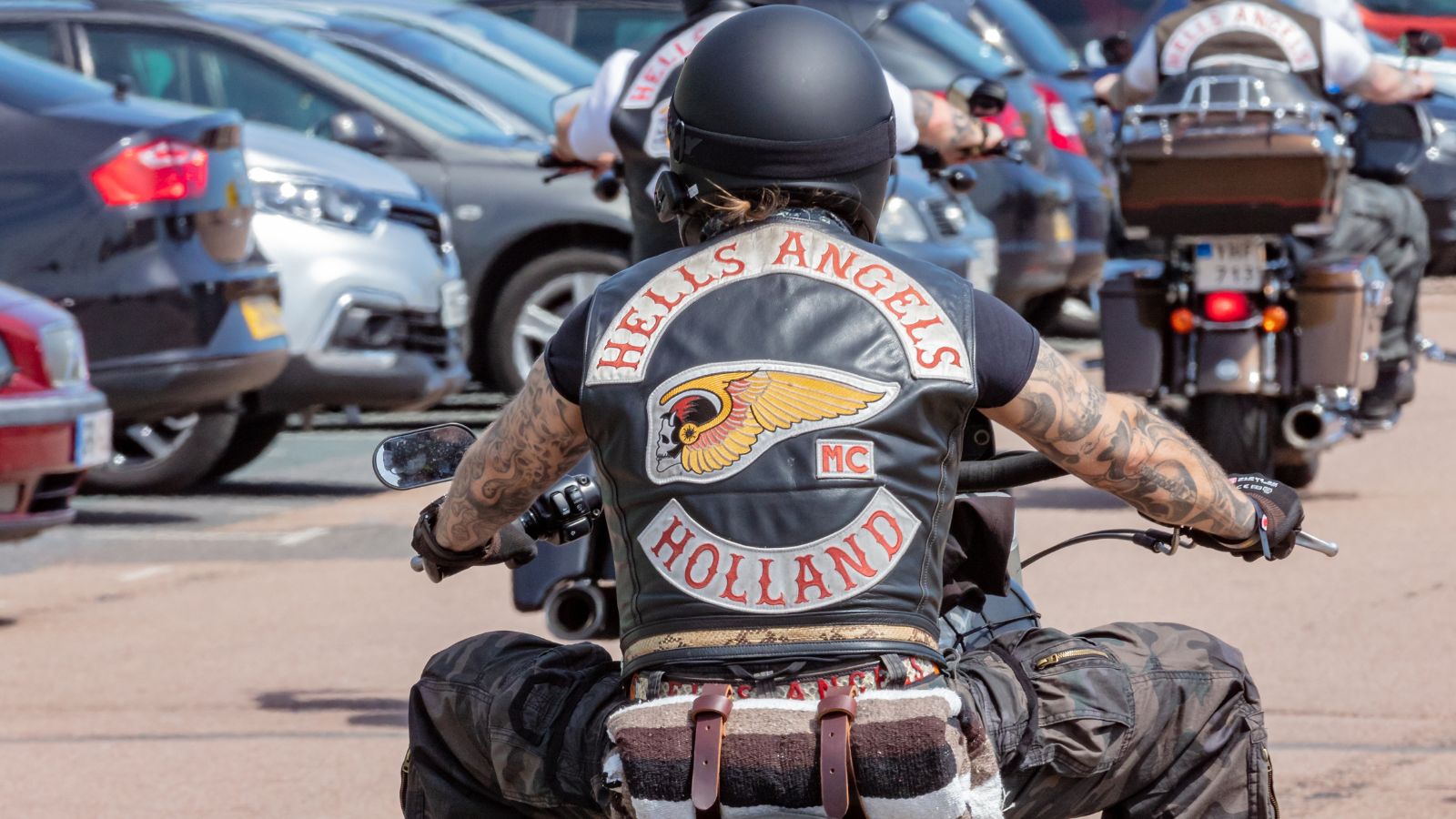
Despite popular stereotypes, organized formations aim to avoid unnecessary confrontation. Excessive revving, blocking traffic, or provoking drivers brings attention and increases risk. Many clubs emphasize riding in a way that avoids escalation and keeps interactions with the public minimal and controlled.
Formation Ends When the Ride Ends
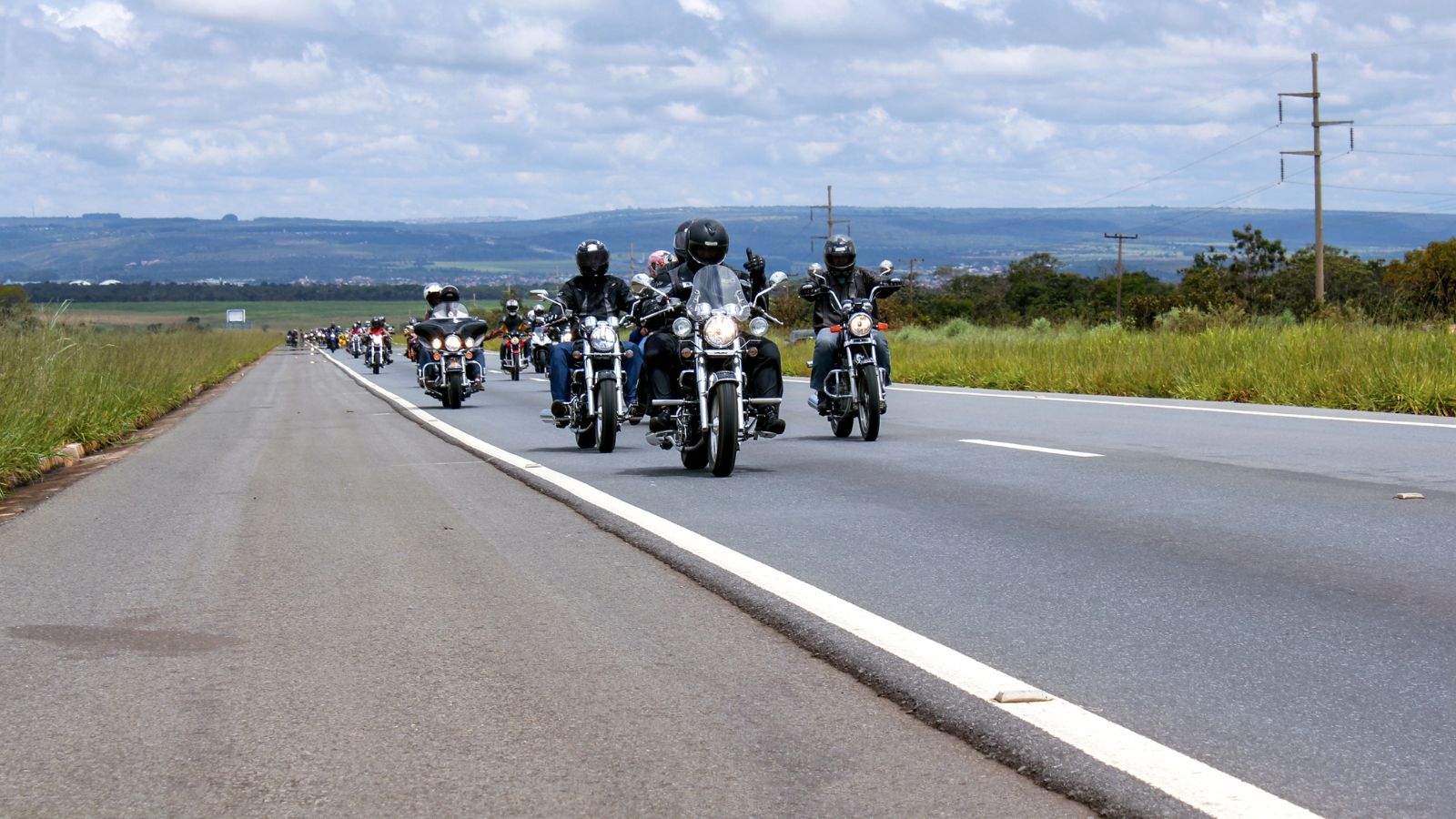
Once the destination is reached, the formation dissolves. Riders park in an orderly way and wait until everyone has arrived before dismounting. No one leaves early unless previously agreed. The ride is treated as a shared responsibility from start to finish.
These rules exist because riding in a large group magnifies both good and bad decisions. Discipline keeps chaos in check. Whether people admire or fear the sight of a club riding together, the reality is that formations are built on structure, communication, and mutual responsibility, not intimidation.
25 Facts About Car Loans That Most Drivers Don’t Realize

Car loans are one of the most common ways people fund car purchases. Like any other kind of loan, car loans can have certain features that can be regarded as an advantage or a disadvantage to the borrower. Understanding all essential facts about car loans and how they work to ensure that you get the best deal for your financial situation is essential. Here are 25 shocking facts about car loans that most drivers don’t realize:
25 Facts About Car Loans That Most Drivers Don’t Realize
