
The conversation around cars has become increasingly polarized. Electric versus gasoline, future versus past. But out on real roads, in real conditions, most drivers are not chasing extremes. They want something that works every day without compromise. That is where hybrids quietly make their case. They combine proven reliability with modern efficiency, offering a solution that feels less like a transition and more like a natural evolution.
They Work With Existing Infrastructure
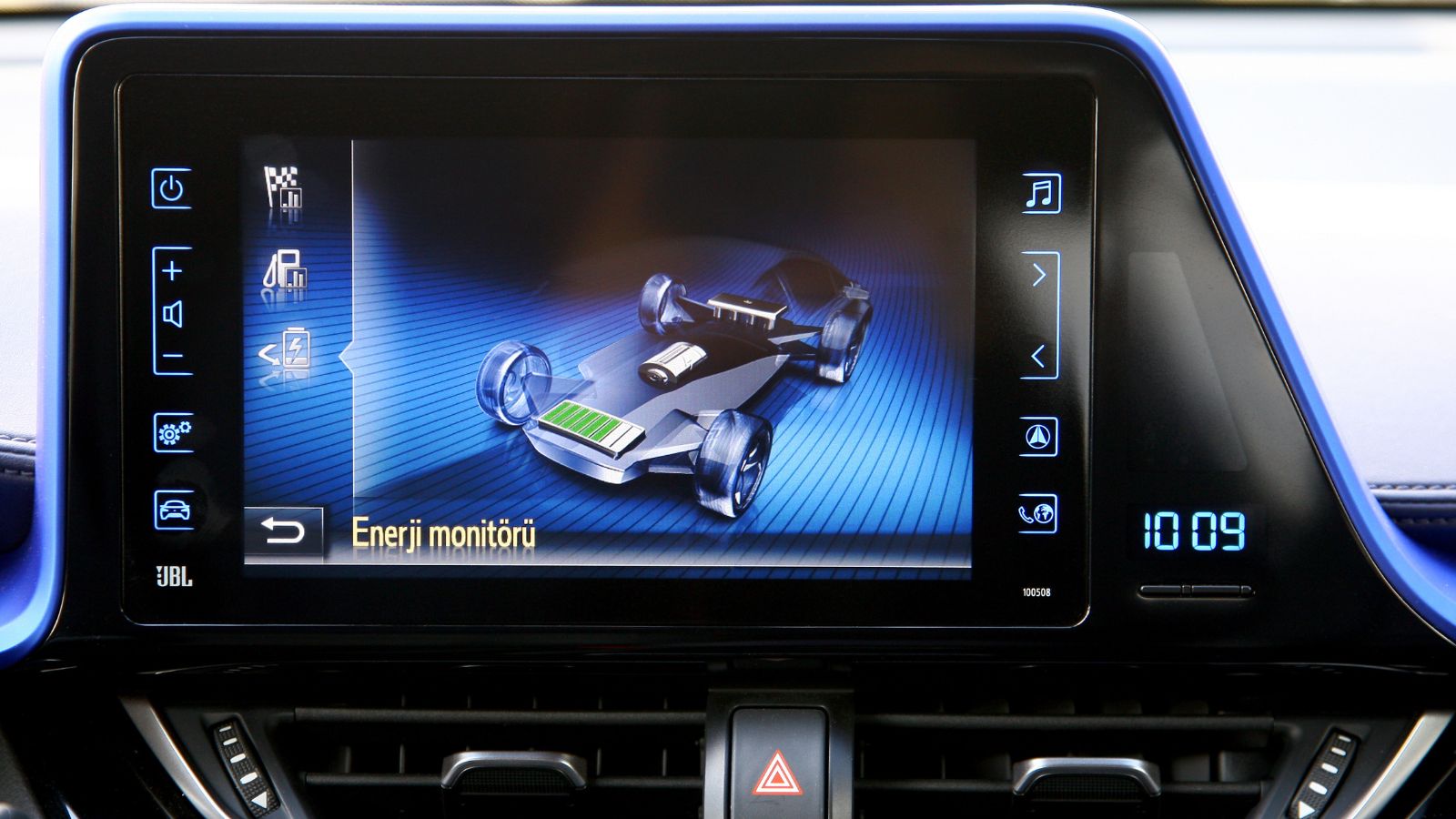
One of the biggest advantages of hybrids is simplicity. You fill them with fuel just like any conventional car. There is no reliance on charging networks or planning routes around infrastructure.
For drivers in Canada or across large distances, this matters. You get improved efficiency without changing how you use your car.
Real World Efficiency Without Range Anxiety
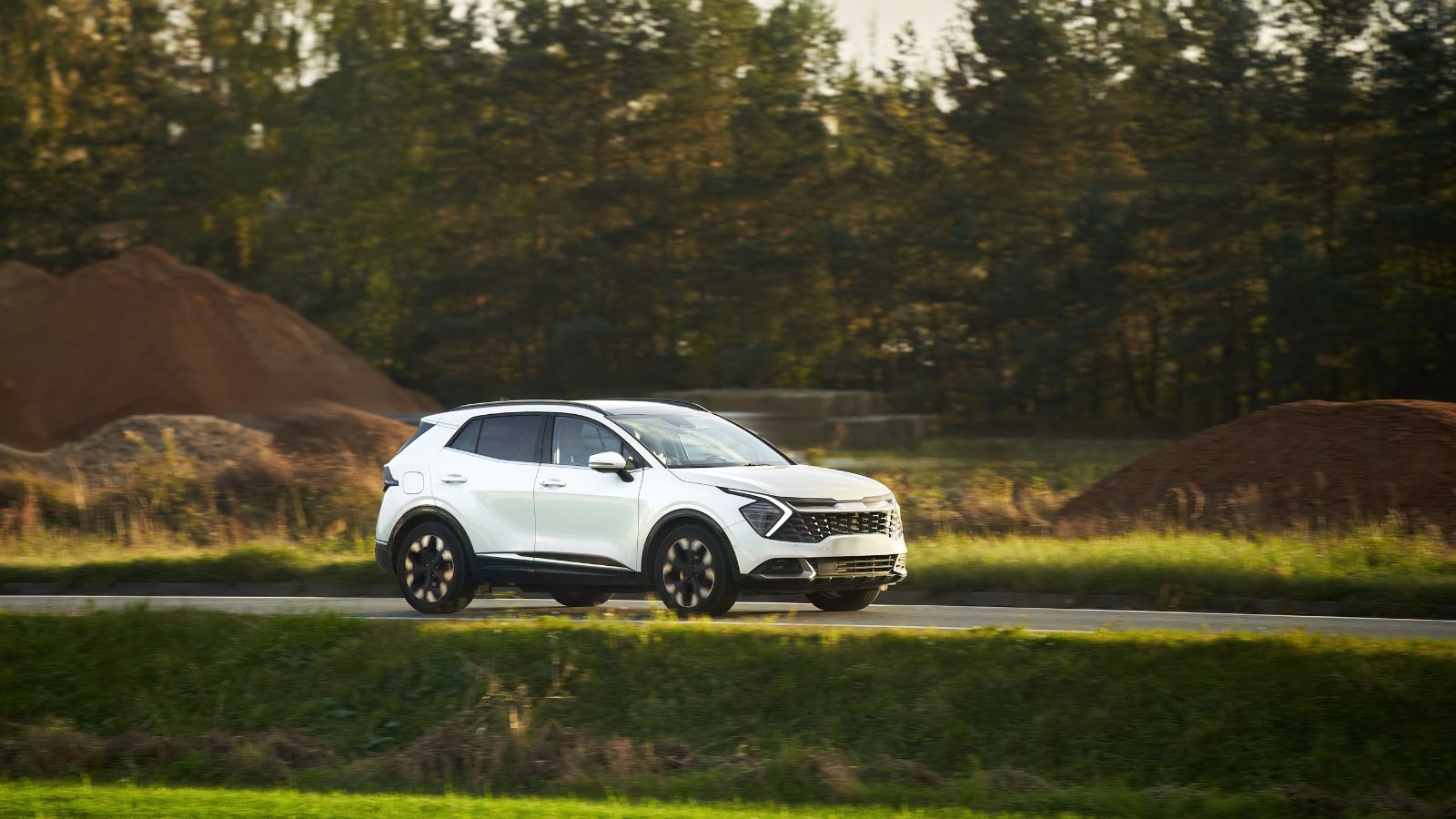
Electric cars promise efficiency, but they come with limitations that not every driver can live with. Hybrids deliver strong fuel economy without the mental load of monitoring range.
You can drive long distances, deal with cold weather, and handle daily commutes without thinking twice. That kind of ease is what most drivers actually want.
Proven Reliability and Engineering
Hybrid systems have been around for decades. Manufacturers like Toyota and Honda have refined the technology to the point where it is both durable and dependable.
Unlike some newer technologies, hybrids are built on a foundation that has already proven itself in the real world.
Lower Running Costs Without Big Trade Offs
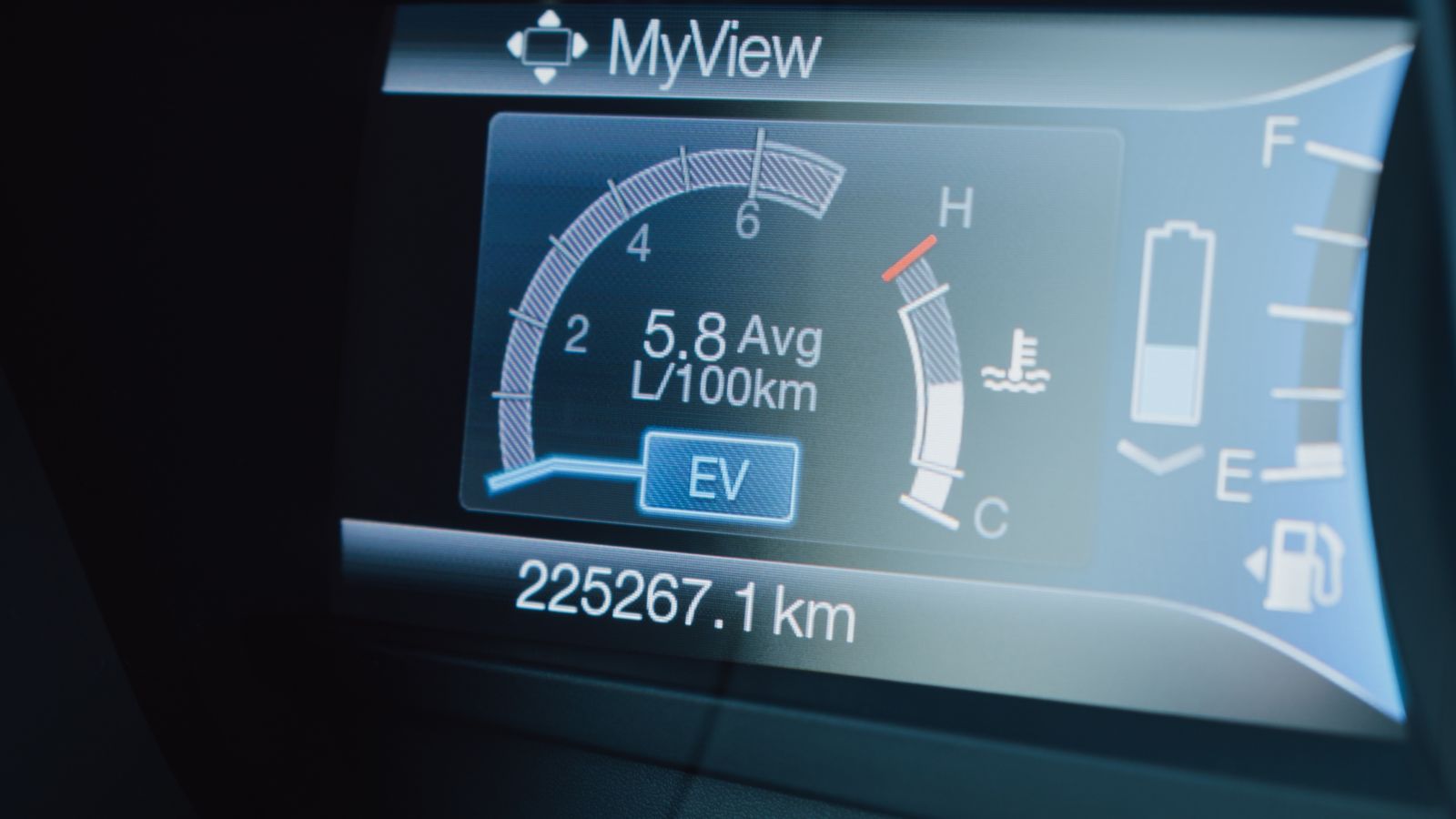
Hybrids reduce fuel consumption significantly, especially in city driving. That translates directly into savings.
At the same time, maintenance remains familiar. You are not dealing with the same level of complexity or cost concerns that can come with fully electric vehicles.
They Bridge the Gap Between Old and New
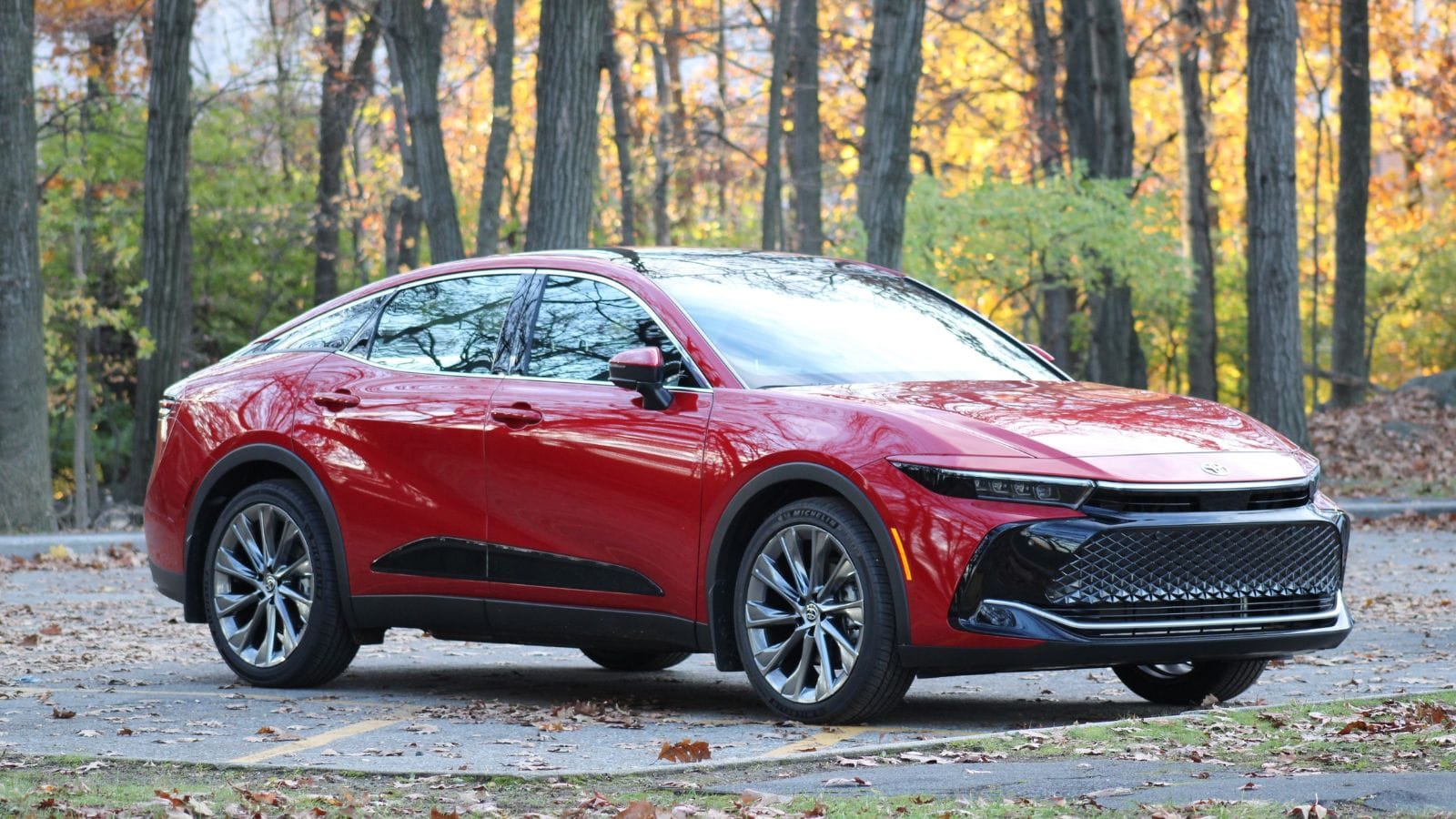
Hybrids offer a middle ground that makes sense during a period of transition. They reduce emissions and fuel consumption while still using familiar systems.
For many drivers, this feels like a more practical step than jumping straight to a fully electric vehicle.
Cold Weather Performance Is Strong

In colder climates, electric vehicles can lose range and efficiency. Hybrids do not face the same limitations.
The combination of an internal combustion engine and electric motor ensures consistent performance regardless of temperature.
No Lifestyle Adjustments Required

Owning a hybrid does not require changing your habits. There is no need to install chargers or plan charging stops.
You simply drive as you always have, with the added benefit of improved efficiency and reduced fuel use.
Increasing Variety and Choice
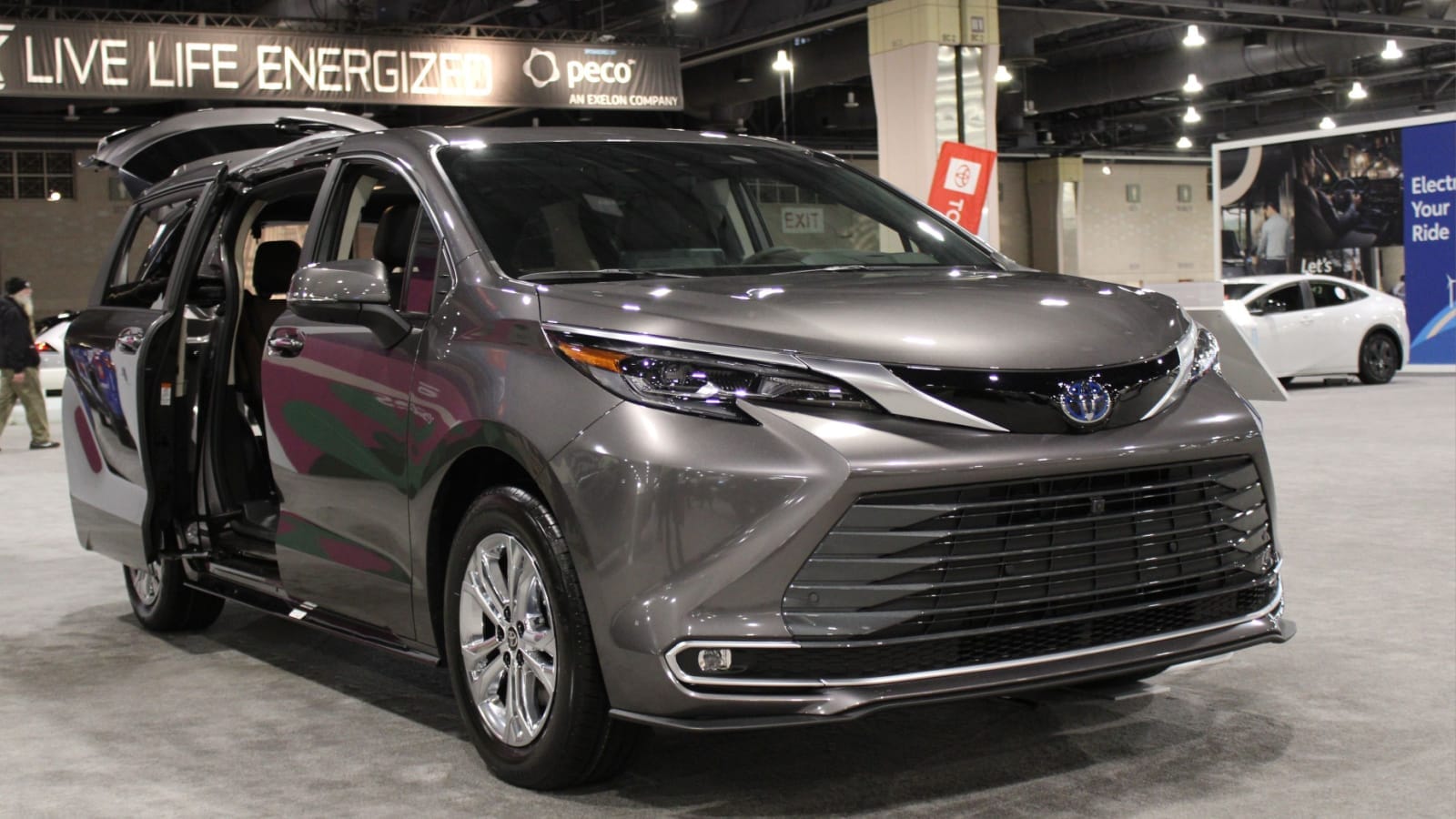
The hybrid market has expanded rapidly. From compact cars to SUVs and even performance oriented models, there is now a wide range of options.
This variety makes it easier for drivers to find a hybrid that fits their needs without compromise.
Better Resale Stability

Hybrids tend to hold their value well. Their reputation for reliability and efficiency makes them attractive in the used market.
As fuel prices fluctuate, that demand often increases, helping protect long term ownership value.
A Practical Long Term Solution
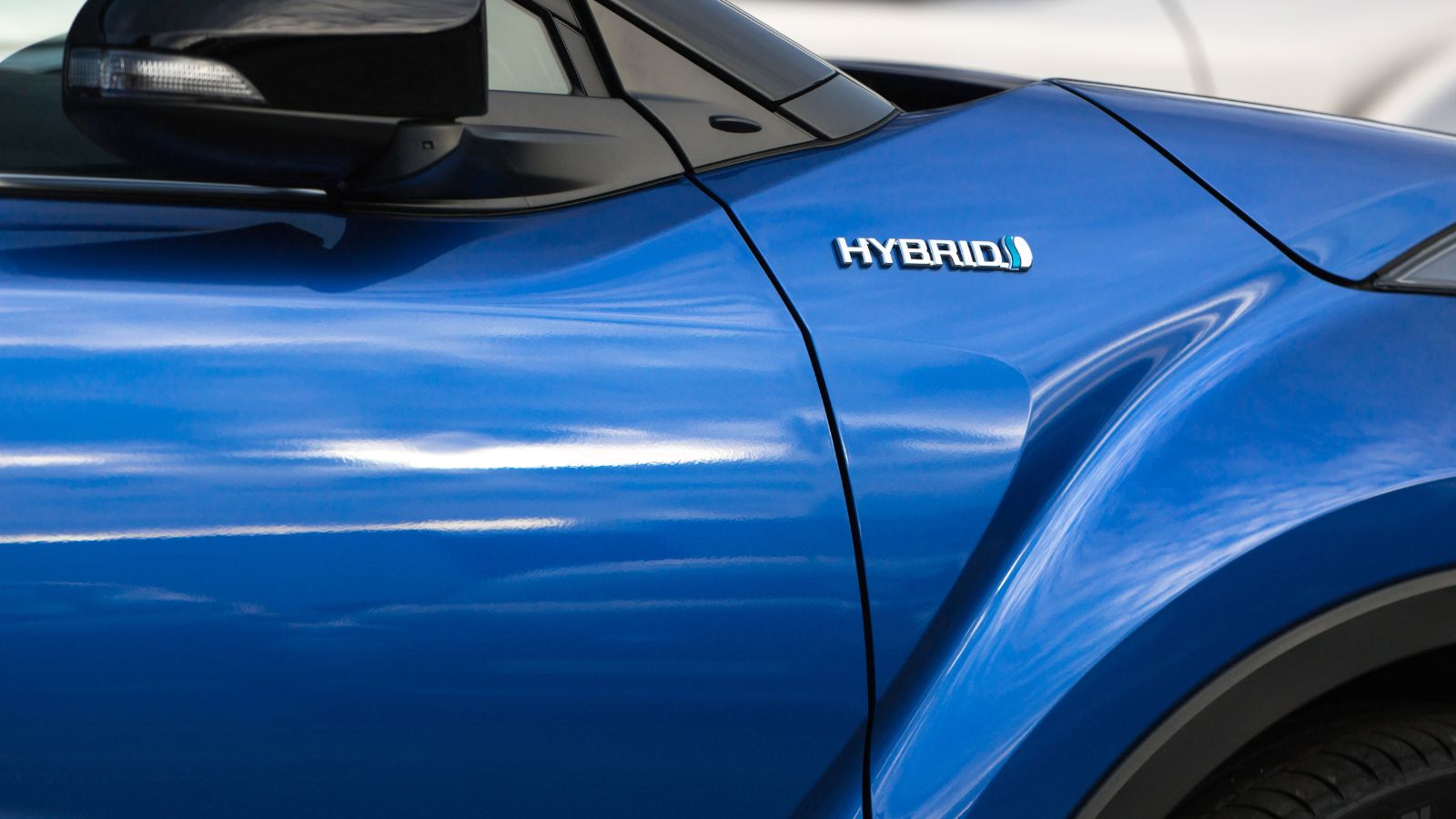
While the industry continues to move toward electrification, hybrids represent a realistic path forward for many drivers.
They offer efficiency, reliability, and convenience in a package that fits today’s world. For now, and likely for years to come, hybrids may be the most balanced answer to personal transport.
25 Facts About Car Loans That Most Drivers Don’t Realize

Car loans are one of the most common ways people fund car purchases. Like any other kind of loan, car loans can have certain features that can be regarded as an advantage or a disadvantage to the borrower. Understanding all essential facts about car loans and how they work to ensure that you get the best deal for your financial situation is essential. Here are 25 shocking facts about car loans that most drivers don’t realize:
25 Facts About Car Loans That Most Drivers Don’t Realize
