
Black ice feels like a deep-winter problem, yet some of its most deceptive conditions arrive well before winter looks established. A damp road, a clear fall night and a small temperature drop can be enough to turn an ordinary commute into a low-grip surprise. The danger is not just the ice itself; it is the mismatch between what drivers see and what the pavement is actually doing. Roads can look merely wet, air temperatures can remain slightly above freezing, and one stretch can be safe while the next is slick. Twelve factors help explain why fall black ice catches drivers off guard, from rapidly cooling pavement and early-morning timing to bridges, shaded roads, tire performance and tiny local weather differences.
The Air Temperature Can Look Safer Than the Pavement Is
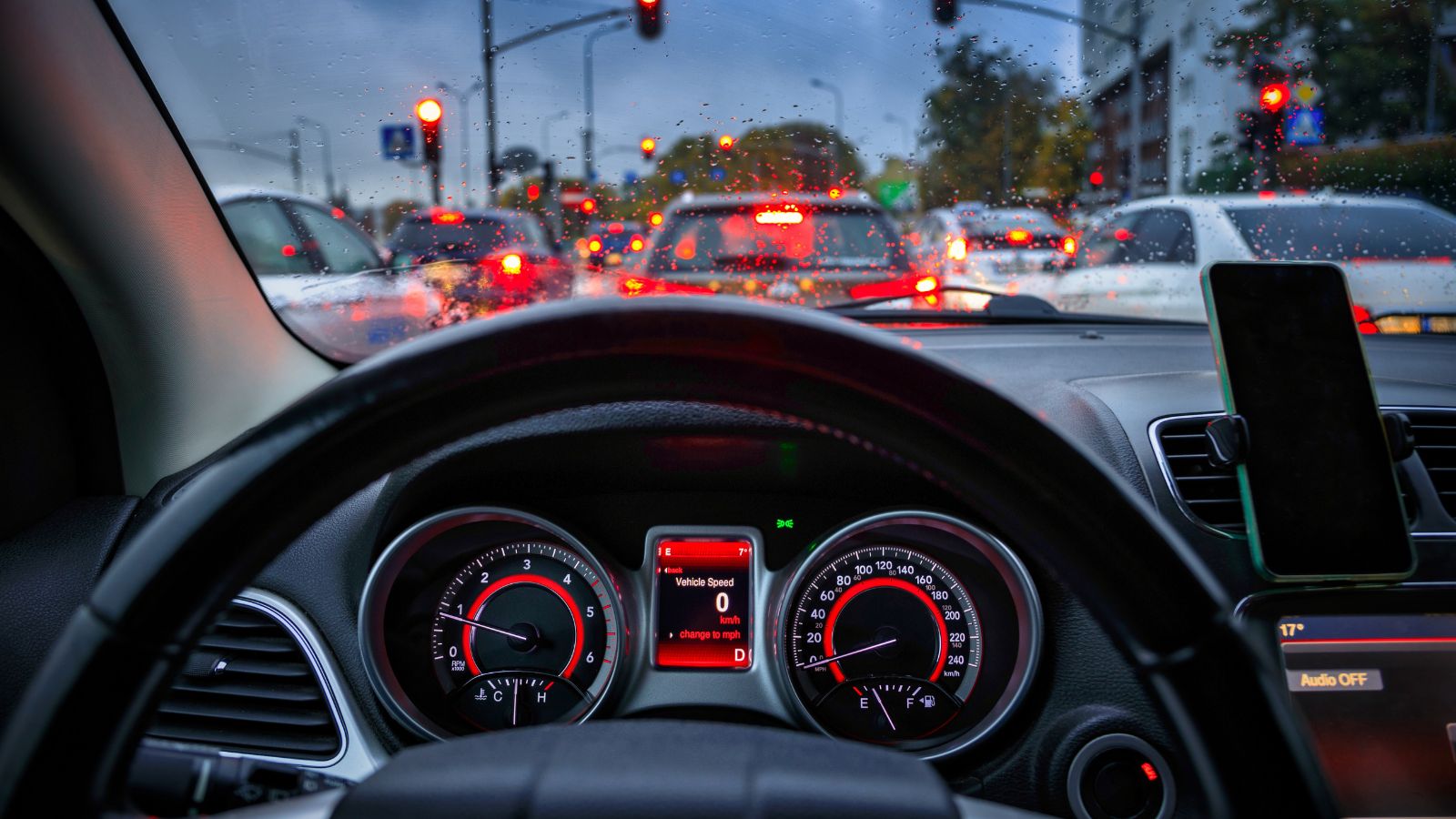
One of the easiest mistakes in fall is treating the dashboard or weather-app temperature as a direct reading of the road. It is not. Standard weather observations are taken above the ground, while black ice depends on the temperature of the pavement itself. On clear, calm nights, surfaces near the ground can cool faster than the air a few feet above them. That means frost or ice can develop on a surface even when the officially reported air temperature is still slightly above 0°C.
That gap matters most during shoulder-season weather, when temperatures hover near freezing rather than staying well below it. A driver may leave home seeing a positive temperature and reasonably expect a wet road, only to encounter an icy patch where the pavement has already crossed the freezing point. Meteorologists specifically treat road-surface temperature as a key indicator of icing potential. In practical terms, a reading of 2°C or 3°C should not automatically be interpreted as proof that every paved surface is safely above freezing.
Bridges and Overpasses Can Freeze Before the Road Around Them

A bridge deck can create one of the most abrupt fall changes in traction. Unlike an ordinary roadbed, which can retain some heat from the ground beneath it, a bridge or overpass is exposed to cold air above and below. Transport Canada warns that bridges and highway overpasses can freeze quickly and remain frozen longer than other sections of road. The National Weather Service gives the same basic explanation: cold air can surround the elevated structure on both sides.
That creates a classic surprise. The approach pavement may be only wet, encouraging normal speed and normal steering, while the bridge deck is already icy. In autumn, when the landscape may still look green or merely damp rather than wintry, the visual cue is even weaker. A familiar bridge on a routine commute can therefore become the first place a driver encounters seasonal ice. The safest mental trigger is the structure itself: if temperatures are near freezing after rain, fog or overnight cooling, a bridge deserves caution even when the roadway leading to it feels completely normal.
Shaded Roads Can Stay Colder Than Nearby Pavement

Shaded pavement is another place where fall black ice can survive or form while nearby lanes look harmless. Transport Canada specifically notes that black ice occurs more often in shaded areas, and U.S. weather guidance points to roads shaded by trees or other objects as common trouble spots. The reason is straightforward: pavement that receives less solar warming during the day has less stored heat available when temperatures fall later.
For drivers, this can create a patchwork road rather than one uniformly icy route. A sunny section may be merely damp, while a tree-lined bend or a stretch beside a tall building can remain cold enough for ice. That inconsistency is what makes the hazard difficult to read from the windshield. A driver can travel several kilometres with normal grip and then meet one slick corner without any dramatic change in the weather. In fall, when snowbanks and obvious winter scenery are absent, shaded sections deserve attention simply because their thermal history can be different from the open road.
Clear Fall Nights Can Cool Surfaces Surprisingly Fast
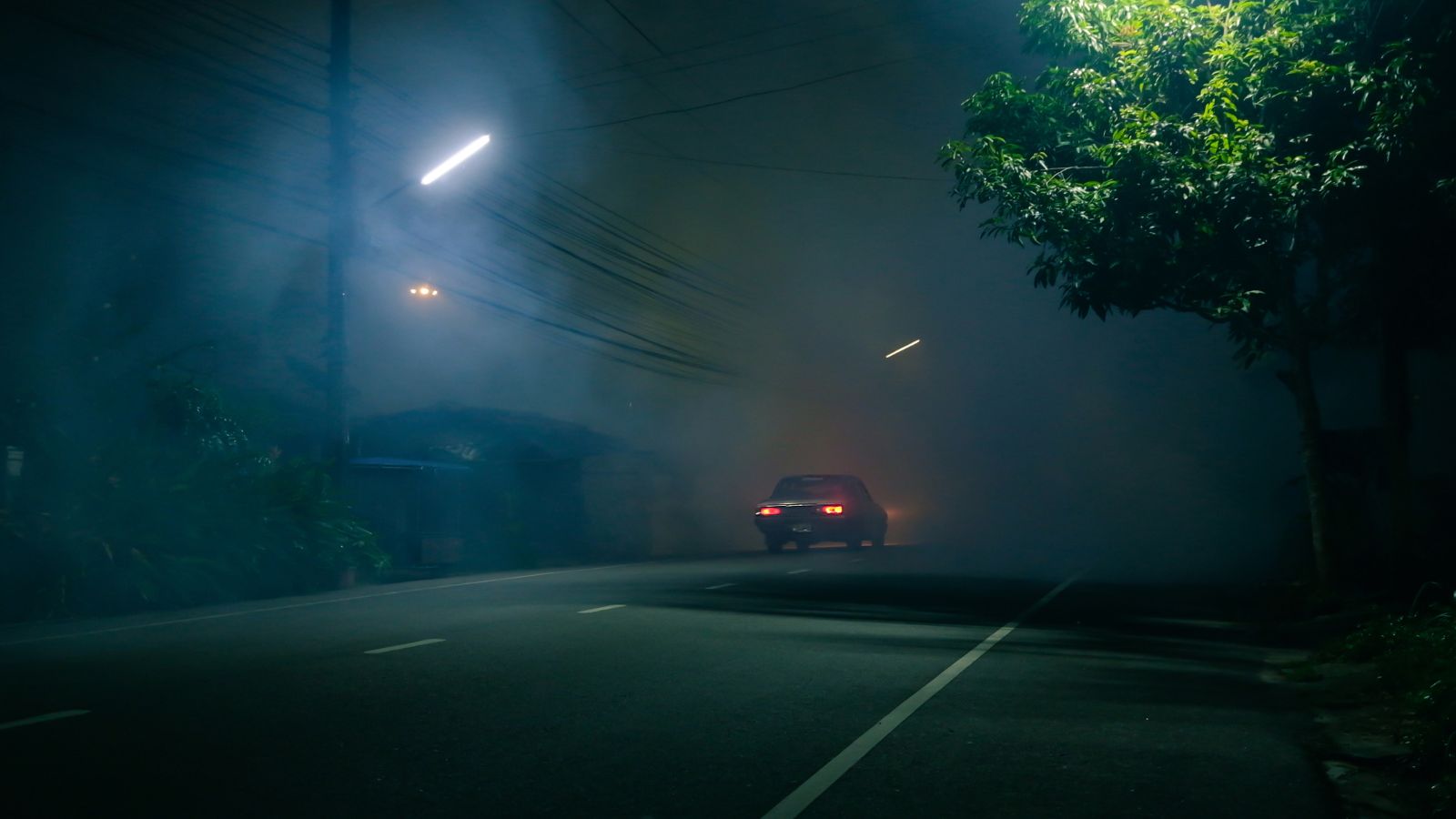
A bright, calm fall evening can look reassuring, but clear skies are efficient at allowing surfaces to lose heat through radiation. National Weather Service guidance explains that on clear, calm nights, the ground can cool below the temperature measured a few feet above it. Frost can therefore form even when the official air temperature never drops below freezing. Longer autumn nights provide more time for that cooling process, which is one reason a mild-looking evening can produce a frosty windshield by dawn.
Roads can respond in the same general way when conditions are close to the freezing point. If pavement is already damp, a few hours of radiational cooling may be enough to turn moisture into a thin glaze. This is especially deceptive after a day that felt too warm for ice. The shift may happen after sunset rather than during an obvious storm, so drivers who parked on a dry-looking evening can encounter a very different surface before sunrise. Clear weather, in other words, does not automatically mean low icing risk.
Rain, Dew and Fog Can Supply All the Moisture Black Ice Needs
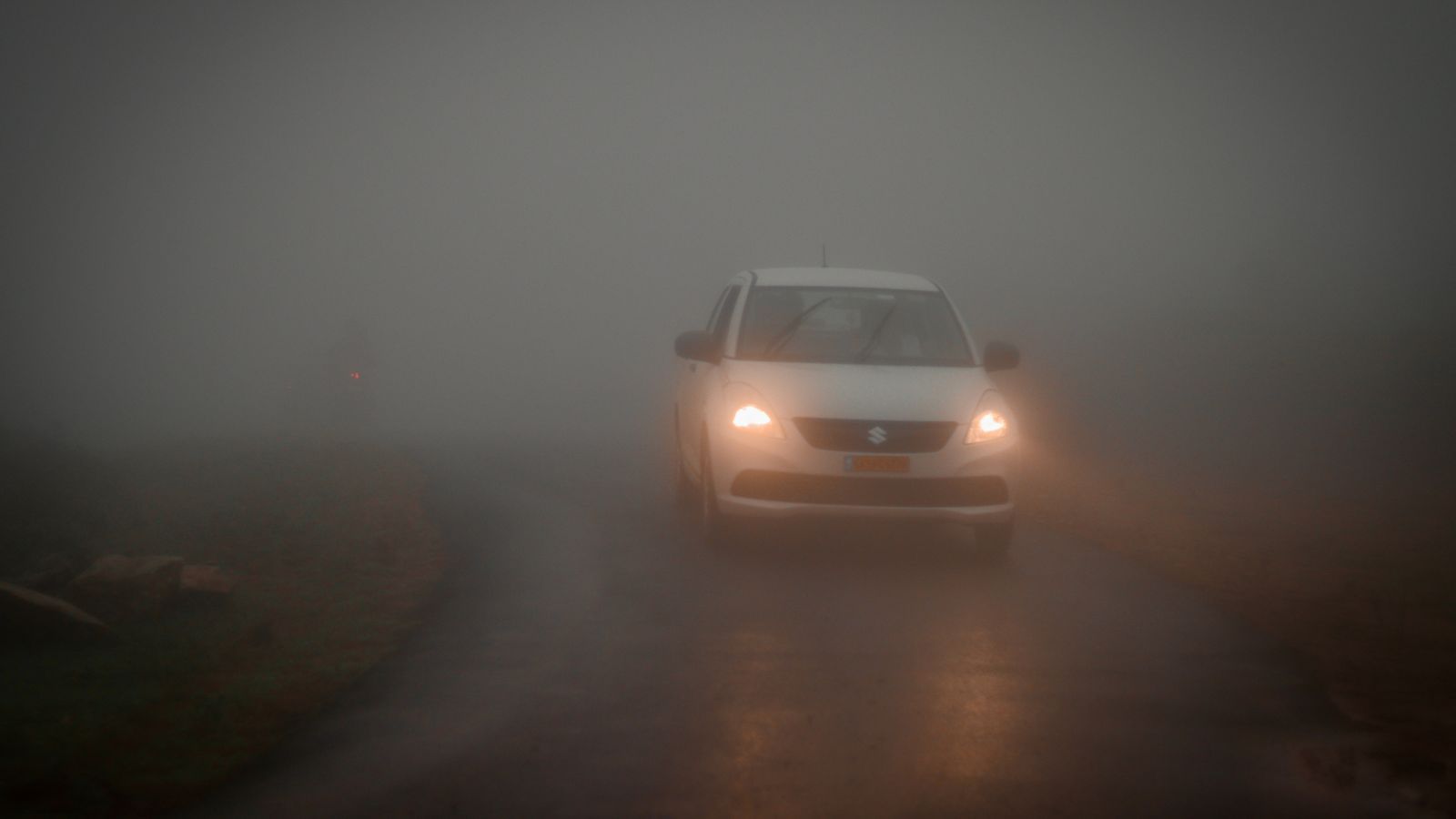
Black ice does not require a snowstorm. It only needs liquid water or atmospheric moisture on a surface that reaches freezing. Weather agencies list several pathways: rain can leave the road wet before temperatures drop, snowmelt can refreeze, and moisture from dew or fog can condense on cold pavement. Freezing fog adds another route because supercooled droplets can freeze on exposed surfaces, including roads and vehicles.
That is particularly relevant in fall because drivers often use visible snow as their mental signal that winter hazards have begun. A wet road after an evening shower may look ordinary, and fog may seem like only a visibility problem. Yet if the surface temperature slips to 0°C or below, that moisture can become a traction problem as well. The transition can be thin and patchy instead of dramatic. One lane, curb area or sheltered section may glaze while another remains wet, making the first sign of trouble a change in steering feel rather than an obvious white coating on the pavement.
Freezing Drizzle Can Create Ice Without Looking Like a Major Storm
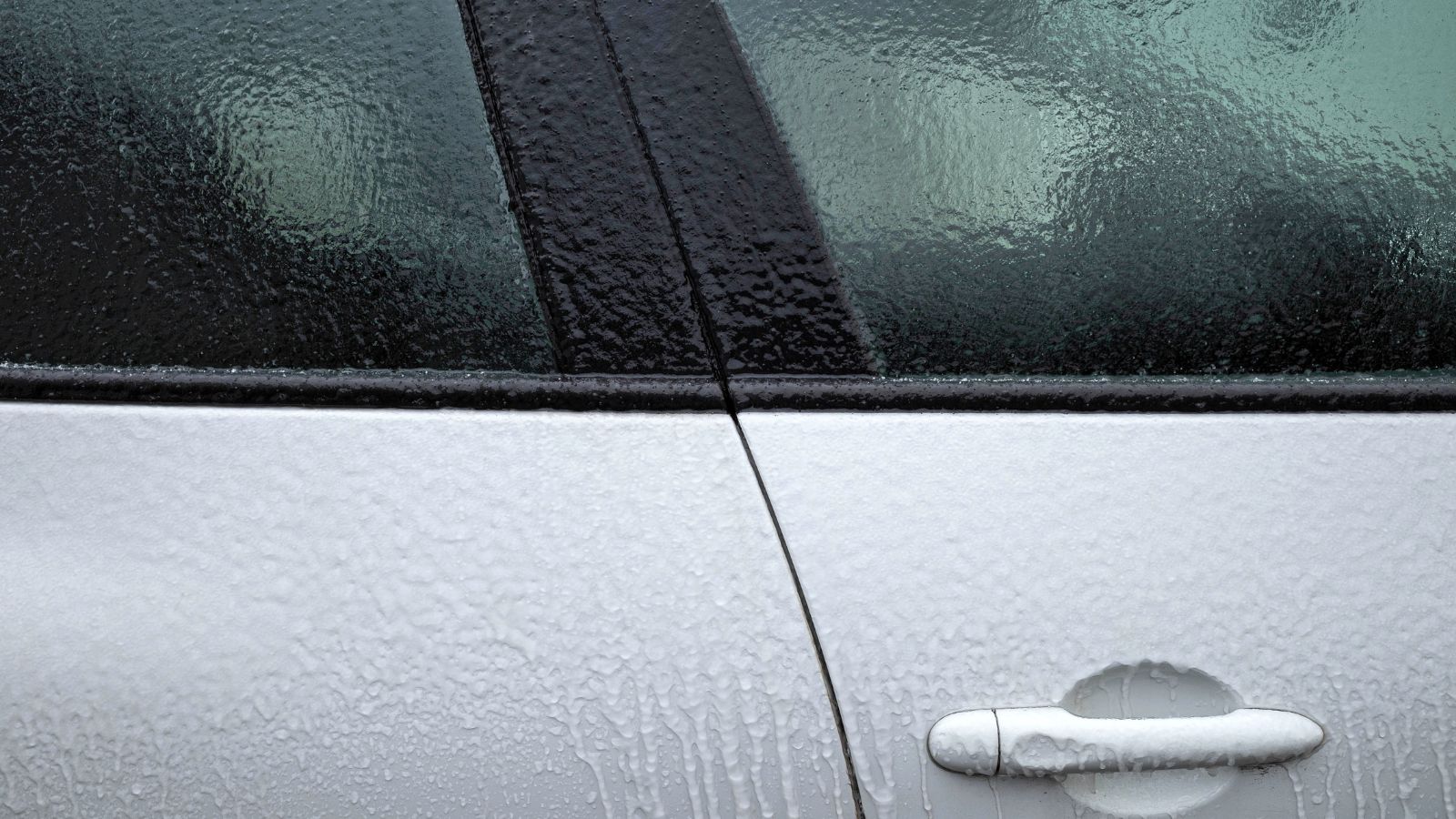
Freezing drizzle and light freezing rain are easy to underestimate because the precipitation can look minor through the windshield. Environment and Climate Change Canada groups freezing rain, freezing drizzle and flash-freeze events under ice hazards because they can create icy routes, collisions and significant travel disruption. The amount falling from the sky does not have to resemble a heavy snowstorm for road conditions to deteriorate sharply.
The physics also works against visual intuition. Liquid precipitation can reach a surface that is at or below freezing and form a coating of ice, producing a smooth glaze rather than a fluffy accumulation. That means a roadway may still look dark and wet while grip is disappearing. In the fall, when temperatures often sit close to the freezing point, a small change in surface temperature can separate plain drizzle from a serious icing problem. Drivers who judge conditions only by precipitation intensity can therefore miss the more important question: whether the road surface is cold enough for that moisture to freeze.
Early Morning Is a Prime Time for the Hazard
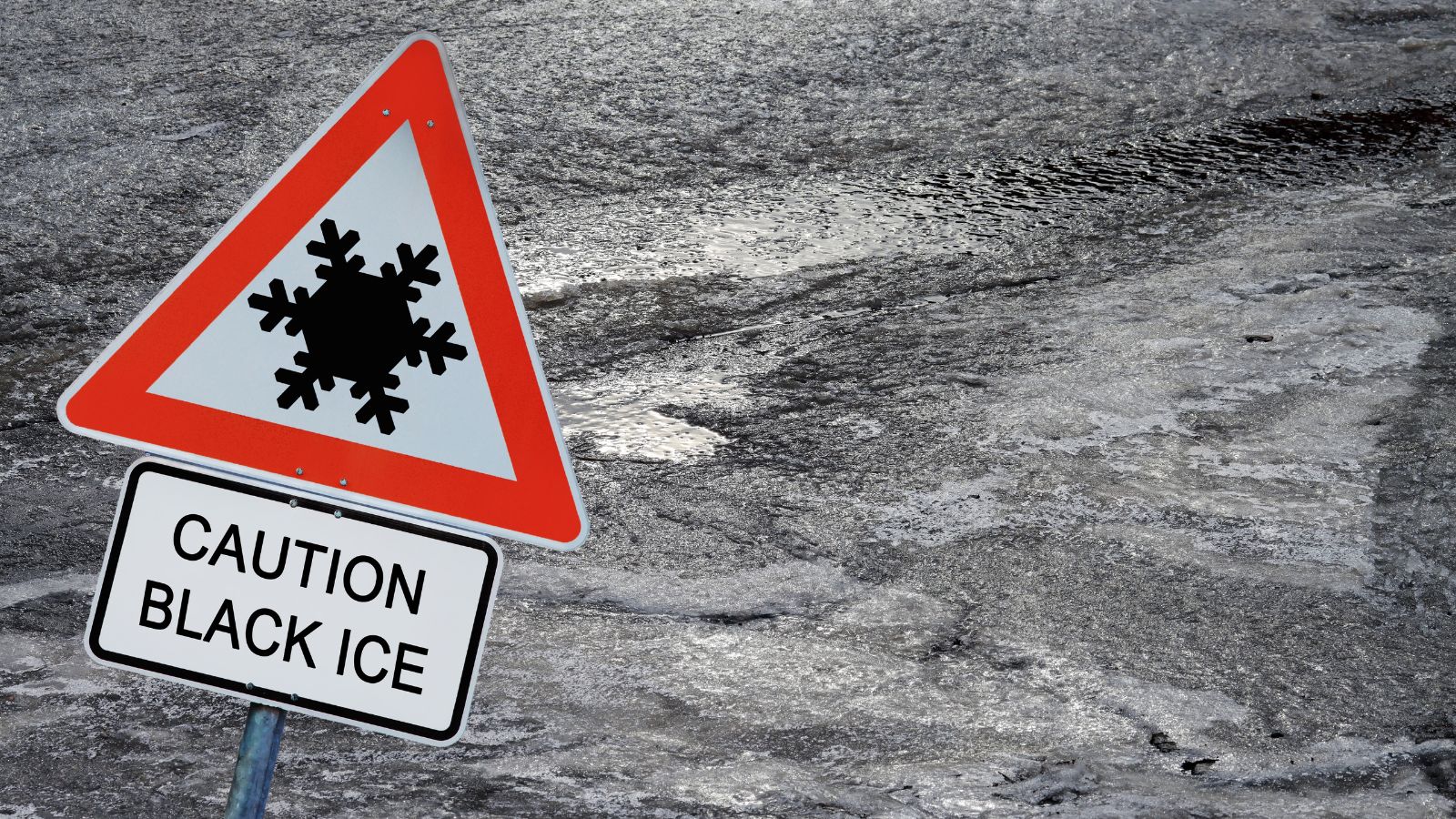
Black ice has a strong overnight and early-morning pattern. National Weather Service guidance says it is most prevalent during the early morning hours, especially when moisture on the road has had a chance to refreeze as temperatures fall overnight. Separate winter-driving guidance notes that ice formed at night can remain in place into the morning commute. That timing matters because prolonged overnight cooling can leave road surfaces at their coldest just as early traffic begins moving.
The result is a familiar fall trap: the road was only wet when people went to bed, but the same surface can be glazed when commuters leave before sunrise. The first vehicles of the morning may encounter those conditions before sunlight has had much opportunity to warm exposed pavement. A driver who takes the same route every day can therefore meet a seasonal hazard at exactly the same clock time as usual. The routine feels unchanged; the road surface is not.
Black Ice Is Designed by Nature to Be Hard to See
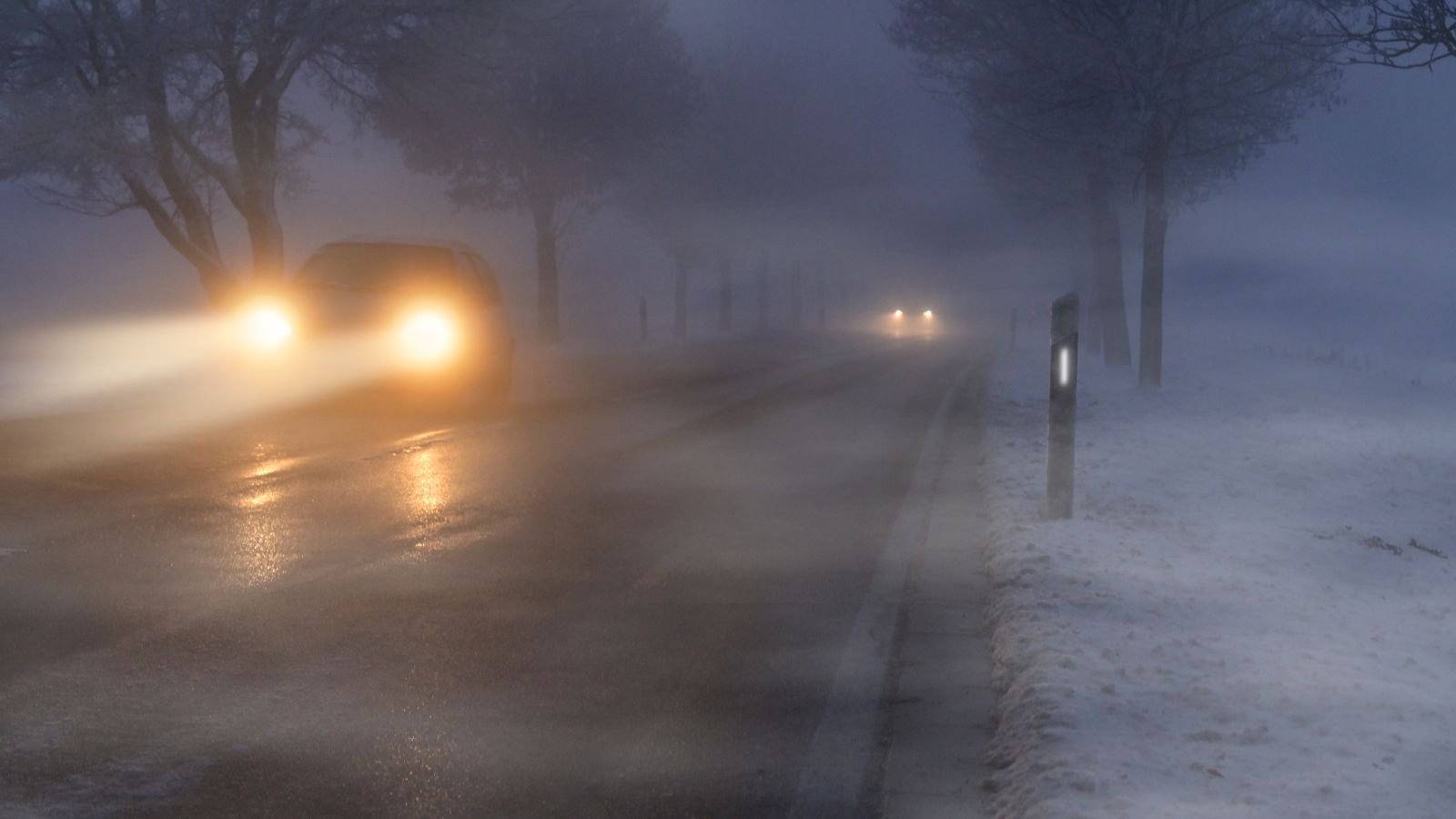
The name can be misleading because black ice is not actually black. It is usually a thin, relatively transparent layer that allows the dark pavement underneath to show through. Weather agencies describe it as patchy ice that cannot easily be seen, and some guidance notes that it can resemble a road that is simply wet. In poorly lit areas, the thin glaze can be extremely difficult to distinguish before a vehicle is already on it.
That visual camouflage is especially troublesome in fall, when drivers are less likely to expect a winter surface. There may be no snow along the shoulder, no plow berms and no obvious ice crystals reflecting in the headlights. A dark patch that looks like leftover rain can actually have far less grip than the pavement surrounding it. Weather guidance specifically warns that black ice becomes particularly difficult to identify in poor lighting, making anticipation more reliable than visual detection. Near-freezing, wet-looking pavement deserves caution even when no obvious ice can be seen.
Cold Weather Can Reduce Tire Grip Before Winter Officially Arrives
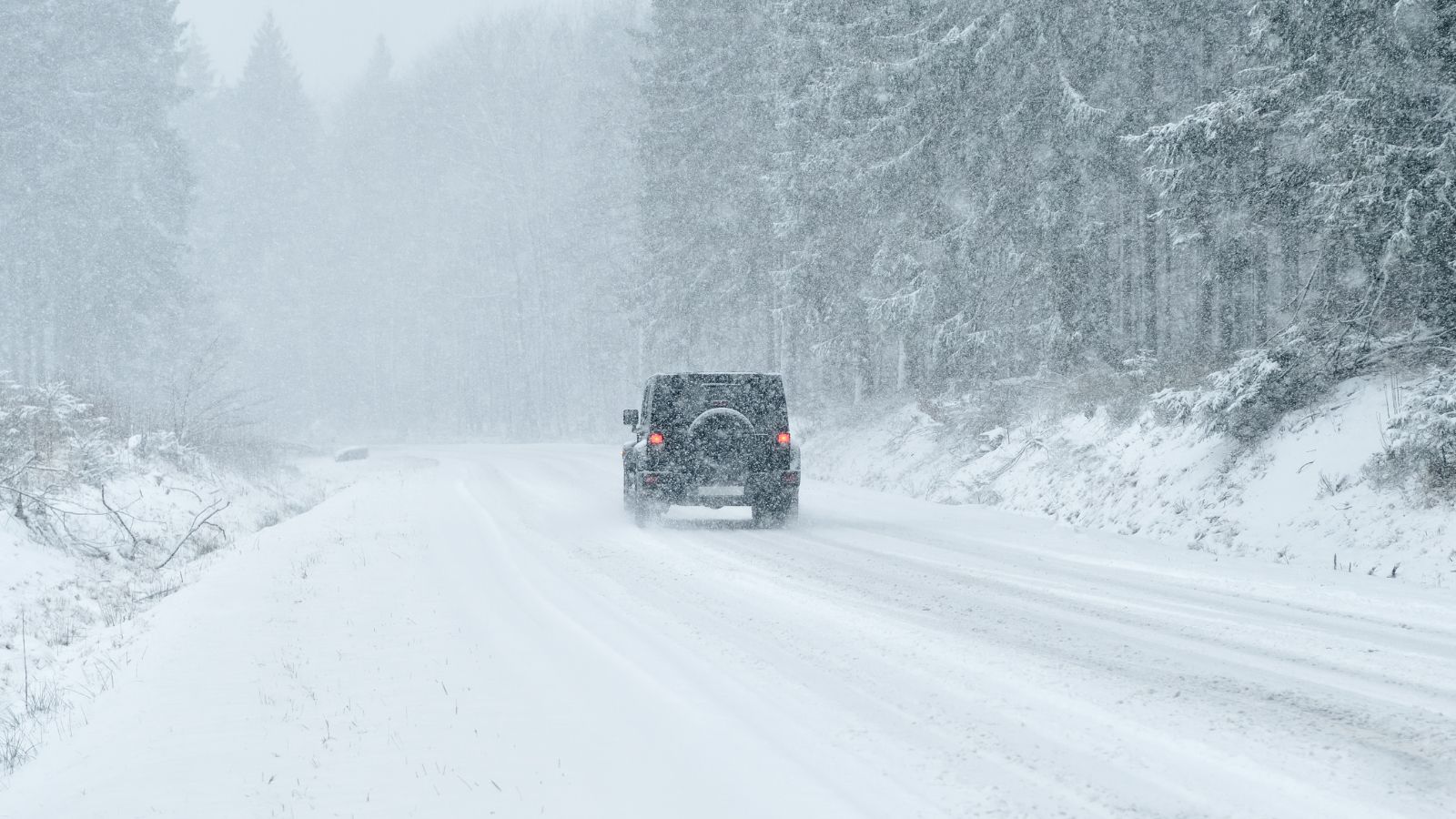
Tires add another fall transition that can arrive before the first major snowfall. Transport Canada says all-season and summer tires begin to lose elasticity at temperatures below 7°C, reducing traction, while winter tires retain elasticity and grip at much lower temperatures. That does not mean 7°C creates black ice, but it does mean the vehicle’s available grip can already be changing during the same period when overnight road temperatures begin flirting with 0°C.
Cold also affects tire pressure. Transport Canada advises that pressure can drop by about 7 kPa, or roughly 1 psi, for every 5°C decrease in air temperature. A properly maintained all-season tire is not suddenly rendered useless because autumn arrives, but colder rubber, falling pressure and a surprise ice patch are an unfriendly combination. Winter tires cannot make glare ice harmless either; they simply provide a better cold-weather foundation. The larger point is timing: fall can deliver icy pavement before every driver has checked pressures, tread condition or seasonal tire plans.
Warm-Weather Driving Habits Do Not Translate Well to Ice
The first icy mornings of the season can arrive while driving habits are still calibrated for dry or wet pavement. Transport Canada warns that panic braking can contribute to skids and advises drivers on slippery roads to slow down, increase following distance, avoid forceful braking and avoid sudden steering movements. It also cautions against cruise control in extreme winter weather. Those recommendations matter because black ice often gives a driver very little warning before grip changes.
Seasonal adjustment is a recognized safety issue as well. National Weather Service material on the first snow of the season warns that early events can cause significant road problems while drivers readjust to poor conditions. Black ice can create a similar behavioural mismatch without the obvious cue of falling snow. A driver who enters a shaded bend at a normal fall speed may have little margin left for a sudden correction. Smooth inputs and extra space are not just mid-winter habits; they become useful as soon as overnight temperatures begin approaching freezing.
A Few Kilometres Can Separate Safe Pavement From Icy Pavement
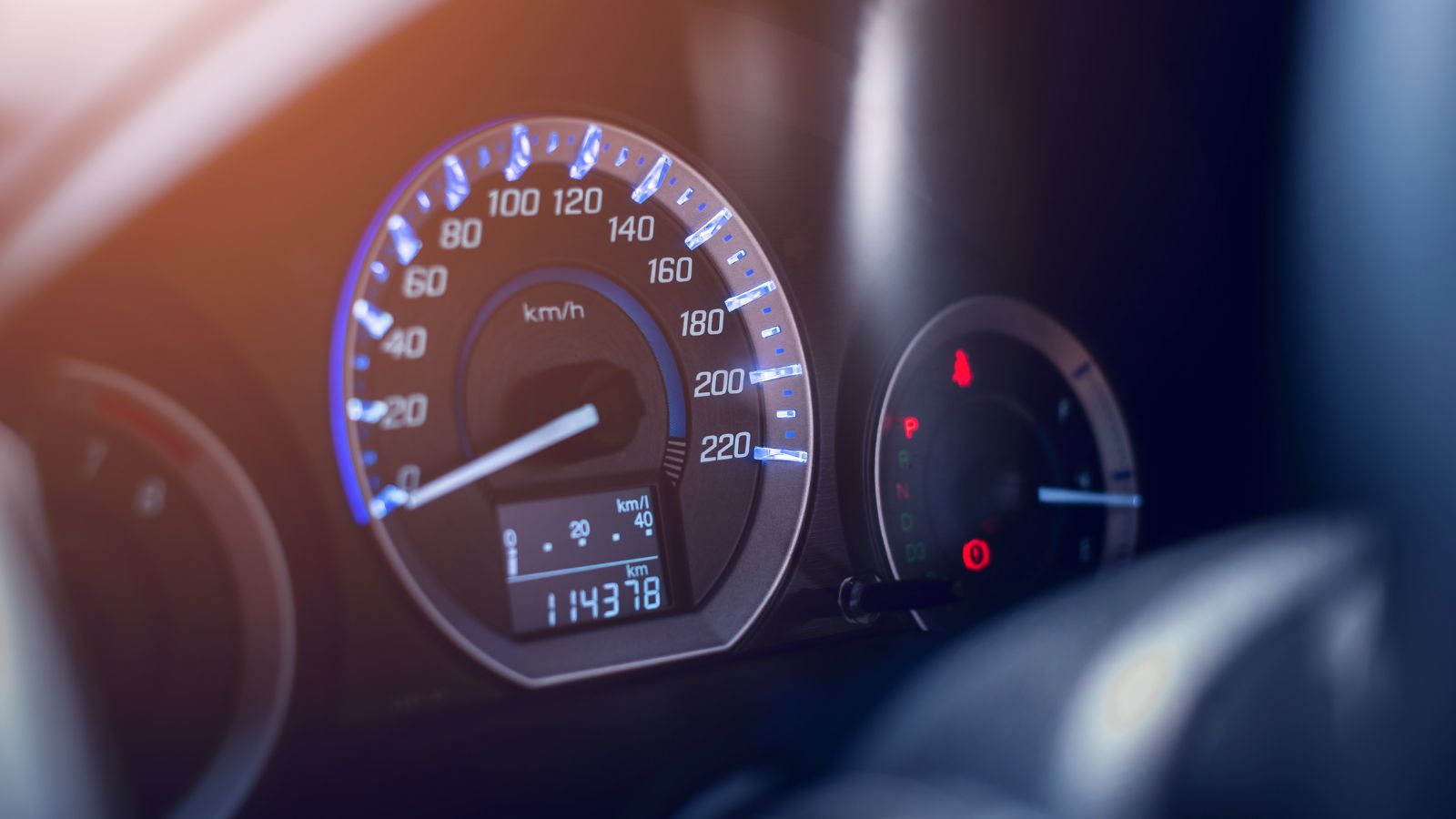
Fall weather can vary more locally than a single forecast icon suggests. Environment and Climate Change Canada notes that temperatures can differ significantly within only a few kilometres, especially in the early morning. Elevation matters, and cold air tends to settle into lower ground. Parks Canada similarly warns that weather and road conditions in mountain areas can change quickly and that conditions at one point may differ from locations nearby.
For drivers, that means a departure point is not a reliable sample of an entire route. A neighbourhood street may be above freezing while a low-lying rural section, valley, elevated pass or exposed highway segment is cold enough to ice. This is one reason black ice can feel so sudden: the weather did not necessarily transform across the whole region; the vehicle simply entered a colder microclimate. Routes with meaningful changes in terrain deserve particular attention when overnight forecasts are hovering near 0°C, especially if sections of the road are wet or sheltered.
Drainage Areas and Roads Near Water Can Hide Isolated Patches
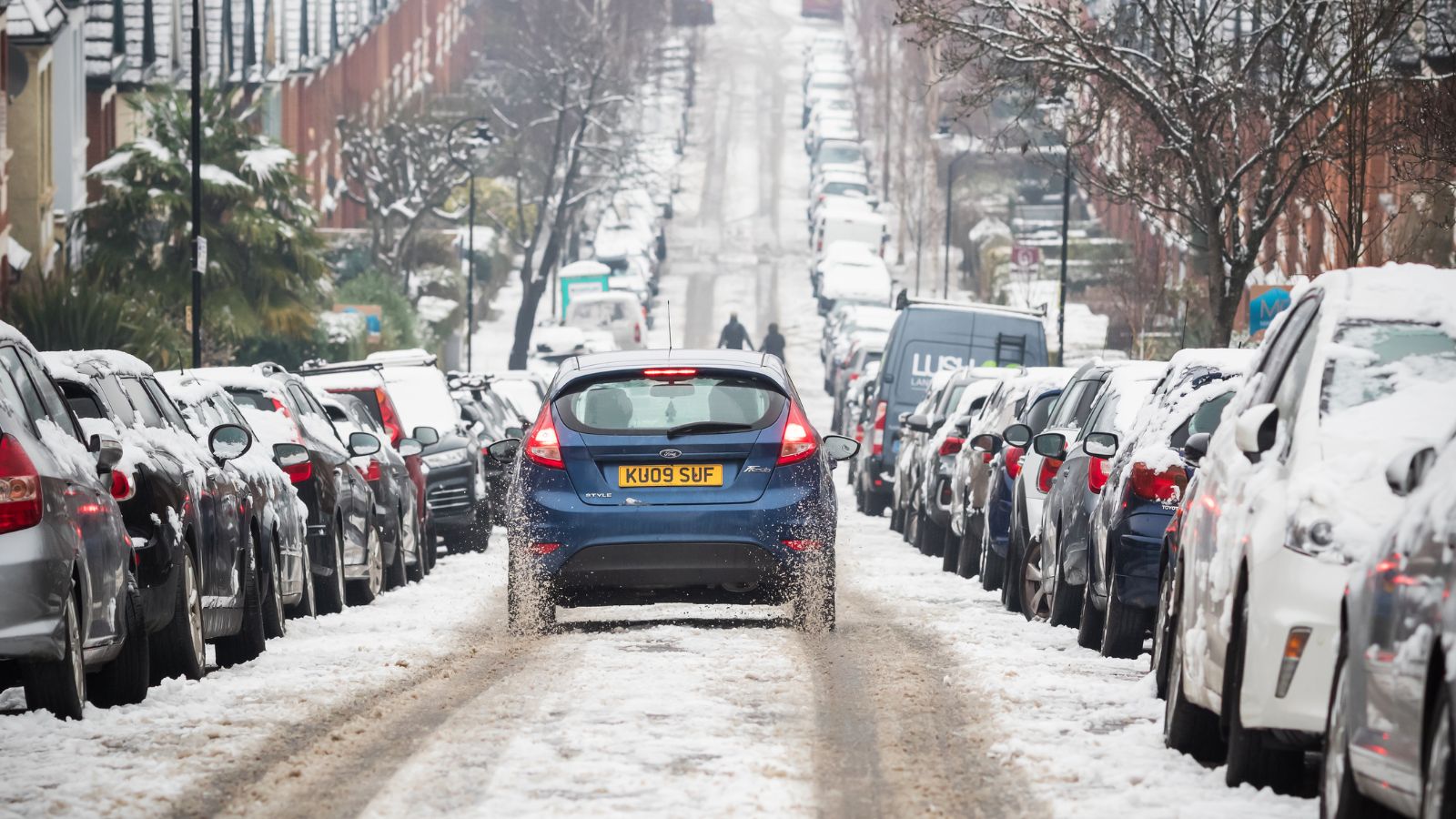
Black ice does not always cover an entire lane. National Weather Service safety material points to curbs and drainage areas as places where water from rain or melting snow can collect and refreeze. Parks Canada also warns drivers to watch for black ice on bridges and near water. These locations can keep supplying small amounts of moisture to pavement even when the main road surface appears comparatively dry.
That creates isolated slick spots that are easy to miss in fall. Water can run across a shoulder, pool near a drain or linger beside a waterway, then freeze after the surrounding pavement has become merely cold and dry. The danger is less like entering a continuous skating rink and more like hitting one unexpected low-friction patch. Because the rest of the road may feel completely normal, drivers may not have slowed before reaching it. Near-freezing mornings call for extra caution around drainage channels, bridge approaches, low spots and road sections beside rivers or lakes, even when there has been no recent snow.
19 Used Cars Canadians Should Avoid in 2026 (Based on Owner Complaints)

Buying a used car in Canada can feel safe until repair bills start stacking up. Owner complaints tell a different story than glossy listings. Transmission failures, electrical problems, and weak winter reliability show up again and again in consumer reports. Many of these issues appear after warranties expire, when owners least expect them. Some vehicles look affordable upfront, but become expensive to keep on the road. Others struggle in cold weather, urban driving, or long highway commutes. Here are 19 used cars Canadians should avoid in 2026 (based on owner complaints).
19 Used Cars Canadians Should Avoid in 2026 (Based on Owner Complaints)
19 Used Cars Canadians Should Avoid in 2026 (Based on Owner Complaints)
Buying a used car in Canada can feel safe until repair bills start stacking up. Owner complaints tell a different story than glossy listings. Transmission failures, electrical problems, and weak winter reliability show up again and again in consumer reports. Many of these issues appear after warranties expire, when owners least expect them. Some vehicles look affordable upfront, but become expensive to keep on the road. Others struggle in cold weather, urban driving, or long highway commutes. Here are 19 used cars Canadians should avoid in 2026 (based on owner complaints).
19 Used Cars Canadians Should Avoid in 2026 (Based on Owner Complaints)

Alanna Rosen is an experienced content writer that focuses on many EV and educational content. Her articles are regularly published on Get CyberTrucked and syndicated on large publications.